
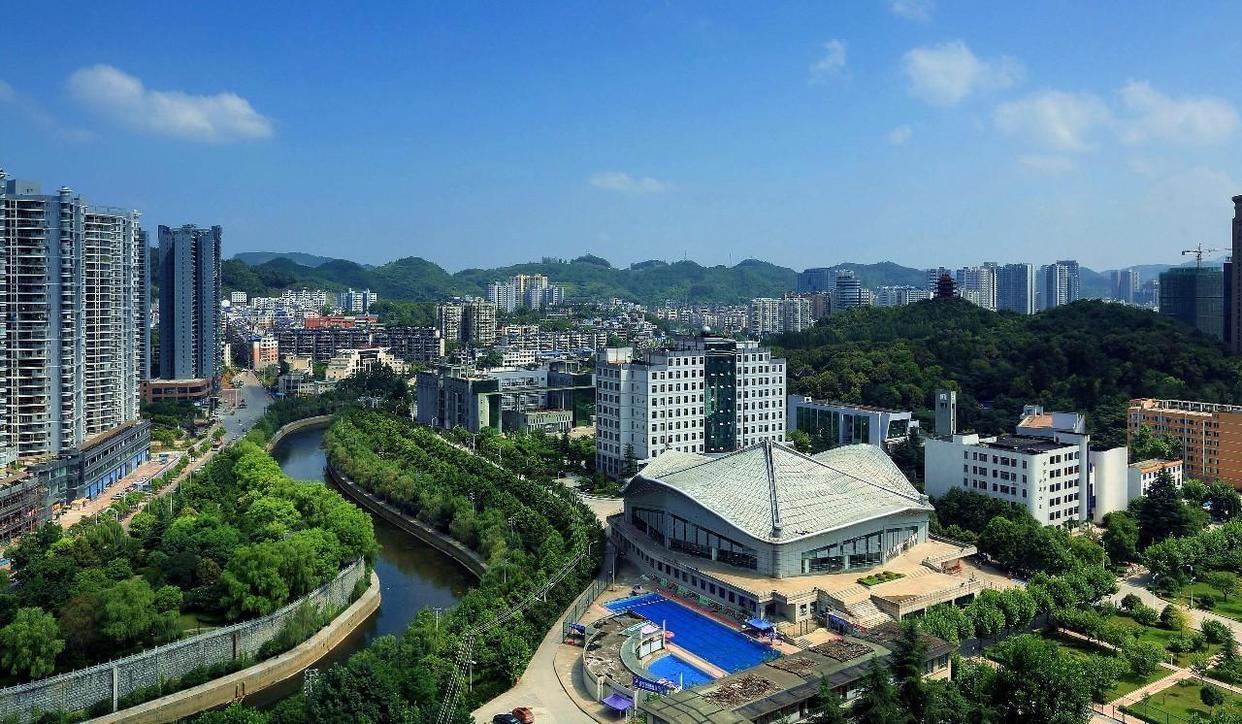
Zunyi is located in the north of Guizhou Province, on the northeastern part of the Yunnan-Guizhou Plateau. It has a mild and humid climate with distinct seasons, no severe cold in winter and no extreme heat in summer, with an average annual temperature of around 15°C.
Zunyi has a long history and is one of the first 24 historical and cultural cities announced by the State Council. In 1935, the Chinese Communist Party held the famous 'Zunyi Conference' here, which established Mao Zedong's leadership and was a critical turning point in the Party's history.
Zunyi's culture is diverse, blending Bashu culture, northern Guizhou culture, and red culture. Specialties include Zunyi lamb rice noodles, tofu pudding noodles, and Wujiang fish, with a spicy and rich flavor. Moutai liquor is world-renowned.
Modern Zunyi is the second-largest city in Guizhou Province, with an economy centered on liquor, energy, equipment manufacturing, and tourism. The city has well-developed infrastructure and convenient transportation, including Zunyi Xinzhou Airport and Zunyi Moutai Airport, with high-speed rail connections to major cities nationwide.
The best time to visit 遵义 is Spring and Autumn (March-May, September-November).
Spring (March-May) sees warming temperatures and blooming flowers, ideal for visiting the Chishui Danxia and the Zunyi Conference Site.
Summer (June-August) is hot, but surrounding mountains like Loushanguan are cool and pleasant for summer escapes.
Autumn (September-November) offers clear skies and pleasant scenery, perfect for outdoor activities and enjoying autumn harvest cuisine.
In January 1935, the Central Committee of the Communist Party of China held an enlarged Politburo meeting in Zunyi, establishing Mao Zedong's leadership and saving the Party and the Red Army.
In 1997, the Zunyi region was abolished and Zunyi was established as a prefecture-level city.
The brewing technique of Maotai liquor was inscribed on the National Intangible Cultural Heritage list.
Recommended places to visit
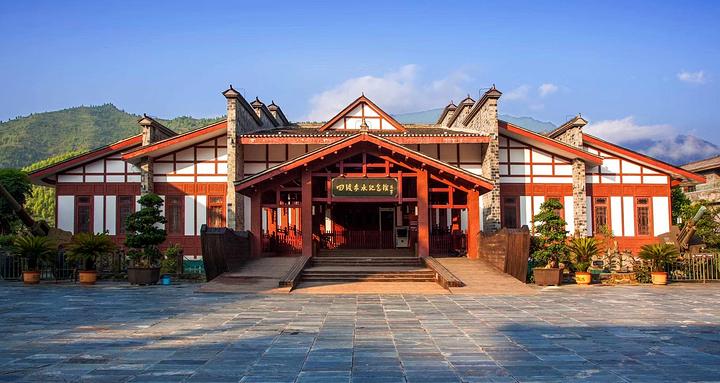
Located in Honghuagang District, it is the site of the 1935 Zunyi Conference and now a key national cultural relic protection unit.
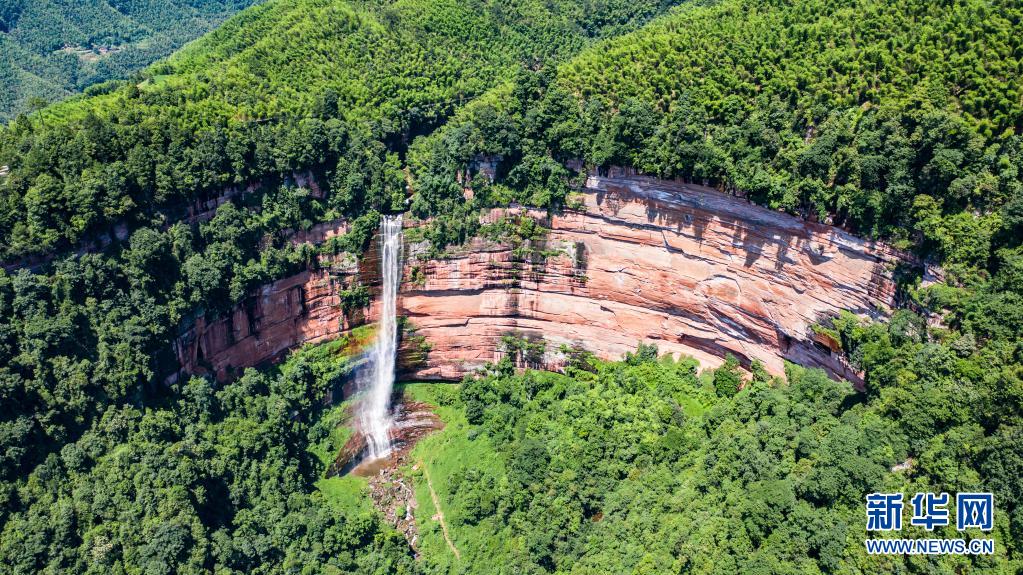
Famous for its Danxia landform, with red sandstone and green vegetation complementing each other, it is a World Natural Heritage site.
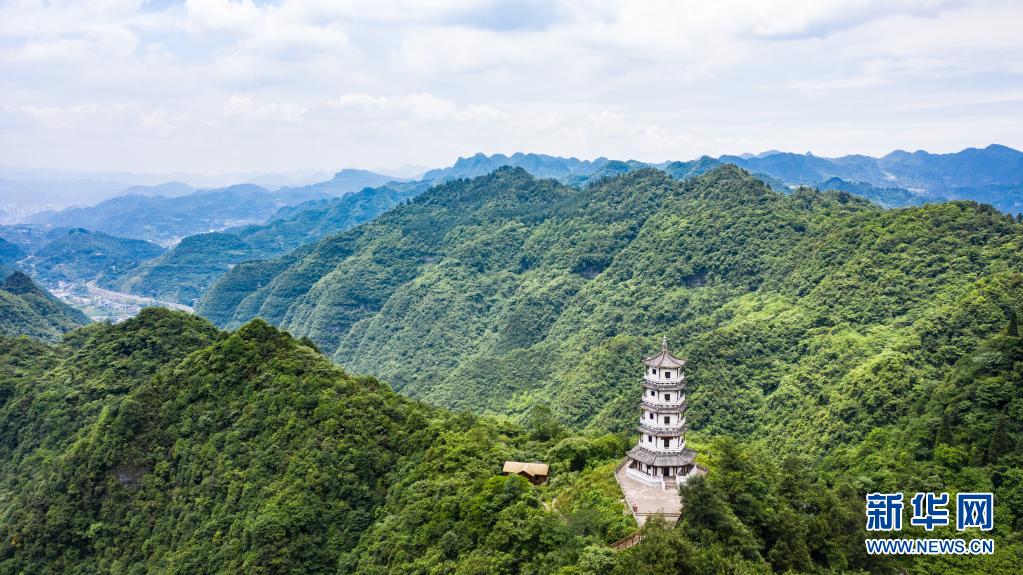
UNESCO World Heritage Sites
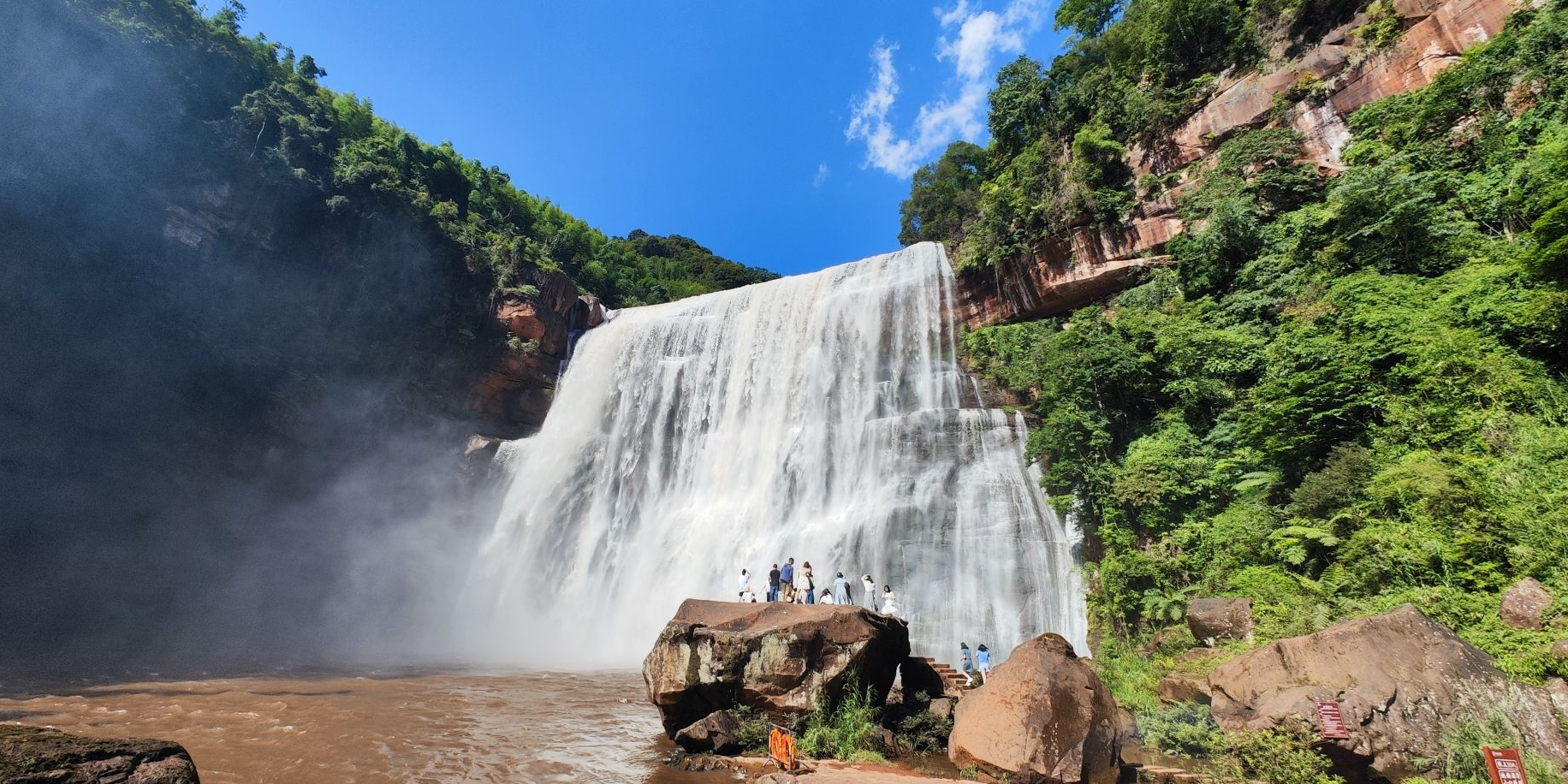
As part of China Danxia, Chishui Danxia was inscribed as a World Natural Heritage site for its spectacular red sandstone landforms and rich biodiversity.
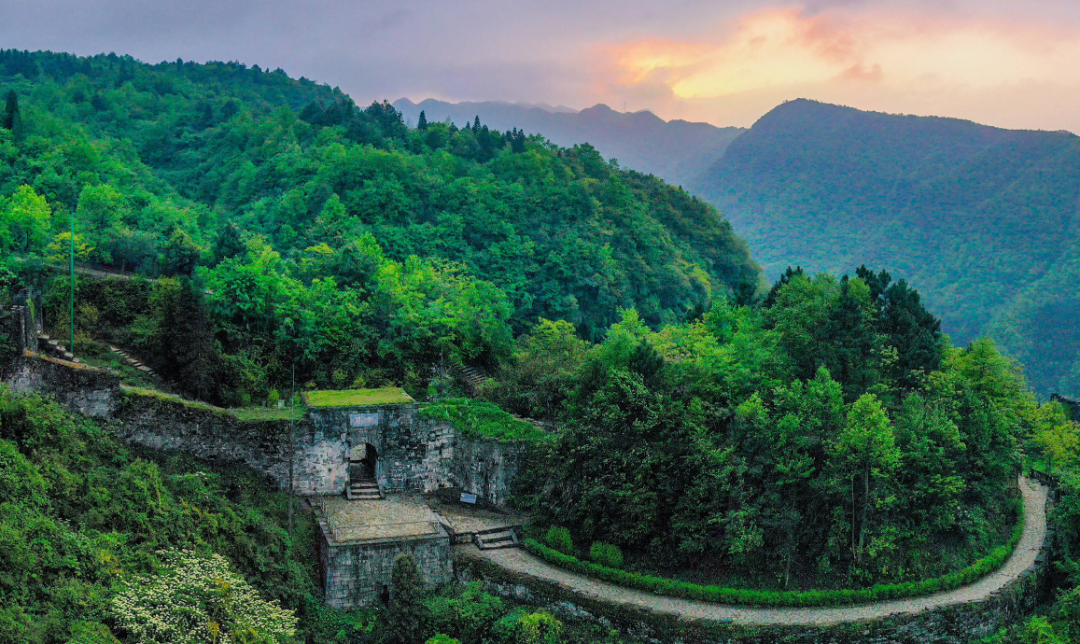
As part of the Tusi Sites, Hailongtun is a tangible testimony to the Ming dynasty Tusi system and was inscribed as a World Cultural Heritage site.
Explore rich intangible cultural heritage and traditional crafts
The Maotai liquor brewing technique is a national intangible cultural heritage, famous for its unique brewing process and long history.
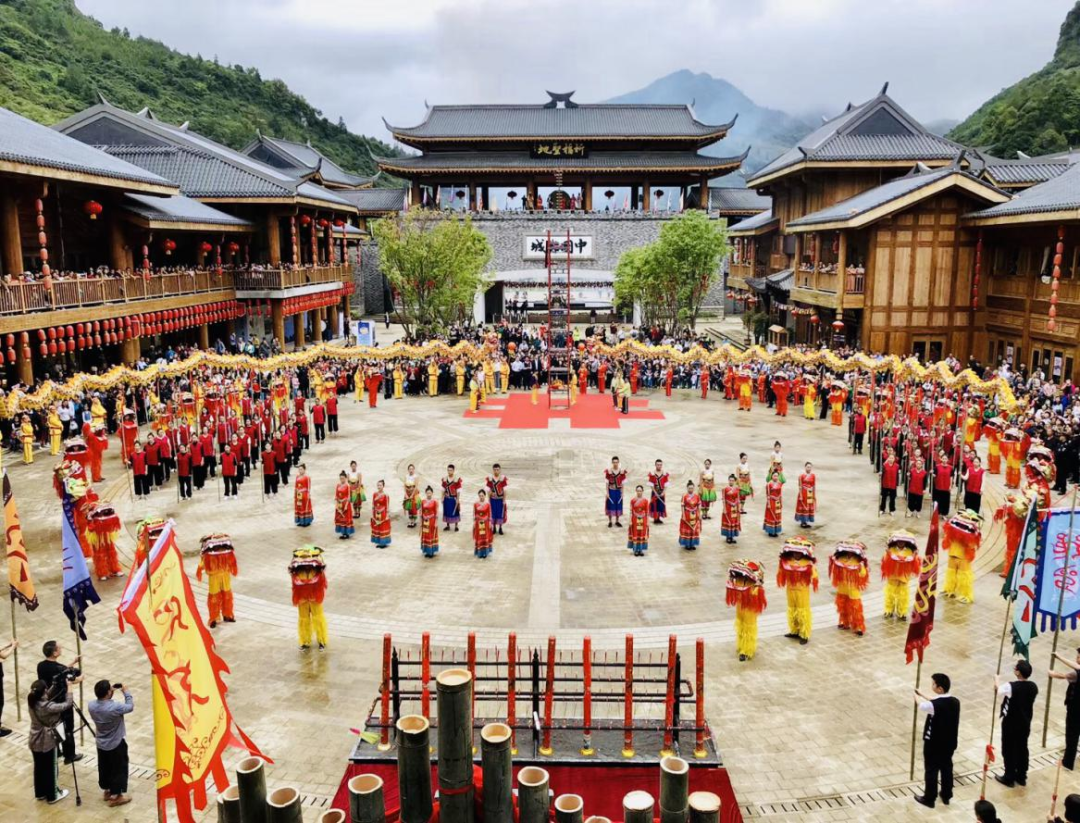
Zunyi Nuo Opera is an ancient form of opera with functions of exorcising ghosts and praying for blessings, listed as a provincial intangible cultural heritage.
Must-know transportation for exploring the city
Located in Xinpu New District, with flights to major cities like Beijing, Shanghai, and Guangzhou.
Varies by route
The Chongqing-Guiyang railway passes through Zunyi, connecting Chongqing and Guiyang. High-speed train to Guiyang takes about 1 hour, to Chongqing about 2 hours.
About 60 RMB to Guiyang
Zunyi has an extensive bus network covering major attractions and urban areas, with fares starting at 2 RMB.
From 2 RMB
Taste the most authentic and popular local specialties
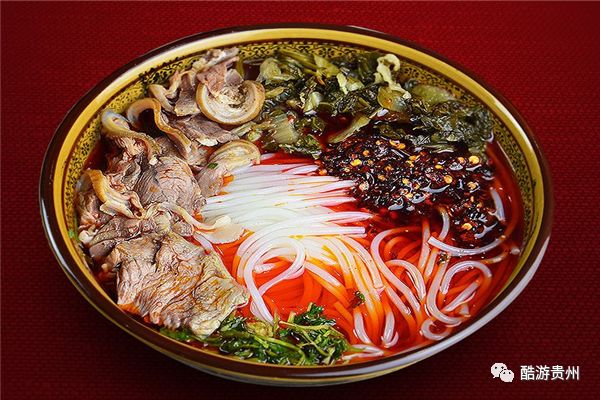
A Zunyi specialty, featuring lamb broth with rice noodles, fresh and tender meat, unique flavor.
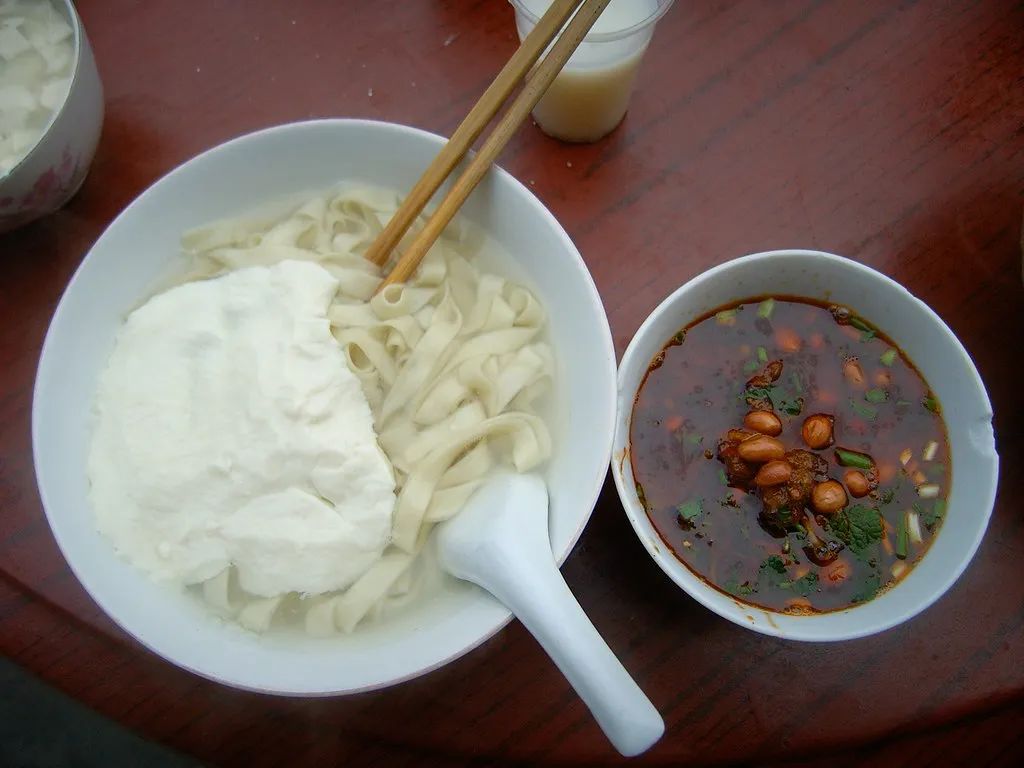
Made with tofu pudding and noodles, topped with chili oil, minced meat, etc., smooth and spicy.
Loushanguan was a key pass during the Red Army's Long March, strategically located and known as 'one man can hold the pass against ten thousand'.
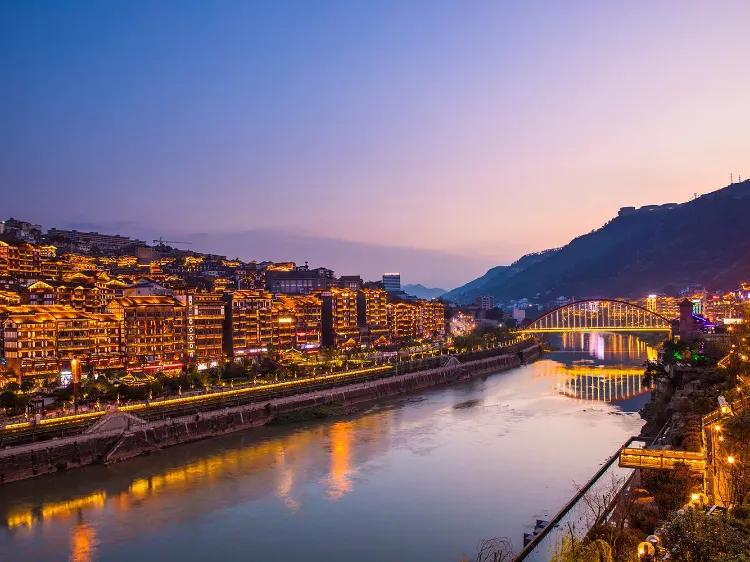
Maotai Town is famous for Maotai liquor, with many distilleries. Visitors can tour the Maotai Liquor Culture Museum and taste the liquor.
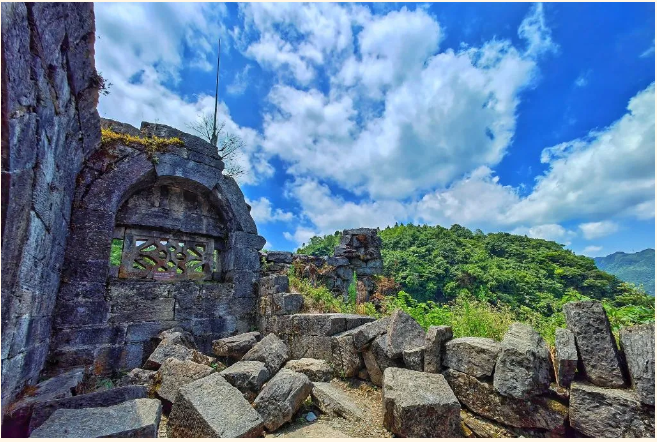
Hailongtun is a Ming dynasty Tusi castle ruin built on a steep mountain top, one of the best-preserved medieval military castles in Asia.
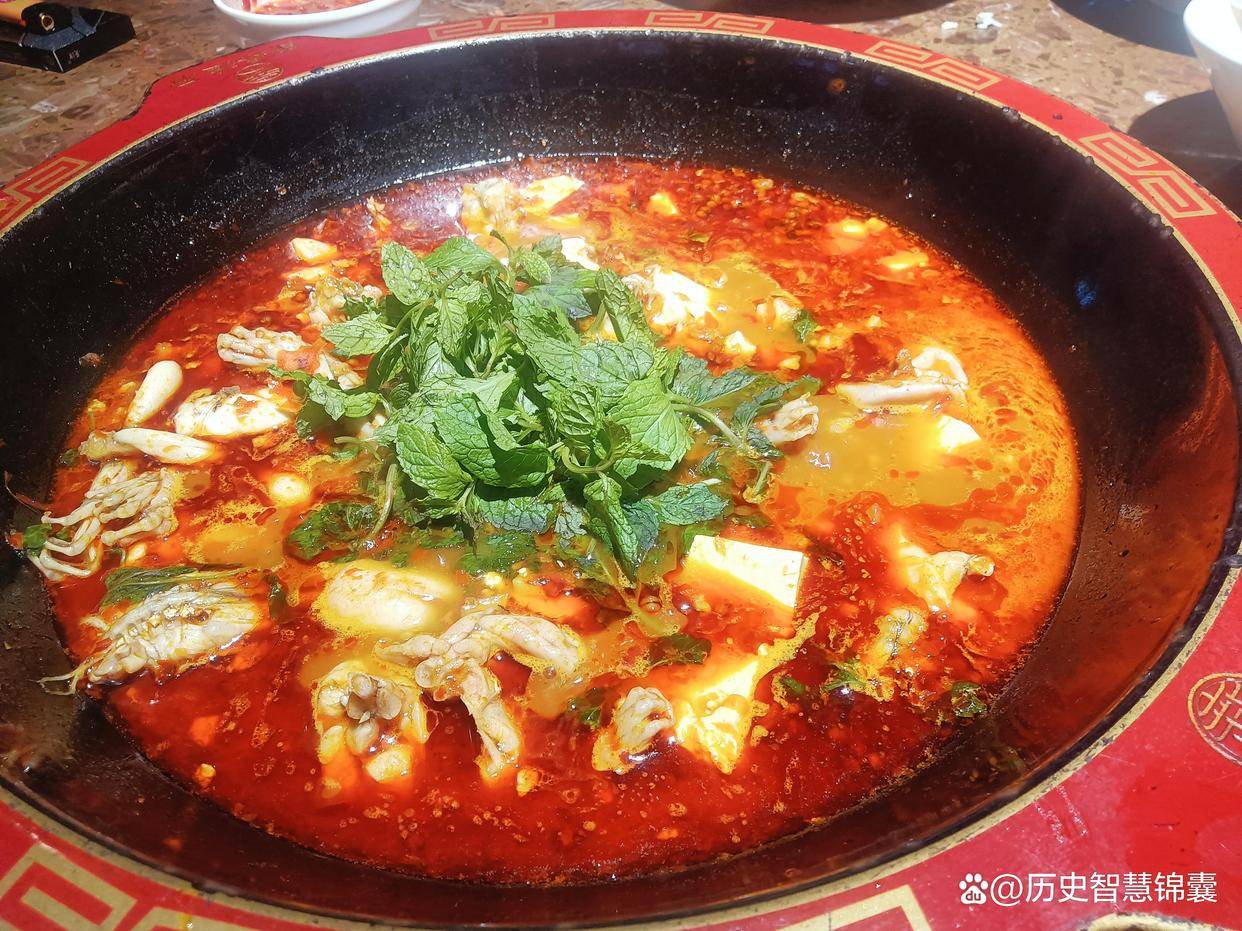
Wujiang fish uses wild fish from the Wujiang River, cooked with a unique recipe, tender and spicy.
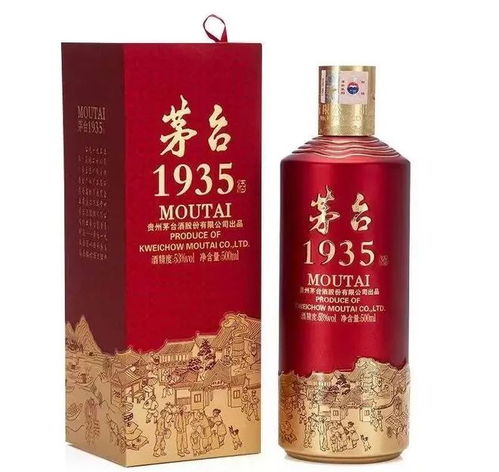
One of the world's three famous distilled liquors, a typical representative of Jiangxiang baijiu, produced in Maotai Town, with a mellow taste.
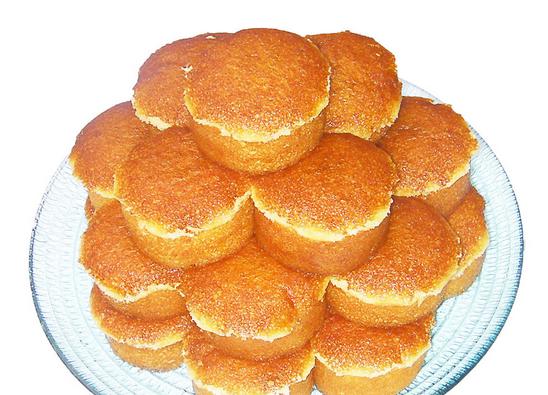
A traditional pastry made with eggs, flour, and sugar, soft and sweet, suitable for all ages.