
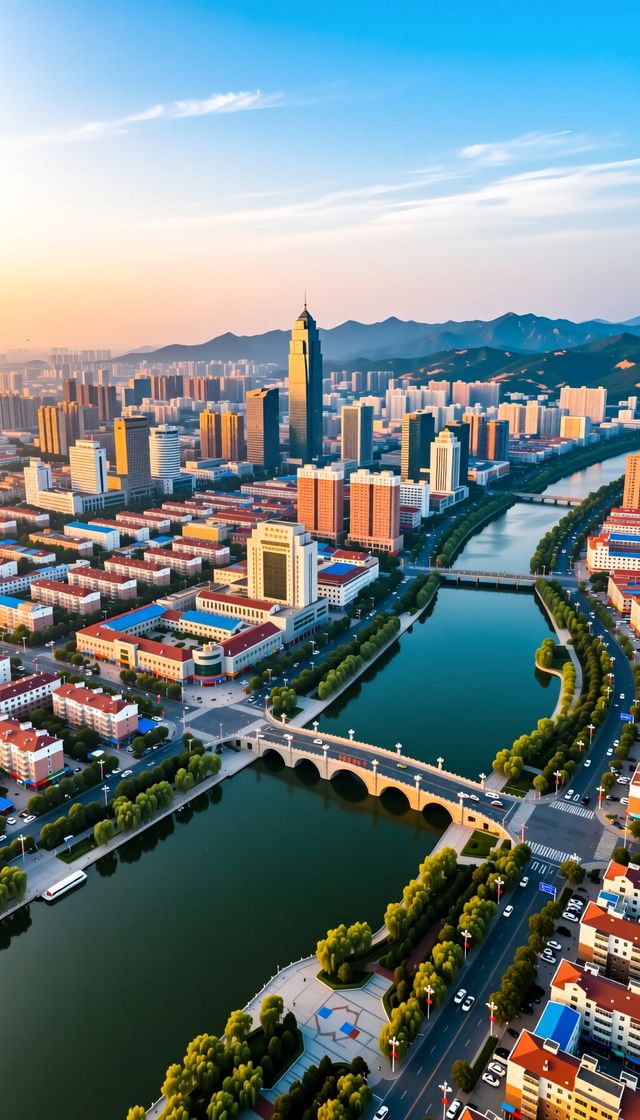
Zibo is located in central Shandong Province, in the transition zone between the Luzhong Mountains and the North China Plain. It has a warm temperate continental monsoon climate with four distinct seasons: windy springs, hot and humid summers, cool autumns, and dry cold winters.
Zibo has a long history and is the birthplace of Qi culture. In 1046 BC, Jiang Ziya was enfeoffed in the Qi region and established the State of Qi, with its capital at Yingqiu (later called Linzi). During the Spring and Autumn and Warring States periods, Qi was the first of the Five Hegemons and one of the Seven Warring States, and Linzi was one of the largest cities of the time.
Zibo boasts a rich cultural heritage, with intangible cultural heritages such as ceramics, colored glaze, and cuju (ancient football). Zibo ceramics are known as the 'National Kiln of the Contemporary Era', and its colored glaze products are exquisitely beautiful. The local cuisine is represented by Boshan dishes, and Zibo barbecue, with its 'small pancake, small scallion, small grill' trio, is famous nationwide.
Modern Zibo is an important industrial city in Shandong Province, with pillar industries including chemicals, ceramics, textiles, and building materials. In recent years, Zibo has actively promoted industrial transformation and upgrading, vigorously developed cultural tourism, and built the 'Qi Culture' brand, giving the city a new look.
The best time to visit 淄博 is Spring and autumn (March-May and September-November).
Spring (March-May): Zibo has moderate temperatures and blooming flowers, suitable for outdoor activities and flower viewing.
Autumn (September-November): The weather is cool and crisp, making it the best season to visit historical sites and taste local cuisine.
Summer is hot and rainy, while winter is dry and cold, but winter offers hot springs and indoor activities.
King Wu of Zhou enfeoffed Jiang Ziya in the Qi region, establishing the Qi state with its capital at Yingqiu (later renamed Linzi).
Duke Huan of Qi appointed Guan Zhong as prime minister and carried out reforms, becoming the first hegemon of the Spring and Autumn period.
FIFA officially recognized Linzi as the birthplace of world football, and cuju was identified as the origin of football.
Recommended places to visit
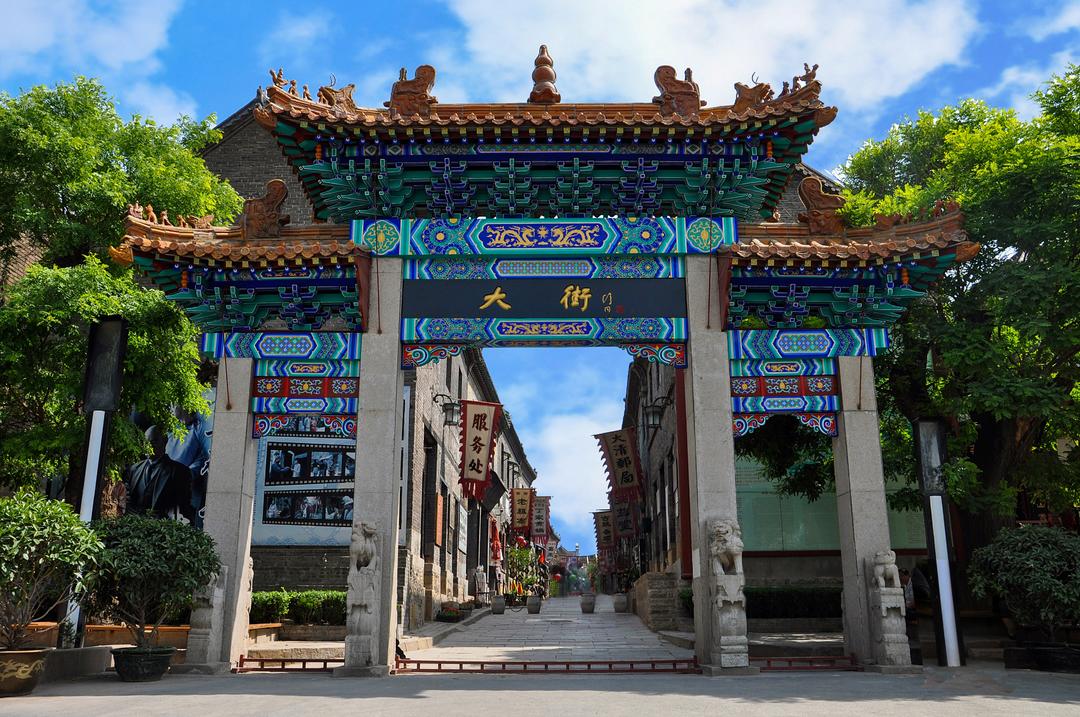
Known as 'the No.1 Village under Heaven,' it was an important commercial town in northern China during the Ming and Qing dynasties, preserving a large number of ancient buildings and shops.
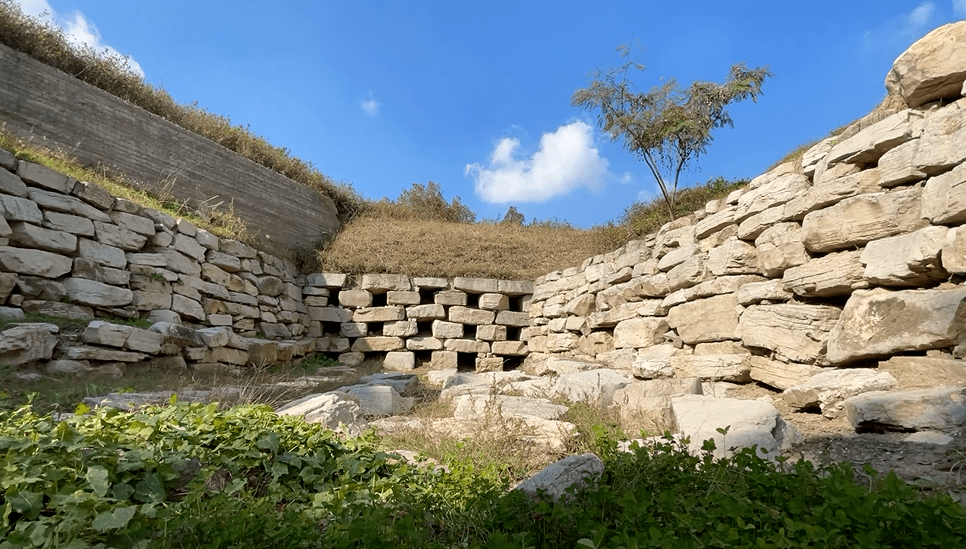
The site of the capital of the Qi state, one of the best-preserved ancient capitals in China, with remains of city walls, palaces, and tombs.
Explore rich intangible cultural heritage and traditional crafts
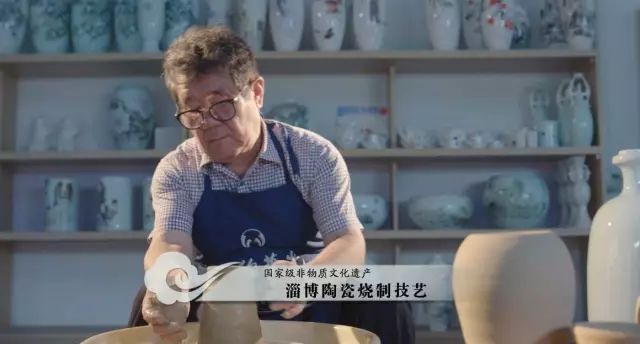
Zibo ceramics have a long history, and their firing technique is listed as a national intangible cultural heritage, known as the 'Contemporary National Kiln.'

An ancient football sport originating in Linzi, listed as a national intangible cultural heritage, considered the origin of football.
Must-know transportation for exploring the city
About 100 km from Zibo, with direct airport buses to Zibo city center, taking about 1.5 hours.
70 yuan
Zibo has several high-speed rail stations. The fastest train from Jinan to Zibo takes about 22 minutes, and from Beijing about 2 hours.
Jinan-Zibo about 50 yuan
City bus routes cover major attractions and commercial areas, fare 1-2 yuan, supports mobile payment.
1-2 yuan
Taste the most authentic and popular local specialties
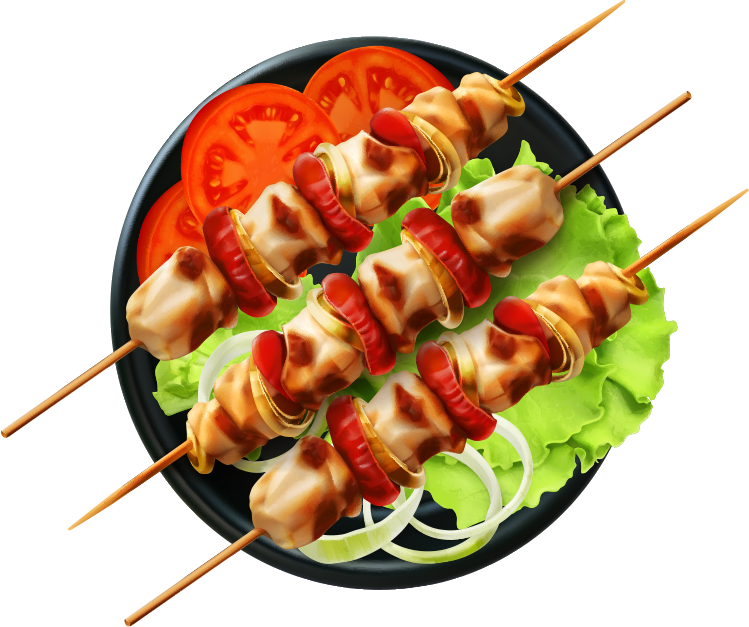
Characterized by grilled meat wrapped in small pancakes with scallions and dipping sauce, cooked over charcoal, with a rich aroma.
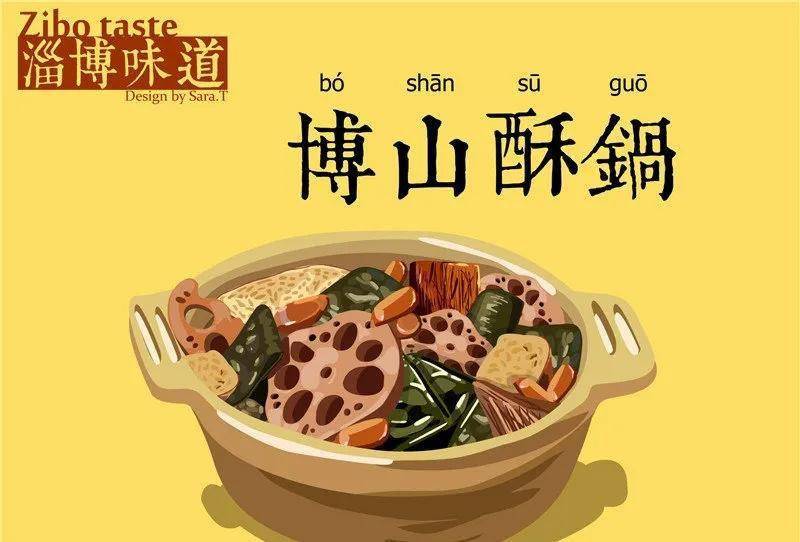
A traditional Boshan dish made by slow-cooking pig trotters, chicken, fish, lotus root, and kelp until tender and flavorful.
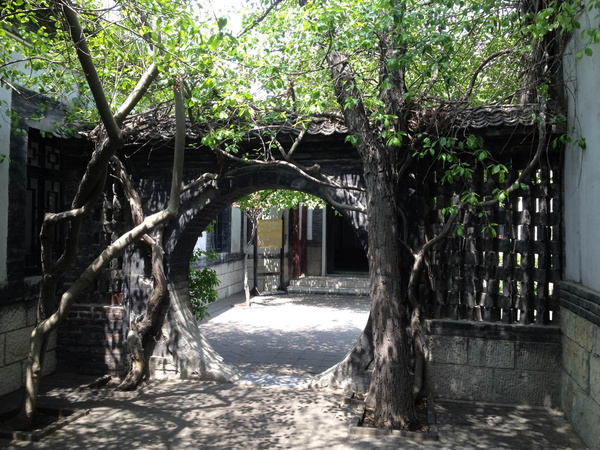
The former residence of the famous Qing dynasty writer Pu Songling, located in Zichuan District, where he wrote 'Strange Tales from a Chinese Studio.'
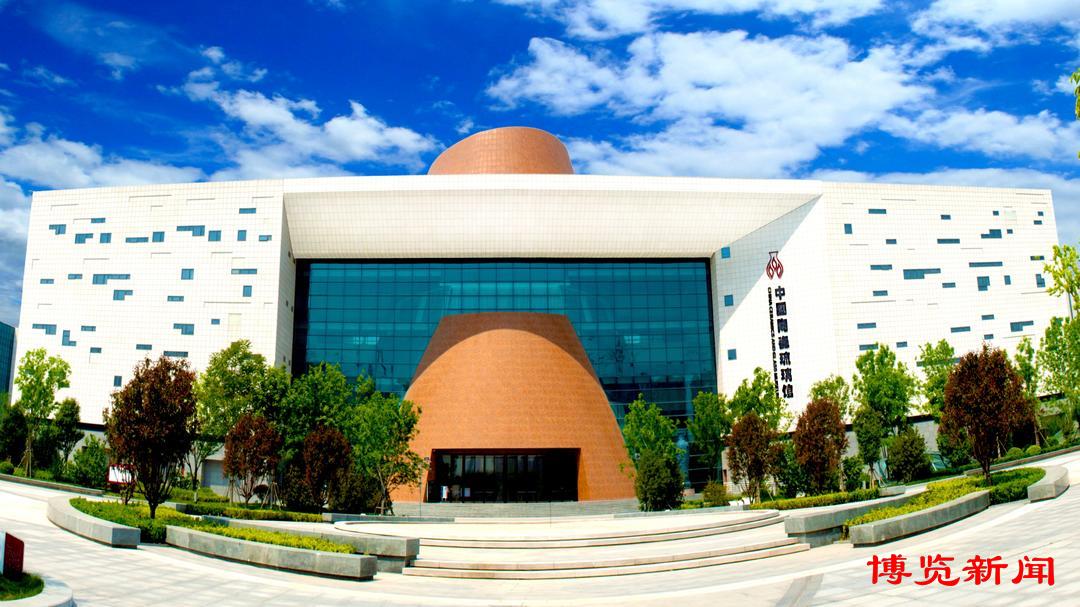
A themed museum showcasing Zibo's ceramics and colored glaze culture, with a large collection of exquisite ceramic and colored glaze artworks.
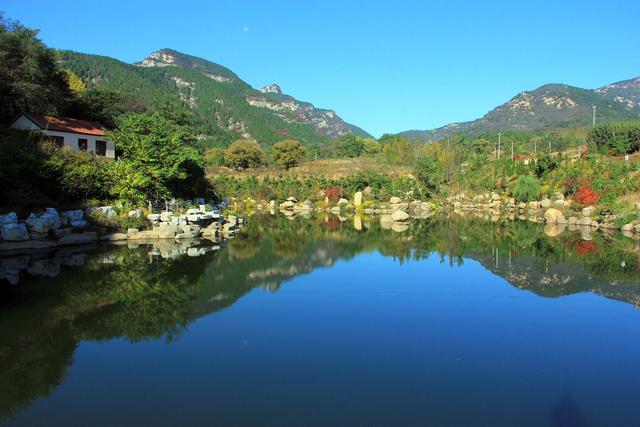
The highest peak in central Shandong, with high forest coverage and rich flora and fauna, a popular destination for hiking and summer retreat.
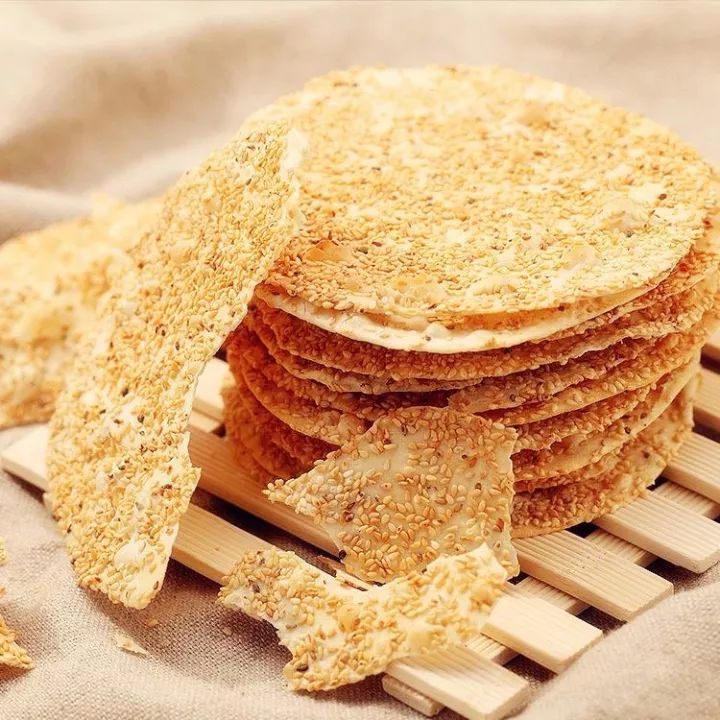
Thin, crispy sesame cakes, a specialty of Zhoucun, available in savory and sweet flavors.
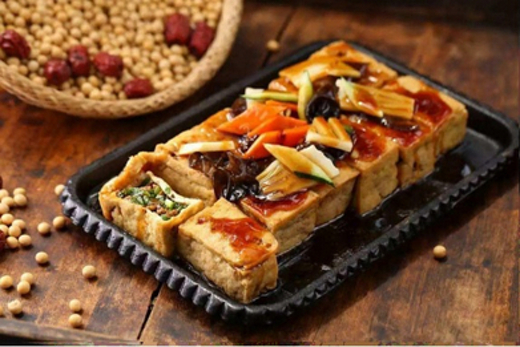
Deep-fried tofu until golden, hollowed out and stuffed with minced meat and dried shrimp, then steamed, resulting in a rich texture.
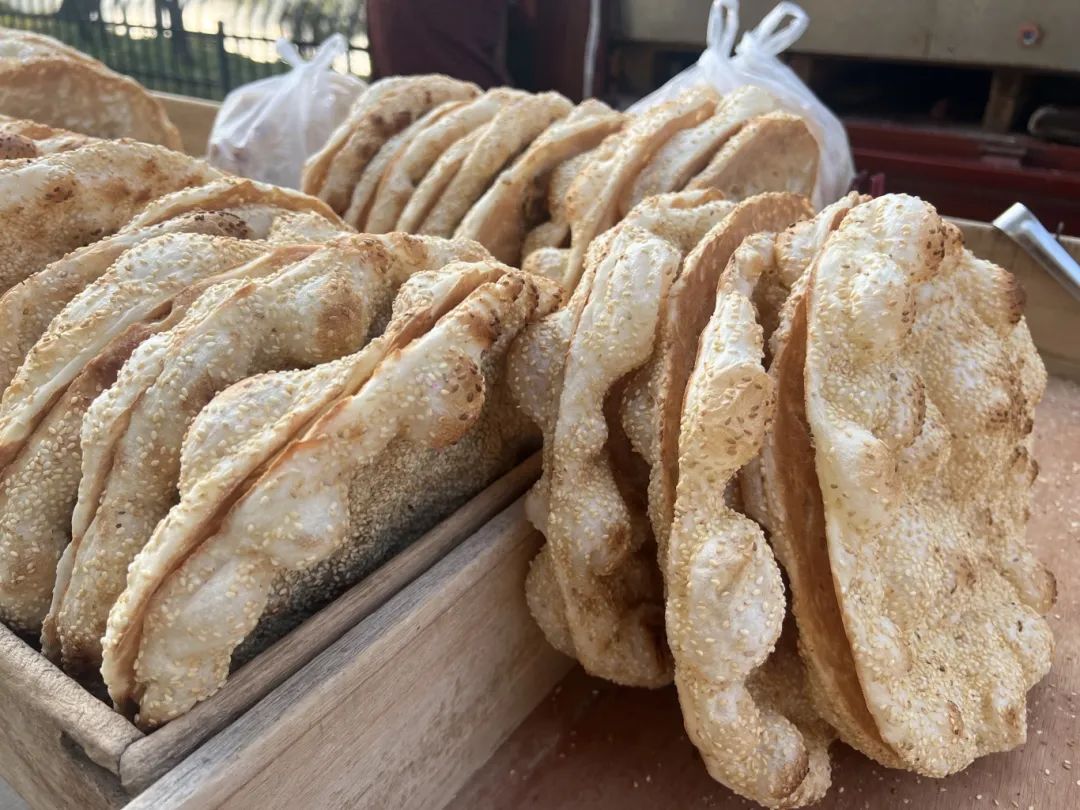
Meat-filled sesame cakes baked over charcoal, with a crispy exterior and savory filling.