
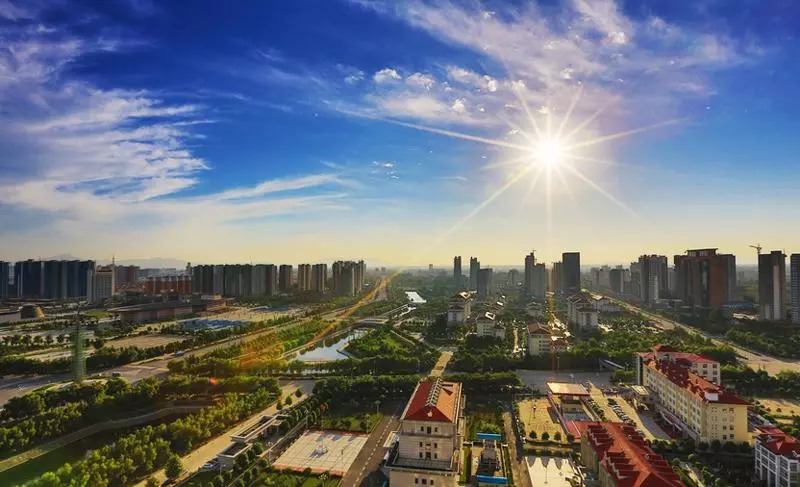
Zhumadian is located in the south-central part of Henan Province, in the upper reaches of the Huai River. It has a warm temperate continental monsoon climate with four distinct seasons and simultaneous rain and heat.
Zhumadian has a long history and is one of the important birthplaces of Chinese civilization. Pangu culture and the legend of Liang Zhu originated here. It is known as 'the belly of Yuzhou and the center of the world.'
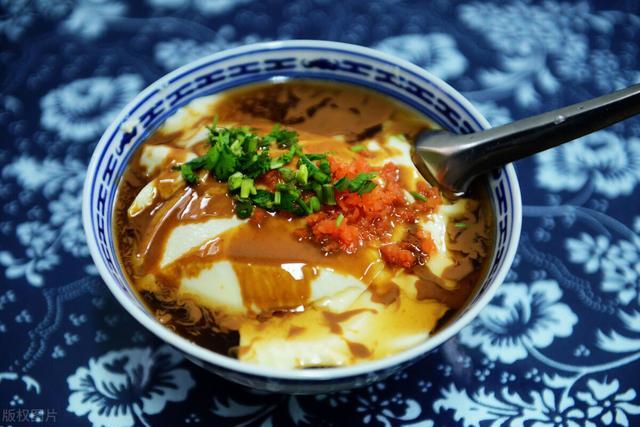
Zhumadian has diverse culture, known as 'Tianzhong culture.' Local specialties include Queshan jelly, Runan chicken meatballs, and Xiping salty tofu pudding, all with rich flavors.
Modern Zhumadian is a key node city in the Central Plains Economic Zone. It has a strong agricultural base and is vigorously developing manufacturing and modern logistics. The city is changing rapidly.
The best time to visit 驻马店 is Spring and Autumn (March-May, September-November).
Spring (March-May) has pleasant temperatures and blooming flowers, the best time to enjoy the sea of flowers at Chaya Mountain and attend the Peach Blossom Festival.
Autumn (September-November) is clear and crisp, suitable for hiking and outdoor activities, especially recommended to see red leaves at Jinding Mountain.
Summer is hot and rainy, winter is cold and dry, but if you want to experience hot springs or snow scenery, you can choose the corresponding seasons.
Biyang County in Zhumadian is the birthplace of the Pangu myth. Pangu Mountain still has relics such as the Pangu Temple.
Runan County in Zhumadian is the origin of the legend of Liang Shanbo and Zhu Yingtai, with existing tombs and villages.
In 1990, Zhumadian Prefecture was changed to a prefecture-level city, becoming the 14th prefecture-level city in Henan Province.
Recommended places to visit
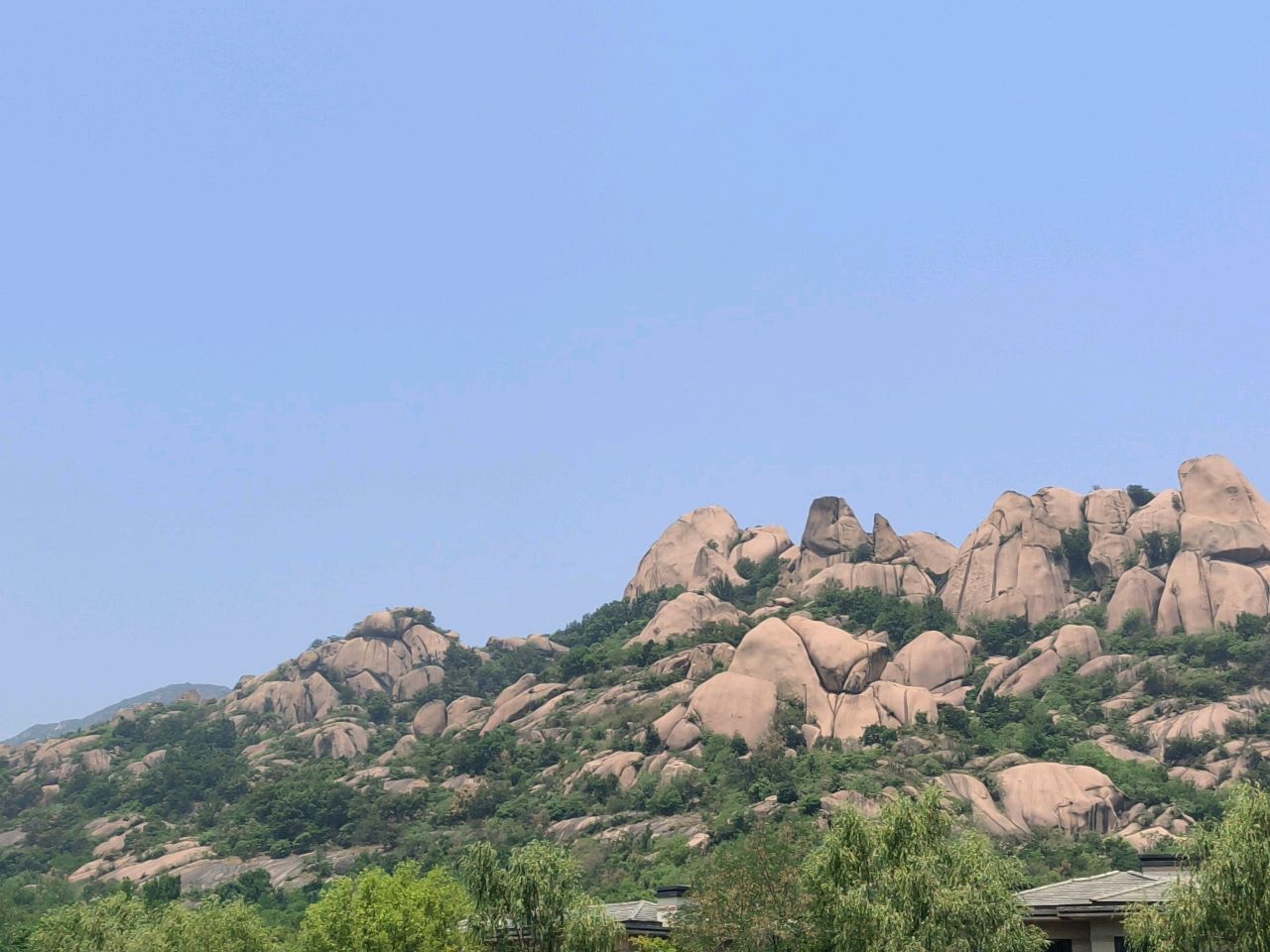
National 5A scenic area, famous for its strange peaks, grotesque rocks, and lake scenery. It was a filming location for the sequel of 'Journey to the West'.
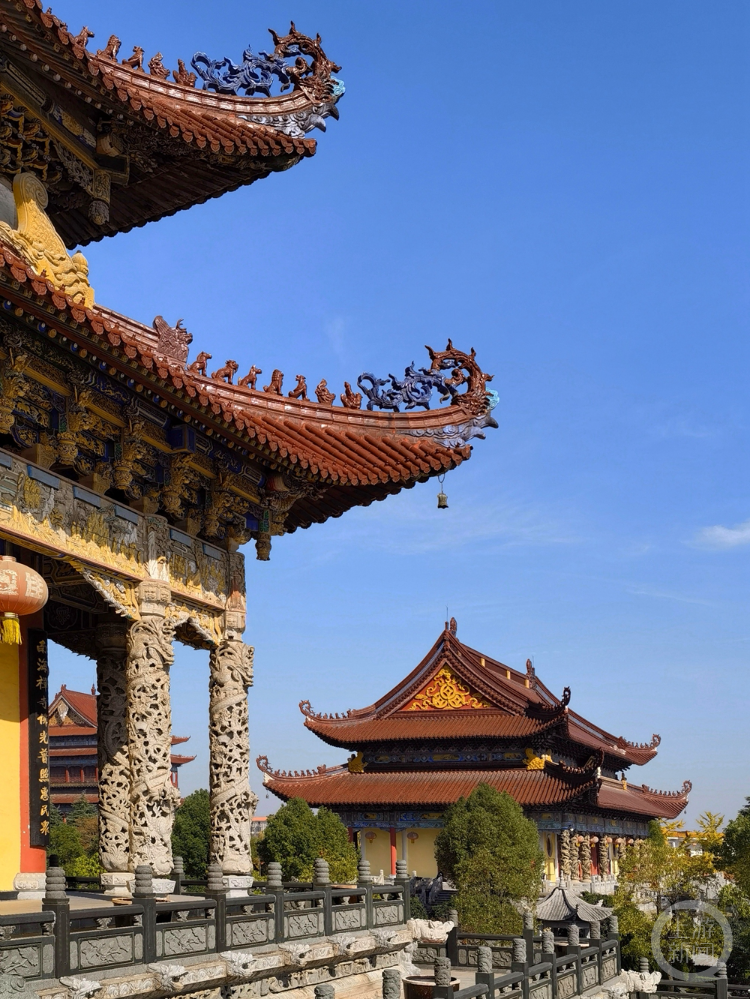
One of the largest Buddhist temples in Asia, located in Runan County, with magnificent architecture and flourishing incense.
Explore rich intangible cultural heritage and traditional crafts
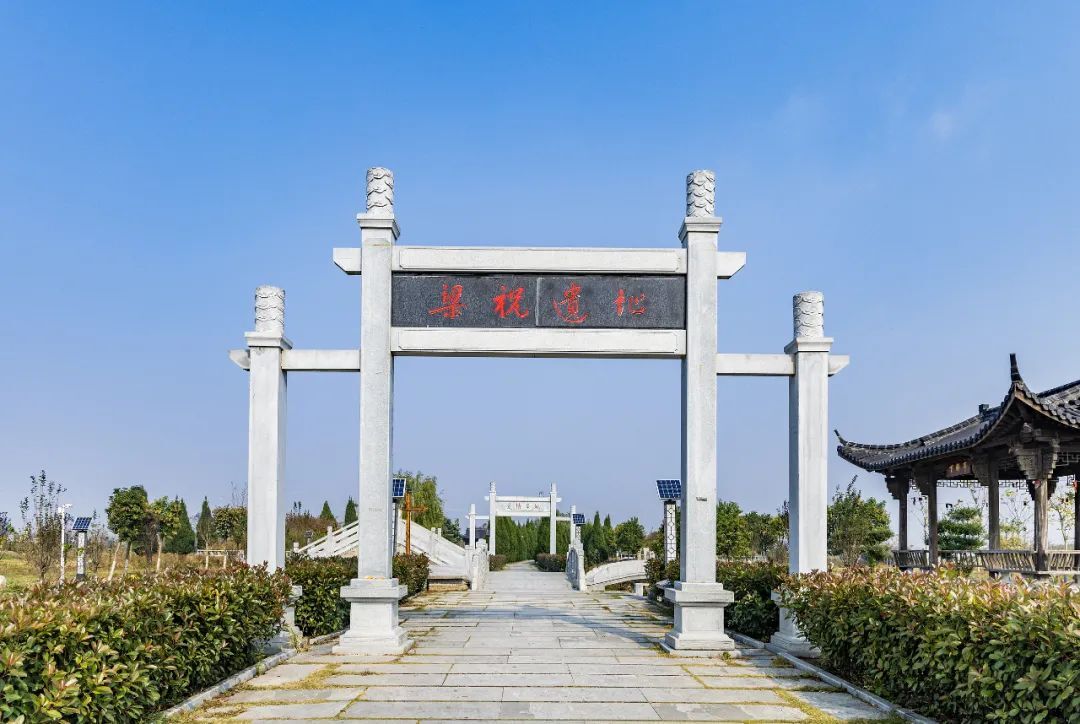
Runan County in Zhumadian is the core origin of the Liang Zhu legend, inscribed in the first batch of National Intangible Cultural Heritage in 2006.
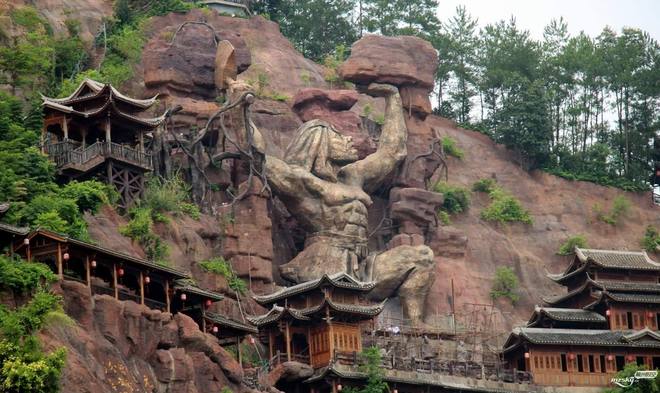
The Pangu myth from Biyang County, Zhumadian, was inscribed in the second batch of National Intangible Cultural Heritage in 2008.
Must-know transportation for exploring the city
Zhumadian West Station is a key stop on the Beijing-Guangzhou high-speed railway, with direct access to Beijing, Guangzhou, Wuhan, etc. About 2 hours to Zhengzhou.
Second class to Zhengzhou about 100 RMB
Zhumadian does not have a civil airport yet, but you can take high-speed rail to Zhengzhou Xinzheng International Airport (about 1.5 hours) or drive to Xinyang Minggang Airport (about 1 hour).
Airport bus to Zhengzhou about 50 RMB
City bus routes cover major attractions and commercial areas, fare 1-2 RMB, some routes support mobile payment.
1-2 RMB
Taste the most authentic and popular local specialties
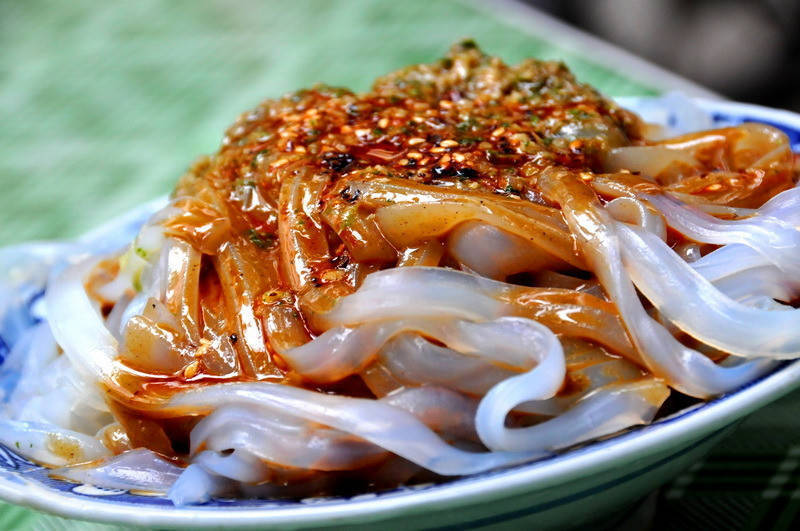
Made from pea starch, smooth texture, served with chili oil, garlic paste, etc., sour and spicy appetizer.

Made mainly from chicken, mixed with starch, eggs, etc., deep-fried until crispy outside and tender inside, aromatic.
National 4A scenic area, known for forests, canyons, and red leaves, reputed as 'Little Huangshan of Central Plains'.
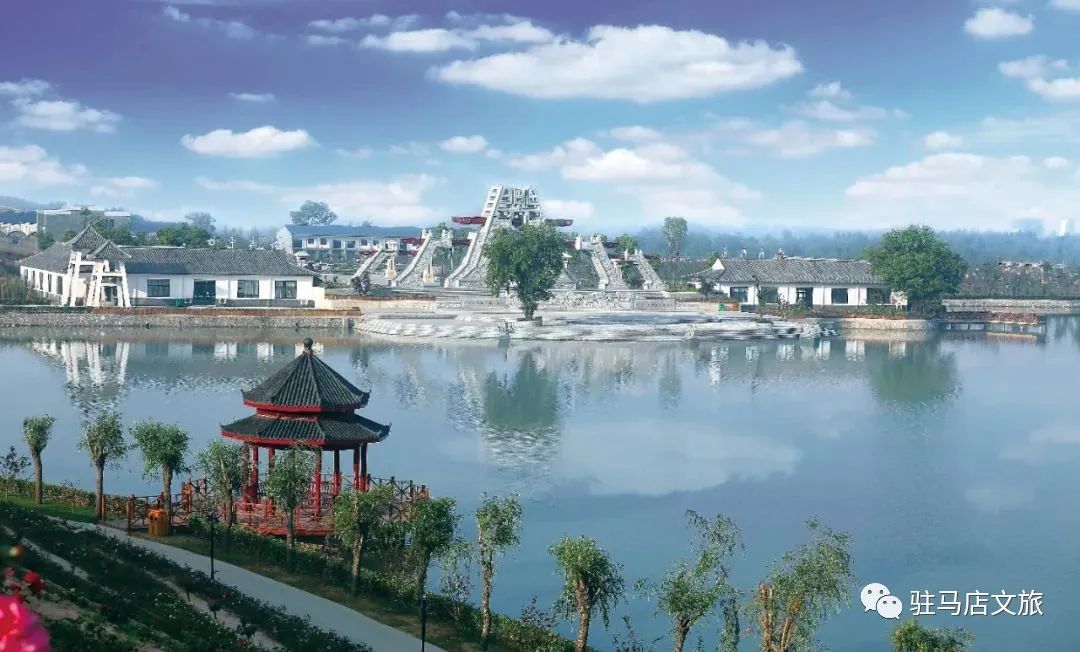
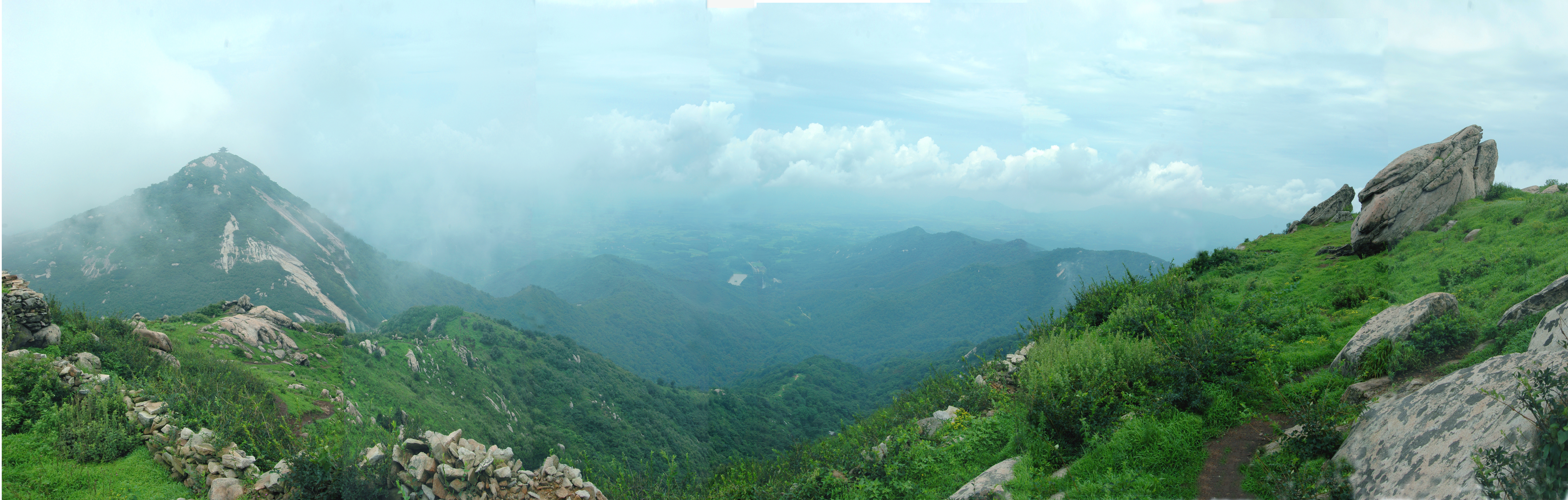
A famous Taoist mountain with beautiful natural scenery, known as 'natural oxygen bar', suitable for hiking and leisure.
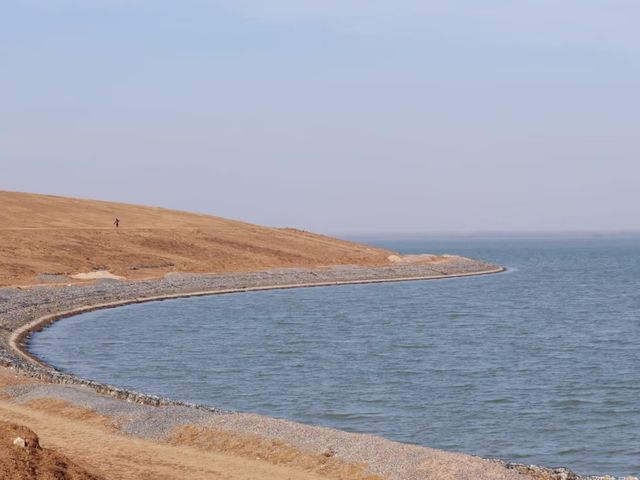
The largest artificial plain reservoir in Asia, with vast lake surface and abundant birds, a good place for bird watching and photography.
Salty tofu pudding topped with special gravy, served with soybeans, cilantro, etc., delicious.
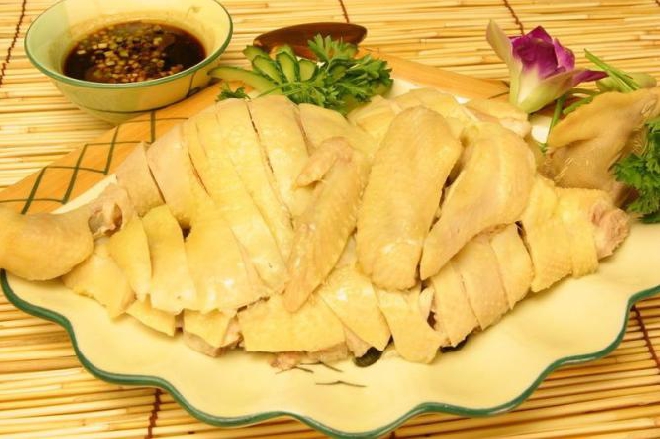
A specialty of Zhengyang, with yellow skin, beak, and feet, tender meat, suitable for stewing or braising.
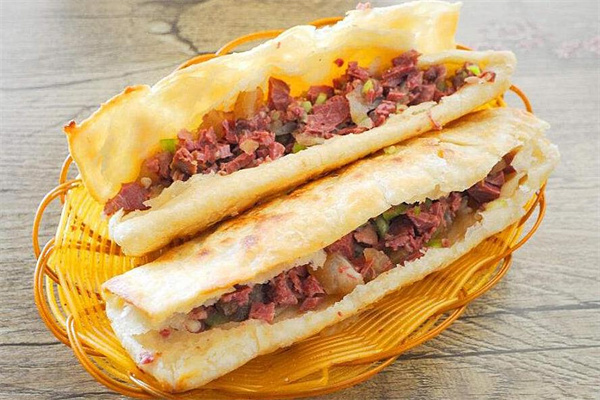
Using Biyang donkey meat, stuffed into crispy baked bread, rich flavor and texture.