
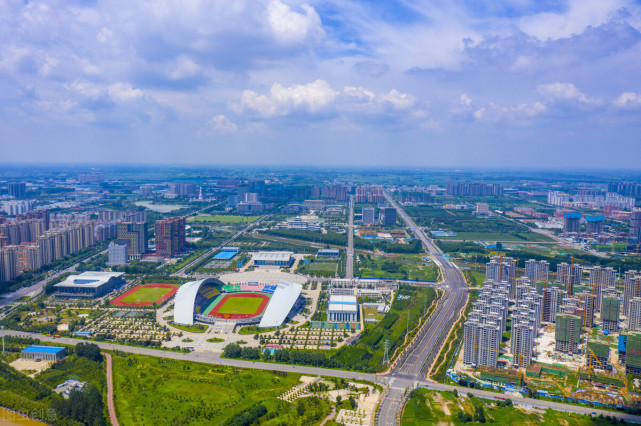
Zhoukou City is located in the southeast of Henan Province, in the hinterland of the Huanghuai Plain. It has a warm temperate continental monsoon climate with four distinct seasons and simultaneous rain and heat. The average annual temperature is about 14.5°C, and the annual precipitation is about 750 mm. The terrain is flat and open, where the Shahe, Yinghe, and Jialu Rivers converge, forming a unique landscape of three rivers meeting.
Zhoukou has a long history. In ancient times, it was the land of the Chen State and is one of the important birthplaces of Chinese civilization. The famous Dazexiang Uprising (Chen Sheng and Wu Guang Uprising), the first large-scale peasant uprising in Chinese history, broke out here (in present-day Shangshui County). During the Spring and Autumn period, Laozi (Li Er) was born in Luyi, Zhoukou, and his philosophical thoughts have had a profound influence. In addition, Zhoukou is also the birthplace of Fuxi culture, and the Taihao Mausoleum in Huaiyang is a sacred site for worshipping Fuxi.
Zhoukou has a rich cultural heritage, represented by Fuxi culture, Laozi culture, and surname culture. Folk activities include the Taihao Mausoleum Fair and Zhoukou acrobatics. In terms of cuisine, Zhoukou's Hu La Tang, Xiaoyao Town Hu La Tang, Taikang Elbow, Huaiyang Daylily, and Shenqiu Gu's Steamed Buns are well-known for their unique flavors.
Modern Zhoukou is an important agricultural and industrial base in Henan Province, with grain output ranking among the top in the province. In recent years, the construction of Zhoukou Port has made it a key hub for inland river shipping, and Zhoukou East Railway Station has been put into operation, with an increasingly完善的 transportation network. The city's appearance has taken on a new look, and it is moving towards the goal of becoming a regional central city.
The best time to visit 周口 is Spring and Autumn (March-May, September-November).
Spring (March-May): Moderate temperatures, flowers in bloom. The Taihao Temple Fair (from the second day of the second lunar month to the third day of the third lunar month) is bustling, making it the best time to experience folk culture.
Autumn (September-November): Clear and crisp weather, suitable for outdoor sightseeing and tasting seasonal harvest foods.
Summer (June-August) is hot and rainy, winter (December-February) is cold and dry, but winter offers local New Year customs and special snacks.
The first large-scale peasant uprising in Chinese history, which took place in Dazexiang (now in Shangshui County, Zhoukou City), marking the prelude to the anti-Qin struggle.
Laozi (Li Er), the founder of Taoism, was born in Luyi County, Zhoukou City. His work 'Tao Te Ching' has a profound influence.
Zhoukou region was restructured into Zhoukou City (prefecture-level), marking accelerated urbanization.
Recommended places to visit
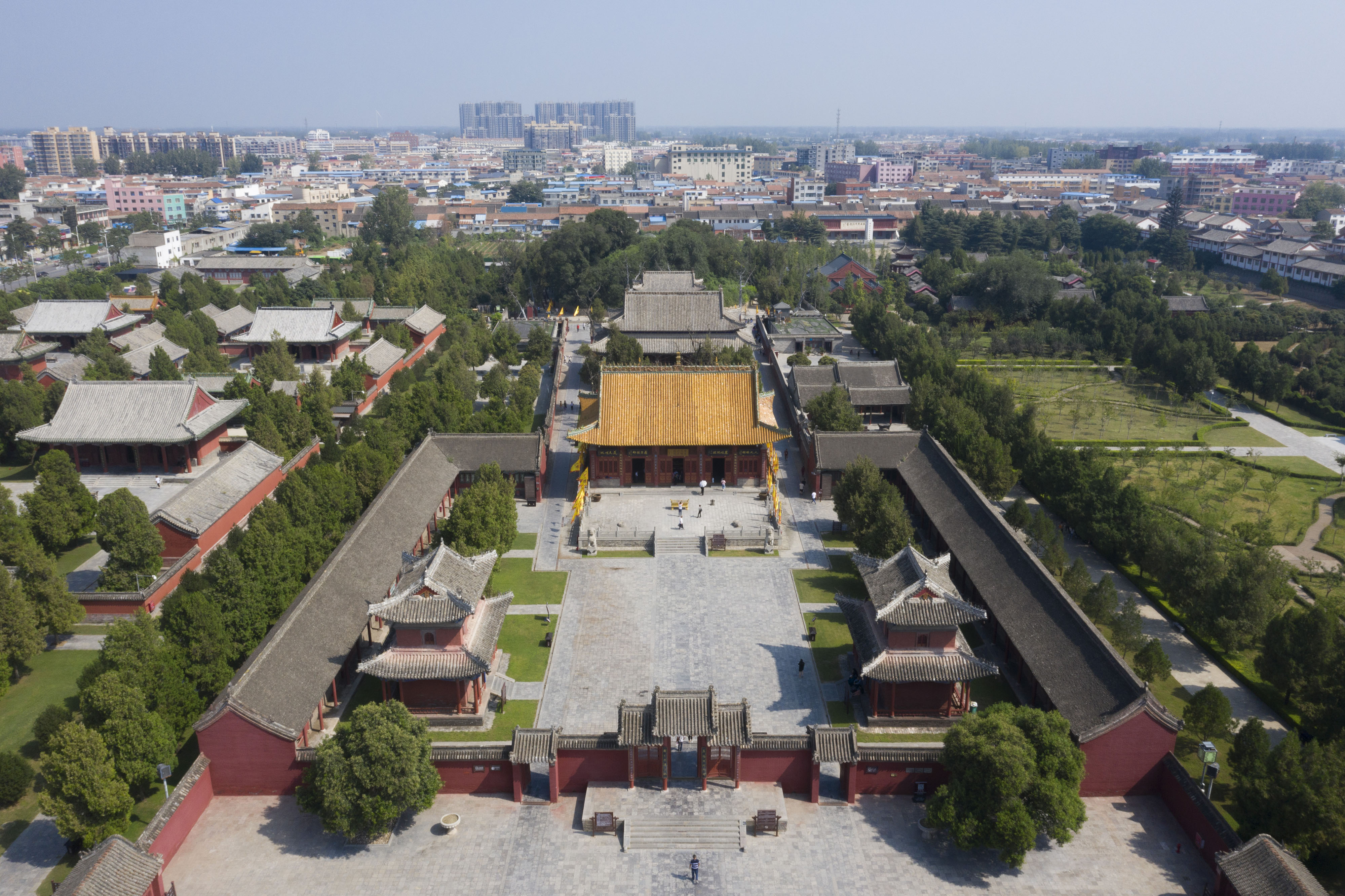
Located in Huaiyang District, it is the mausoleum and temple for worshipping Fuxi, the legendary ancestor of Chinese civilization. Built in the Spring and Autumn period and expanded in later dynasties. The scenic area includes the Meridian Gate, Tongtian Hall, Xianren Hall, etc. A grand temple fair is held annually from the 2nd day of the 2nd lunar month to the 3rd day of the 3rd lunar month.
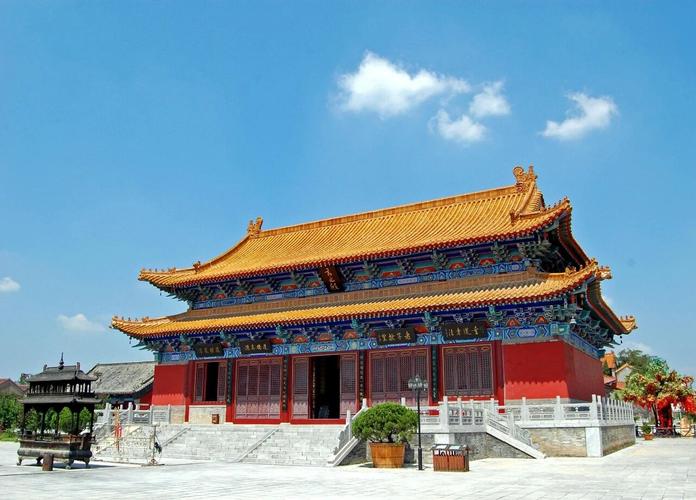
Located in Luyi County, it includes Taiqing Palace, Mingdao Palace, Laozi's former residence, etc., a holy site commemorating Laozi. Taiqing Palace is a key national cultural relic protection unit.
Explore rich intangible cultural heritage and traditional crafts
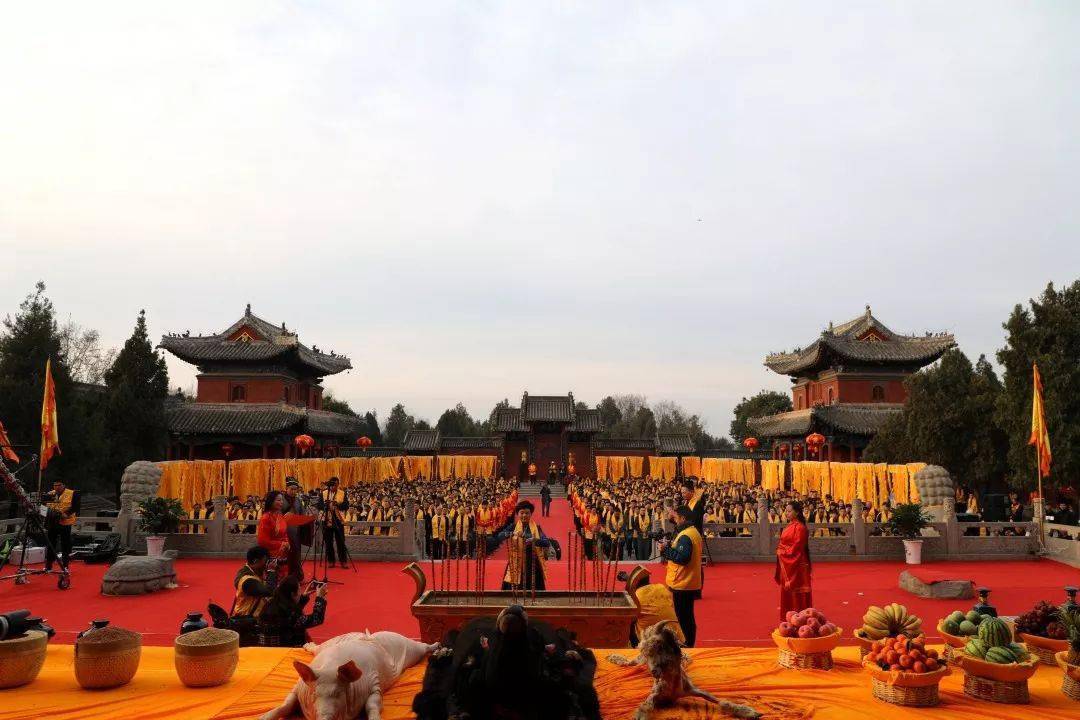
National intangible cultural heritage, held annually at Taihao Mausoleum in Huaiyang from the 2nd day of the 2nd lunar month to the 3rd day of the 3rd lunar month, including worship, dragon dance, acrobatics and other folk activities.
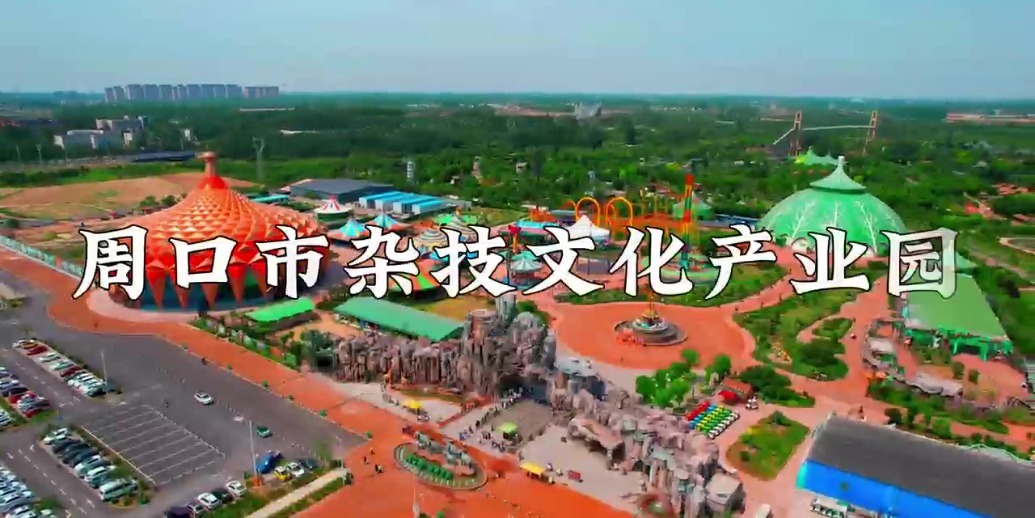
National intangible cultural heritage, Zhoukou is a famous hometown of acrobatics with a long history and superb skills.
Must-know transportation for exploring the city
A station on the Zhengzhou-Fuyang high-speed railway, providing direct access to Zhengzhou, Hefei, Hangzhou, etc. About 1 hour from Zhengzhou East Station to Zhoukou East Station.
Zhengzhou-Zhoukou second class about 80 RMB
City bus routes cover major attractions and commercial areas, fare 1-2 RMB, some routes support mobile payment.
1-2 RMB
Currently Zhoukou does not have an airport. You can fly to Zhengzhou Xinzheng International Airport first, then transfer to high-speed rail or bus to Zhoukou (about 2 hours drive).
Zhengzhou-Zhoukou bus about 60 RMB
Taste the most authentic and popular local specialties
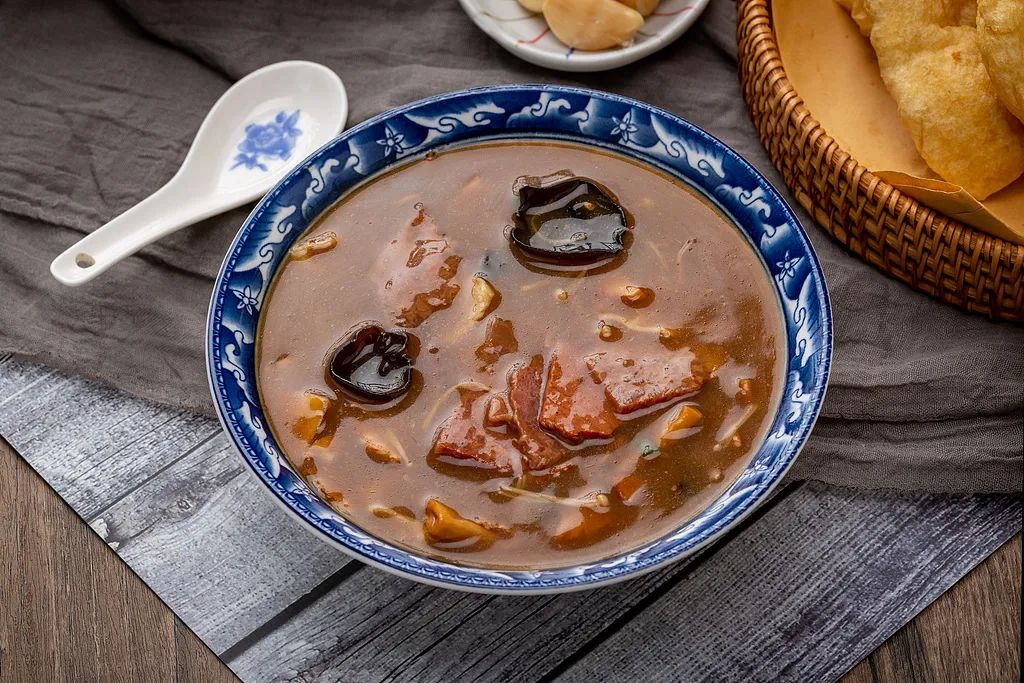
Originating from Xiaoyao Town in Xihua County, it is Zhoukou's most famous breakfast snack. The soup is dark brown, made with gluten, vermicelli, beef or mutton, etc., with a strong pepper flavor, sour and spicy.

A traditional famous dish from Taikang County, made from pork front elbow, braised and steamed, with bright red color, fatty but not greasy, melts in the mouth.
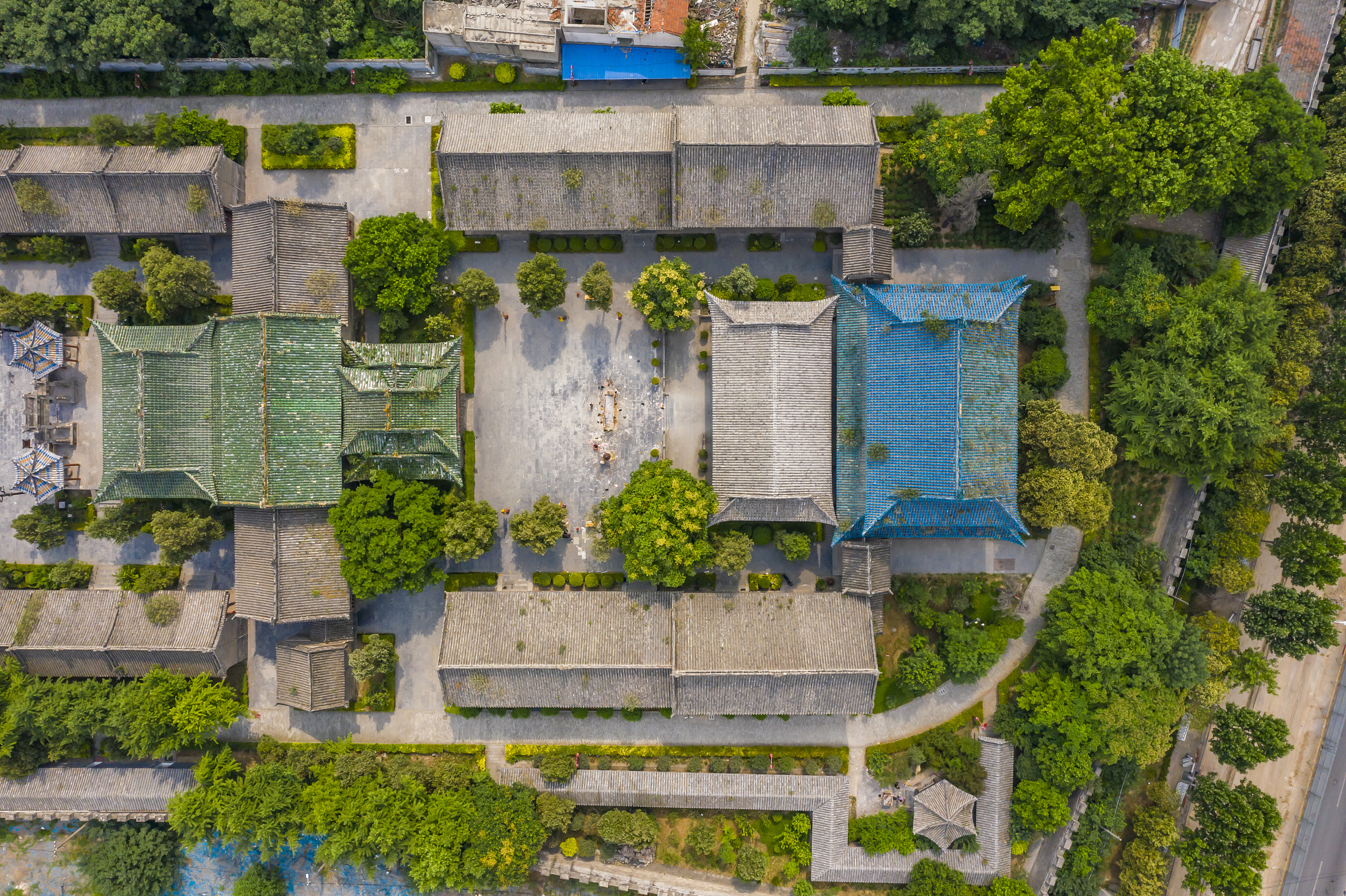
Located in Chuanhui District, it is the largest Guandi Temple in Henan Province, built during the Kangxi period of the Qing Dynasty, with exquisite architecture and high carving art value.
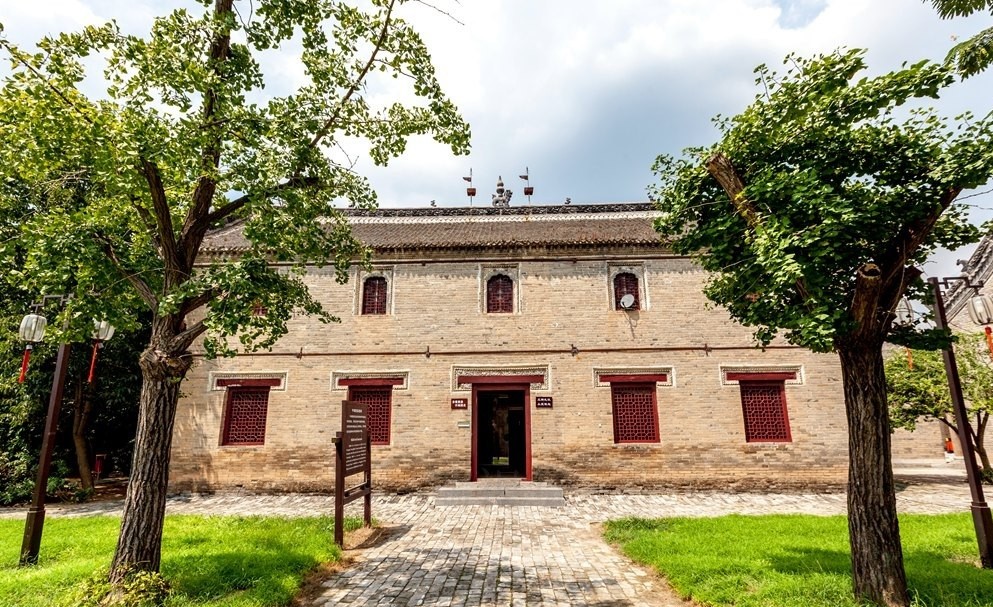
Located in Xiangcheng City, it is the birthplace of Yuan Shikai, with Ming and Qing style architecture, displaying Yuan Shikai's life story.
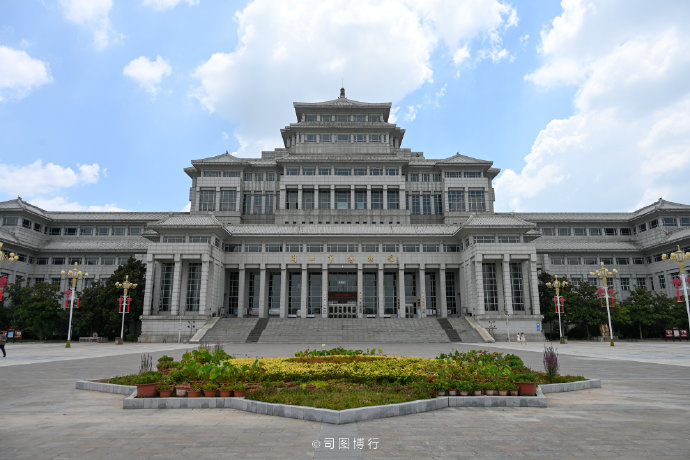
Located in Chuanhui District, the museum has a rich collection of cultural relics, including bronzes, ceramics, calligraphy and paintings, showcasing the history and culture of Zhoukou area.
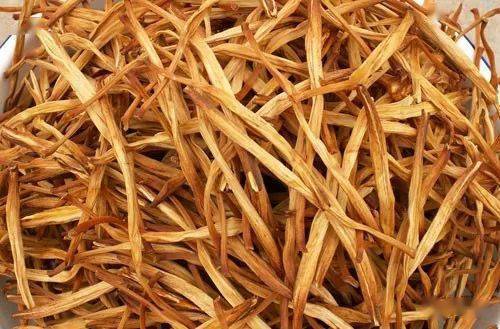
A specialty of Huaiyang District, a national geographical indication product. Daylily is golden in color, crispy in texture, can be eaten cold, stir-fried or in soup.
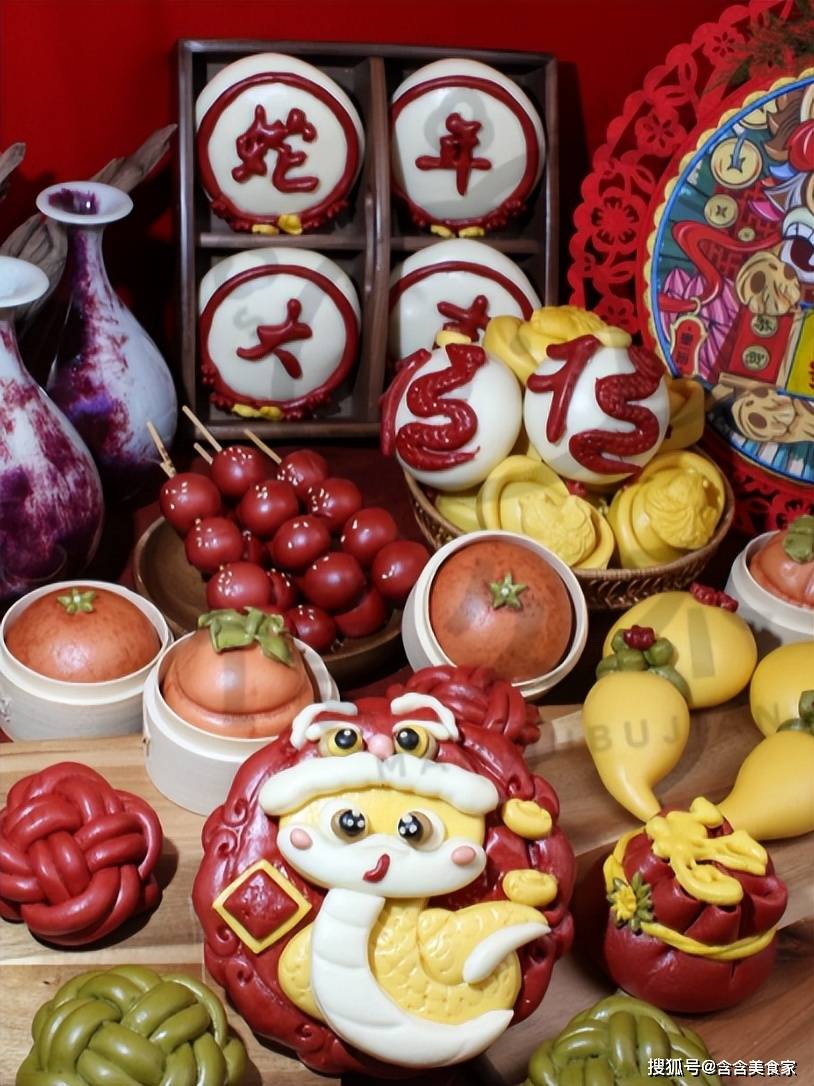
A traditional pastry from Shenqiu County, with various shapes such as animals and flowers, soft texture, and auspicious meanings.
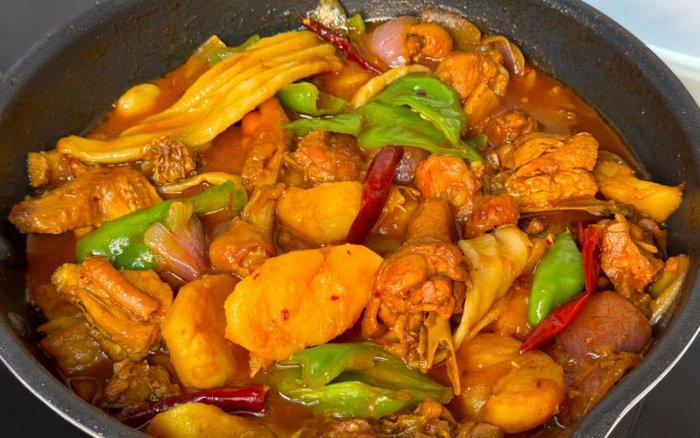
Incorporating Xinjiang flavor, with large chicken pieces, soft potatoes, served with wide noodles, rich soup, spicy and fragrant.