
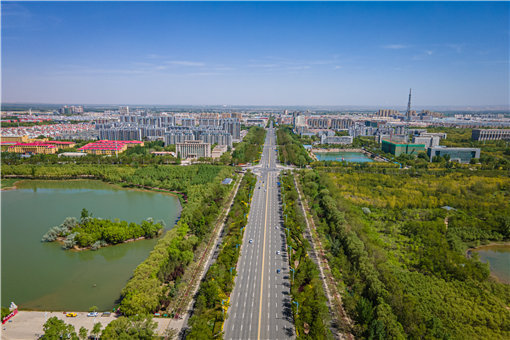
Zhongwei is located in the central-western part of Ningxia Hui Autonomous Region, on the edge of the Tengger Desert. The Yellow River flows through the city, creating a unique landscape where desert, river, and oasis merge. It has a temperate continental climate with four distinct seasons, large temperature differences between day and night, abundant sunshine, and scarce rainfall.
Zhongwei has a long history. During the Qin Dynasty, it belonged to Beidi Commandery; in the Han Dynasty, Xuanjuan County was established; in the Tang Dynasty, Feng'an Army was set up. In the Ming Dynasty, Ningxia Zhongwei was established as a military stronghold. After the Qing Dynasty, it gradually developed into a commercial distribution center and an important post on the ancient Silk Road.
Zhongwei's culture is diverse, blending Yellow River culture, desert culture, and Hui culture. Local specialties include Zhongwei wolfberries, stewed chicken, Artemisia noodles, and lamb offal, all with rich flavors. The folk song 'Hua'er' is listed as a national intangible cultural heritage.
Modern Zhongwei relies on tourism and specialty agriculture as its pillar industries. Shapotou Scenic Area is renowned nationwide, and the wolfberry industry is thriving. The city has well-developed infrastructure, and with the opening of high-speed rail, transportation has become more convenient. It is moving towards becoming an eco-tourism city.
The best time to visit 中卫 is Best in spring and autumn, summer for escaping heat, winter for desert views.
Spring (April-May): Temperatures rise, the Shapotou area turns green, suitable for hiking and desert exploration, though occasional sandstorms may occur.
Summer (June-August): Hot during the day but cool at night, a summer resort. You can experience Yellow River rafting and desert camping. Remember sun protection and hydration.
Autumn (September-October): Clear and crisp weather, the desert and Yellow River create picturesque views, ideal for photography and tasting wolfberries.
During the Western Han Dynasty, Xuànjuǎn County was established in the Zhongwei area under Anding Commandery, marking the central government's formal jurisdiction over this region.
In the first year of Yongle in the Ming Dynasty, Ningxia Zhongwei was established to strengthen border defense, becoming an important part of the military defense system along the Great Wall.
Recommended places to visit
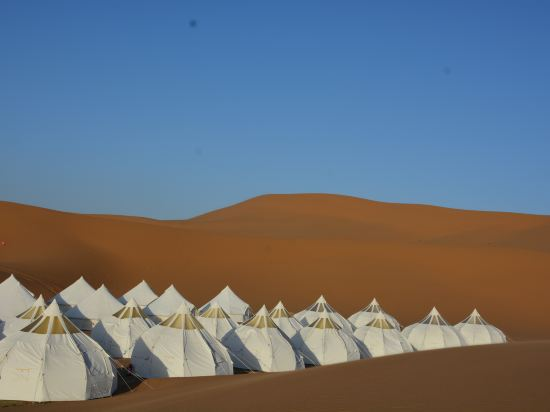
National 5A-level scenic area integrating desert, Yellow River, mountains, and oasis. Famous for sand control achievements and desert tourism. Activities include sand sliding, Yellow River zip-line, and sheepskin raft drifting.
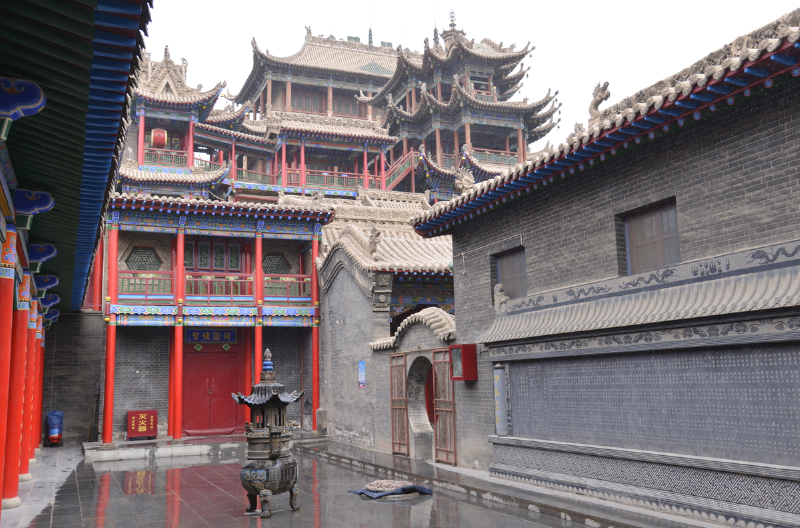
Built in the Ming Dynasty, this temple integrates Confucianism, Buddhism, and Taoism. With compact architecture and overlapping pavilions, it is known for exquisite wood and brick carvings.
Explore rich intangible cultural heritage and traditional crafts

Ningxia Hui Mountain Hua'er is a folk song popular in Zhongwei and other areas. Its melodies are high-pitched and long, lyrics often reflect love and life. It is listed in the first batch of national intangible cultural heritage.
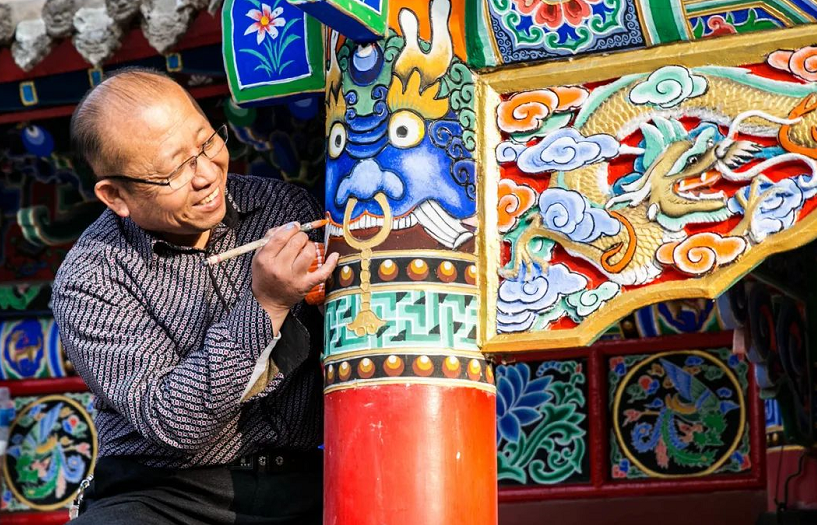
Zhongwei architectural color painting has a long history, unique techniques, and exquisite patterns. It is mainly used for temples and ancient building decoration, and is a Ningxia autonomous region-level intangible cultural heritage.
Must-know transportation for exploring the city
Located about 10 km northwest of the city center, with flights to major cities like Beijing, Shanghai, Xi'an, and Chengdu. Airport shuttle bus goes directly to the city.
Ticket prices vary by route
The Yinchuan-Lanzhou high-speed railway passes through Zhongwei South Station, providing direct access to Yinchuan, Lanzhou, Xi'an, etc. City buses and taxis are available.
High-speed rail fare varies by distance
City bus routes cover major attractions and urban areas, fare 1-2 RMB. Tourist shuttle buses go directly to Shapotou and other scenic spots.
1-2 RMB
Taste the most authentic and popular local specialties
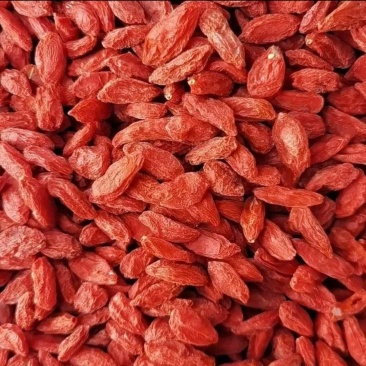
Zhongwei wolfberries are large, plump, bright red, sweet, and highly nutritious. They are one of the most important local specialties.
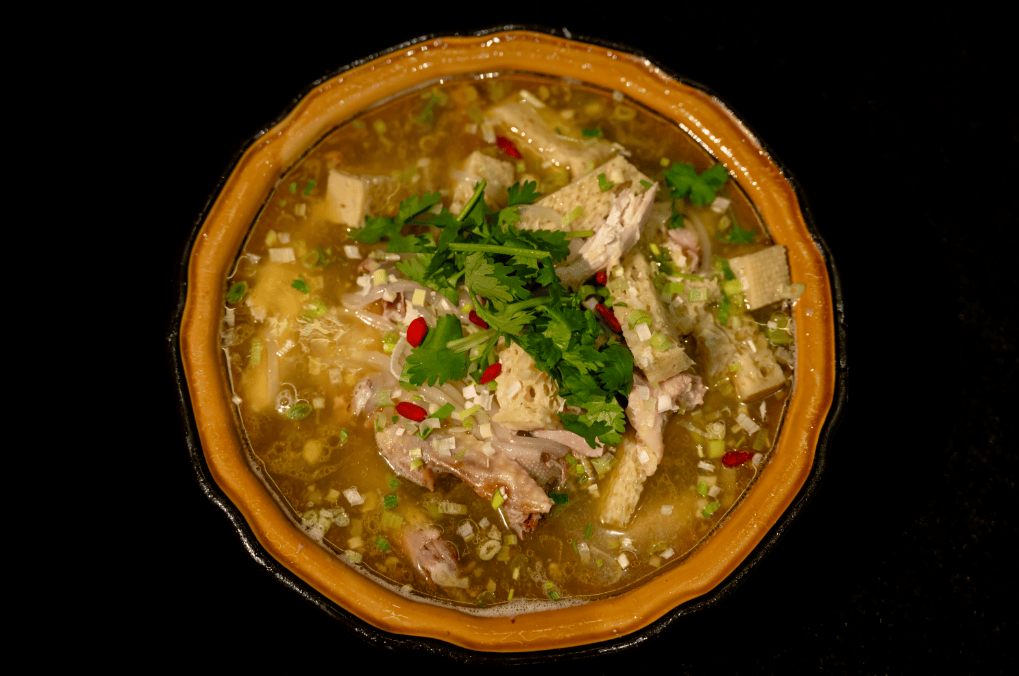
Made with local free-range chicken, slowly simmered, clear broth and tender meat, often with wolfberry and red dates.
In 2004, Zhongwei County was abolished and prefecture-level Zhongwei City was established, governing Shapotou District, Zhongning County, and Haiyuan County, opening a new chapter in urban development.
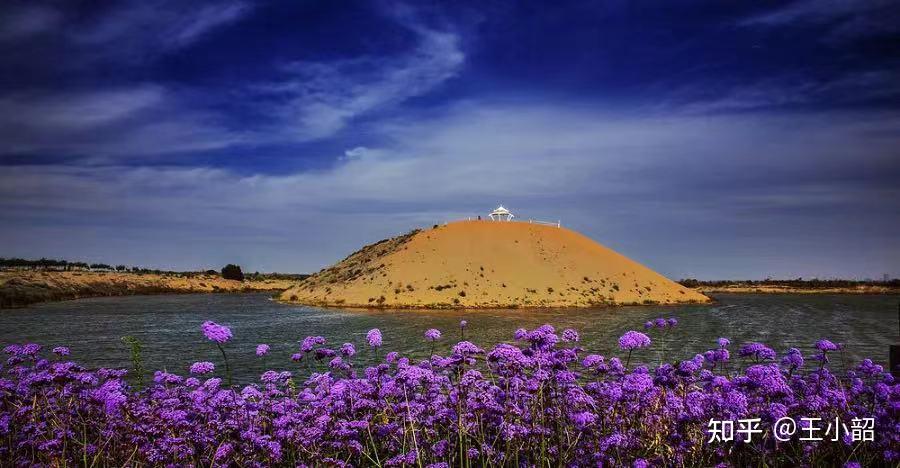
National 4A scenic area where desert and wetland coexist. Jinsha Island is an oasis in the desert with various amusement rides and flower fields.
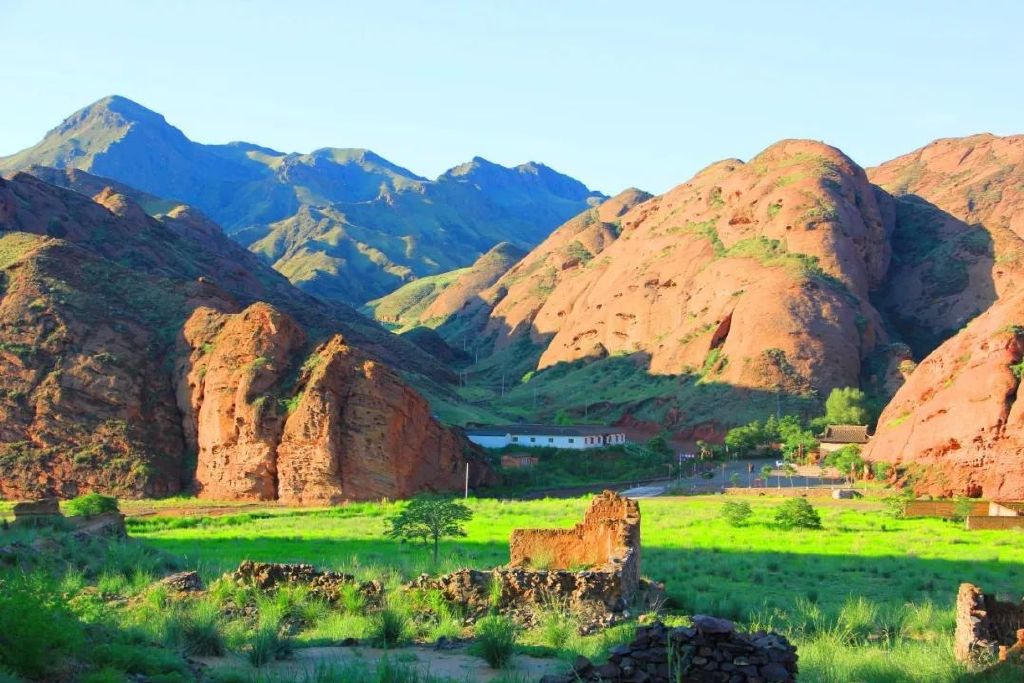
Known for karst and Danxia landforms, it is called 'the strange gorge on the frontier'. Divided into east and west sections, suitable for rock climbing and exploration.
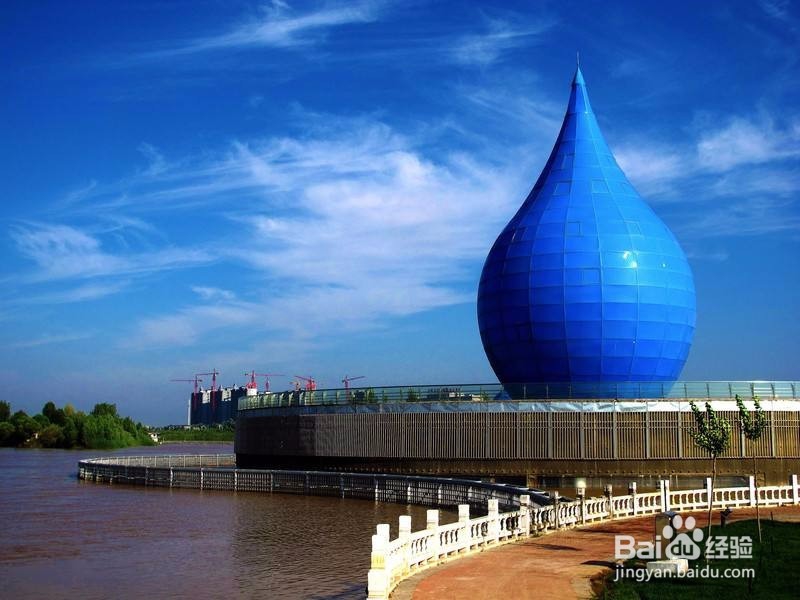
A themed venue showcasing Yellow River culture. Shaped like a water drop, it uses high-tech exhibits to display the river's history, ecology, and governance achievements.
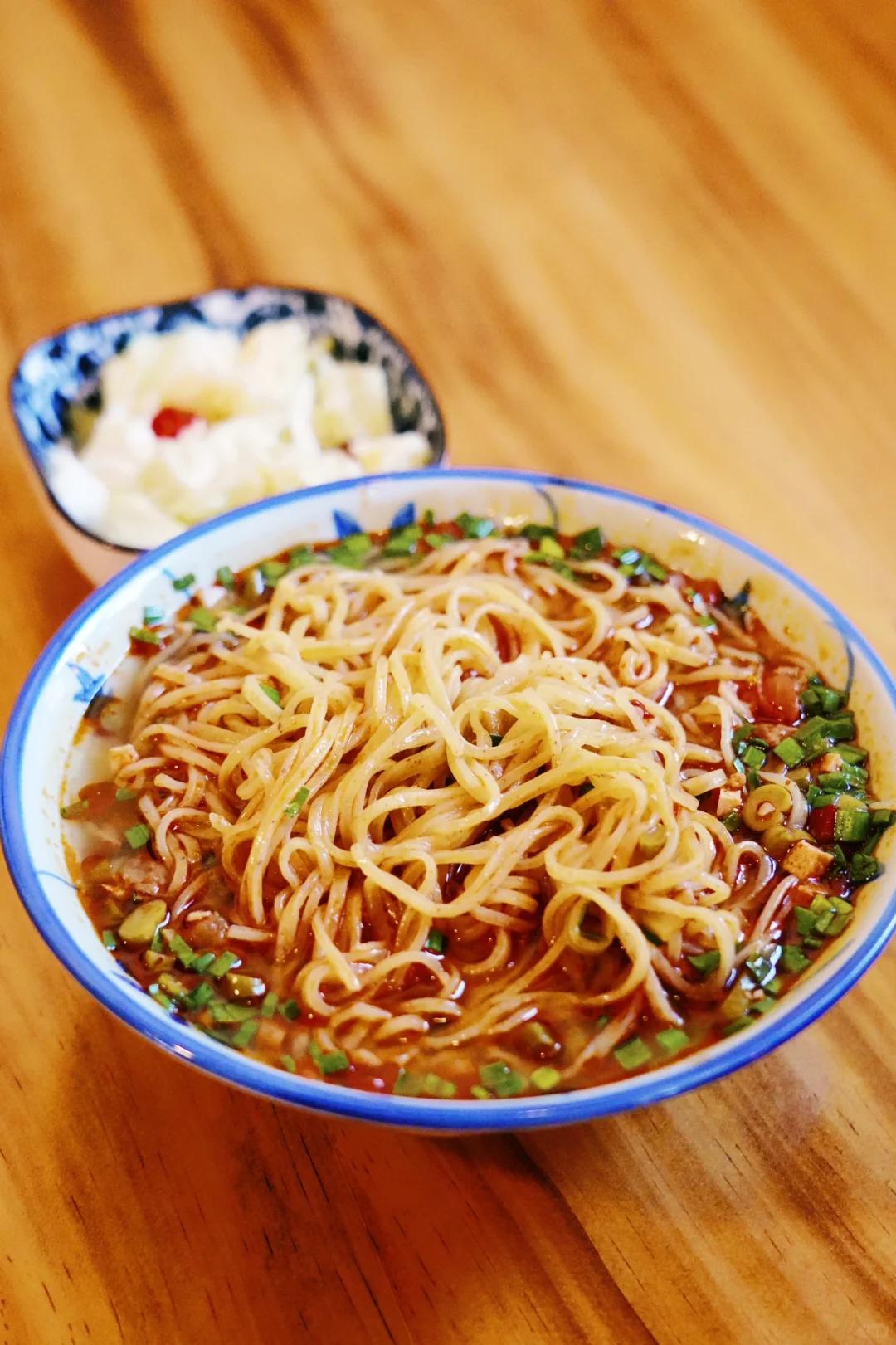
Noodles made by mixing wild Haozai powder with flour, chewy and smooth with a unique fragrance, a traditional local pasta.
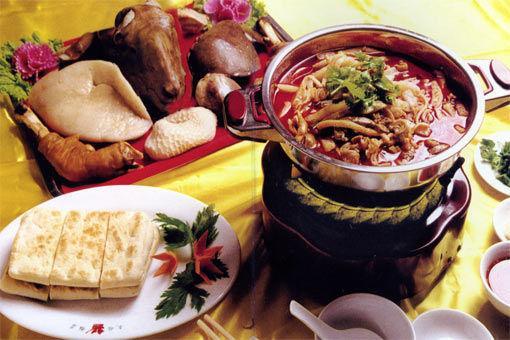
Made from lamb head, tripe, intestines, etc., seasoned with chili oil and coriander, rich broth and savory, a Hui specialty snack.
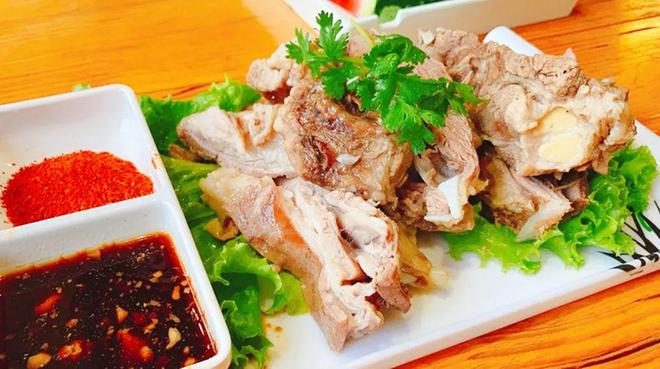
Using Ningxia Tan sheep, boiled in plain water, served with pepper salt or garlic paste, tender and non-gamey, a classic northwestern dish.