
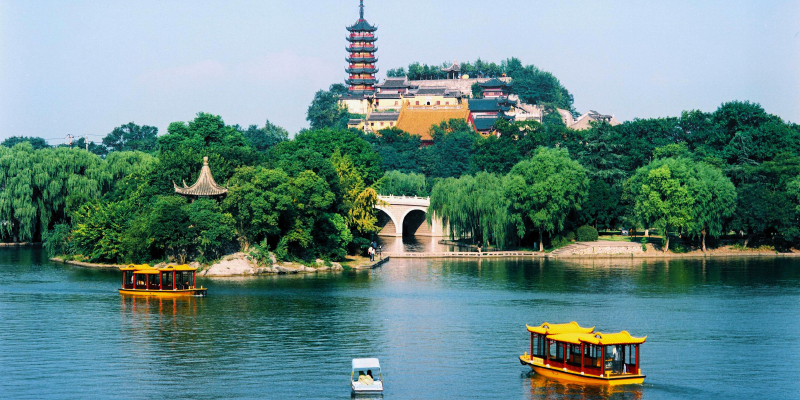
Zhenjiang is located in the southwestern part of Jiangsu Province, at the intersection of the Yangtze River and the Beijing-Hangzhou Grand Canal. It has a subtropical monsoon climate with four distinct seasons and abundant rainfall, with an average annual temperature of about 15.6°C.
Zhenjiang has a history of over 3,000 years. It was called Zhufang in the Spring and Autumn period, Jingkou in the Three Kingdoms period, Nanxu in the Southern Dynasties, and later became Zhenjiang Prefecture after the Sui and Tang dynasties. It was an important city for regimes such as Eastern Wu and the Southern Dynasties (Song, Qi, Liang, Chen), and is the birthplace of literary masterpieces like "The Literary Mind and the Carving of Dragons" and "Dream Pool Essays."
Zhenjiang's culture blends Wu and Chu influences, famous for the Buddhist culture of Jinshan Temple and the legend of the White Snake. Its cuisine is represented by the "Three Wonders of Zhenjiang" (vinegar, cured meat, and pot-lid noodles), along with crab roe soup dumplings and seasonal river fish like saury.
Zhenjiang is now a key port city in the Yangtze River Delta, home to the Zhenjiang New Area national development zone, focusing on high-end equipment and new materials industries while preserving historic districts like Xijin Ferry to promote cultural tourism integration.
The best time to visit 镇江 is Spring and Autumn (March-May, September-November).
Spring (March-May) offers pleasant temperatures and blooming flowers, ideal for visiting Jinshan and Jiaoshan to enjoy the Jiangnan spring scenery.
Autumn (September-November) is crisp and clear, perfect for hiking and tasting Zhenjiang vinegar and seasonal river fish.
Summer is hot and humid, but you can experience night tours at Xijin Ferry; winter is damp and cold but less crowded, allowing a quiet appreciation of the ancient city.
Emperor Qin Shi Huang toured east to Zhenjiang, building a road from Jingkou to Danyang, boosting transportation.
Sun Quan moved his capital from Wu (Suzhou) to Jingkou (Zhenjiang), where he decided to ally with Liu Bei against Cao Cao, laying the foundation for the Three Kingdoms.
The Taiping army fought fiercely with Qing forces in Zhenjiang for five years, making it a key defensive line.
Recommended places to visit
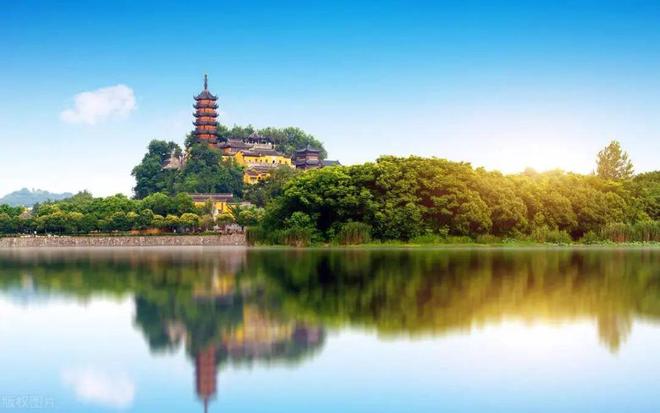
Jinshan is famous for Jinshan Temple, the setting of the 'Flooding of Jinshan' in the Legend of the White Snake. The temple is built on the mountain, offering panoramic views of the Yangtze River.
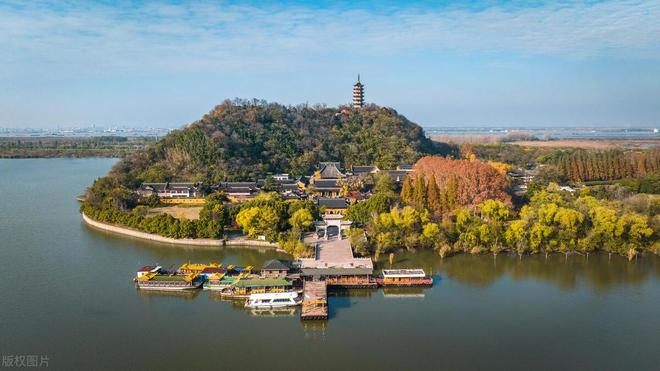
Jiaoshan is an island in the Yangtze, known for its forest of steles and Dinghui Temple, hailed as 'the best forest of steles in Jiangnan'.
UNESCO World Heritage Sites
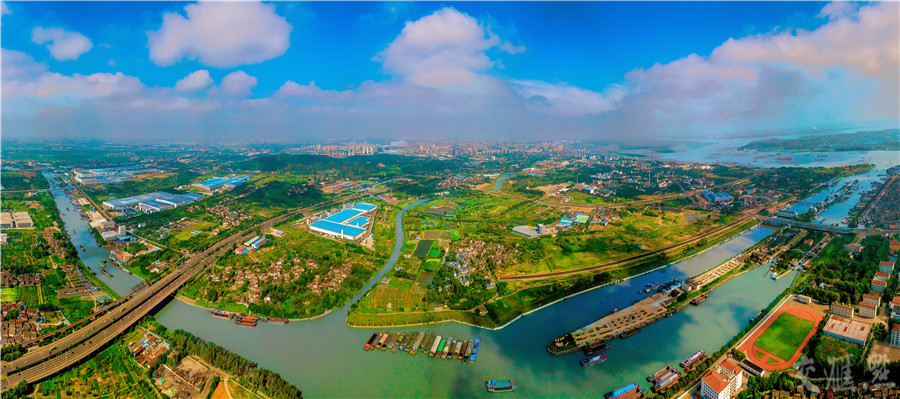
Zhenjiang is a key junction where the Grand Canal meets the Yangtze. The ancient canal runs through the city, with many historical sites along its banks.
Explore rich intangible cultural heritage and traditional crafts
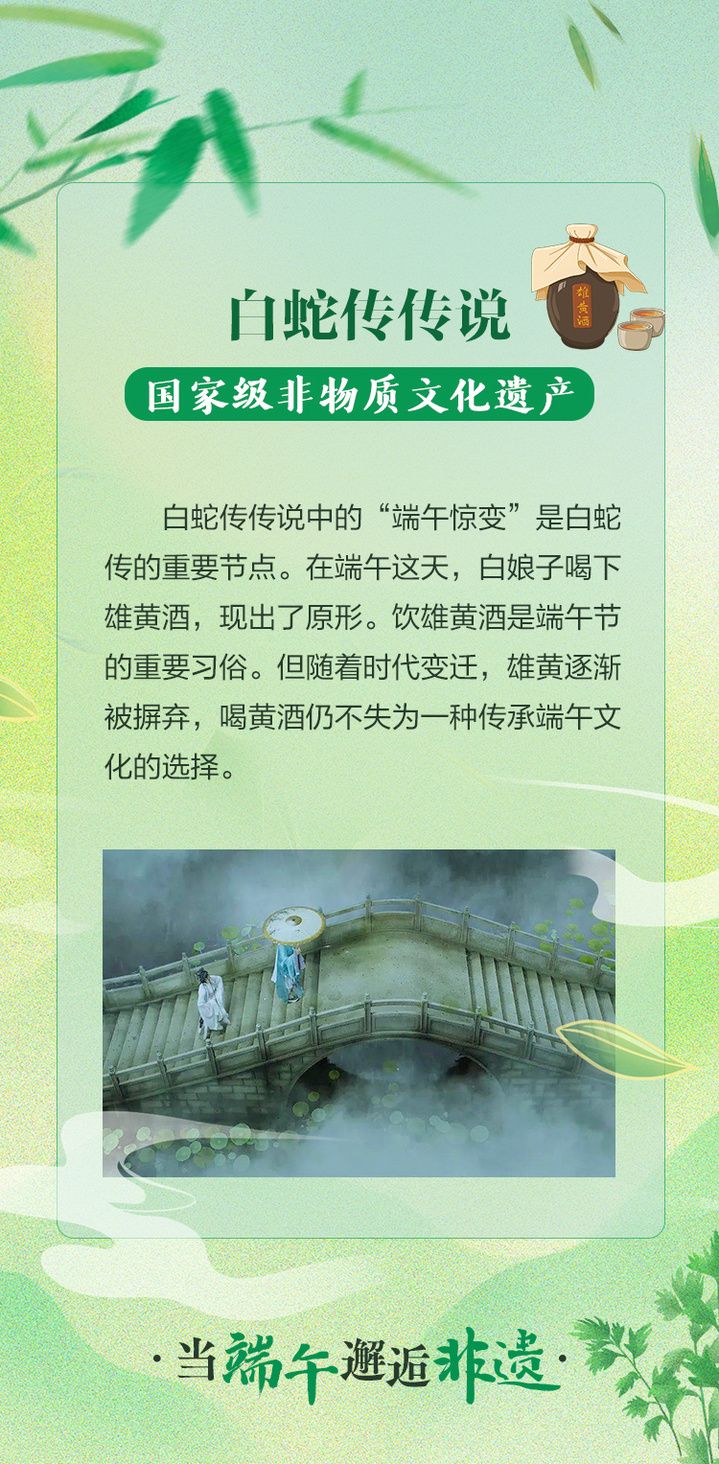
Zhenjiang is a key setting for the Legend of the White Snake, with famous scenes like Jinshan Temple and Broken Bridge.
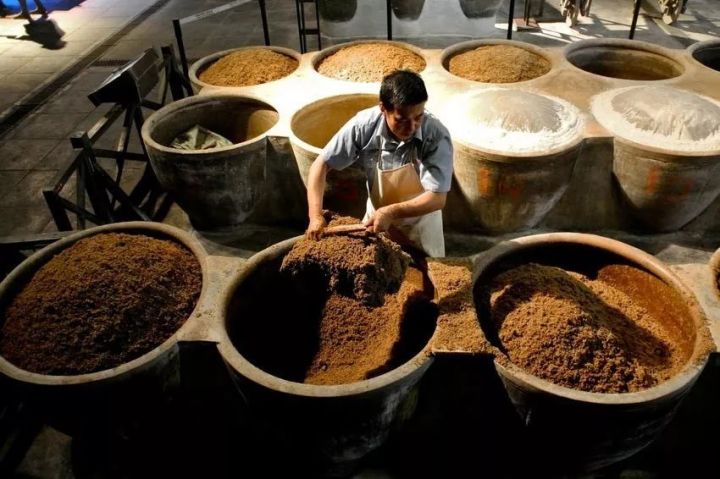
The brewing technique of Zhenjiang aromatic vinegar has a long history, using a unique solid-state fermentation process passed down for millennia.
Must-know transportation for exploring the city
Zhenjiang has no civil airport. Fly to Nanjing Lukou International Airport (about 80 km away), then take a high-speed train or bus to Zhenjiang.
Airport bus from Nanjing about 60 RMB
Zhenjiang has two high-speed rail stations: Zhenjiang Station and Zhenjiang South Station, connected to Beijing-Shanghai and Shanghai-Nanjing lines. Travel time: about 20 min to Nanjing, 1.5 h to Shanghai.
Zhenjiang-Nanjing second class about 30 RMB
Zhenjiang's bus network covers the city and major attractions. Fare 1-2 RMB, payable via Alipay or bus card.
1-2 RMB
Taste the most authentic and popular local specialties
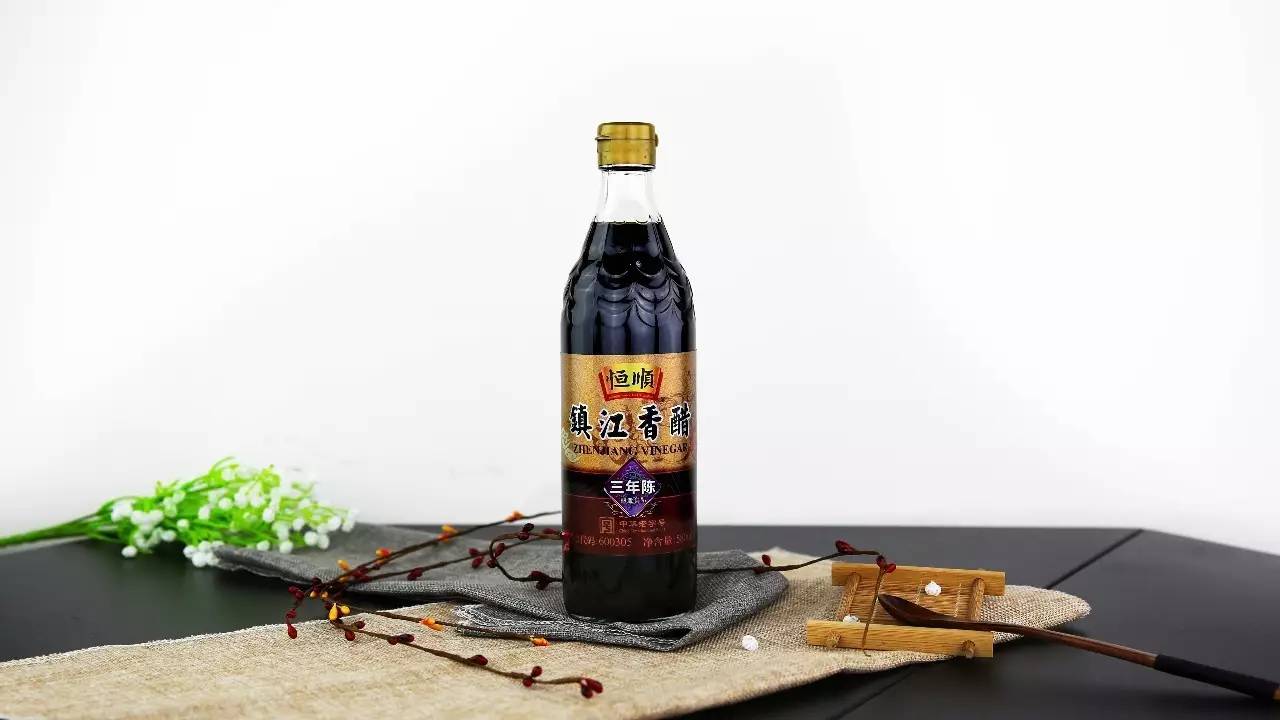
Zhenjiang Aromatic Vinegar is one of China's four famous vinegars, with rich color and aroma, sour but not harsh, and can be stored for long.
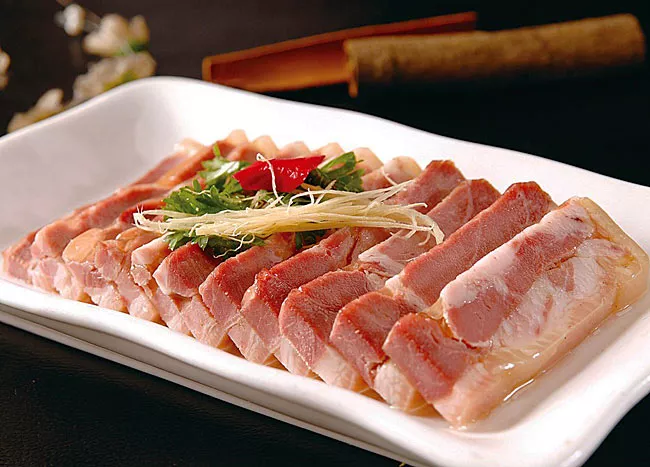
Yao Rou is a traditional cold dish made from pickled pork trotters, boiled, sliced translucent, best eaten with vinegar.
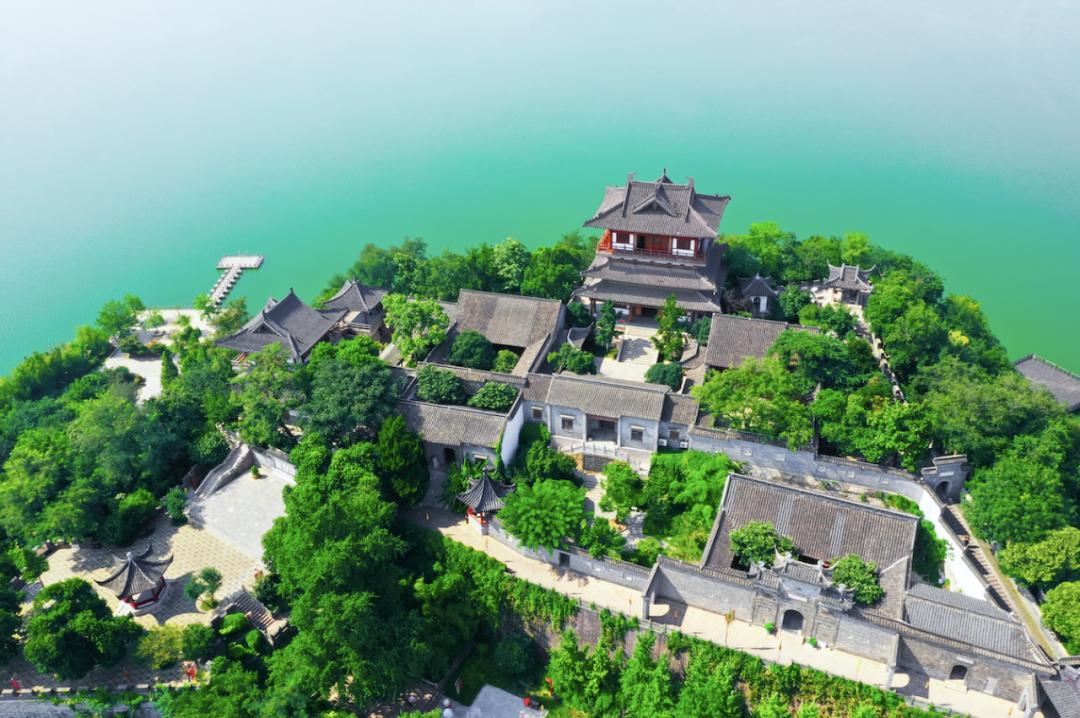
Beigu Mountain is famous for Ganlu Temple where Liu Bei married. It offers magnificent views of the Yangtze, inspiring Xin Qiji's classic poems.
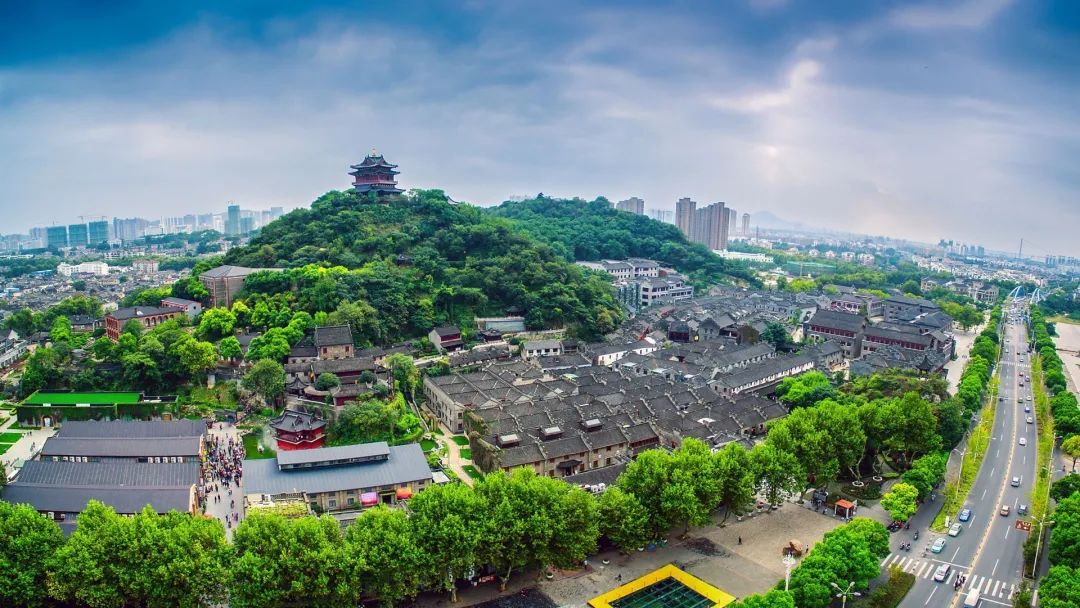
Xijin Ferry is a thousand-year-old ferry with well-preserved Ming and Qing architecture, known as 'China's ancient ferry museum'.
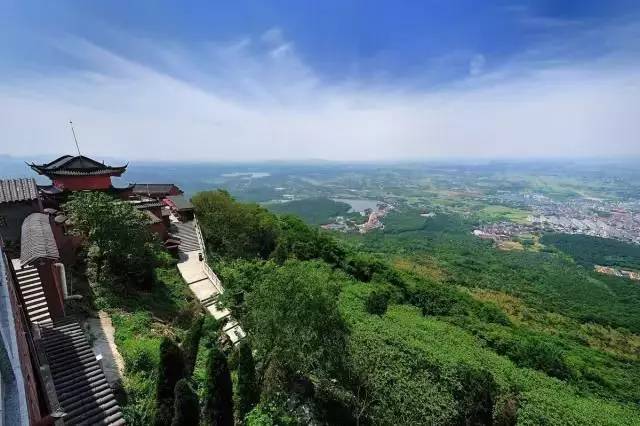
Maoshan is the birthplace of the Shangqing school of Taoism, known as 'the first blessed land, the eighth cave heaven', with beautiful natural scenery.
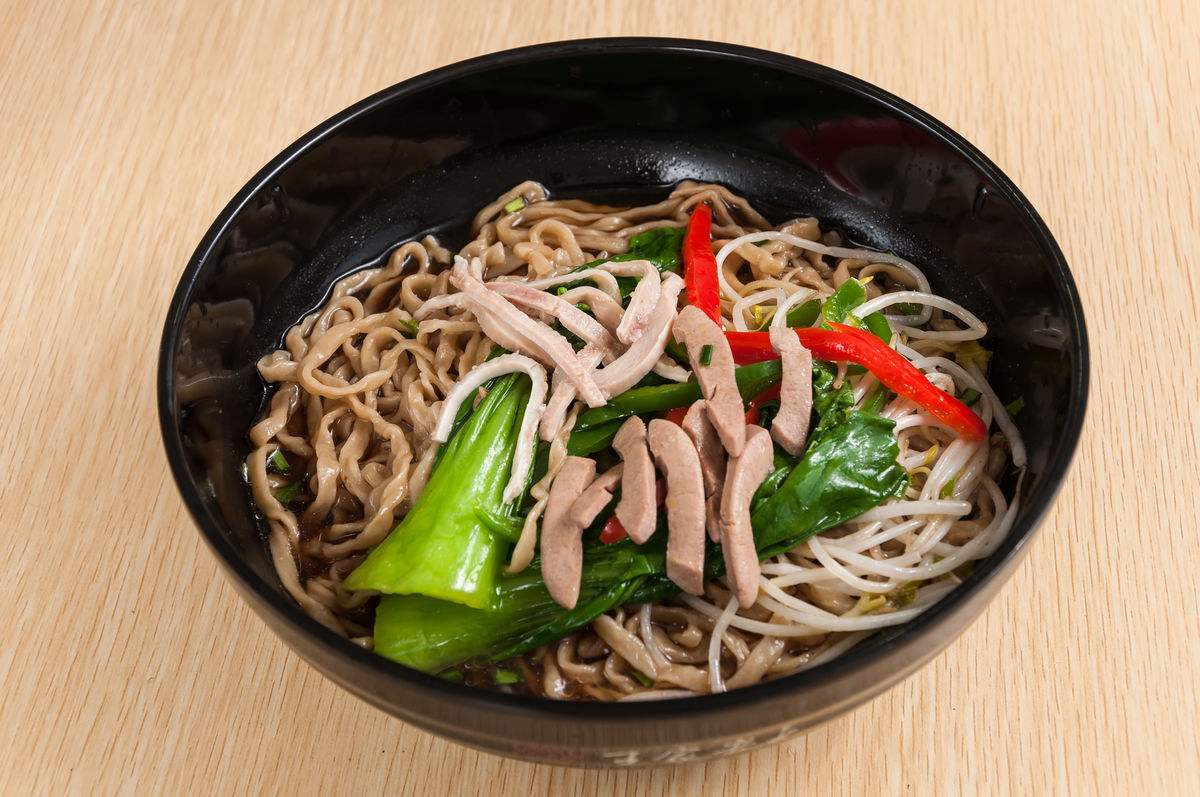
Pot-lid noodles are a Zhenjiang specialty, with chewy noodles and savory broth, named because a small lid floats on the pot while cooking.
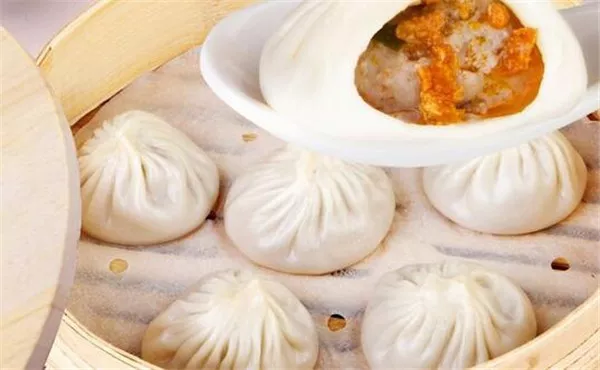
Zhenjiang crab roe soup dumplings have thin wrappers, generous filling, and rich savory soup, a seasonal treat in autumn.

Coilia is one of the three delicacies of the Yangtze. Zhenjiang's coilia is fattest before Qingming, best steamed or braised.
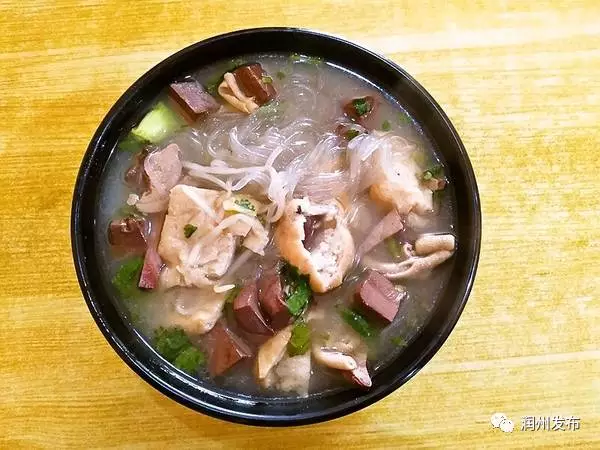
Zhenjiang duck blood vermicelli soup has rich broth, tender duck blood, and smooth vermicelli, a common street snack.