

Zhengzhou, the capital of Henan Province, is located in central China on the southern bank of the lower reaches of the Yellow River. Situated in the heart of the Central Plains, it faces the Taihang Mountains to the north, leans against Mount Song to the west, and opens up to the vast Huanghuai Plain to the southeast. It has a northern temperate continental monsoon climate with four distinct seasons: dry and windy springs, hot and rainy summers, cool autumns, and cold winters with little snow. The annual average temperature is 14.4°C, and the annual average precipitation is about 640 millimeters.
Zhengzhou is one of the eight ancient capitals of China, with a history of over 3,600 years as a city. It served as the capital of five dynasties—Xia, Shang, Guan, Zheng, and Han—and is also an important birthplace of Chinese civilization. Sites such as the Shang Dynasty ruins and the ancient city of Zheng and Han bear witness to its profound historical heritage. Today, Zhengzhou is a blend of antiquity and modernity, with a cityscape that embodies both the weight of historical relics and the vitality of an emerging metropolis.
Zhengzhou has a rich cultural atmosphere, serving as an important hub for Yu opera (Henan opera) and boasting a wealth of intangible cultural heritage. The local cuisine is primarily Henan cuisine, known for its savory and slightly salty flavors, with an emphasis on broth. Representative dishes include braised noodles, spicy pepper soup, and Yellow River carp. The pace of life for residents is moderate, blending the straightforwardness typical of northern cities with the elegance characteristic of the Central Plains region. In teahouses and parks, it is common to see people playing chess or listening to opera.
Zhengzhou is a national central city and an important comprehensive transportation hub in China, home to one of the largest high-speed railway stations in Asia. In recent years, strategic platforms such as the Zhengzhou Airport Economy Comprehensive Experimental Zone and the Zheng-Luo-Xin National Independent Innovation Demonstration Zone have accelerated development. In the future, Zhengzhou will be built into a national central city, an international comprehensive transportation hub, and a modern logistics center, playing a greater role in the Belt and Road Initiative.
The best time to visit 郑州 is Spring and autumn.
The best time to visit Zhengzhou is in spring (March to May) and autumn (September to November). During these two seasons, the weather is mild with moderate rainfall, making it ideal for outdoor activities and sightseeing. In spring, a hundred flowers bloom, while autumn brings clear skies and cool air with high visibility, perfect for exploring the city and surrounding attractions. Summer is hot and rainy, while winter is cold and dry, resulting in a slightly less enjoyable travel experience.
Spring (March-May): In spring, temperatures in Zhengzhou rise, with an average of 10-22°C, but wind and sand are common. It is recommended to visit the Zhengzhou Yellow River Scenic Area to enjoy the Yellow River scenery and spring flowers; you can also go to Zhengzhou Botanical Garden or Bishagang Park for flower viewing. Around the Qingming Festival, you can participate in the Ancestor Worship Ceremony at the Hometown of the Yellow Emperor to experience traditional culture.
Autumn (September to November): With cool weather, average temperatures of 10–20°C, and little rainfall, autumn is the golden season for travel. It is recommended to visit Mount Song’s Shaolin Temple and enjoy the red leaves from the mountain; you can also attend various exhibitions at the Zhengzhou International Convention and Exhibition Center. On the ninth day of the ninth lunar month, there are Double Ninth Festival mountain-climbing activities, and some scenic spots hold chrysanthemum exhibitions.
Zhengzhou was one of the early capitals of the Shang Dynasty. The Erligang site confirms its status as a royal capital of the Shang Dynasty, dating back approximately 3,600 years.
Recommended places to visit
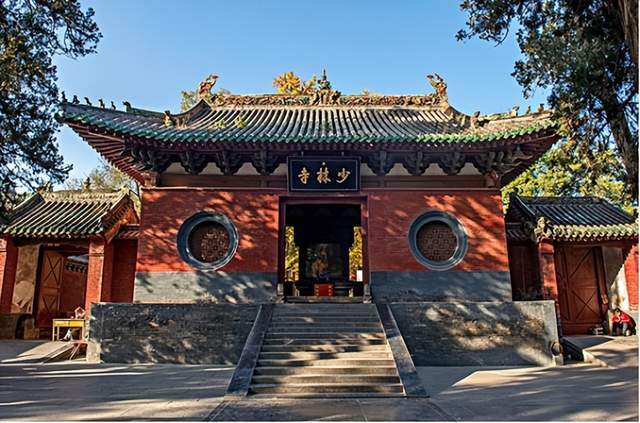
Located on Mount Song in Dengfeng City, it is the ancestral court of Zen Buddhism and the birthplace of Shaolin martial arts, housing a thousand-year-old ancient temple and a forest of pagodas.
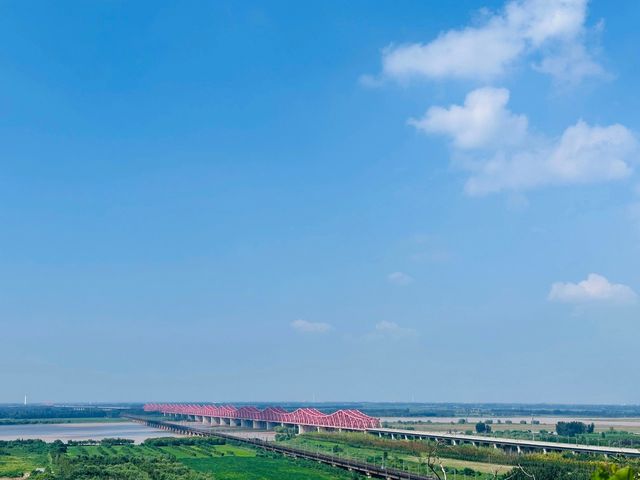
Located in the northwest of Zhengzhou, built along the Yellow River, it offers a magnificent view of the river and features statues of the Yan and Yellow Emperors.
UNESCO World Heritage Sites
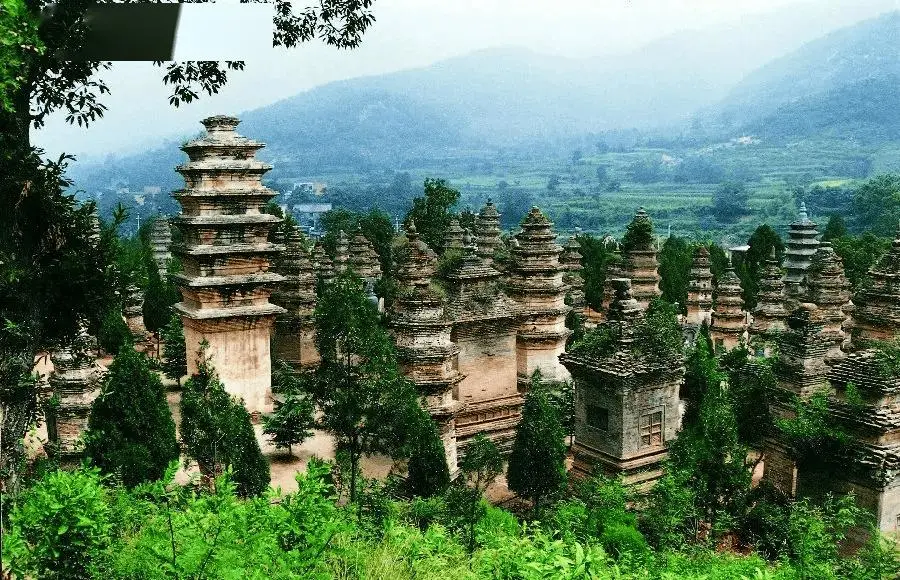
Including 11 architectural structures at 8 sites such as the Shaolin Temple, Songyang Academy, and Zhongyue Temple, it is an outstanding representation of ancient Chinese architecture and ritual culture.
Explore rich intangible cultural heritage and traditional crafts

The nationally recognized intangible cultural heritage, the martial arts system practiced by the monks of Shaolin Temple, is renowned worldwide.
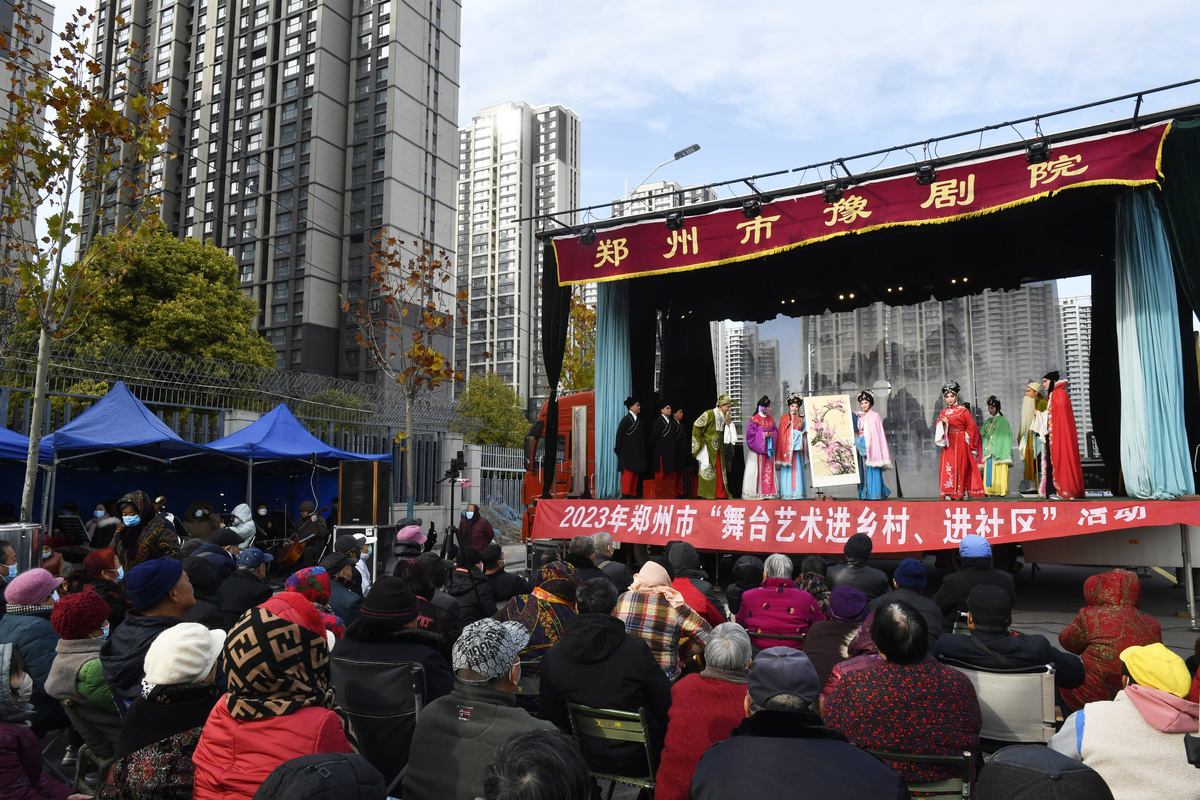
National-level intangible cultural heritage, a major local opera genre of Henan, characterized by resounding and grand singing styles and exquisite performances.
Must-know transportation for exploring the city
Located in Xinzheng City, about 37 kilometers from the city center. It has Terminal 1 and Terminal 2, serving over a hundred domestic and international cities. Airport buses go directly to the Civil Aviation Hotel in the city center, costing 20 yuan; Metro Line 2 extension (suburban line) connects to the city center.
Airport bus is 20 yuan.
Zhengzhou Station is located in the city center and mainly serves regular-speed trains; Zhengzhou East Station is a high-speed rail station (one of the largest in Asia) and primarily handles high-speed trains; Zhengzhou West Station is situated in Xingyang and accommodates some high-speed trains. Metro Line 1 connects Zhengzhou Station and Zhengzhou East Station.
Depends on the distance.
Taste the most authentic and popular local specialties
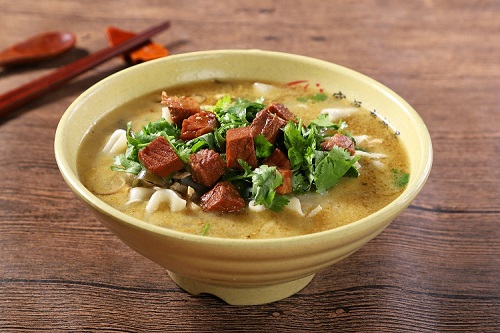
Henan traditional noodle dish, wide noodles served with lamb, vermicelli, wood ear mushrooms, etc., featuring a savory and rich broth, nutritious and flavorful.
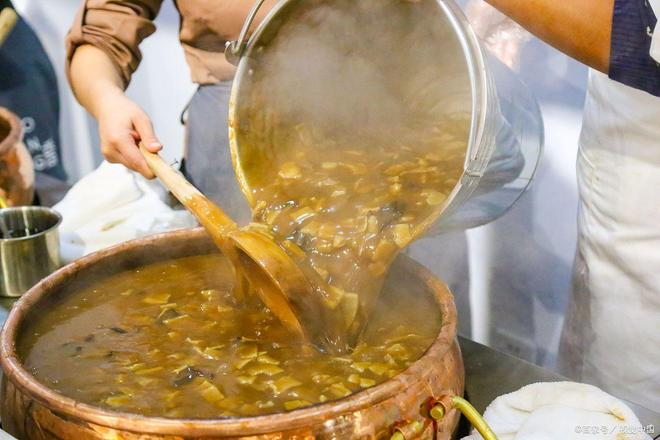
Zhengzhou's specialty breakfast features soup with pepper and chili, paired with gluten, vermicelli, beef, and more—spicy and appetizing.
The State of Zheng moved its capital to Xinzheng (present-day Xinzheng City, Zhengzhou), after which the Zhengzhou area became the core region of the State of Zheng.
The Beijing-Hankou Railway (Beijing to Hankou) was completed and opened to traffic, passing through Zhengzhou, making it an important railway hub.
The provincial capital of Henan was moved from Kaifeng to Zhengzhou, making Zhengzhou the official political, economic, and cultural center of the province.
The State Council approved Zhengzhou's development as a national central city, marking a new phase of rapid growth for the city.
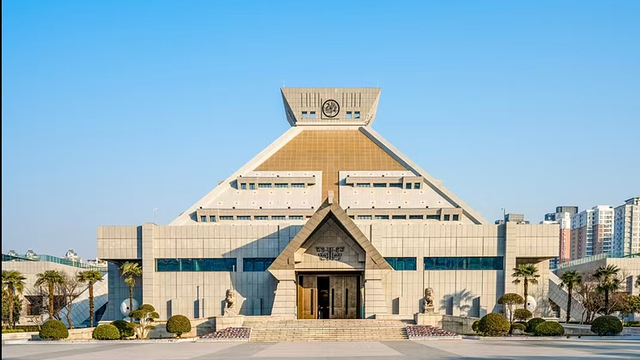
Located on Nongye Road, the museum has a rich collection, primarily featuring bronze wares, ceramics, and stone carvings, showcasing the ancient civilization of the Central Plains.
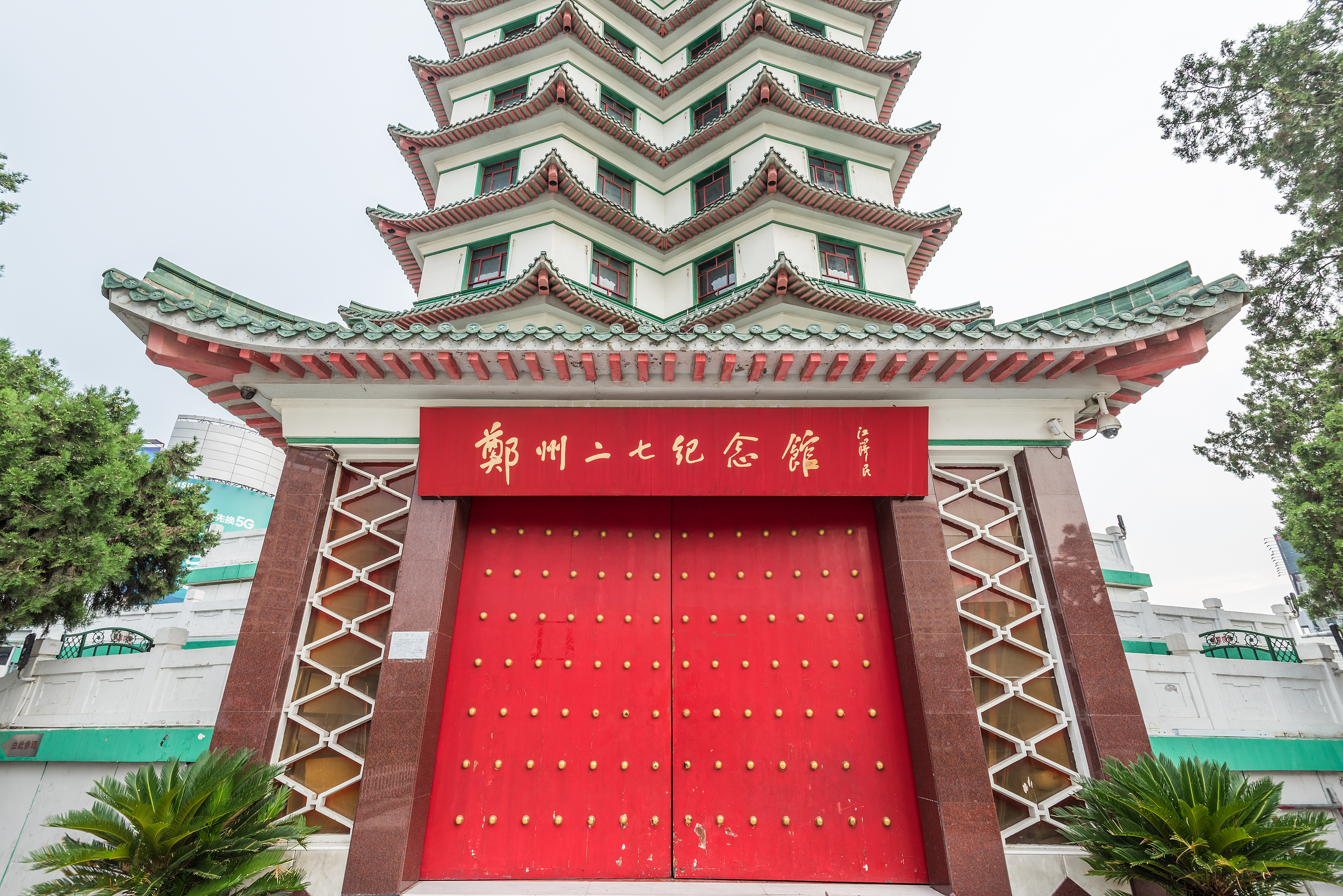
Located at Erqi Square, built to commemorate the Beijing-Hankou Railway Workers' Strike, it is a landmark of Zhengzhou.
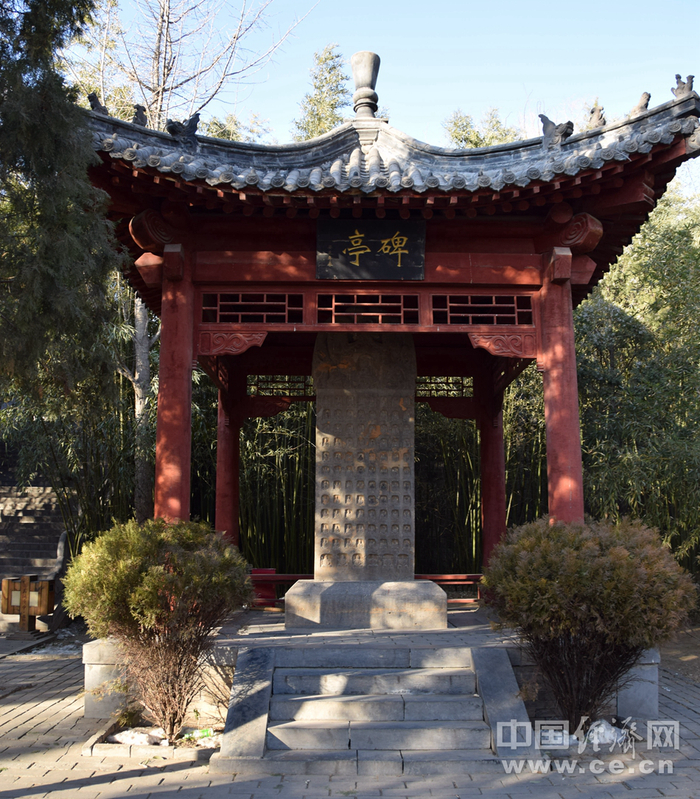
Located at the southern foot of Mount Song, it is one of the four great ancient academies of China and an important center for the spread of Cheng-Zhu Neo-Confucianism during the Song Dynasty.
Zhengzhou Metro has Lines 1, 2, 5, and the suburban line, operating from 6:00 to 23:00, with fares ranging from 2 to 5 yuan. Bus routes cover a wide area, with regular buses costing 1 yuan and air-conditioned buses 2 yuan. Alipay and WeChat QR code payments are supported for rides.
Subway 2-5 yuan, bus 1-2 yuan.
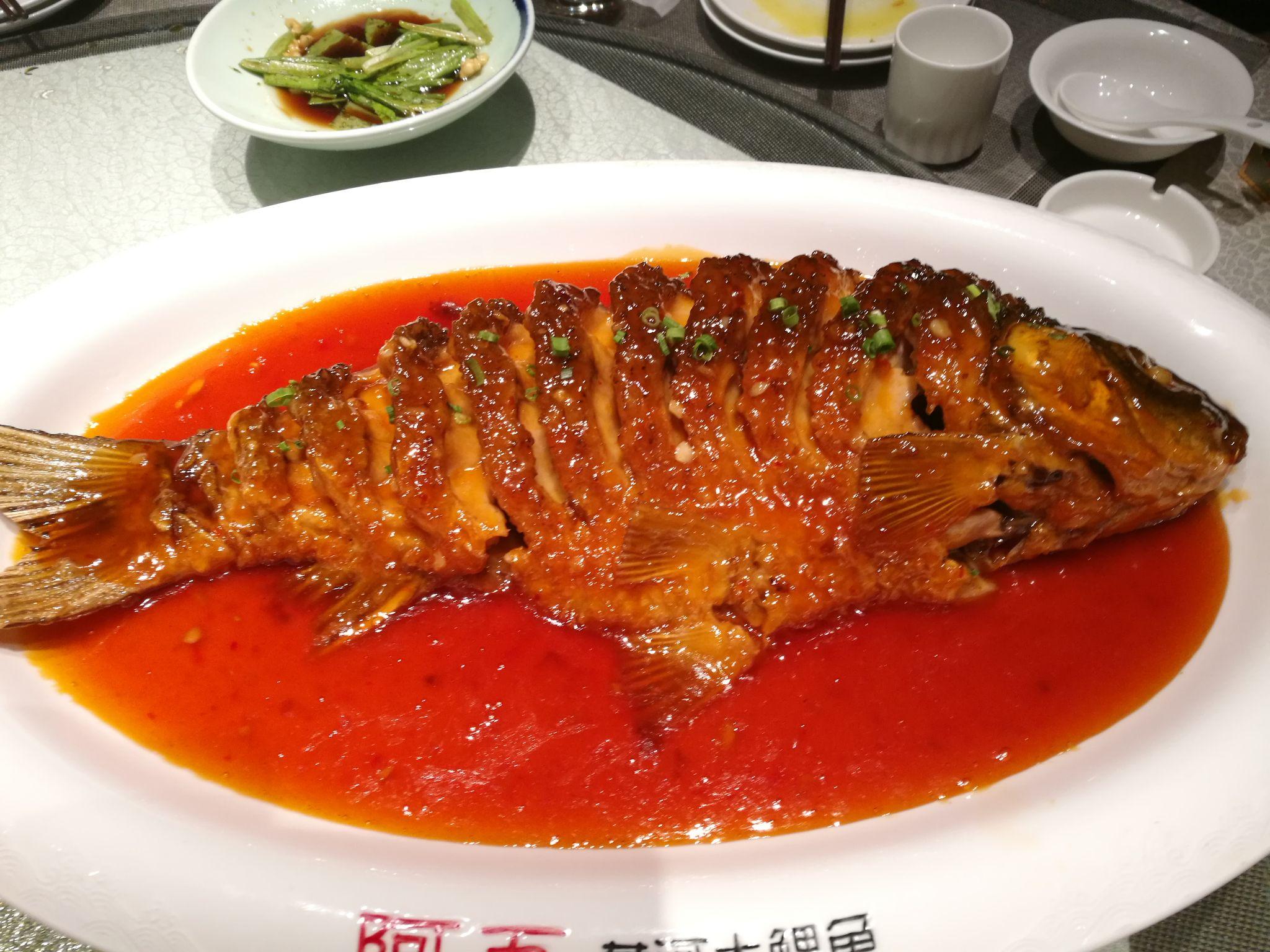
A classic Henan dish, made with Yellow River carp, braised or steamed, featuring tender flesh without any muddy taste.

Kaifeng's traditional famous dishes are also popular in Zhengzhou. The whole chicken is deboned and marinated, resulting in crispy skin and tender meat, with a savory and delicious taste.
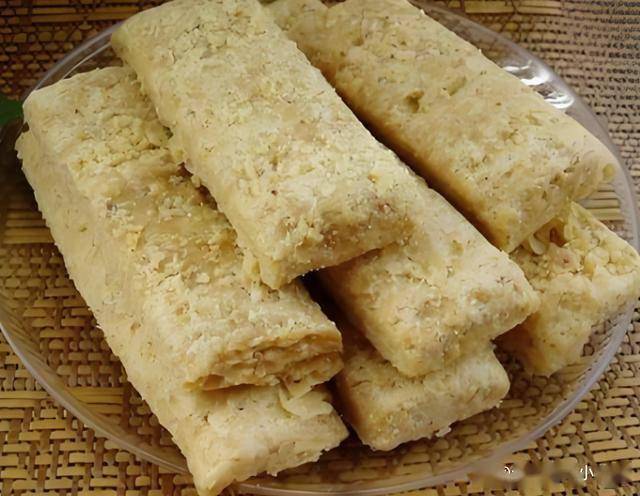
Zhengzhou traditional pastry, made primarily with peanuts, bound with syrup, crispy and sweet, melts in the mouth.