
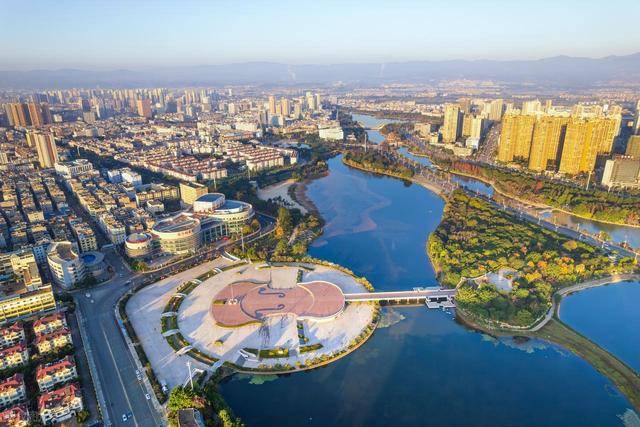
Zhaotong is located in the northeast of Yunnan Province, at the junction of Yunnan, Guizhou, and Sichuan provinces. With an average altitude of about 2,000 meters, it enjoys a climate with no severe cold in winter and no intense heat in summer, with an annual average temperature of 11.6°C, making it a summer resort.
Zhaotong has a long history and is one of the three birthplaces of Yunnan culture. It has been known as the 'key to southern Yunnan and the throat to western Sichuan'. During the Qin Dynasty, the 'Five-foot Road' was built, and in the Han Dynasty, the 'Southern Yi Road' was constructed, making Zhaotong a vital hub on the ancient Southern Silk Road.
Zhaotong boasts a diverse culture that blends Central Plains, Bashu, and ancient Dian cultures. Signature dishes include Zhaotong sauce, braised chicken with gastrodia, fried potato cake with rice cake, and small meat skewers. Zhaotong sauce is hailed as the 'king of sauces'.
In recent years, Zhaotong has seen rapid transportation development with the Chongqing-Kunming High-Speed Railway and the expansion of Zhaotong Airport. The city's appearance has been transformed, and industries such as apples and potatoes are thriving, making it a rising force in northeastern Yunnan.
The best time to visit 昭通 is Suitable for spring, summer, and autumn.
Spring (March-May): Temperatures rise, flowers bloom, perfect for flower viewing.
Summer (June-August): Cool and pleasant, peak season for summer retreat, visit Dashanbao for sea of clouds.
Autumn (September-November): Clear and crisp, apples ripen, suitable for picking and outdoor activities.
After unifying the six states, Qin Shi Huang sent Chang E to build the Five-Foot Way, connecting the Sichuan Basin with the Yunnan-Guizhou Plateau, making Zhaotong an important node.
The Yuan Dynasty established Wumeng Circuit, making Zhaotong the political and economic center of northeast Yunnan.
The State Council approved the abolition of Zhaotong Prefecture and the establishment of Zhaotong as a prefecture-level city, marking a new stage of development.
Recommended places to visit

Famous for alpine meadows, sea of clouds, and black-necked cranes, a paradise for photography and birdwatching.
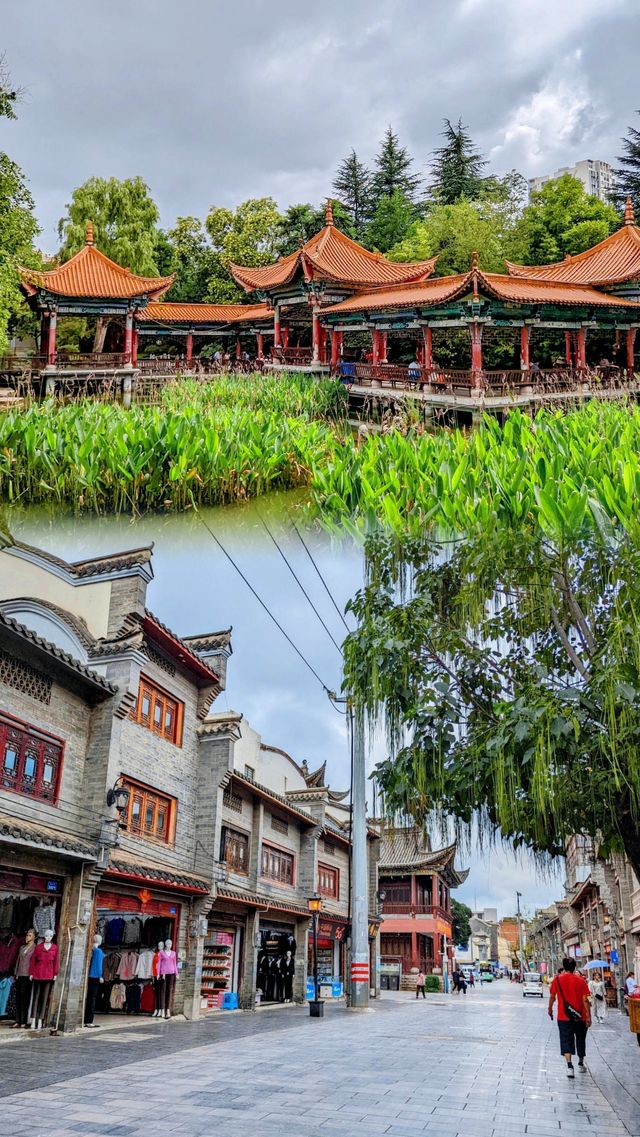
Well-preserved Ming and Qing ancient city, with historical sites like Qingguan Pavilion and ancient city walls.
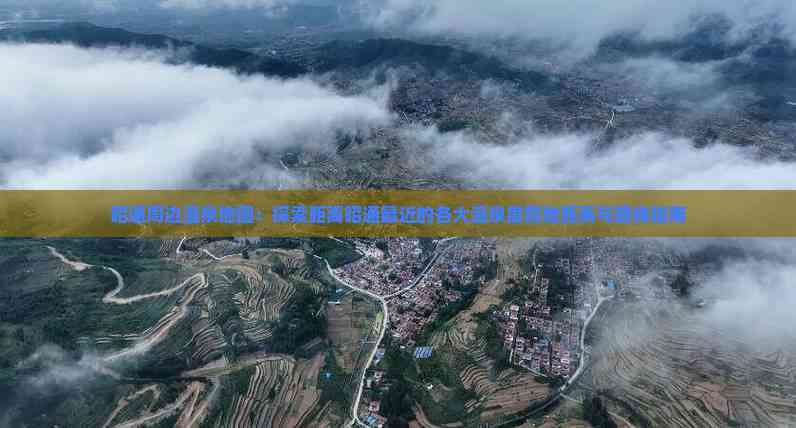
Explore rich intangible cultural heritage and traditional crafts
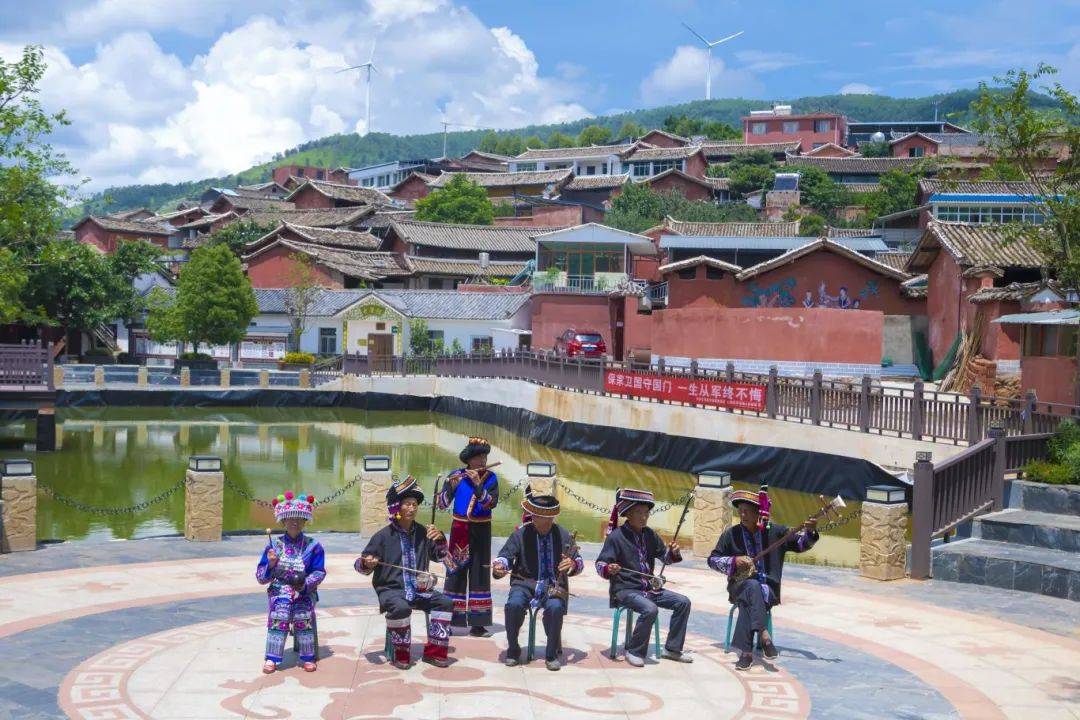
An ancient religious music blending Confucianism, Buddhism, and Taoism, with melodious tunes and high artistic value.
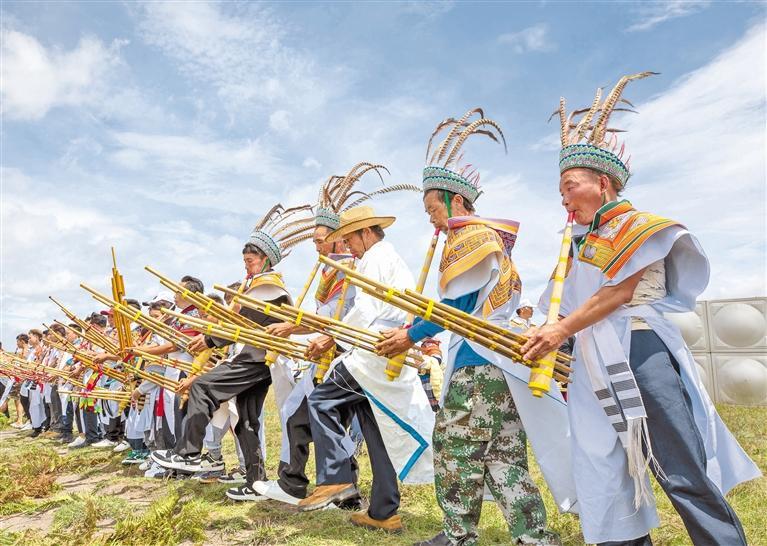
Traditional Miao dance accompanied by lusheng (reed pipe), with lively steps, expressing the life and emotions of the Miao people.
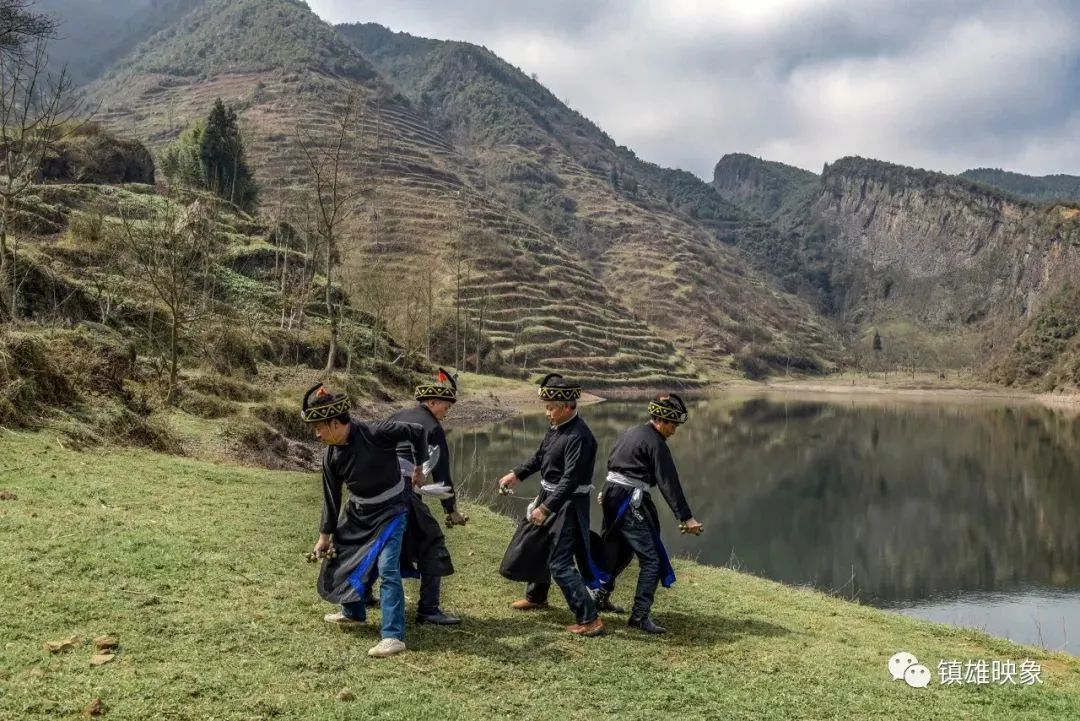
Traditional Yi sacrificial dance with bold movements and majestic momentum, used for blessing and exorcism.
Must-know transportation for exploring the city
Located in Zhaoyang District, with flights to Beijing, Shanghai, Guangzhou, Chengdu, etc.
Economy class about 500-1500 yuan
The Chongqing-Kunming high-speed railway passes through Zhaotong, providing direct access to Kunming, Chongqing, Chengdu, etc.
Second class about 100-300 yuan
City bus routes cover major attractions and commercial areas, fare 1-2 yuan.
1-2 yuan
Taste the most authentic and popular local specialties
Made from soybeans and chili peppers, fermented through multiple processes, reddish-brown in color, rich in sauce aroma, moderate in saltiness and spiciness.
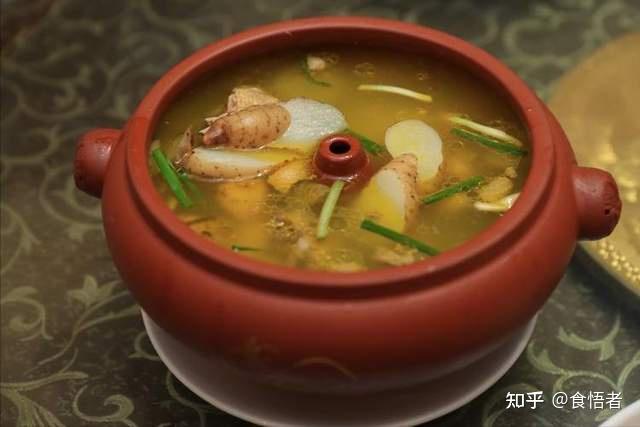
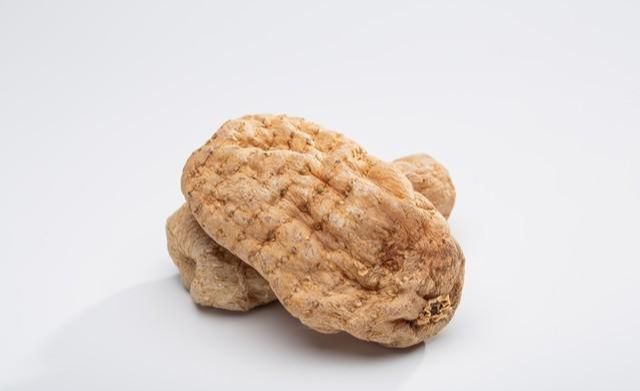
Stewed with local Xiaocao Dam gastrodia and free-range chicken, the soup is delicious and has the effect of dispelling wind and relieving pain.
Located on the banks of the Jinsha River, one of the largest open-air hot springs in Asia, integrating leisure and recuperation.
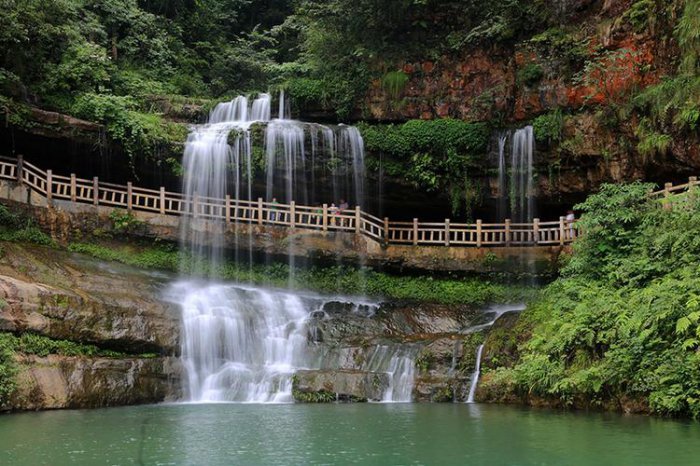
With 47 waterfalls of various shapes, known as the 'hometown of waterfalls.'
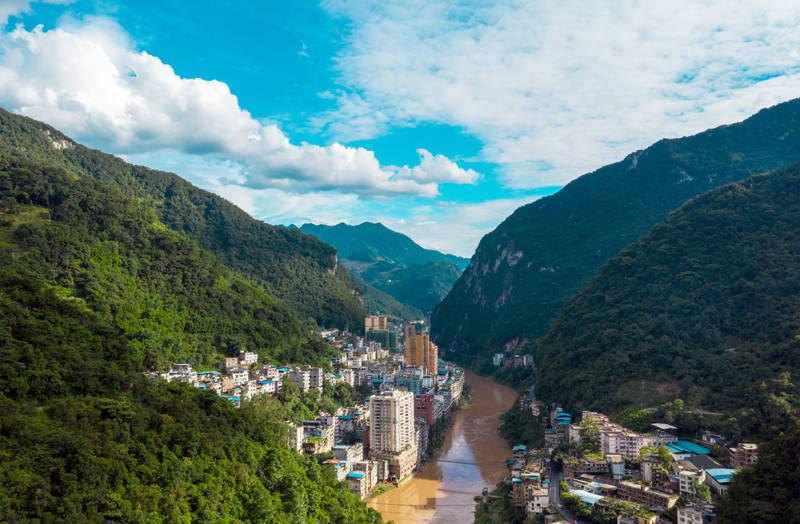
An important pass on the ancient Southern Silk Road, with Tang Dynasty cliff inscriptions and other historic sites.
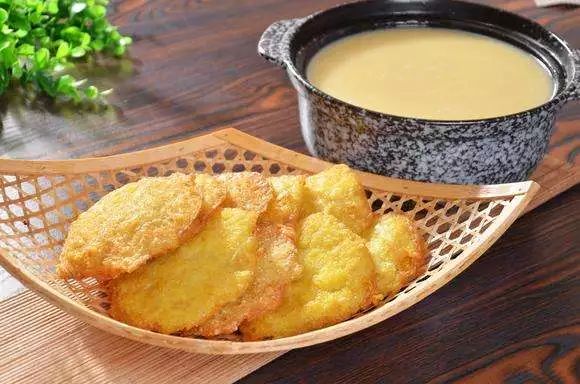
Deep-fried mashed potato cake served with grilled rice cake, crispy outside and tender inside, a classic Zhaotong breakfast.
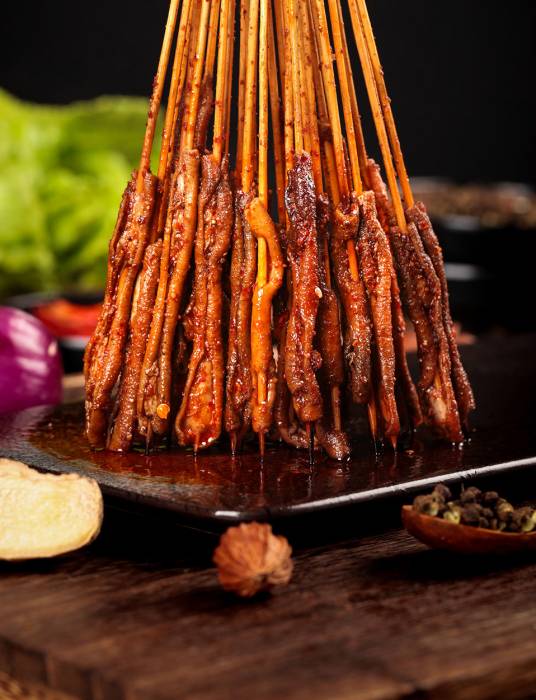
Small skewers of beef or pork, grilled over charcoal, sprinkled with chili and cumin, spicy and delicious.
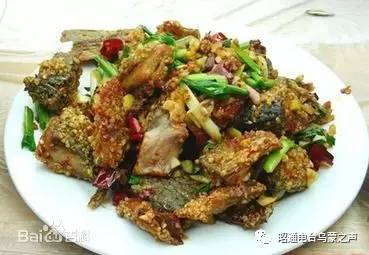
Fresh fish fermented with glutinous rice and chili, sour and spicy, a specialty of Weixin County.