
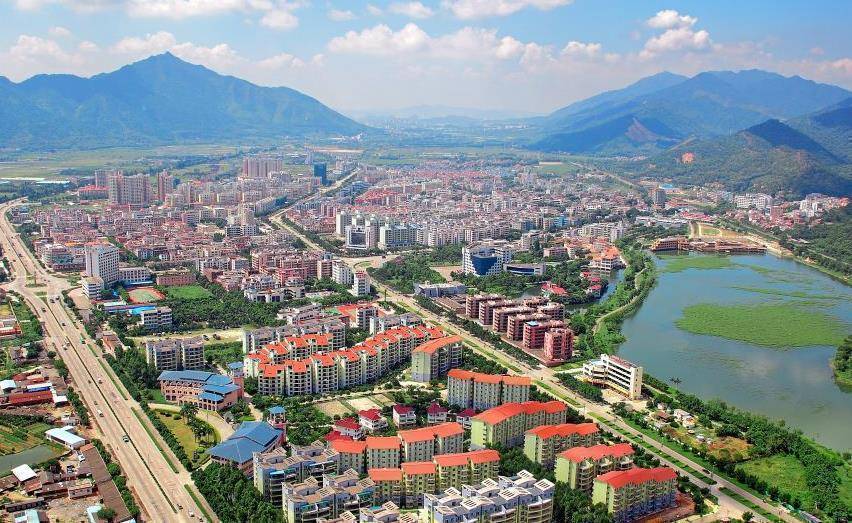
Zhaoqing is located in the central-western part of Guangdong Province, along the middle and lower reaches of the Xijiang River. It borders Foshan and Jiangmen to the east, Yangjiang and Yunfu to the south, Wuzhou in Guangxi to the west, and Qingyuan to the north. It has a subtropical monsoon humid climate, with an average annual temperature of 22°C, abundant rainfall, and pleasant weather year-round.
Zhaoqing, historically known as Duanzhou, has a long history and is one of the birthplaces of Lingnan indigenous culture and Cantonese culture. It was established as a county in the Qin Dynasty, became Gaoyao County in the Han Dynasty, and gained fame for Duan inkstones during the Sui and Tang Dynasties. Emperor Huizong of the Song Dynasty, who had been enfeoffed as the Prince of Duan, elevated Duanzhou to Zhaoqing Prefecture, meaning "beginning to bring auspiciousness and celebration."
Zhaoqing is the origin of Duan inkstones, which are considered the finest among China's four famous inkstones. Local culture includes the Bao Zheng culture and the Dragon Mother culture. The cuisine is represented by Zhaoqing zongzi (steamed glutinous rice dumplings), Wenjuanli fish, and Deqing bamboo-pole rice noodles, known for their light and fresh flavors.
Modern Zhaoqing is an important node city in the Guangdong-Hong Kong-Macao Greater Bay Area, focusing on developing tourism, electronic information, equipment manufacturing, and other industries. The Star Lake Tourist Area is a national 5A-level scenic spot. The city has convenient transportation, including high-speed rail stations and an airport, and is advancing towards a modern city suitable for living, working, and traveling.
The best time to visit 肇庆 is Spring and autumn (March-May, September-November).
Spring (March-May): Mild temperatures, flowers in full bloom. Peach blossoms and pear blossoms in the Star Lake area make it a great time for outings and flower viewing.
Autumn (September-November): Clear and crisp weather, ideal for mountain climbing. Dinghu Mountain has fresh air, and the Seven Star Crags have clear lake water.
Summer (June-August): Hot and rainy, but suitable for water activities such as boat rides on Star Lake. Winter (December-February) is warm with little rain, good for escaping the cold.
Emperor Huizong of Song, Zhao Ji, who had been enfeoffed as Prince of Duan, elevated Duanzhou to Zhaoqing Prefecture, meaning 'beginning to bring auspiciousness and joy,' and the name Zhaoqing has been used ever since.
Starting from the Tang Dynasty, Duan inkstones, known for their fine stone quality and ability to produce ink without damaging the brush, were listed as tribute items and became one of the cherished Four Treasures of the Study.
Recommended places to visit
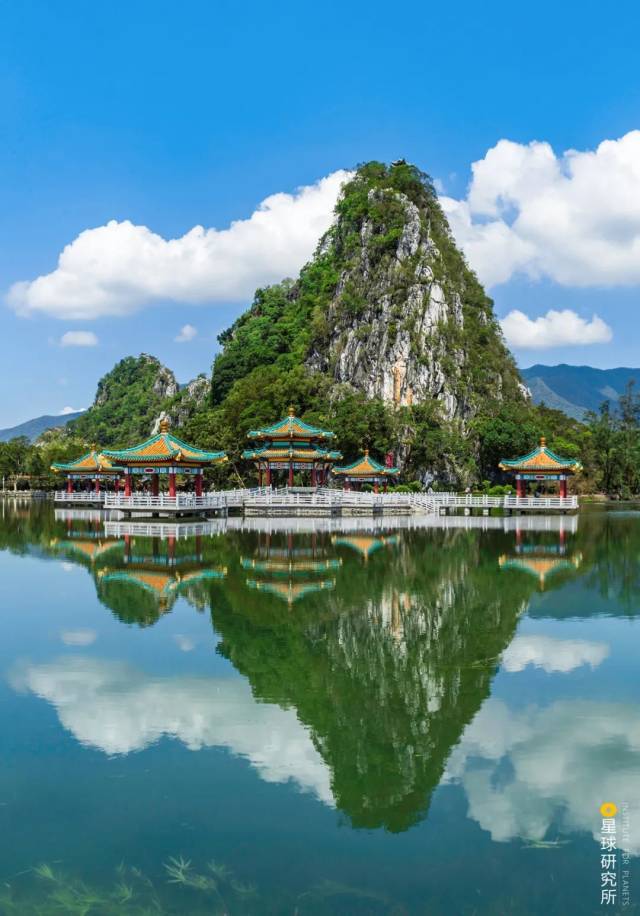
National 5A-level scenic area. Seven Star Crags is famous for karst landforms and lake-mountain scenery. Dinghu Mountain is known as the 'green gem on the Tropic of Cancer' and a natural oxygen bar.
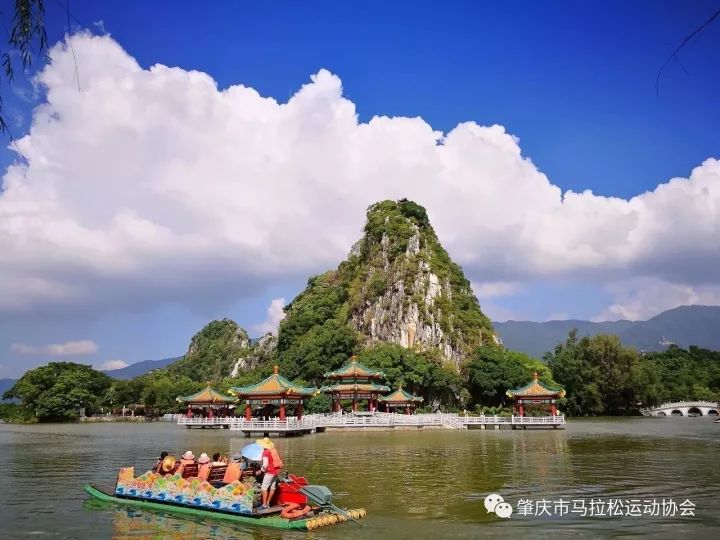
Composed of seven limestone peaks arranged like the Big Dipper. Mountains in the lake, caves in the mountains, known as 'the first wonder of Lingnan.'
UNESCO World Heritage Sites
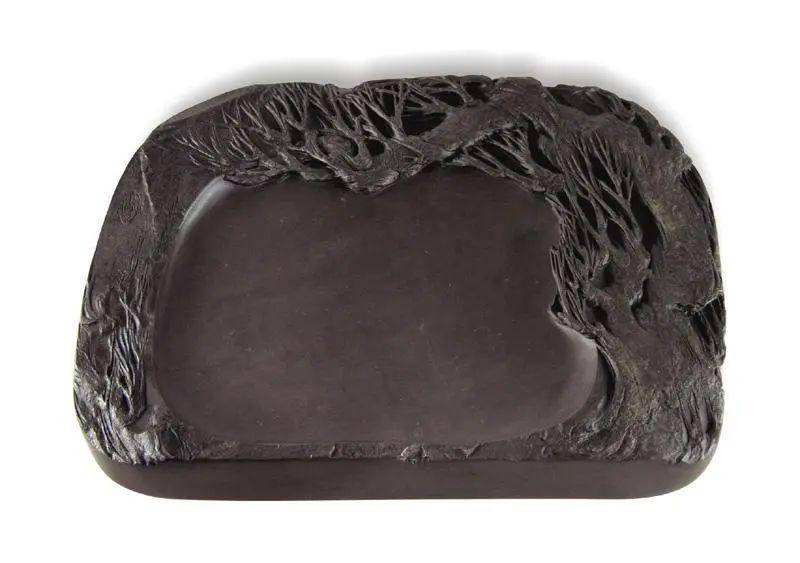
Duan inkstone is the foremost of China's four famous inkstones. Its making techniques were inscribed on UNESCO's Representative List of Intangible Cultural Heritage of Humanity in 2021. The stone is fine-grained, produces ink quickly without damaging the brush, and features exquisite carving.
Must-know transportation for exploring the city
Zhaoqing East Railway Station is located in Dinghu District, where the Guiyang-Guangzhou and Nanning-Guangzhou high-speed railways meet. Direct trains to Guangzhou, Shenzhen, Guilin, Guiyang, etc. About 40 minutes from Guangzhou South Station to Zhaoqing East.
Second class from Guangzhou South to Zhaoqing East about 40-50 yuan
Zhaoqing has no civil airport. You can fly to Guangzhou Baiyun International Airport (about 1.5 hours by car) or Foshan Shadi Airport (about 1 hour by car), then transfer by high-speed rail or bus to Zhaoqing.
Bus from Guangzhou Baiyun Airport to Zhaoqing about 80-100 yuan
The city bus network covers major attractions, with fares starting from 2 yuan. Intercity coaches from Guangzhou Provincial Station, Tianhe Coach Terminal, etc., directly to Zhaoqing, about 2 hours.
Taste the most authentic and popular local specialties
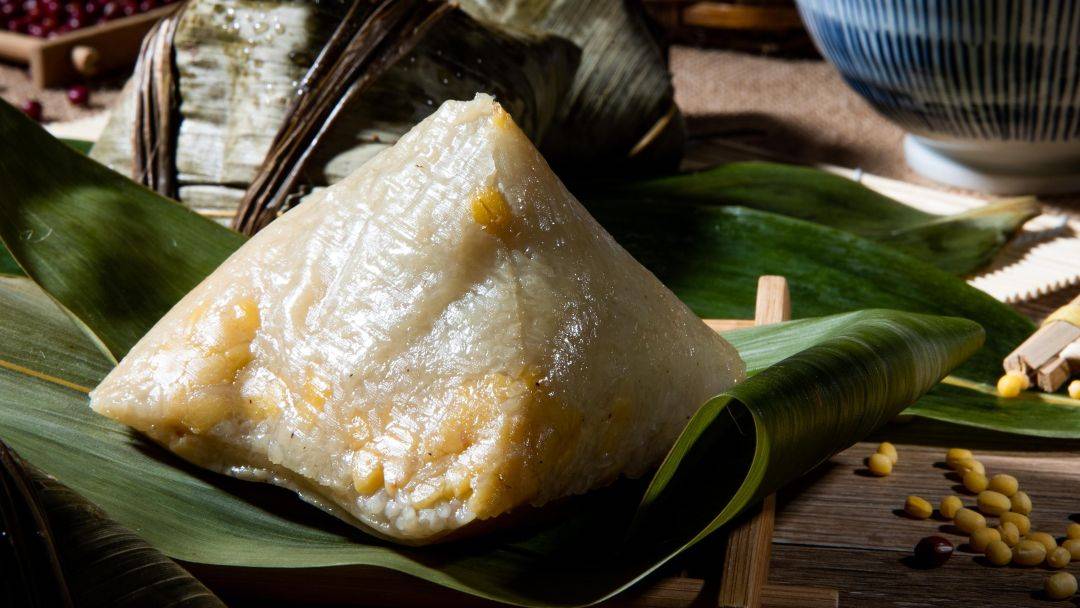
Zhaoqing's specialty zongzi, wrapped in winter bamboo leaves with glutinous rice, mung beans, pork, etc. Steamed to a fragrant and soft texture, eaten during Dragon Boat Festival and daily.
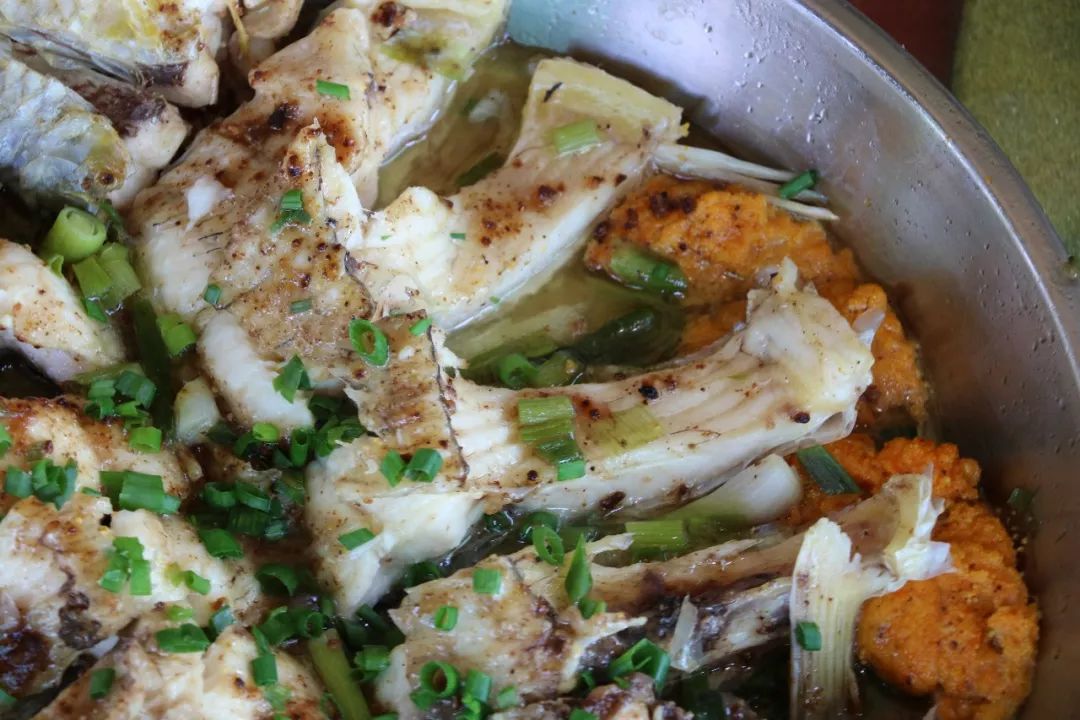
Produced in Wenquan, Dinghu District. The carp has tender meat, thin scales, and crisp bones. Steamed to a sweet and delicious taste, a famous dish of Zhaoqing.
The Star Lake Scenic Area (including Seven Star Crags and Dinghu Mountain) was named one of the first national civilized scenic tourist area demonstration sites, becoming a symbol of Zhaoqing tourism.
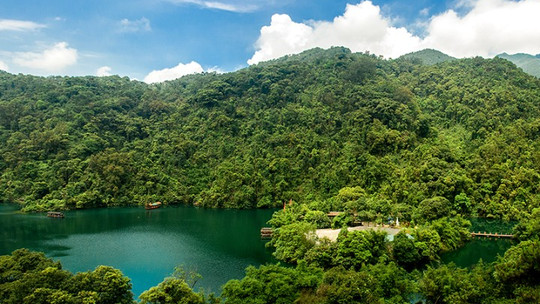
Known as the 'green gem on the Tropic of Cancer,' with high forest coverage. Attractions include Feishui Tan (Flying Water Pool) and Qingyun Temple. A summer resort.
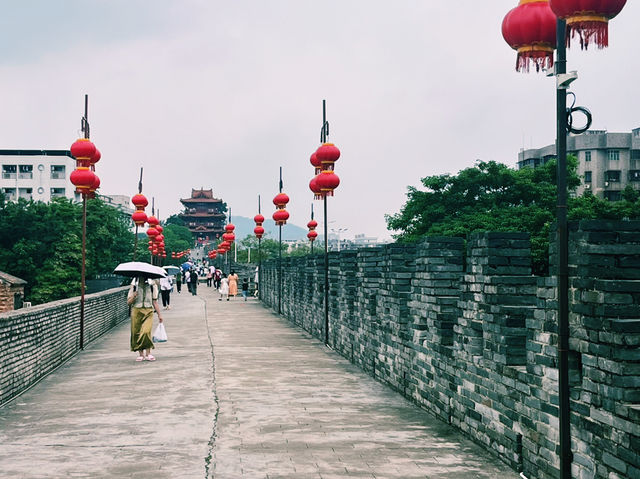
First built in the Song Dynasty, it is one of the most complete ancient city walls in Guangdong. The wall is brick and stone, with historical buildings like Piyun Tower on top.
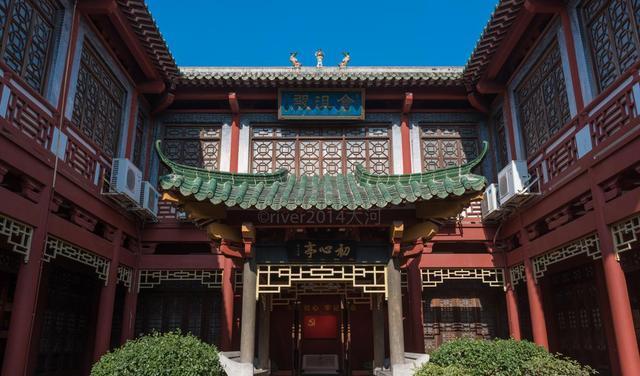
First built in the Ming Dynasty, it once served as the headquarters of Ye Ting's Independent Regiment. Now a patriotic education base. Climb the tower for a view of the Xijiang River.
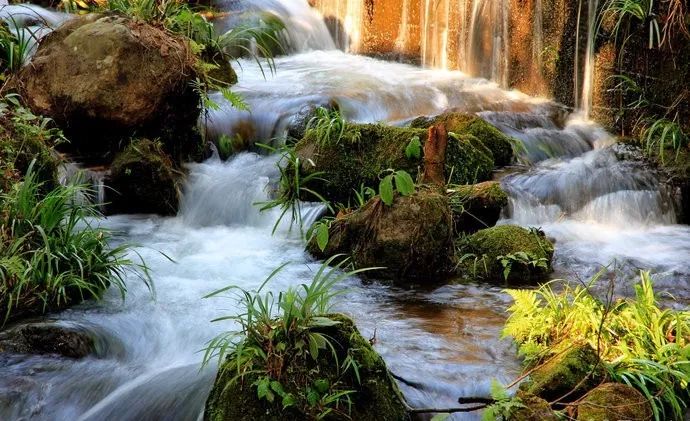
Located in Deqing County, featuring waterfalls, primeval forest, and canyon rafting. Known as 'rare in Asia, first in Guangdong' waterfall cluster.
City bus from 2 yuan; Guangzhou to Zhaoqing coach about 60-80 yuan
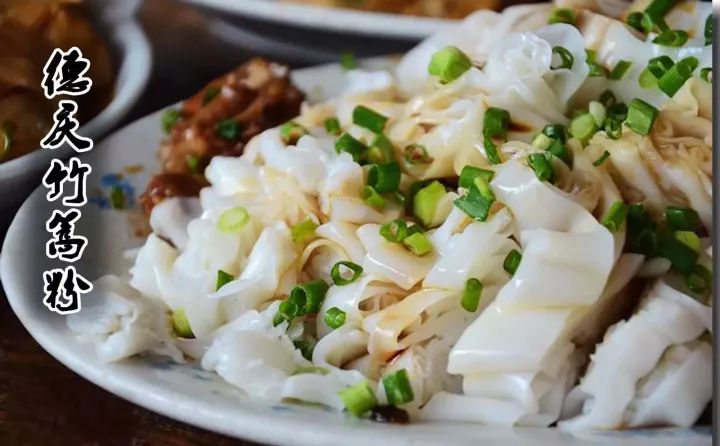
Traditional snack of Deqing. Rice batter is steamed and then dried on bamboo poles. Smooth texture, served with soy sauce and peanut oil.
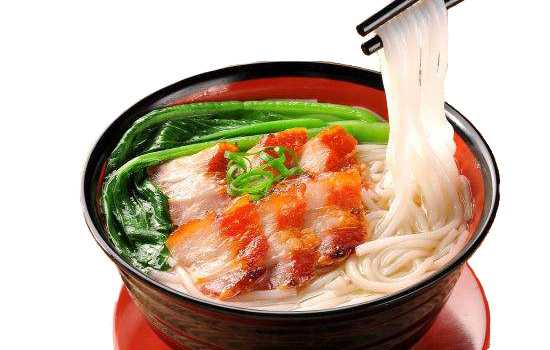
Specialty rice noodles of Sihui. Rice batter is dripped through a colander into boiling water. Chewy and smooth, often served with minced meat, scallions, and soy sauce.
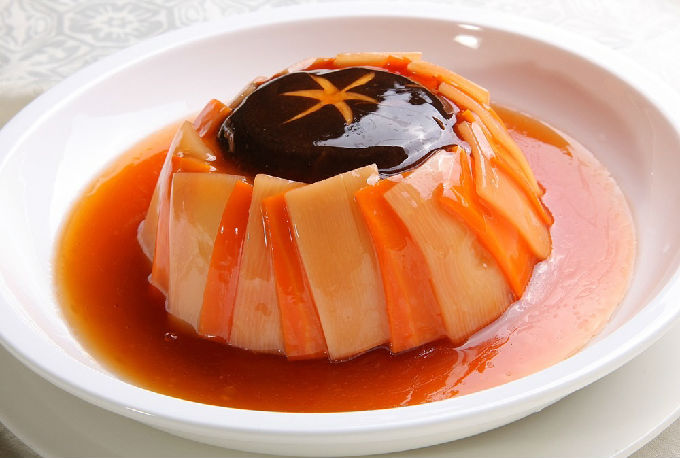
A famous vegetarian dish from Qingyun Temple on Dinghu Mountain. Made with mushrooms, wood ear, bamboo shoots, and other mountain delicacies. Light and delicious, a representative of Buddhist vegetarian cuisine.