
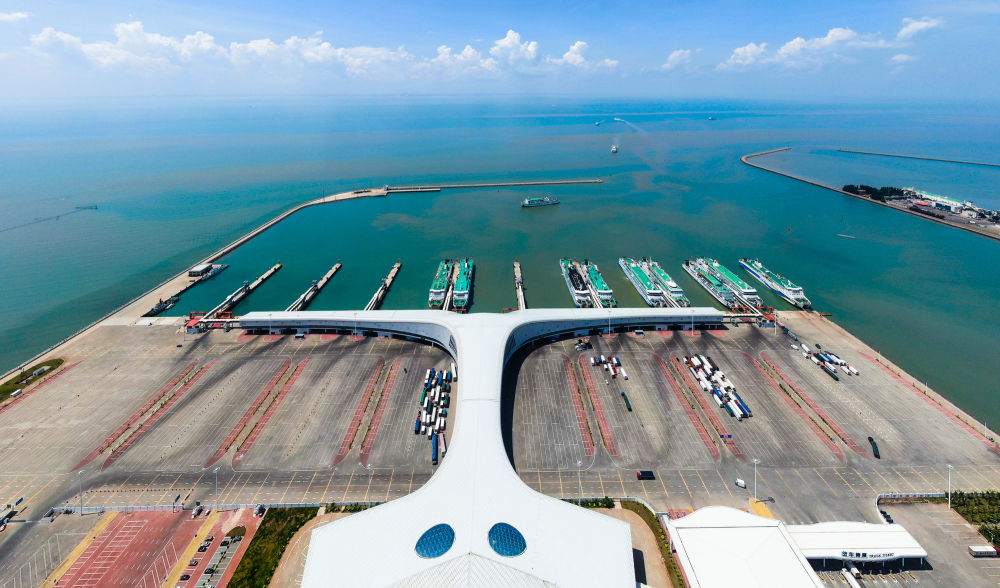
Zhanjiang is located at the southernmost tip of mainland China, in the southwestern part of Guangdong Province, on the Leizhou Peninsula. It borders the South China Sea to the east, the Beibu Gulf to the west, and faces Hainan across the Qiongzhou Strait to the south. It has a tropical and subtropical monsoon climate, warm and humid year-round, with an average annual temperature of 23°C. Summers are hot and humid, winters are mild, making it a winter resort.
Zhanjiang has a long history, having been incorporated into Chinese territory as early as the Qin Dynasty. During the Han Dynasty, Xuwen County was established, becoming one of the earliest starting ports of the Maritime Silk Road. In modern times, it was a French leased territory (1899-1945), leaving behind many French-style buildings. After the founding of the People's Republic of China, Zhanjiang Port became an important port, and it developed rapidly after the reform and opening-up.
Zhanjiang's culture is a fusion of Cantonese, Hakka, and Southern Fujian cultures, forming a unique Leizhou culture. Folk activities such as Nianli, Nuo Dance, and Leizhou Opera are rich and colorful. The cuisine is mainly seafood, with charcoal-grilled oysters, boiled shrimp, sandworms, and Zhanjiang chicken being famous nationwide, offering fresh and original flavors.
Modern Zhanjiang is a sub-central city of Guangdong Province, with transportation hubs such as Zhanjiang Port, Zhanjiang Airport, and high-speed rail. Its industries are primarily steel, petrochemicals, and papermaking, while vigorously developing coastal tourism and building mangrove reserves. New landmarks like the Zhanjiang Bay Bridge and Jinsha Bay showcase the city's vitality.
The best time to visit 湛江 is Suitable all year round, best from October to April.
Zhanjiang has a warm climate and is suitable for travel all year round. Autumn (October to December) is cool, ideal for outdoor activities and seafood tasting.
Winter (January to February) is warm like spring, making it a winter resort; you can experience folk activities like Nianli.
Spring (March to May) sees blooming flowers but occasional humid weather; summer (June to September) is hot and rainy, but you can enjoy beaches and tropical fruits.
After Qin Shi Huang unified Lingnan, the Zhanjiang area was placed under Xiang Prefecture, officially becoming part of China.
France forced the Qing government to sign the Treaty of Guangzhouwan, and Zhanjiang (then called Guangzhouwan) became a French leased territory until 1945.
Zhanjiang Port was officially completed and opened, becoming the first modern port designed and built by New China, establishing Zhanjiang's status as a port city.
Recommended places to visit
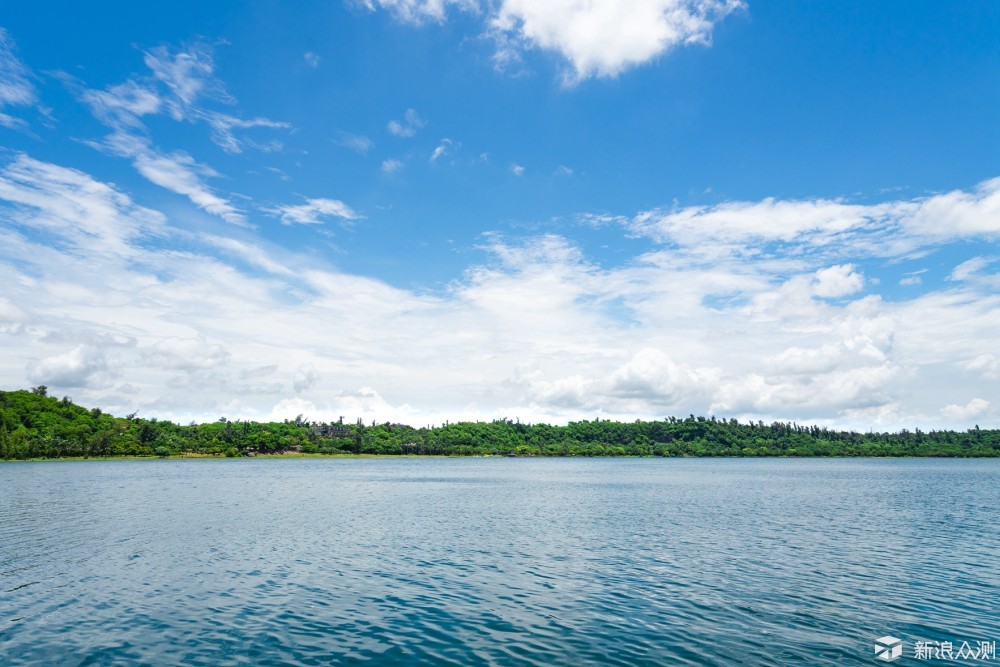
A world geopark famous for maar lake volcanic landforms, with clear water and evergreen scenery.
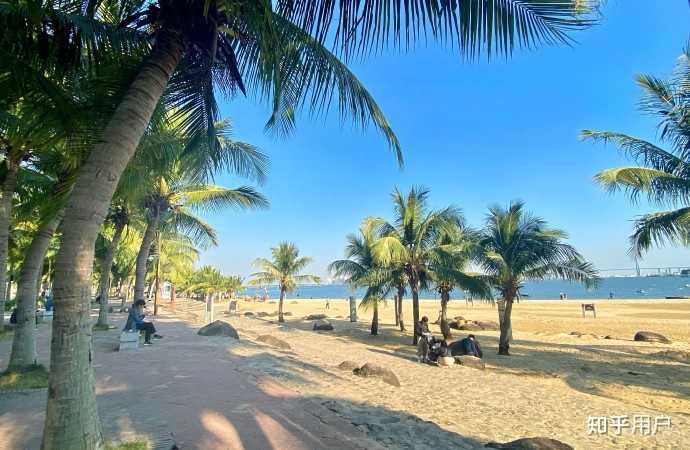
The most famous beach in downtown Zhanjiang, with fine sand and clear water, suitable for swimming and sunbathing.
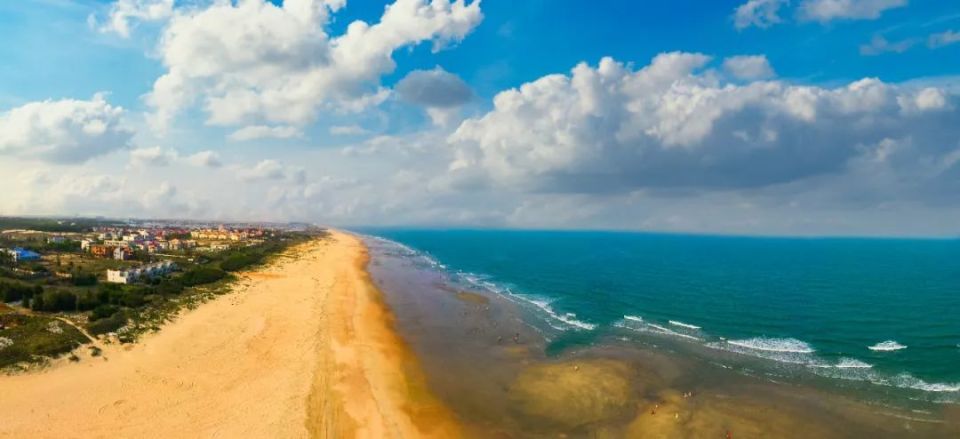
Explore rich intangible cultural heritage and traditional crafts
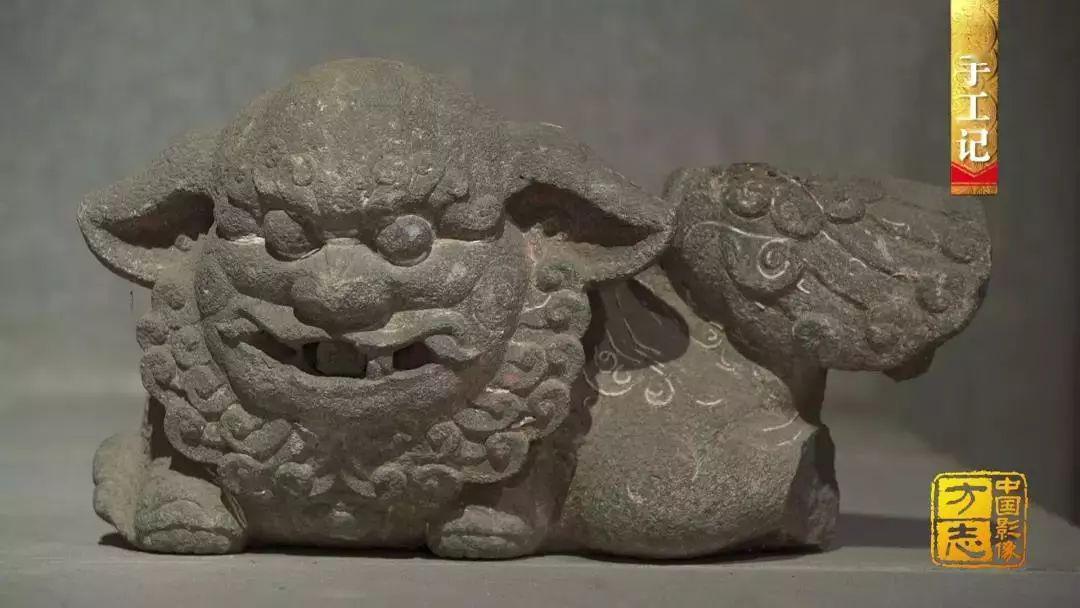
A unique folk carving art on the Leizhou Peninsula, stone dogs are considered guardian deities with primitive shapes, listed as a national intangible cultural heritage.
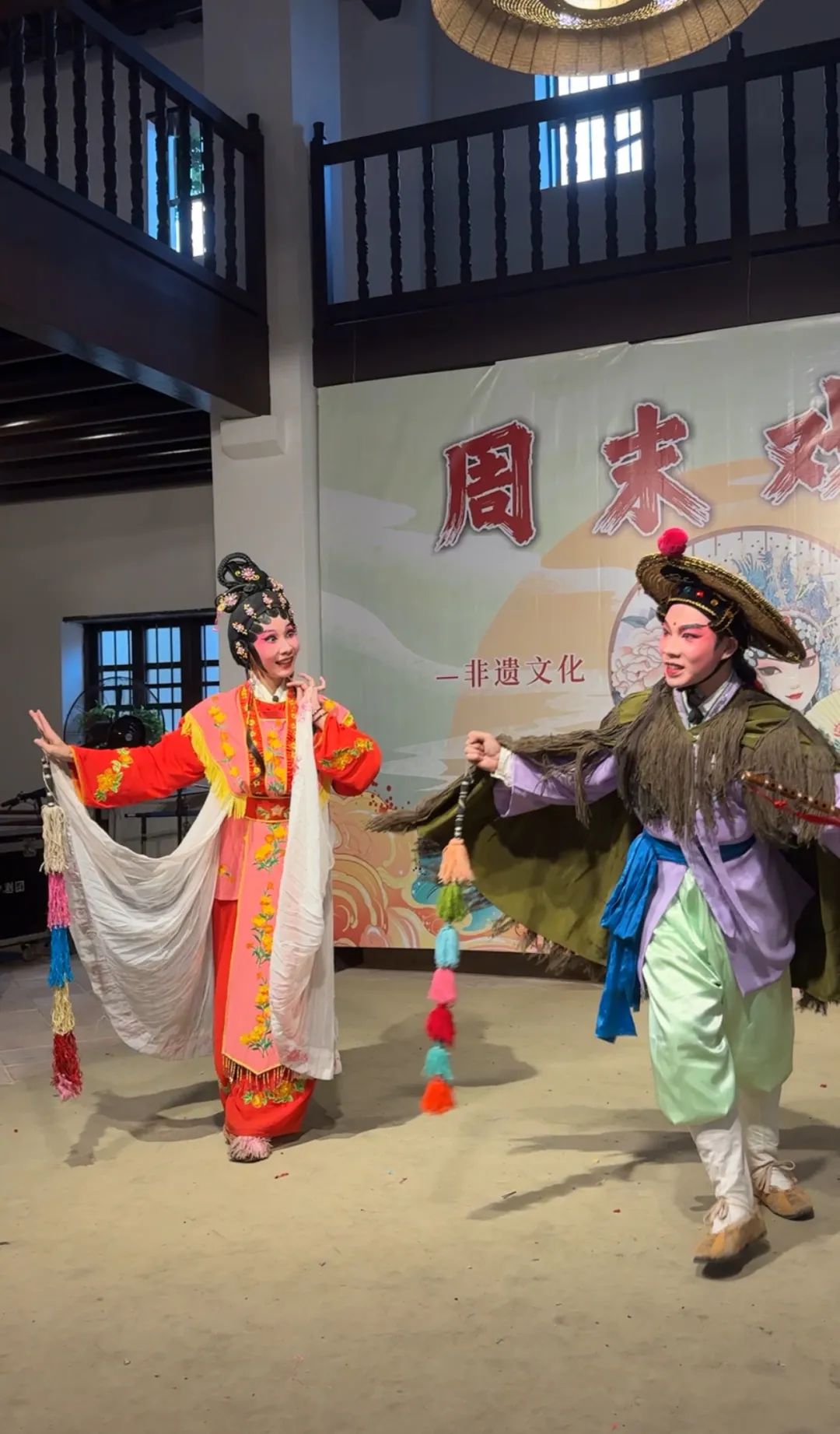
A local opera genre on the Leizhou Peninsula, sung in Leizhou dialect, listed as a national intangible cultural heritage.
Must-know transportation for exploring the city
Located in Wuchuan, about 30km from downtown, with multiple domestic and international routes.
Varies by route
High-speed rail station connecting to Guangzhou, Shenzhen, Nanning, etc., about 3 hours to Guangzhou by bullet train.
Guangzhou South to Zhanjiang West second class about 228 RMB
City bus network covers wide areas, fare starts from 2 RMB, mobile payment accepted.
From 2 RMB
Taste the most authentic and popular local specialties
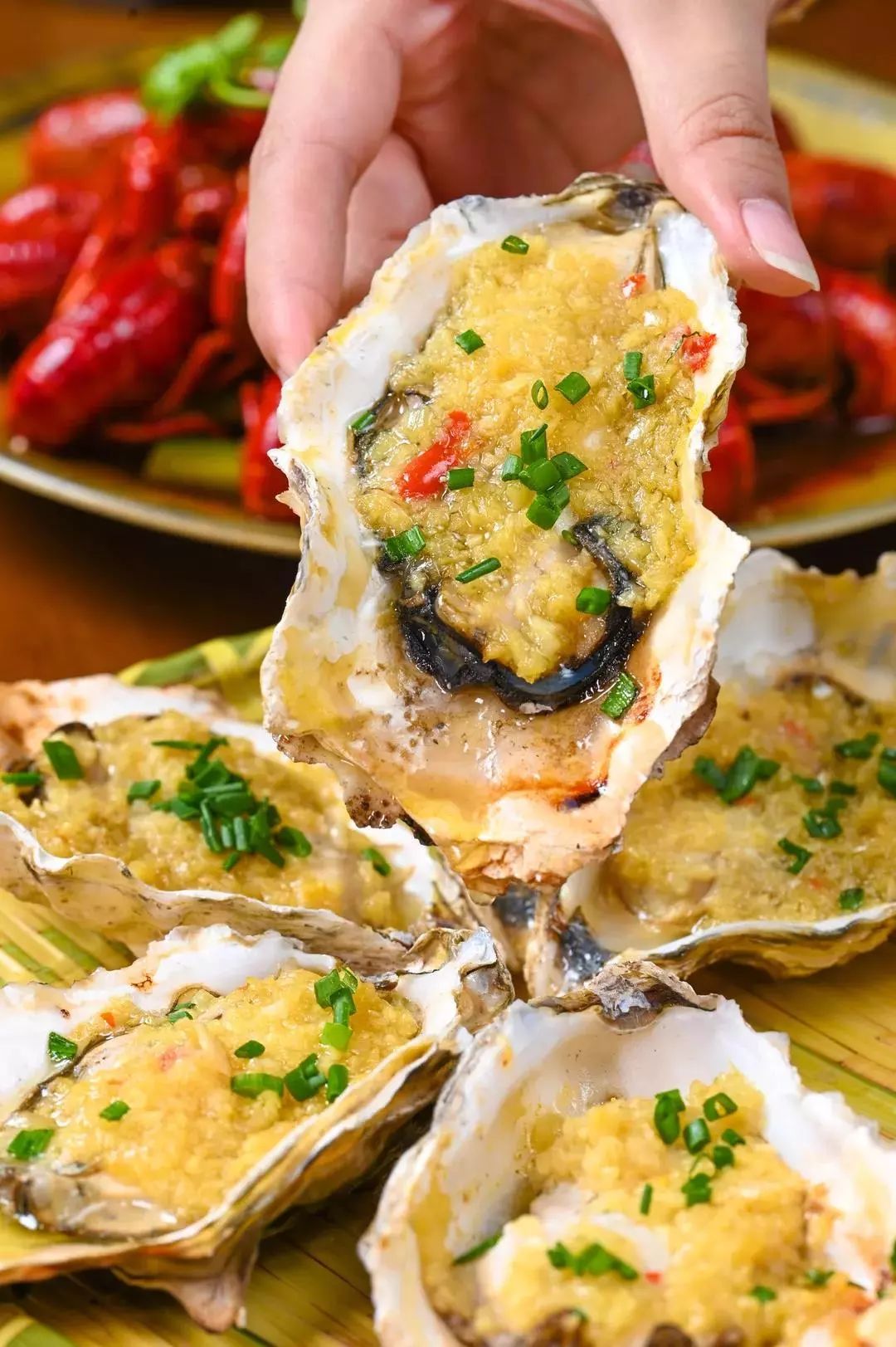
The most famous street snack in Zhanjiang, tender and juicy with rich garlic flavor.
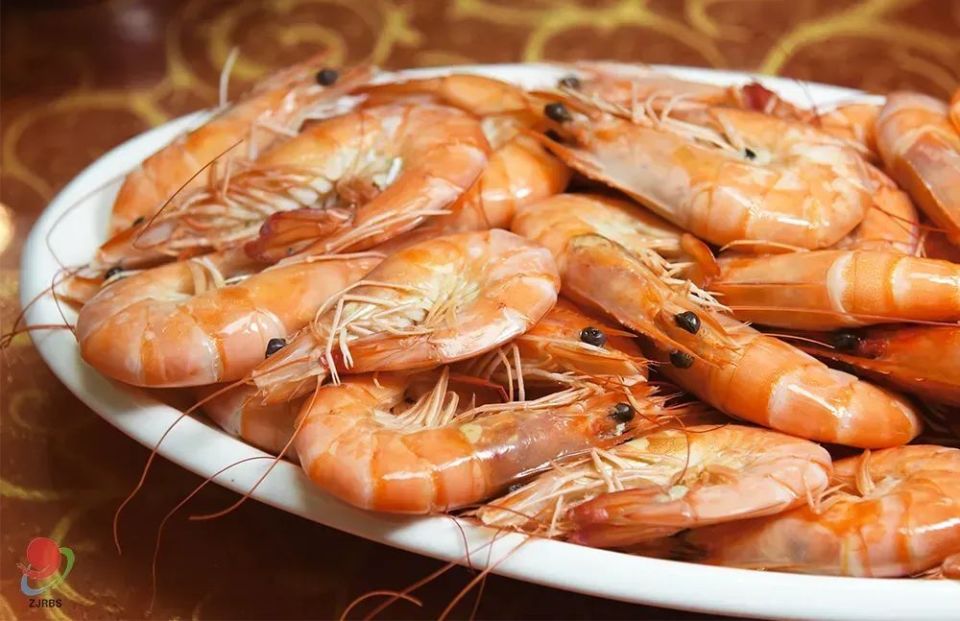
Fresh sea shrimp boiled and served with soy sauce, preserving the natural flavor.
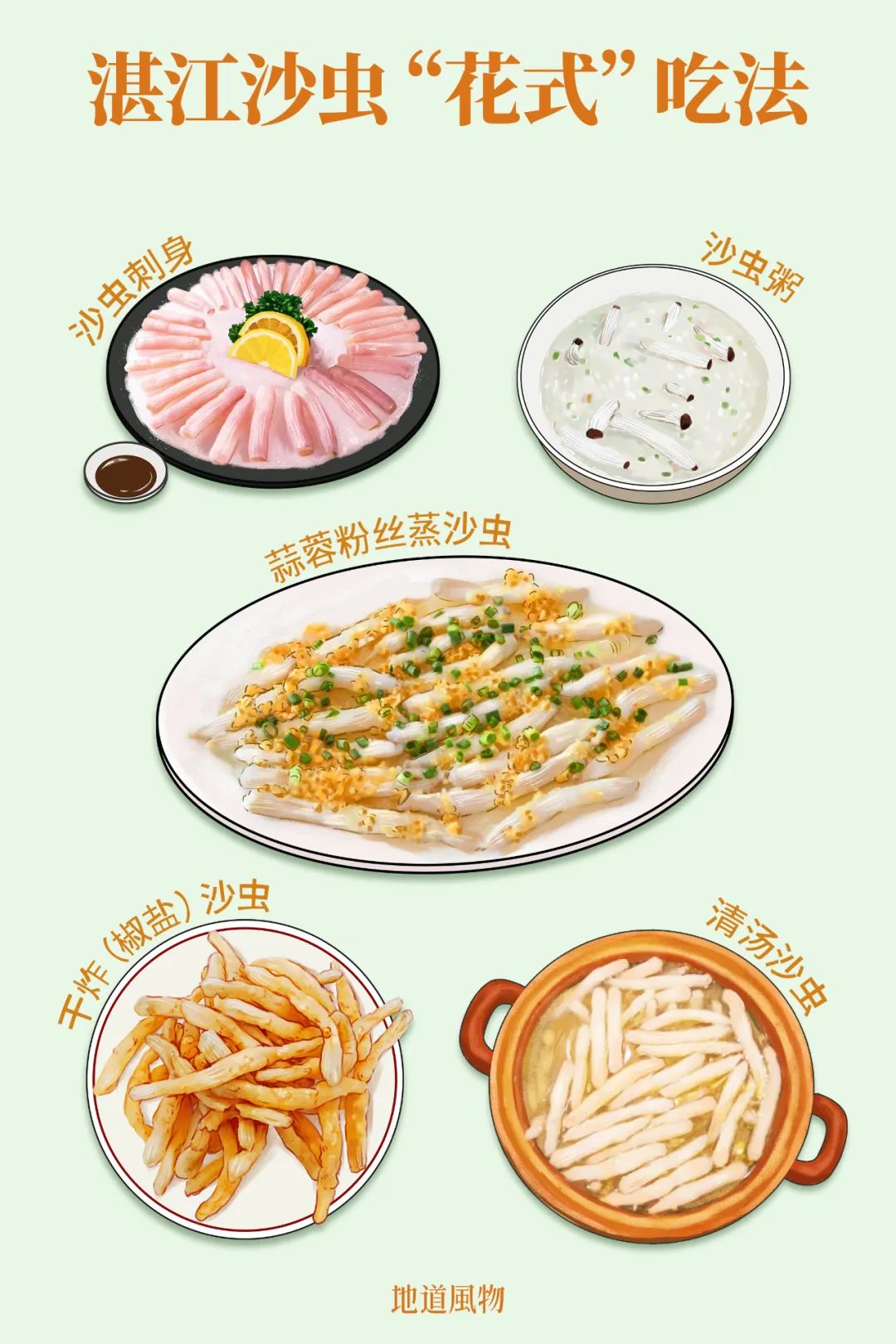
A special seafood in Zhanjiang, shaped like earthworms, with a crispy texture, can be steamed or made into soup.
The fifth largest island in China, with a 28km long Longhaitian Beach, a great place for sea views and fishing village experience.

The largest mangrove nature reserve in China, with abundant birds and marine life, an ecotourism destination.
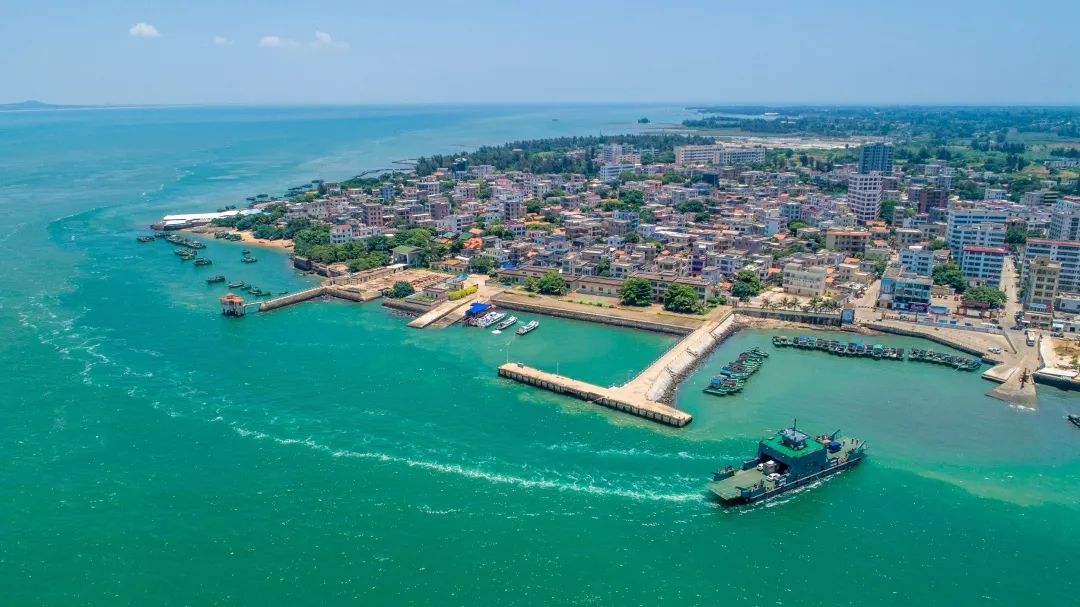
The largest volcanic island in China, with attractions like Naozhou Lighthouse and Nayan Sea Beach, featuring unique volcanic landforms.
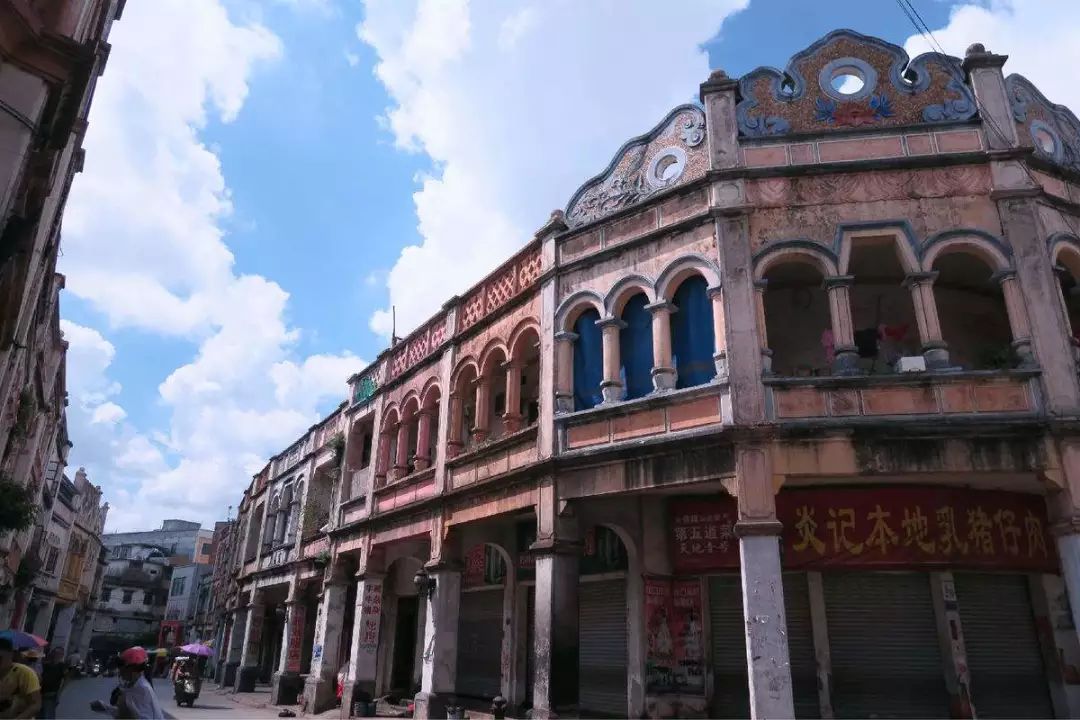
A historic ancient city with relics like Leizu Temple and Sanyuan Tower, the core area of Leizhou culture.

Firm texture, crispy skin and smooth meat, usually served white-cut with ginger-scallion sauce.
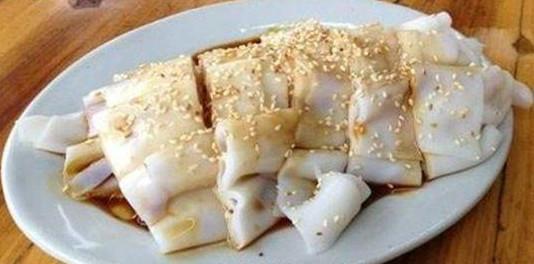
A traditional Leizhou snack made from glutinous rice flour, filled with peanuts and coconut shreds, soft and sweet.