
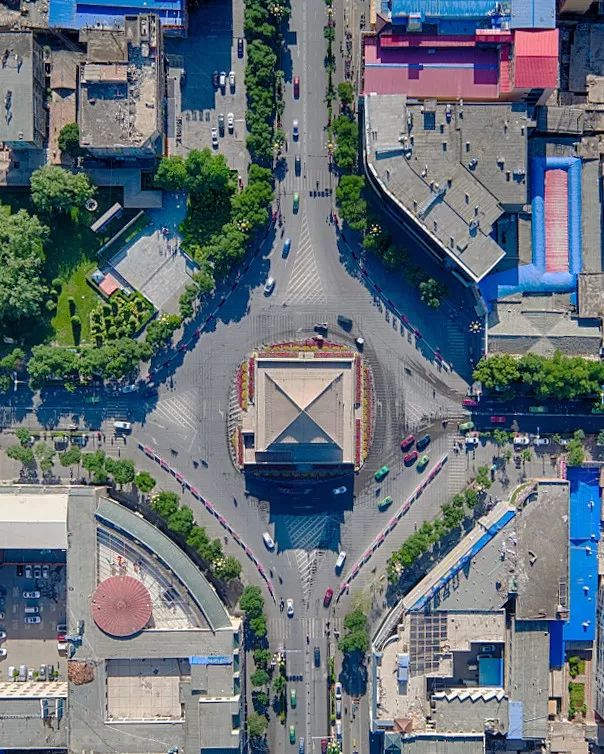
Zhangye is located in the northwest of Gansu Province, in the middle of the Hexi Corridor, with the Qilian Mountains to the south and the Heli Mountains to the north. The Heihe River flows through the entire area. It has a temperate continental arid climate with large temperature differences between day and night, low annual precipitation, abundant sunshine, cool summers, and cold, dry winters.
In ancient times, Zhangye was known as Ganzhou and was an important node on the Silk Road. Historically, it was one of the four garrison commanderies of Hexi. In the sixth year of the Yuanding era of the Western Han (111 BC), Zhangye Commandery was established, taking the meaning 'to extend the arm of the state to reach the Western Regions.' It reached its peak during the Sui and Tang dynasties, serving as a hub for cultural exchange between East and West.
Zhangye's culture is diverse, blending the agricultural civilization of the Central Plains with the nomadic culture of the Western Regions. Local specialties include Zhangye cuo yu mian (hand-rolled fish-shaped noodles), lamb rolls with steamed bread, chao bo la (stir-fried offal and noodles), Zhangye sao mian (sour and spicy noodles), and beef xiao fan (small noodle bits in beef soup). The cuisine is rich in flavor and features a variety of noodle dishes. The area is also home to ethnic minorities such as the Yugur people.
Modern Zhangye relies on its abundant tourism resources to vigorously develop its tourism industry, becoming a popular destination on the Silk Road tour route. Agriculture mainly focuses on seed corn and vegetables, while industry features clean energy and agricultural product processing. Urban infrastructure is continuously improving.
The best time to visit 张掖 is Best time to visit is June to September.
The best time to visit Zhangye is summer and autumn, from June to September. The weather is cool, the landscape is green, and the Danxia landforms are most colorful.
Spring (March to May) sees rising temperatures but more wind and dust, with scenery that can seem desolate. It suits photographers and those looking to avoid crowds.
Winter (November to February) is cold and dry, but offers a unique view of snow-covered Danxia. Fewer tourists provide a peaceful experience.
During the Western Han Dynasty, Emperor Wu established Zhangye Commandery, meaning 'to extend the arm of the state to reach the Western Regions,' making it a key hub on the Silk Road.
Emperor Yang of Sui toured Zhangye and held a 'World Exposition,' inviting leaders of Western Regions to promote trade and cultural exchange.
Italian traveler Marco Polo visited Zhangye on his way to Dadu (Beijing) and praised its prosperity and wealth.
Recommended places to visit
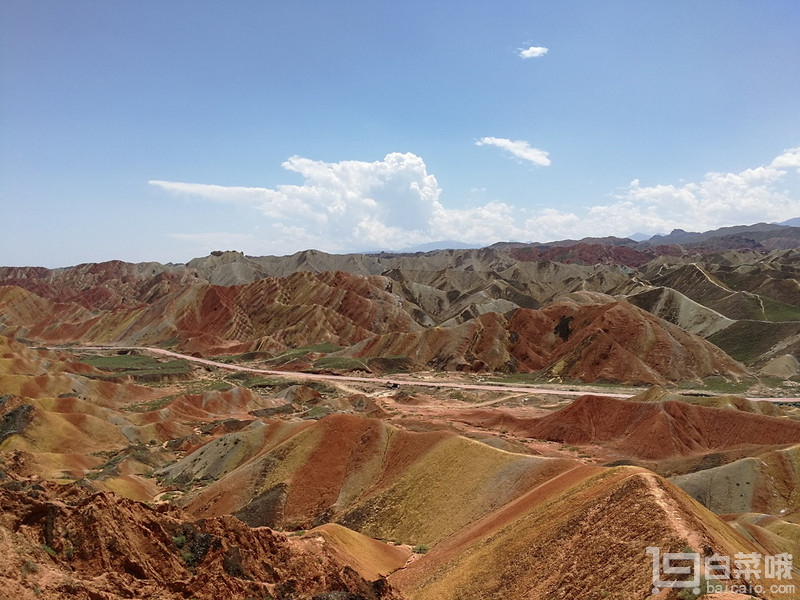
One of China's seven most beautiful Danxia landforms, known for colorful hills with layered textures, a paradise for photographers.
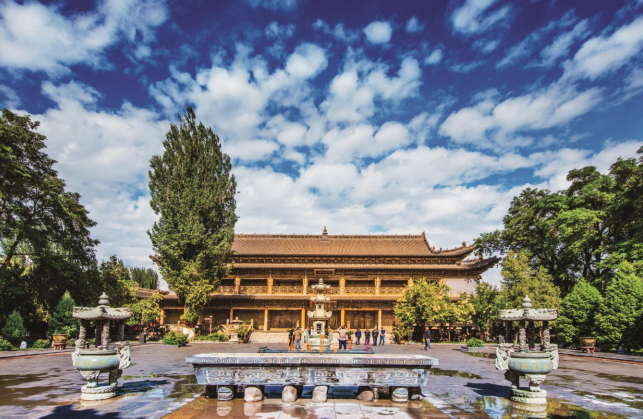
Built in the Western Xia dynasty, it houses the largest indoor clay reclining Buddha in Asia, 34.5 meters long, a key national cultural relic.
Explore rich intangible cultural heritage and traditional crafts
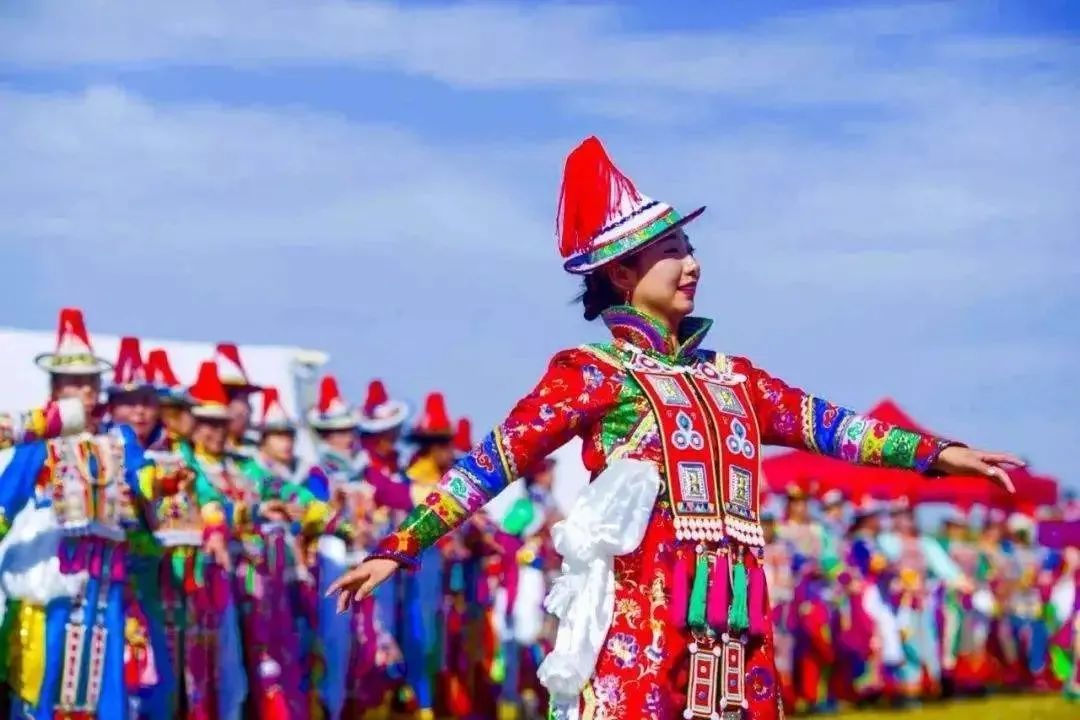
The Yugur are a unique ethnic minority in Gansu, their folk songs are listed as national intangible cultural heritage, with melodious tunes reflecting nomadic life.
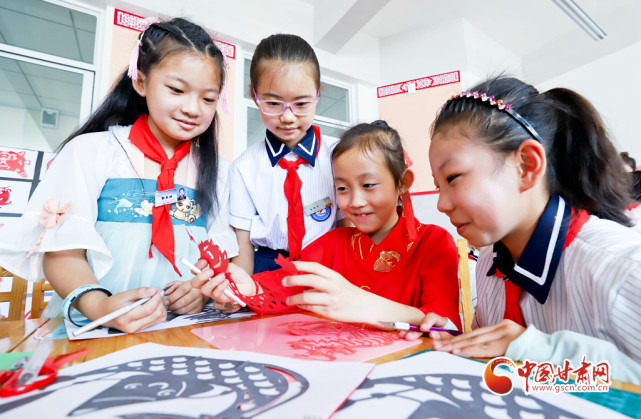
Zhangye folk paper-cutting art, bold and vigorous style, integrating Silk Road cultural elements, listed as provincial intangible cultural heritage.
Must-know transportation for exploring the city
About 24 km from the city center, with flights to Beijing, Shanghai, Xi'an, Lanzhou, etc.
Varies by route
Stop on the Lanzhou-Xinjiang High-Speed Railway, connecting to Lanzhou, Xining, Urumqi, etc. Accessible by city buses.
Second-class to Lanzhou about 120 CNY
City bus routes cover major attractions and transport hubs, fare 1-2 CNY, some routes go directly to the Colorful Danxia Scenic Area.
1-2 CNY
Taste the most authentic and popular local specialties
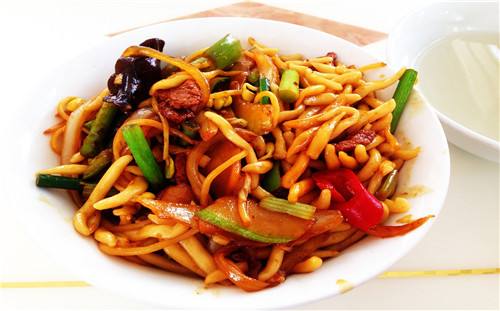
Hand-rolled small noodle fish shaped like small fish, chewy texture, often served with tomato and lamb sauce.
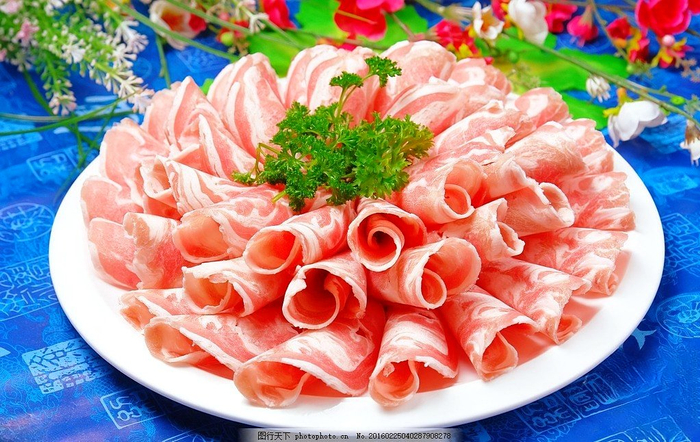
A Zhangye specialty, lamb and noodle rolls stewed together, tender lamb and noodle rolls soaked in flavorful broth.
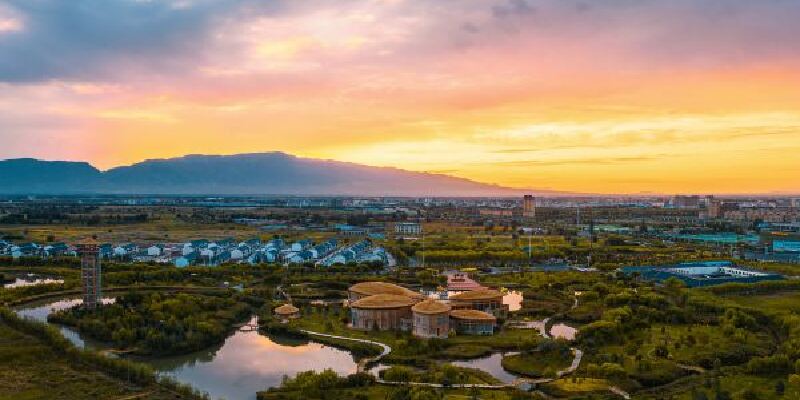
Located in the northern suburbs of Zhangye, it is the largest urban wetland park in Northwest China, with the Heihe River flowing through and rich biodiversity.
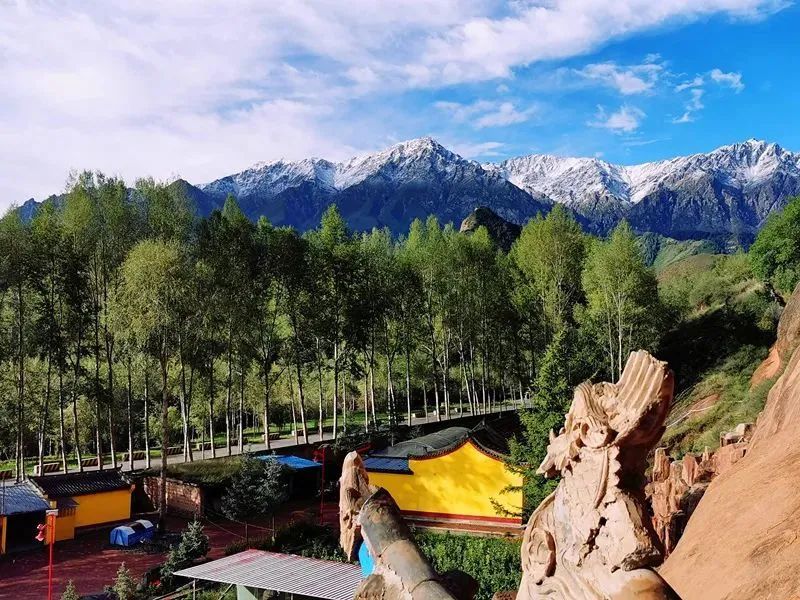
Combining grotto art, Qilian Mountains scenery, and Yugur ethnic culture, the grottoes were carved during the Sixteen Kingdoms period, a national cultural relic.
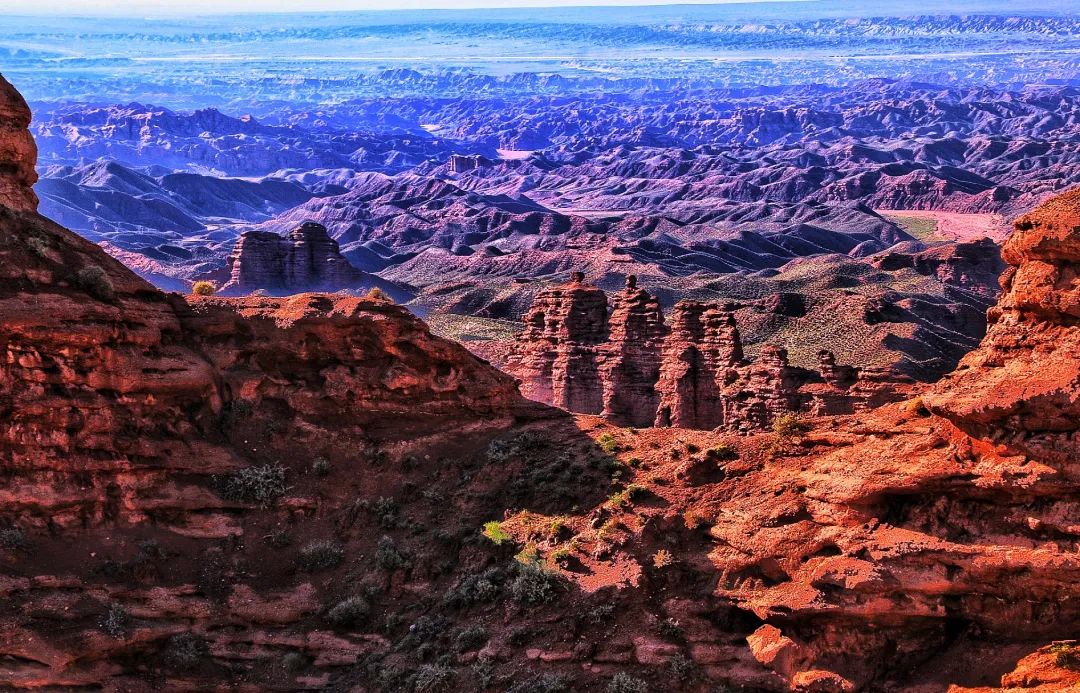
A canyon scenic area combining natural wonders and adventure, known for red sandstone landforms, deep canyons, and unique shapes, hailed as a 'new discovery on the Silk Road.'
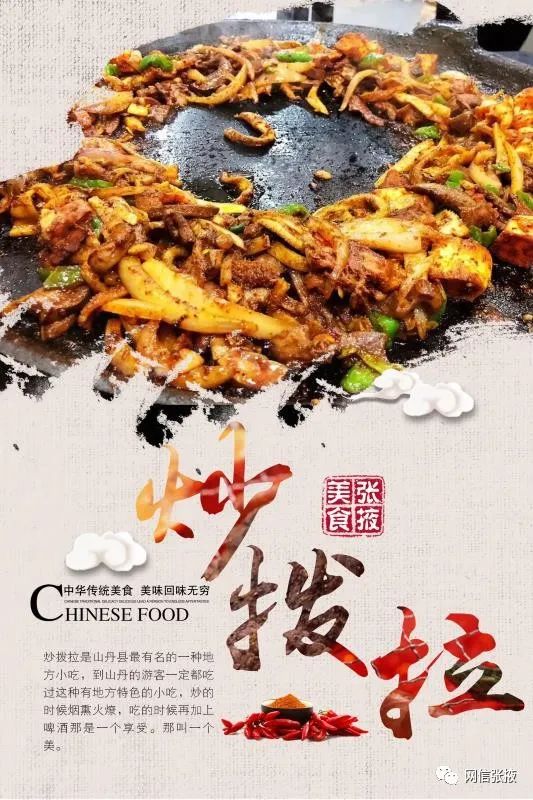
A street snack in Zhangye, stir-fried lamb offal, gluten, potatoes on a griddle, spicy and delicious.
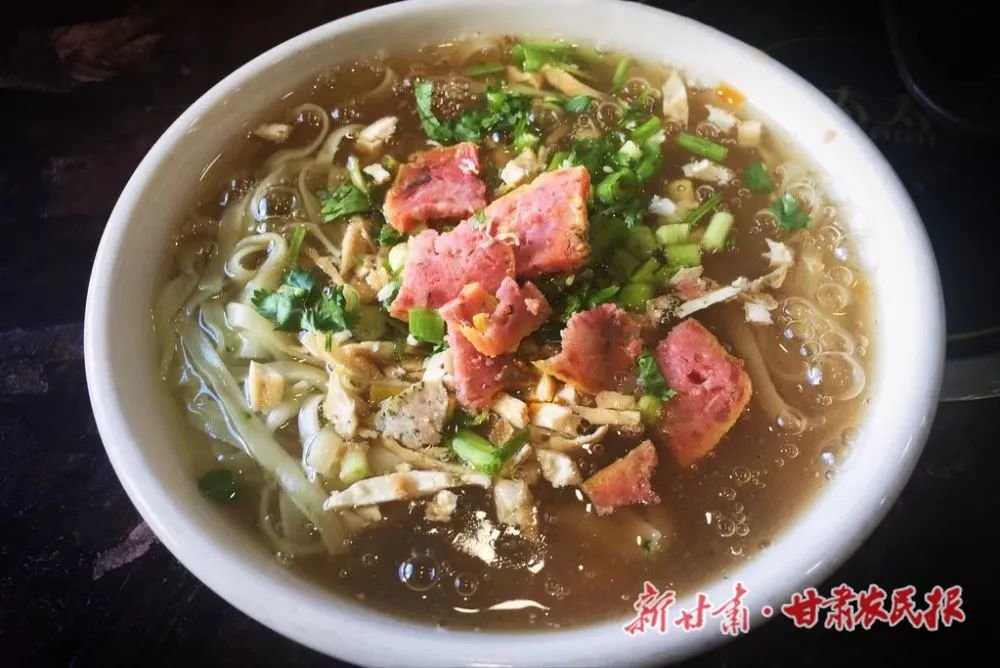
Traditional noodle dish with thin long noodles, broth simmered with various spices, served with tofu and diced meat, sour, spicy, and savory.
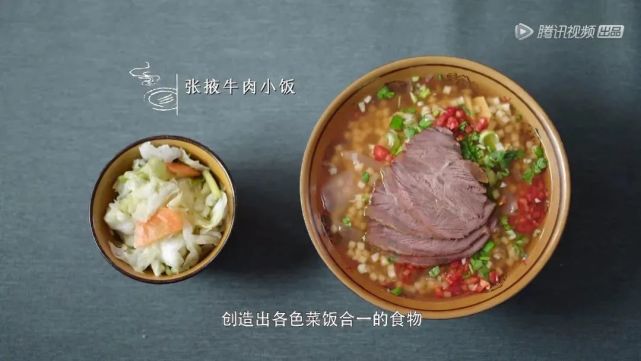
Noodles cut into rice-grain size, cooked and topped with beef broth and beef chunks, clear soup with fresh taste, smooth noodle grains.