

Zaozhuang is located in southern Shandong Province, at the junction of the low mountains and hills of central-south Shandong and the Huang-Huai-Hai Plain. It has a warm temperate continental monsoon climate with four distinct seasons and an average annual temperature of around 14°C. The Beijing-Hangzhou Grand Canal flows through the area, providing abundant water resources.
Zaozhuang has a long history and is one of the birthplaces of the Beixin Culture. It was historically known as Lanling and Yixian. In modern times, it rose to prominence due to coal mining and was once an important coal city in China. During the Anti-Japanese War, the Battle of Tai'erzhuang took place here, earning it the reputation as 'the place where the Chinese nation showed its indomitable spirit.'
Zaozhuang boasts diverse cultures and is a significant bearer of red culture, including the Railway Guerrillas and the Battle of Tai'erzhuang. Local operas such as Liuqin Opera and Shandong Clapper Ballads are rich intangible cultural heritage items. The cuisine is represented by spicy chicken, mutton soup, and vegetable pancakes, known for its rich flavors and unique characteristics.
In recent years, Zaozhuang has undergone transformation and development, with the Tai'erzhuang Ancient Town as a flagship, building a famous cultural tourism city. At the same time, it is developing new energy, high-end equipment, and other industries, with increasingly improved urban construction, becoming an important central city in southern Shandong.
The best time to visit 枣庄 is Spring and autumn (March-May, September-November).
Spring (March-May): The weather warms up, everything revives. The ancient town of Tai'erzhuang is adorned with blooming flowers and green willows, and the Grand Canal scenery is beautiful, ideal for outings and flower viewing.
Autumn (September-November): The sky is clear and the air is crisp, with pleasant weather. The autumn leaves and ancient town scenery in Zaozhuang are stunning, making it a great time for photography and outdoor activities.
Summer (June-August) is hot but you can enjoy canal boat rides and night tours in the ancient town; winter (December-February) is cold but the snow-covered ancient town has a unique charm with fewer tourists.
In the early stage of the War of Resistance Against Japan, Chinese troops defeated the Japanese army in Tai'erzhuang, achieving a major victory known as the 'Tai'erzhuang Victory.'
Approved by the State Council, Yi County was abolished and Zaozhuang City (provincial-level city) was established, becoming an emerging industrial city in Shandong Province.
Recommended places to visit
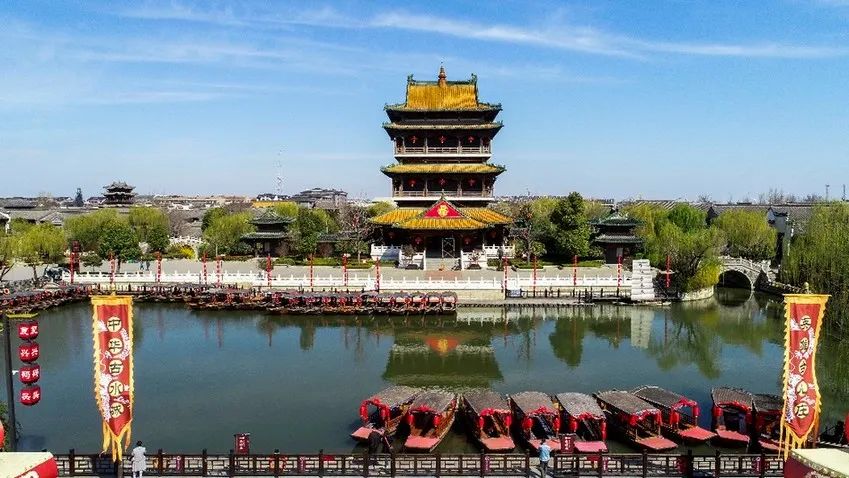
A national 5A-level scenic spot, known as 'the No.1 village under heaven.' It integrates canal culture, war culture, and southern Shandong folk customs, with numerous Ming and Qing buildings, ancient docks, water alleys, and exhibition halls. The night scenery is particularly charming.

A national 4A-level scenic spot, one of the largest lotus viewing sites in China. In summer, thousands of acres of red lotuses bloom, the lake is vast, and you can take a boat tour to watch birds and reed marshes.
UNESCO World Heritage Sites
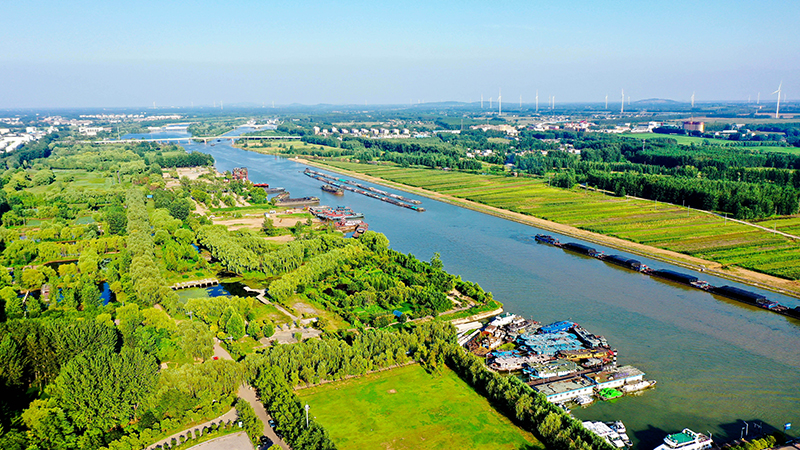
The Zaozhuang section of the Beijing-Hangzhou Grand Canal is an important part of it. The ancient town of Tai'erzhuang prospered because of the canal, with well-preserved ancient canal docks and hydraulic facilities.
Explore rich intangible cultural heritage and traditional crafts

A local opera genre in Shandong Province, originating in the Zaozhuang area, with the liuqin (a plucked string instrument) as the main accompaniment, featuring melodious singing and vivid performances.
Must-know transportation for exploring the city
Zaozhuang High-speed Railway Station is on the Beijing-Shanghai high-speed line. Direct high-speed trains are available from Beijing, Shanghai, Jinan, etc. It takes about 2 hours to Jinan and 2.5 hours to Beijing.
Beijing-Zaozhuang about 300 RMB
Zaozhuang has no civil airport. You can fly to Jinan Yaoqiang International Airport or Xuzhou Guanyin International Airport, then transfer by high-speed rail or bus to Zaozhuang, about 1-2 hours.
Airport bus about 50-80 RMB
City buses cover major attractions and urban areas. The BRT rapid transit system connects districts, with a fare of 2 RMB. There are also tourist shuttle buses directly to Tai'erzhuang Ancient Town.
From 2 RMB
Taste the most authentic and popular local specialties
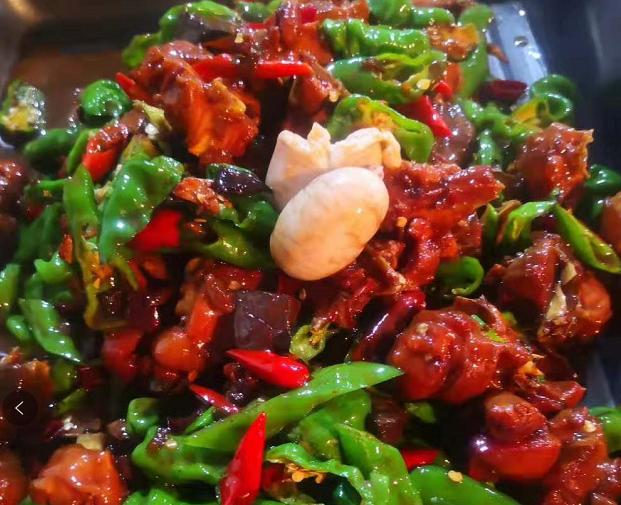
The most representative dish of Zaozhuang, stir-fried with local free-range chicken and plenty of chili peppers, spicy and savory with chewy meat.
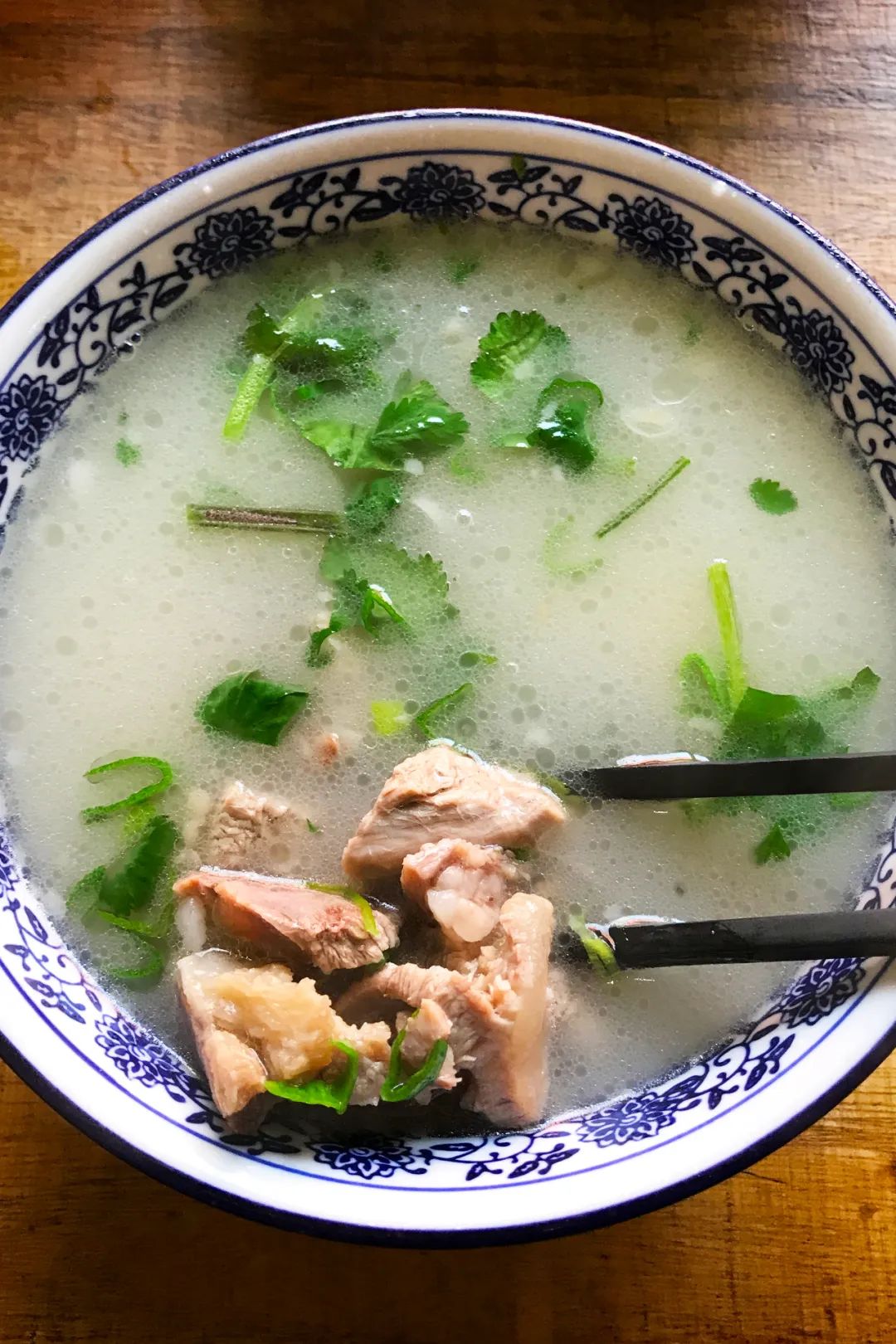
Made with local goat, simmered for hours until the soup turns white and the meat is tender, served with coriander and chili oil, delicious and nourishing.
Zaozhuang City launched the reconstruction project of Tai'erzhuang Ancient Town, restoring it according to the principles of 'original space, original style, and original customs,' and opened to the public in 2010.

A national 4A-level scenic spot, characterized by 'gu' landform. The main peak, Baodugu, is 584 meters above sea level, the highest peak in southern Shandong. High forest coverage, with cable cars, grass skiing, and other recreational activities.
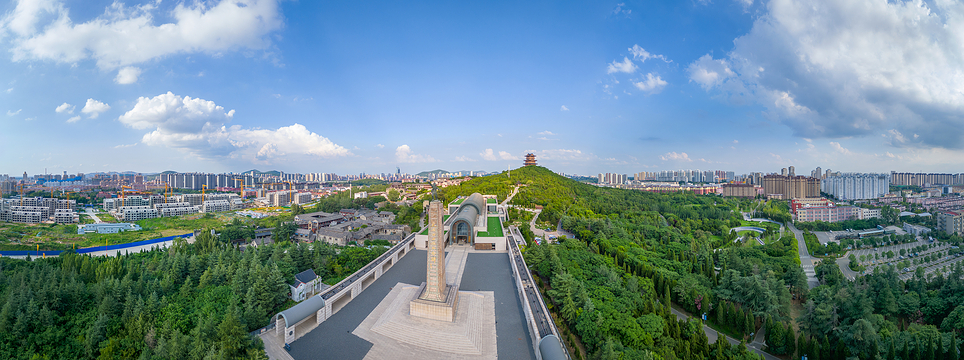
A classic red tourism scenic spot commemorating the Railway Guerrilla during the War of Resistance. Includes a monument, memorial hall, and film studio, where visitors can learn about the heroic deeds of the guerrillas.
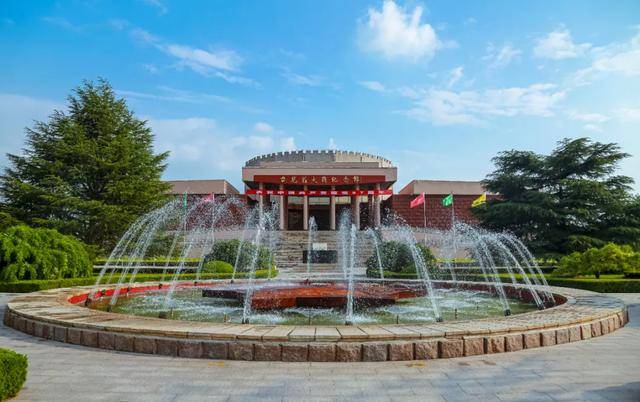
A national 4A-level scenic spot that comprehensively displays the history of the Battle of Tai'erzhuang. It features a panoramic painting hall, artifact exhibition halls, and uses audio-visual technology to recreate battle scenes.
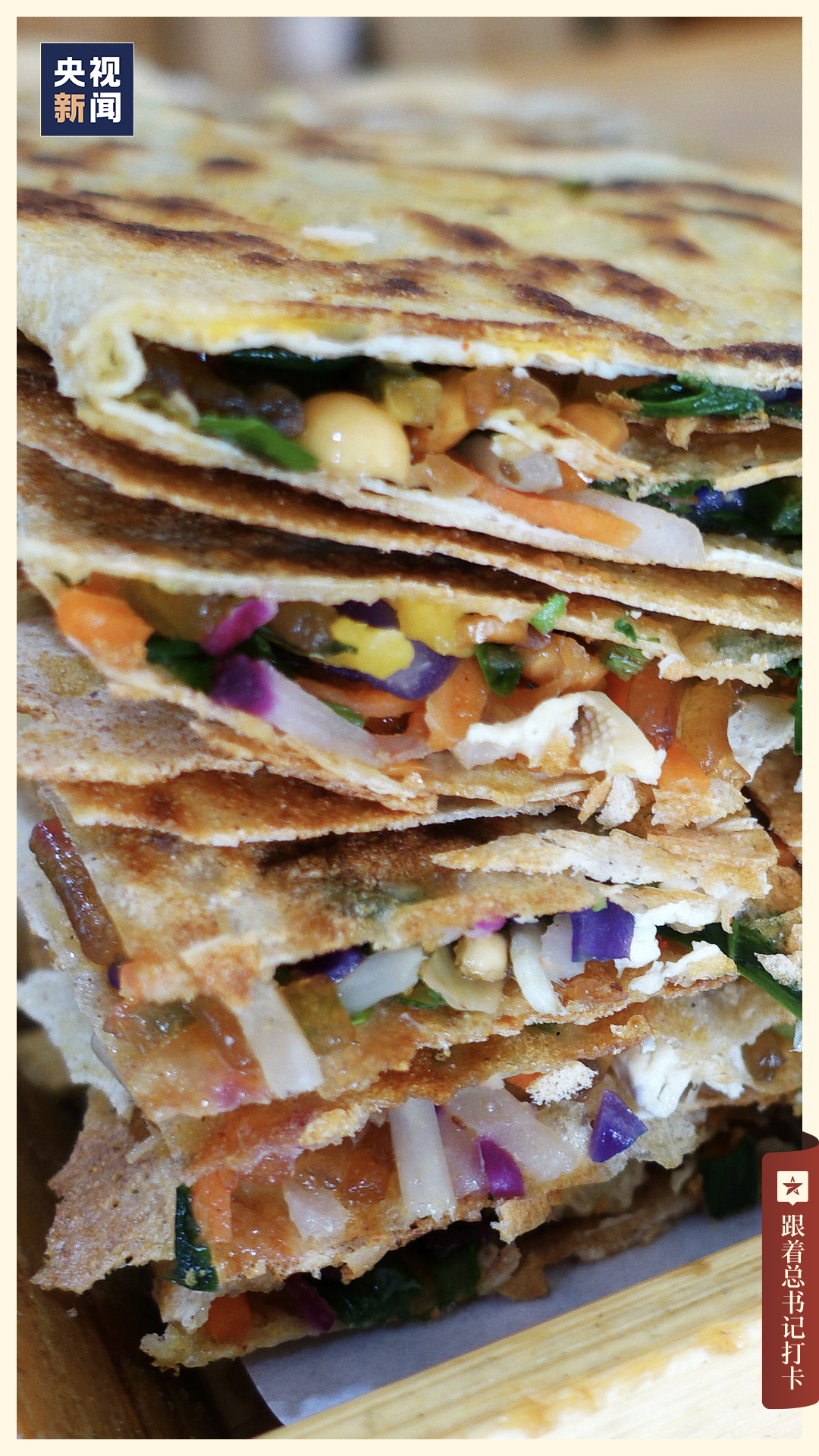
A traditional snack in southern Shandong, made by wrapping various vegetables (such as chives, cabbage, vermicelli, etc.) in a pancake and grilling it, crispy outside and soft inside, nutritious.
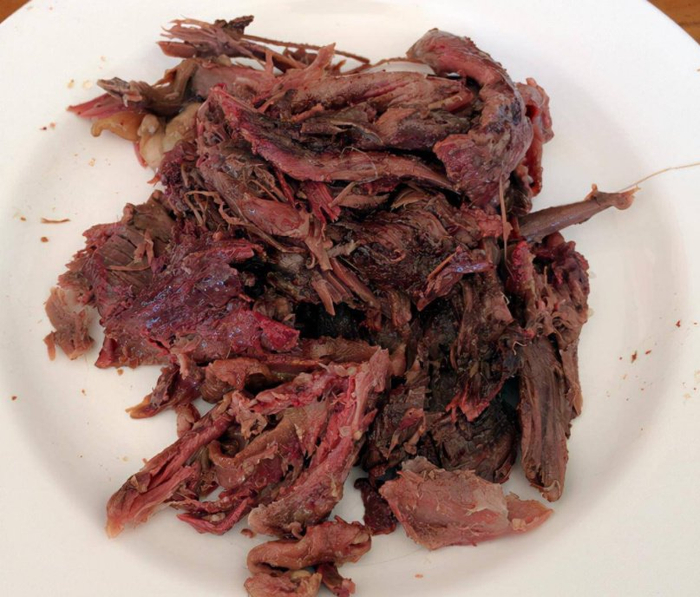
A famous specialty in Tai'erzhuang, made from healthy live dogs, braised through multiple processes, with a ruddy color, tender meat, and rich flavor.
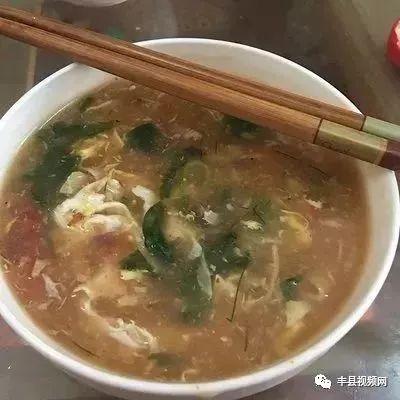
A sour and spicy soup made mainly from gluten, with tomatoes, wood ear mushrooms, eggs, etc., appetizing and refreshing, a local home-style soup.