
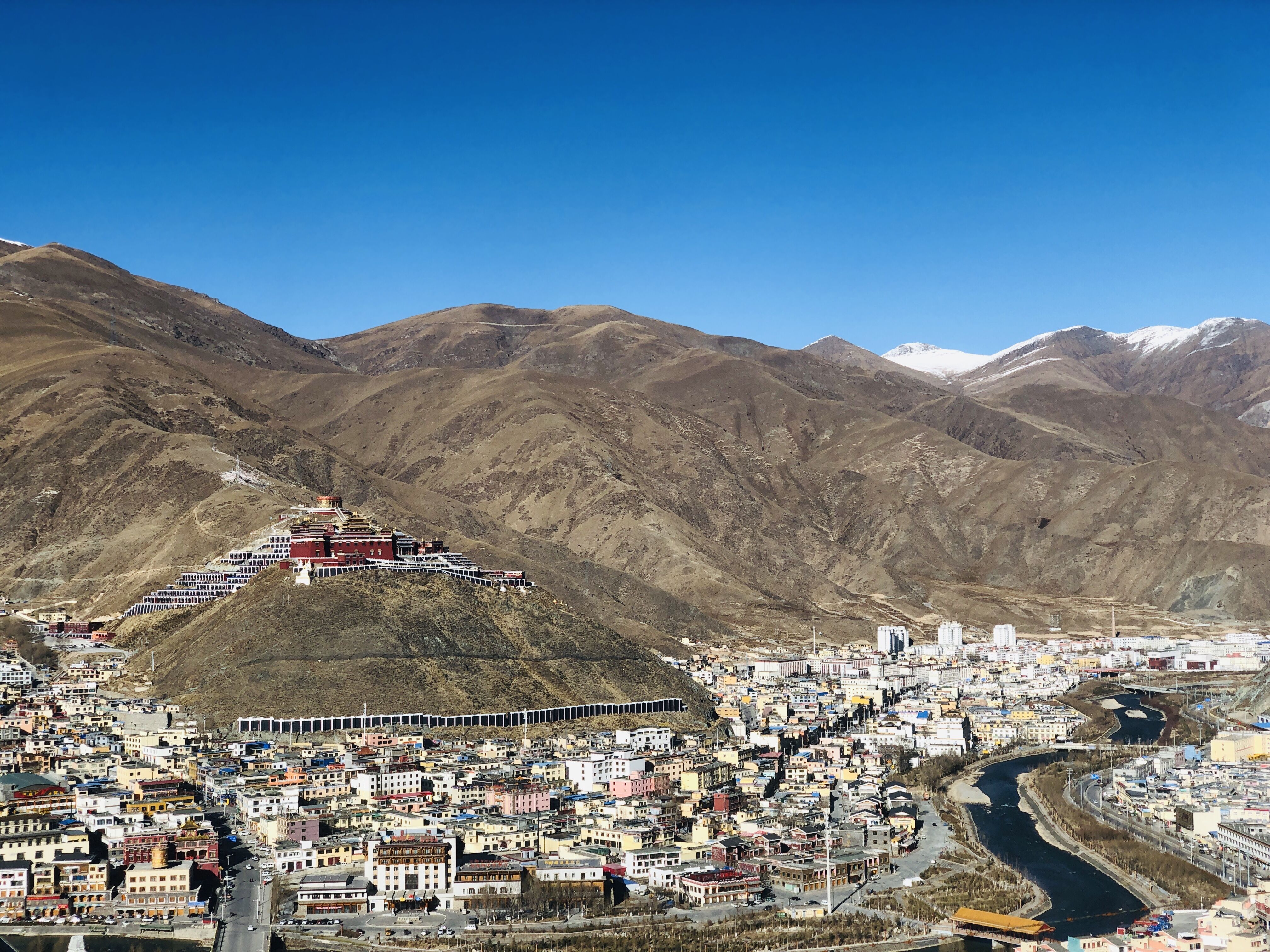
Yushu Tibetan Autonomous Prefecture is located in the southwest of Qinghai Province, with an average altitude of over 4,000 meters. It has a cold and dry climate with large temperature differences between day and night, typical of a plateau continental climate. It is the source of the Yangtze, Yellow, and Lancang rivers, known as the 'Three Rivers Source.'
Yushu has a long history. In ancient times, it was the land of the Xiqiang people, later belonged to Tubo in the Tang Dynasty, and was under the jurisdiction of the Dokhams Xuanwei Division in the Yuan and Ming dynasties. In 1951, the Yushu Tibetan Autonomous Region was established, later renamed the Autonomous Prefecture. In 2010, a magnitude 7.1 earthquake struck Yushu, and post-disaster reconstruction has given the city a new look.
Yushu is the core area of Khampa Tibetan culture, with unique dances, costumes, and religious culture. The Yushu Horse Racing Festival is a grand event. The Tibetan dances 'Yi' and 'Zhuo' are listed as intangible cultural heritage. Local delicacies include yak yogurt, tsampa, butter tea, dried yak meat, and blood sausage.
Modern Yushu prioritizes ecological protection, developing eco-tourism and animal husbandry. Post-disaster infrastructure is well-developed, with airports and highways connecting to the outside. Tourism has become a pillar industry. Yushu is striving to become a 'plateau eco-tourism destination.'
The best time to visit 玉树 is The best time to visit is from July to September.
From July to September, Yushu experiences the warmest weather, with average temperatures of 10-15°C. The climate is pleasant, the grasslands are lush, and wildflowers bloom, making it the best time to enjoy natural scenery.
Spring (May to June) sees warming weather but still occasional snow, suitable for photographers capturing the transition between snowy mountains and grasslands. After October, temperatures drop sharply; winter is cold and long but offers unique folk customs like the Tibetan New Year.
Summer also hosts traditional festivals such as the Yushu Horse Racing Festival, allowing visitors to participate and deeply experience Tibetan culture.
In December 1951, Yushu Tibetan Autonomous Region was officially established, marking a new stage of ethnic regional autonomy for Yushu.
On April 14, 2010, a 7.1-magnitude earthquake struck Yushu, causing heavy casualties and property damage. Nationwide support poured in, and post-disaster reconstruction began swiftly.
Recommended places to visit
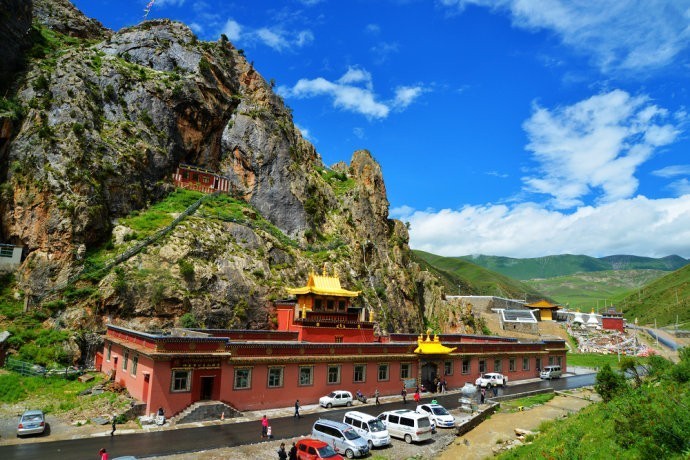
Located in Jyekundo Town, Yushu City, this Tibetan-style temple commemorates Princess Wencheng of the Tang Dynasty who passed through here on her way to Tibet. It features exquisite murals and sculptures, symbolizing Han-Tibetan friendship.
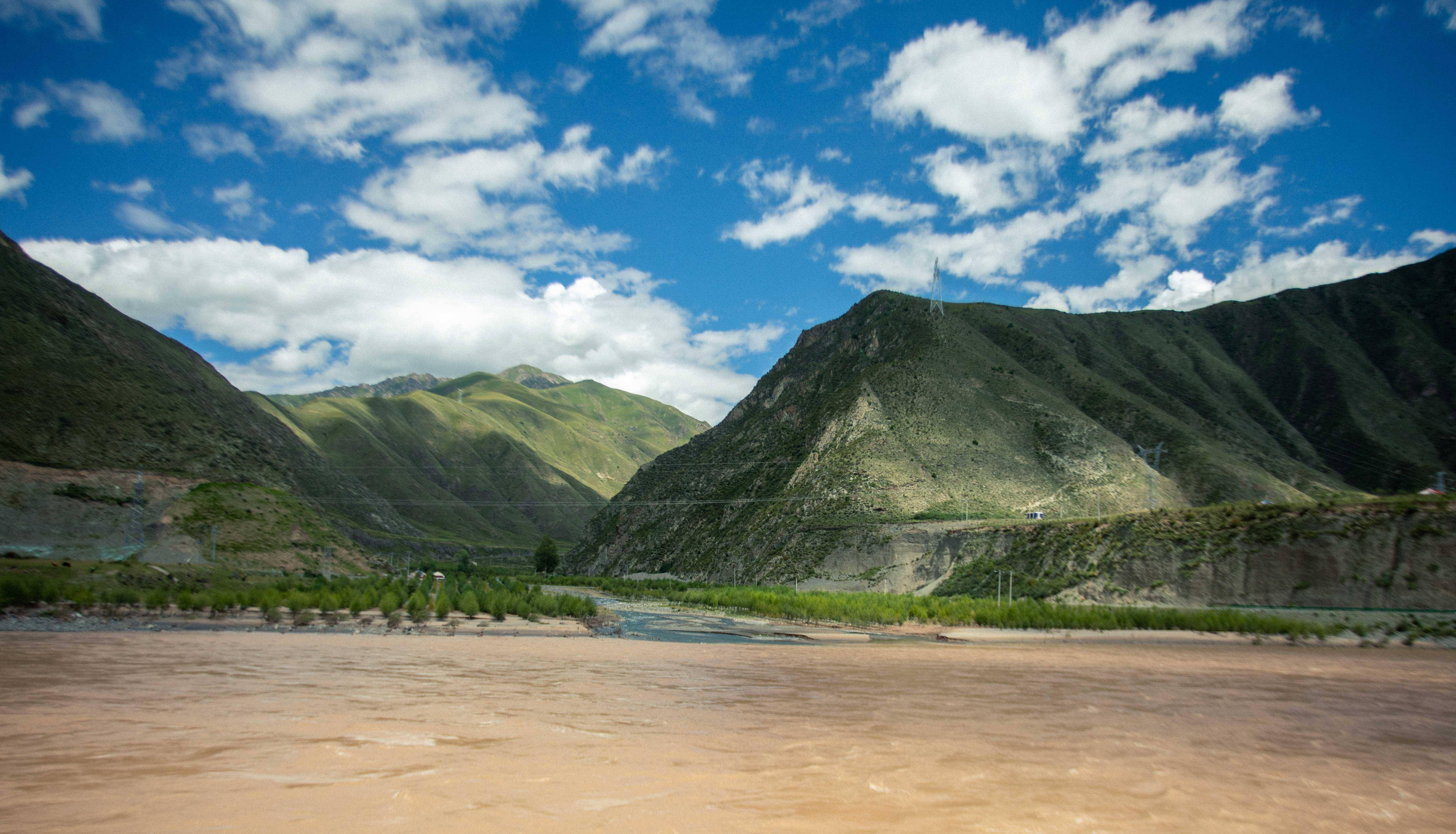
Located in Batang Township, Yushu City, known for its cliff carvings and natural scenery. The valley contains Tang Dynasty Buddhist stone carvings and modern rock paintings, offering picturesque views.
Explore rich intangible cultural heritage and traditional crafts
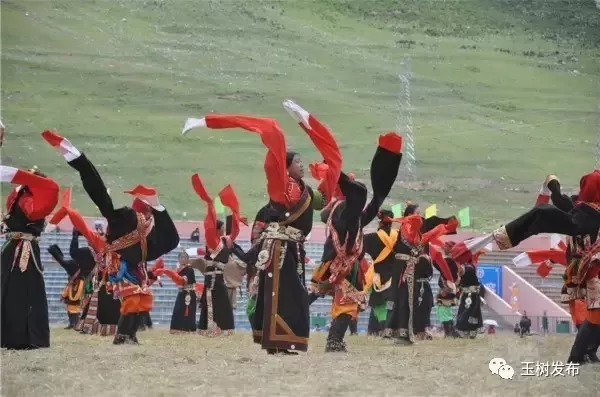
A Tibetan folk dance from the Yushu area, with graceful movements and lively rhythm, often performed at festivals. It was inscribed on the national intangible cultural heritage list in 2008.
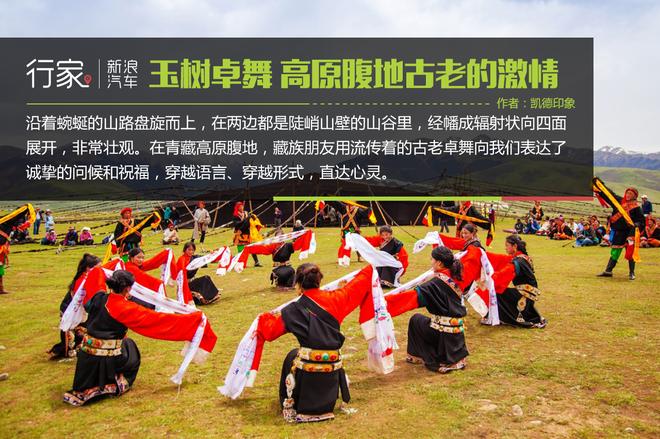
A Tibetan folk dance known for its bold and unrestrained style, with dancers forming a circle, singing and dancing. It was inscribed as a national intangible cultural heritage in 2008.
Must-know transportation for exploring the city
Located in Batang Township, Yushu City, with flights to Xining, Chengdu, etc. The airport is about 20 km from the city center, accessible by taxi or airport shuttle.
Approx. 200-800 RMB
Yushu Bus Station has buses to Xining, Golmud, Chengdu, etc. City bus routes cover major attractions and urban areas.
Xining to Yushu approx. 200 RMB
Local transportation mainly consists of taxis and buses. Taxi starting fare is 5 RMB, bus fare is 1-2 RMB. Car rental is also available for exploring surrounding attractions.
Taxi starting fare 5 RMB
Taste the most authentic and popular local specialties
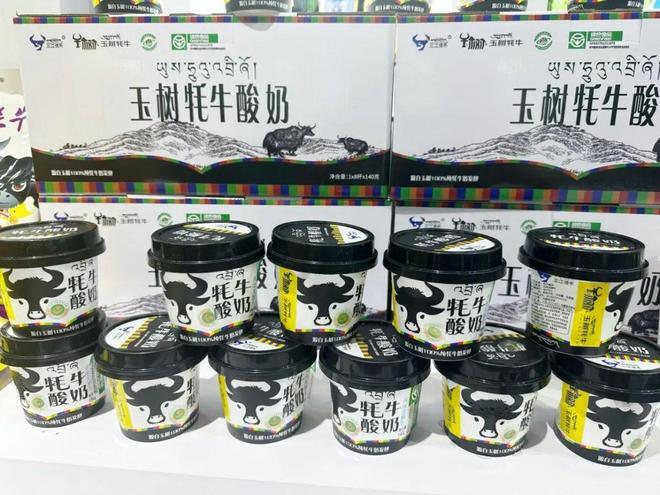
Fermented from fresh yak milk, it has a rich texture, moderate sweetness and sourness, and is highly nutritious.
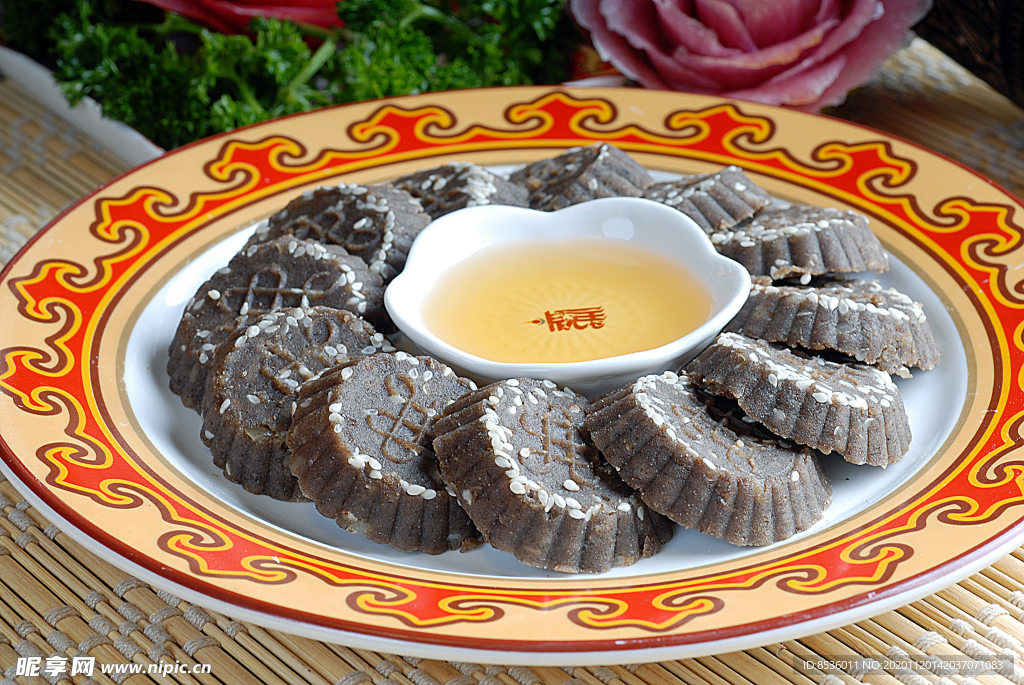
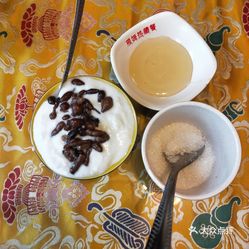
A traditional Tibetan staple, made by roasting and grinding highland barley into flour, then mixing with butter tea or milk tea and kneading into balls.
After four years of effort, the post-disaster reconstruction of Yushu was basically completed. Urban infrastructure, housing, and public services were fully restored and upgraded, giving Yushu a new look.
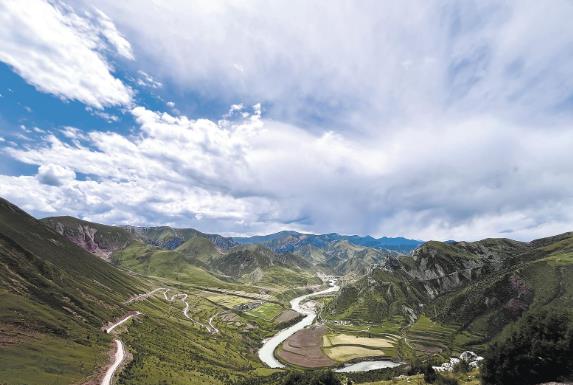
Located within Yushu Prefecture, it is the source of the Yangtze, Yellow, and Lancang rivers, known as the 'Water Tower of China.' The reserve features glaciers, lakes, and grasslands, making it an eco-tourism destination.
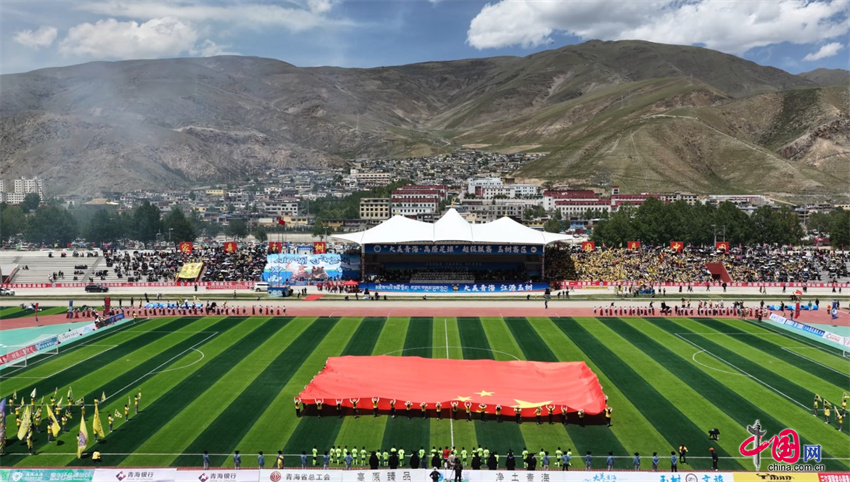
Located in Yushu City, it is the main venue for the annual Yushu Horse Racing Festival in July. During the festival, activities include horse racing, dance performances, and trade fairs.
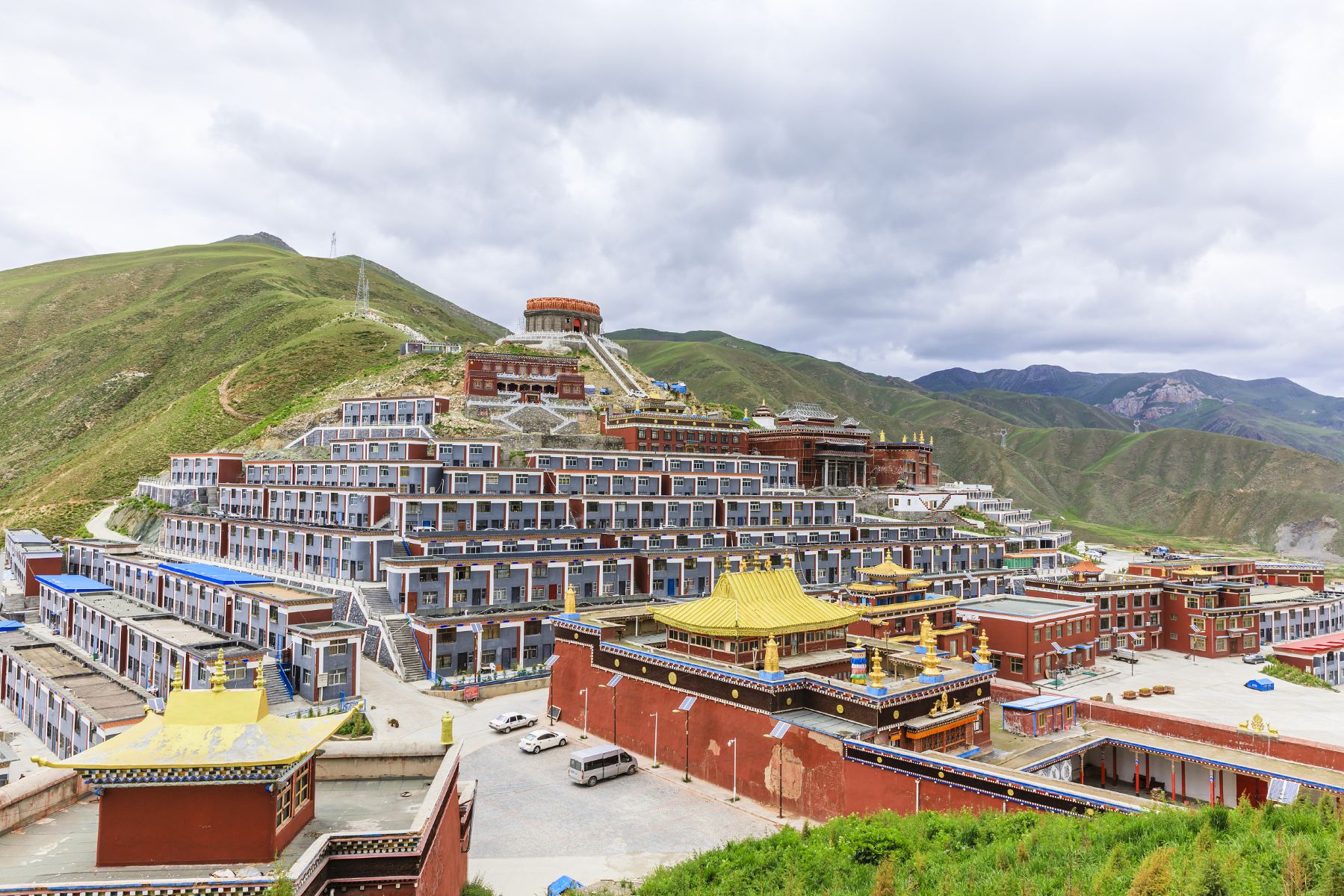
Located in Jyekundo Town, Yushu City, it is the largest Sakya monastery in Qinghai Province, built in the 15th century. It houses numerous Buddhist relics and thangkas, serving as a pilgrimage and tourist site.
A daily Tibetan drink made from brick tea, butter, and salt, rich and delicious, providing warmth and energy.
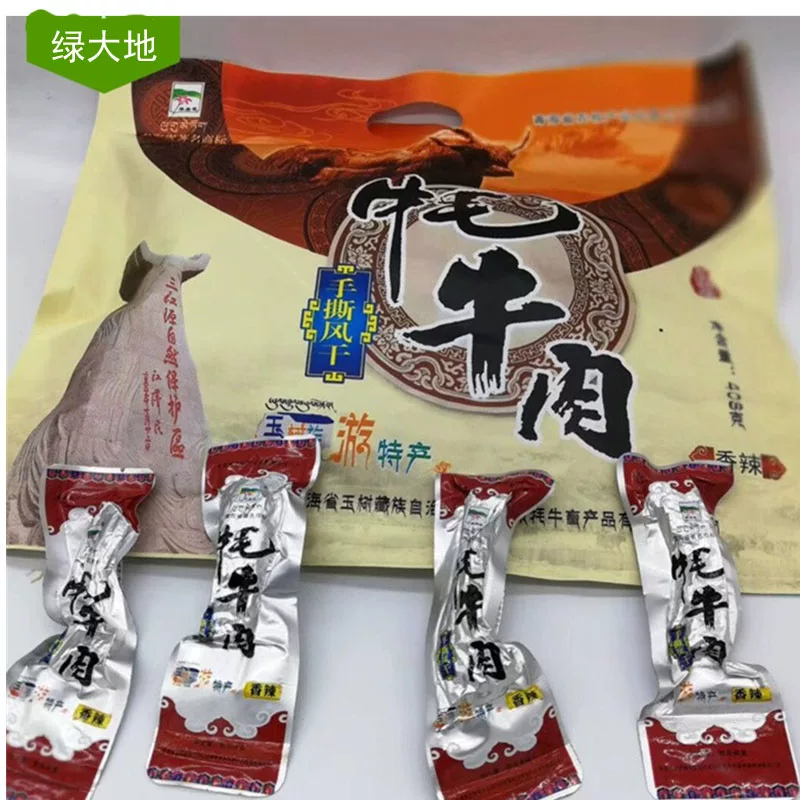
Made from yak hind leg meat, naturally air-dried, the meat is firm, savory, and chewy, a characteristic plateau snack.
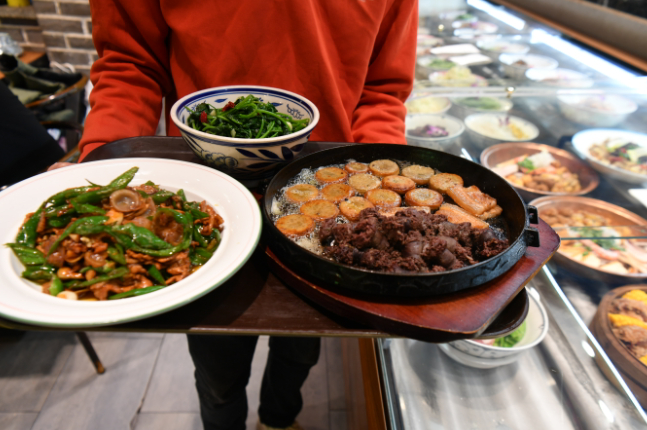
A traditional Tibetan delicacy made by filling casings with cow blood, tsampa, and butter, then boiled, offering a unique taste.