
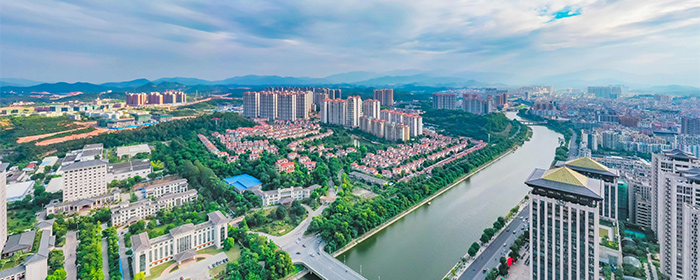
Located in the central-western part of Guangdong Province, on the southern bank of the middle reaches of the Xijiang River, Yunfu has a subtropical monsoon climate with distinct seasons and abundant rainfall. The terrain is mainly mountainous and hilly, with high forest coverage and superior ecological environment, earning it the reputation of 'Back Garden of Guangdong'.
Yunfu has a long history. In the pre-Qin period, it belonged to the Baiyue region. In the first year of the Tianbao era of the Tang Dynasty (742 AD), Yunfu Commandery was established. In the fifth year of the Wanli era of the Ming Dynasty (1577), Dong'an County was founded, and in 1914 it was renamed Yunfu County. In 1994, it was upgraded to a prefecture-level city. Yunfu is the hometown of Huineng, the Sixth Patriarch of Zen Buddhism, and has a profound Buddhist culture.
Yunfu's culture is characterized by stone art and Zen culture. Yunfu stone art has a long history and is known as the 'Stone Capital'. In terms of cuisine, Luoding fish curd, Xinjiang preserved fruits, and Chadong tofu have unique flavors. Folk arts include Yunfu mountain songs and He Lou dance.
In recent years, Yunfu has vigorously developed the stone industry, becoming one of China's largest stone processing bases. At the same time, it actively promotes tourism, attracting visitors with attractions such as the Hometown of the Sixth Patriarch, Panlong Cave, and Tianlu Mountain. In terms of transportation, the Nanning-Guangzhou High-Speed Railway and the Guangzhou-Kunming Expressway run through the area, integrating it into the one-hour economic circle of the Pearl River Delta.
The best time to visit 云浮 is Best in spring and autumn (March-May, September-November).
Spring (March-May) has moderate temperatures and flowers in bloom, ideal for mountain climbing and sightseeing, especially the azaleas at Tianlu Mountain.
Autumn (September-November) is cool with less rainfall, suitable for outdoor activities and hot spring experiences.
Summer is hot and rainy, while winter occasionally has cold snaps, but hot spring tourism is suitable all year round.
During the Tang Dynasty, Yunfu Prefecture was established in the Yunfu area, marking the beginning of Yunfu's administrative system.
During the Ming Dynasty, Dong'an County was established in Yunfu, under the jurisdiction of Luoding Prefecture, marking the beginning of county-level administration.
On April 5, 1994, with the approval of the State Council, Yunfu was upgraded to a prefecture-level city, governing Yuncheng District, Xinxing County, Yunan County, Yun'an County, and Luoding City.
Recommended places to visit
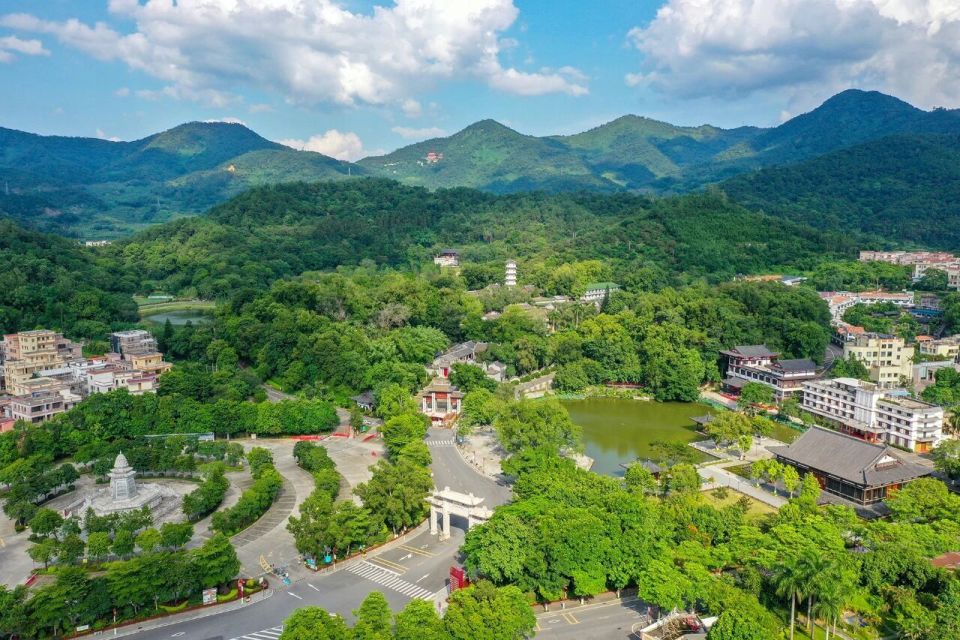
The birthplace and nirvana place of Huineng, the Sixth Patriarch of Zen Buddhism, including Guo'en Temple and Zangfo Pit. Guo'en Temple is a holy site where the Sixth Patriarch preached, passed away, and the Platform Sutra was compiled.
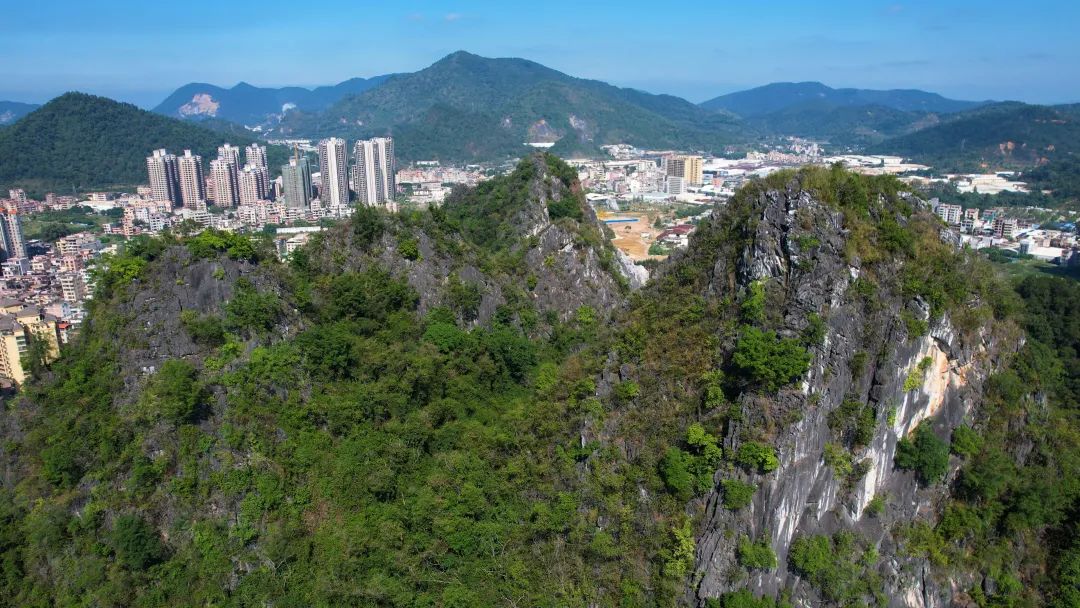
A karst cave with various stalactites, known as 'Panlong Fairyland'. Featured landscapes include stone flowers, stalagmites, and stone curtains, with the 'Jade Umbrella Canopy' being particularly famous.
Explore rich intangible cultural heritage and traditional crafts
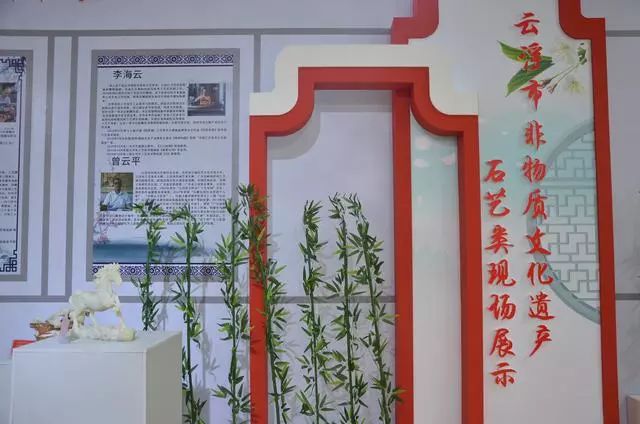
Yunfu stone art has a long history, famous for stone carving and processing. It is listed in Guangdong Provincial Intangible Cultural Heritage. Techniques include round carving, relief, and openwork carving.
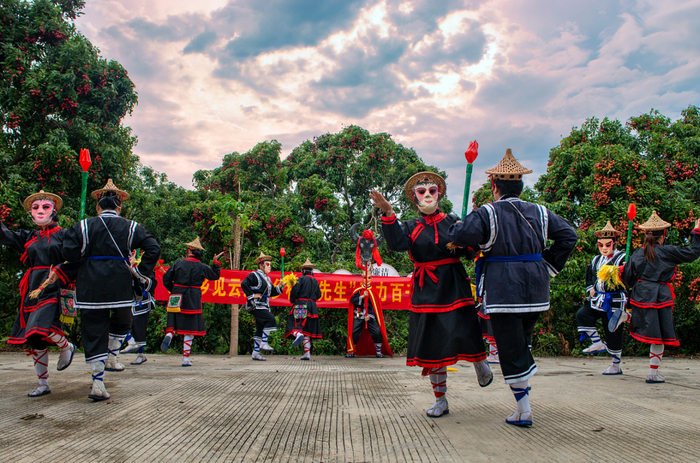
A traditional folk dance in Yunfu area, originating from ancient sacrificial activities. Dancers wear masks and hold rice ears, expressing the joy of harvest.
Must-know transportation for exploring the city
The Nan-Guang High-Speed Railway passes through Yunfu East Station, connecting Guangzhou and Nanning. From Guangzhou South Station to Yunfu East Station takes about 1 hour.
Second class about 50 RMB
Yunfu Bus Station has buses to Guangzhou, Shenzhen, Zhuhai and other Pearl River Delta cities, taking 2-3 hours.
About 60-100 RMB
Yunfu has no airport. You can fly to Guangzhou Baiyun International Airport or Zhuhai Jinwan Airport, then transfer by high-speed rail or bus to Yunfu.
Varies by flight
Taste the most authentic and popular local specialties
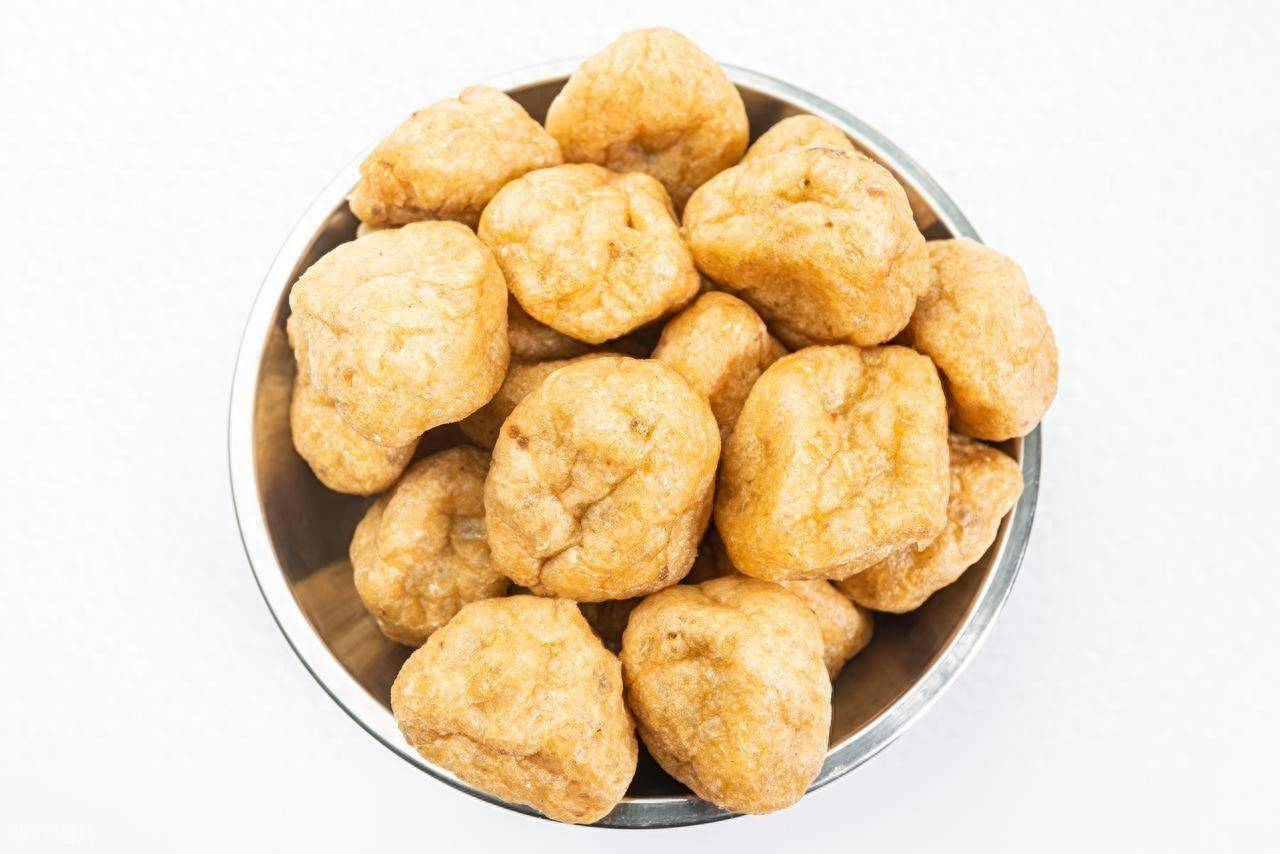
Made from minced dace fish mixed with egg white and starch, smooth and tender like tofu but not tofu. Can be boiled or fried. A traditional Luoding dish.
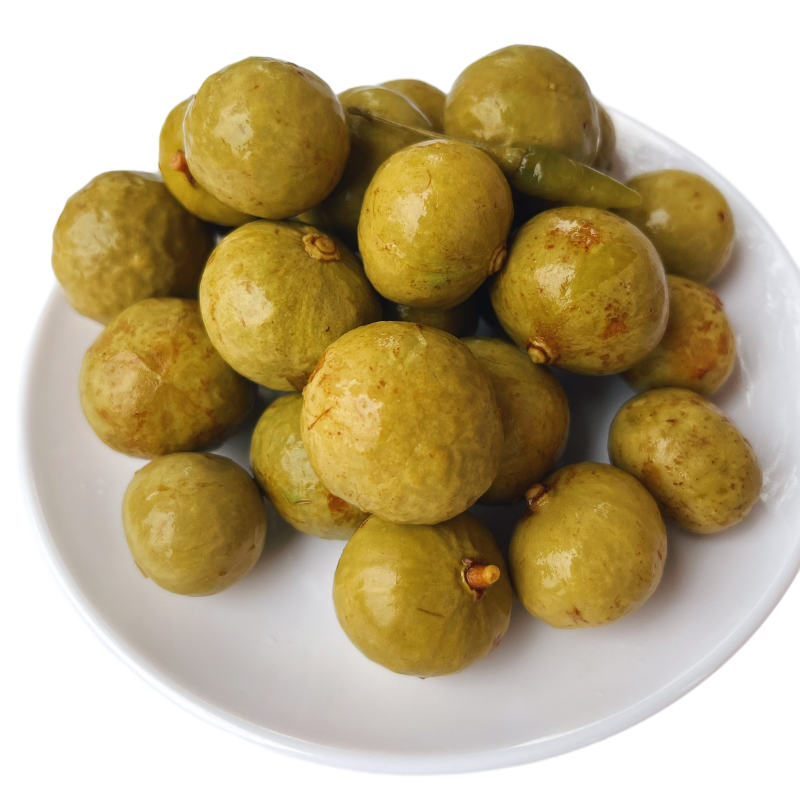
Specialty of Xinxing County, made from green plums, plums, mangoes, etc., through pickling and candying. Sweet and sour, appetizing and digestive.
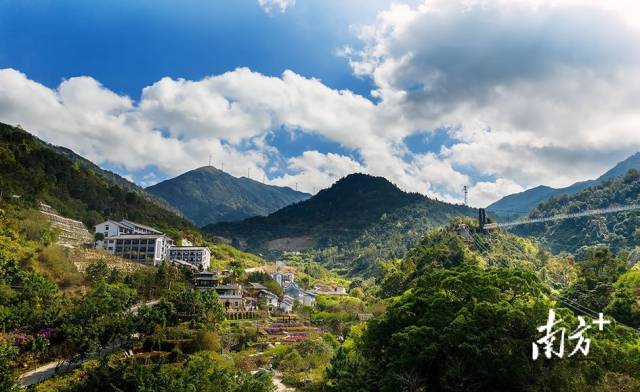
With an altitude of 1251 meters, it is the highest peak in central and southern Guangdong. It features alpine meadows, azalea sea, plum forests, and recreational activities like hot springs and rafting.
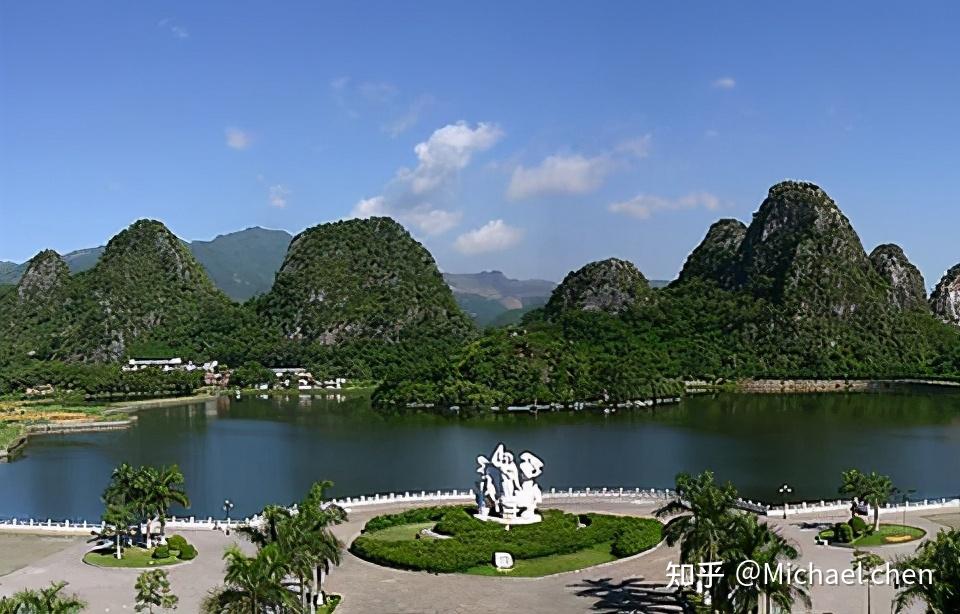
Known for its waterfall clusters and primeval forest, called 'Guangdong's Jiuzhaigou'. There are many waterfalls, with 'Longwan Waterfall' having a drop of over 200 meters.
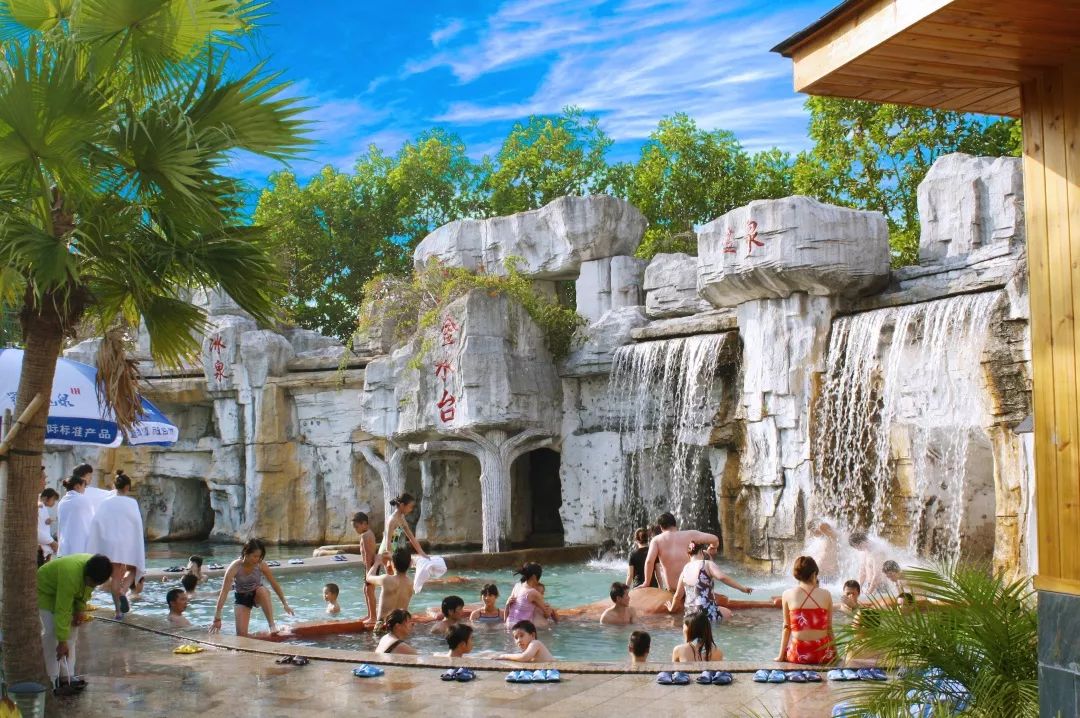
A national 4A-level tourist attraction with excellent hot spring water quality containing various minerals. It features multiple hot spring pools, water park, and resort hotel, suitable for leisure and wellness.
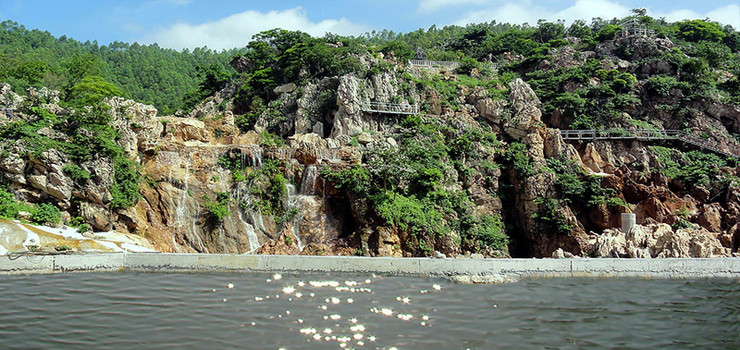
The main peak of Yunwu Mountain is 1140 meters, shrouded in clouds and mist with magnificent scenery. The area features ancient plank roads, waterfalls, and streams, ideal for hiking and photography.
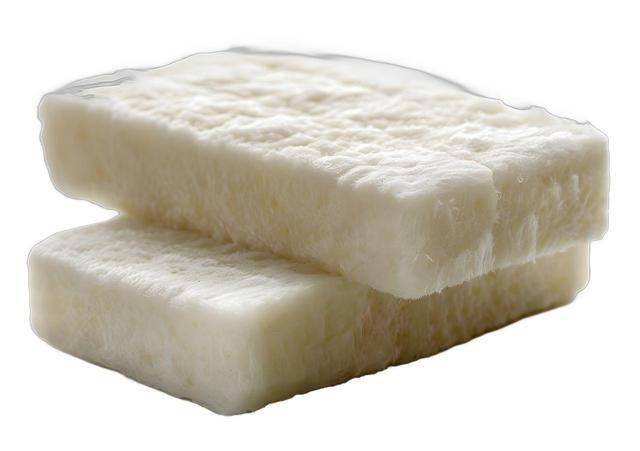
Specialty of Chadong Town, Yun'an District, made from local mountain spring water and high-quality soybeans. Tender and fragrant, used in stuffed tofu and tofu pot.
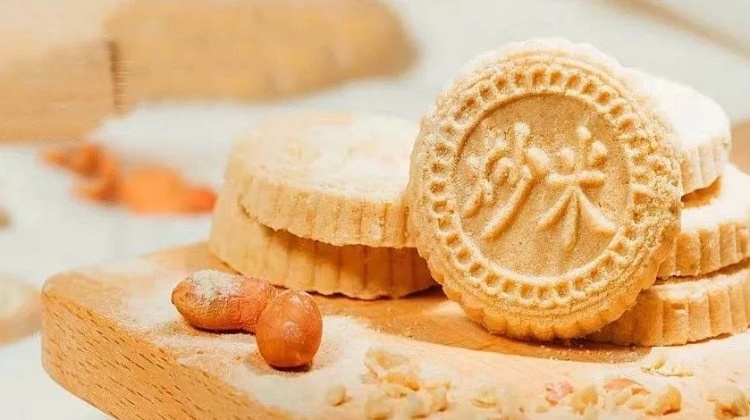
A traditional snack made from glutinous rice flour, peanuts, sesame, etc., fried or baked until crispy. A must-have during festivals.
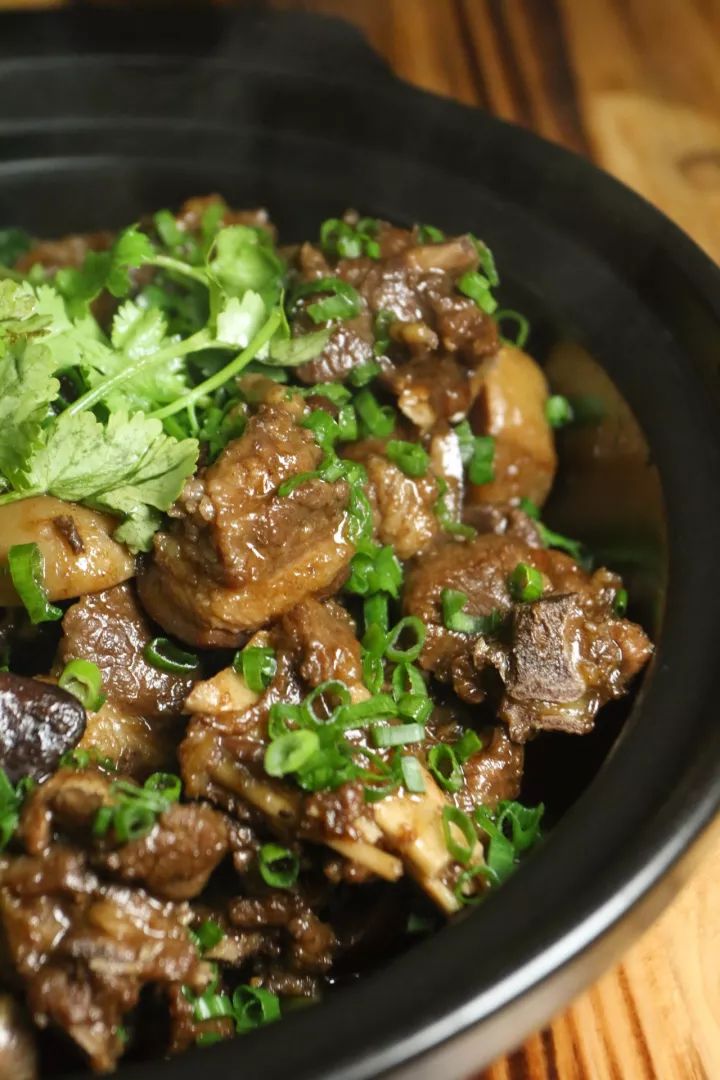
A traditional delicacy in Xinxing area, dog meat stewed with various herbs and spices. Tender and nourishing. Note: Dog meat culture is controversial; please respect local customs.
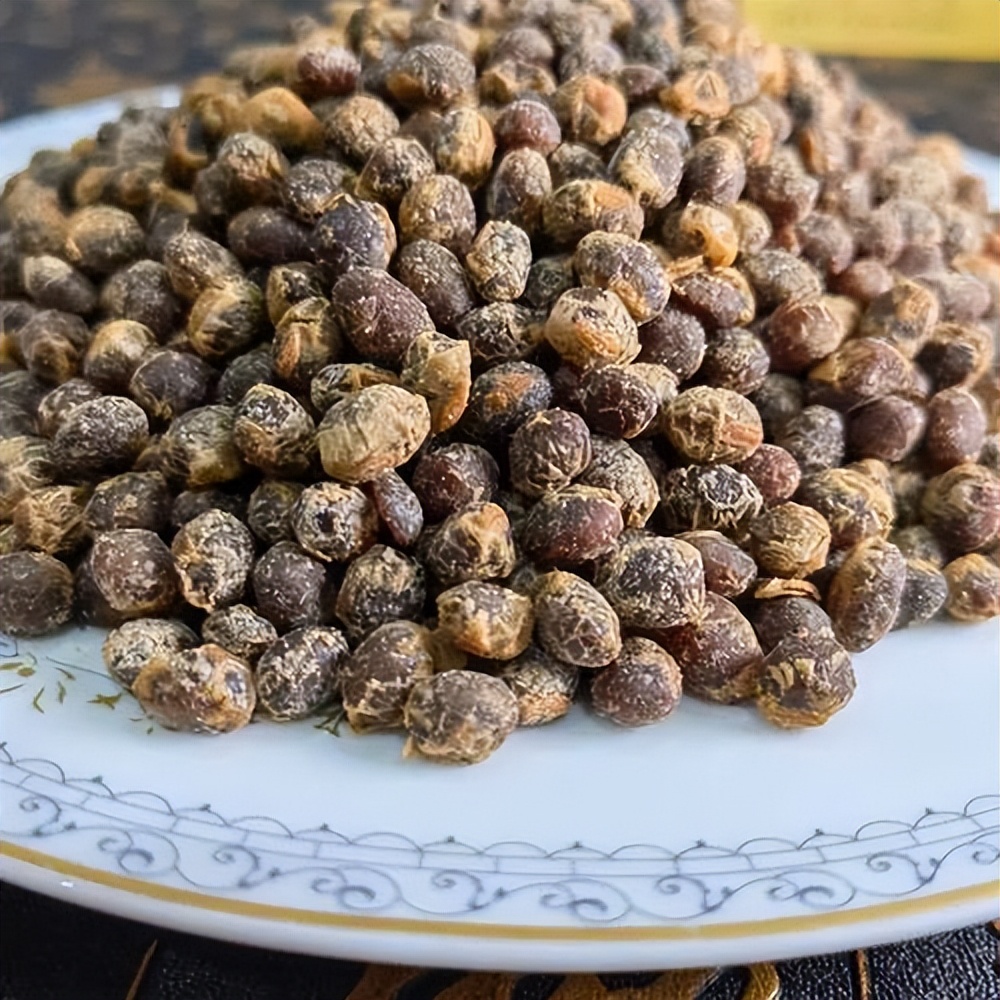
Specialty of Luoding, made from fermented black beans. Delicious flavor, excellent for cooking seasoning or as a side dish.