
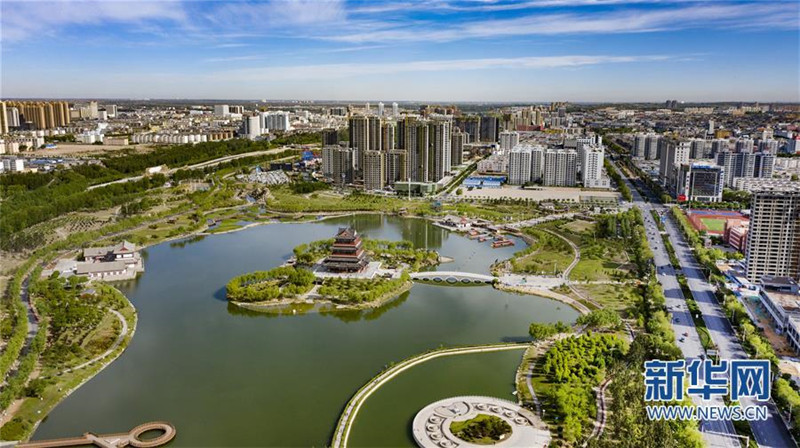
Yulin is located in the northernmost part of Shaanxi Province, at the intersection of the Loess Plateau and the Mu Us Desert. It has a temperate continental monsoon climate with four distinct seasons: cold and dry winters, hot and less rainy summers, and large temperature differences between day and night.
Yulin has a long history. Known as 'Shangjun' in ancient times, it was one of the nine important military towns of the Ming Dynasty, rich in frontier culture and military relics. Famous sites like Zhenbeitai and Hongshixia bear witness to its glorious history.
Yulin's culture blends Central Plains agrarian civilization with grassland nomadic civilization. Intangible cultural heritages such as northern Shaanxi folk songs, yangge dances, and paper-cutting are abundant. Local cuisine features mutton, such as sheep offal stew and pingsanxian, with unique flavors.
Yulin is a national energy and chemical base, rich in coal, oil, and natural gas, known as 'China's Kuwait.' In recent years, Yulin has made significant achievements in ecological management and modern urban construction, becoming a shining pearl beyond the Great Wall.
The best time to visit 榆林 is Spring and Autumn (April-May, September-October).
Spring (April-May): The temperature rises, everything revives, suitable for outdoor activities and visiting historical sites.
Summer (June-August): Although hot, the desert oasis scenery is unique, offering a frontier experience.
Autumn (September-October): Clear and crisp weather, pleasant scenery, ideal for photography and hiking.
After unifying the six states, Emperor Qin Shihuang established Shangjun in the Yulin area, making it an important northern frontier.
In the Ming Dynasty, to defend against the Mongols, Yulin Wei was established, with the Great Wall and Zhenbeitai built, making it one of the nine frontier towns.
Yulin was listed as the second batch of National Historical and Cultural Cities by the State Council, preserving its ancient city style.
Recommended places to visit
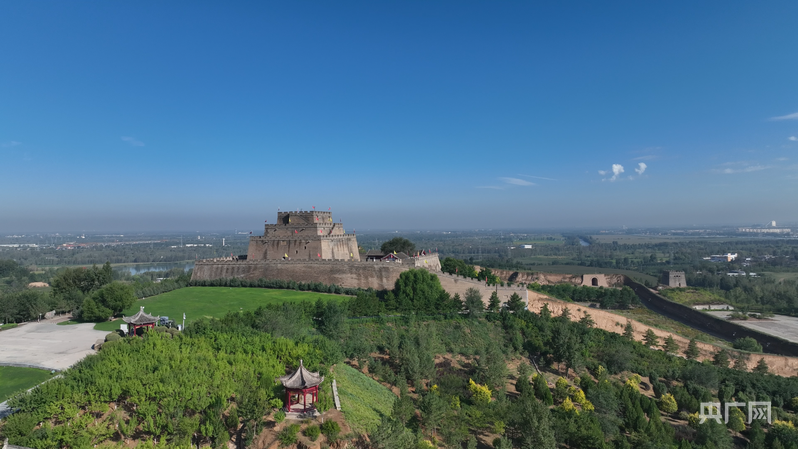
Zhenbeitai is the largest beacon tower on the Ming Great Wall, known as the 'First Tower of the Great Wall'. From the top, you can overlook Yulin city and the Maowusu Desert.
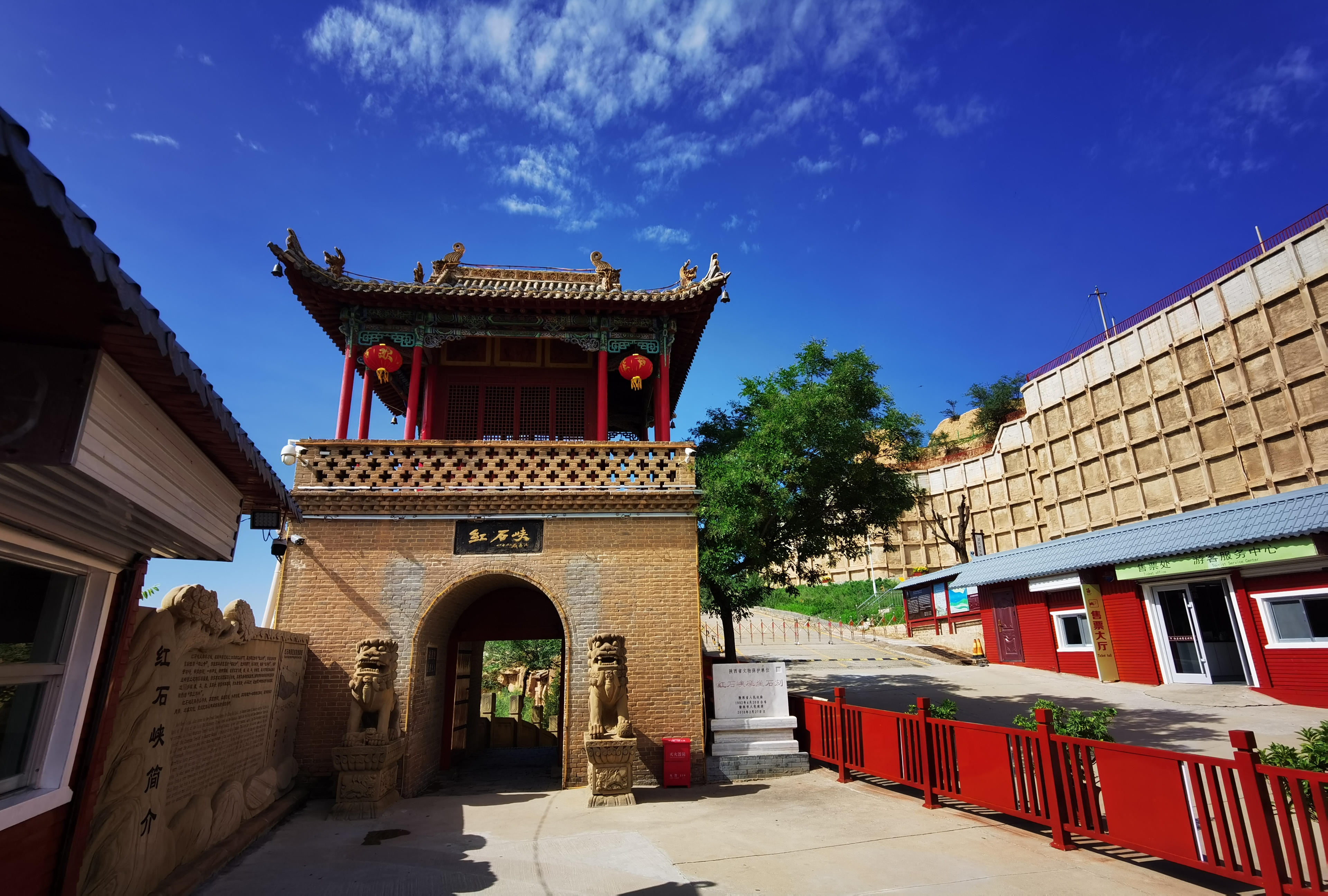
Hongshixia is famous for its red sandstone canyon and cliff inscriptions, known as the 'Forest of Steles on the Frontier', perfect for natural scenery and calligraphy art.
Explore rich intangible cultural heritage and traditional crafts

Northern Shaanxi folk songs are traditional music from the Yulin area, represented by Xintianyou, with high-pitched and melodious tunes reflecting labor and life.
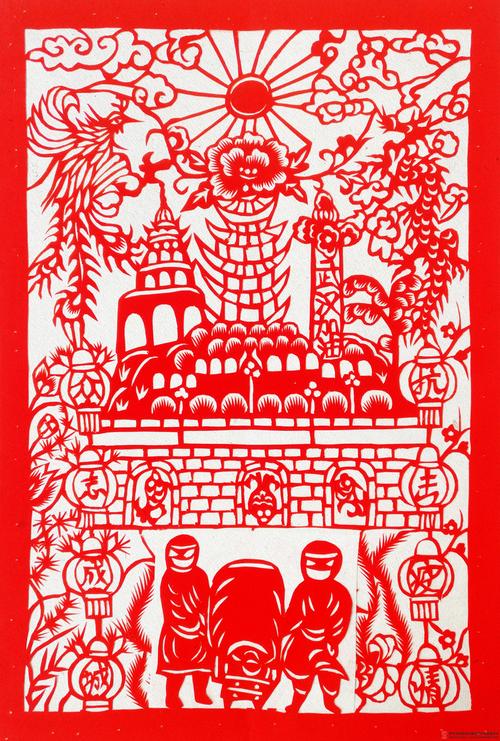
Yulin paper-cutting is a folk art, often in the form of window flowers and wedding flowers, with vivid patterns and auspicious meanings.
Must-know transportation for exploring the city
Yuyang Airport is a 4D-level airport with flights to major domestic cities such as Beijing, Shanghai, Xi'an, and Guangzhou.
Varies by route
Yulin Station is a major hub on the Baotou-Xi'an and Taiyuan-Zhongwei-Yinchuan railways, with high-speed trains connecting Xi'an, Taiyuan, Beijing, etc.
High-speed second class approx. 200-400 RMB
City buses cover major attractions and urban areas, fare 1-2 RMB, mobile payment accepted.
1-2 RMB
Taste the most authentic and popular local specialties
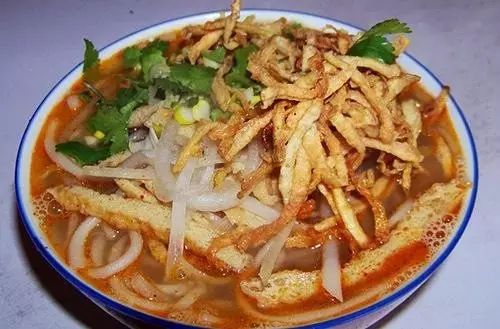
Yangzashui is a traditional Yulin snack made from sheep offal such as head, tripe, and intestines, stewed into a delicious and nutritious soup.
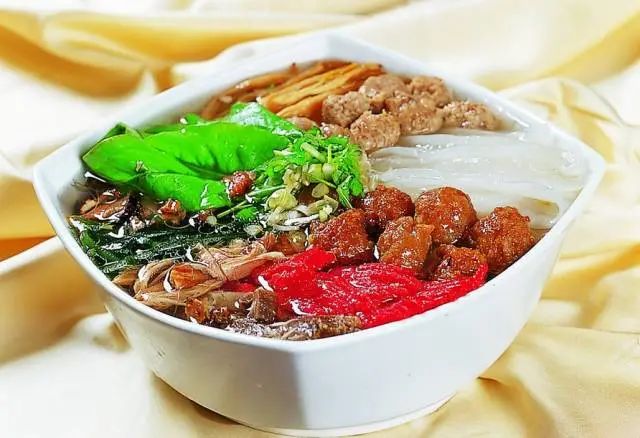
Pinsanxian is a signature Yulin stew combining pork, mutton, and chicken with various vegetables, rich in flavor.
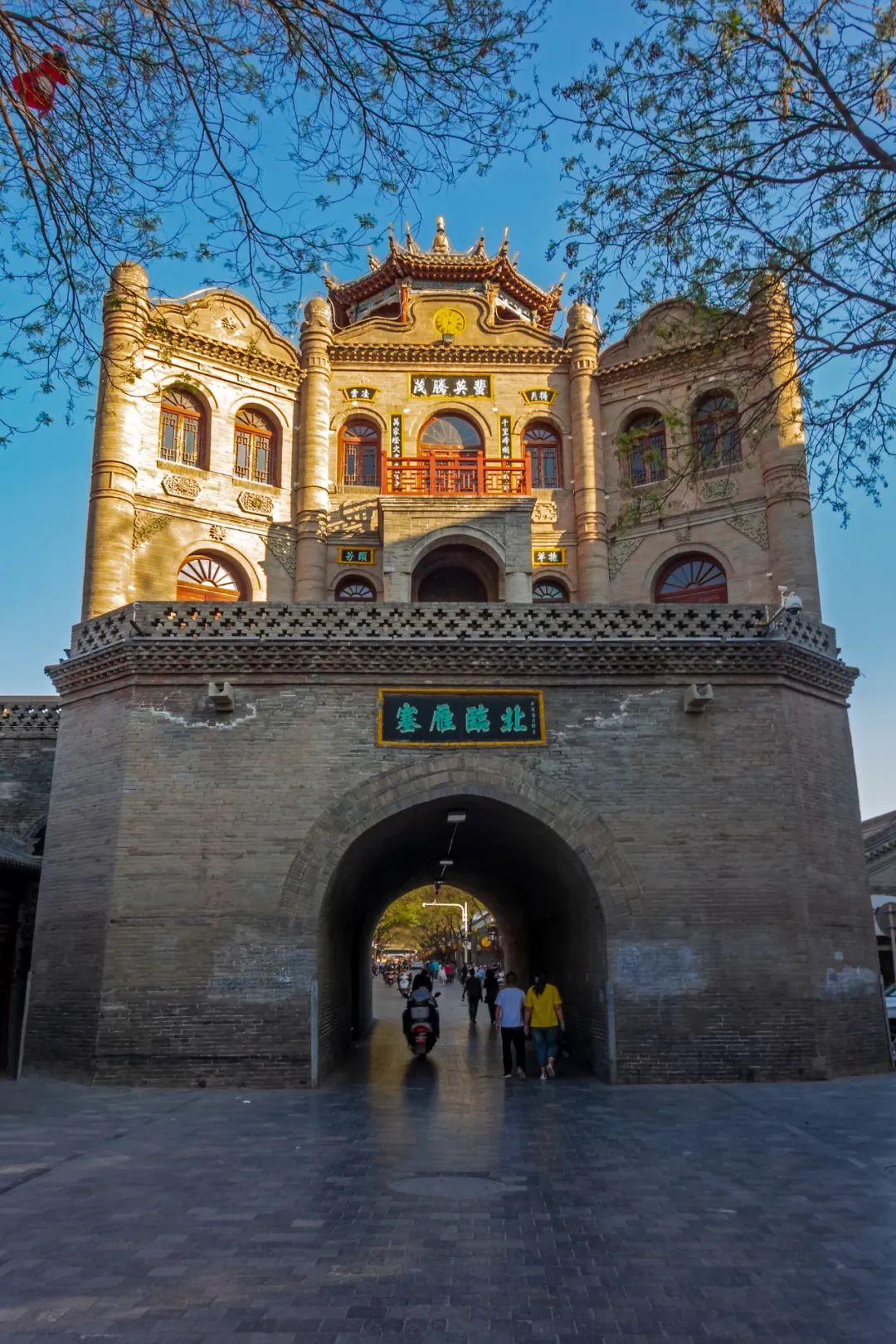
Yulin Ancient City is a Ming Dynasty frontier town with well-preserved city walls and street layout, known as 'Little Beijing', offering a taste of the ancient frontier city.
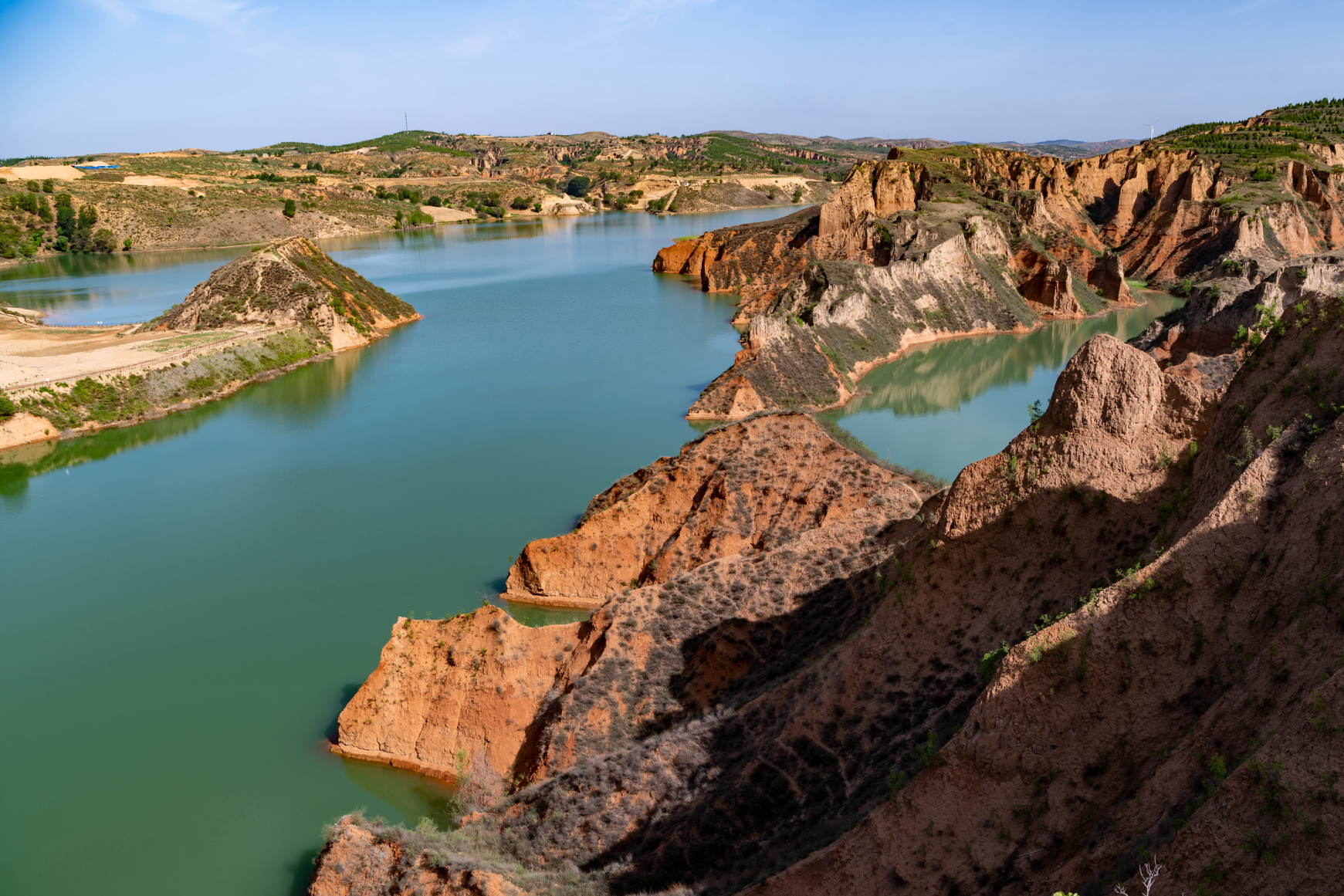
Hongjiannao is the largest desert freshwater lake in China, known as the 'Pearl of the Sand Sea', offering boat tours, bird watching, and beach activities.
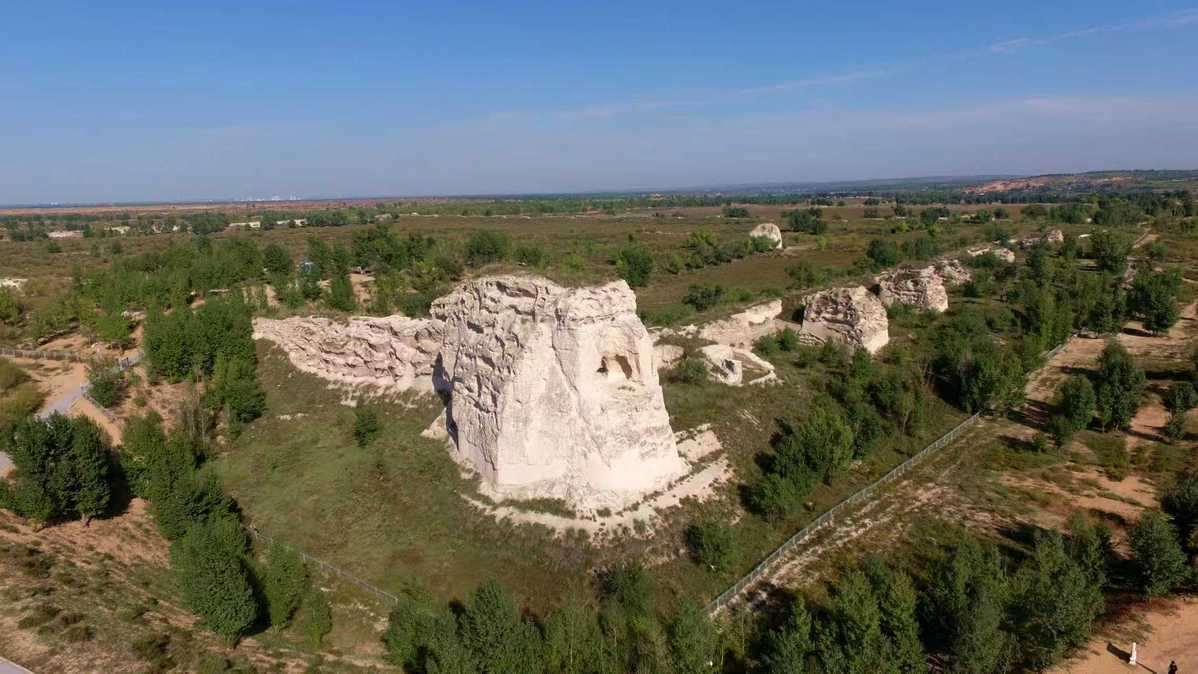
Tongwancheng was the capital of the Great Xia Kingdom during the Sixteen Kingdoms period. The remaining city walls and palace ruins are the only capital site left by the Huns.
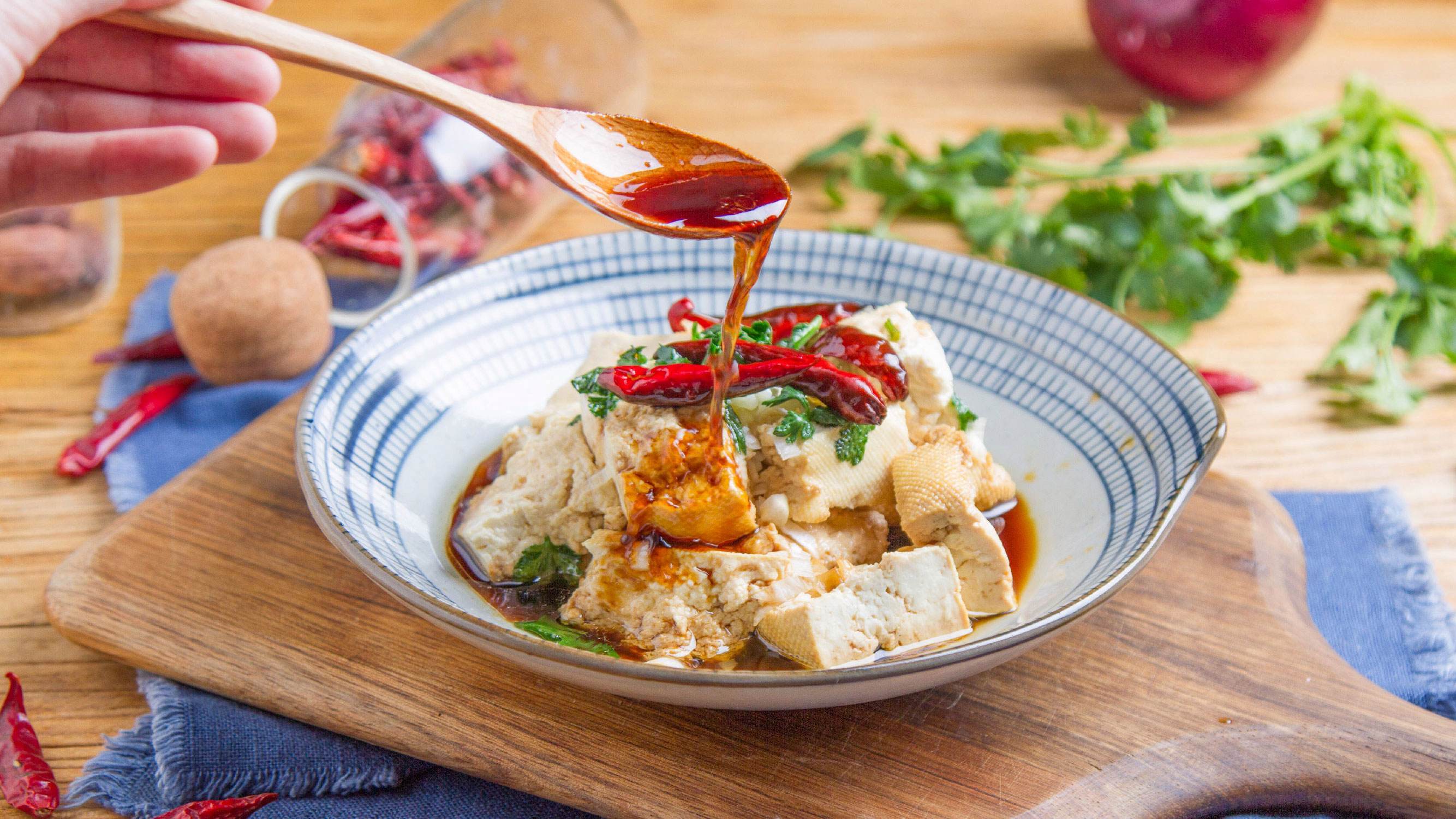
Yulin tofu is made from local high-quality soybeans and spring water, tender and smooth, served cold, braised, or in soup.
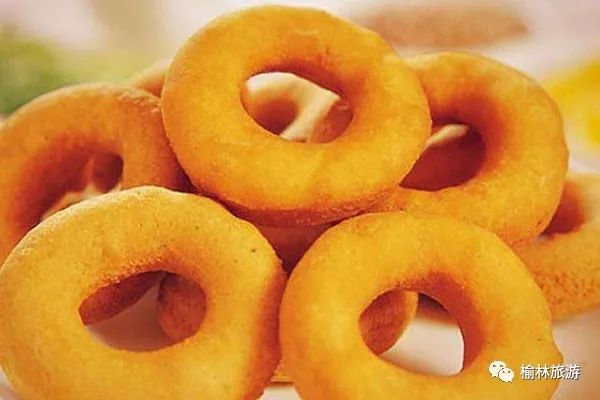
Youmomo is a traditional Yulin pastry made from flour and oil, crispy outside and soft inside, often eaten for breakfast or as a snack.
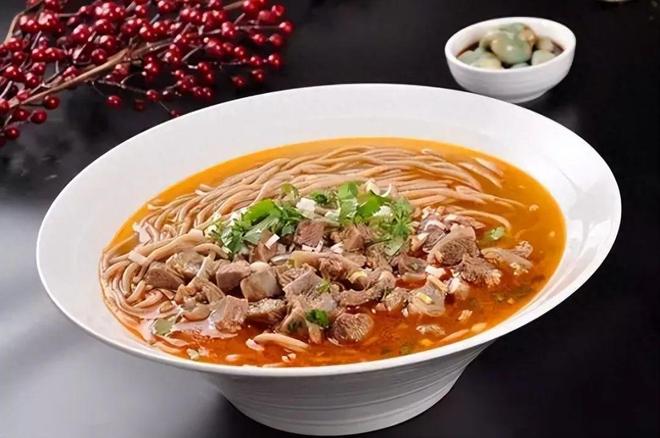
Qiaomian Hele is a northern Shaanxi specialty noodle made from buckwheat flour, served with mutton soup or sour soup, chewy and tasty.