
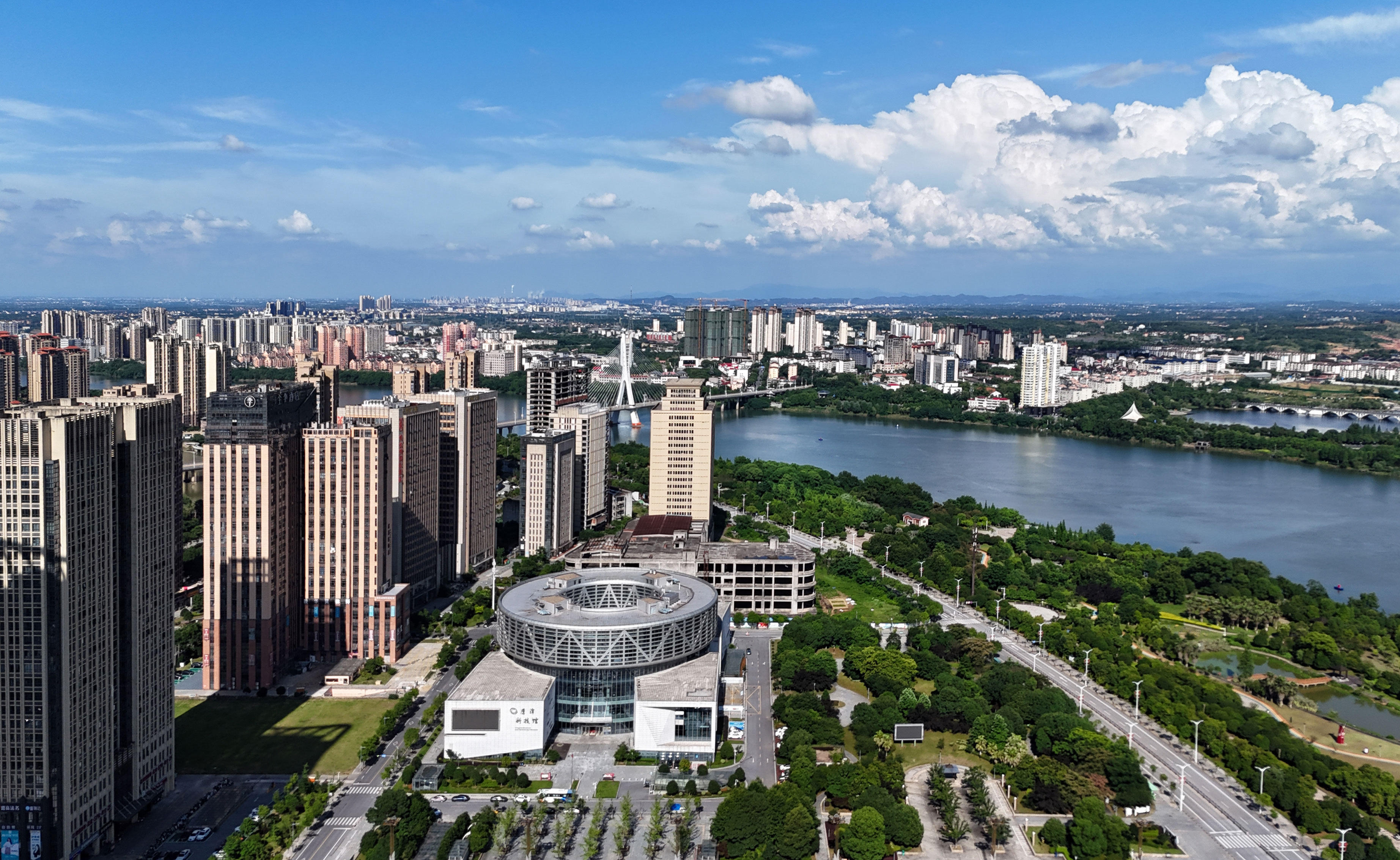
Yingtan is located in the northeast of Jiangxi Province, in the middle and lower reaches of the Xin River, at the transition zone from the Wuyi Mountains to the Poyang Lake Plain. It has a subtropical humid monsoon climate with four distinct seasons and abundant rainfall, with an average annual temperature of around 18°C.
Yingtan has a long history, with human habitation dating back to the Shang and Zhou dynasties. It was established as a town in the Tang Dynasty and named after the eagle-shaped rocks along the Xin River. During the Ming and Qing dynasties, it became an important land and water port. In modern times, it is known as a railway hub, the junction of the Zhejiang-Jiangxi, Yingtan-Xiamen, and Anhui-Jiangxi railways.
Yingtan is one of the birthplaces of Taoism. Longhu Mountain is the ancestral home of the Zhengyi sect of Taoism, and the Celestial Masters' Mansion has been passed down for thousands of years. Local culture includes Gan opera and Taoist music. The cuisine is represented by Yingtan rice noodles, Guixi pickled vegetables, and Celestial Master's chestnut chicken, known for their spicy and fresh flavors.
Yingtan is now an important industrial city in Jiangxi, famous for copper smelting, earning the title 'World Copper Capital.' At the same time, it actively develops tourism. Longhu Mountain is a 5A-level scenic spot, receiving over ten million visitors annually. The city has convenient transportation with high-speed rail connections nationwide.
The best time to visit 鹰潭 is Spring and autumn (March-May, September-November).
Spring (March-May): Longhu Mountain is covered with wildflowers, the climate is mild, suitable for hiking and Taoist cultural experiences.
Autumn (September-November): The sky is clear and the air is crisp, the Danxia landforms are vividly colored, making it the best time for photography and hiking.
Summer (June-August) is hot, but you can enjoy rafting on the Luxi River; winter (December-February) is damp and cold, with fewer tourists, suitable for a quiet visit.
In the Tang Dynasty, Yingtan Town was established, named after the eagle-shaped rocks along the Xin River, becoming an important commercial town in northeastern Jiangxi.
During the Eastern Han Dynasty, Zhang Daoling founded the Zhengyi sect of Taoism at Longhu Mountain, making it the ancestral home of Taoism, with the Celestial Master tradition continuing to this day.
The Yingtan-Xiamen Railway was completed, making Yingtan an important railway hub connecting Jiangxi and Fujian, driving rapid urban development.
Recommended places to visit
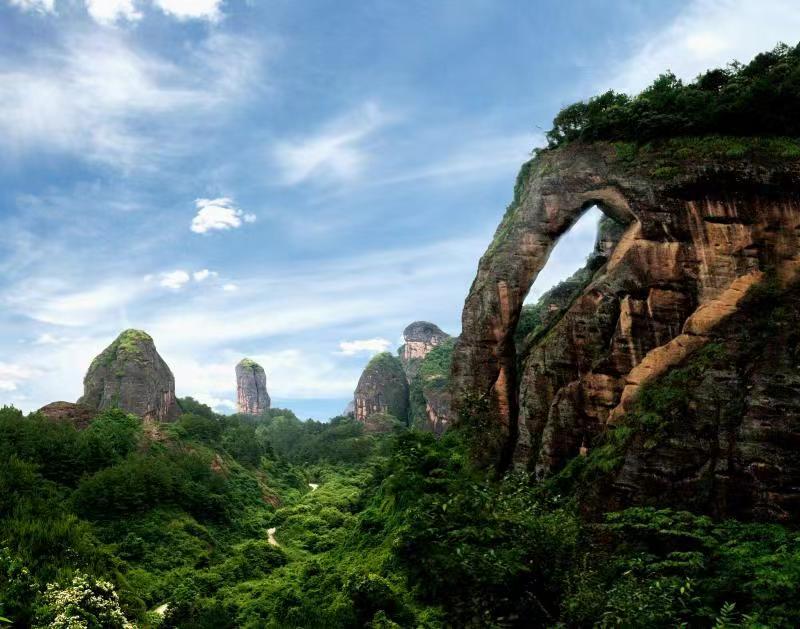
A UNESCO World Natural Heritage site and national 5A-level scenic area, the ancestral home of the Zhengyi sect of Taoism. It features typical Danxia landforms, with the Luxi River winding through, and is famous for the cliff coffin performance.
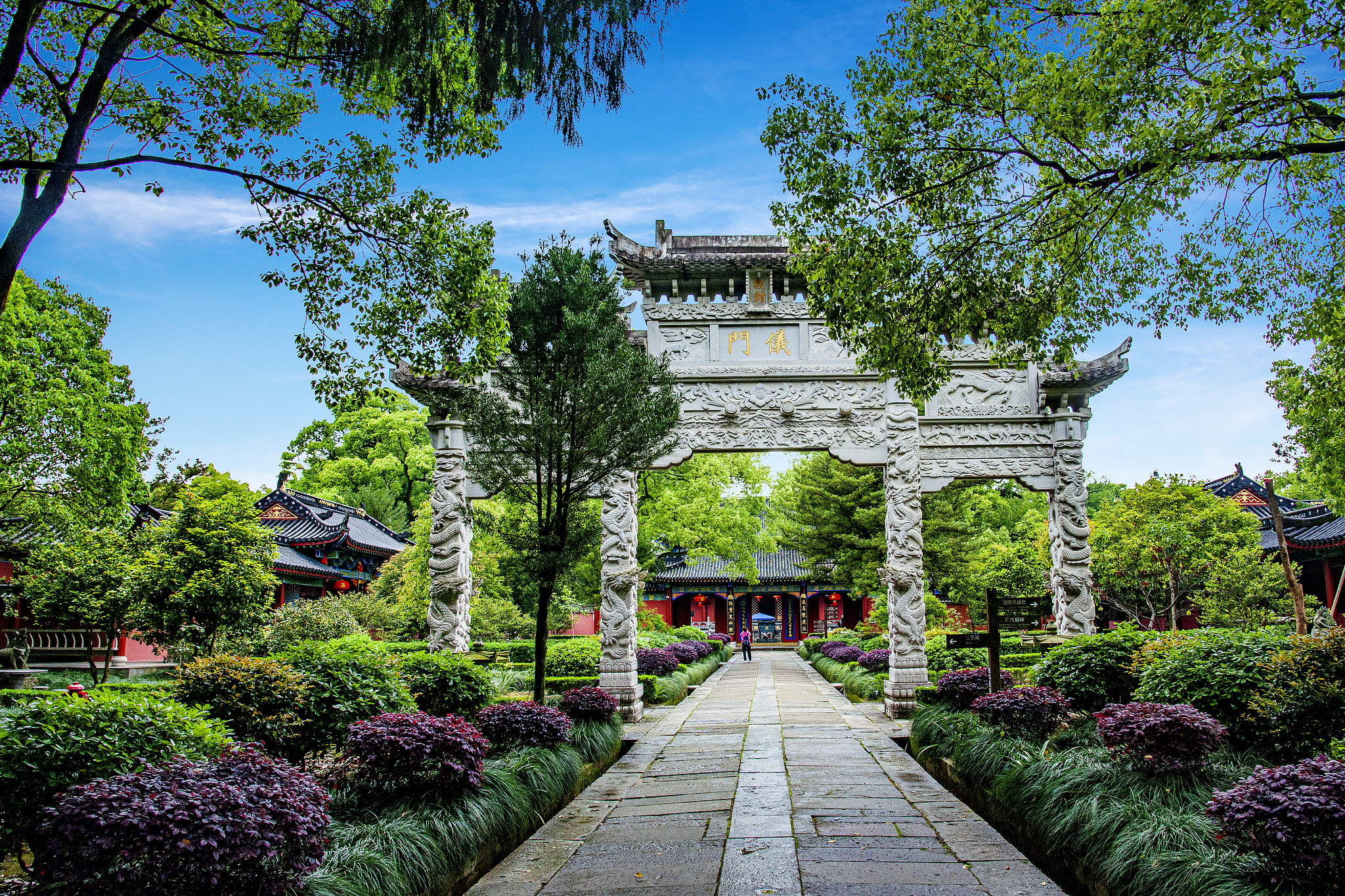
Located in Shangqing Ancient Town on Longhu Mountain, it is the residence and place of worship for successive Celestial Masters, serving as the ancestral home of the Zhengyi sect of Taoism, with grand architecture.
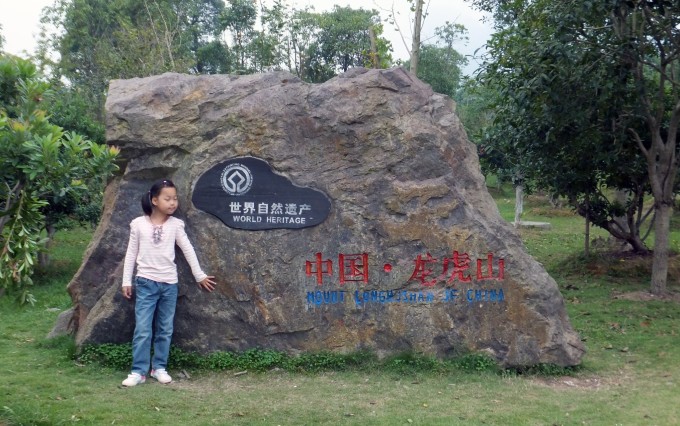
UNESCO World Heritage Sites
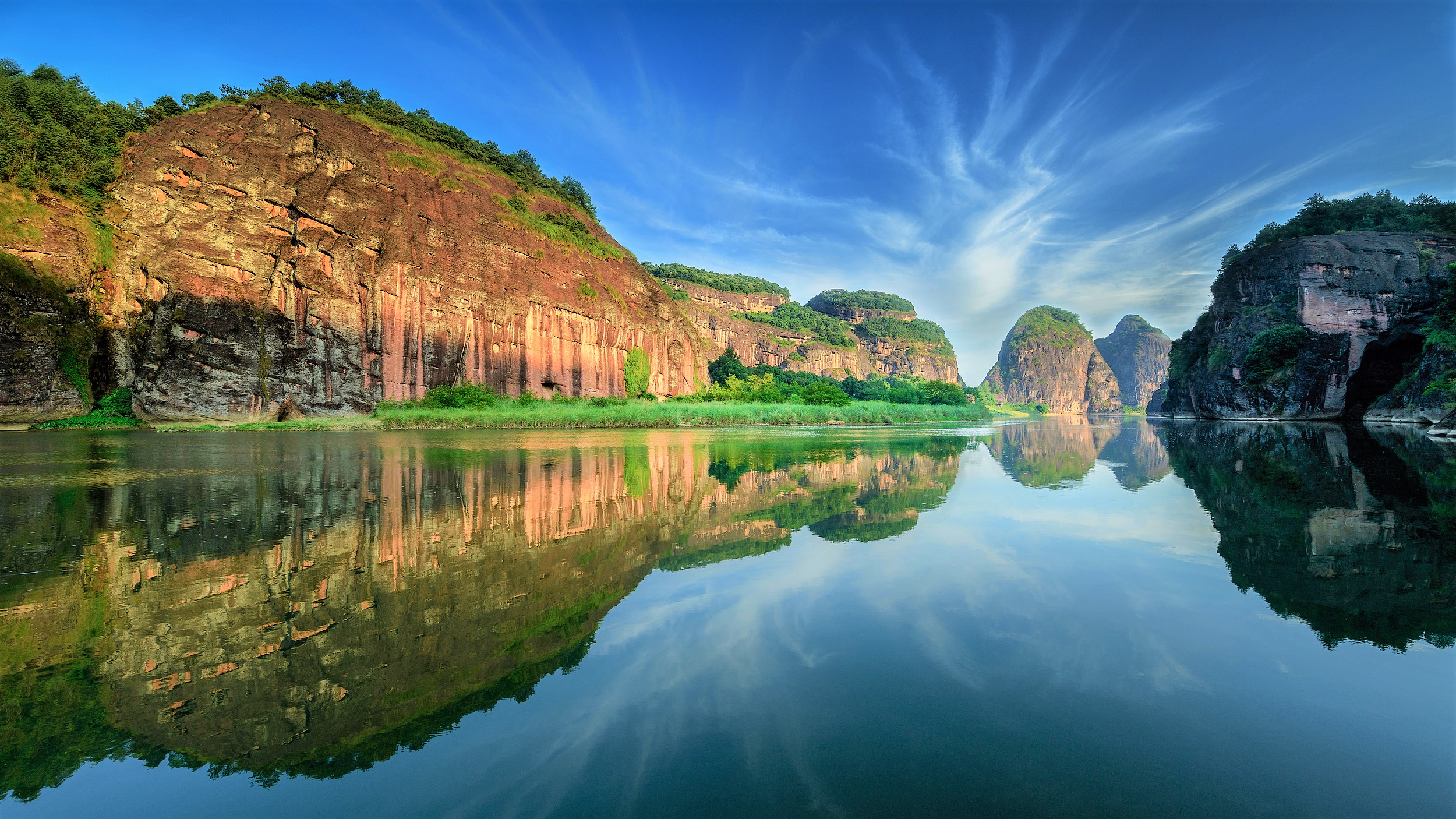
Inscribed as part of the 'China Danxia' World Natural Heritage site, famous for its spectacular Danxia landforms and Taoist culture.
Explore rich intangible cultural heritage and traditional crafts
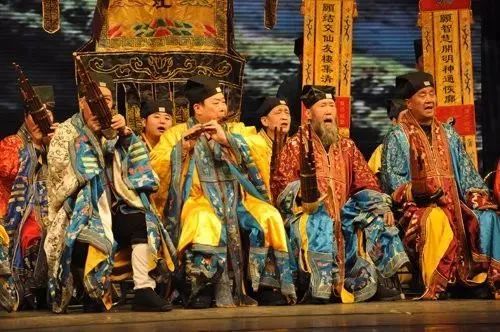
The Taoist music of Longhu Mountain in Yingtan is listed as a national intangible cultural heritage, an important part of Taoist rituals.
Must-know transportation for exploring the city
Served by the Shanghai-Kunming high-speed railway, direct trains to Shanghai, Hangzhou, Nanchang, Changsha, etc., with frequent daily services.
About 50 yuan to Nanchang, about 250 yuan to Shanghai
Intersection of Zhejiang-Jiangxi, Yingtan-Xiamen, and Anhui-Jiangxi railways, with conventional trains serving nationwide, an important railway hub.
About 20 yuan to Nanchang, about 100 yuan to Xiamen
City bus routes cover major attractions and urban areas, fare 1-2 yuan. There are also tourist shuttle buses directly to Longhu Mountain.
1-2 yuan
Taste the most authentic and popular local specialties
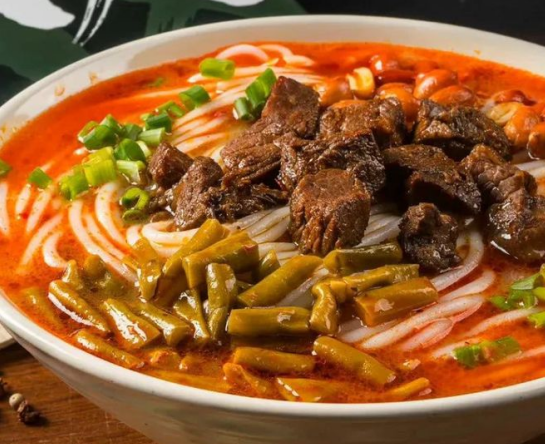
Smooth and refreshing rice noodles in pork bone broth, topped with chili, peanuts, pickled beans, etc., a local breakfast favorite.
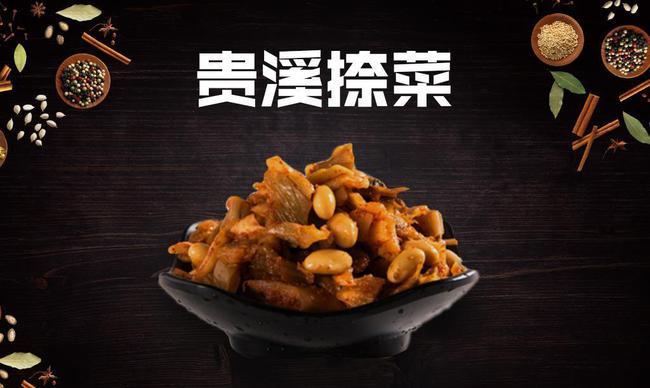
Pickled mustard greens, sour and spicy, appetizing, served with porridge or stir-fried, a traditional local side dish.
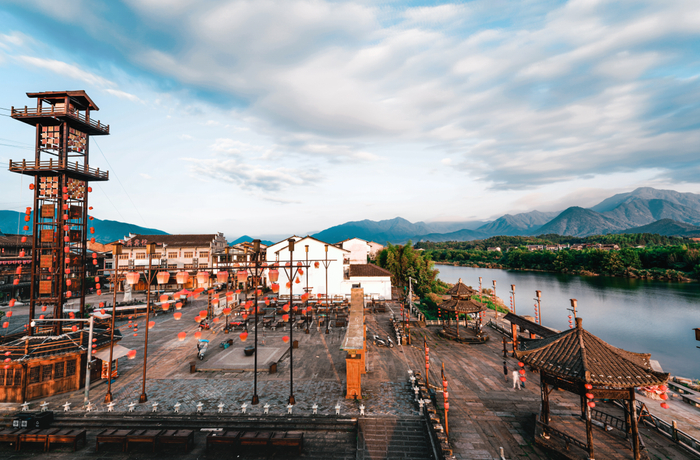
A thousand-year-old Taoist ancient town with well-preserved Ming and Qing architecture, the Luxi River flows through the town, offering a tranquil environment.
Exhibits the history, culture, and Taoist artifacts of Yingtan, including Shang and Zhou bronze ware and Taoist scriptures from various dynasties.
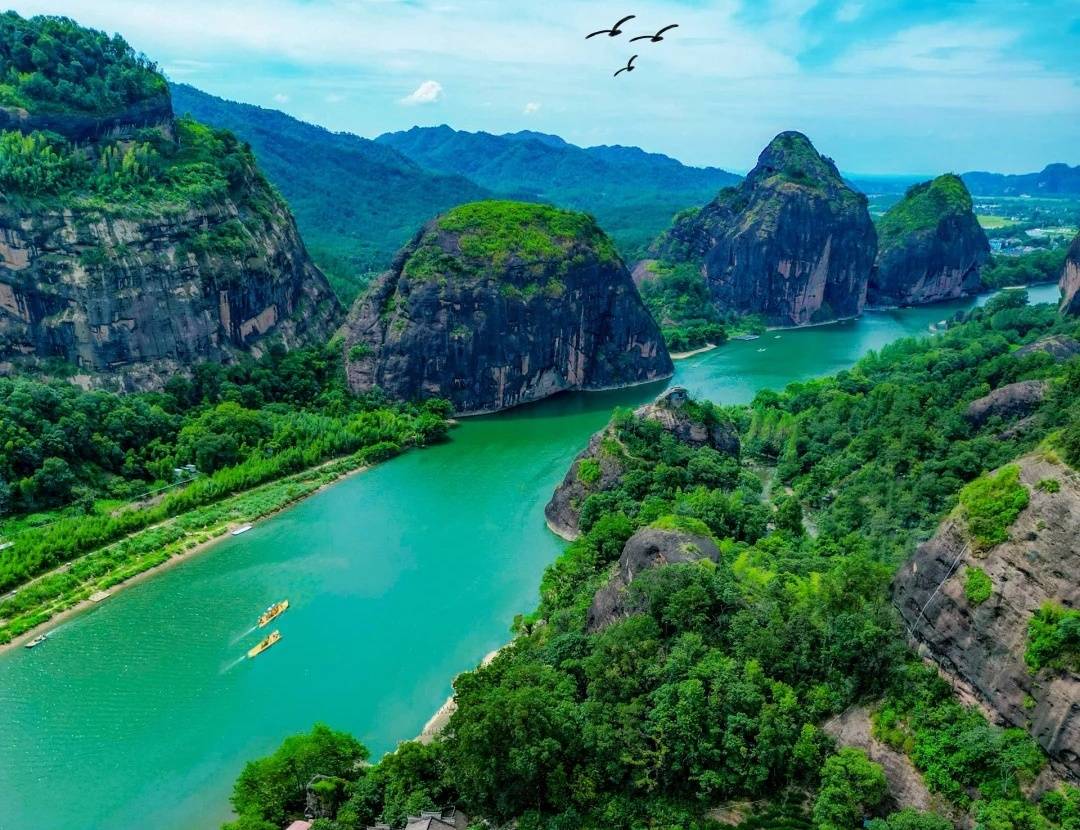
Bamboo rafting at the foot of Longhu Mountain, offering views of Danxia landforms and cliff coffins, especially refreshing in summer.
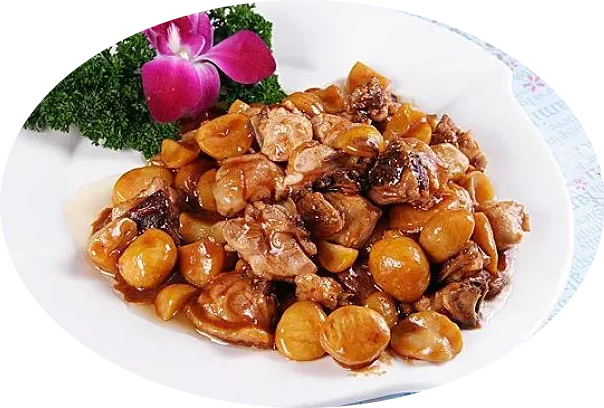
Made with local free-range chicken and chestnuts, cooked with the Celestial Master's secret sauce, tender chicken and sweet chestnuts.
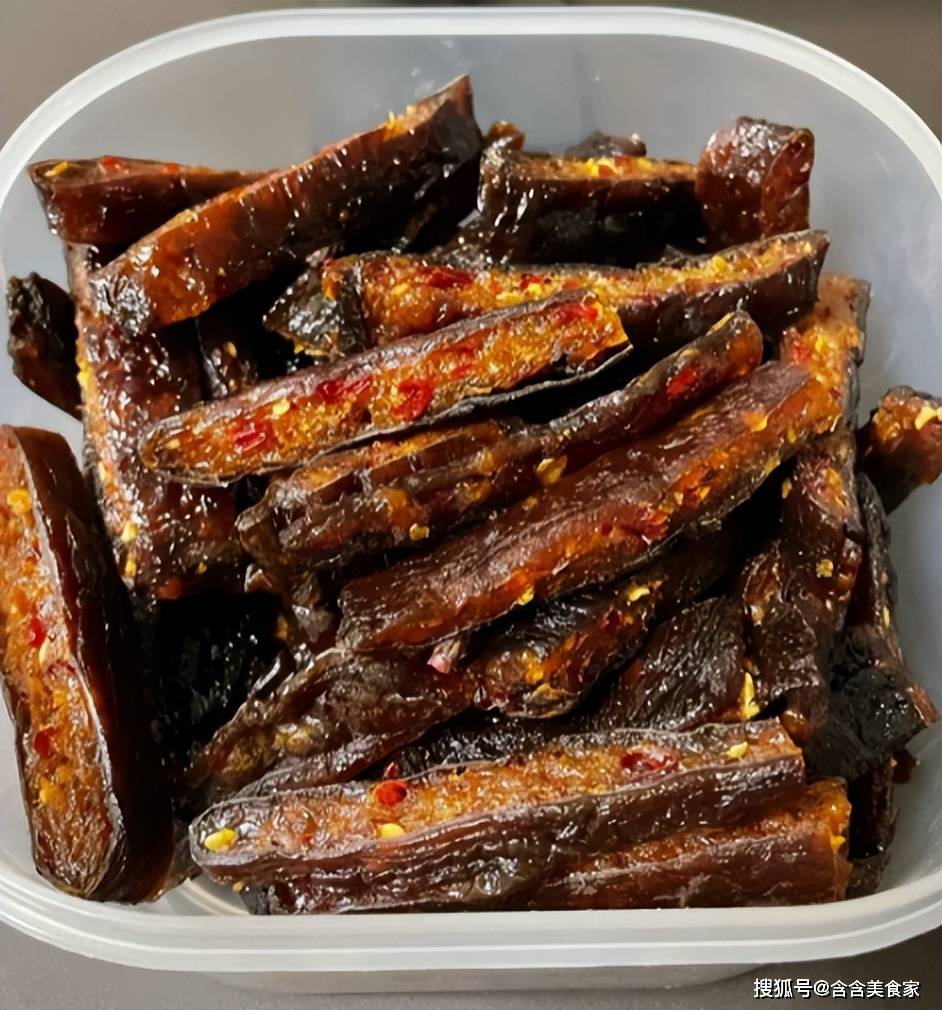
Sun-dried eggplant steamed with glutinous rice and chili, soft and sticky, spicy and delicious.
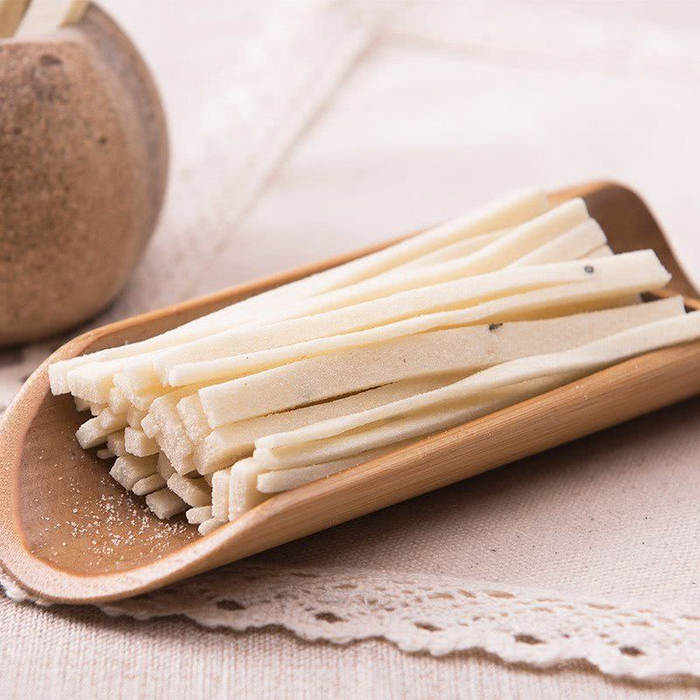
Traditional pastry shaped like a lamp wick, made from glutinous rice flour, sugar, and sesame, sweet and soft.