
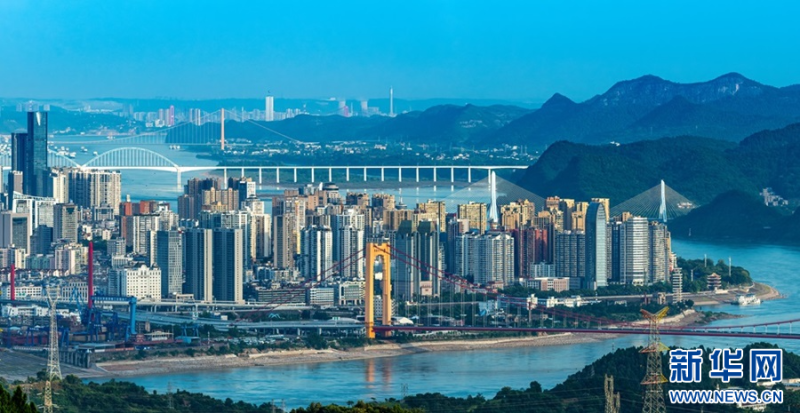
Yichang is located in the southwest of Hubei Province, at the boundary between the upper and middle reaches of the Yangtze River, known as the "Gateway to the Three Gorges." It has a subtropical monsoon humid climate with four distinct seasons and abundant rainfall. The annual average temperature is 16-18°C, with pleasant weather in spring and autumn.
Yichang has a long history, anciently called "Yiling," named for the saying "water becomes calm here, mountains become flat." During the Spring and Autumn and Warring States periods, it was one of the birthplaces of Chu culture, nurturing historical figures such as Qu Yuan and Wang Zhaojun. In modern times, it was the site of the Three Gorges Project, witnessing the development of China's hydropower industry.
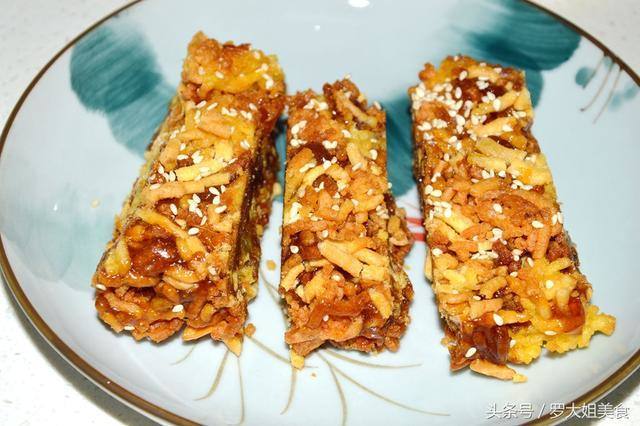
Yichang's culture blends Ba and Chu customs, with profound influences from Three Gorges folk culture, Qu Yuan culture, and the legend of Wang Zhaojun. Local specialties include Liangxia (cold shrimp jelly), radish dumplings, and Three Gorges sweet potato crisps, featuring a mix of Sichuan and Hunan spiciness and Hubei freshness.
Modern Yichang, leveraging the Three Gorges Project, has become a world-class hydropower tourism city. It boasts famous attractions such as the Three Gorges Dam and Qingjiang Gallery. With convenient transportation including Three Gorges Airport and Yichang East Railway Station, its economy is driven by tourism, hydropower, and biomedicine, developing rapidly.
The best time to visit 宜昌 is Spring and Autumn (March-May, September-November).
Spring (March-May) offers mild temperatures and blooming flowers, especially peach and rapeseed flowers along the Three Gorges, ideal for outings and flower viewing.
Autumn (September-November) features clear skies and stable water levels, with red leaves covering the Three Gorges, providing spectacular scenery—the best time to visit the Three Gorges Dam and canyon views.
Summer (June-August) is hot and rainy but perfect for Three Gorges rafting and Qingjiang summer retreat; winter (December-February) is cold with occasional snow, fewer tourists, suitable for quiet exploration.
Qu Yuan was born in Danyang of Chu (now Zigui, Yichang), a great patriotic poet and politician in Chinese history, founder of the Chu Ci style.
Wang Zhaojun was born in Zigui, Nanjun (now Xingshan, Yichang), voluntarily married a Xiongnu chieftain, promoting peace between Han and Xiongnu, a timeless tale.
Recommended places to visit
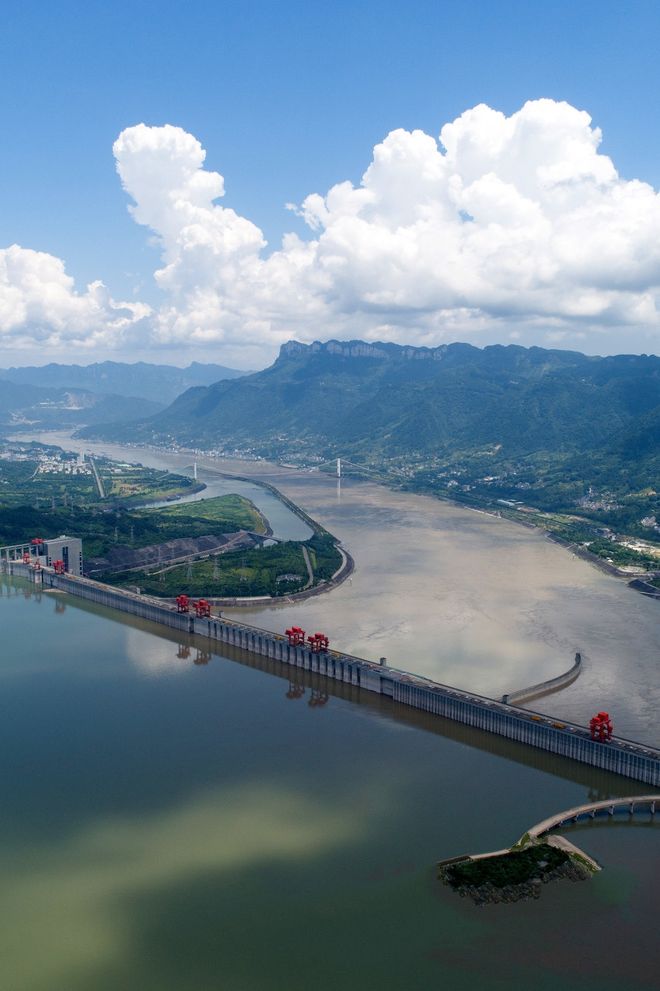
The world's largest water conservancy project, integrating flood control, power generation, and navigation. Visitors can ascend the dam to overlook the magnificent river scenery.
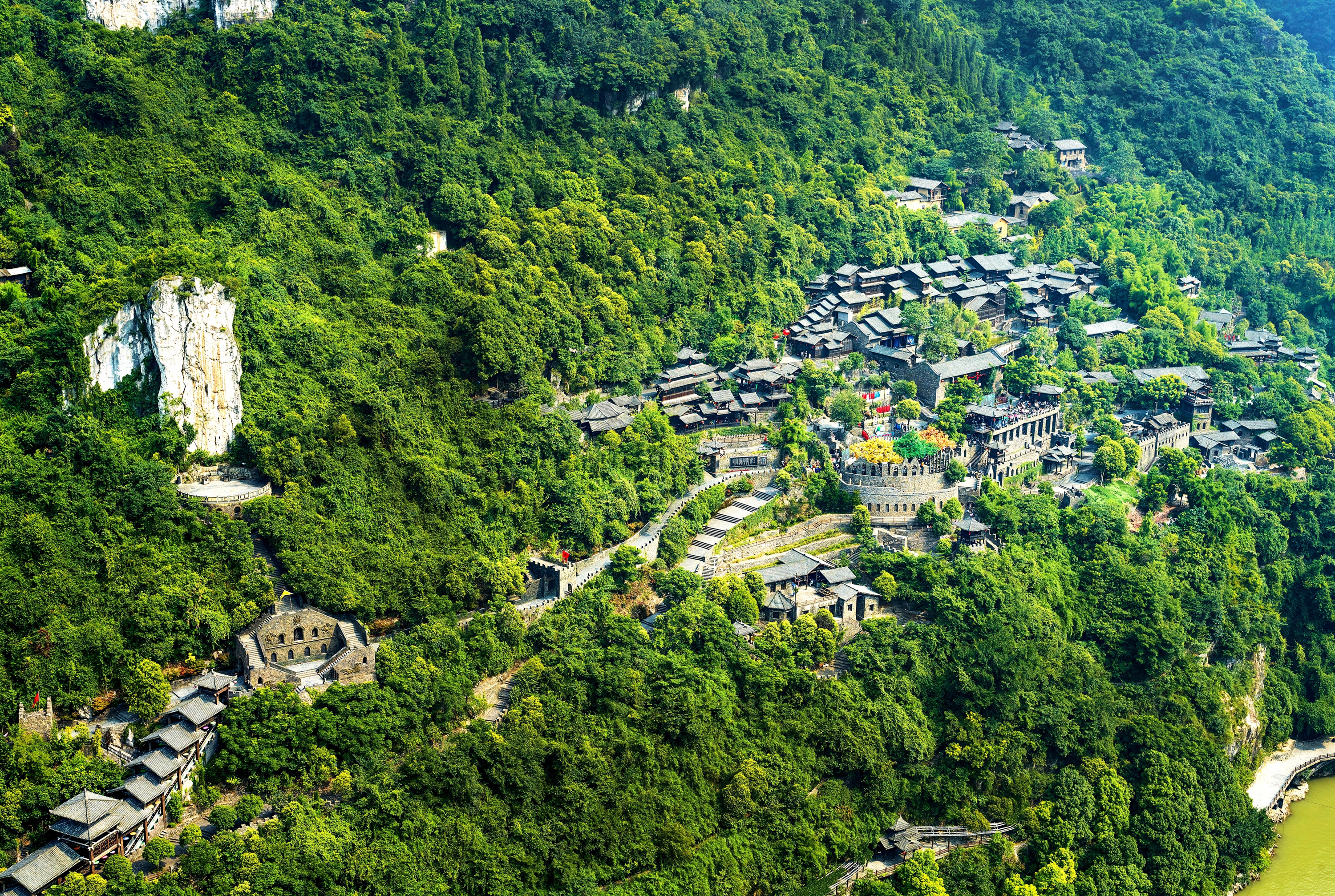
A Three Gorges folk culture scenic area built against mountains and along water, recreating Ba-Chu customs. Enjoy Tujia songs and dances and stilted buildings.
UNESCO World Heritage Sites
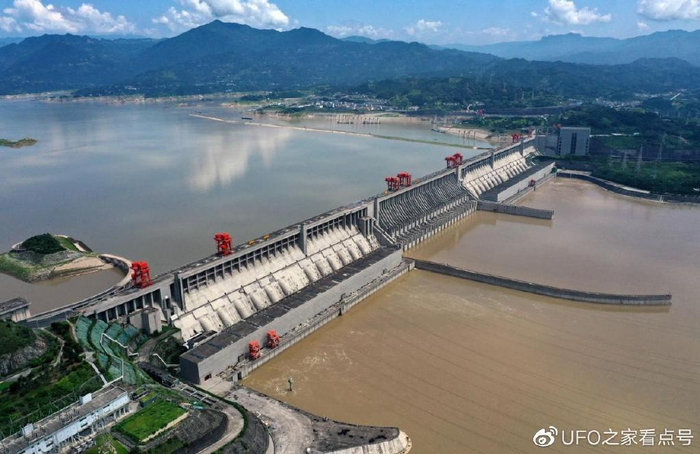
The Three Gorges Project is the world's largest water conservancy project. Although not a World Heritage site, it is a marvel of human engineering with significant historical and technological value.
Explore rich intangible cultural heritage and traditional crafts
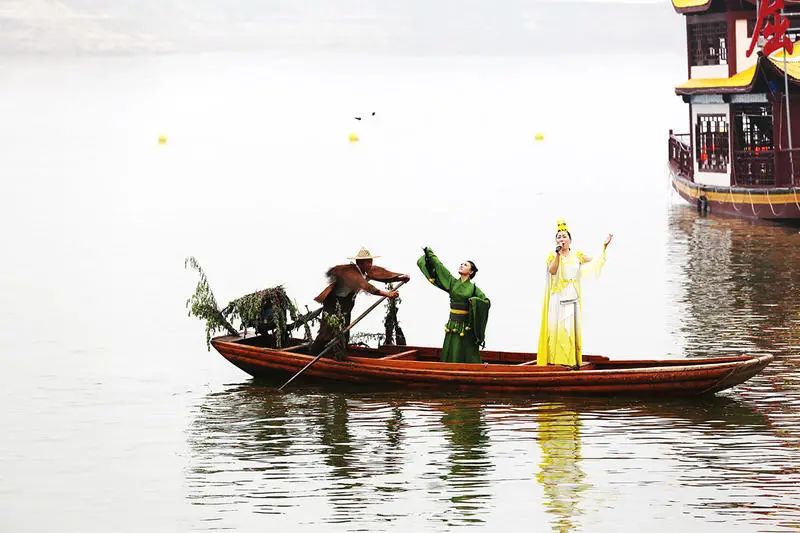
Zigui, Yichang is the hometown of Qu Yuan. Local Dragon Boat Festival customs include dragon boat racing, making zongzi, hanging mugwort, and worshipping Qu Yuan, with a long history and strong atmosphere.
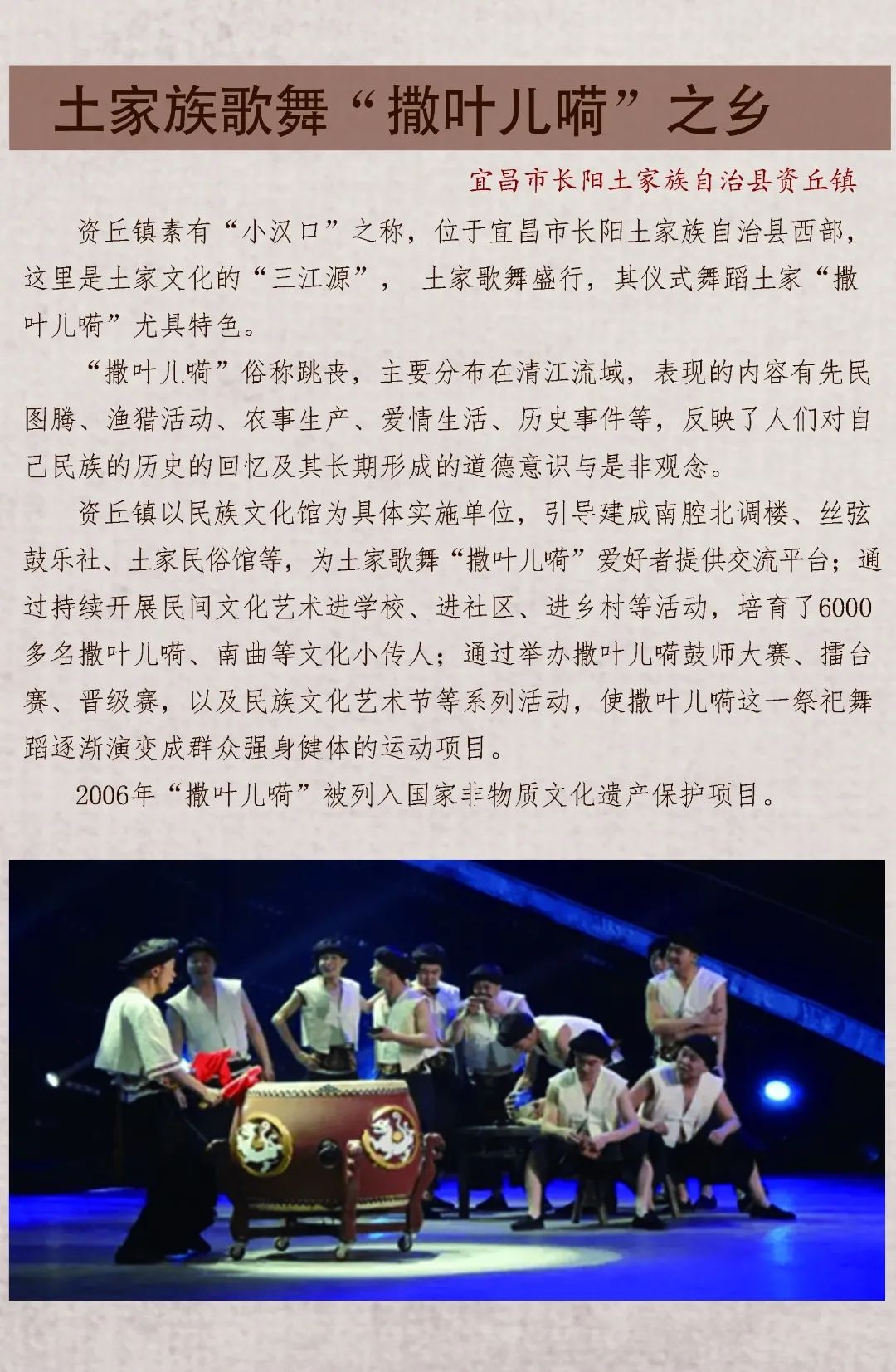
A traditional Tujia funeral dance and song, also known as 'jump mourning', using dance and song to honor the deceased, expressing a philosophical view of life. A unique Tujia custom in Yichang.
Must-know transportation for exploring the city
Located in Xiaoting District, about 26km from city center. Operates multiple domestic and international routes, with direct flights to Beijing, Shanghai, Guangzhou, etc.
Varies by route
Yichang's main high-speed rail station, located in Wujiagang District. Connects Shanghai-Wuhan-Chengdu HSR, Yichang-Wanzhou Railway, etc., providing fast access to Wuhan, Chongqing, Shanghai.
Second-class high-speed to Wuhan approx. 100 yuan
City bus routes cover major attractions and business areas. Fare is 2 yuan, payable by bus card or mobile payment. Tourist shuttle buses directly serve attractions like Three Gorges Dam.
2 yuan
Taste the most authentic and popular local specialties
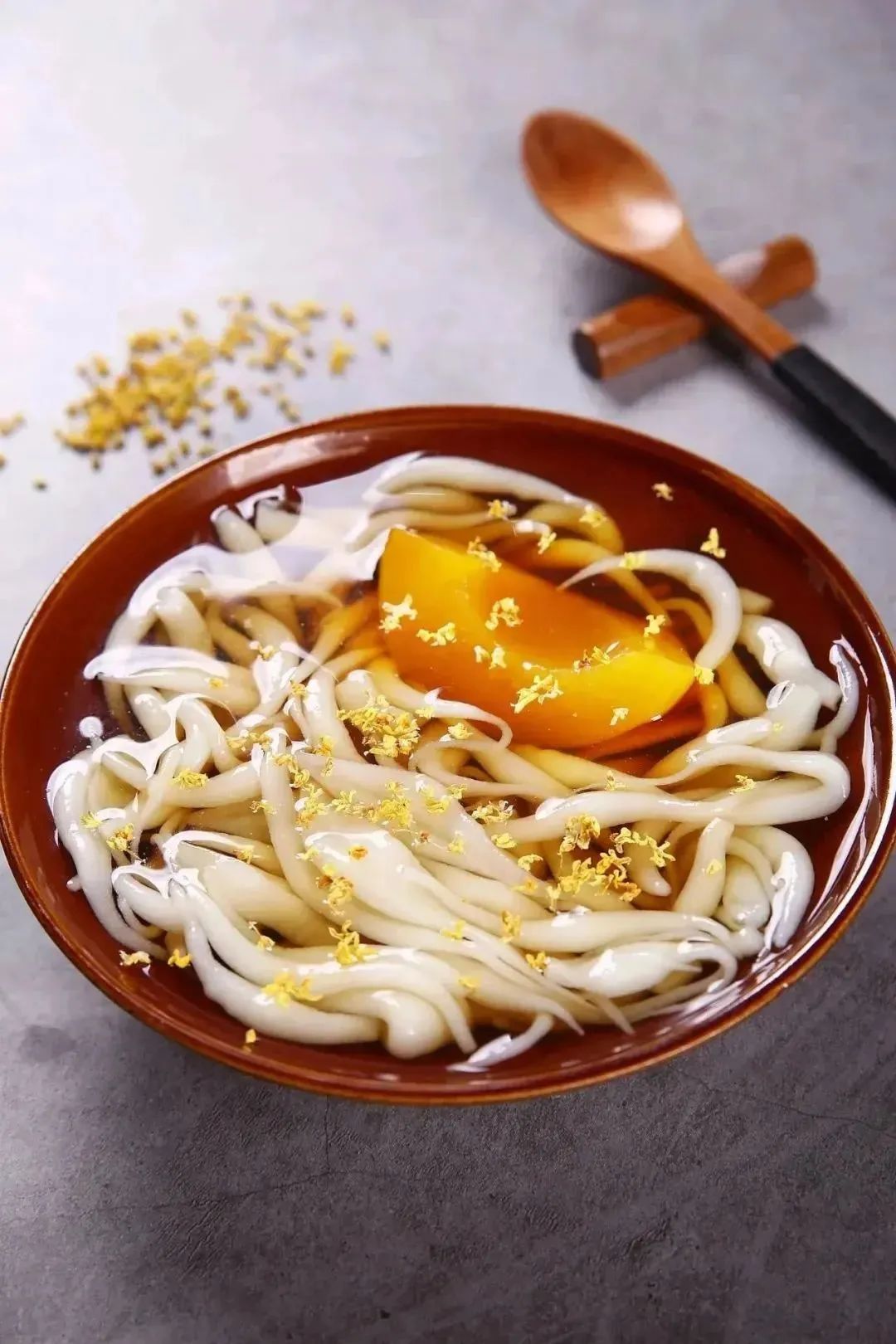
Made from rice paste cooked and dripped into cold water to form shrimp-like shapes, served with brown sugar water and osmanthus sauce. Cool and refreshing, a summer treat in Yichang.
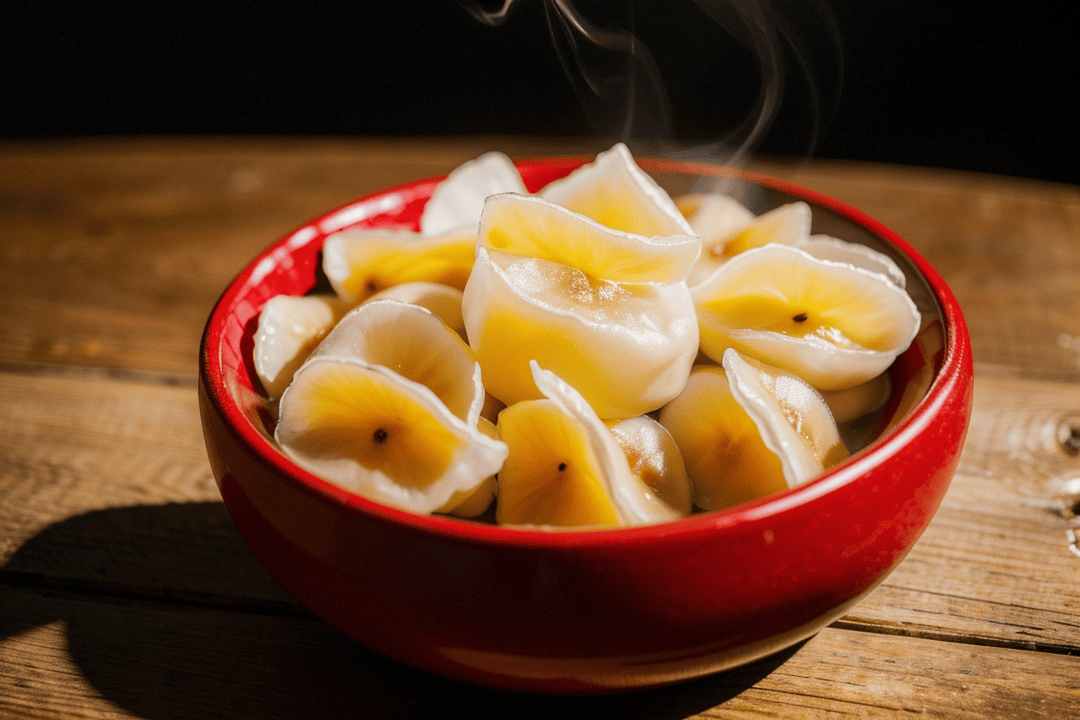
A Yichang specialty: filling made of shredded radish and minced meat, wrapped in dough and deep-fried until golden. Crispy outside, tender inside, spicy and delicious.
The Three Gorges Project officially started, with Yichang as the site, driving rapid urban development and making it the world's hydropower capital.
Yichang East Railway Station was put into operation, serving as the high-speed rail hub, connecting to the national railway network, greatly improving transportation convenience.
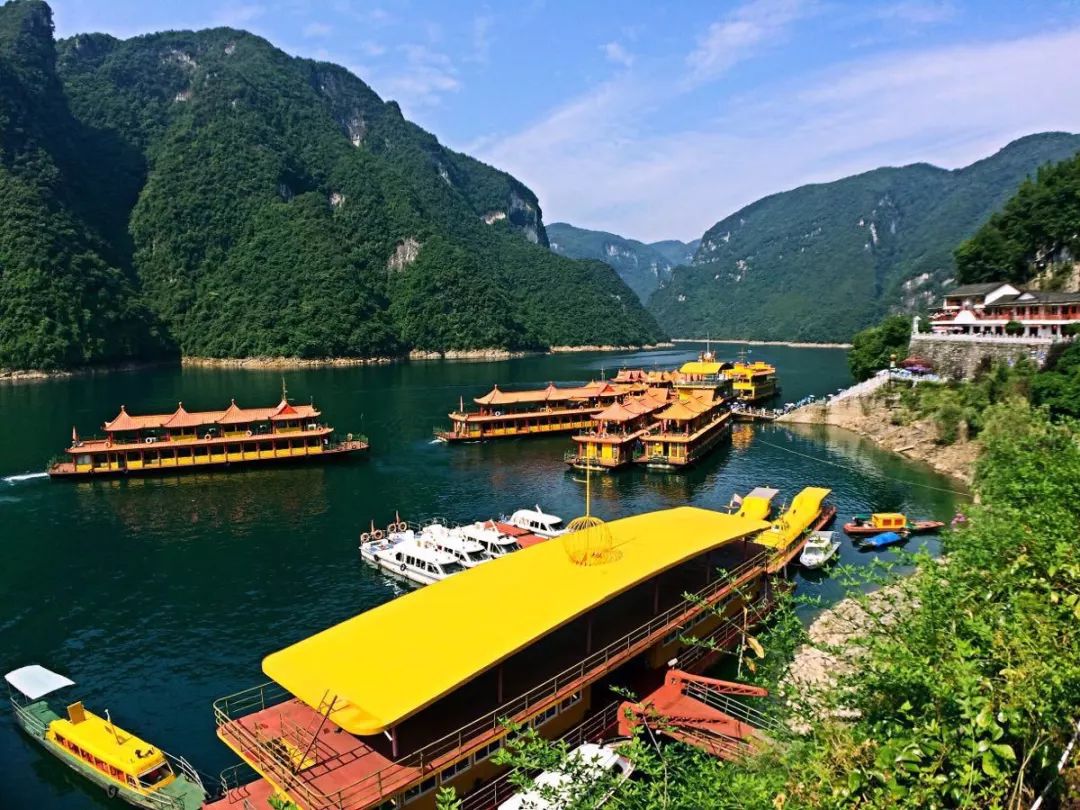
The Qingjiang River, a tributary of the Yangtze, is known for its clear water and beautiful mountains. A boat tour feels like stepping into a painting, earning the reputation '800 li of Qingjiang is as beautiful as a painting'.
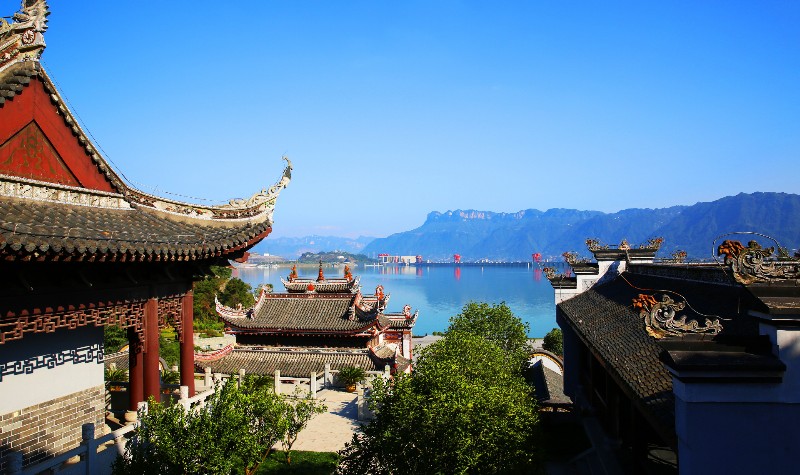
Located in Zigui County, a cultural scenic area commemorating Qu Yuan, featuring Qu Yuan Temple, Qu Yuan Tomb, etc. Dragon boat races are held every Dragon Boat Festival.
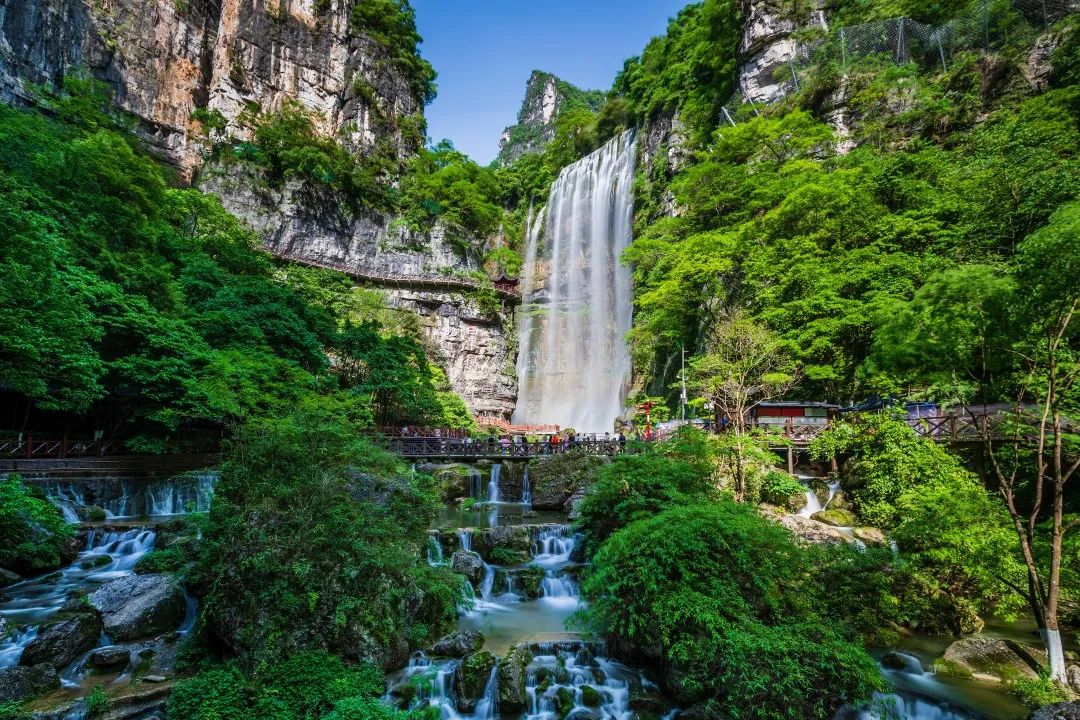
One of China's top ten waterfalls, with a main fall 102m high and 80m wide. Visitors can walk behind the waterfall, experiencing the wonder of Water Curtain Cave.
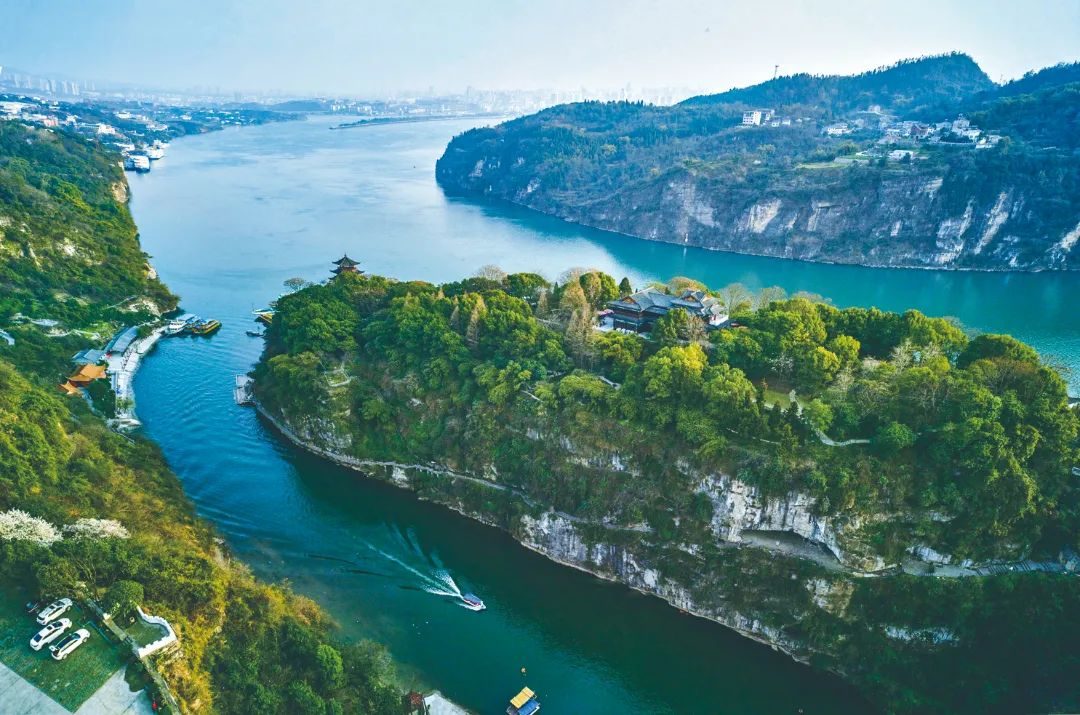
Named after three Tang Dynasty poets including Bai Juyi and Yuan Zhen who visited together. The cave is rich in stone carvings, a cultural treasure of the Three Gorges.
Made from sweet potatoes from the Three Gorges region, processed through steaming, mashing, and frying. Crispy, sweet, and melts in the mouth, a traditional tea snack.
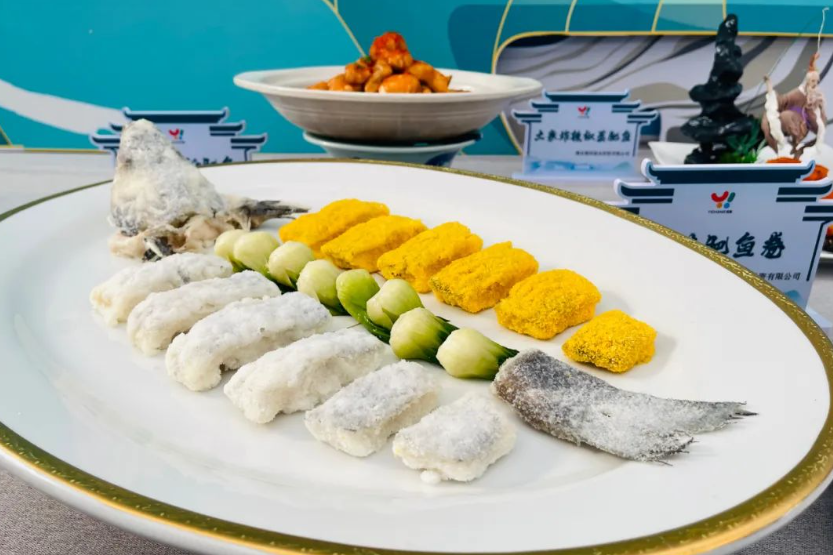
A fish unique to the Yichang section of the Yangtze River, with tender, delicious flesh and few bones. Often stewed clear or braised in soy sauce, with milky white broth, rich in nutrition.
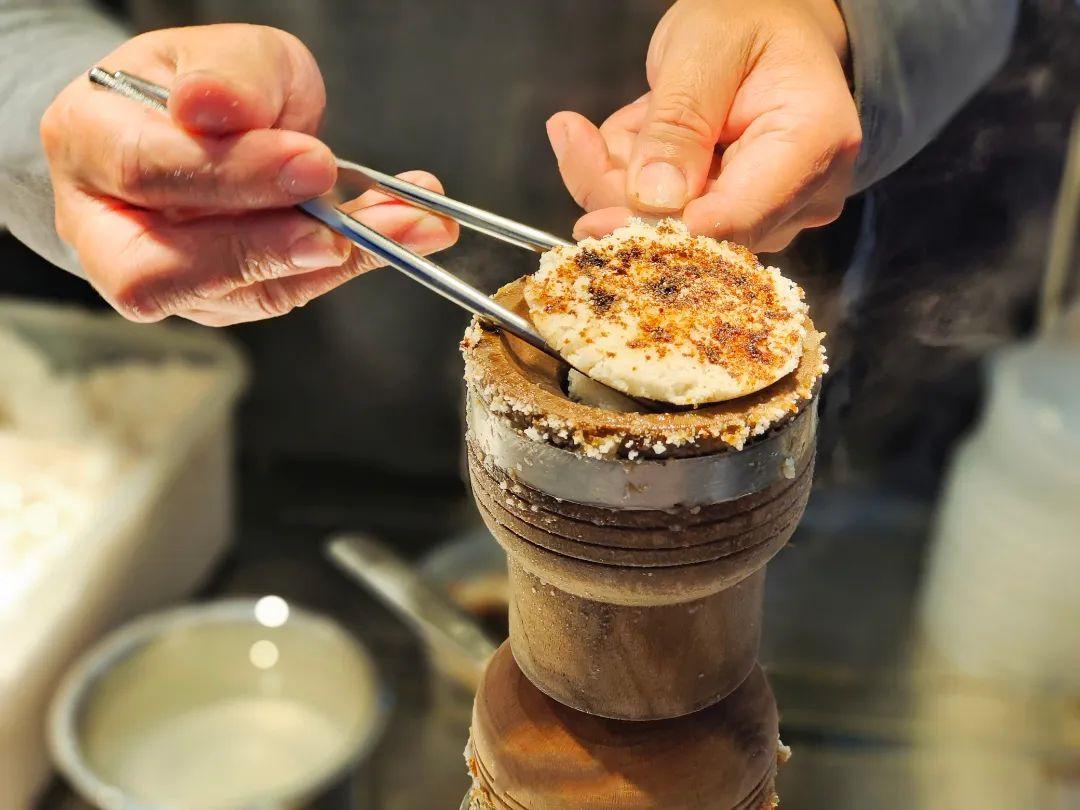
Steamed cake made from rice flour, glutinous rice flour, and brown sugar, shaped like small round cakes. Soft, fluffy, and sweet, perfect for breakfast or snack.
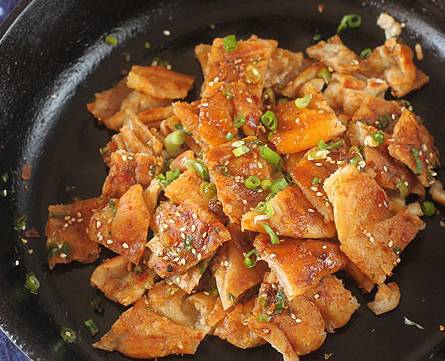
A traditional Tujia flour-based food. The pancake is brushed with special sauce, sprinkled with sesame and scallions, then baked until crispy and fragrant with rich sauce flavor.