

Located in southern Sichuan Province, Yibin sits at the junction of Yunnan, Guizhou, and Sichuan, where the Jinsha, Min, and Yangtze Rivers converge. It has a subtropical humid monsoon climate with four distinct seasons and abundant rainfall, with an average annual temperature of about 18°C.
With a history of over 2,200 years, Yibin is one of the earliest and most historically rich cities in the upper Yangtze River region. Known in ancient times as "Bodao," "Rongzhou," and "Xuzhou," it is honored as the "First City of the Yangtze River."
Yibin boasts profound cultural heritage as a key node on the Southern Silk Road, featuring unique liquor culture, bamboo culture, and Nezha culture. Its cuisine is renowned, with signature dishes like Yibin Burning Noodles, Lizhuang White Meat, and Nanxi Dried Tofu, known for their spicy and rich flavors.
As an important industrial city in Sichuan, Yibin is famous nationwide for its liquor industry, represented by Wuliangye. It is actively developing tourism, with attractions like Shunan Bamboo Sea and Xingwen Stone Sea drawing numerous visitors, while urban modernization progresses steadily.
The best time to visit 宜宾 is Spring and Autumn (March-May, September-November).
Spring (March-May): Pleasant temperatures, everything revives. In Shunan Bamboo Sea, new bamboo shoots break through the ground, offering a lush green view, making it the best time for outings and bamboo appreciation.
Autumn (September-November): Clear and crisp weather, beautiful autumn scenery. Xingwen Stone Sea features high sky and light clouds, suitable for outdoor hiking and photography.
Summer (June-August) is hot, but scenic spots like Shunan Bamboo Sea are cool and pleasant for escaping the heat; Winter (December-February) is mild, but some mountainous areas are colder.
After Qin conquered Ba and Shu, Bodao County was established in the Yibin area, marking the beginning of Yibin's administrative history.
Yibin Ran Mian originated in the late Qing Dynasty, named for its heavy oil and dryness that can be ignited with fire. It became the most representative dish of Yibin.
Recommended places to visit

One of China's ten most beautiful forests, covered with over 70,000 mu of green bamboo. Attractions include bamboo sea cableway, Colorful Waterfall, and Jade Corridor.
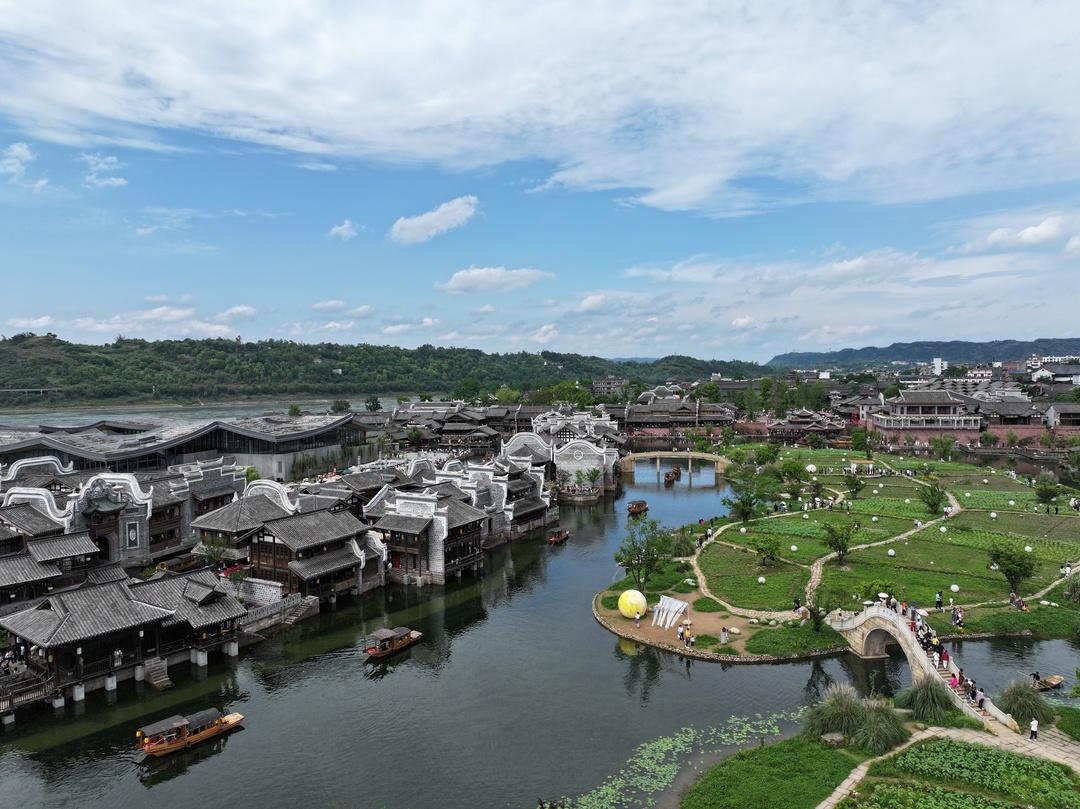
The first ancient town on the Yangtze River, with well-preserved Ming and Qing architecture, including Yuwang Palace and Dongyue Temple. It was a cultural center during the Anti-Japanese War.
Explore rich intangible cultural heritage and traditional crafts
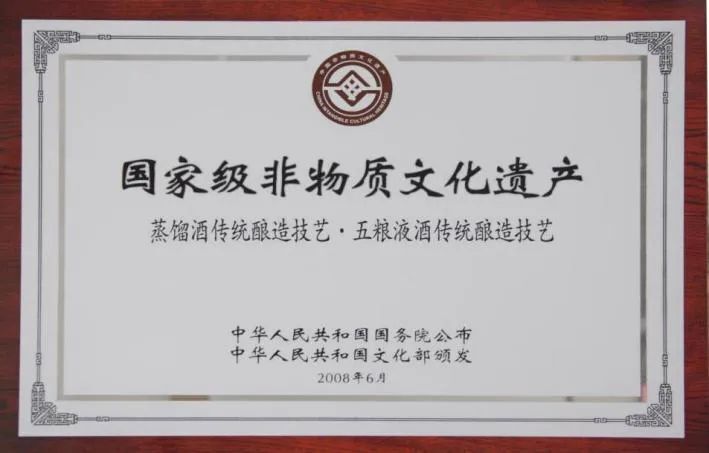
The traditional brewing technique of Wuliangye is a national intangible cultural heritage. It uses five grains (sorghum, rice, glutinous rice, wheat, and corn) as raw materials, fermented in aged pits with unique craftsmanship.
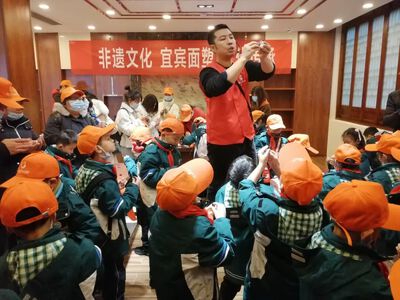
Yibin dough figurine is a provincial intangible cultural heritage of Sichuan. Made mainly from glutinous rice dough, it is shaped into various figures and animals, with bright colors and vivid forms.
Must-know transportation for exploring the city
About 11 km from the city center, with flights to major domestic cities including Beijing, Shanghai, Guangzhou, Shenzhen, and Chengdu.
Varies by route
Served by Chengdu-Guiyang High-Speed Railway, Chongqing-Kunming High-Speed Railway, etc., providing direct access to Chengdu, Guiyang, Kunming, Chongqing, and other cities.
About 110 yuan from Chengdu to Yibin
The city bus network covers major urban areas and scenic spots. Fare is 1-2 yuan, and mobile payment is accepted on some routes.
1-2 yuan
Taste the most authentic and popular local specialties
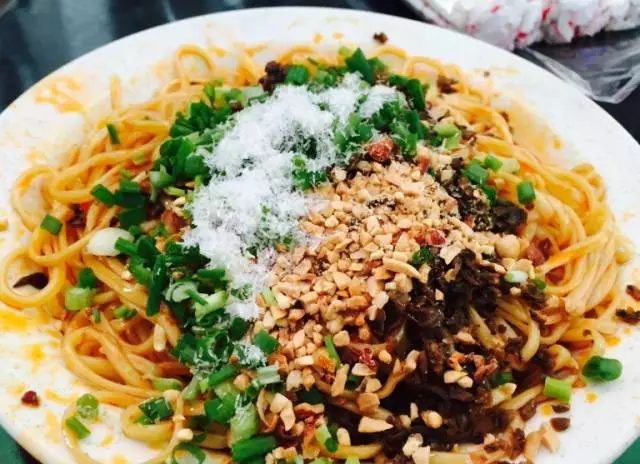
The most representative noodle dish of Yibin. The noodles are dry and oily, topped with crushed peanuts, preserved vegetables, and scallions, spicy and delicious. It is named for its flammability.
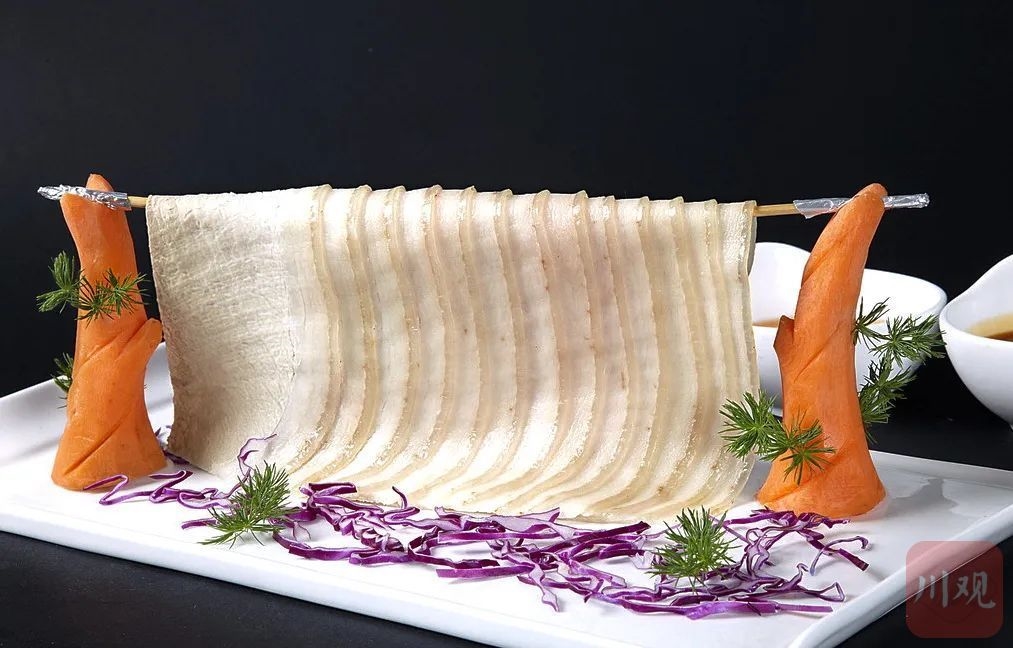
A famous dish from Lizhuang Ancient Town, made from pork hind leg, sliced thinly, and dipped in a special garlic sauce. It is fatty but not greasy, melting in the mouth.
Shunan Bamboo Sea, with its spectacular bamboo forest and rich ecological resources, was rated as one of China's top 40 tourist attractions, becoming a tourism icon of Yibin.

A UNESCO Global Geopark, famous for karst landforms featuring stone sea, tiankeng, and caves. Visitors can experience the Bo people's hanging coffins.
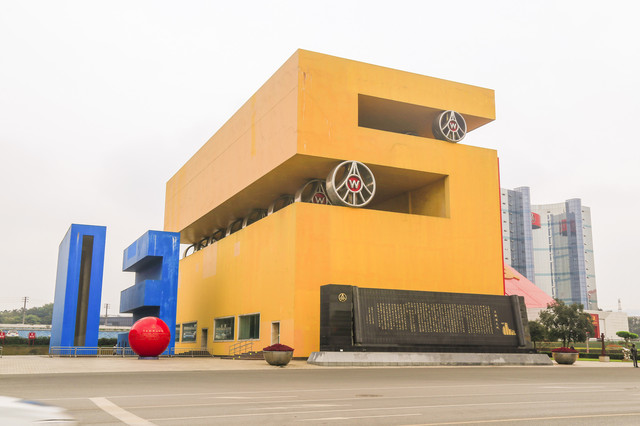
Exhibits the century-old history and craftsmanship of Wuliangye liquor. Visitors can tour the cellars, taste liquor, and learn about Chinese liquor culture.

A city forest park with attractions like Nezha Palace and Thousand Buddha Temple. It offers a panoramic view of Yibin and is a popular leisure spot for locals.
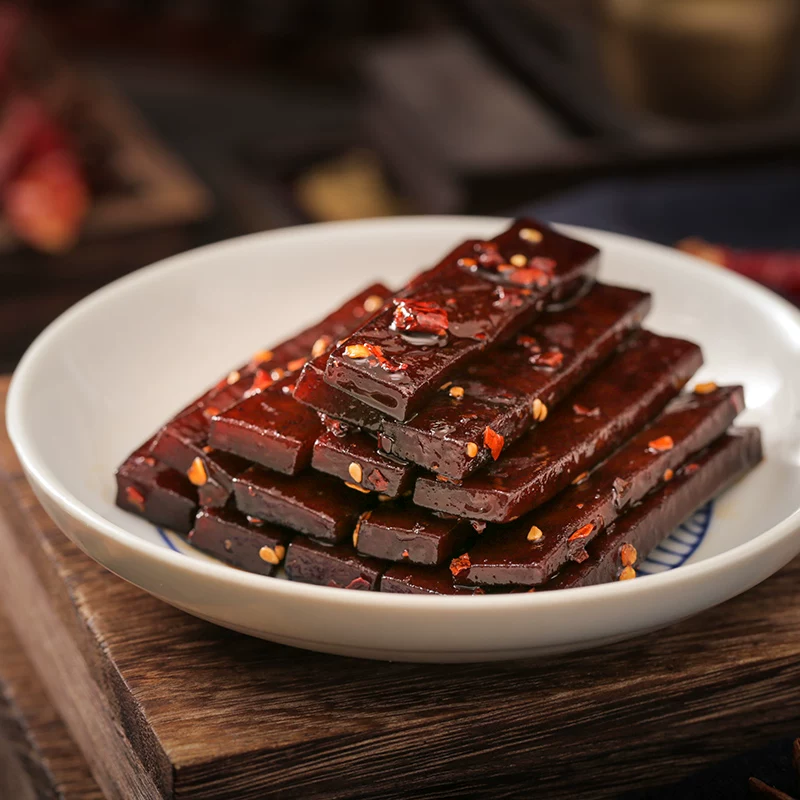
A specialty of Nanxi, the dried tofu is fine in texture with rich brine flavor. Available in spicy, five-spice, and other flavors, perfect as a side dish.
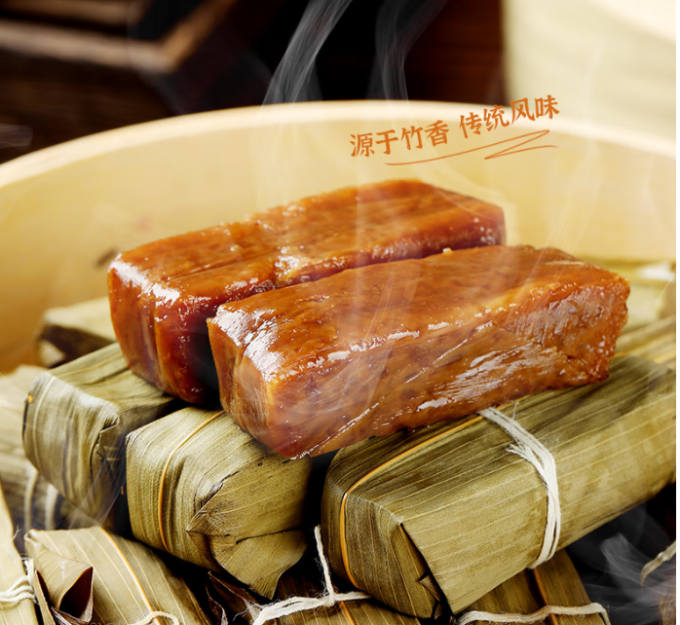
Steamed with glutinous rice, brown sugar, and galangal leaves, it has a golden color, soft and sticky texture, and sweet taste. It is a traditional festival food.
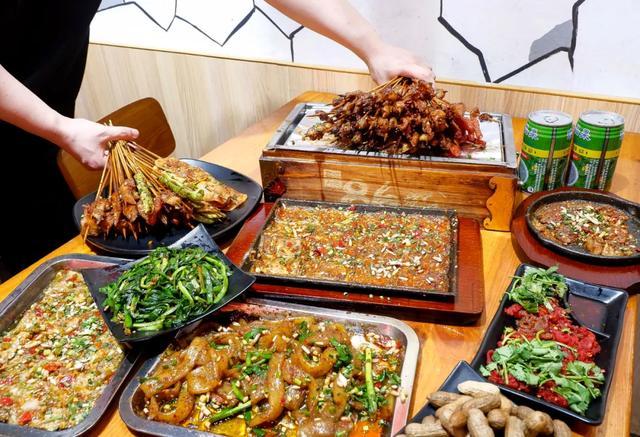
Yibin barbecue is charcoal-grilled, featuring specialties like grilled whole eggplant, grilled pig brain, and grilled beef, served with secret dipping sauce, spicy and satisfying.