
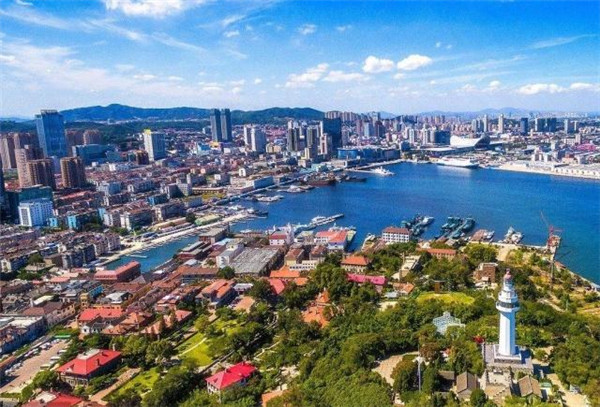
Yantai is located in the northeastern part of the Shandong Peninsula, bordering the Yellow Sea to the east and the Bohai Sea to the north, facing the Liaodong Peninsula across the sea. It has a temperate monsoon climate with four distinct seasons, mild winters and cool summers, with an average annual temperature of around 12°C, making it a famous summer resort.
Yantai, known as Zhifu in ancient times, has a long history. As early as the Spring and Autumn period, it was an important node on the Maritime Silk Road. In the Ming Dynasty, to defend against Japanese pirates, the Qishan Defense Thousand Household Station was established. In the Qing Dynasty, it became one of the first treaty ports in the north.
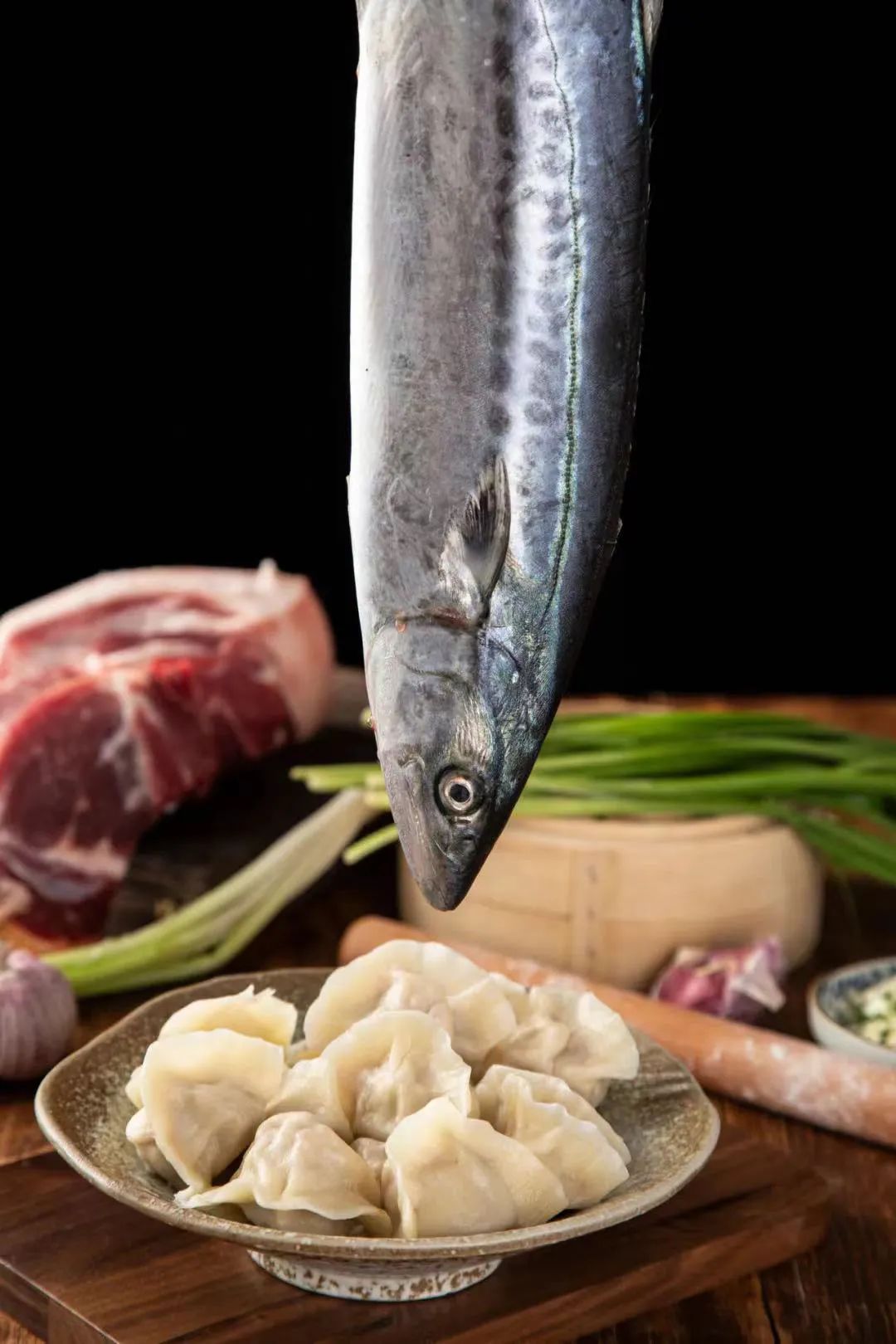
Yantai is one of the birthplaces of Lu cuisine, featuring seafood with a fresh and salty flavor. Local specialties include Yantai Menzi, Penglai Xiaomian, and Mackerel Dumplings. It is also the only International Grape and Wine City in Asia, home to century-old wine brands like Changyu.
Yantai is a core city in Shandong's New and Old Kinetic Energy Conversion Comprehensive Pilot Zone, with national-level industrial parks such as Yantai Economic and Technological Development Zone and Yantai High-tech Industrial Development Zone. In 2023, its GDP exceeded one trillion yuan, making it an important node city in the Bohai Rim Economic Circle.
The best time to visit 烟台 is Best travel time: April to October.
Spring (April-May): Yantai Mountain and Kunyu Mountain are covered with blooming flowers, pleasant climate, suitable for spring outings and flower viewing.
Summer (June-August): Peak season for coastal tourism, beaches are open for swimming and beachcombing, but be aware of typhoons.
Autumn (September-October): Clear and crisp weather, seafood is abundant, grapes are ripe, ideal for wine culture experiences.
In 1398, the 31st year of Hongwu in the Ming Dynasty, the Qishan Guard was established in Yantai to defend against Japanese pirates, building a city and stationing troops, from which Yantai got its name.
In 1861, the 11th year of Xianfeng in the Qing Dynasty, Yantai was forced to open as a treaty port under the Treaty of Tianjin, becoming the first trading port in Shandong, with 17 countries including Britain, France, and the US establishing consulates.
In 1892, patriotic overseas Chinese Zhang Bishi founded Changyu Wine Company in Yantai, pioneering industrial winemaking in China.
Recommended places to visit
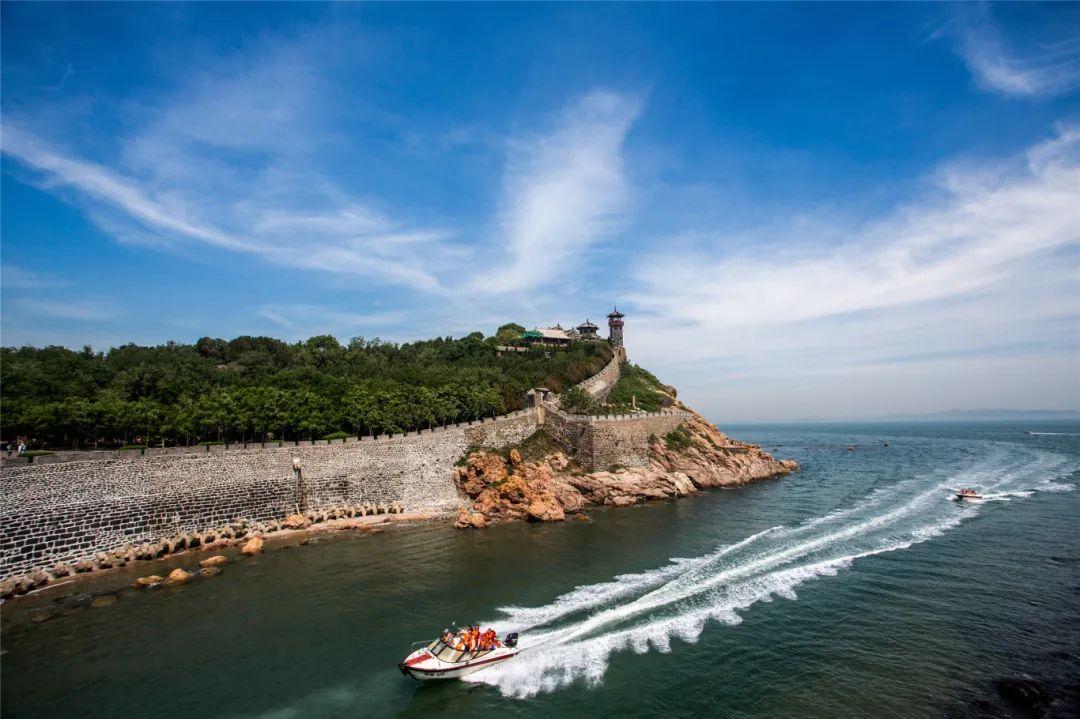
Penglai Pavilion is one of the four great ancient towers in China, built in the Song Dynasty, standing by the sea. It is the legendary place where the Eight Immortals crossed the sea. The scenic area includes Penglai Pavilion, Tianheng Mountain, and Sanxian Mountain, and is a 5A-level scenic spot.

Yantai Mountain is a landmark scenic area that combines coastal natural scenery, treaty port culture, and historical relics. It houses Asia's earliest modern lighthouse and former consulates of various countries, and is a 4A-level scenic spot.
Explore rich intangible cultural heritage and traditional crafts
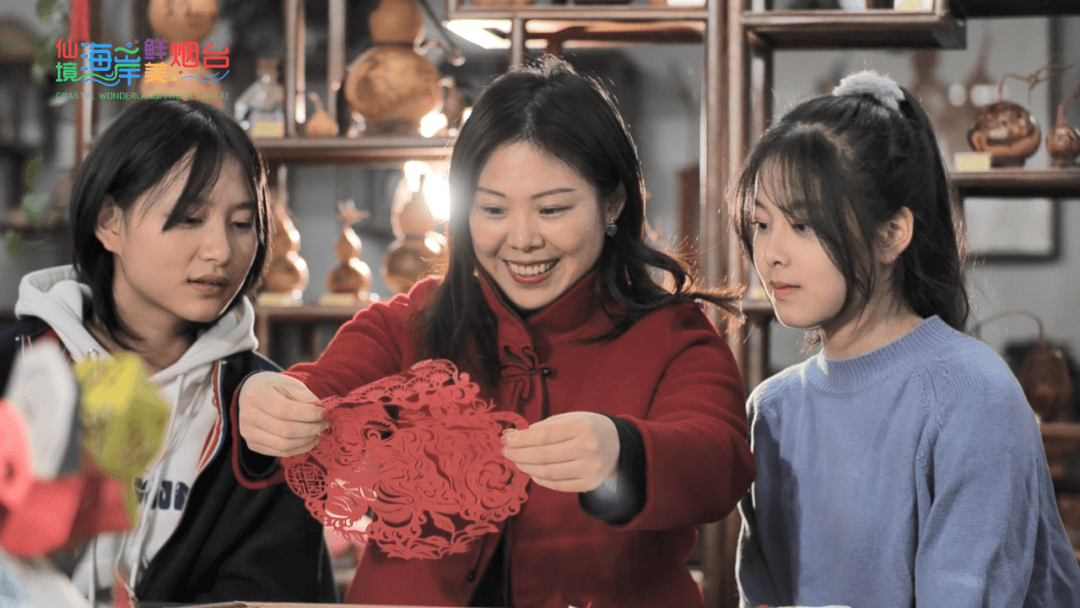
Yantai paper-cutting is a national intangible cultural heritage, known for its exquisite composition, smooth lines, and wide range of themes, often used for festive decorations.
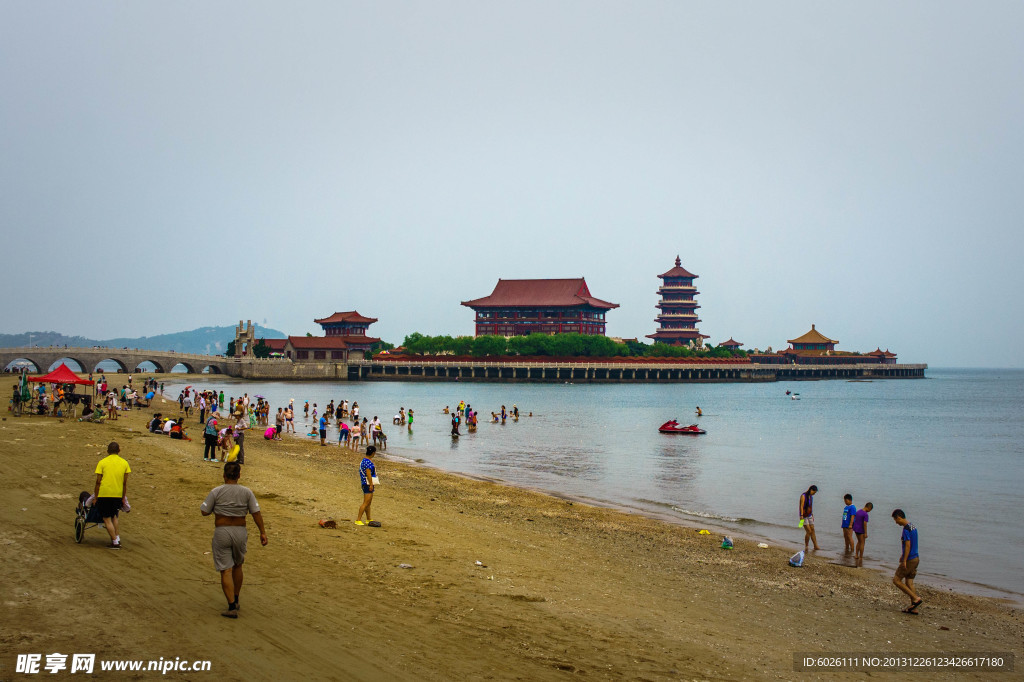
The legend of the Eight Immortals crossing the sea originates from Penglai, Yantai, telling the story of eight immortals crossing the sea. It is a national intangible cultural heritage, rich in mythological color.
Must-know transportation for exploring the city
Located in Penglai District, about 40 km from the city center. Offers flights to major domestic cities like Beijing, Shanghai, Guangzhou, and international routes to Seoul, Osaka, etc.
Airport bus 25 RMB, taxi about 120 RMB
Yantai Station is in the city center, serving regular trains and some bullet trains; Yantai South Station is a high-speed rail station on the Qingrong Intercity Railway, providing direct access to Beijing, Shanghai, Jinan, Qingdao, etc.
High-speed to Qingdao about 80 RMB, to Beijing about 300 RMB
The bus network in Yantai city covers a wide area, fare 1-2 RMB, supports mobile payment. Tourist buses go to major attractions.
1-2 RMB
Taste the most authentic and popular local specialties

A jelly made from sweet potato starch, cut into pieces and pan-fried until golden, served with garlic paste, sesame sauce, and vinegar. Crispy on the outside and tender inside, it is a representative street snack in Yantai.
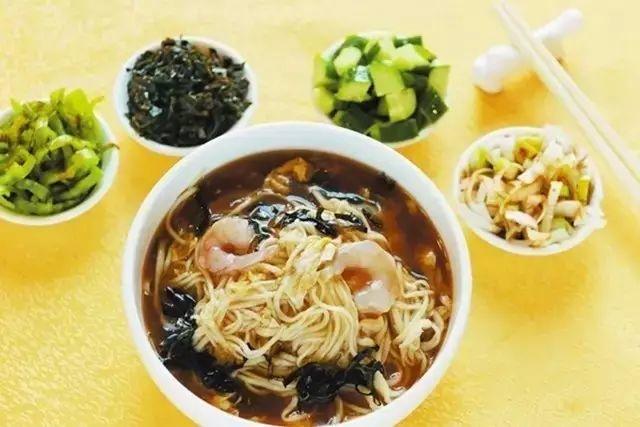
A specialty noodle dish from Penglai area. The noodles are as thin as hair, and the soup is made from sea bream, oysters, and other seafood, extremely delicious.

Changdao consists of 32 islands and is a national nature reserve, famous for sea erosion landforms, island scenery, and fishing village homestays. Main attractions include Jiuzhang Cliff, Crescent Bay, and Linhai Park.
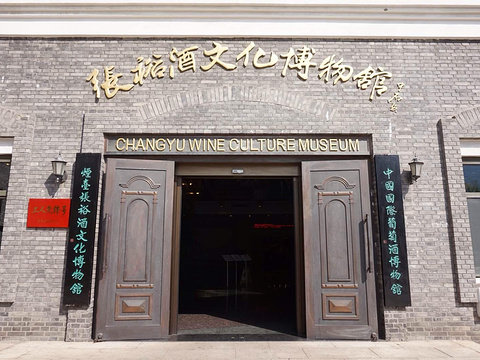
Located at the former site of Changyu Company, it is China's first world-class wine museum. It displays Changyu's century-long history, winemaking techniques, and underground cellars, with wine tasting available.
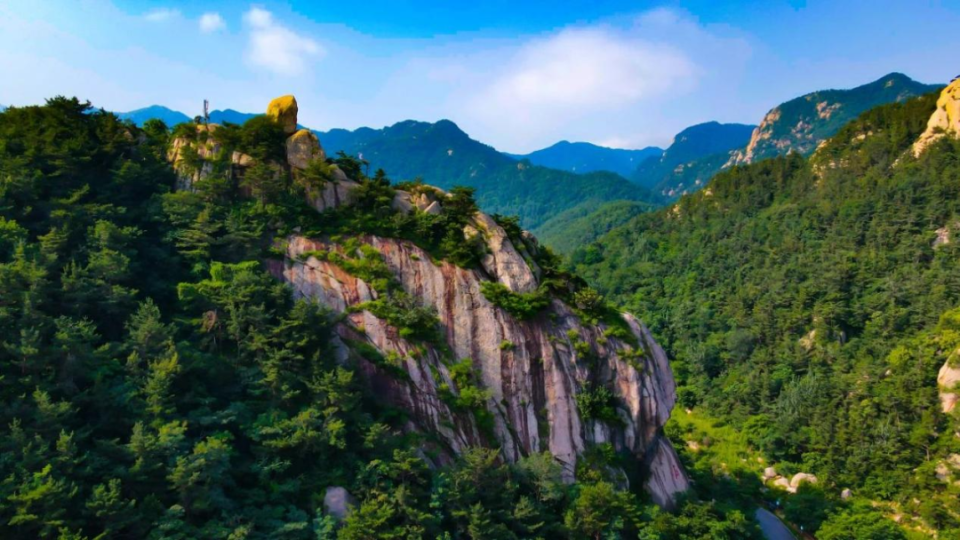
Kunyu Mountain is the birthplace of the Quanzhen School of Taoism, with high forest coverage. Attractions include Taibo Peak and Nine Dragon Pool. It is a 4A-level scenic spot and national forest park.
Made with fresh Spanish mackerel as filling, mixed with pork belly and chives, the fish is tender and juicy. It is a must-have dish on Yantai dining tables.
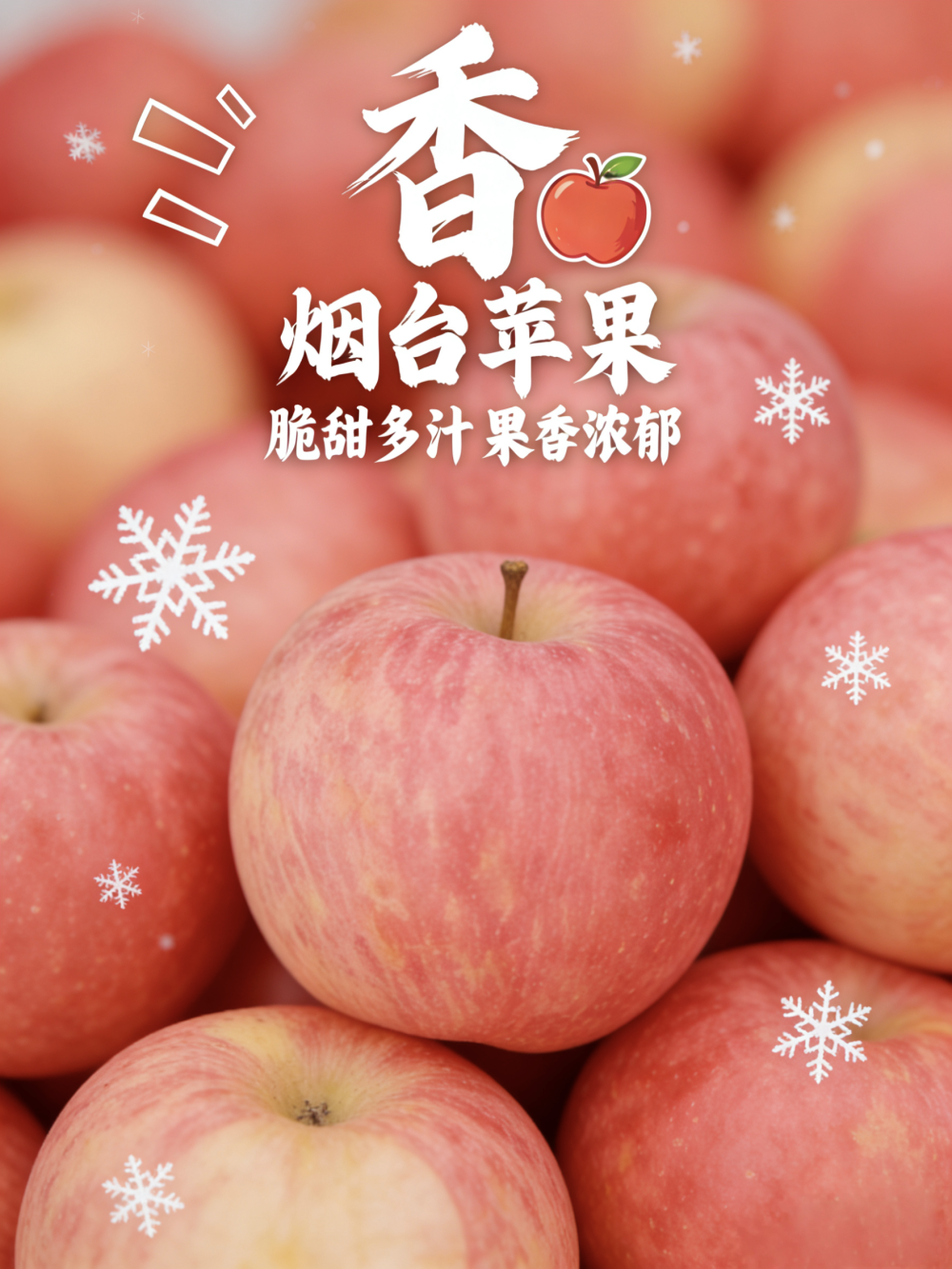
Yantai is the apple capital of China, producing apples with bright color, juicy and crisp sweetness. Varieties include Red Fuji and Gala.

Yantai is the largest wine-producing region in China, with brands like Changyu and Great Wall renowned domestically and internationally. The wine has deep color, rich fruit aroma, and mellow taste.