
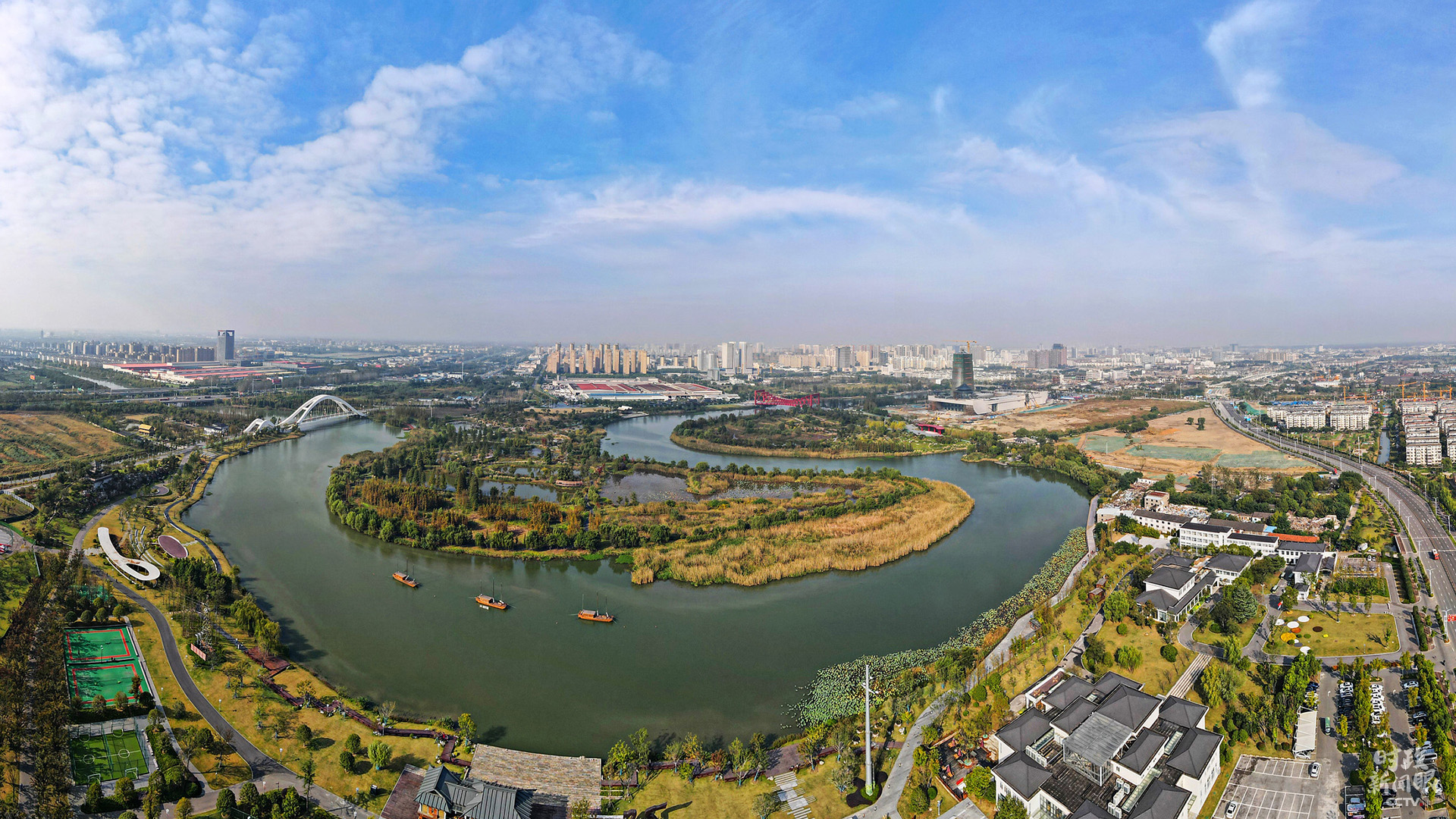
Yangzhou is located in central Jiangsu Province, on the north bank of the lower reaches of the Yangtze River, at the southern end of the Jianghuai Plain. It has a subtropical monsoon humid climate with four distinct seasons and abundant rainfall. The annual average temperature is about 15°C, with spring and autumn being the most pleasant.
The history of Yangzhou dates back to 486 BC when King Fuchai of Wu excavated the Han Canal and built Hancheng, marking the beginning of over 2,500 years of glory. During the Sui and Tang dynasties, Yangzhou became one of the largest commercial centers in the country thanks to the Grand Canal, earning the reputation 'Yangzhou first, Yizhou second.' In the Ming and Qing dynasties, salt merchants gathered, and the economy and culture reached their peak.
Yangzhou's culture is renowned for its gardens, calligraphy and painting, opera, and crafts. Slender West Lake, Ge Garden, and He Garden represent the exquisite artistry of classical Chinese gardens. Yangzhou is the birthplace of Huaiyang cuisine, known for its fine knife skills and fresh, delicate flavors. Signature dishes include Yangzhou fried rice, lion's head meatballs, and braised shredded dried tofu. Additionally, intangible cultural heritage such as Yangzhou paper-cutting, lacquerware, and jade carving are exquisite.
Modern Yangzhou is an important city in the Yangtze River Delta economic zone, with pillar industries including automobile manufacturing, electronic information, and new energy. At the same time, Yangzhou emphasizes ecological protection and tourism development, having won the UN-Habitat Scroll of Honor. With the opening of high-speed rail, transportation has become more convenient, attracting a large number of tourists.
The best time to visit 扬州 is Spring and Autumn (March-May, September-November).
Spring (March-May): Yangzhou's qionghua flowers bloom, willows sway by Slender West Lake, with warm and humid weather, making it the best time for flower viewing and outings.
Autumn (September-November): The sky is clear and crisp, with red maples and ginkgo trees in gardens displaying vibrant colors, perfect for photography and outdoor activities.
Summer is hot and rainy, winter is damp and cold, but winter offers hot springs and New Year customs with fewer tourists.
King Fuchai of Wu dug the Han Canal to connect the Yangtze and Huaihe rivers, and built Hancheng beside it, marking the beginning of Yangzhou's history.
Emperor Yang of Sui ordered the excavation of the Grand Canal, making Yangzhou a transportation hub between north and south, leading to rapid economic and cultural development and a golden age.
During the Qing Dynasty, salt merchants in Yangzhou amassed great wealth and built numerous private gardens, such as Ge Garden and He Garden, pushing Yangzhou's garden art to its peak.
Recommended places to visit
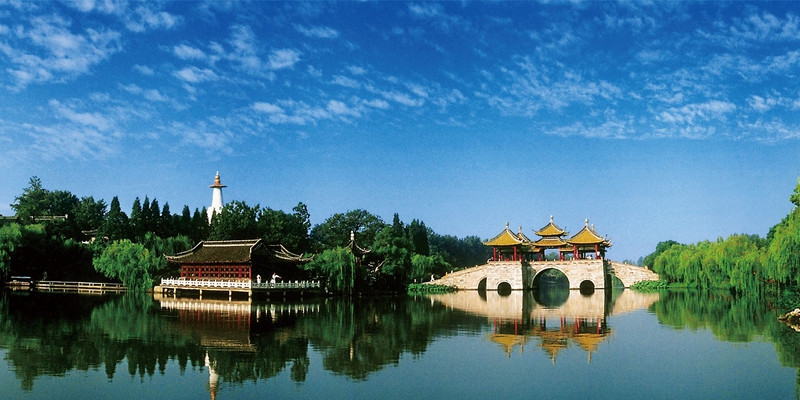
Slender West Lake is Yangzhou's most famous attraction, with a long narrow lake, lush flowers and trees on both sides, and exquisite garden architecture, renowned as 'the finest garden under heaven.' Key sights include Five-Pavilion Bridge, White Pagoda, and 24-Bridge.
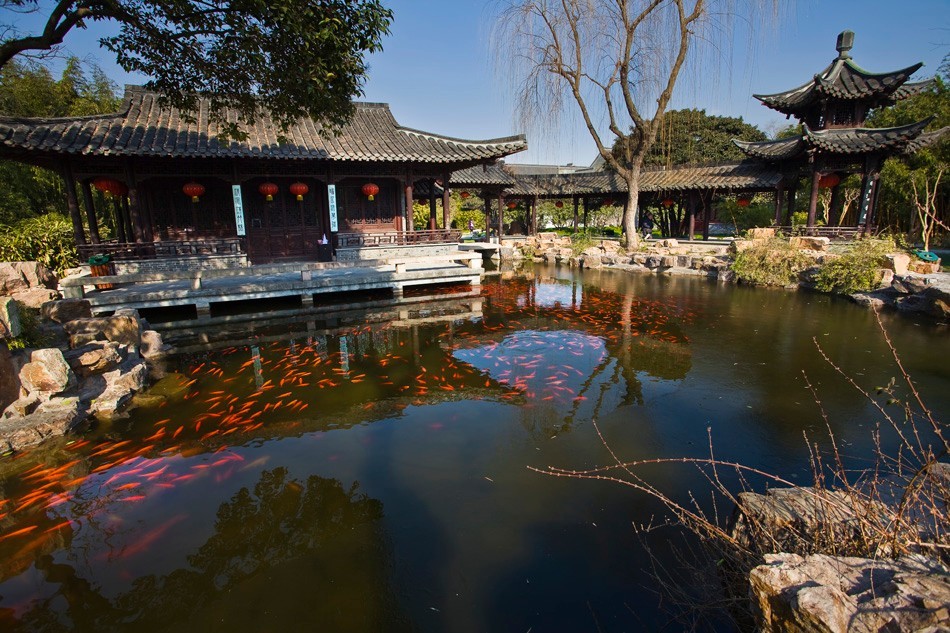
Ge Garden is the private garden of salt merchant Huang Zhiyun from the Qing Dynasty, famous for its bamboo and rockeries. The four-season rockeries are each unique, known as 'a unique example in China.'
UNESCO World Heritage Sites
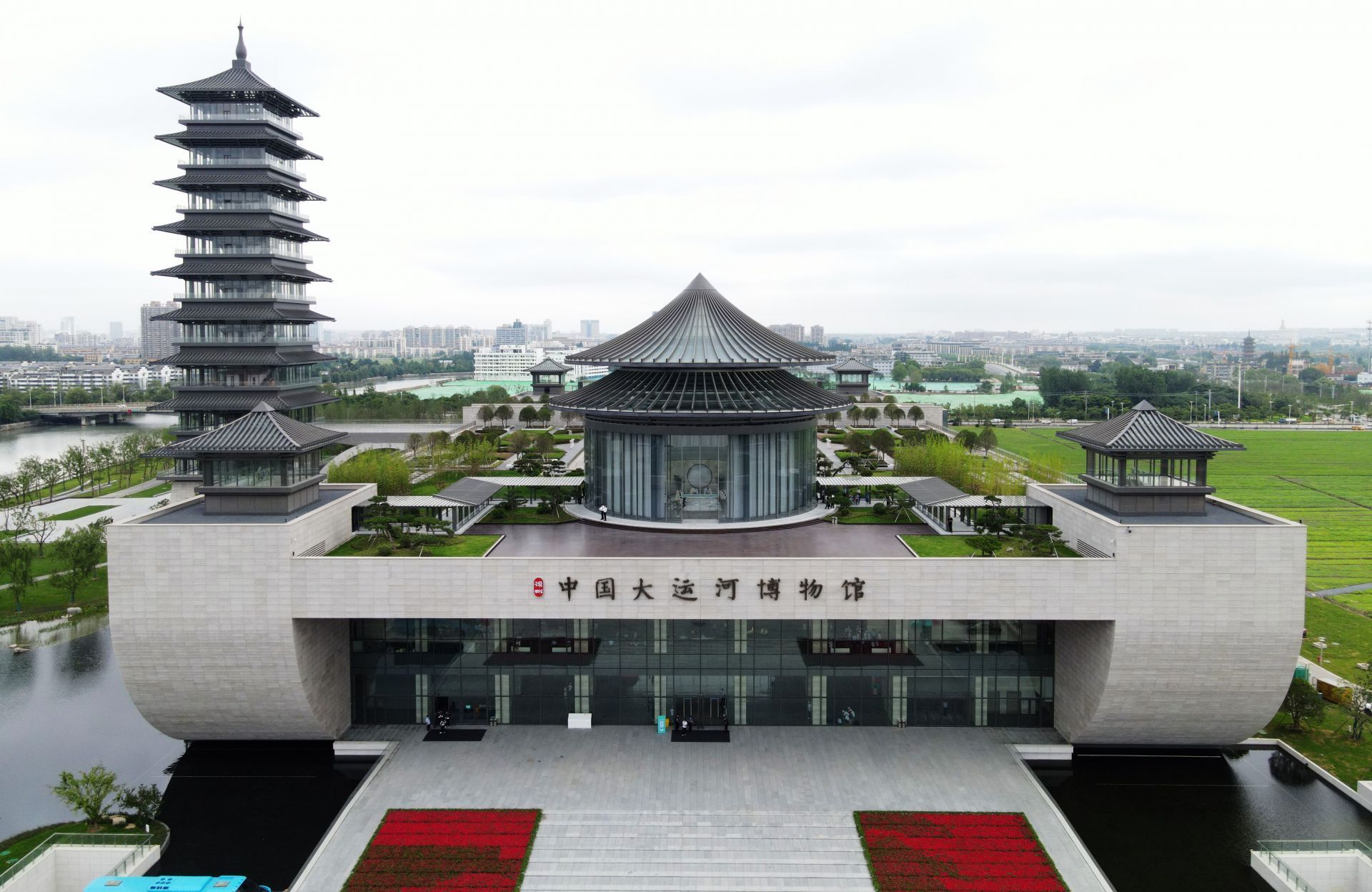
Yangzhou is one of the starting cities of the Grand Canal. The Yangzhou section includes the ancient canal and the Beijing-Hangzhou Grand Canal, with many historical sites along the route, such as the Three Bends of the Canal and Shaobo Ancient Town.
Explore rich intangible cultural heritage and traditional crafts
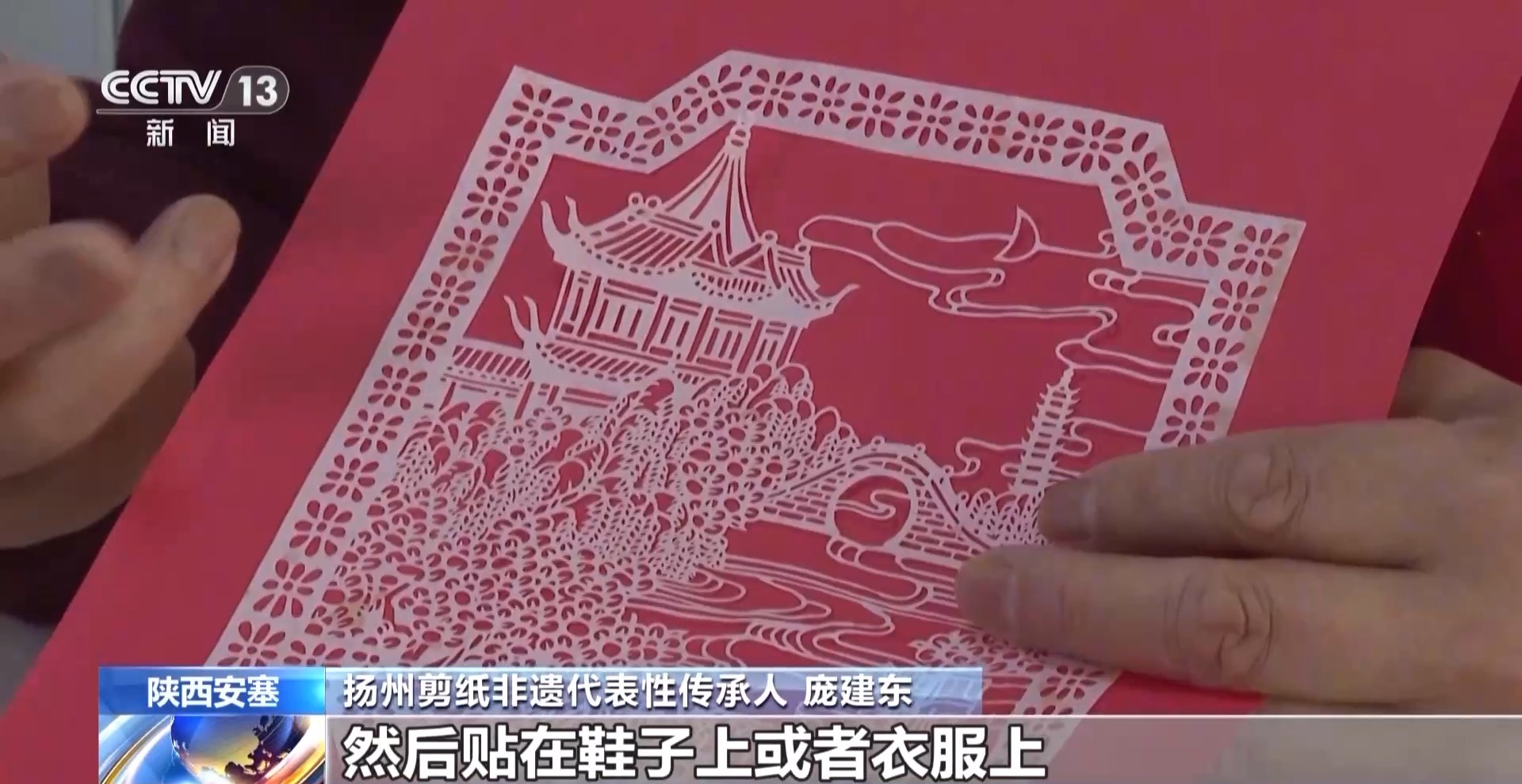
Yangzhou paper-cutting originated in the Tang Dynasty, known for smooth lines and exquisite composition, often featuring flowers, birds, and animals. It is a national intangible cultural heritage.
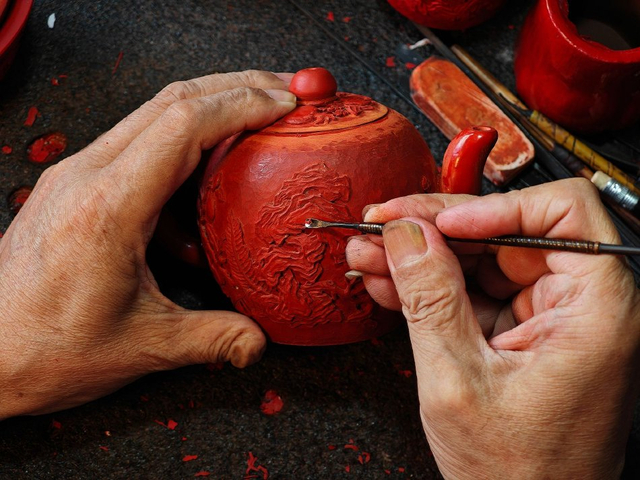
Yangzhou lacquerware has a long history, famous for techniques such as carved lacquer and mother-of-pearl inlay. The products are exquisite and magnificent, and it is a national intangible cultural heritage.
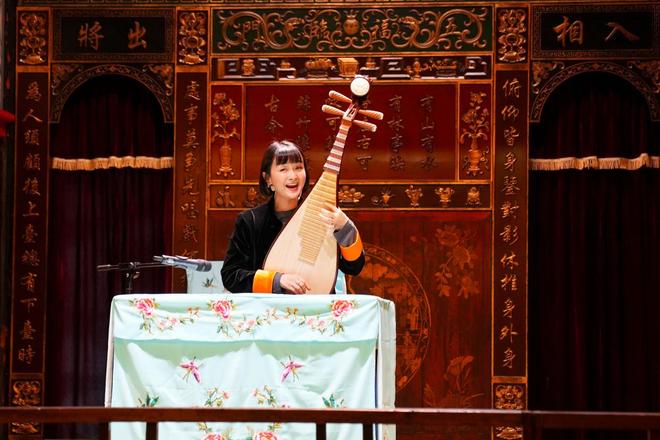
Yangzhou Qingqu is a traditional folk art form popular in the Yangzhou area, with melodious tunes and elegant lyrics. It is a national intangible cultural heritage.
Must-know transportation for exploring the city
Located in Jiangdu District, about 30 km from the city center. It operates multiple domestic and international routes. Airport shuttles and taxis are available to the city.
Airport shuttle about 25 RMB
Located in Hanjiang District, Yangzhou Station is an important stop on the Lianyungang-Zhenjiang High-speed Railway, providing direct access to major cities such as Beijing, Shanghai, Nanjing, and Hangzhou.
To Nanjing about 60 RMB, to Shanghai about 150 RMB
City buses cover major attractions and commercial areas. The fare is 2 RMB. Some tourist shuttle lines directly reach Slender West Lake, Ge Garden, etc.
2 RMB
Taste the most authentic and popular local specialties
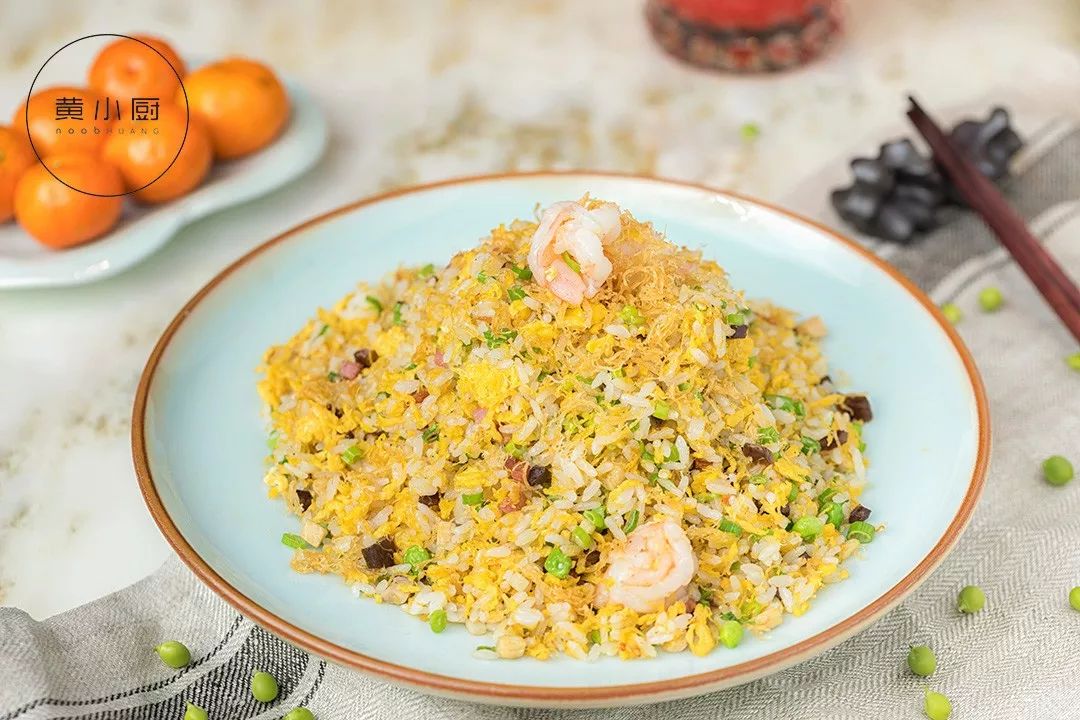
Yangzhou fried rice is a representative of Huaiyang cuisine, with rich ingredients including shrimp, ham, eggs, and green peas. The rice grains are distinct and golden in color.
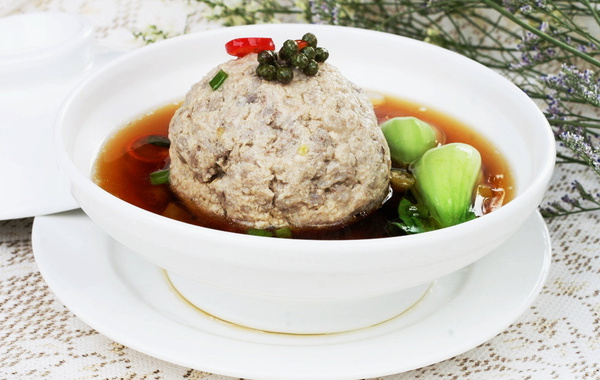
Lion's head meatballs is a traditional Yangzhou dish, made with pork belly minced by hand, formed into large meatballs, braised or stewed, with a soft and melt-in-the-mouth texture.
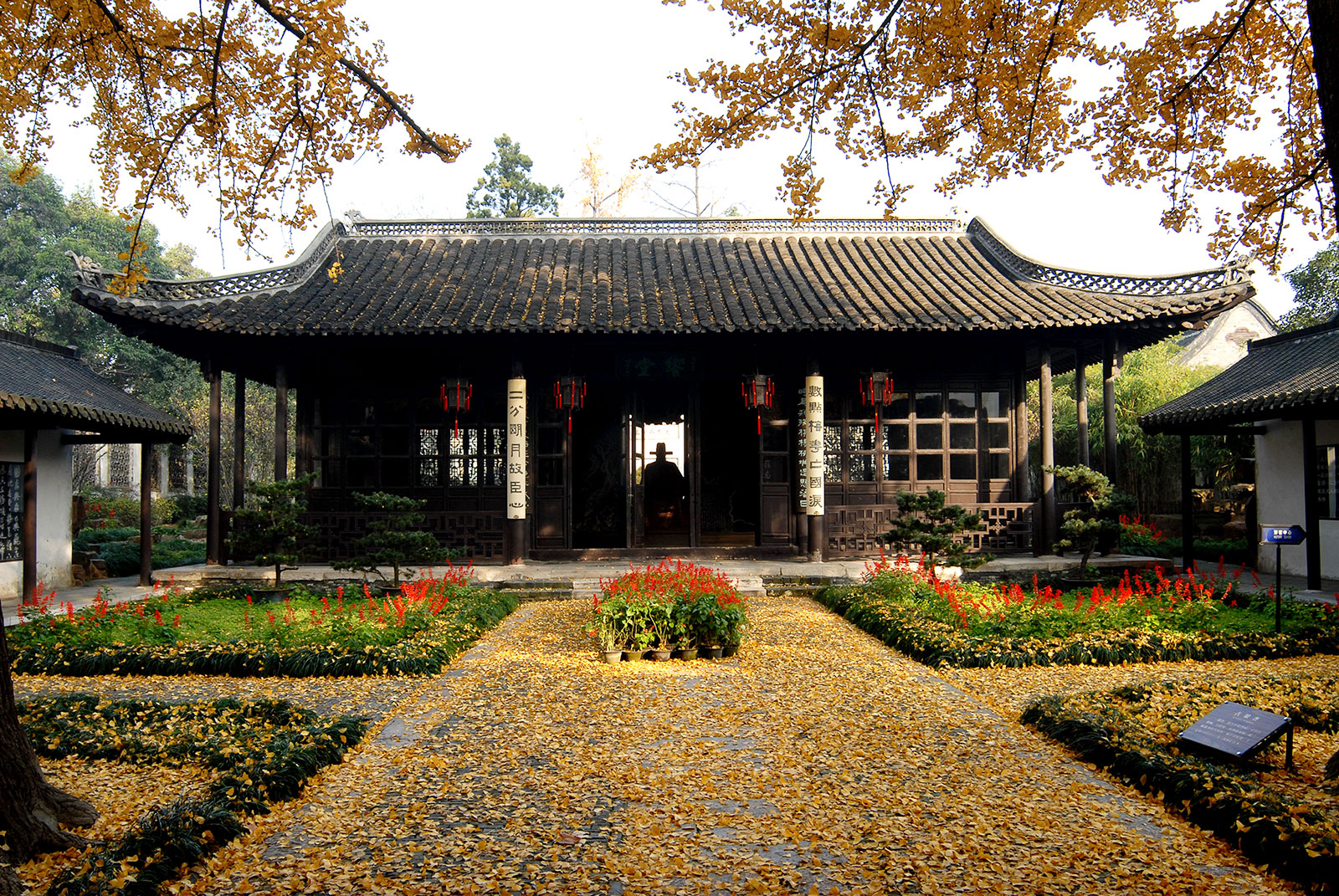
He Garden, also known as Jixiao Villa, is a representative work of late Qing gardens, famous for its double-corridor, water pavilion, and Pianshi Mountain House, blending Chinese and Western styles.
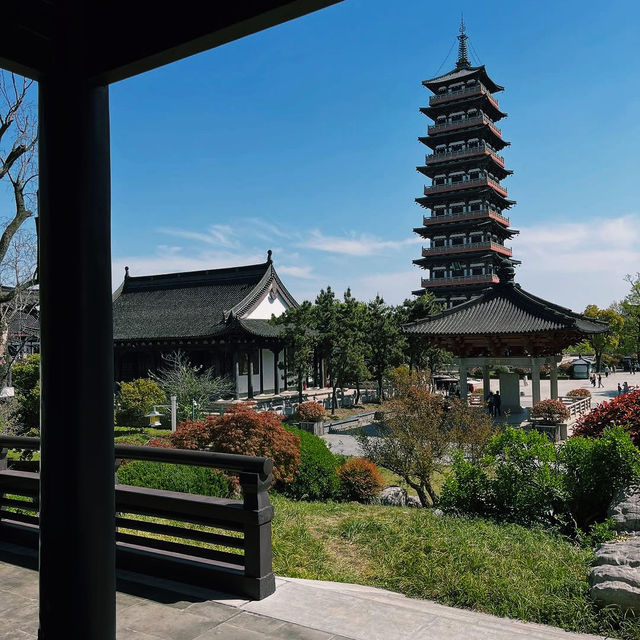
Daming Temple was built in the Southern Dynasties. The eminent Tang monk Jianzhen once practiced here and later sailed to Japan. The temple features Qiling Pagoda and Pingshan Hall, and is a sacred Buddhist site.
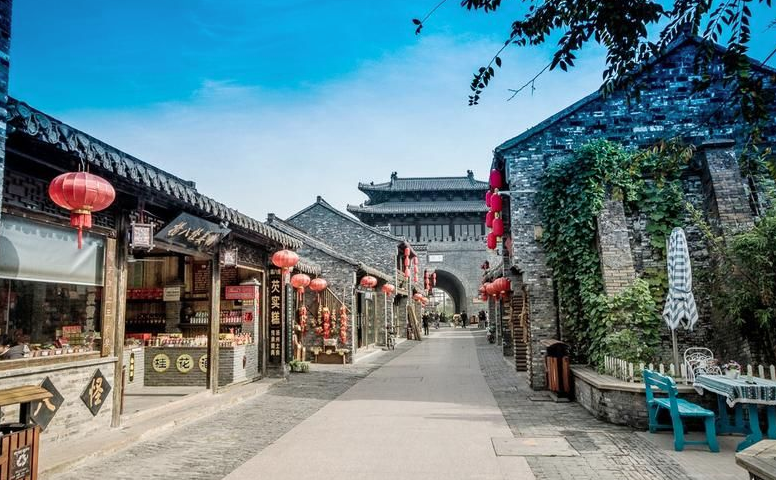
Dongguan Street is Yangzhou's oldest historic district, about 1.2 km long, preserving many Ming and Qing buildings. It combines commerce, food, and culture, making it a great place to experience Yangzhou's charm.
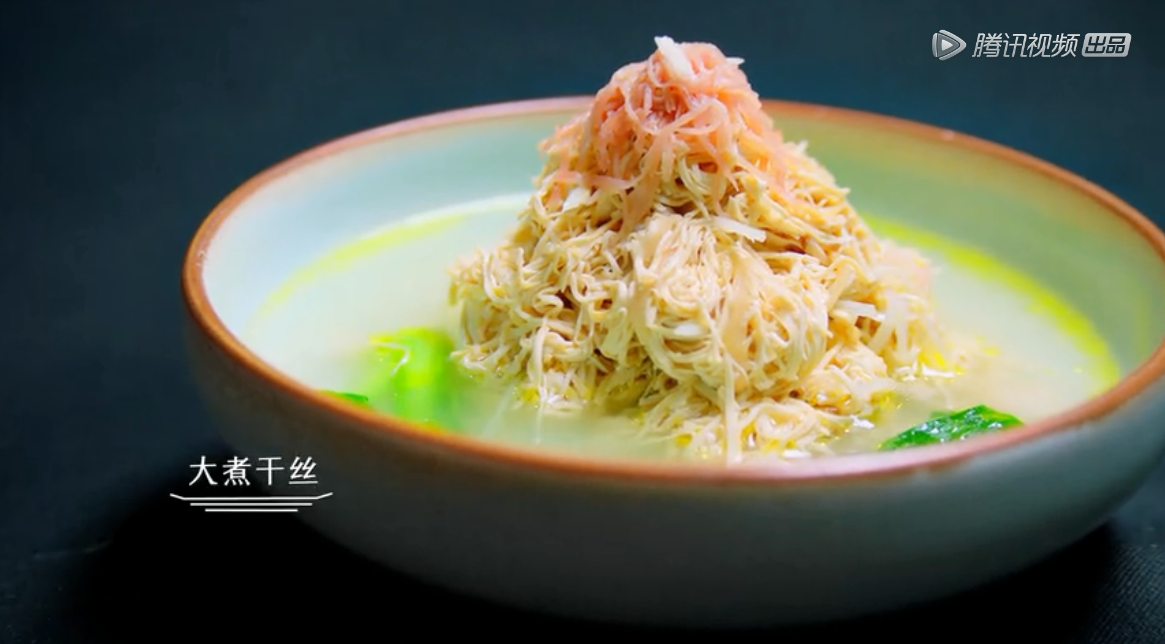
Boiled shredded dry tofu is a classic Huaiyang dish. The tofu is cut into thin shreds, cooked in broth with chicken shreds, ham, and shrimp, resulting in a delicious flavor.
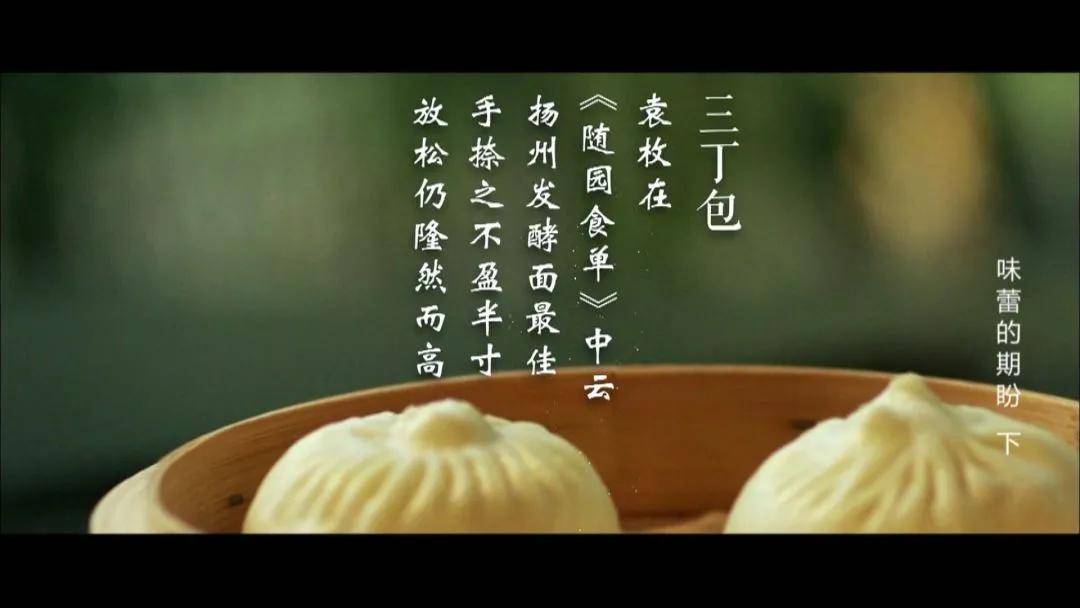
Sanding bun is a famous Yangzhou morning tea snack, filled with diced chicken, pork, and bamboo shoots, savory and flavorful, with thin skin and ample filling.
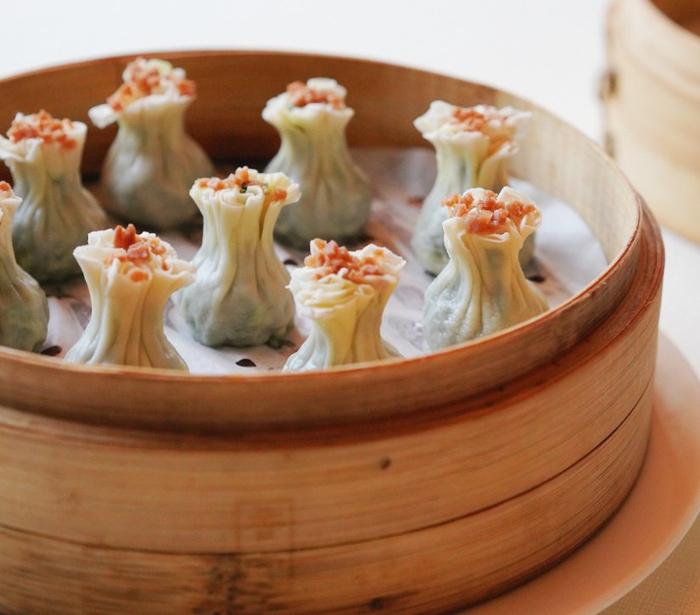
Jadeite shaomai is a Yangzhou specialty. The wrapper is thin as paper, and the filling is made with vegetable juice, turning emerald green after steaming, with a delicious filling.
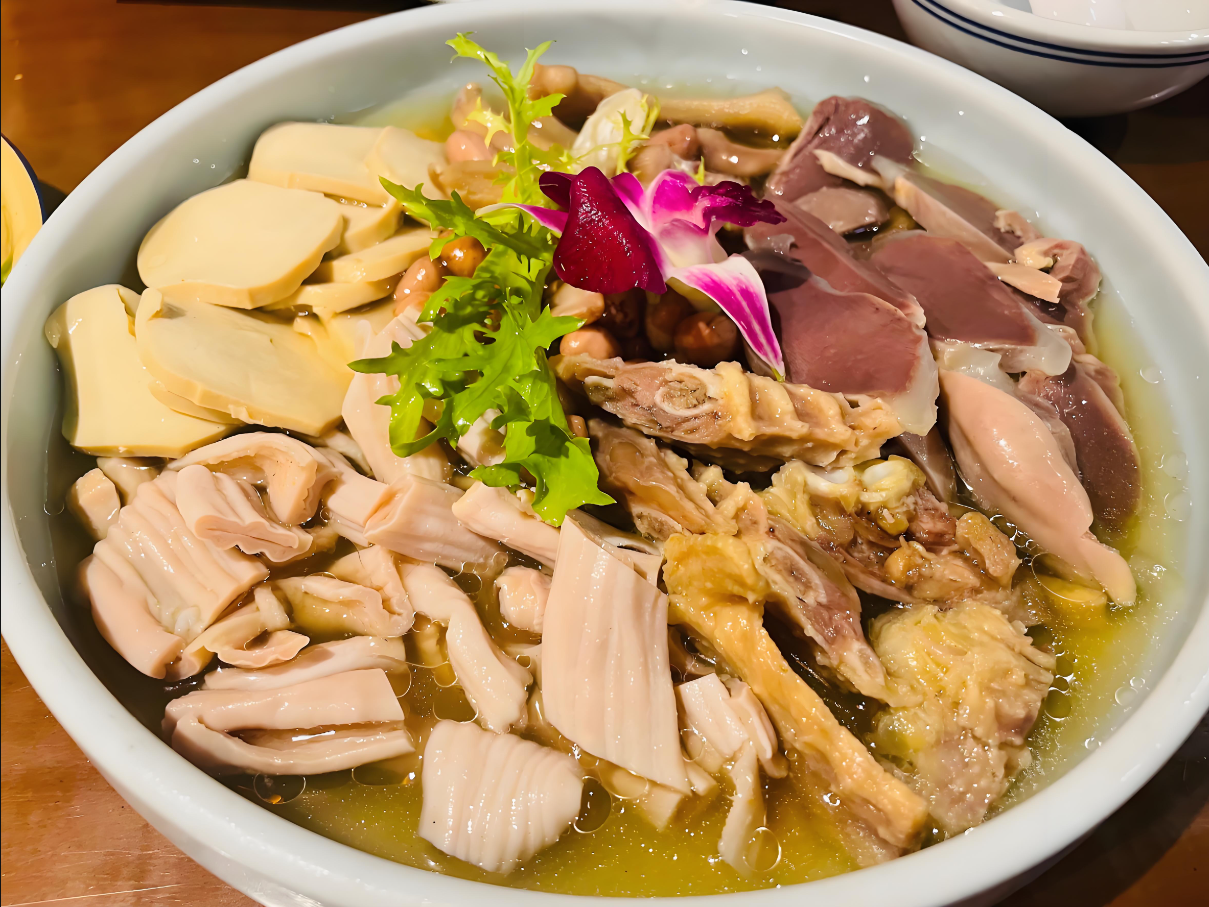
Yangzhou braised goose is a local traditional pot-stewed delicacy. Old goose is slowly simmered in a secret marinade, resulting in firm meat and rich flavor, perfect with drinks.