
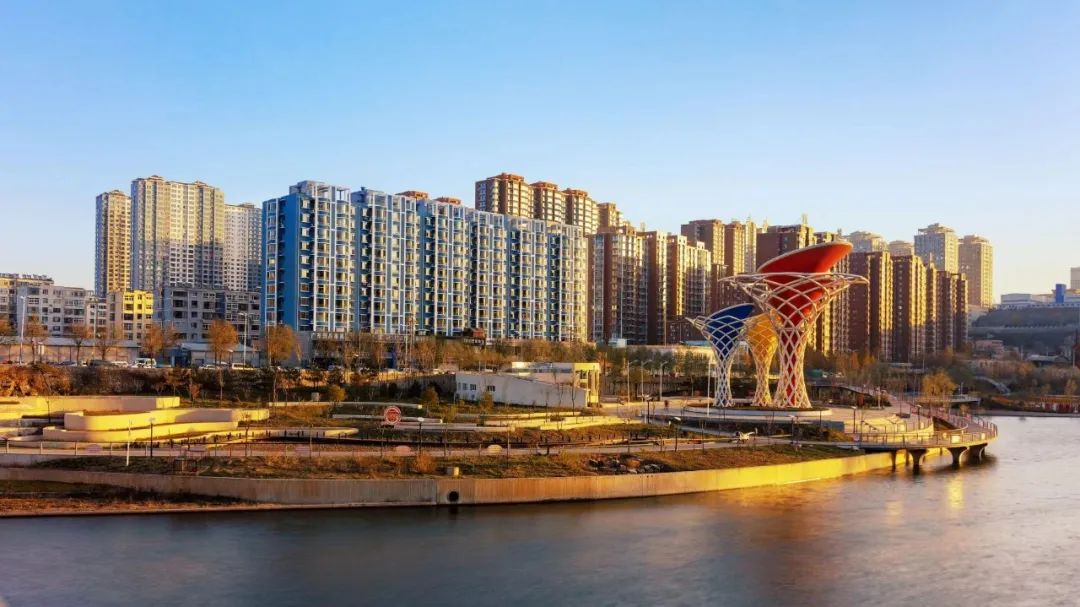
Yangquan is located in eastern Shanxi Province, at the western foot of the Taihang Mountains, in the transitional zone between the Loess Plateau and the North China Plain. It has a warm temperate continental monsoon climate with four distinct seasons and an average annual temperature of about 11°C.
Yangquan has a long history. It was called 'Yang Spring' in ancient times, named after the gushing springs. Established as a county in the Western Han Dynasty, it rose in modern times due to abundant coal resources. It is the first people's city founded by the Communist Party of China, known as 'the First City of the CPC'.
Yangquan's culture blends the spirit of Shanxi merchants with revolutionary traditions. Folk arts include Pingding Wuyagu (a war drum dance) and paper-cutting. Local cuisine features noodles and mountain delicacies, such as Pingding Guoyourou (fried sliced pork) and Yangquan Yabing (pressed cakes).
Today, Yangquan is transitioning from a resource-based city to a green economy, developing new materials and cultural tourism. Taohe Park and Shinao Mountain have become city landmarks, and the transportation network is increasingly well-developed.
The best time to visit 阳泉 is Spring and Autumn (April-May, September-October).
Spring (April-May): Temperatures warm up, peach blossoms bloom along the Taohe River, ideal for outdoor outings.
Summer (June-August): A summer resort, mountainous areas like Shinao Mountain are cool, but occasional rainfall occurs.
Autumn (September-October): Clear skies and crisp air, red leaves cover the mountains, best for photography and hiking.
On May 2, 1947, Yangquan was liberated and became the first people's city founded by the Communist Party of China, known as the 'First City of the CPC'.
During the Western Han Dynasty, a county (Shang'ai County) was established in the Yangquan area, marking the beginning of its administrative history.
In the early 20th century, with the opening of the Zhengding-Taiyuan Railway, large-scale coal mining began in Yangquan, making it an important energy base.
Recommended places to visit
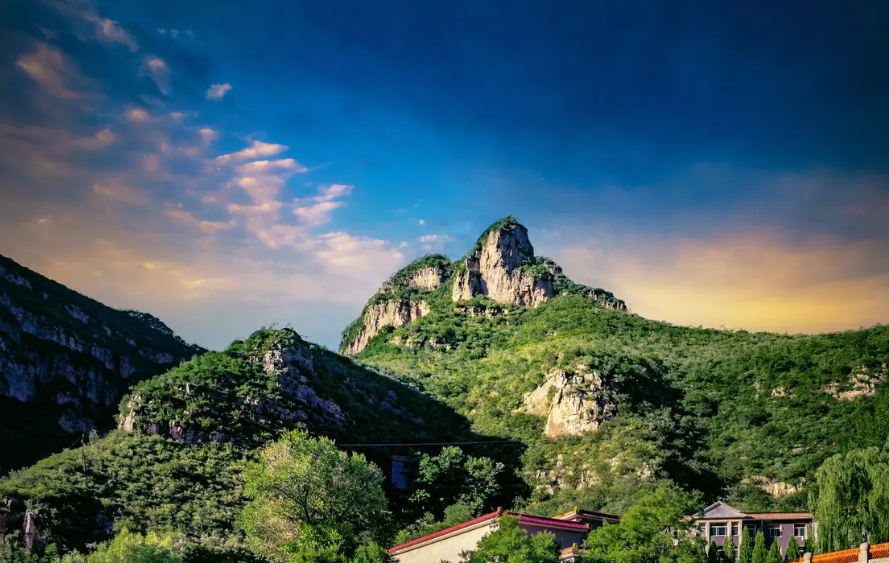
Zangshan is famous for the story of Cheng Ying saving an orphan in the Spring and Autumn period, a sacred site of 'loyalty culture'. It features the Canggu Cave, Bao'en Temple, and other historic sites, with steep mountains and beautiful scenery.
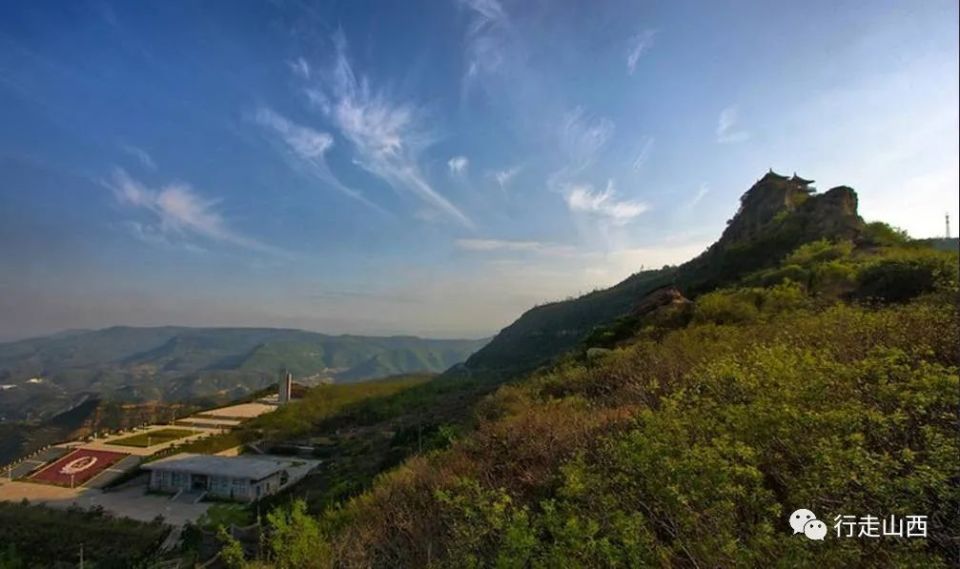
Shinao Mountain was one of the main battlefields of the Hundred Regiments Offensive. At the top stand a monument and memorial hall, offering a panoramic view of Yangquan. It's a great place for red tourism and hiking.
Explore rich intangible cultural heritage and traditional crafts
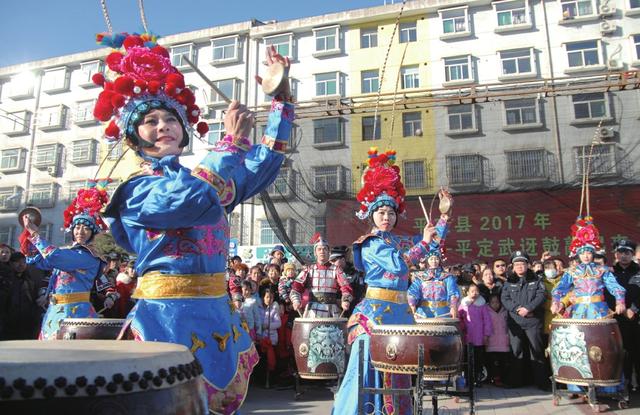
A folk dance originating from the Song Dynasty, performers carry war drums and dance while drumming, simulating ancient battle scenes. Inscribed as a national intangible cultural heritage in 2008.
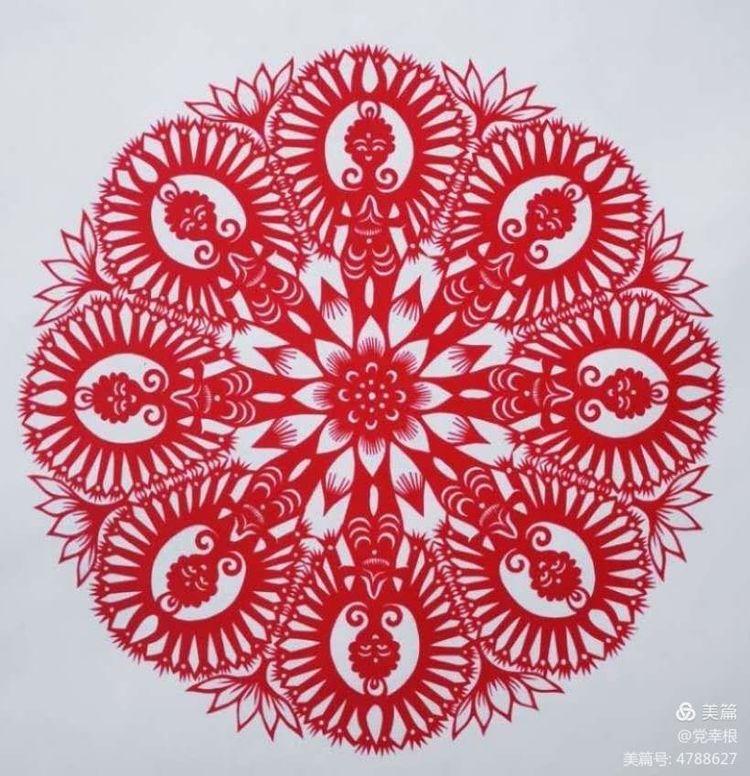
A traditional folk art of Yangquan, using scissors or knives to cut patterns on paper, themes often from folk life, with a rough and rustic style.
Must-know transportation for exploring the city
The Shijiazhuang-Taiyuan high-speed railway passes through Yangquan North Station, connecting to Shijiazhuang (about 40 min) and Taiyuan (about 30 min).
About 40 CNY to Shijiazhuang, 30 CNY to Taiyuan
The city bus network covers major attractions and residential areas, fare 1-2 CNY, some lines go directly to Zangshan, Niangziguan, etc.
1-2 CNY
About 100 km from Yangquan, accessible by airport bus or high-speed rail to Taiyuan South Station then to Yangquan. Flights to major domestic cities.
Airport bus to Taiyuan about 30 CNY, high-speed rail to Yangquan about 30 CNY
Taste the most authentic and popular local specialties
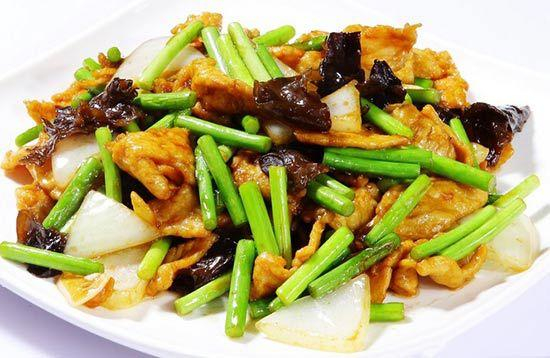
A traditional Shanxi dish: sliced pork tenderloin coated in batter and fried, then stir-fried with black fungus and bamboo shoots. Golden color, crispy outside and tender inside.

A thin and crispy pancake made from flour and sesame, pressed and baked. Crispy texture, often eaten as a snack or staple.
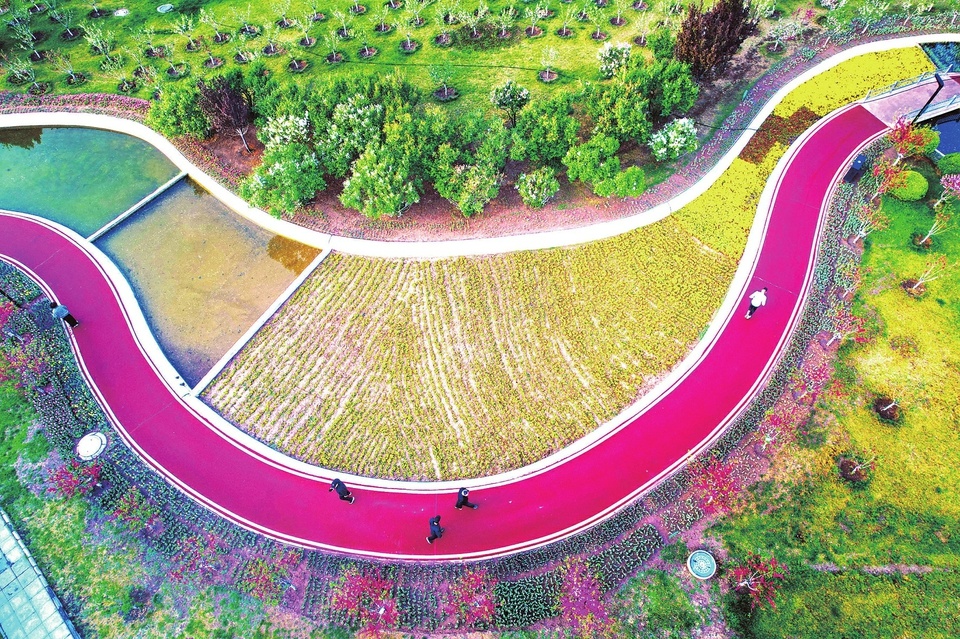
Taohe Park is a riverside linear park in downtown Yangquan, built along the Taohe River. It features shaded paths, waterfront platforms, and walking trails, popular for leisure and strolls.
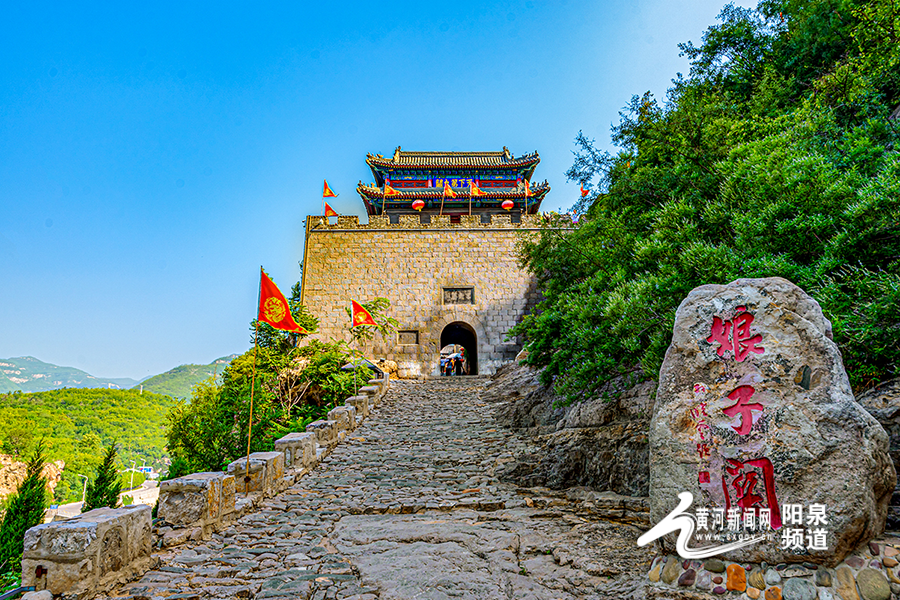
Niangziguan is a famous pass of the Great Wall, named after Princess Pingyang who once stationed her women troops here. The pass is strategically located with a waterfall, known as the 'Ninth Pass under Heaven'.
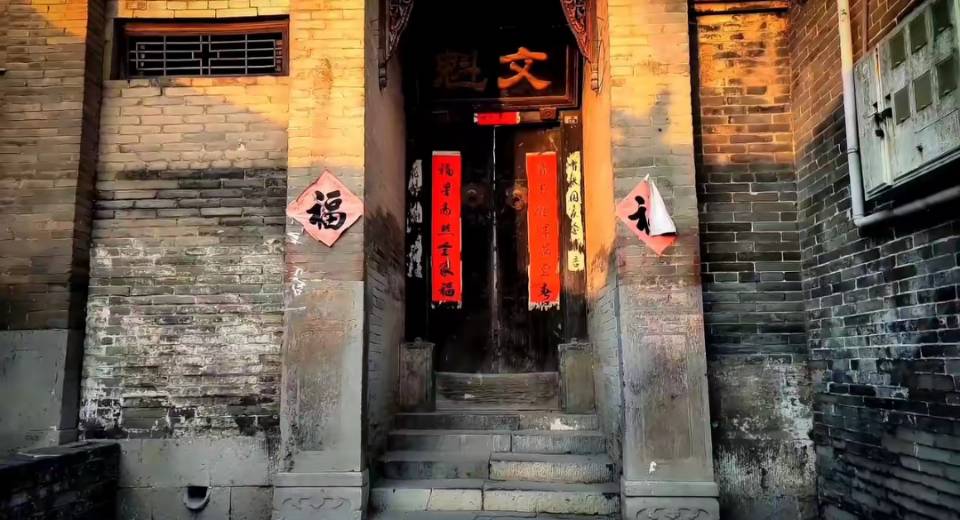
Shi Pingmei was a famous female writer of the Republic of China, one of the 'Four Talented Women'. Her former residence in the suburbs of Yangquan is a Qing Dynasty building, exhibiting her life and works.
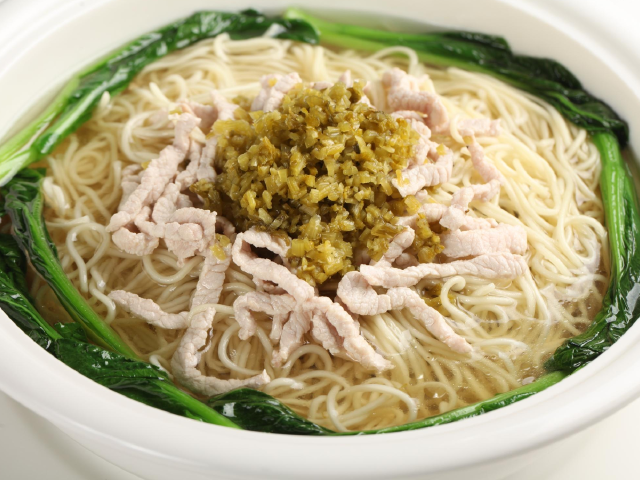
A local noodle dish: noodles made from a mix of bean flour and wheat flour, served with meat or vegetable sauce in broth.
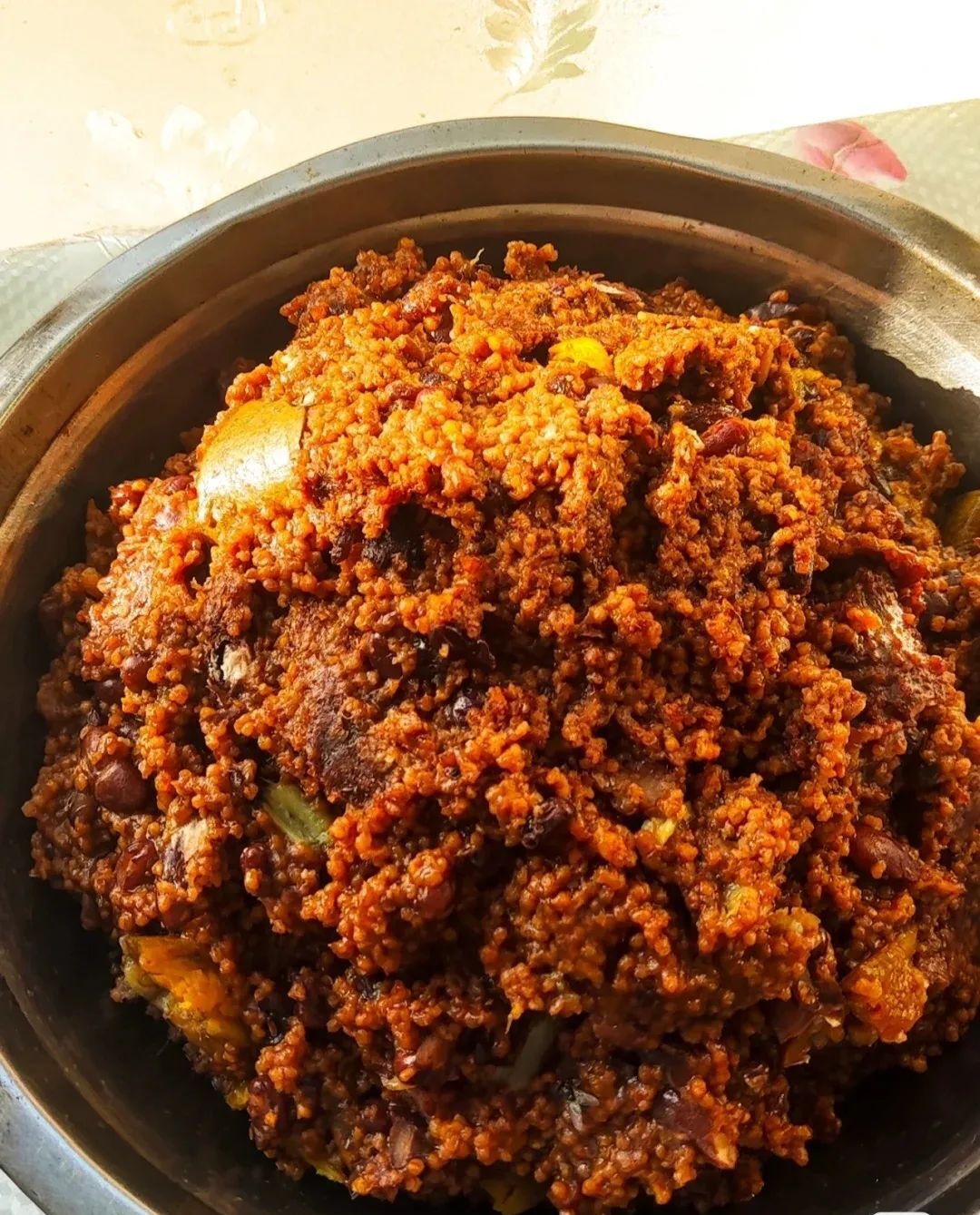
A traditional dish from Yuxian: millet, red dates, and red beans slow-cooked to a thick consistency. Reddish color, soft and sweet, essential for festive banquets.
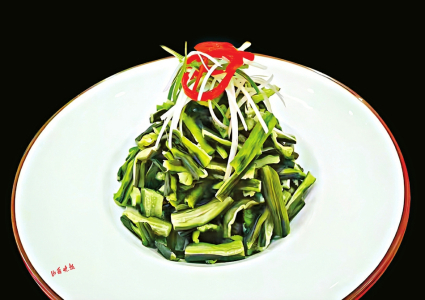
A specialty of Pingding: cucumber slices pickled and dried, chewy texture, served cold or stir-fried, sour and spicy to appetize.