
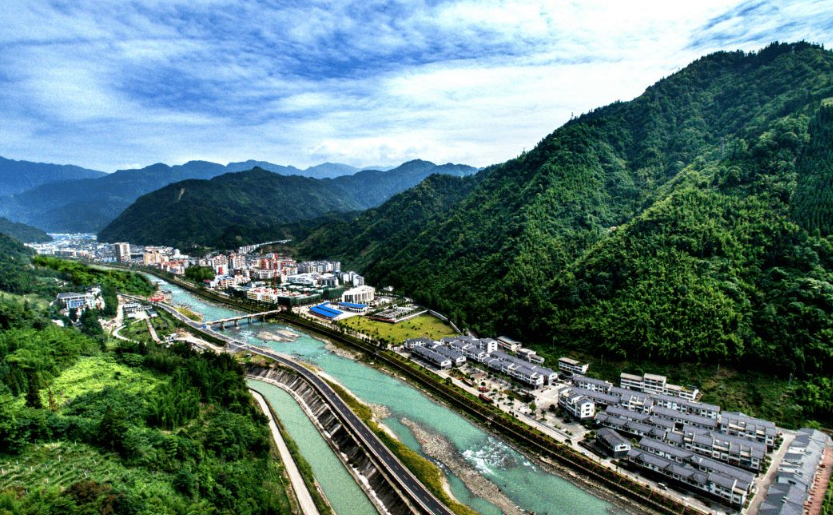
Ya'an is located on the western edge of the Sichuan Basin, serving as a transition zone from the Chengdu Plain to the Qinghai-Tibet Plateau, and is known as the 'Throat of Western Sichuan.' It has a subtropical monsoon humid climate with an average annual rainfall of about 1800 mm, making it China's famous 'Rain City.'
Ya'an has a long history, dating back to the pre-Qin period when it was part of the ancient Shu state. A county was established here during the Han Dynasty, and it was an important node on the Southern Silk Road and the Ancient Tea Horse Road. In modern times, Ya'an was a passage for the Chinese Workers' and Peasants' Red Army during the Long March, leaving many revolutionary sites.
Ya'an is a melting pot of Han culture and the cultures of ethnic minorities such as Tibetans and Yi. It boasts a unique 'Three Ya' culture: Ya Rain, Ya Fish, and Ya Women. The most famous local delicacy is Ya fish (Yingjing clay pot Ya fish), along with Hanyuan pepper and Shimian barbecue.
Modern Ya'an is an important eco-tourism city in Sichuan Province, renowned worldwide for the Bifengxia Giant Panda Base. Post-disaster reconstruction has greatly improved the city's infrastructure, and it is being developed into an international panda city and a health and wellness tourism destination.
The best time to visit 雅安 is Suitable all year, best in spring and autumn.
Spring (March-May): The weather warms up, everything revives, and scenic spots like Bifengxia are lush green, perfect for flower viewing and outings.
Summer (June-August): Cool and rainy, a good time to escape the heat, but bring rain gear. You can experience canyon rafting and Mengding Mountain tea culture.
Autumn (September-November): Clear and crisp autumn weather, ideal for enjoying red leaves and tasting Ya fish.
King Huiwen of Qin sent Zhang Yi and Sima Cuo to conquer Shu, establishing Yandao County in the Ya'an area, marking Ya'an's formal incorporation into central government control.
During the Long March, the First and Fourth Front Armies of the Chinese Workers' and Peasants' Red Army passed through Ya'an, forcefully crossing the Dadu River at Anshunchang in Shimian County, leaving many battle sites.
On April 20, 2013, a 7.0-magnitude earthquake struck Lushan County, Ya'an, causing heavy casualties and property losses. Post-disaster reconstruction gave Ya'an a new look.
Recommended places to visit
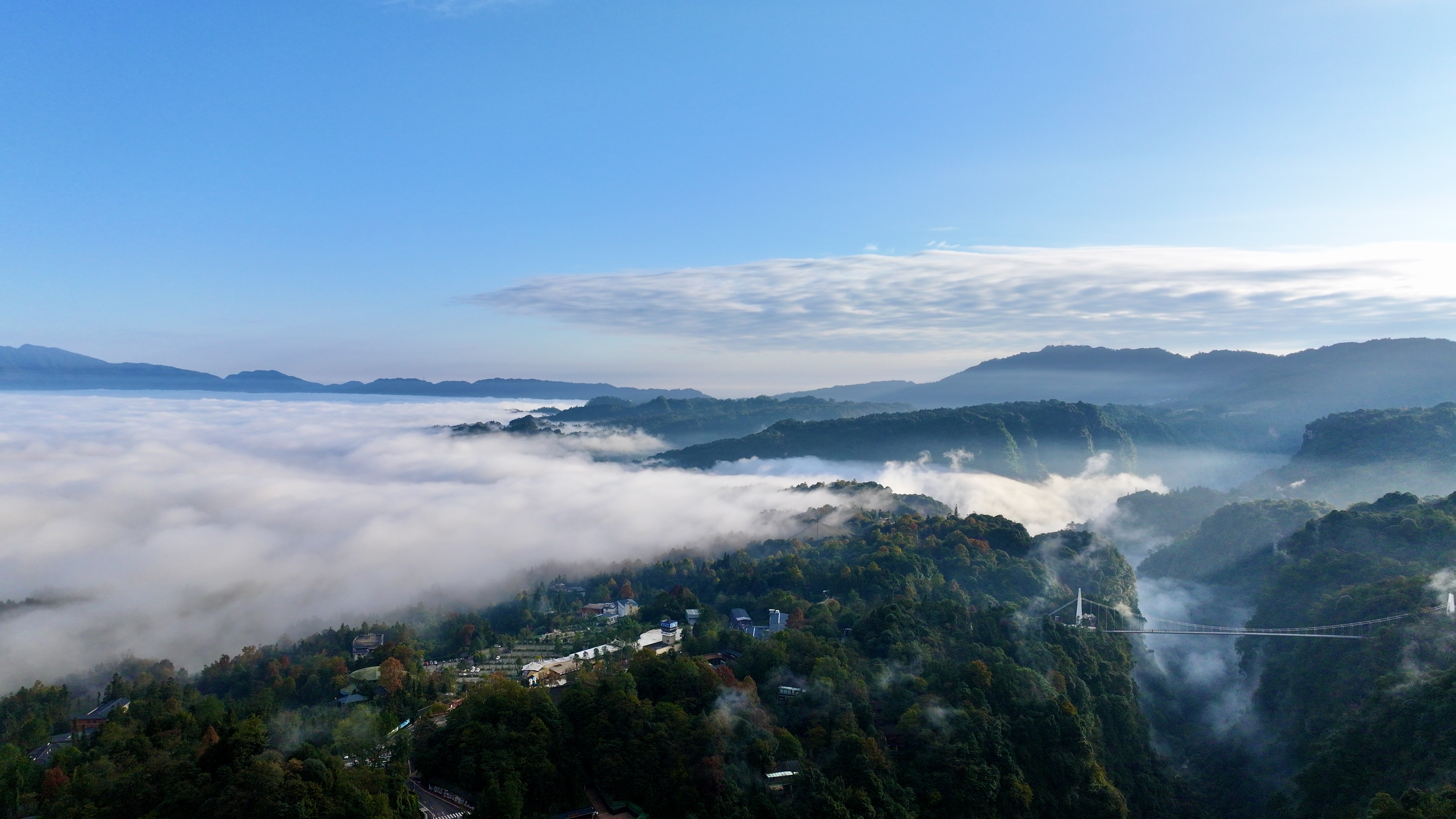
National 5A-level scenic area, consisting of ecological gorges, a giant panda base, and a wildlife zoo. The area is lush with forests and waterfalls, offering close-up views of giant pandas.
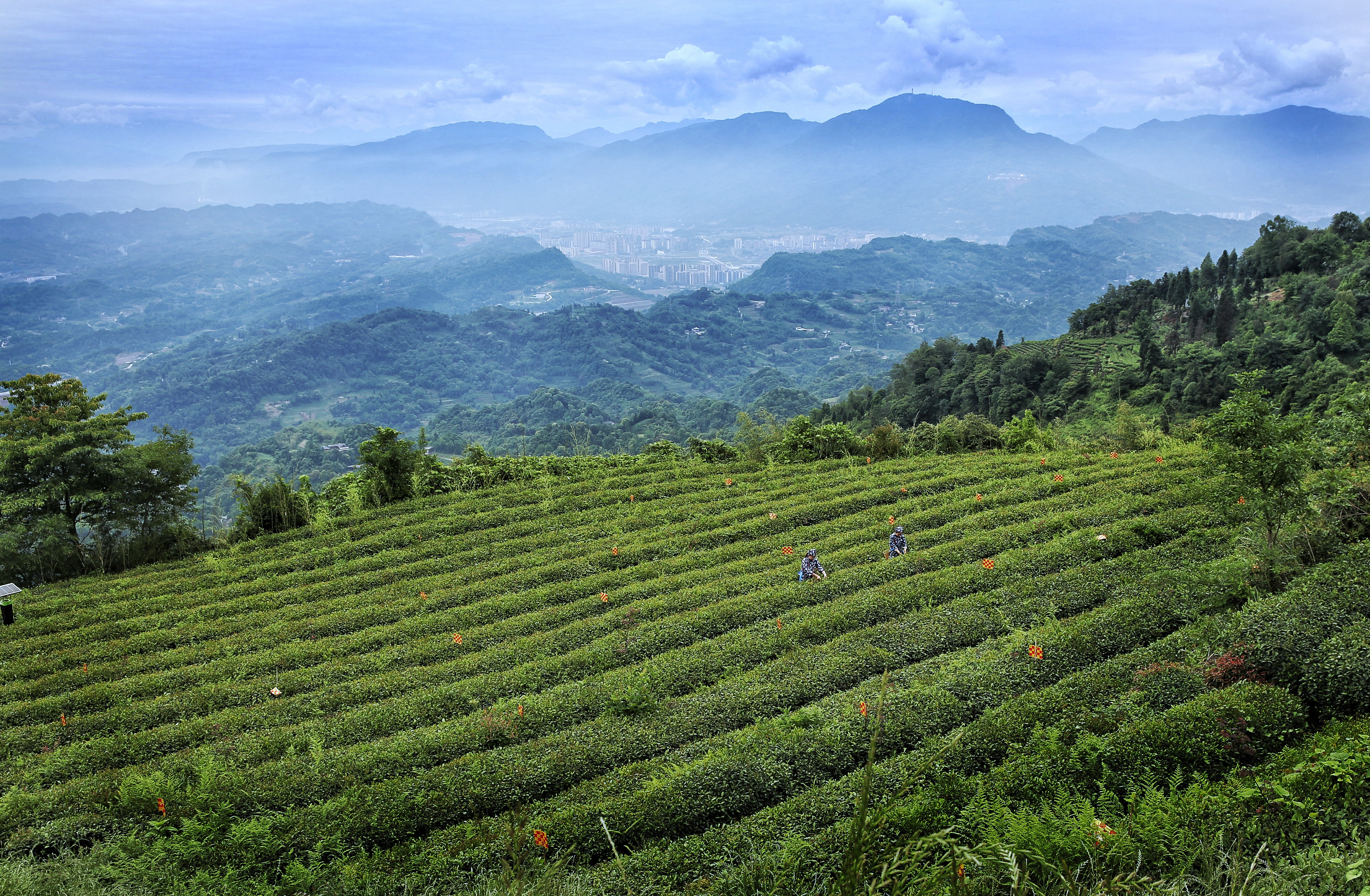
National 4A-level scenic area, one of the birthplaces of world tea culture. Mengding tea has a long history, with the saying 'water from the Yangtze River, tea from Mengding Mountain'.
Explore rich intangible cultural heritage and traditional crafts
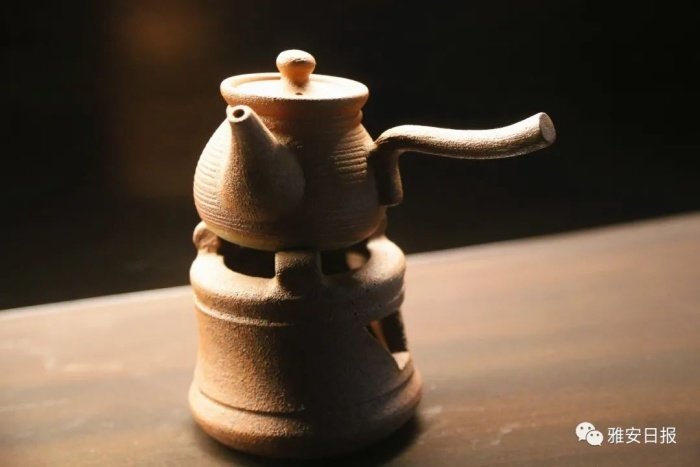
National intangible cultural heritage. Yingjing sandware has a long history, handmade from local unique clay and fired at high temperature, known for good air permeability and high temperature resistance.
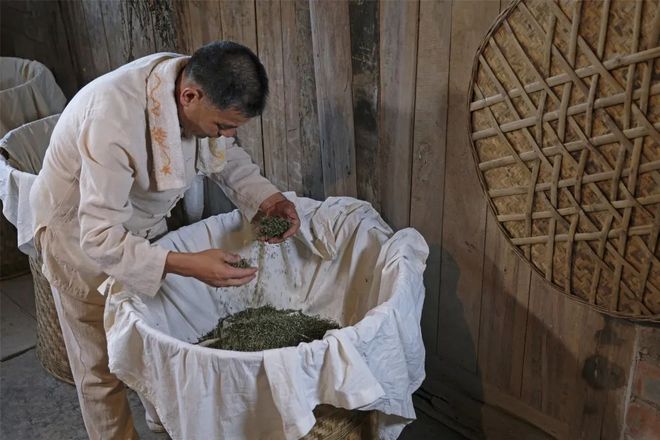
National intangible cultural heritage. The traditional production technique of Mengshan tea includes picking, fixing, rolling, and drying, preserving the natural quality of the tea.
Must-know transportation for exploring the city
Ya'an Station is located in the urban area, with bullet trains to Chengdu (about 1 hour), Chongqing, etc. The Chengdu-Ya'an Railway is the main rail link.
Chengdu-Ya'an second class about 52 yuan
Ya'an city bus routes cover major attractions and urban areas, fare 1-2 yuan. Tourist shuttle buses go directly to Bifengxia, Mengding Mountain, etc.
City bus 1-2 yuan, tourist shuttle 5-10 yuan
Ya'an has no civil airport yet. The nearest airport is Chengdu Shuangliu International Airport (about 1.5 hours by car). Chengdu Tianfu International Airport is also available, and you can take high-speed rail or bus to Ya'an.
Shuangliu Airport to Ya'an bus about 70 yuan
Taste the most authentic and popular local specialties
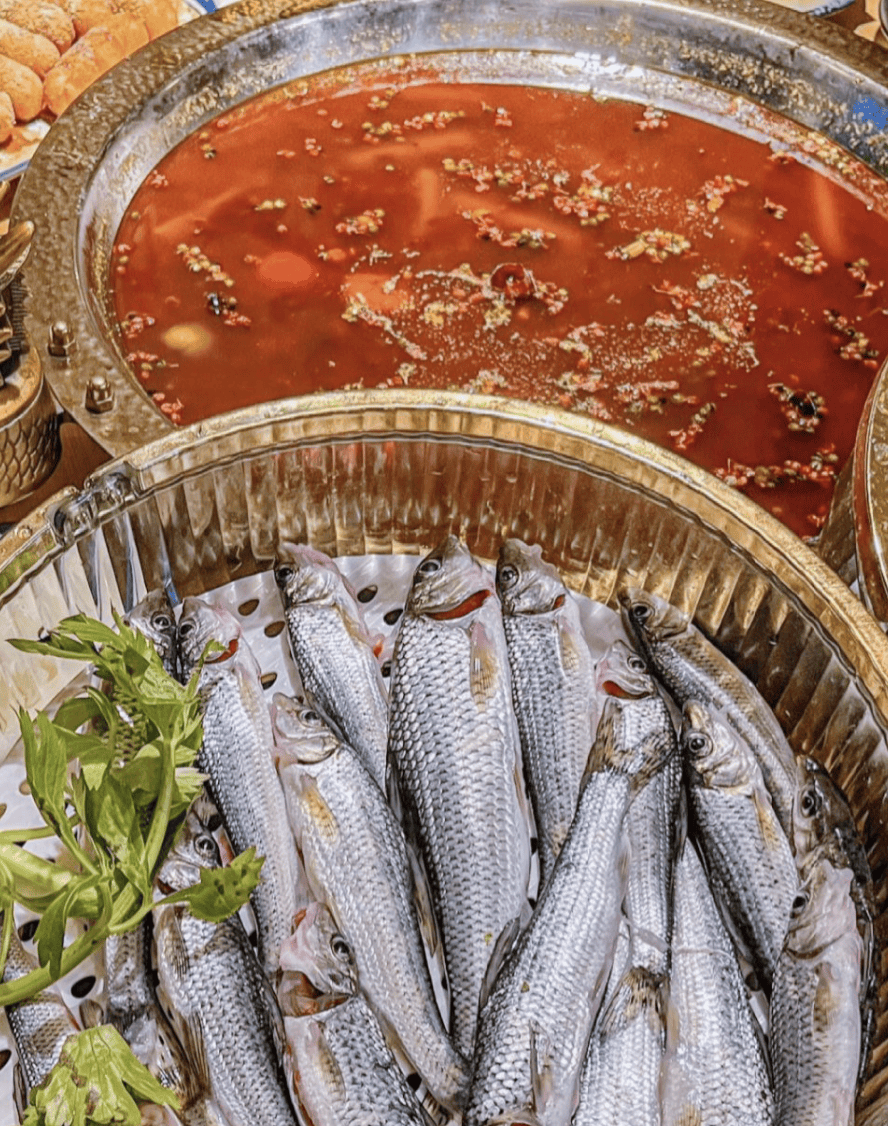
A specialty of Ya'an, with tender and delicious meat. The most authentic is Yingjing sandpot Ya fish. The fish head has a sword-shaped bone, legend says it fell from Nuwa when she mended the sky.
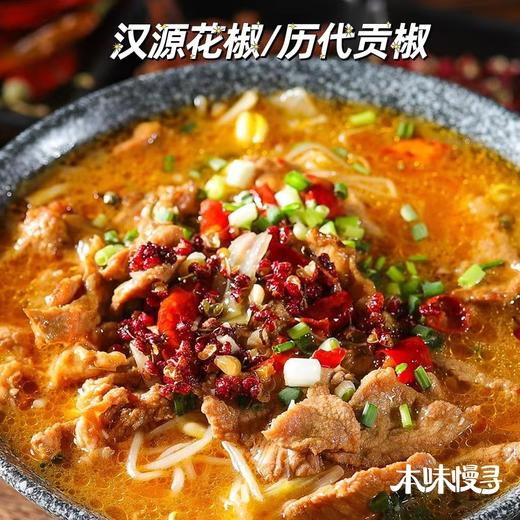
China's national geographical indication product, bright red in color, large and oily, with pure numbing taste. It is an important seasoning for Sichuan cuisine, often used to make pepper oil and hot pot base.
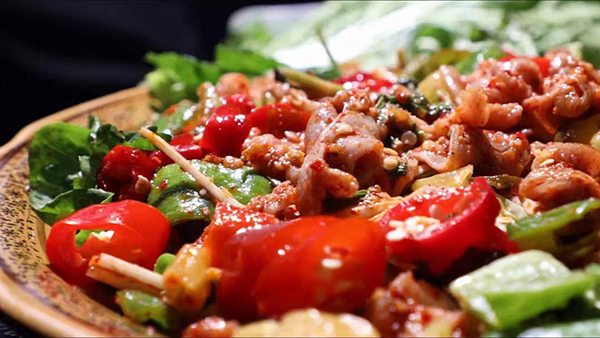
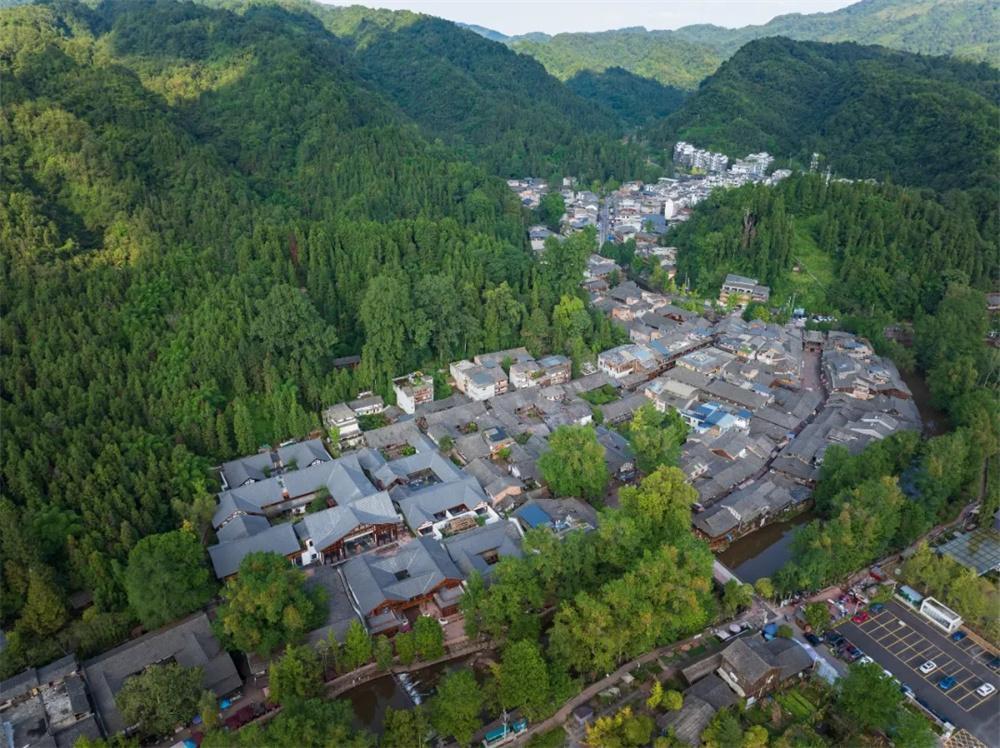
National 4A-level scenic area, one of the top ten ancient towns in Sichuan. Nestled by mountains and rivers, it retains Ming and Qing architectural styles and was an important post on the Ancient Tea Horse Road.

Known as 'China's largest viewing platform', offering spectacular views of Mount Gongga, sea of clouds, and sunrise. The summit provides a wide view, a paradise for photography enthusiasts.
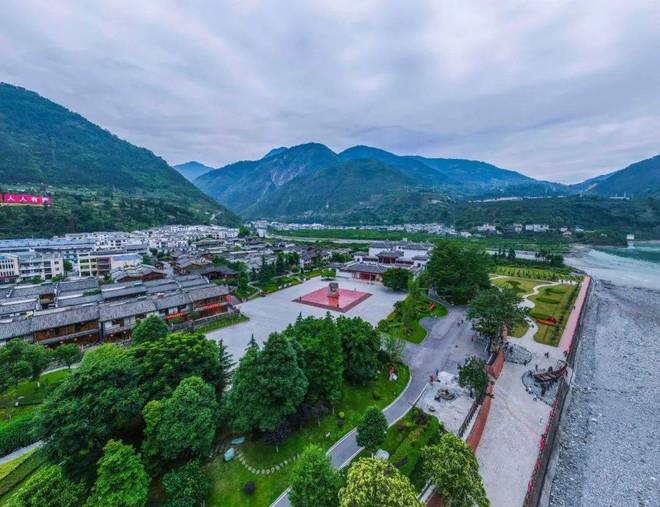
National 4A-level scenic area, site of the Red Army's forceful crossing of the Dadu River. It houses a Red Army river crossing memorial hall, an important red tourism attraction.
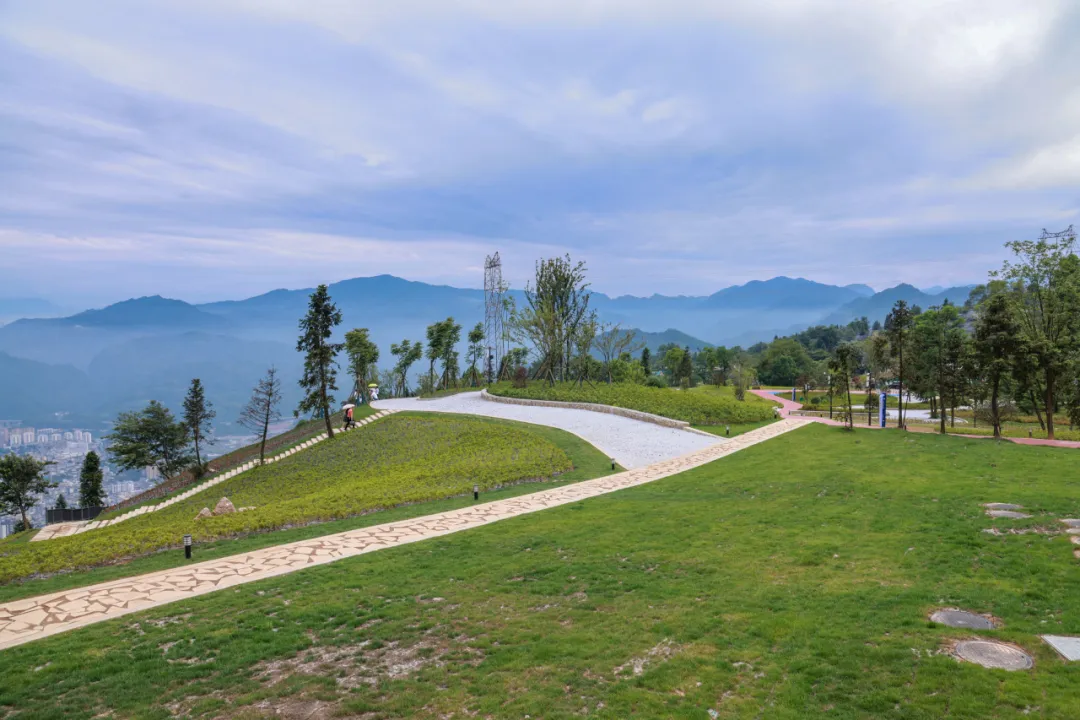
A vital pass on the Sichuan-Tibet Highway, famous for the 'Erlang Mountain Tunnel'. The mountain is steep with magnificent natural scenery, a popular destination for hiking and self-driving tours.
A specialty of Shimian County, mainly charcoal-grilled, with a variety of ingredients including pork, beef, chicken wings, etc. The dipping sauce is unique, spicy and delicious.
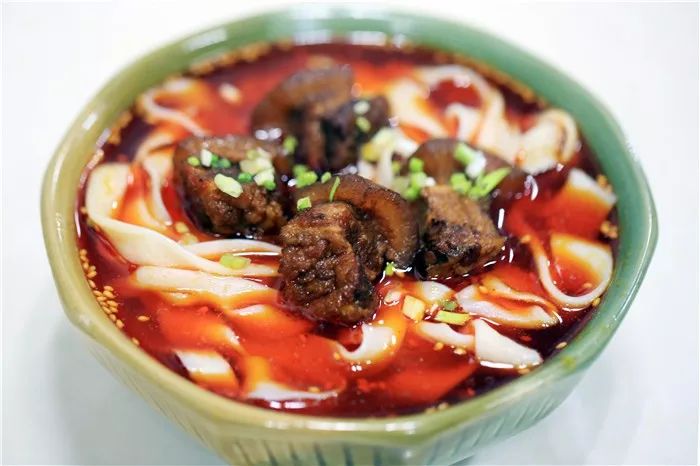
Traditional noodle dish in Ya'an, handmade with chewy noodles, served with beef or minced pork sauce in a rich broth, a local breakfast favorite.
Mengding Mountain has a long history of tea production, most famous for Mengding Ganlu and Mengding Huangya. The tea liquor is clear, with a lingering fragrance and sweet aftertaste.