
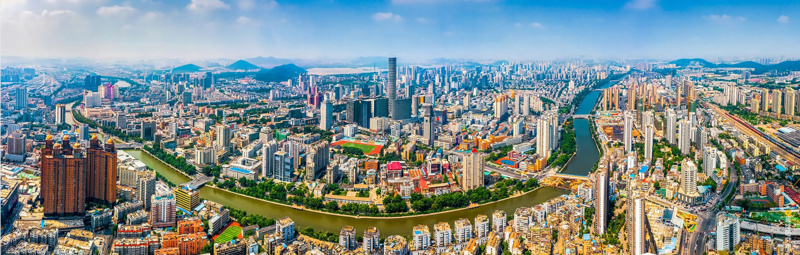
Xuzhou is located in the northwest of Jiangsu Province, at the junction of four provinces: Jiangsu, Shandong, Henan, and Anhui. It borders the Yellow Sea to the east, the Central Plains to the west, Qilu to the north, and Jianghuai to the south. It has a temperate monsoon climate with four distinct seasons, an average annual temperature of 14°C, and an annual precipitation of about 800 mm.
Xuzhou, known as Pengcheng in ancient times, has a civilization history of over 6,000 years and a city-building history of over 2,600 years. It is the birthplace of Han culture. Historically, it was one of the nine provinces of ancient China and has been a place of military contention since ancient times, with more than 400 battles recorded.
Xuzhou is the cradle of Pengzu culture and has deep Han cultural roots, featuring the 'Three Han Wonders' - Han tombs, Han terracotta warriors, and Han stone reliefs. Its cuisine is represented by Xuzhou Fuyang Festival, Dijiao Chicken, and Laomo rolled with Sanzi, characterized by a salty, fresh, and slightly spicy taste.
Xuzhou is the central city of the Huaihai Economic Zone and an important comprehensive transportation hub in China. In recent years, its economy has developed rapidly, forming pillar industries such as engineering machinery, new energy, and new materials. It also emphasizes ecological construction, with Yunlong Lake Scenic Area becoming a city card.
The best time to visit 徐州 is Best in spring and autumn, pleasant climate.
Spring (March-May): The weather warms up, flowers bloom everywhere. Cherry blossoms at Yunlong Lake and peonies at Pengzu Garden are in full bloom, perfect for outings and flower viewing.
Autumn (September-November): Clear and crisp weather, red leaves on Yunlong Mountain are like fire, and the Han Culture Scenic Area is rich in autumn atmosphere, a great time for photography.
Summer (June-August): Hot and rainy, but during the Fuyang Festival you can experience special cuisine. At night, the light show at Yunlong Lake is spectacular.
Liu Bang, a native of Xuzhou, defeated Xiang Yu in the Chu-Han Contention and established the Han Dynasty, laying the foundation for over 400 years of Han rule.
The Huaihai Campaign, centered in Xuzhou, was one of the three major campaigns in the Chinese Civil War. The PLA defeated a larger force, annihilating 550,000 enemy troops and securing victory north of the Yangtze River.
Recommended places to visit
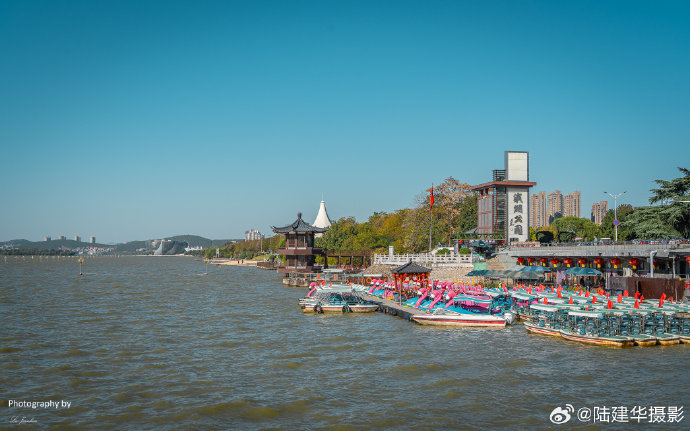
A national 5A-level scenic area located in the south of Xuzhou, featuring lake and mountain scenery, with attractions such as the Water World and the Ten-thousand-person Swimming Pool, a popular leisure spot for locals.
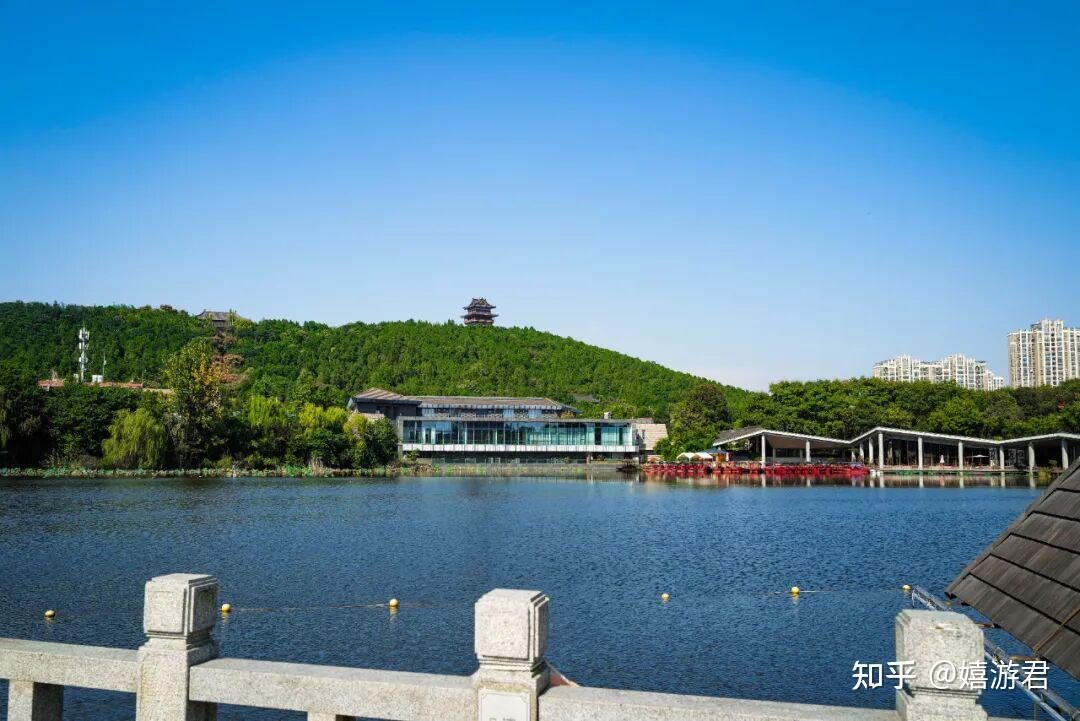
A national 4A-level scenic area showcasing Han culture, including the Lion Mountain Chu King's Tomb, Han Terracotta Warriors Museum, and Han Stone Relief Corridor.
UNESCO World Heritage Sites
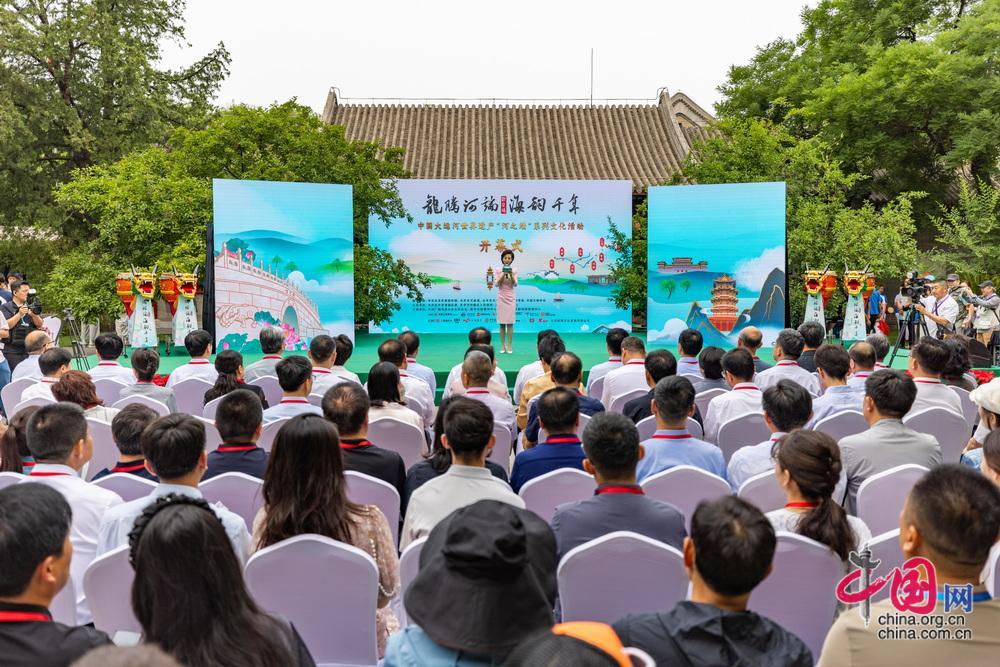
The Xuzhou section of the Beijing-Hangzhou Grand Canal is about 180 km long, an important part of the South-to-North Water Diversion Project, with historical sites like Yaowan Ancient Town along its banks.
Explore rich intangible cultural heritage and traditional crafts
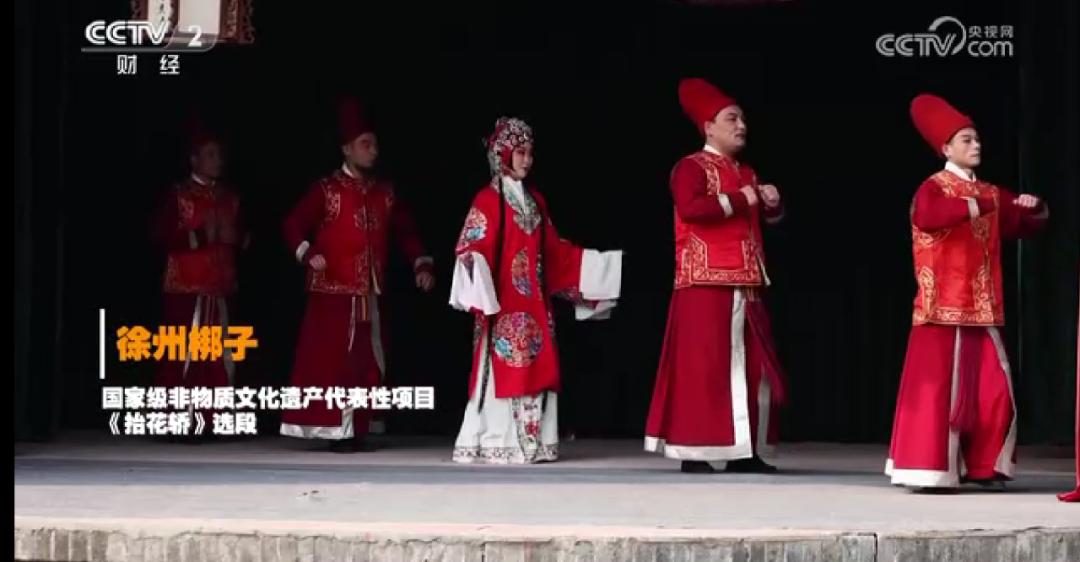
An intangible cultural heritage of Jiangsu Province, a traditional opera popular in Xuzhou area, using jujube wood clappers as percussion, with high-pitched and passionate singing.
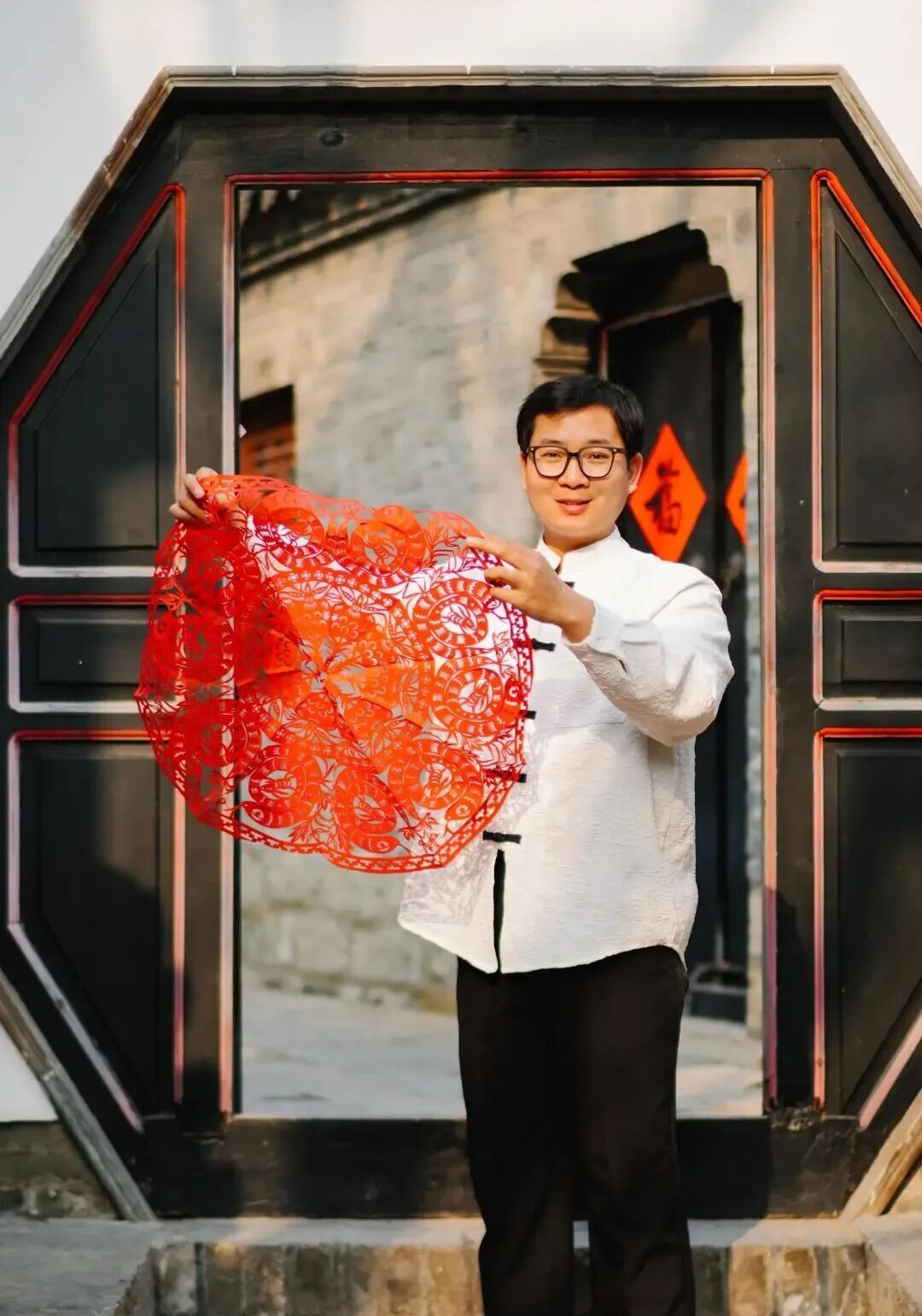
An intangible cultural heritage of Jiangsu Province, with a rough and simple style, themes often reflecting folk life, rich in local characteristics.
Must-know transportation for exploring the city
Located in Suining County, about 45 km from city center, with over 40 domestic and international routes. Airport shuttle buses and taxis are available to the city.
Airport shuttle 20 RMB
Intersection of Beijing-Shanghai HSR, Zhengzhou-Xuzhou HSR, etc., connecting to major cities nationwide. Metro Line 1 and buses are available to the city center.
Metro 2-5 RMB
Xuzhou Metro has Lines 1, 2, and 3 in operation, covering main urban areas. Bus routes are dense, fare 2 RMB, mobile payment accepted.
Bus 2 RMB, Metro 2-5 RMB
Taste the most authentic and popular local specialties
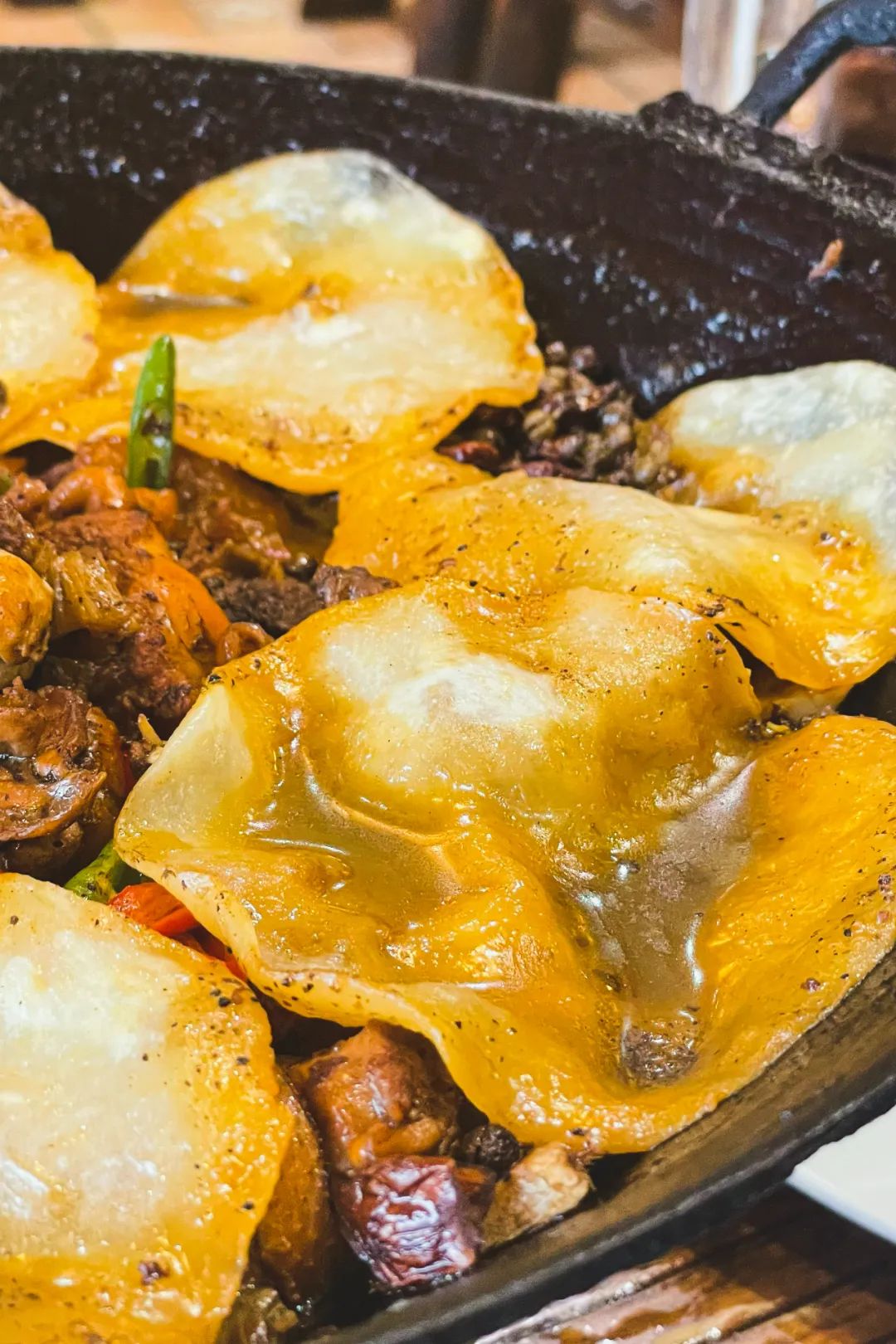
A Xuzhou specialty stew, chicken stewed in an iron pot with dough sticks attached to the pot rim, rich broth and tender chicken.
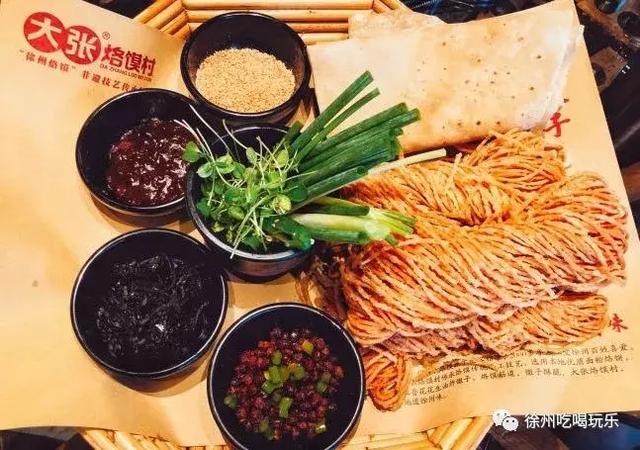
Thin pancake (luomo) rolled with crispy fried dough (sanzi), served with pickles and chili sauce, rich in texture.
Xuzhou was designated as one of the second batch of National Historical and Cultural Cities by the State Council due to its long history and rich cultural heritage.
Xuzhou became the fifth city in Jiangsu Province to operate a metro, marking the city's entry into the rail transit era.
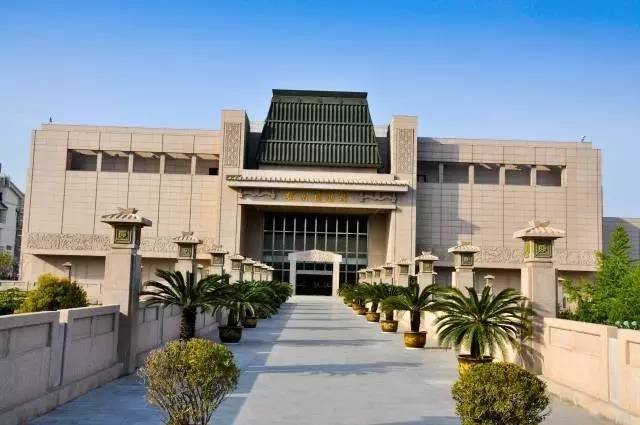
A national 4A-level scenic area with rich collections, featuring Han Dynasty artifacts, including national treasures such as jade burial suits sewn with gold and silver threads.
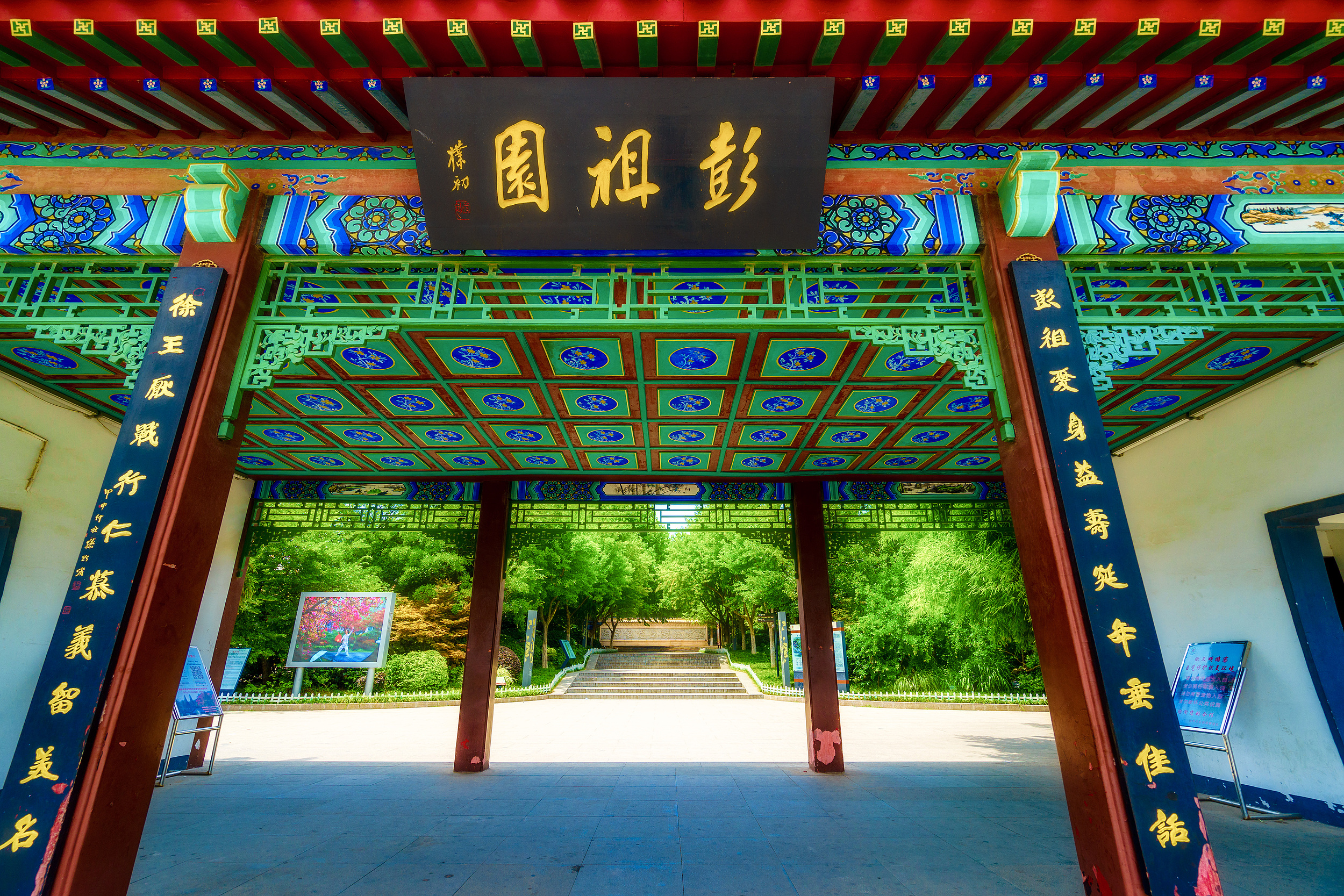
A national 4A-level scenic area built in memory of Peng Zu, featuring a statue of Peng Zu and the Dapeng Pavilion. It is especially beautiful when cherry blossoms bloom in spring.
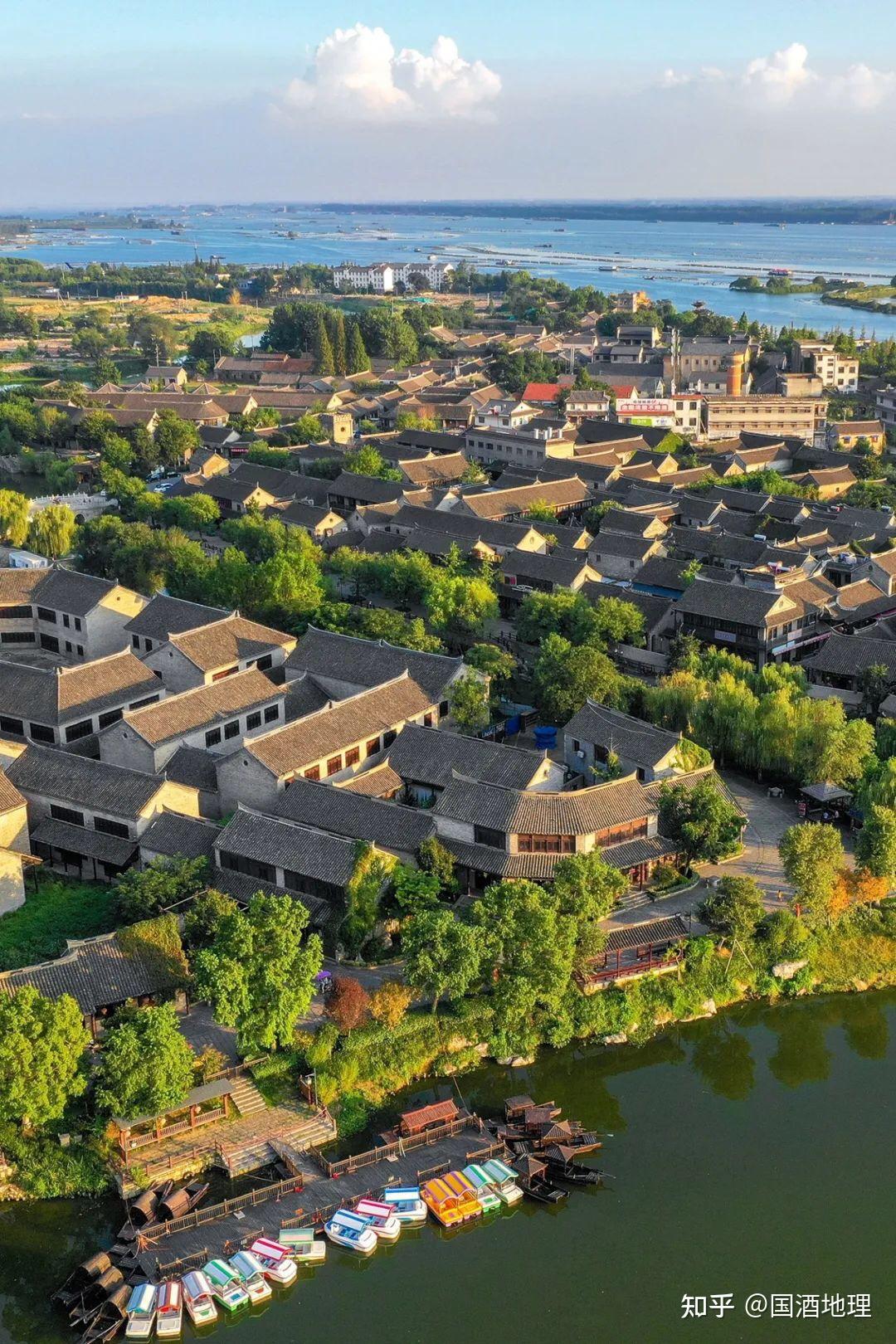
A national 4A-level scenic area located in Xinyi City, beside the Beijing-Hangzhou Grand Canal, with a thousand-year history and well-preserved Ming and Qing ancient architecture, known as 'Little Shanghai of Northern Jiangsu'.
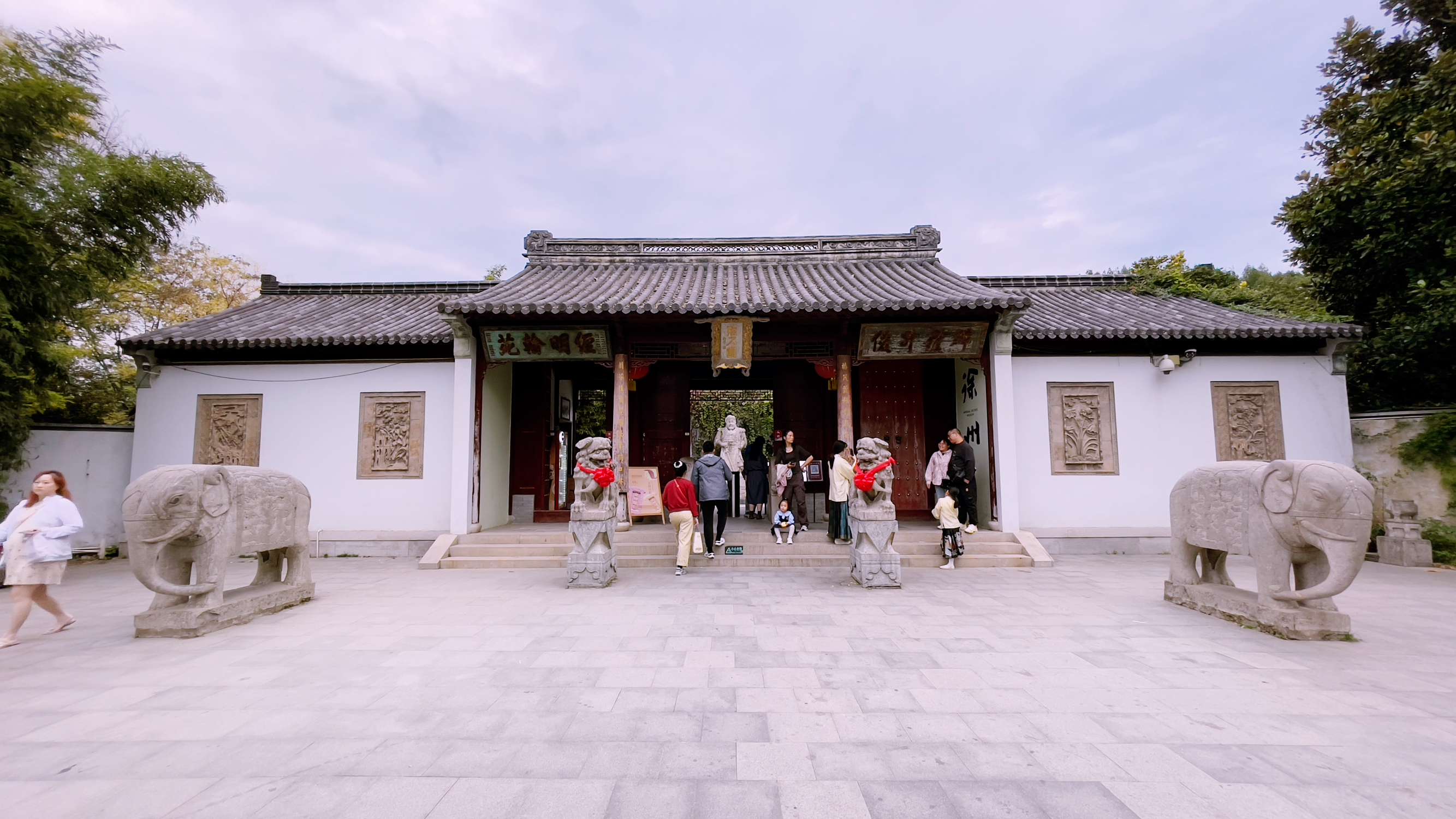
A national 4A-level scenic area, the joint tomb of Liu Zhu, the sixth king of Chu of the Western Han, and his wife. Known as the 'First Sacred Way of China', it is famous for its precise tunnel design.
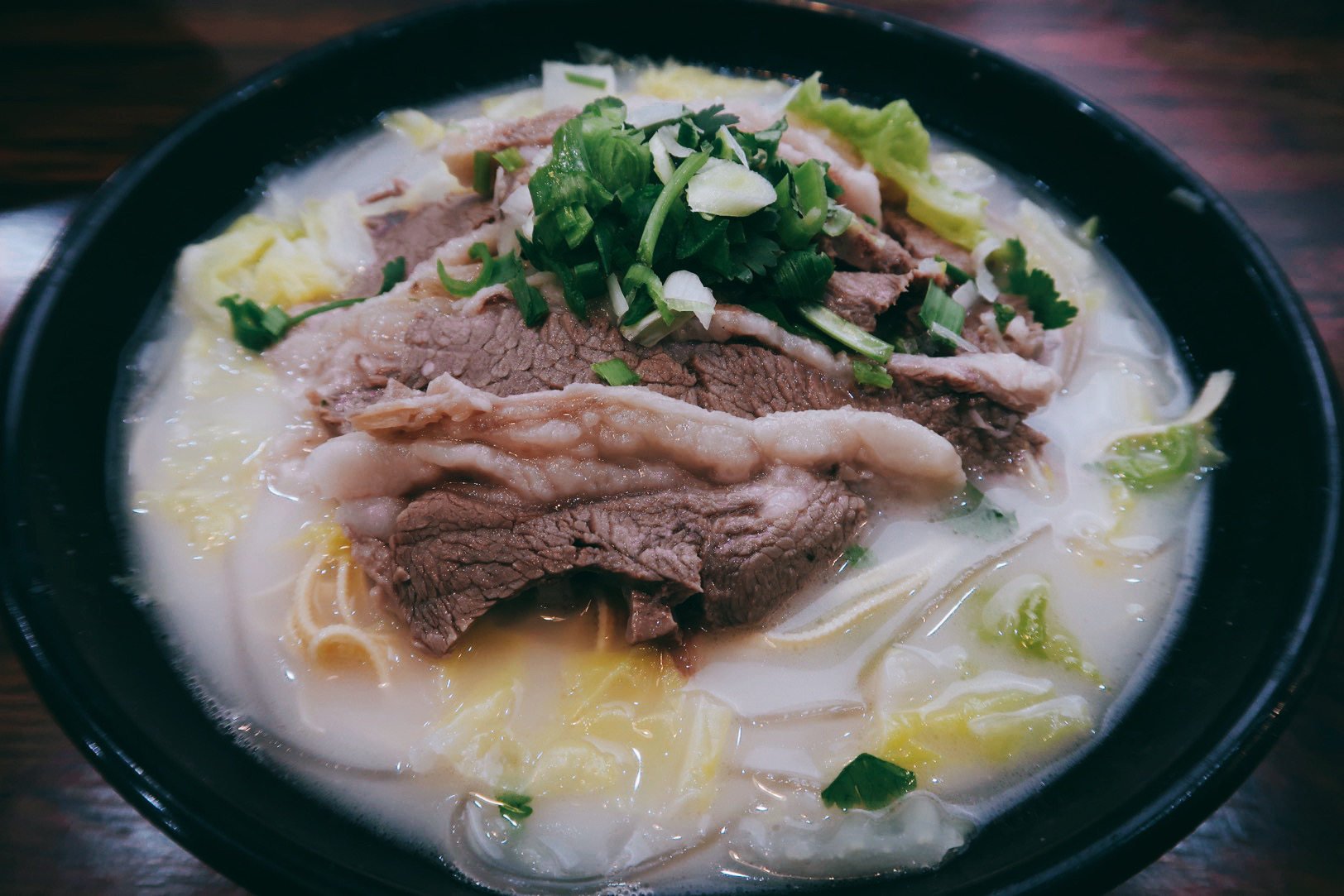
Made from local goat, simmered for hours, the soup is milky white and delicious, served with baked flatbread or luomo, warming and comforting.
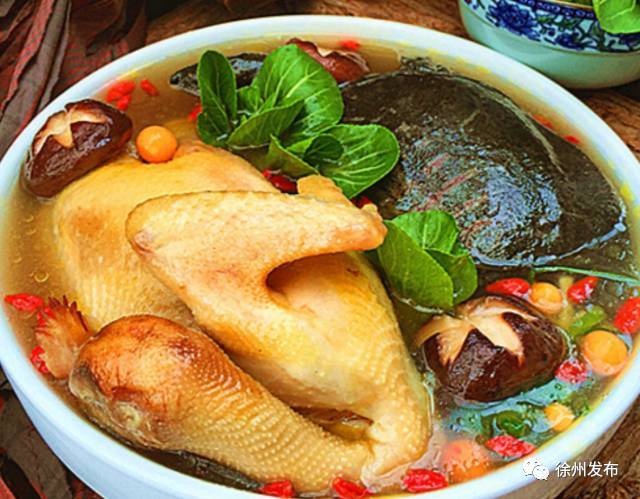
A traditional dish featuring turtle and chicken, symbolizing the story of Xiang Yu and Consort Yu. The broth is rich and nutritious.
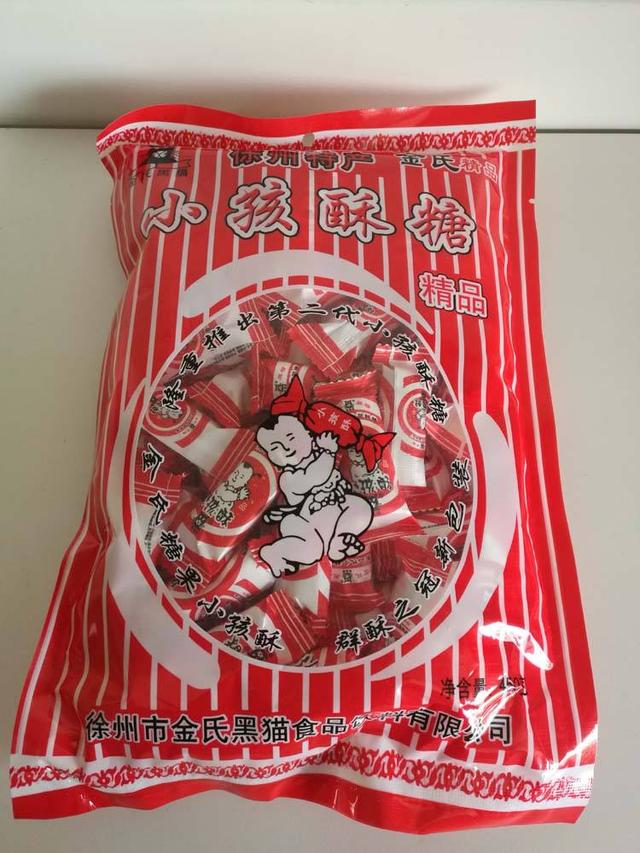
A traditional Xuzhou candy made from peanuts, sesame, and maltose, crispy and sweet, suitable for all ages.
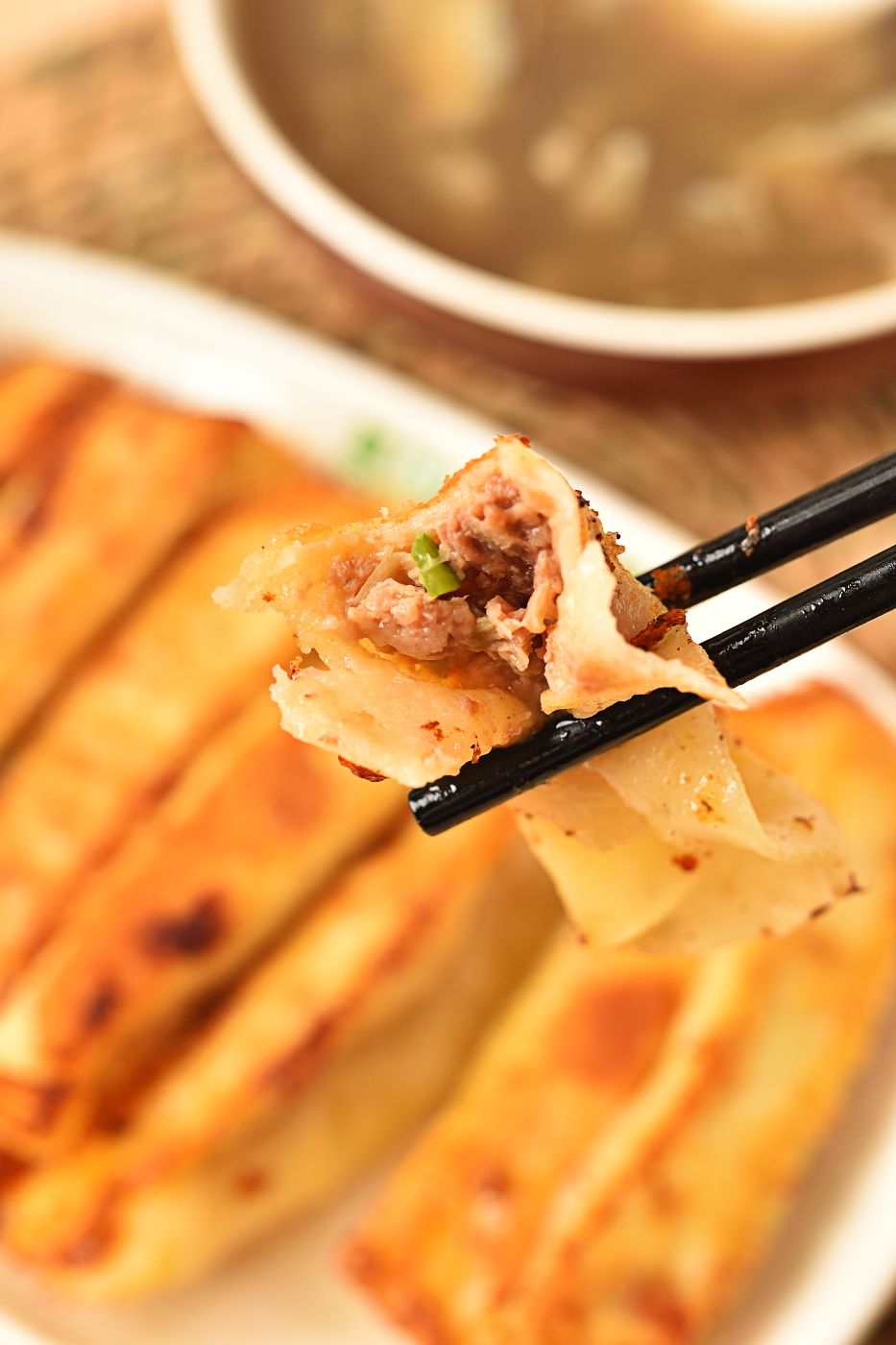
Common breakfast soup, made with eel, shredded chicken, gluten, etc., seasoned with pepper, sour and spicy to stimulate appetite.