
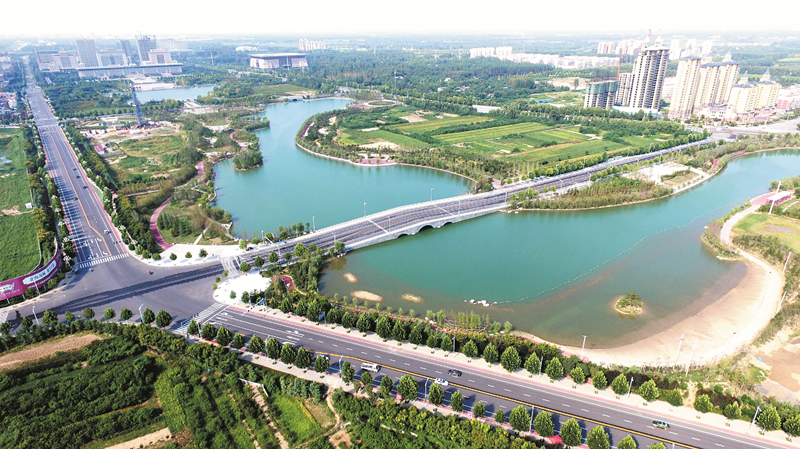
Located in central Henan Province, Xuchang sits in the heart of the Central Plains, bordering Zhengzhou to the north and Luohe to the south. The terrain is flat, with a warm temperate monsoon climate and four distinct seasons. The average annual temperature is 14.5°C, and spring and autumn are particularly pleasant.
Xuchang has a long history as the ancient capital of Cao Wei during the Three Kingdoms period, with profound Han-Wei cultural heritage. Established as a county during the Qin dynasty, it boasts over 2,200 years of history. It was once the fief of Emperor Xian of Han, the last emperor of the Eastern Han, and served as Cao Cao's political center from which he controlled the emperor and issued orders in his name.
Xuchang is one of the famous birthplaces of Jun porcelain, renowned for its magical kiln transformations where 'one color in the kiln, myriad colors out'. Local cuisine is based on Henan cuisine, with specialties such as Xuchang braised noodles, Yuzhou thirteen bowls, and Changge jujube honey. The city also has a strong opera culture, with Henan opera and Yuediao being widely popular.
Today, Xuchang is one of the core cities in the Central Plains Economic Zone, with pillar industries including equipment manufacturing, power equipment, and tobacco. It also vigorously develops the flower and seedling industry, earning the title 'China's Capital of Flowers and Trees'. The city has high green coverage and a well-developed water system, featuring an ecological landscape of 'five lakes, four seas, and three rivers'.
The best time to visit 许昌 is Spring and autumn (March-May, September-November).
Spring (March-May) sees warming temperatures and blooming flowers, especially during the April peony festival at Yanling Flower Expo Park, making it the best season for flower viewing.
Autumn (September-November) offers clear skies and pleasant temperatures, perfect for outdoor visits to historical sites like Spring and Autumn Tower and Baling Bridge. It's also a good time to taste local cuisine.
Summer (June-August) is hot and rainy but offers water park activities; winter (December-February) is cold and dry with fewer tourists, ideal for quiet visits to museums and indoor attractions.
Cao Cao moved Emperor Xian of Han from Luoyang to Xuchang, beginning the era of 'holding the emperor hostage to command the lords,' making Xuchang the de facto political center of Eastern Han.
Cao Pi replaced the Han dynasty with Cao Wei, capitalizing Luoyang, but Xuchang, as the birthplace of the Cao family, was listed as one of the five capitals.
Recommended places to visit
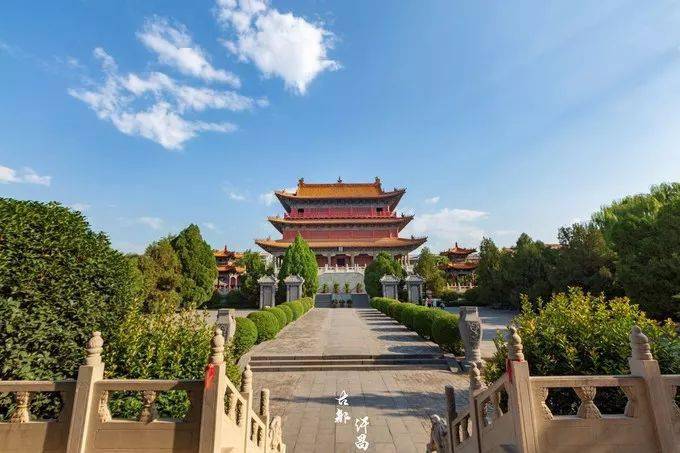
Legend says it was where Guan Yu read the 'Spring and Autumn Annals' at night during the Three Kingdoms period. It features a statue of Guan Yu and murals, a landmark Three Kingdoms cultural site.
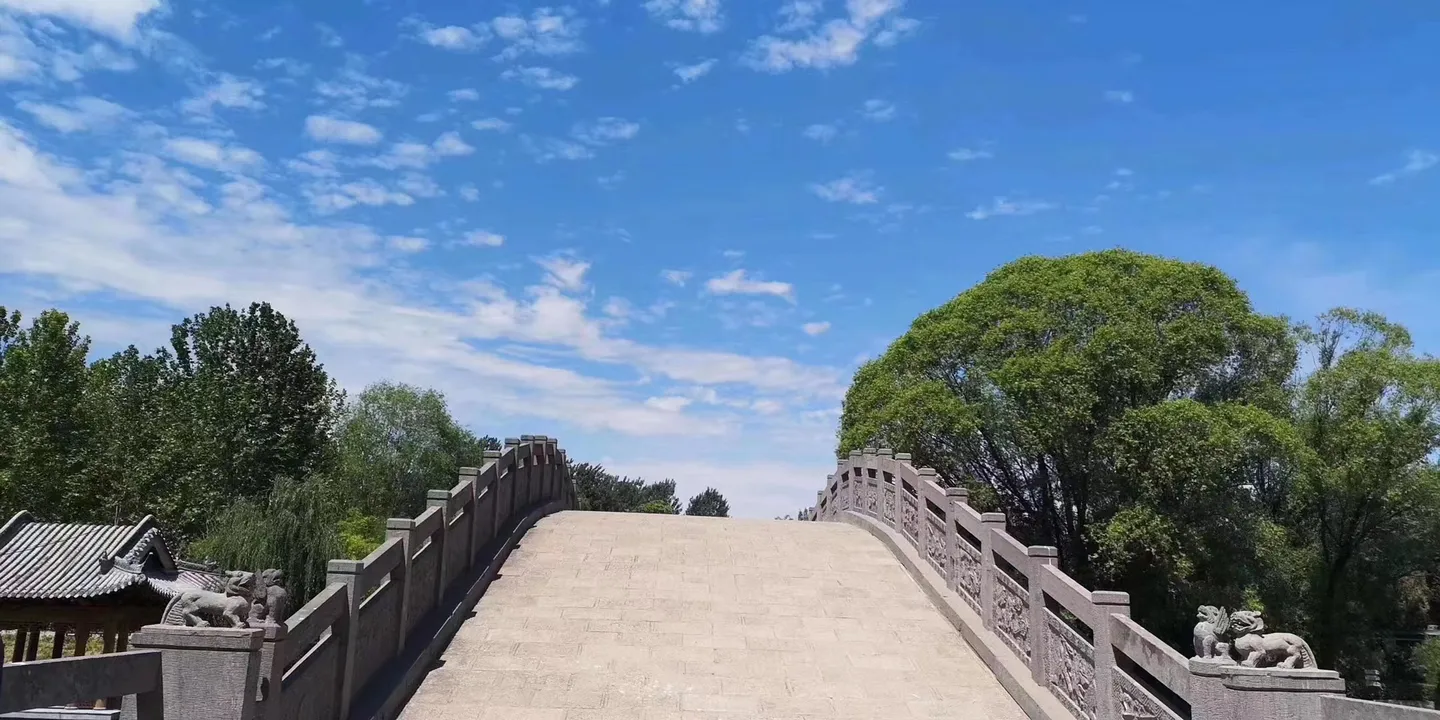
The classic scene where Guan Yu bid farewell to Cao Cao took place here. The bridge features Ming and Qing inscriptions, and a Guandi Temple nearby. It's an important stop on the Three Kingdoms cultural tour.
Explore rich intangible cultural heritage and traditional crafts
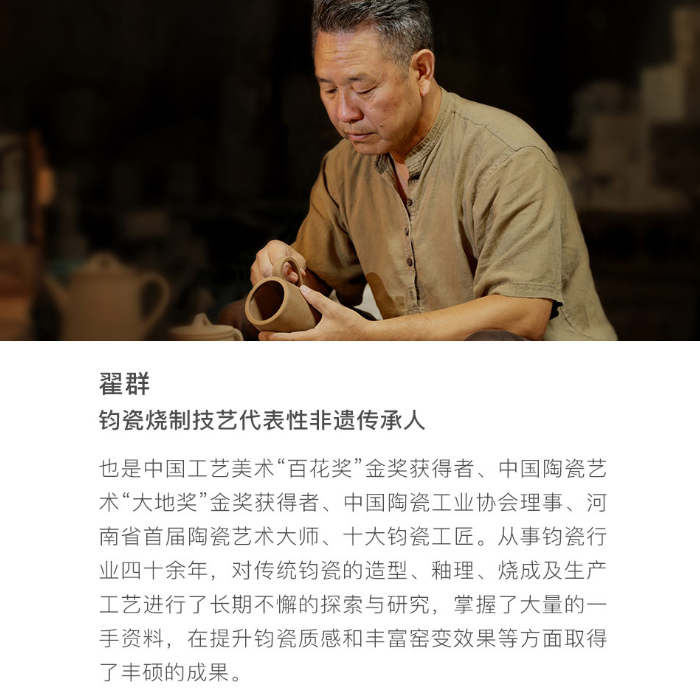
National intangible cultural heritage. Jun porcelain is famous for its kiln transmutation glazes. The firing process is complex, including material selection, molding, glazing, and firing.
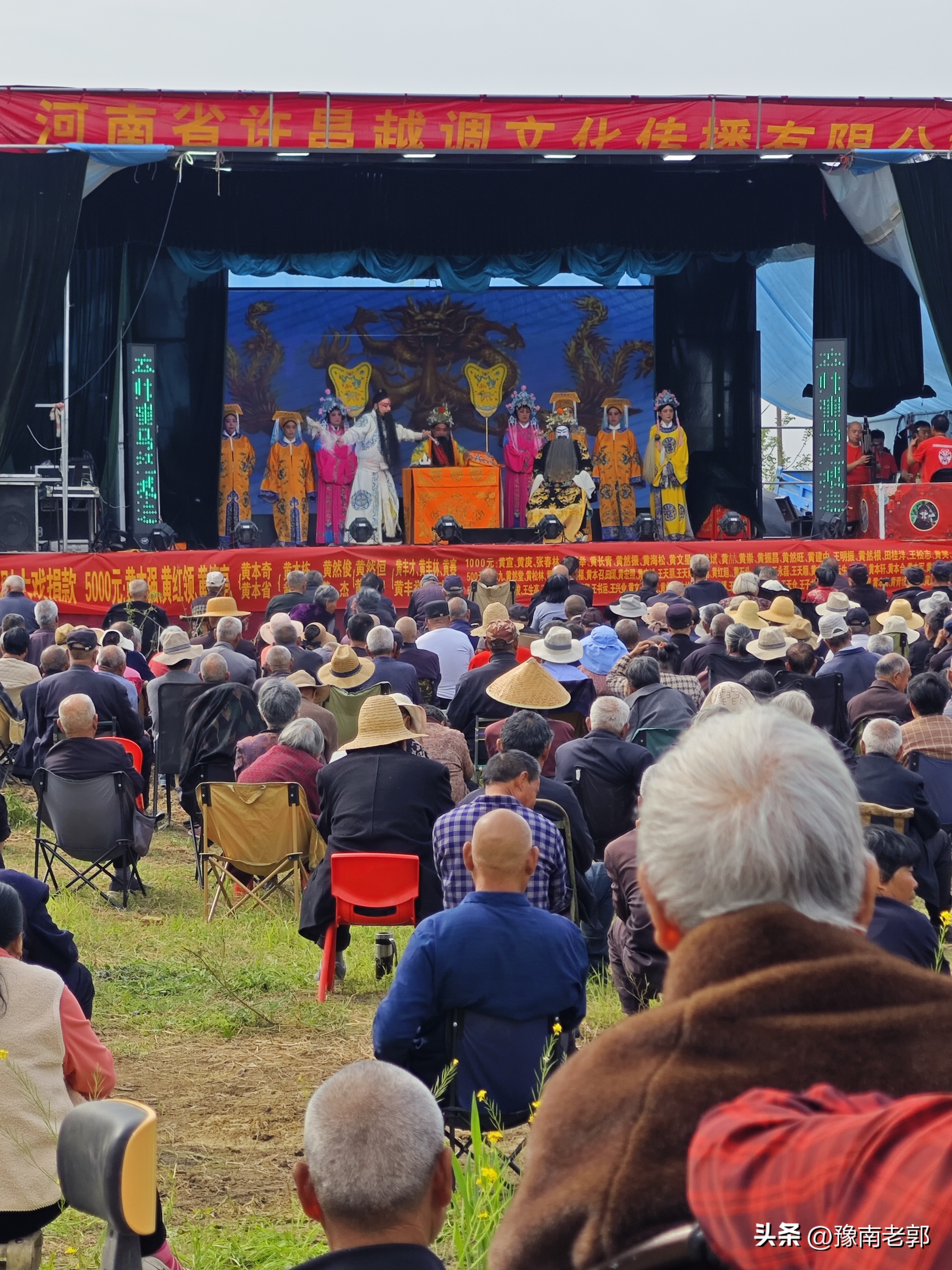
National intangible cultural heritage. One of Henan's local operas, with melodious singing, known for Three Kingdoms plays. Xuchang is an important transmission site.
Must-know transportation for exploring the city
Xuchang East Station is on the Beijing-Guangzhou high-speed line. About 30 minutes from Zhengzhou East Station. Direct trains from Beijing, Wuhan, etc.
Zhengzhou-Xuchang East: approx. 40-50 RMB
Xuchang has no civil airport. The nearest is Zhengzhou Xinzheng International Airport, about 50 km away, with direct airport buses to Xuchang.
Airport bus: approx. 40 RMB
Xuchang has a well-developed bus system covering major attractions and urban areas. Fare 1-2 RMB, mobile payment accepted.
1-2 RMB
Taste the most authentic and popular local specialties
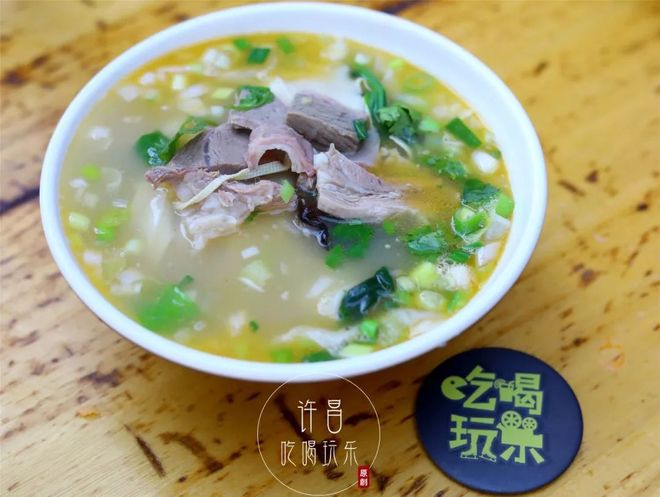
A Xuchang variant of Henan braised noodles, with rich broth and chewy noodles, topped with lamb, seaweed, tofu shreds, etc. A local staple.
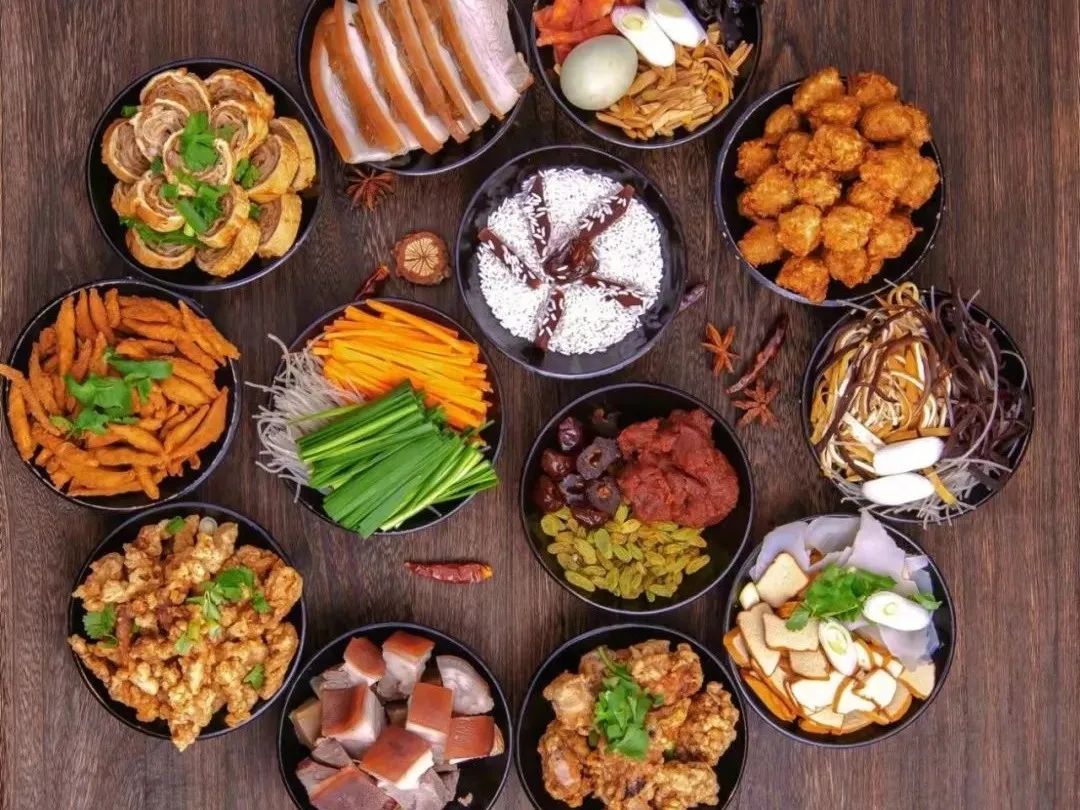
A traditional Yuzhou banquet consisting of thirteen dishes, including steamed bowls, crispy pork, meatballs, etc., symbolizing completeness, essential for festivals.
Xuchang New District was officially established as a key part of the Central Plains Economic Zone, promoting eastward urban development and becoming a new engine for the modern economy.
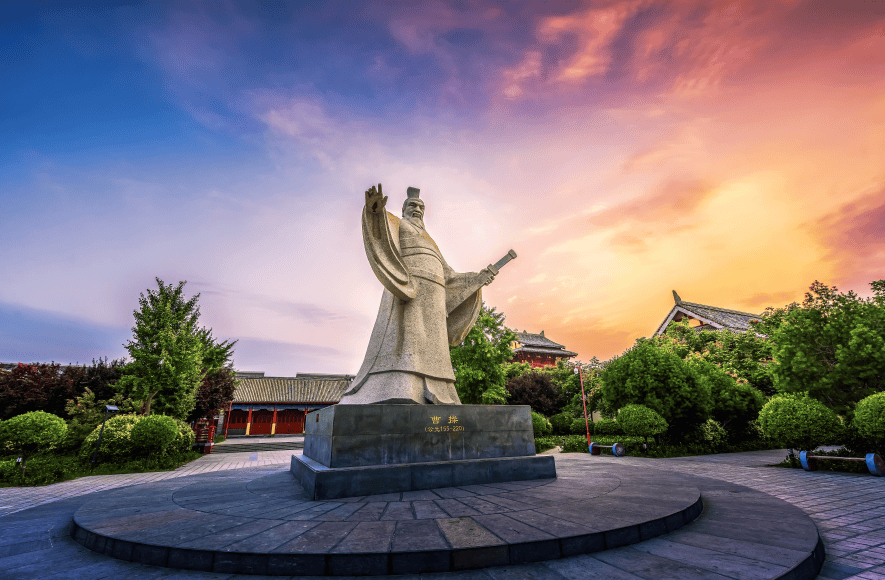
A restored mansion of Cao Cao, showcasing his life and Three Kingdoms culture, with ancient-style buildings like the Council Hall and Poetry Tower.
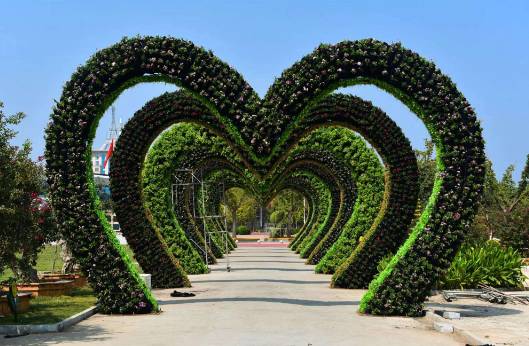
The largest flower and tree expo park in northern China, hosting the annual Flower Expo. It features a wide variety of flowers, ideal for leisure and flower viewing.
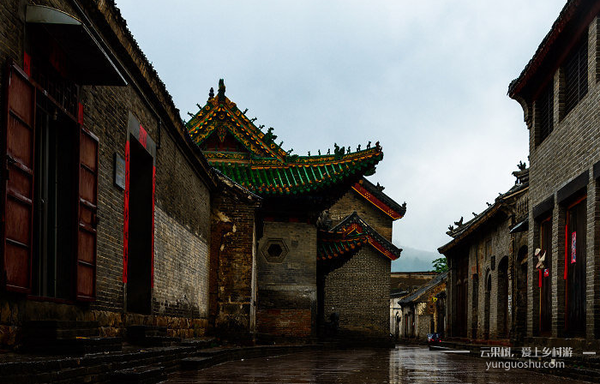
The birthplace of Jun porcelain, a thousand-year-old ancient town preserving Ming and Qing streets and ancient kiln sites. Visitors can experience Jun porcelain making.
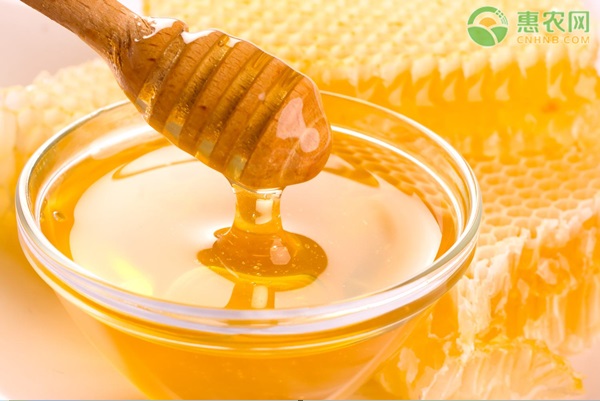
A specialty of Changge, made from jujube flowers, amber-colored, sweet and smooth, with nourishing properties, a famous local product.
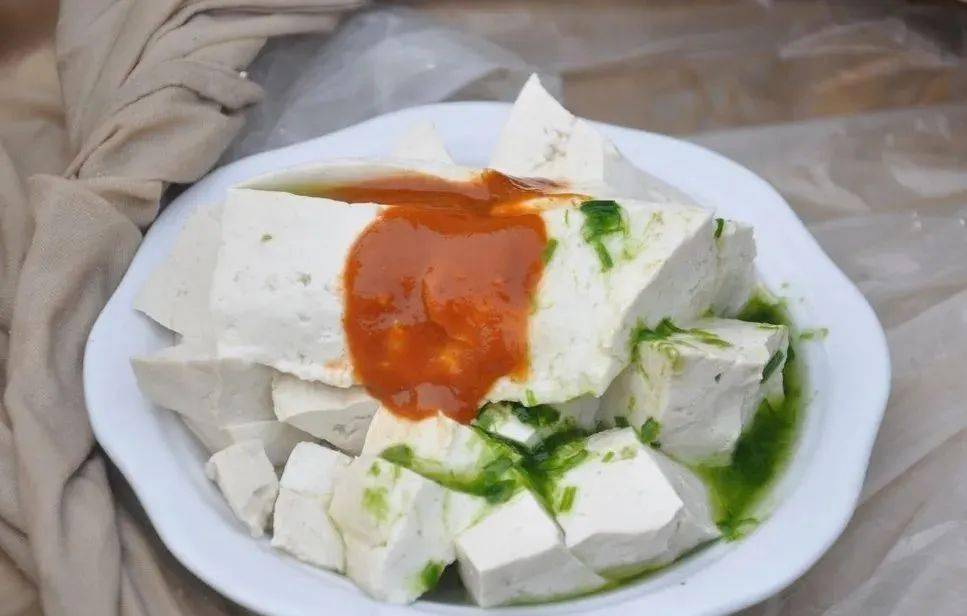
Soft tofu topped with special chili oil and sesame paste, served hot, smooth and spicy, a common street snack.
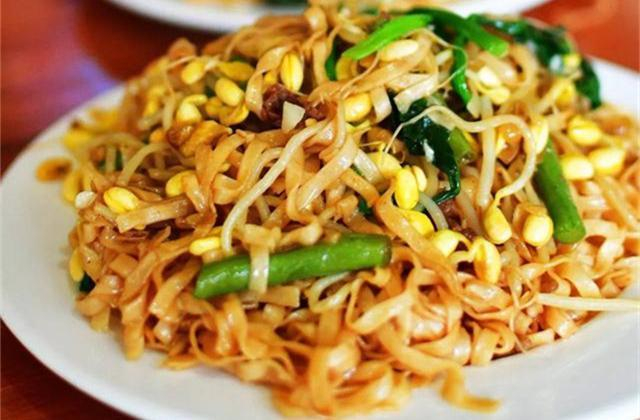
A specialty of Xiangcheng County, noodles braised with green beans and pork belly, absorbing the broth, chewy and flavorful, a home-style dish.