
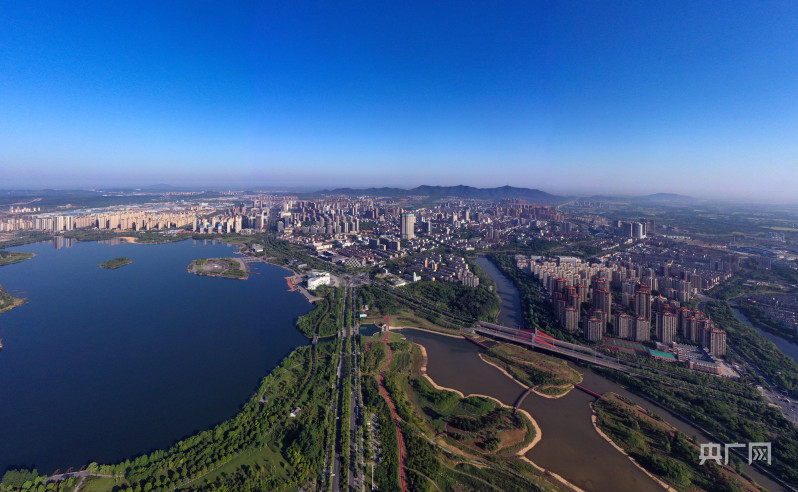
Xuancheng is located in the southeastern part of Anhui Province, at the junction of the mountainous region in southern Anhui and the middle-lower Yangtze Plain. It has a subtropical monsoon humid climate with four distinct seasons and abundant rainfall, with an average annual temperature of about 16°C. The city is surrounded by mountains and waters, featuring natural landscapes such as Jingting Mountain and Qinglong Lake.
Xuancheng has a long history, dating back over 2,000 years since the establishment of the prefecture in the Western Han Dynasty. The great Tang Dynasty poet Li Bai visited seven times, leaving the eternal verse, 'Never tired of looking at each other, only Jingting Mountain.' During the Ming and Qing dynasties, Xuancheng was an important center of Huizhou culture, with a thriving literary atmosphere.
Xuancheng is the home of the Four Treasures of the Study—Xuan paper, Xuan brush, Hui inkstick, and She inkstone. The craft of Xuan paper making is listed as a UNESCO Intangible Cultural Heritage. Local cuisine is mainly Huizhou cuisine, with representative dishes such as Hu Shi's One-Pot Stew, Jixi Stir-Fried Vermicelli, and Shuiyang Three Treasures.
Modern Xuancheng actively develops cultural tourism and green industries, with famous attractions like China Crocodile Lake and Jingting Mountain. The city is well-connected by transportation, with the Hefei-Fuzhou and Shangqiu-Hangzhou high-speed railways intersecting here, making it an important eco-tourism city in the Yangtze River Delta region.
The best time to visit 宣城 is Best in spring and autumn (March-May, September-November).
Spring (March-May): Moderate temperature, flowers in bloom, especially the azaleas on Jingting Mountain, offering pleasant scenery.
Autumn (September-November): Clear and crisp weather, colorful forests, ideal for hiking and outdoor activities.
Summer (June-August) is hot and rainy, but you can enjoy water activities at Qinglong Lake; winter (December-February) is cold, but you can appreciate snow scenes.
In 109 BC, during the Western Han Dynasty, Xuancheng Commandery was established, marking the formal incorporation of Xuancheng into the central administrative system.
The Tang poet Li Bai visited Xuancheng seven times, leaving nearly a hundred poems, the most famous being 'Sitting Alone in Face of Peak Jingting'.
In 2006, the technique of making Xuan paper was inscribed on the first batch of China's National Intangible Cultural Heritage list.
Recommended places to visit
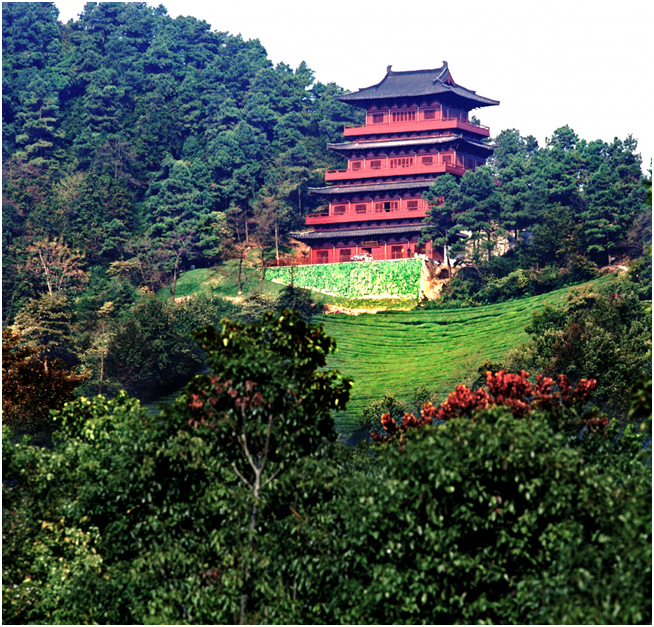
A national 4A-level scenic area, known as the 'Poem Mountain of Jiangnan,' famous for Li Bai's poem. The mountain is not high, suitable for hiking, and offers a panoramic view of Xuancheng from the top.
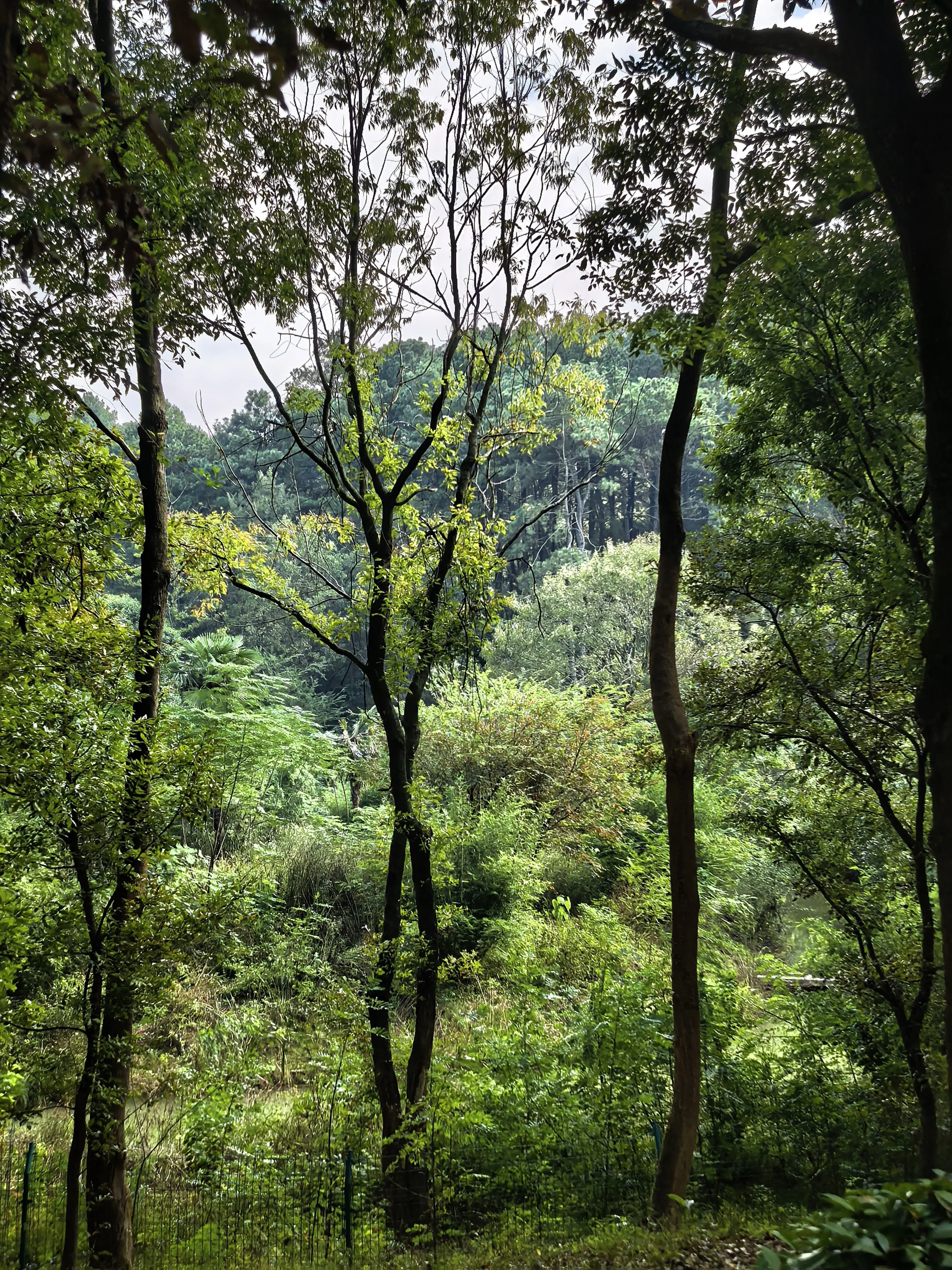
A national 4A-level scenic area, the largest Chinese alligator breeding base in China, where you can observe alligators up close and learn about their ecology.
Explore rich intangible cultural heritage and traditional crafts
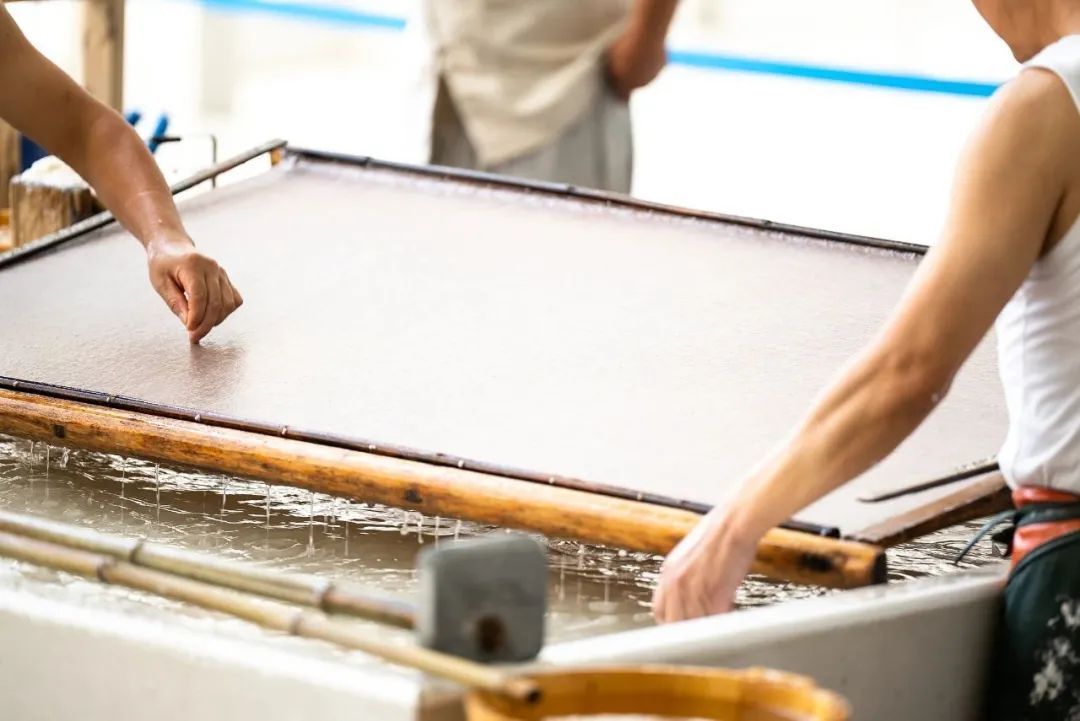
Inscribed on the UNESCO Representative List of the Intangible Cultural Heritage of Humanity in 2009. Xuan paper is one of the Four Treasures of the Study, made from the bark of the wingceltis tree and sand field rice straw through 108 processes.
Must-know transportation for exploring the city
Xuancheng Station is a major hub on the Hefei-Fuzhou and Shangqiu-Hangzhou high-speed railways, providing direct access to cities such as Beijing, Shanghai, Hangzhou, and Hefei.
To Hefei about 60 RMB, to Shanghai about 150 RMB
Xuancheng has a comprehensive bus network covering major scenic spots and urban areas, with fares of 1-2 RMB. There are also tourist shuttle buses to Jingting Mountain, China Crocodile Lake, etc.
1-2 RMB
Xuancheng currently has no civil airport. You can fly to Hefei Xinqiao International Airport or Nanjing Lukou International Airport, then transfer by high-speed rail or bus to Xuancheng.
Hefei to Xuancheng high-speed rail about 60 RMB, Nanjing to Xuancheng bus about 80 RMB
Taste the most authentic and popular local specialties
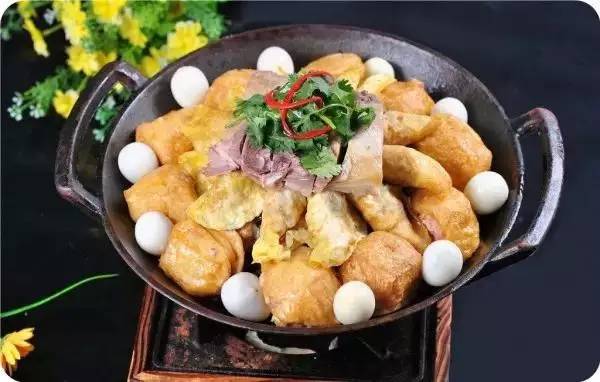
A representative Huizhou dish, said to be created by Hu Shi. Layers of various ingredients are stacked and slow-cooked, resulting in a delicious flavor.
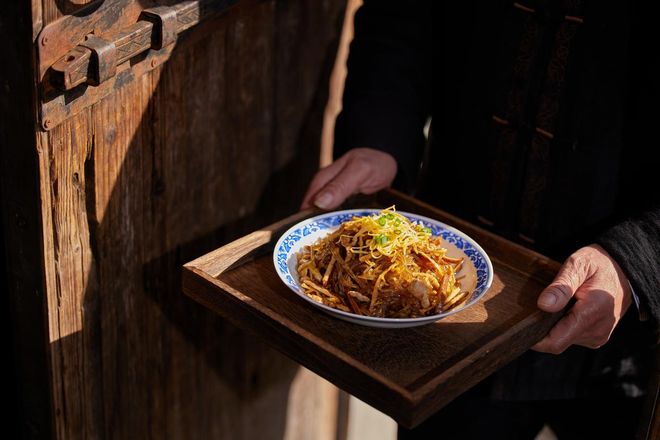
A traditional snack of Jixi, made with sweet potato vermicelli stir-fried with dried bamboo shoots, shredded meat, etc., with a chewy texture.
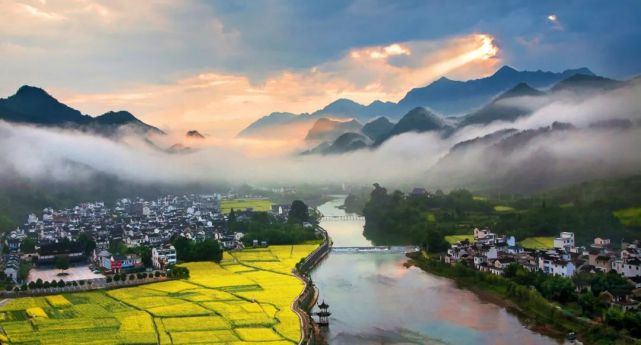
A national 5A-level scenic area, a typical Huizhou-style ancient village, famous for the Hu's Ancestral Hall and the Yishi Shangshu Archway, with exquisite architecture and profound cultural heritage.
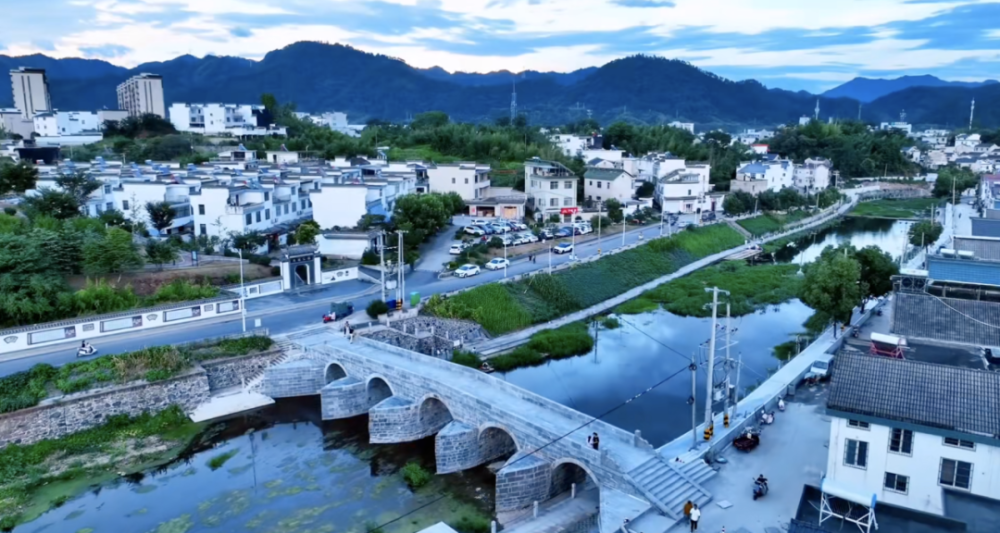
A national 4A-level scenic area, a well-preserved Huizhou ancient city, featuring Hu Xueyan Memorial Hall and the Three Carvings Museum, a great place to learn about Huizhou merchant culture.
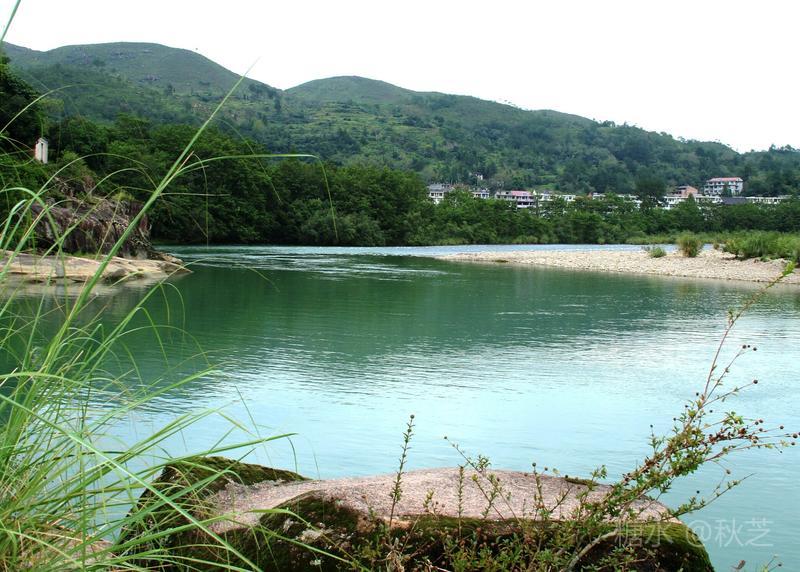
A national 4A-level scenic area, with beautiful lake and mountain scenery, known as the 'Thousand Island Lake of Southern Anhui.' You can take a boat tour and enjoy water activities.
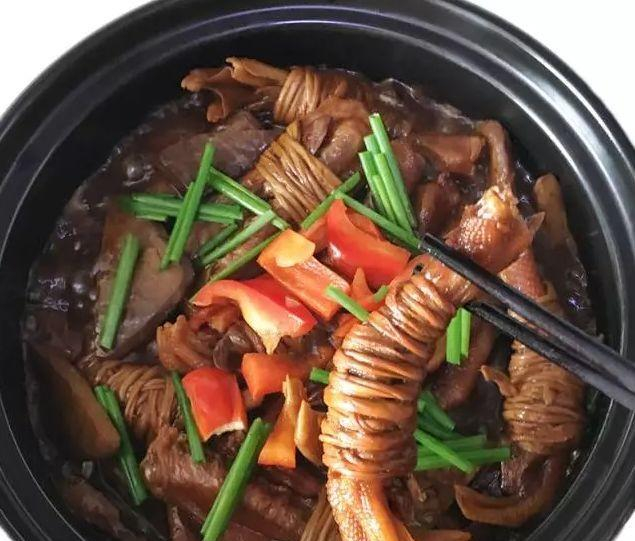
Specialties of Shuiyang Town, including duck feet wraps, duck wings, and duck gizzards, which are cured, sun-dried, and steamed, offering a unique flavor.
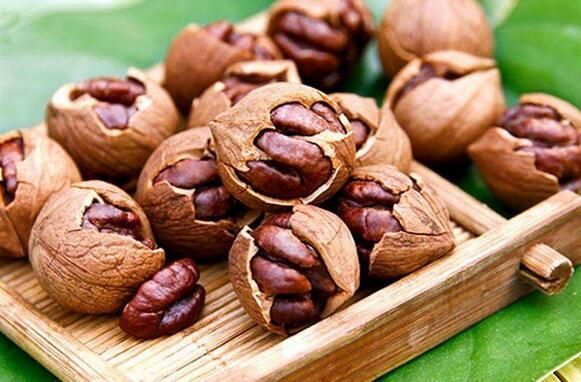
A specialty of Ningguo City, a China National Geographical Indication product, with thin shells, plump kernels, and a crispy, delicious taste.
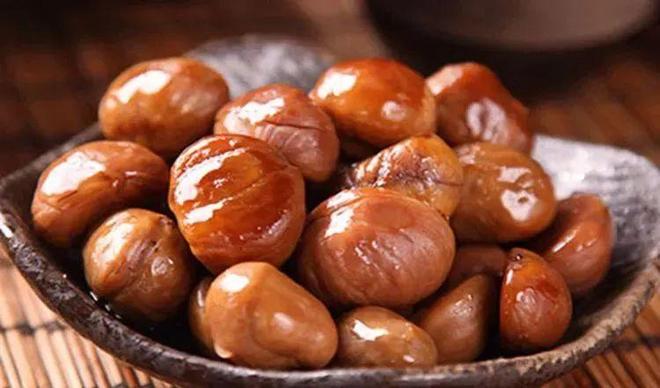
A specialty of Guangde City, a national geographical indication product, with plump, sweet, and sticky kernels, which can be eaten raw or cooked.