
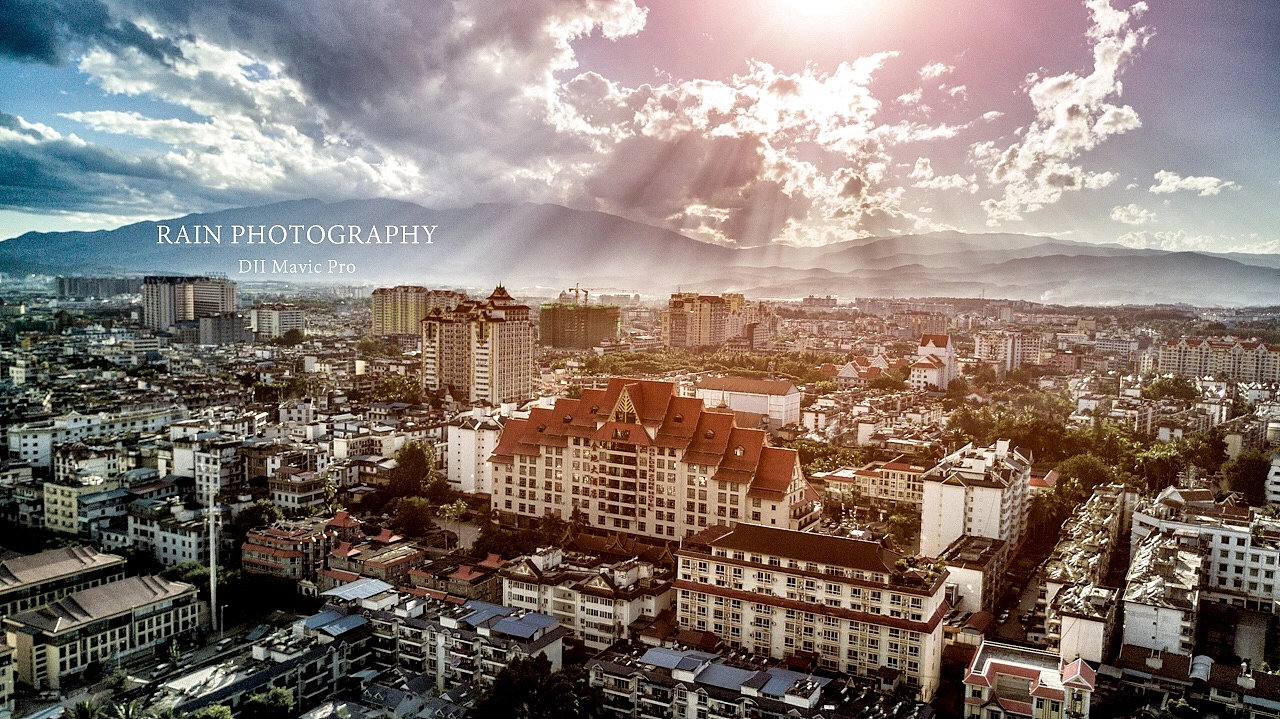
Xishuangbanna is located at the southernmost tip of Yunnan Province, on the northern edge of the tropics, south of the Tropic of Cancer. It has a tropical monsoon climate, warm and humid year-round, with an average annual temperature of 21°C, earning it the nickname 'Eternal Summer without Winter.' It borders Laos and Myanmar to the east, south, and west, and is adjacent to Thailand, with a border length of 966 kilometers and an area of 19,124.5 square kilometers.
Historically known as Mengle, Xishuangbanna is a Dai settlement. In 1953, the Xishuangbanna Dai Autonomous Region was established, later renamed an autonomous prefecture in 1955. In 1180, Dai leader Payazhen founded the Jinglong Golden Palace Kingdom, which later submitted to the Yuan Dynasty and was designated as Cheli Circuit. After liberation in 1950, it became an important tropical crop base and tourist destination.
Xishuangbanna is dominated by Dai culture, alongside ethnic minorities such as the Hani and Bulang. The Dai Water-Splashing Festival (Dai New Year) is a grand celebration where people splash water on each other for blessings. The cuisine features sour, spicy, and fresh flavors, such as lemongrass grilled fish, pineapple purple rice, and Dai-style barbecue. Tropical fruits are abundant, including mango, jackfruit, and dragon fruit.
Today, Xishuangbanna is actively developing tourism, with Gasa International Airport and the central line of the China-Laos Railway providing convenient transportation. Modern attractions like Gaozhuang Xishuang Jing and Sunac Resort draw visitors. The region also prioritizes ecological protection, hosting rare species such as Asian elephants and Parashorea chinensis, making it a biodiversity hotspot.
The best time to visit 西双版纳 is November to April is the dry season, the best time to visit.
Xishuangbanna is suitable for tourism all year round, but the best time is the dry season from November to April. The weather is sunny, with little rainfall and comfortable temperatures, ideal for outdoor activities and festivals.
The rainy season from May to October is hot and rainy, but the tropical rainforest is vibrant and lush, offering a unique rainy experience with fewer tourists and lower accommodation prices.
Major festivals like the Water-Splashing Festival (mid-April) are peak seasons, so book in advance. Winter (December-February) is warm like spring, perfect for escaping the cold.
Dai leader Payazhen founded the Jinglong Golden Hall Kingdom, unifying the Xishuangbanna region and establishing the first local regime.
On January 23, 1953, the Xishuangbanna Dai Autonomous Region was officially established, later changed to an autonomous prefecture, marking the implementation of regional ethnic autonomy.
Recommended places to visit
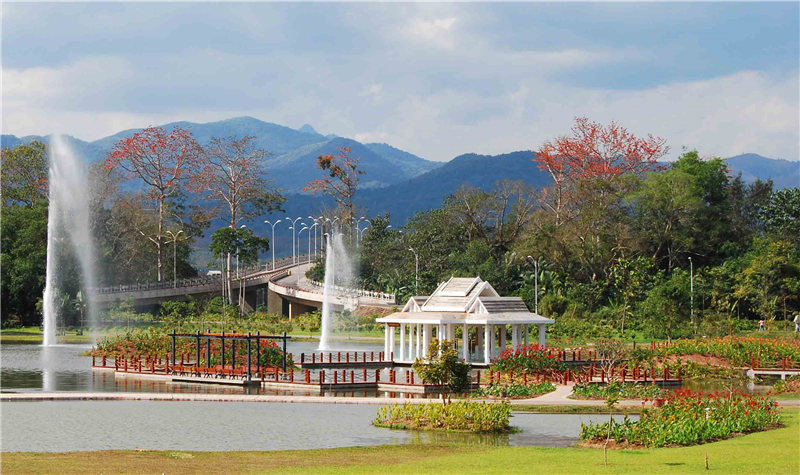
The largest and most diverse botanical garden in China, collecting over 13,000 tropical plant species, divided into specialized gardens such as Palm Garden and Rare Flowers Garden.
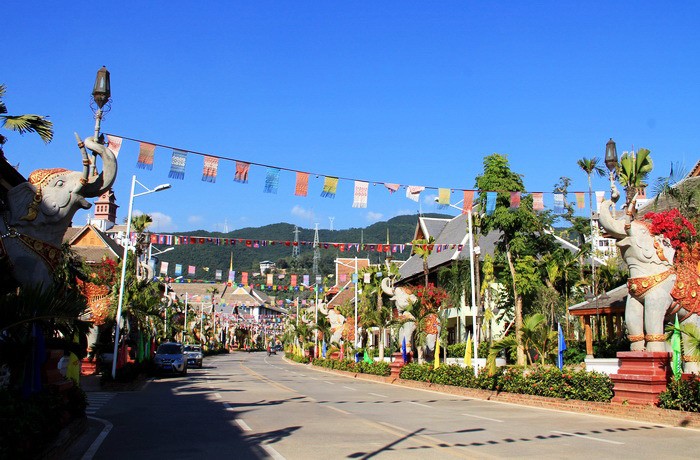
A comprehensive scenic area integrating culture, tourism, vacation, and shopping, famous for Dai-style architecture and Starry Night Market, brilliantly lit at night, a must-visit spot.
UNESCO World Heritage Sites
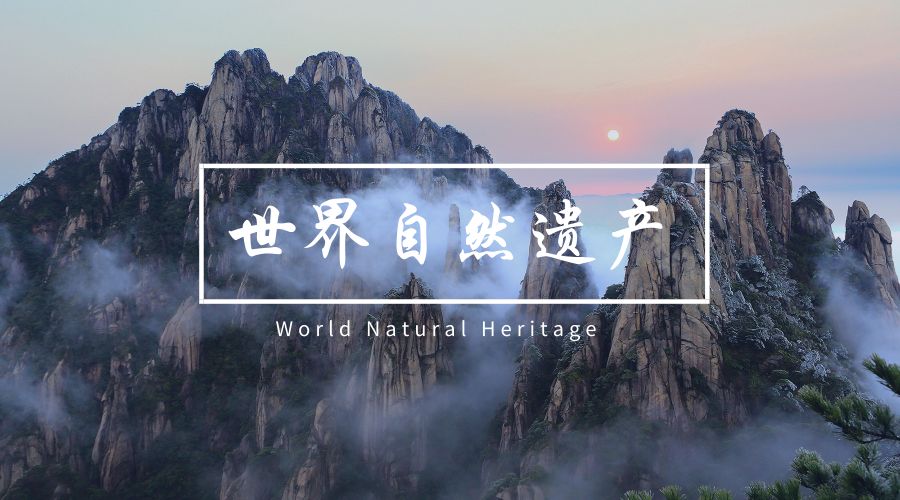
Explore rich intangible cultural heritage and traditional crafts
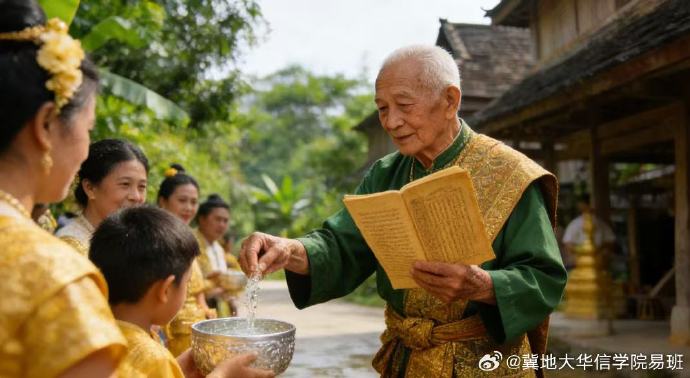
Traditional Dai New Year festival, featuring water-splashing as a blessing, along with singing, dancing, dragon boat races, listed as a national intangible cultural heritage.
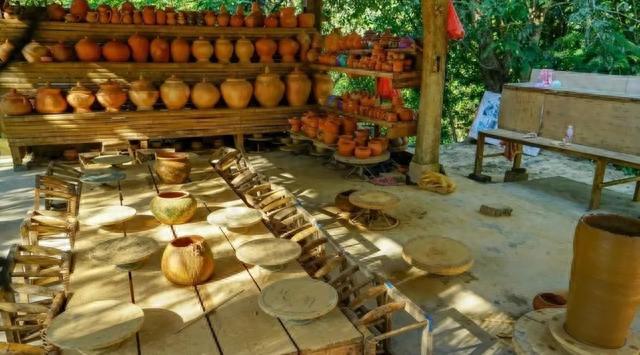
Traditional Dai handmade pottery technique using slow wheels and open-air firing to create household utensils, unique craftsmanship, listed as a national intangible cultural heritage.
Must-know transportation for exploring the city
About 5 km from Jinghong city center, with flights to major domestic cities (Kunming, Beijing, Shanghai, etc.) and some Southeast Asian cities, the main air gateway to Xishuangbanna.
Economy class approx. 500-1500 RMB
Opened in 2021, with stations including Xishuangbanna Station and Ganlanba Station, connecting Kunming to Vientiane, Laos; about 3 hours from Kunming to Xishuangbanna, convenient and fast.
Kunming to Xishuangbanna second class approx. 170 RMB
Jinghong city has multiple bus routes covering major attractions, plus tourist shuttles to Wild Elephant Valley, Botanical Garden, etc., with affordable fares and frequent departures.
City bus 2 RMB, tourist shuttle 10-30 RMB
Taste the most authentic and popular local specialties
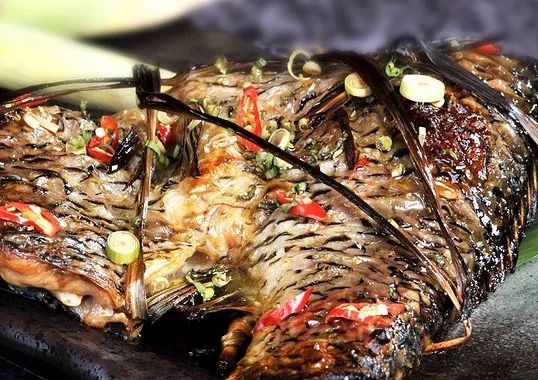
A traditional Dai dish, where tilapia is tied with lemongrass and grilled with chili, garlic, and other seasonings, crispy outside and tender inside, fragrant and mildly spicy.
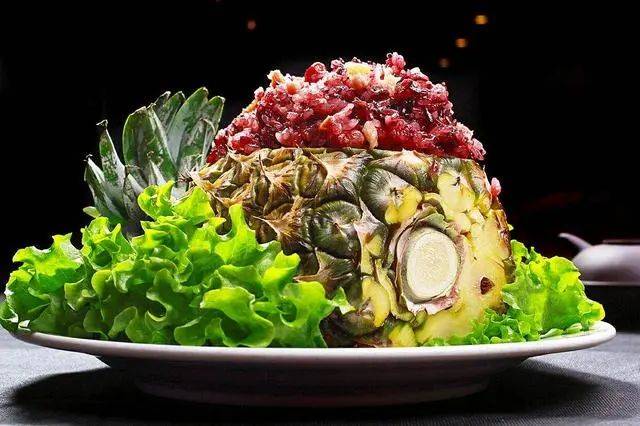
Purple glutinous rice steamed with pineapple pulp and coconut milk, sweet and sour with rich fruit flavor, a specialty Dai dessert.
Since the 1990s, Xishuangbanna has rapidly developed tourism relying on its tropical scenery and ethnic culture, becoming a well-known tourist destination at home and abroad.
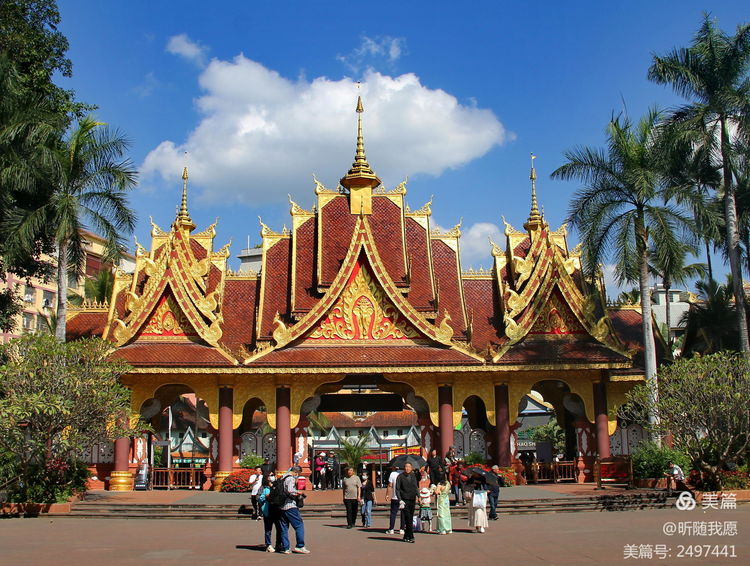
The oldest park in Xishuangbanna, once the royal garden of the Dai king, featuring ancient ironwood forests, Dai-style architecture, and the General Buddhist Temple, offering a taste of Dai royal culture.
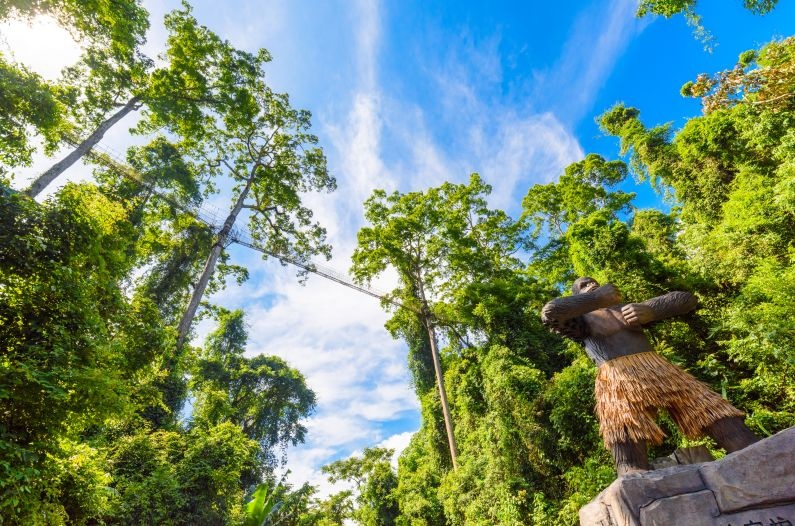
Characterized by the towering Parashorea chinensis trees reaching up to 80 meters, featuring a canopy walkway for an exhilarating experience above the rainforest.
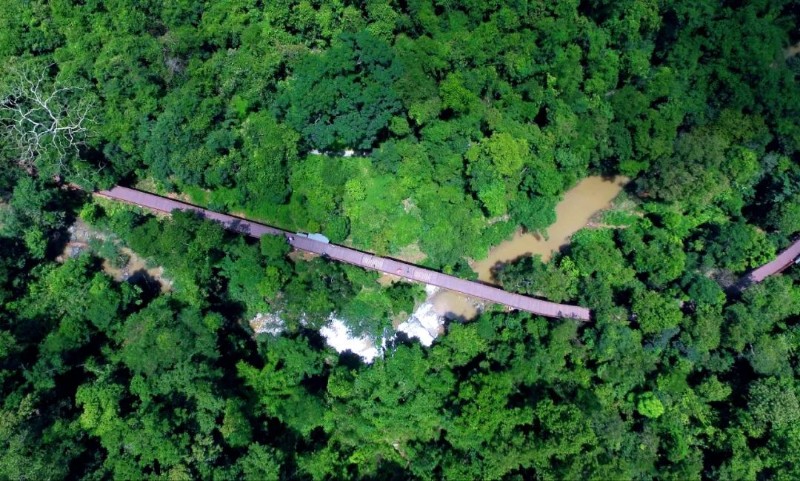
The only scenic area in China where you can safely observe Asian elephants, featuring an Asian Elephant Museum, elephant shows, and tropical rainforest tours, allowing close encounters with elephants.
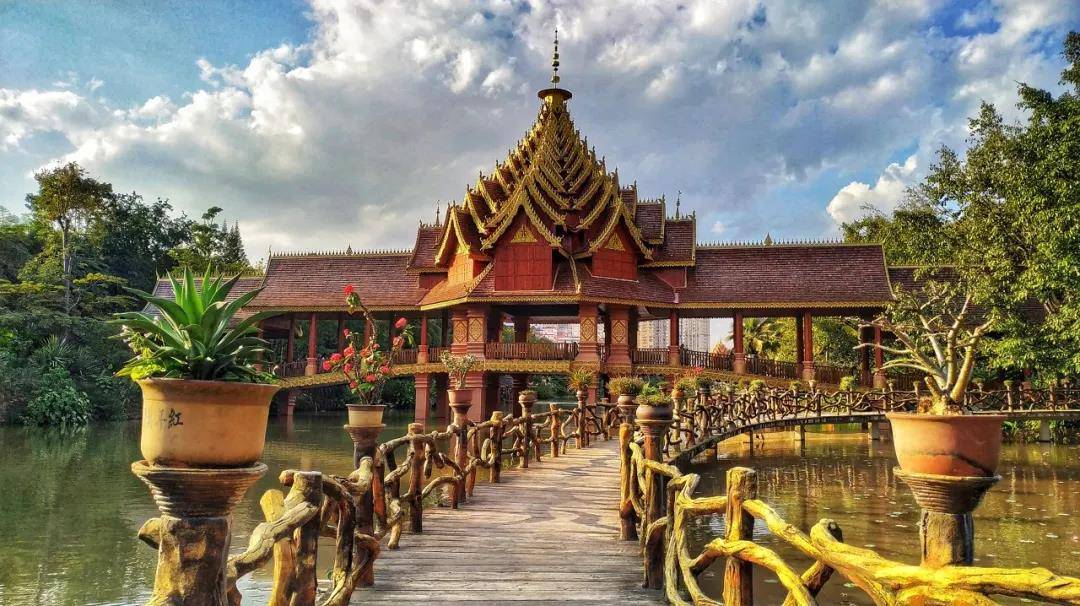
Composed of five Dai villages, showcasing traditional Dai architecture, costumes, handicrafts, and folk activities, with water-splashing festival experiences.
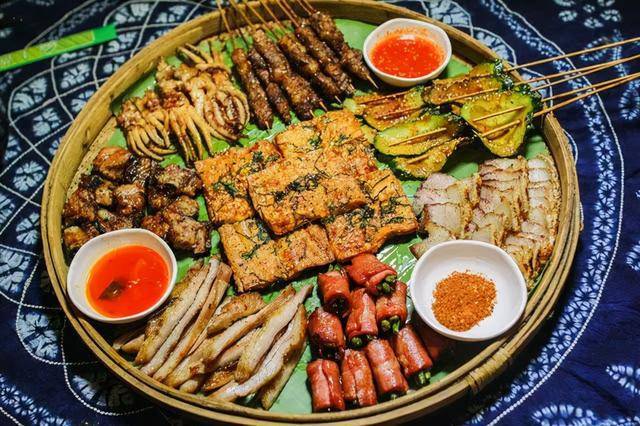
Common street food in night markets, including grilled chicken, pork belly, fish, etc., dipped in Dai-style sour and spicy dipping sauce, wrapped in lettuce.
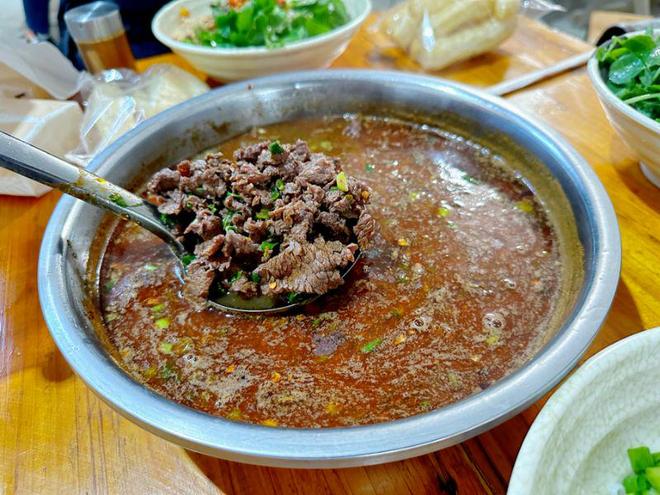
A traditional Dai cold dish, mixing rice noodles or vegetables with cow's bile juice, beef, and spices, bitter yet sweet, cooling and refreshing.
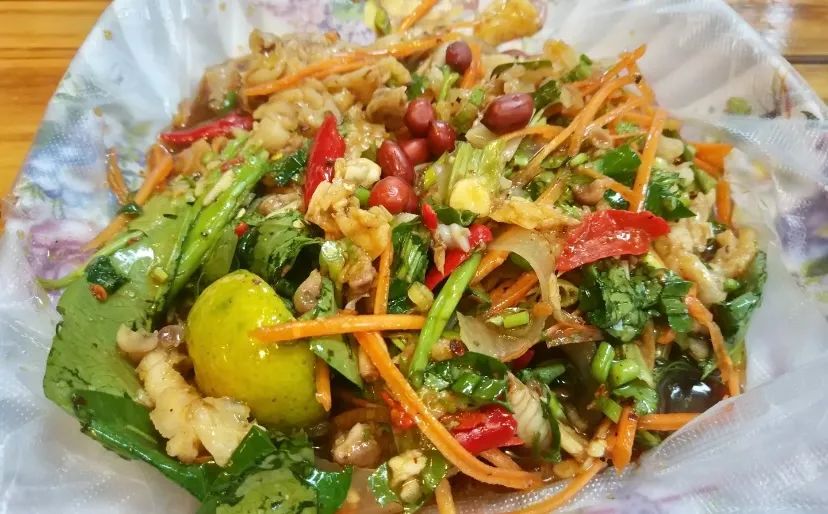
Cooked chicken feet pounded with lime, chili, garlic, peanuts in a mortar, sour and spicy, firm and chewy.