
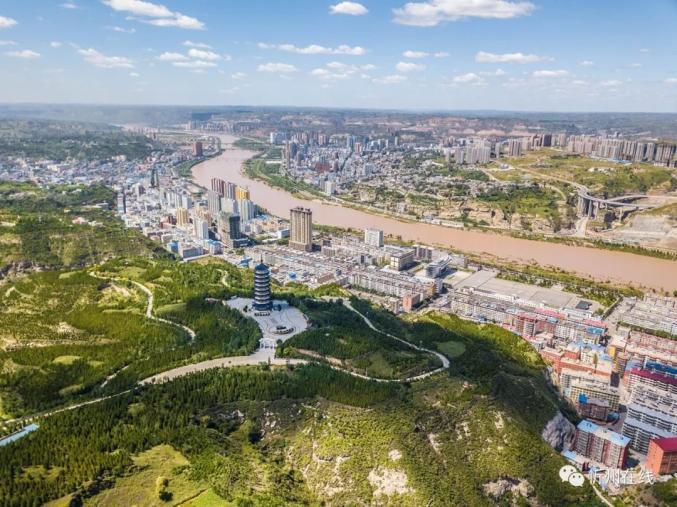
Xinzhou is located in the north-central part of Shanxi Province, on the eastern edge of the Loess Plateau. It borders Inner Mongolia to the north across the Great Wall and faces Hebei Province to the east across the Taihang Mountains. It has a temperate continental monsoon climate with four distinct seasons: cool summers and cold, dry winters. The average annual temperature is about 8°C.
Xinzhou has a long history, once known as Xiurong in ancient times. During the Spring and Autumn period, it was part of the State of Jin, and later belonged to the State of Zhao in the Warring States period. A commandery was established here in the Han Dynasty, and it became an important military town in northern China during the Sui and Tang dynasties. Since the Song Dynasty, it has been a key area of interaction between the Central Plains and northern nomadic peoples, with Yanmen Pass being a strategic battleground for centuries.
Xinzhou boasts a diverse culture. It is home to Mount Wutai, a Buddhist sacred site, and is one of the important birthplaces of the Shanxi merchant culture. Local specialties include Dingxiang steamed meat, Yuanping guokui (a type of baked flatbread), and Wutai Mountain vegetarian dishes. The region has a rich noodle culture. Folk arts include Northern Bangzi opera, Hequ folk songs, and Dingxiang paper-cutting.
Modern Xinzhou leverages its advantages in coal and electricity resources to develop tourism. Transportation infrastructure such as Wutai Airport and the Datong-Xi'an high-speed railway is continuously improving. Eco-tourism and hot spring wellness have become new highlights, and the city is undergoing rapid transformation.
The best time to visit 忻州 is Best in spring and autumn.
Spring (April-May): Temperatures warm up, snow melts on Mount Wutai, and mountain flowers bloom, ideal for hiking and pilgrimage.
Summer (June-August): Mount Wutai is a summer resort with average temperatures around 20°C, but be aware of rainfall.
Autumn (September-October): Clear skies, red leaves at Yanmen Pass, great for photography and outdoor activities.
During the Spring and Autumn period, Zhao Yang (Zhao Jianzi), a minister of the State of Jin, built the city of Xinzhou, marking the beginning of its fortifications.
During the Ming Dynasty, Yanmen Pass was fortified with heavy troops, and together with Ningwu Pass and Pianguan Pass, it was known as the 'Three Outer Passes', serving as a crucial defense line against the Mongols.
In July 1948, the People's Liberation Army liberated Xin County (now Xinzhou), marking the beginning of a new era for Xinzhou.
Recommended places to visit
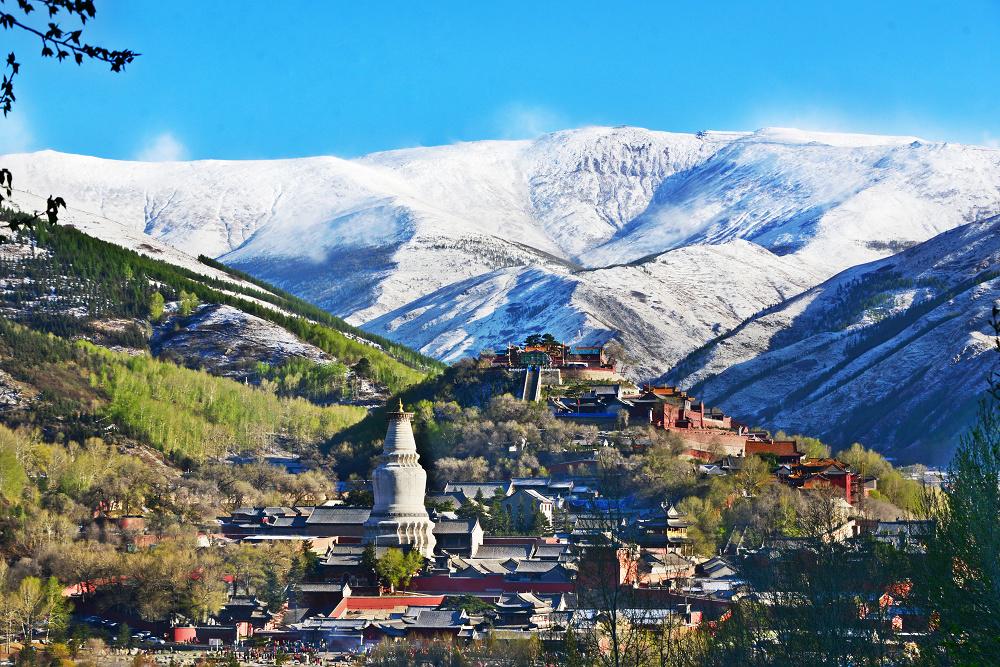
One of China's four sacred Buddhist mountains, the bodhimanda of Manjusri, famous for its temple complex and natural scenery, with many ancient temples such as Xiantong Temple and Tayuan Temple.
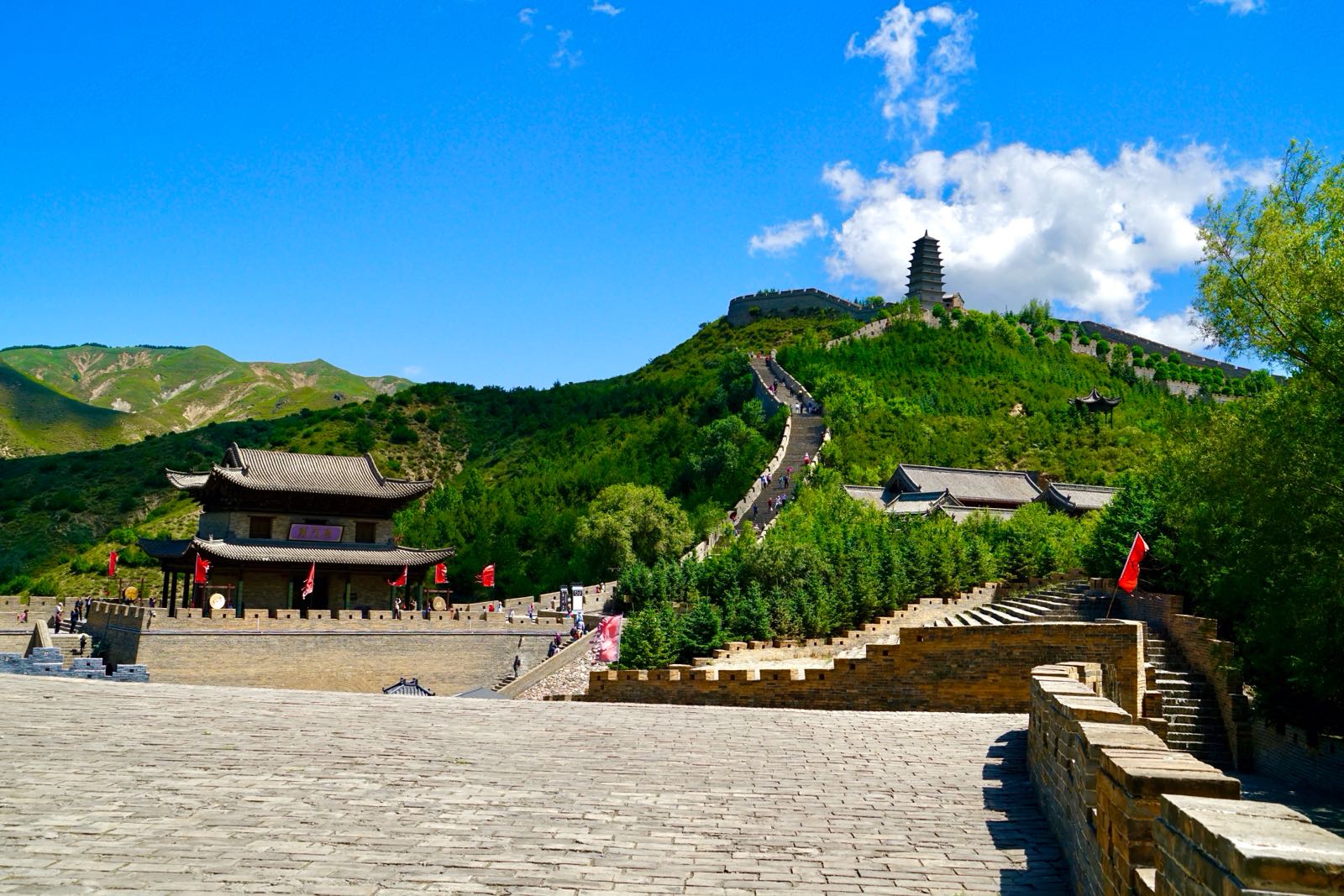
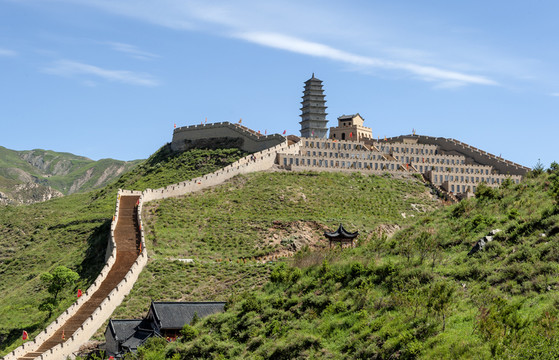
The number one pass under heaven, an important pass of the Great Wall, historically the boundary between the Central Plains and northern nomadic peoples. The scenic area includes the pass city, Great Wall, and beacon towers.
UNESCO World Heritage Sites
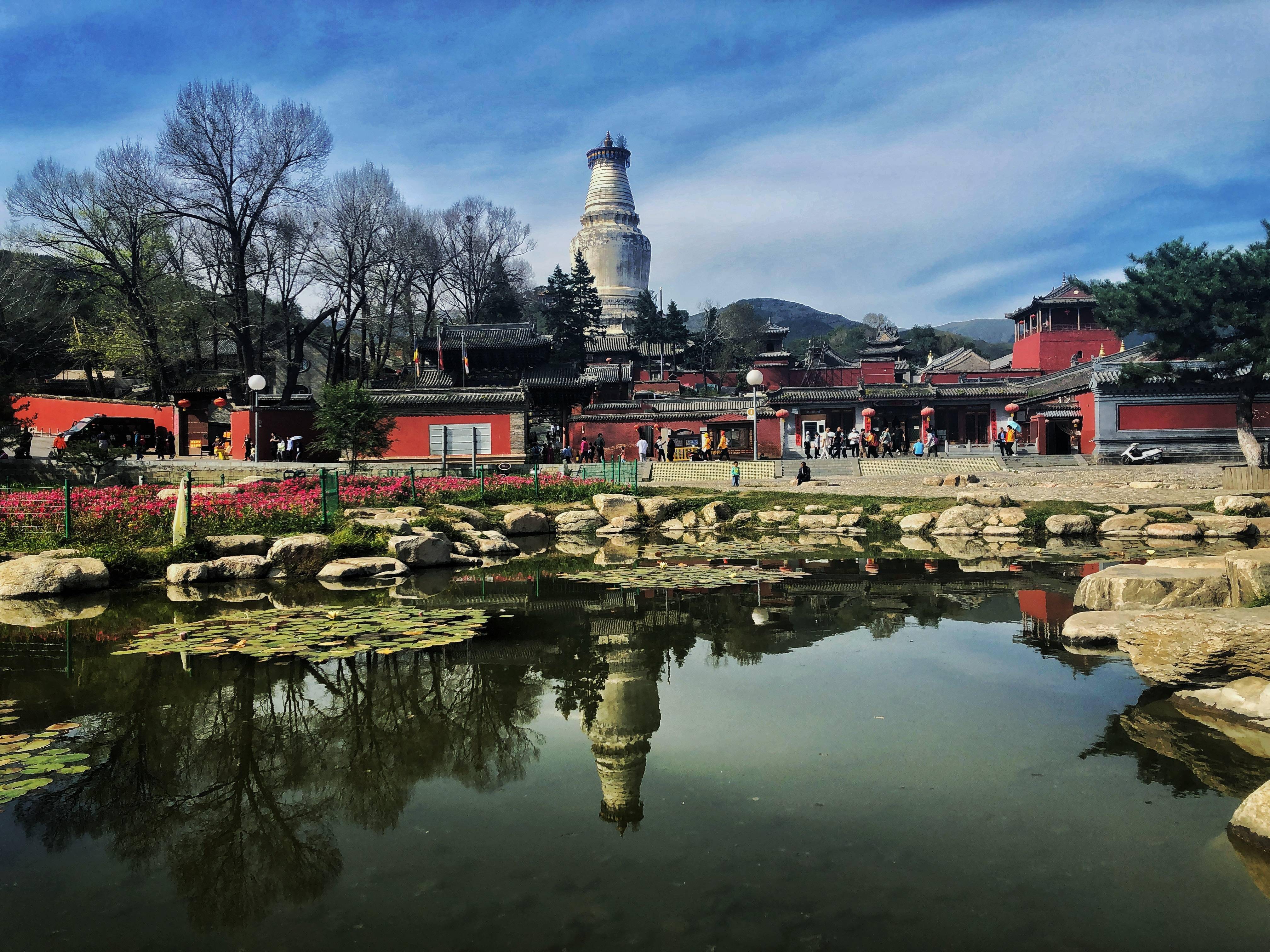
Mount Wutai was inscribed as a World Cultural Heritage site in 2009. It is the foremost of China's four sacred Buddhist mountains, with rich Buddhist architecture and sculpture art.
Explore rich intangible cultural heritage and traditional crafts
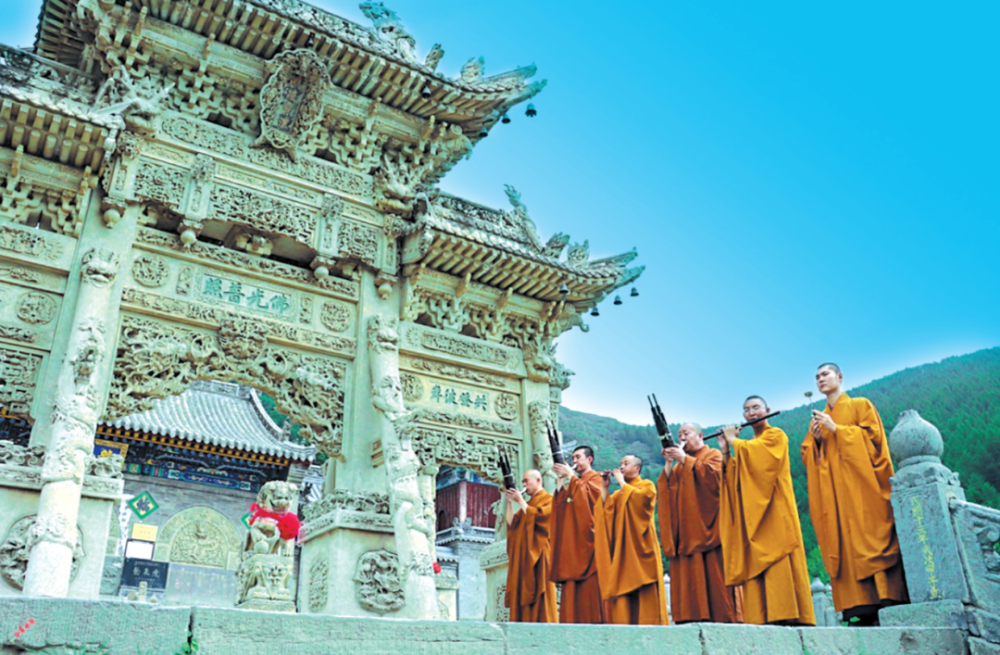
Mount Wutai Buddhist Music is a national intangible cultural heritage, combining elements of Han and Tibetan Buddhist music, with solemn and melodious tunes.
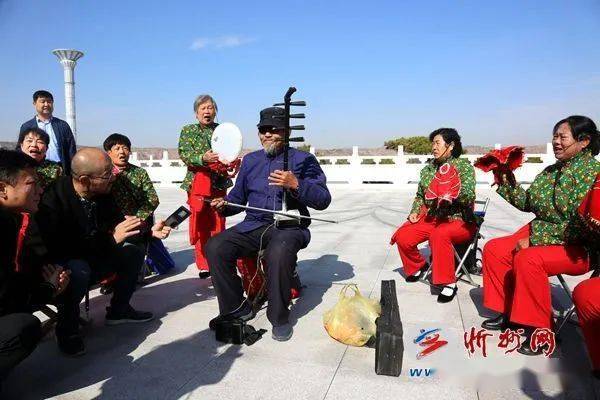
Hequ folk songs are a national intangible cultural heritage, known for their high-pitched, long-drawn, and sincere emotions, reflecting local life and love.
Must-know transportation for exploring the city
Located in Dingxiang County, about 30 km from the city center, with flights to major cities such as Beijing, Shanghai, and Guangzhou.
Economy class about 500-1000 yuan
Located in the city center, served by the Datong-Xi'an high-speed railway, connecting to Taiyuan, Datong, Xi'an, etc. About 1 hour to Taiyuan.
Second class to Taiyuan about 50 yuan
City bus routes cover main urban areas and attractions, fare 1-2 yuan, some routes reach scenic spots like Mount Wutai.
1-2 yuan
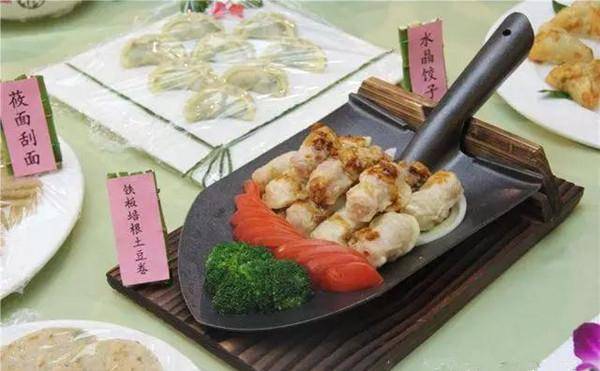
Taste the most authentic and popular local specialties
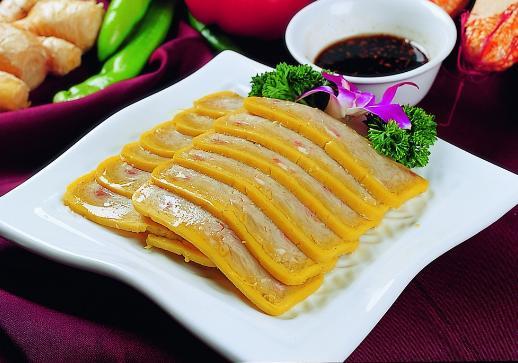
Steamed with pork, starch, and seasonings, soft and glutinous, fatty but not greasy, a must-have dish at local banquets.
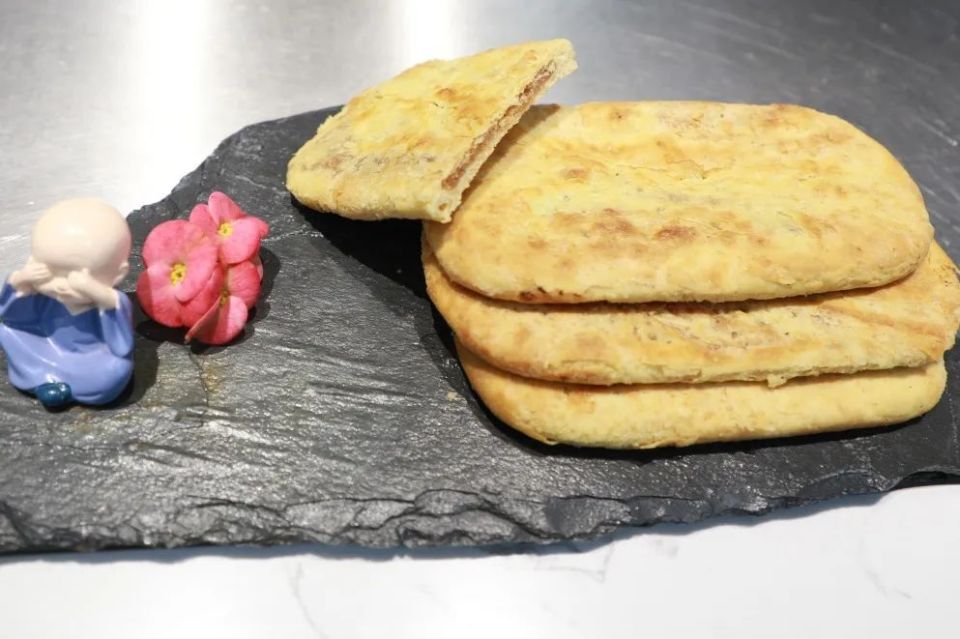
A baked flatbread, crispy outside and tender inside, available in sweet and savory flavors, a specialty snack of Yuanping City.
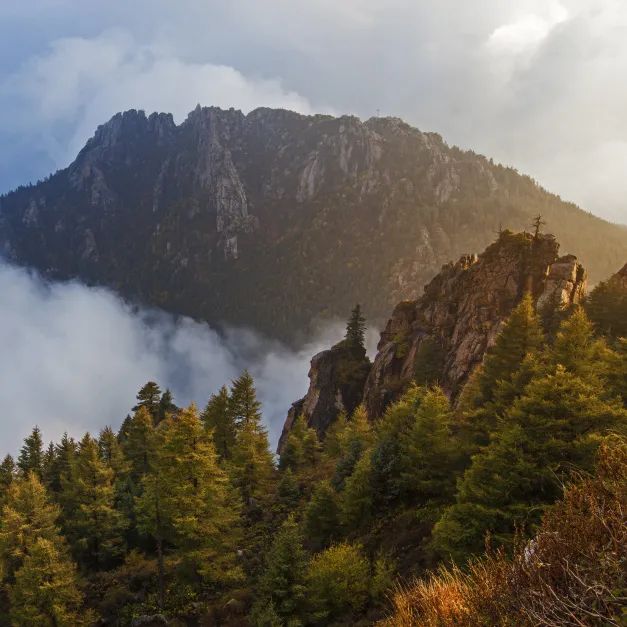
National Forest Park known for its unique peaks, strange rocks, sea of clouds, and pine waves. It has the largest subalpine meadow in North China, Malun Grassland.
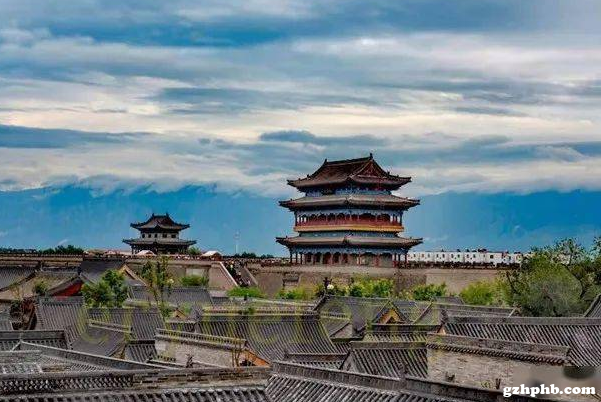
First built in the Eastern Han Dynasty, the existing city wall was built in the Ming Dynasty. The city preserves historic sites such as Xiurong Academy and Guandi Temple. Recently restored as a cultural tourism block.
A large karst cave, legend says Yu the Great once lived here while controlling floods. The stalactites inside are varied and beautiful, known as the No.1 cave in North China.
Mainly made from soy products, mushrooms, and vegetables, imitating meat dishes in shape, light and delicious, part of Buddhist culture.

Porridge made from fermented millet, sour and slightly sweet, appetizing and digestive, a traditional breakfast in Hequ County.
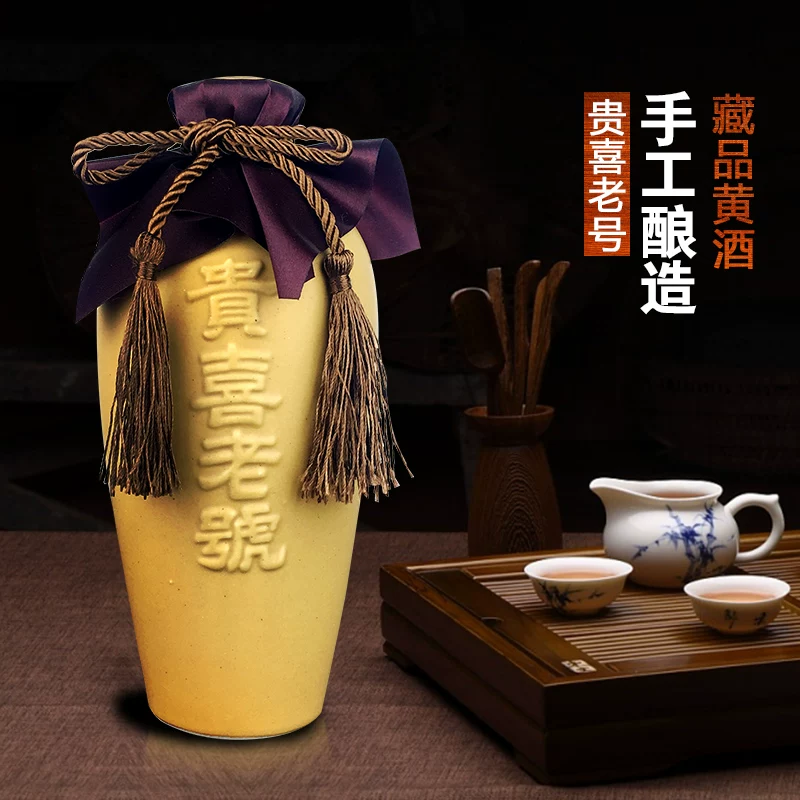
Brewed from glutinous millet, golden in color, mellow in taste, with the effect of warming the stomach and dispelling cold, has a long history.