
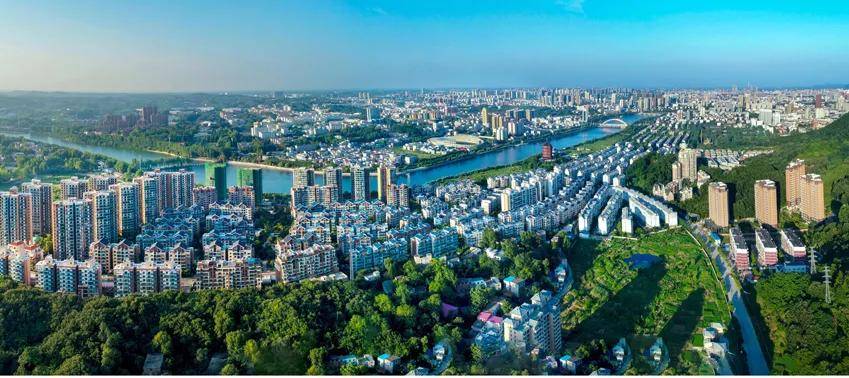
Xinyang is located in the southern part of Henan Province, at the northern foot of the Dabie Mountains and the upper reaches of the Huaihe River. Its climate is a transition from subtropical to warm temperate, with four distinct seasons and abundant rainfall, earning it the nickname 'Jiangnan of the North'.
Xinyang has a long history, with a city established as early as the Western Zhou Dynasty. It is one of the origins of Chinese surnames. Historically, it was a melting pot of Central Plains and Chu cultures, preserving numerous ancient relics.
Xinyang's culture is diverse, renowned for its tea culture. Xinyang Maojian is one of China's top ten famous teas. The local cuisine features stews and noodles, such as Xinyang stew and hot dry noodles.
Modern Xinyang is an important regional central city in Henan Province, with convenient transportation, rapid economic development, and excellent ecological environment. It has been selected as one of China's livable cities for many consecutive years.
The best time to visit 信阳 is Best in spring and autumn.
Spring (Mar-May): Xinyang Maojian picking season, tea mountains green, pleasant climate, suitable for tea picking experience.
Autumn (Sep-Nov): Clear and crisp autumn, colorful forests, suitable for mountain climbing and enjoying seasonal foods like chestnuts.
Summer (Jun-Aug): Hot but can escape heat at Jigong Mountain; winter cold but snow views.
During the reign of King Xuan of Western Zhou, Shen Bo was enfeoffed in the Xinyang area, establishing the State of Shen, marking the beginning of Xinyang's administrative history.
On April 1, 1949, Xinyang was liberated, becoming an important old revolutionary base area in Henan Province.
In 1915, Xinyang Maojian won the gold medal at the Panama-Pacific International Exposition, gaining worldwide fame.
Recommended places to visit
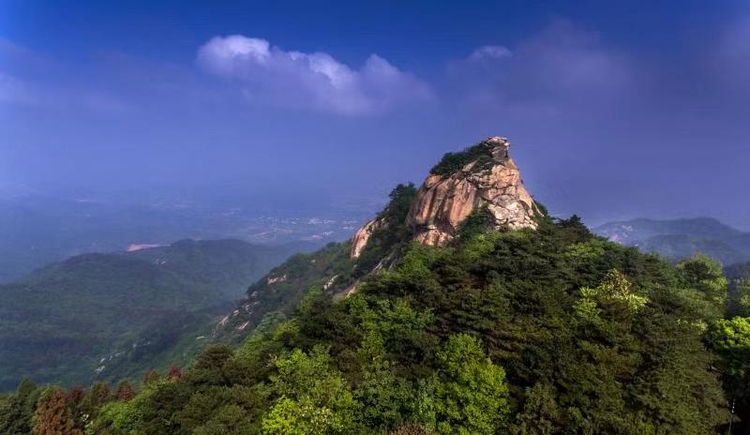
One of China's four major summer resorts, with the main peak Baoxiao Peak at 784 meters. It features numerous modern buildings, known as 'World Architecture Expo'.
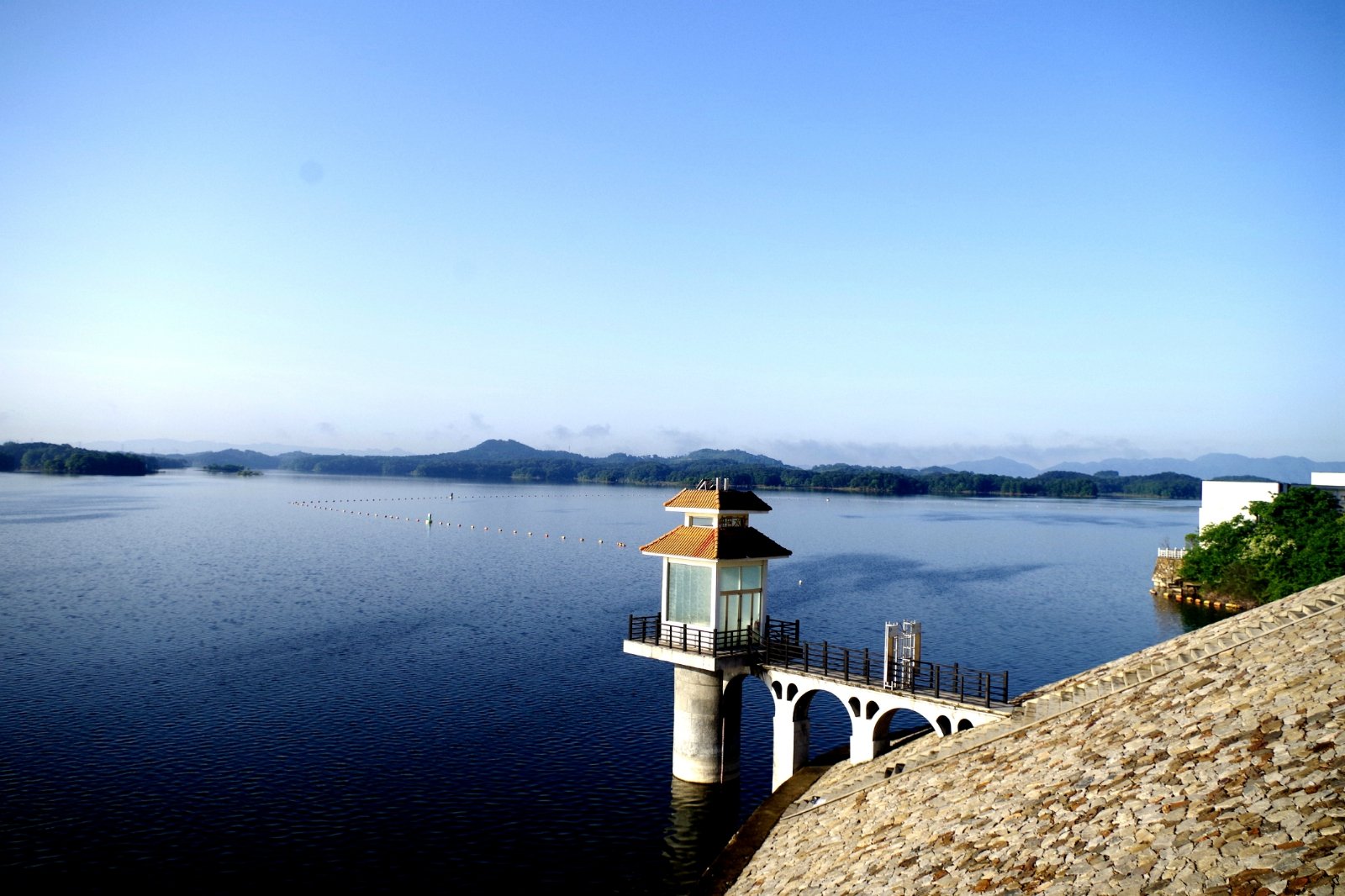
National water scenic area, covering 75 square kilometers, with 61 islands in the lake, famous for Tea Island and Bird Island.
Explore rich intangible cultural heritage and traditional crafts
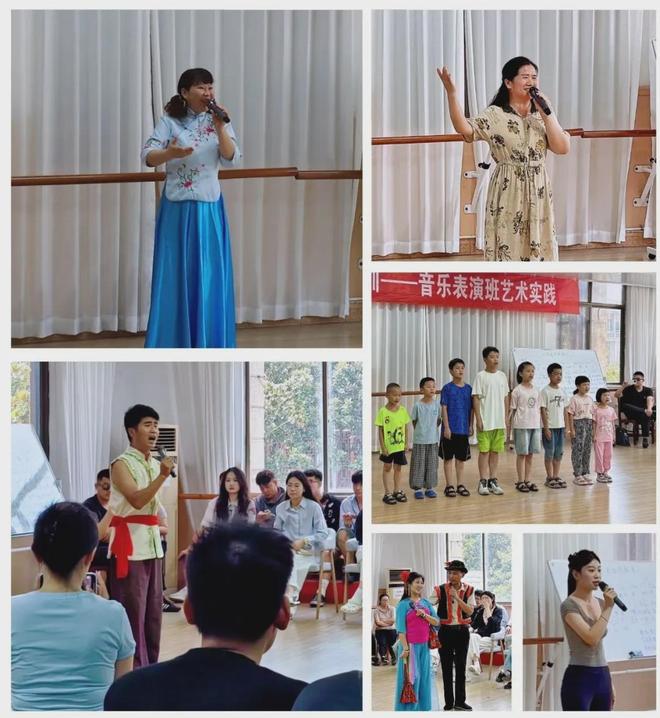
Traditional folk songs of Xinyang, blending northern and southern styles, melodious, listed as national intangible cultural heritage.
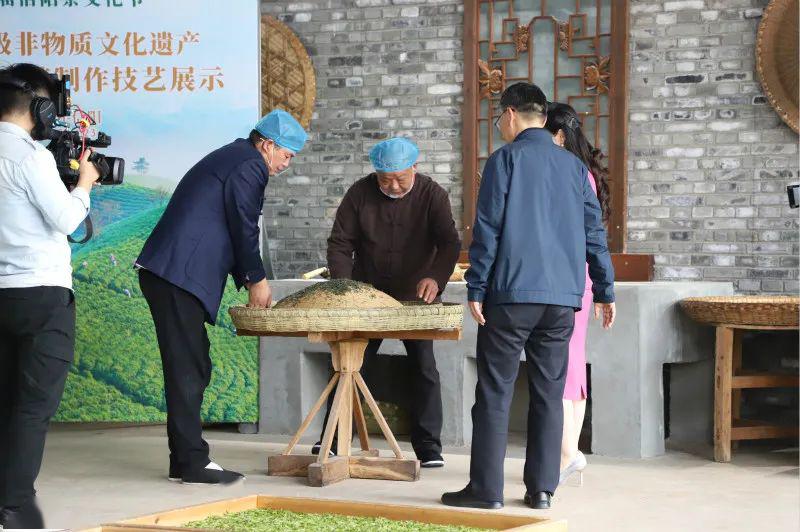
Traditional production technique of Xinyang Maojian, including picking, fixing, rolling, etc., listed as national intangible cultural heritage.
Must-know transportation for exploring the city
Located in Minggang Town, Pingqiao District, about 50km from city center, flights to Beijing, Shanghai, Guangzhou, etc.
Varies by route
Station on Beijing-Guangzhou high-speed railway, direct access to Beijing, Wuhan, Guangzhou, etc.
Second class about 200-400 CNY
City bus routes cover major attractions and commercial areas, fare 1-2 CNY, some routes support mobile payment.
1-2 CNY
Taste the most authentic and popular local specialties
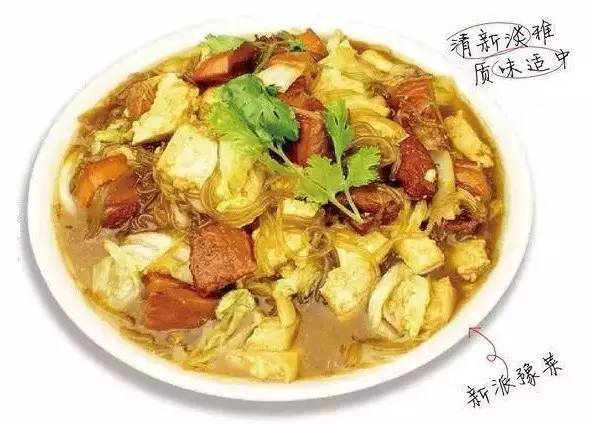
Xinyang specialty stew, slow-cooked with pork, radish, tofu, etc., rich in flavor.
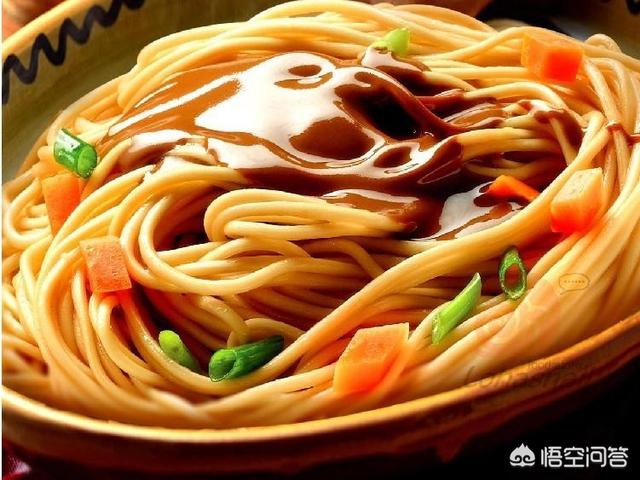
Xinyang version of hot dry noodles, different from Wuhan, with sesame paste, chili oil, bean sprouts, chewy texture.
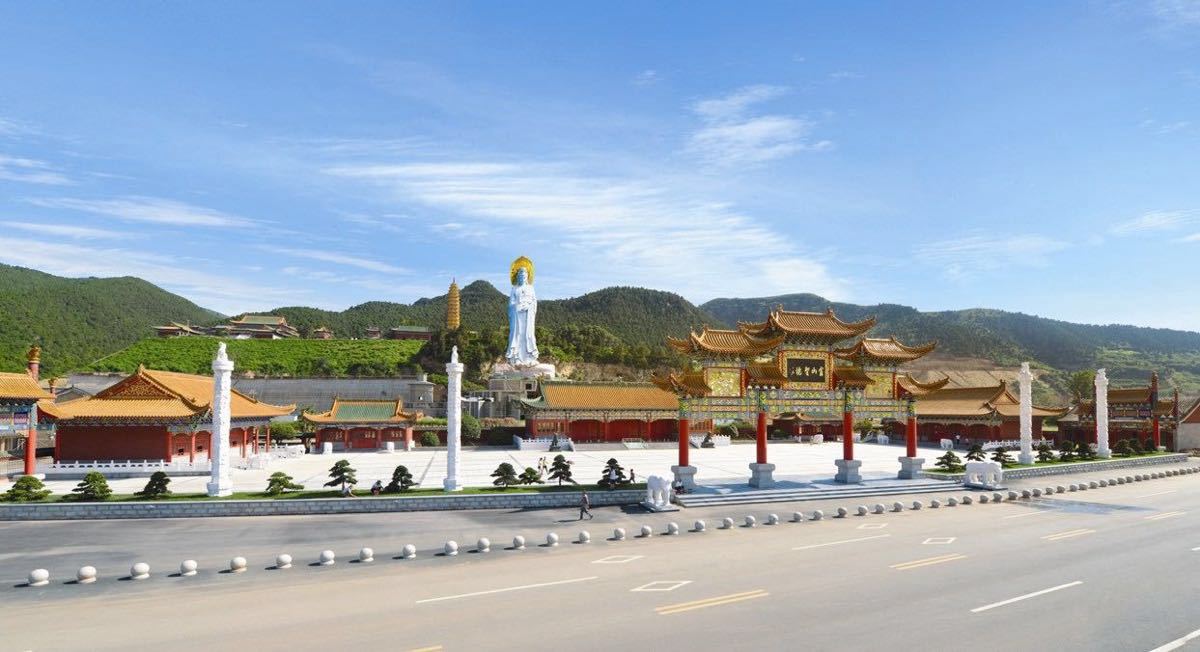
A Buddhist temple built in Tang Dynasty, located on Lingshan Mountain in Luoshan County, famous for 'Three Wonders of Lingshan' (mountain, water, temple).
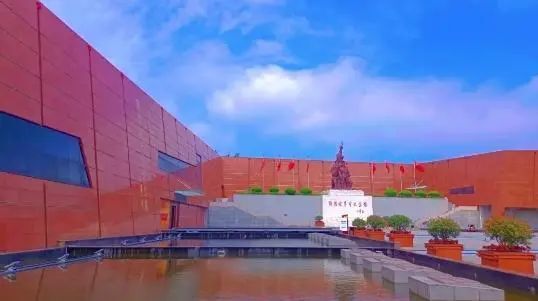
A thematic memorial hall displaying the history of the Hubei-Henan-Anhui revolutionary base, a patriotic education base.
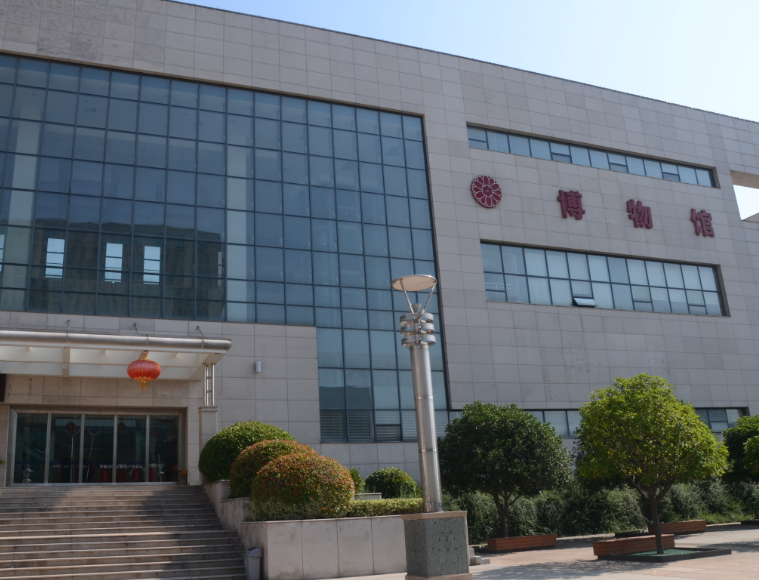
Collects historical artifacts from Xinyang area, including bronzes and ceramics, showcasing southern Henan culture.
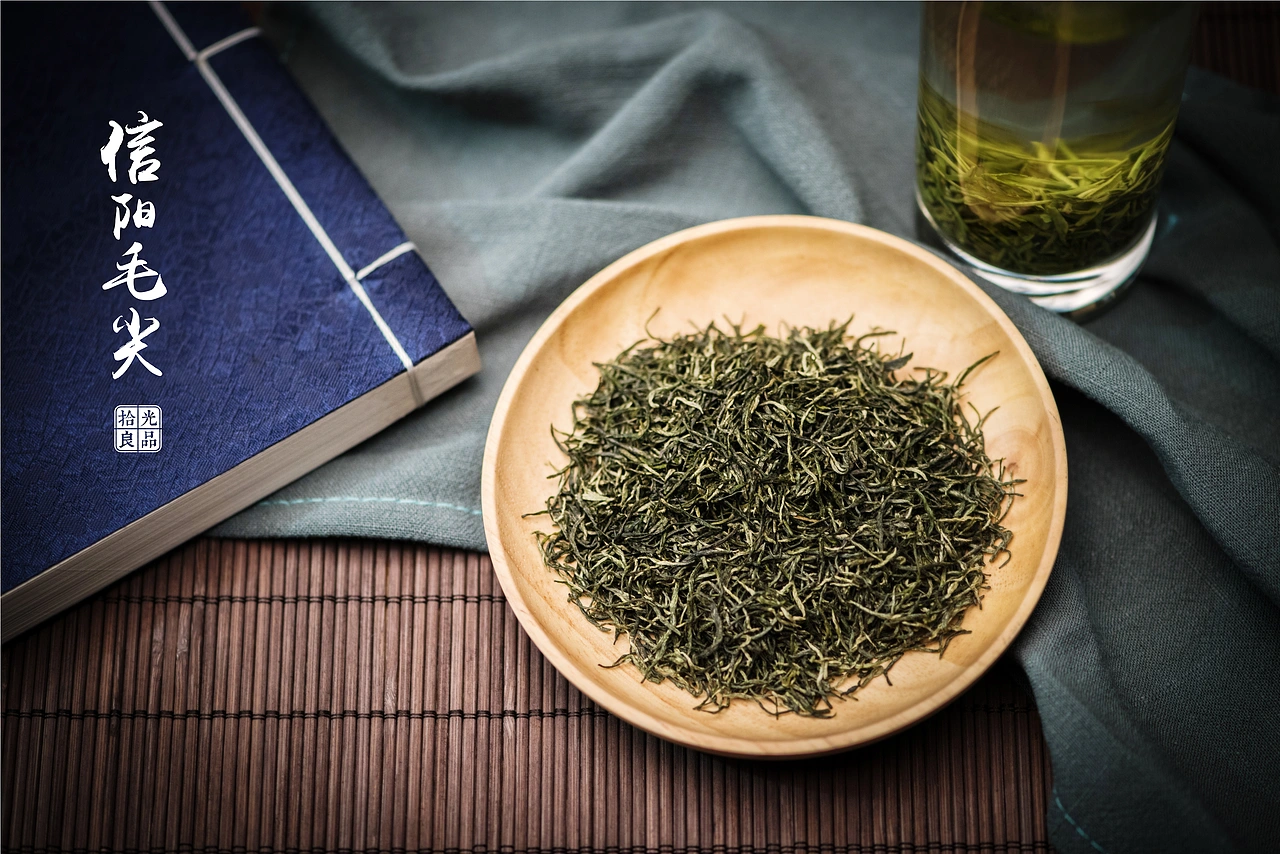
One of China's top ten teas, green tea, slender and tight appearance, bright green liquor, elegant aroma.
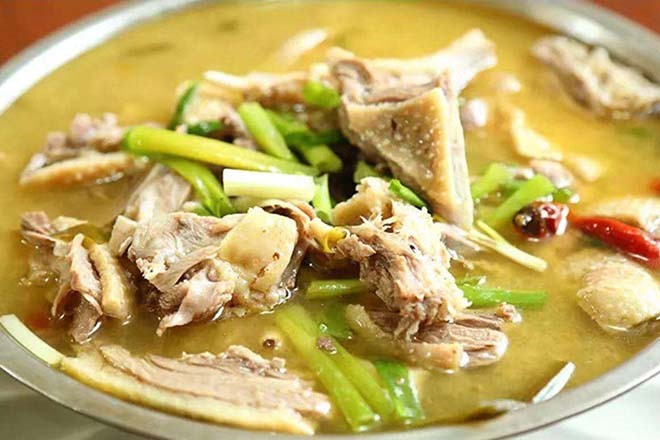
Specialty of Gushi County, braised or stewed goose, tender and rich flavor.
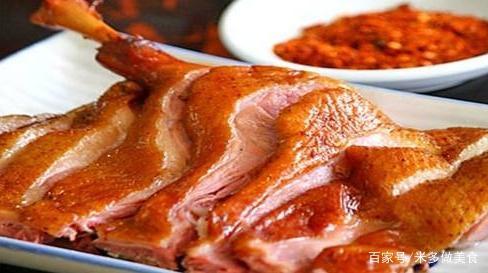
Traditional preserved food, duck marinated, sun-dried, and smoked, unique flavor.