
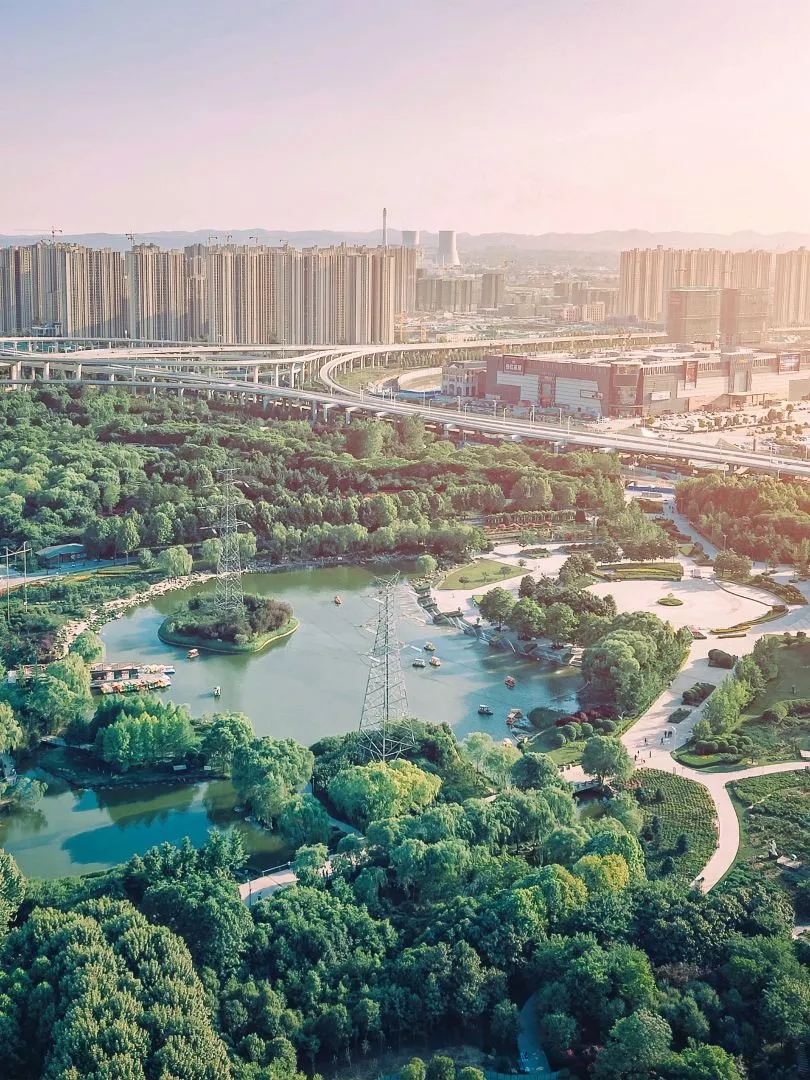
Xinxiang is located in the northern part of Henan Province, at the junction of the southern foothills of the Taihang Mountains and the alluvial plain of the lower Yellow River. It has a warm temperate continental monsoon climate with four distinct seasons and an average annual temperature of about 14°C.
Xinxiang has a long history and is one of the birthplaces of the 'Wei Feng' in the Book of Songs. During the Shang and Zhou dynasties, it was the land of Yong State. In the Han Dynasty, Ji County was established. In 1949, it became the capital of Pingyuan Province and later merged into Henan Province.
Xinxiang has profound cultural heritage, including historical allusions such as the Battle of Muye. Local cuisine is represented by braised lamb and Niu Zhongxi baked cakes, with rich flavors that embody the culinary characteristics of the Central Plains.
Today, Xinxiang is an important industrial city and transportation hub in northern Henan, with pillar industries such as equipment manufacturing and biomedicine. It is also vigorously developing tourism, and the city's appearance is changing with each passing day.
The best time to visit 新乡 is Spring and autumn are the best travel times.
Spring (March to May): Pleasant temperatures, flowers in bloom, suitable for outdoor activities and flower viewing.
Autumn (September to November): Clear and crisp weather, red leaves all over the mountains, a good time for hiking and photography.
Summer is hot and rainy, winter is cold and dry, so the travel experience is slightly inferior.
The allied forces of King Wu of Zhou fought a decisive battle with the Shang army at Muye (near present-day Xinxiang), leading to the fall of the Shang dynasty and the establishment of the Zhou dynasty.
In August 1949, Pingyuan Province was established with Xinxiang as its capital. In 1952, Pingyuan Province was abolished, and Xinxiang was incorporated into Henan Province.
In November 1952, Pingyuan Province was abolished, and Xinxiang City and Xinxiang Prefecture were assigned to Henan Province.
Recommended places to visit
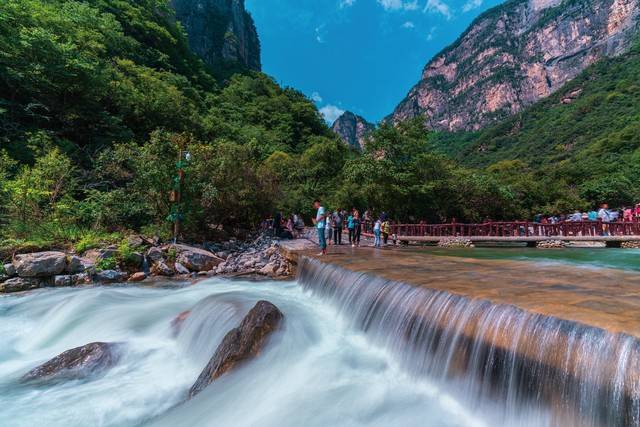
Located in Huixian City, Xinxiang, a national 5A-level tourist attraction, known for waterfalls, pools, and strange peaks, known as the 'Water World of the North'.
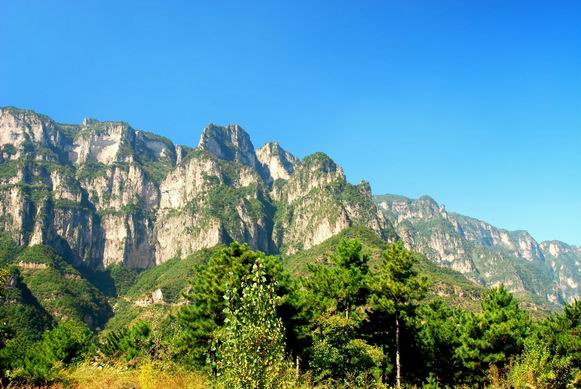
National 4A-level tourist attraction, including Guo Liang Village, Nanping and other spots, famous for the cliff corridor and red rock cliffs.
Explore rich intangible cultural heritage and traditional crafts
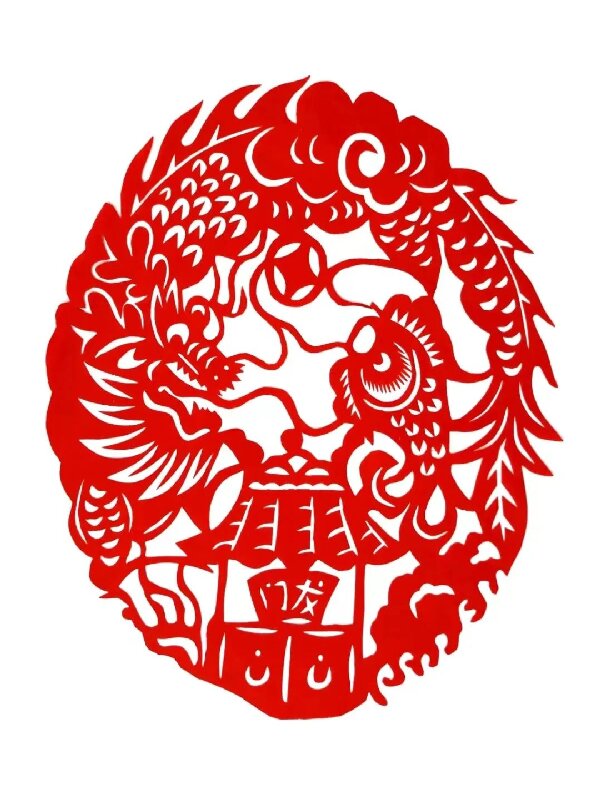
Traditional art of Huixian City, known for delicate knife work and rich patterns, listed as a national intangible cultural heritage.
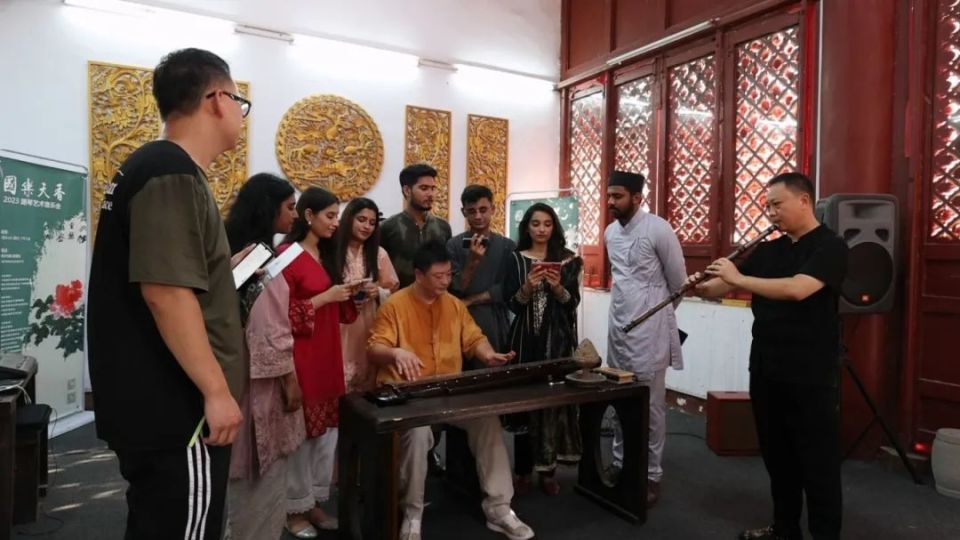
Guqin performance art in Xinxiang area, with a long history and unique style, listed as a provincial intangible cultural heritage.
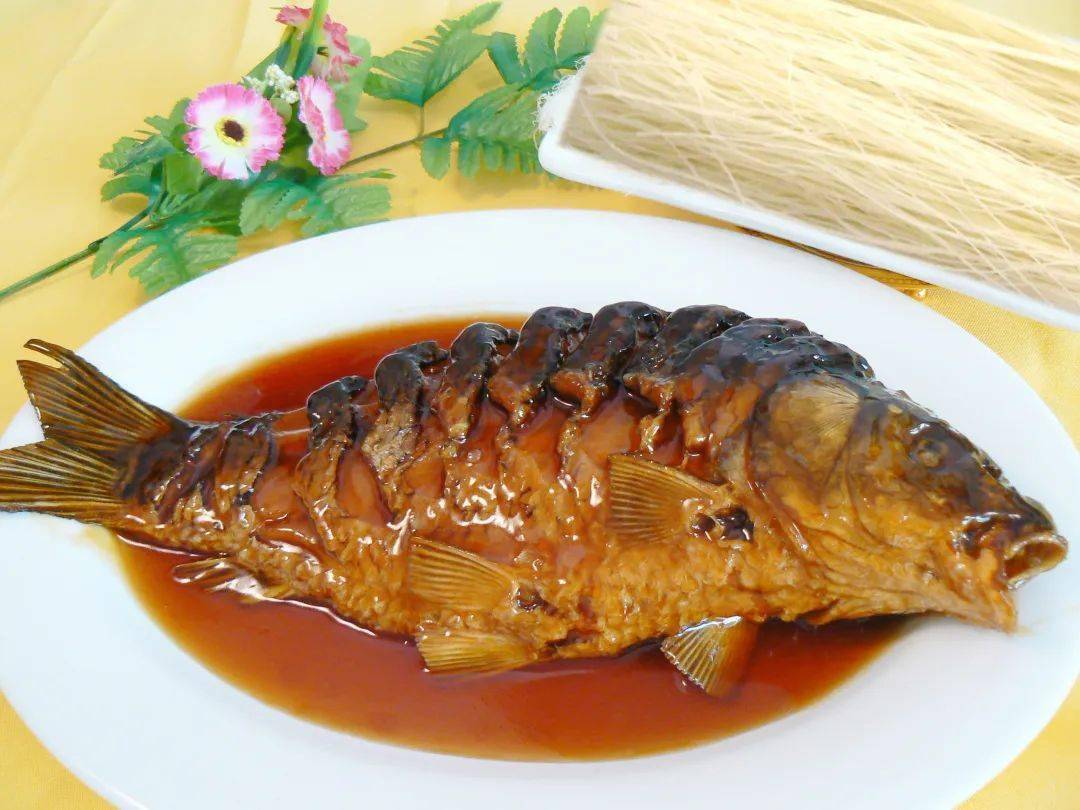
Traditional cooking techniques of Changyuan County, known for knife skills and heat control, has cultivated many famous chefs, listed as a provincial intangible cultural heritage.
Must-know transportation for exploring the city
Xinxiang East Station is an important stop on the Beijing-Guangzhou high-speed railway, connecting Beijing, Zhengzhou, Guangzhou and other cities, with multiple trains daily.
Beijing-Xinxiang about 200 CNY
Xinxiang has no civil airport. The nearest airport is Zhengzhou Xinzheng International Airport, about 80 km away, accessible by high-speed rail or bus.
Airport bus from Zhengzhou about 30 CNY
Bus routes in Xinxiang cover major attractions and urban areas, fare 1-2 CNY, some routes go directly to scenic spots.
1-2 CNY
Taste the most authentic and popular local specialties
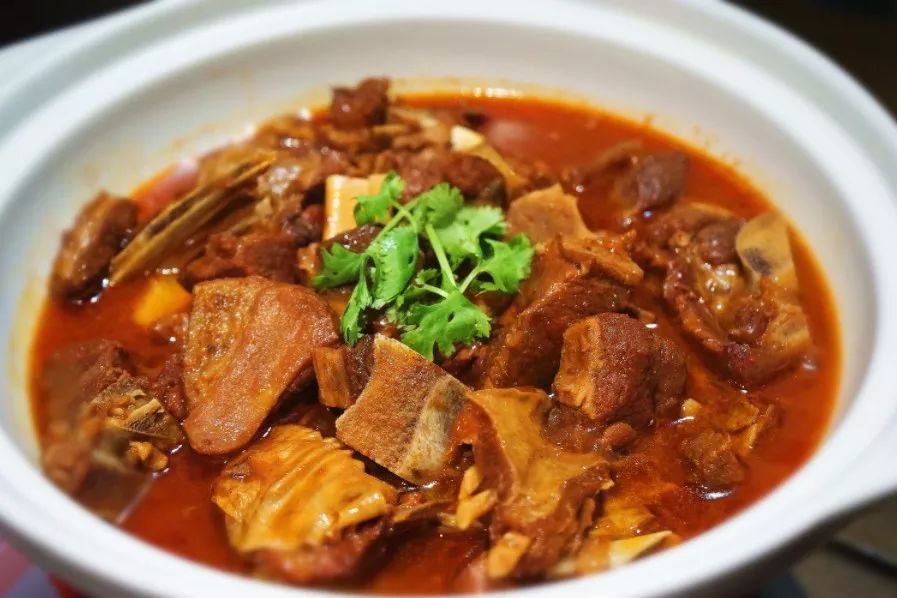
Xinxiang specialty, made with lamb as the main ingredient, braised with various spices, tender and flavorful.
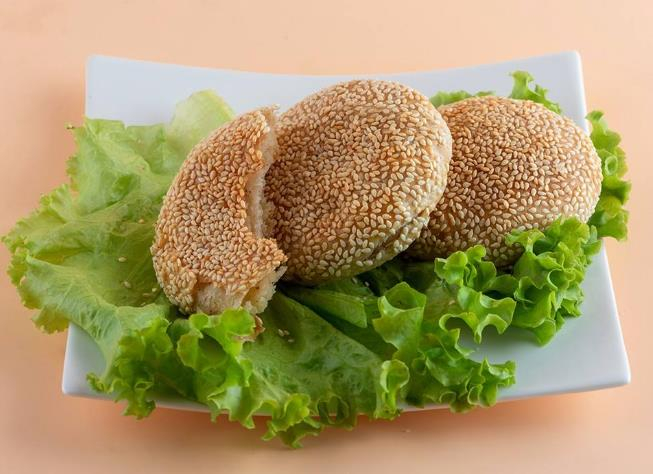
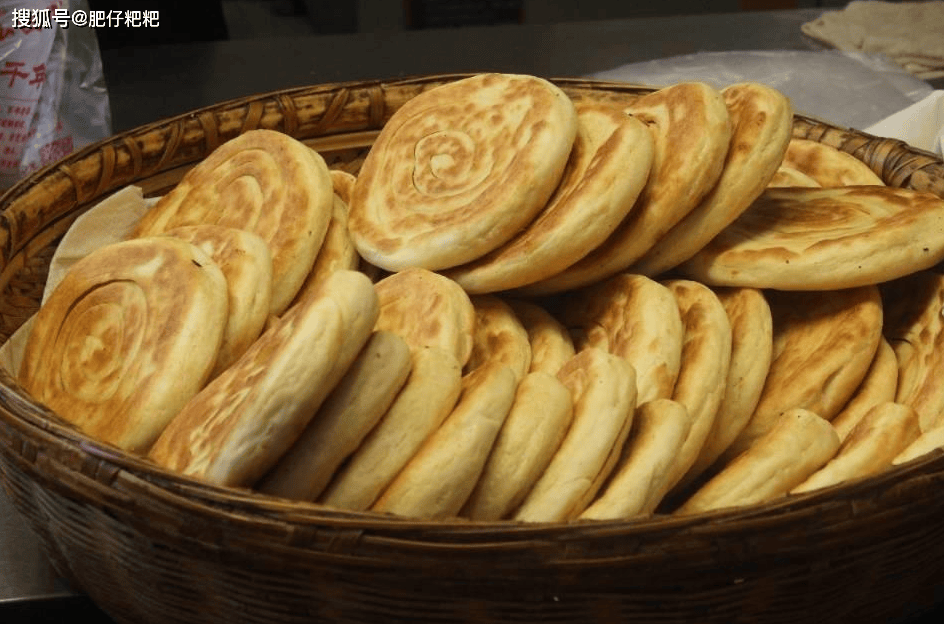
Traditional Xinxiang pastry, crispy crust with various fillings, available in savory and sweet flavors.
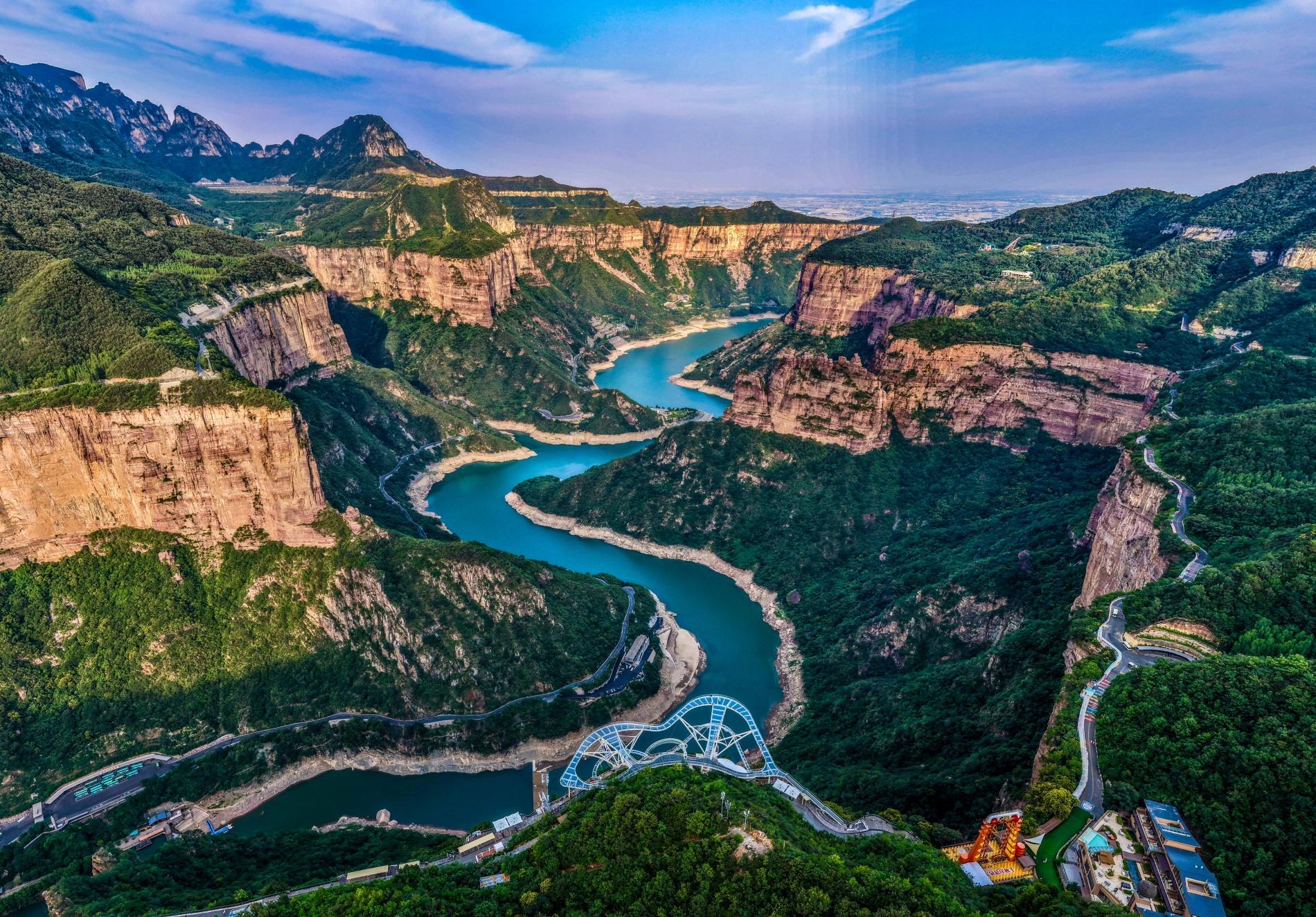
National 4A-level tourist attraction, featuring clear water, red cliffs, and waterfalls, known as 'Little Jiuzhaigou of the Central Plains'.
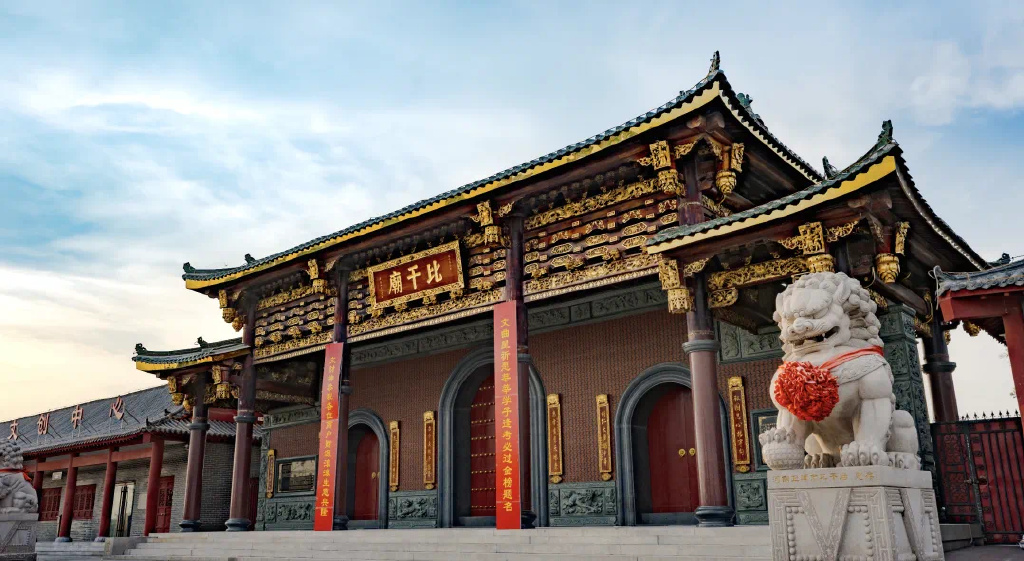
Located in Weihui City, Xinxiang, a temple commemorating Bigan, a loyal minister of the Shang dynasty, and a key national cultural relic protection unit.
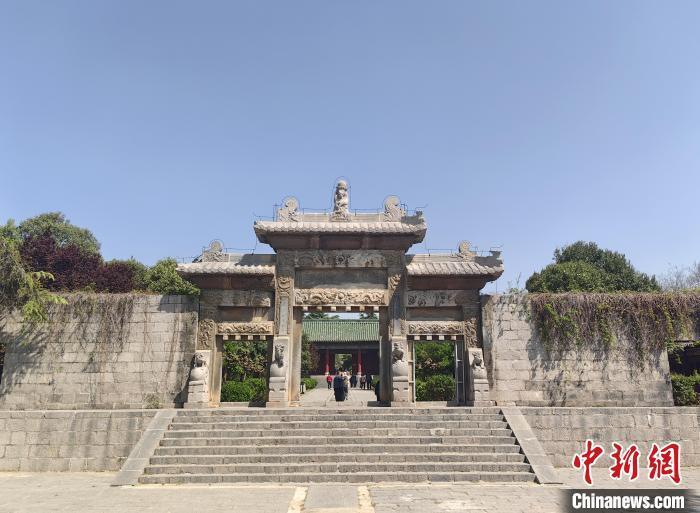
Located in Fengquan District, Xinxiang, it is the mausoleum of Zhu Yiliu, Prince Lu of the Ming Dynasty, with grand scale and exquisite stone carvings.
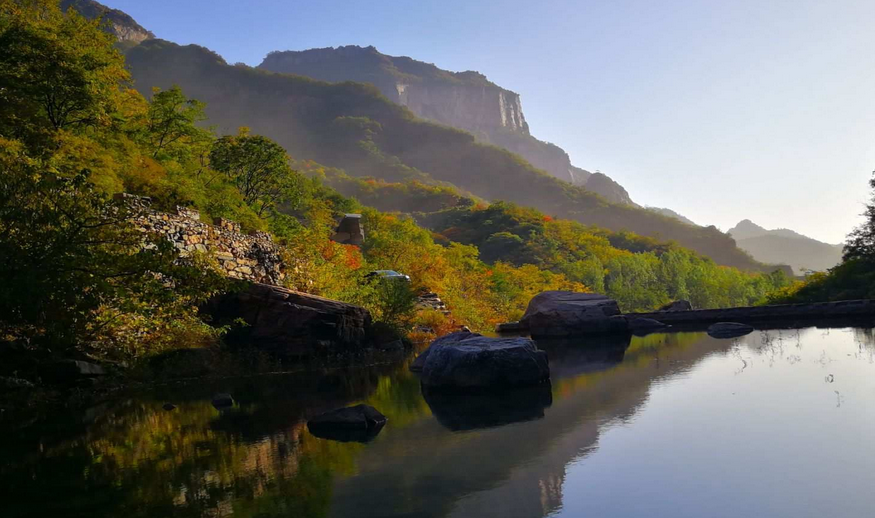
National 4A-level tourist attraction, mainly featuring geological landforms, with attractions such as Red Stone Gorge and Bailong Waterfall.
Specialty snack of Yanjin County, similar to baked cake but with more layers, crispy outside and tender inside, fragrant.
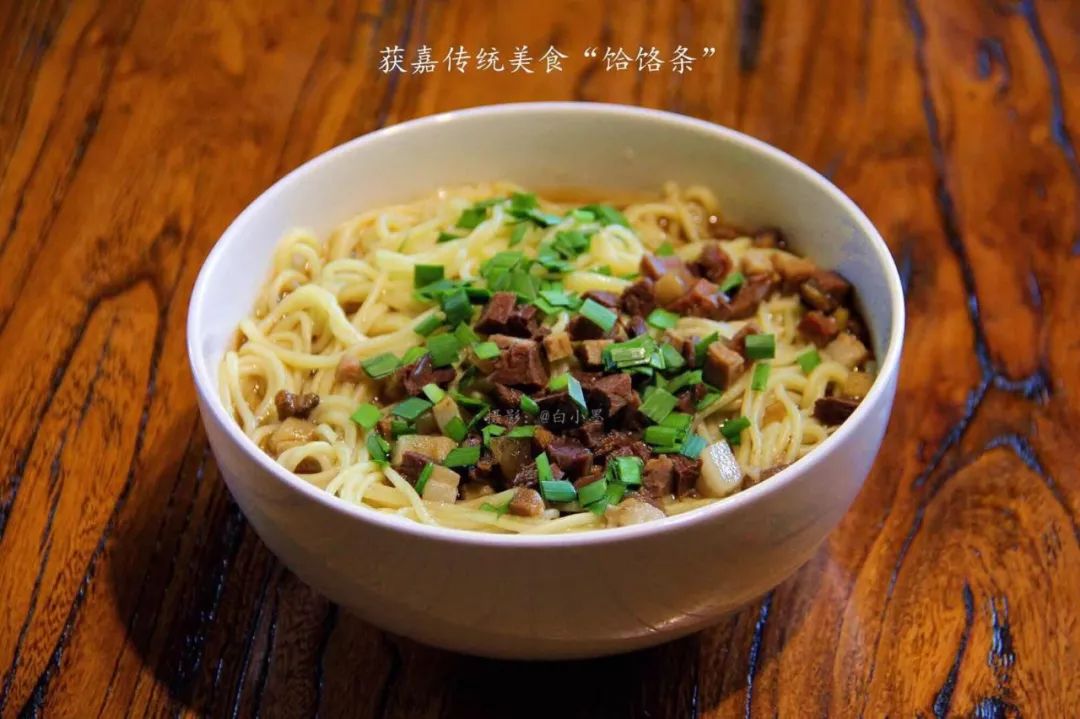
Specialty noodle dish of Huojia County, pressed by a hele machine, noodles are chewy and the soup is delicious.
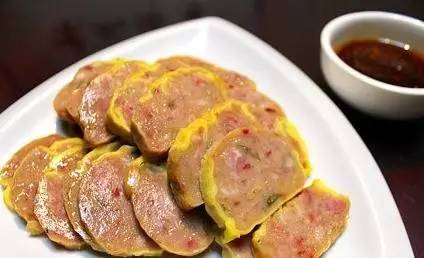
Traditional dish of Fengqiu County, made with pork and eggs, golden skin and delicious filling.
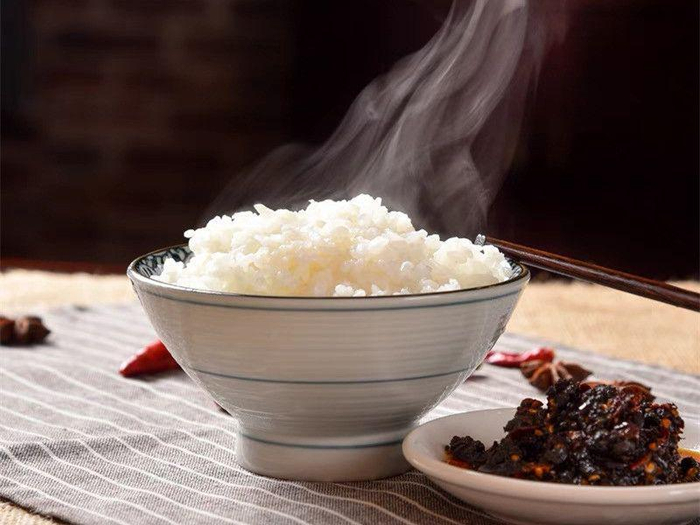
Specialty of Yuanyang County, crystal clear grains, soft and sticky texture, known as 'China's No.1 Rice'.