
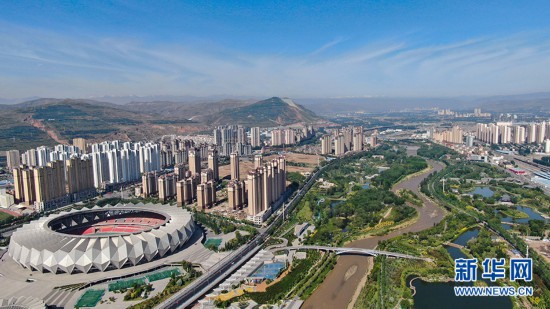
Xining is located in the eastern part of Qinghai Province, in the valley of the Huangshui River, with an average altitude of 2,261 meters. It has a plateau continental climate, with cool and pleasant summers, earning it the nickname 'China's Summer Capital.'
Known as 'Huangzhong' in ancient times, Xining was an important node on the Southern Silk Road and the Tang-Tibet Ancient Road. During the Han Dynasty, Xiping Prefecture was established here, and since the Song Dynasty, it gradually became a commercial center on the Qinghai-Tibet Plateau.
Xining is a multi-ethnic city, predominantly inhabited by Han, Hui, Tibetan, and Tu ethnic groups, with a rich cultural diversity. Local specialties include hand-grabbed lamb, niangpi (cold noodle skin), and sweet fermented barley, reflecting a strong halal food culture.
In recent years, Xining has actively developed eco-tourism and a green economy, establishing the first national-level new area on the Qinghai-Tibet Plateau. With well-developed urban infrastructure, it has become the political, economic, and cultural center of Qinghai Province.
The best time to visit 西宁 is Summer (June-August) is the best time to visit, with cool weather and pleasant scenery..
Summer (June-August): Average temperature 15-25°C, an ideal summer resort, with rapeseed flower seas and grassland scenery.
Spring (April-May): Temperature rises but windy, suitable for viewing plateau spring flowers.
Autumn (September-October): Clear weather, rich autumn colors, perfect for photography and outdoor activities.
During Emperor Wu of Han, Huo Qubing defeated the Xiongnu and established Xiping Commandery, marking Xining's formal inclusion in the Central Plains dynasty.
Emperor Yang of Sui led a grand expedition westward, passing through Xining and holding a grand ceremony at Qinghai Lake, strengthening central control over the Western Regions.
On January 1, 1950, the Qinghai Provincial People's Government was established in Xining, making Xining the provincial capital.
Recommended places to visit

One of the six major monasteries of Gelug school of Tibetan Buddhism, famous for its 'three wonders': butter sculptures, murals, and applique thangkas. It is a 5A scenic spot.

China's largest inland saltwater lake. In summer, rapeseed flowers bloom and the lake is azure, a paradise for photography.
Explore rich intangible cultural heritage and traditional crafts
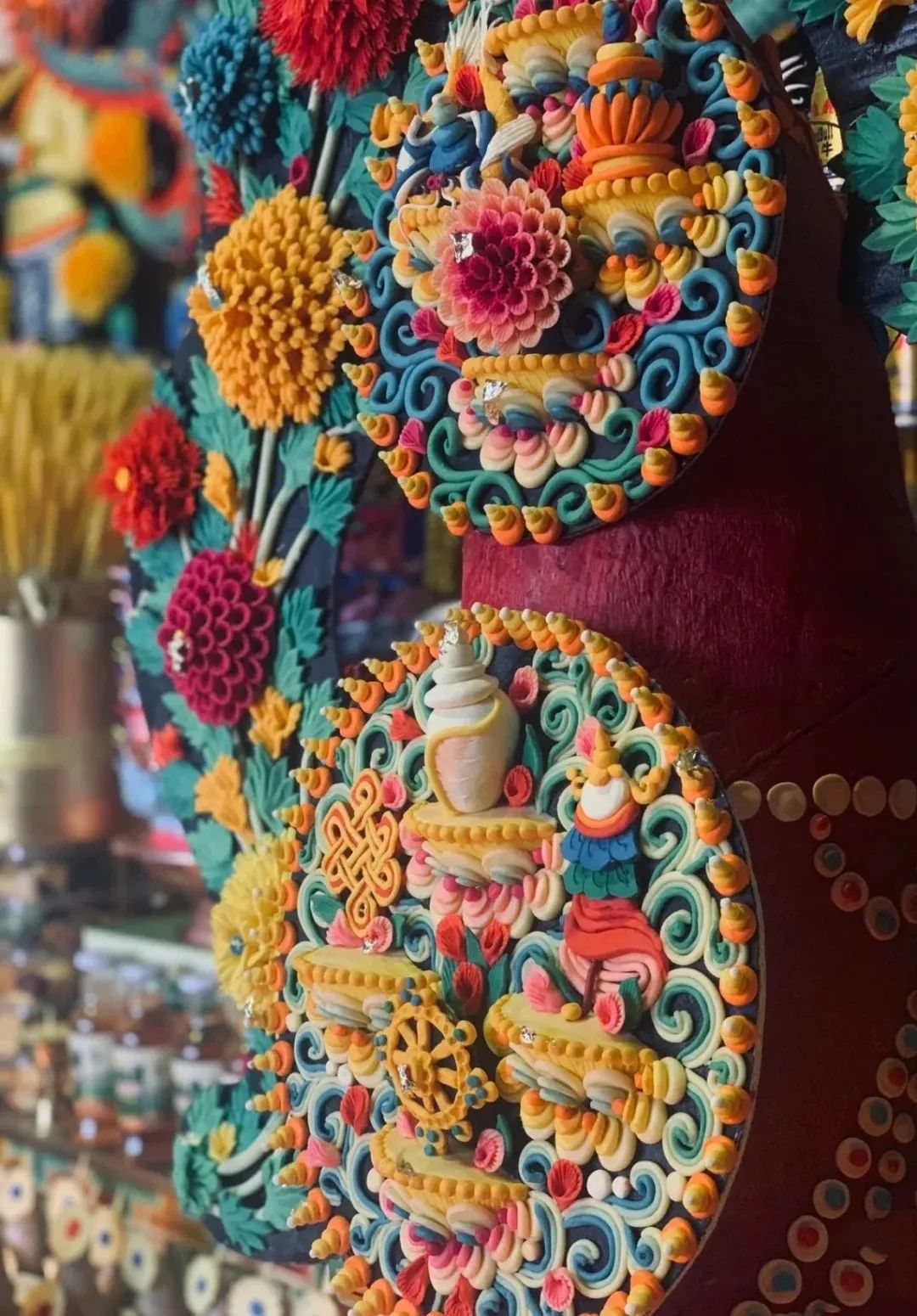
One of the 'three wonders' of Kumbum Monastery, using butter to create various Buddha figures and flowers, with brilliant colors and exquisite craftsmanship.

A folk song popular in Qinghai and other areas, with high-pitched and prolonged tunes, often expressing love and life emotions.
Must-know transportation for exploring the city
About 30 km from city center, with flights to major domestic cities and some international routes. Airport buses and taxis are convenient.
Airport bus 21 RMB, taxi about 100 RMB
Starting point of the Qinghai-Tibet Railway. High-speed trains connect to Lanzhou, Xi'an, Beijing, etc. Regular trains go to Lhasa, Golmud.
High-speed to Lanzhou about 100 RMB
Xining's bus system covers the city and nearby attractions. Fare 1-2 RMB, supports mobile payment.
1-2 RMB
Taste the most authentic and popular local specialties
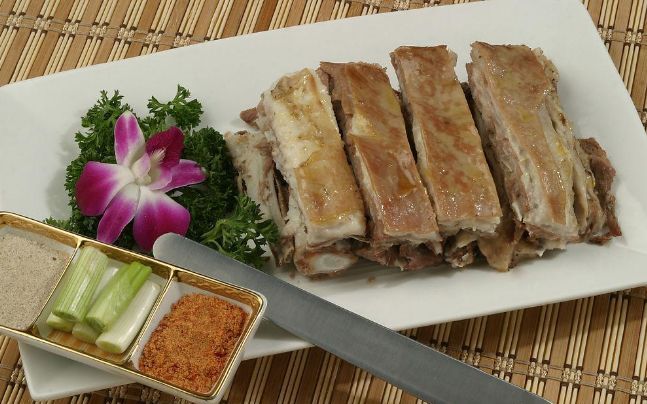
Choice plateau lamb, boiled in plain water, served with pepper salt. Tender and gamey-free.
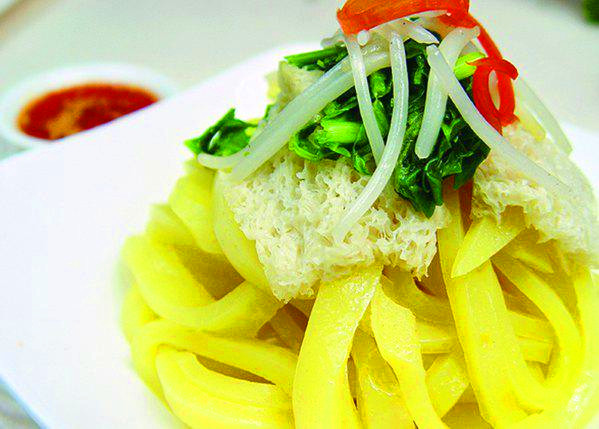
Cold noodles made from wheat flour, served with vinegar, garlic, and chili oil. Sour and spicy, a common street snack.
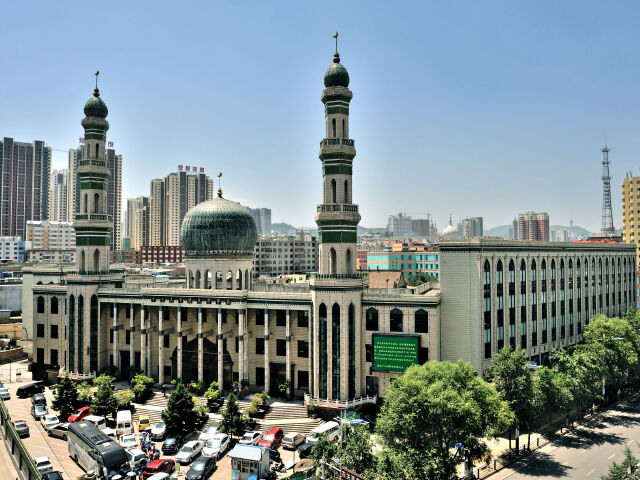
The largest mosque in Qinghai Province, blending Han, Tibetan, and Islamic architectural styles, accommodating thousands of worshippers.
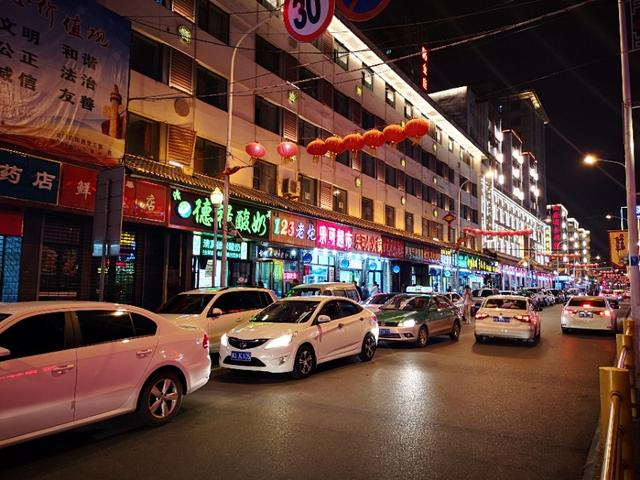
The most famous food street in Xining, featuring local delicacies such as niangpi, sweet fermented grains, and hand-grabbed lamb.
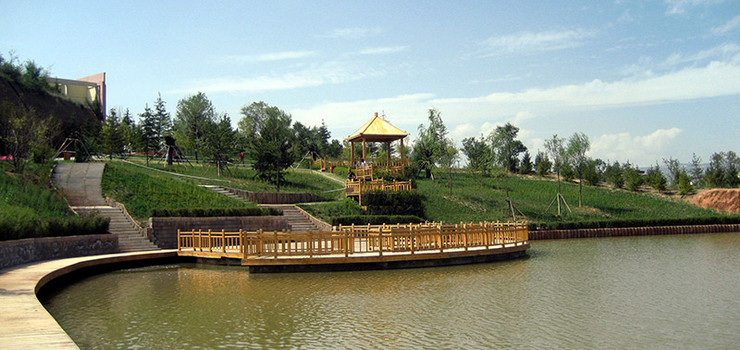
The highest-altitude wildlife zoo in China, home to plateau-specific animals such as snow leopards and Tibetan antelopes.
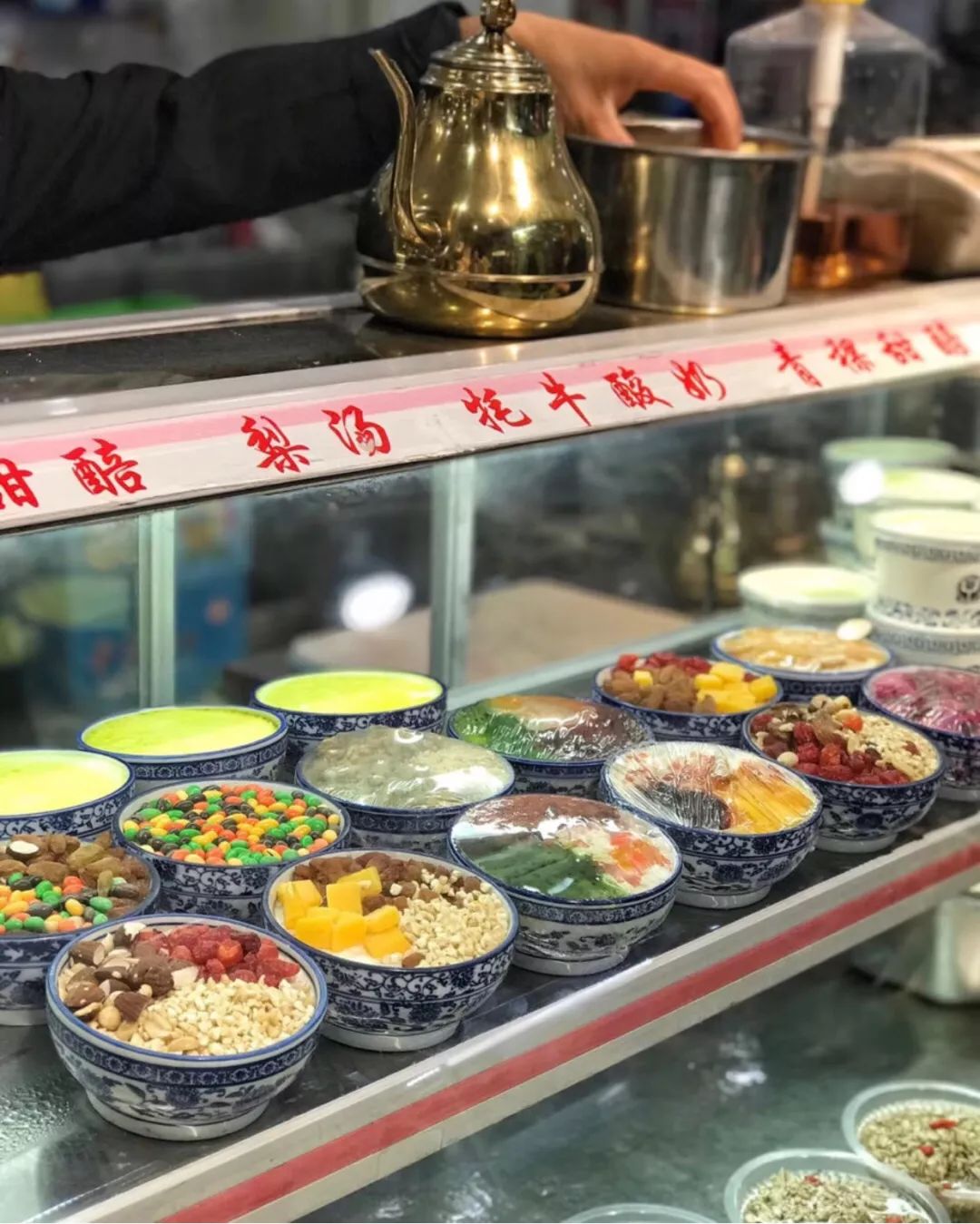
A sweet fermented beverage made from highland barley or wheat, rich in aroma, cool and sweet, perfect for summer.
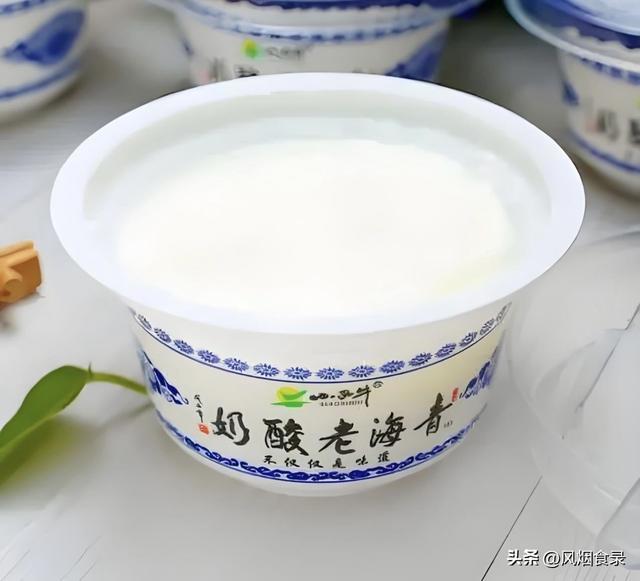
Traditionally fermented yogurt with a layer of milk skin on top, thick texture, sweet and sour, rich milky flavor.
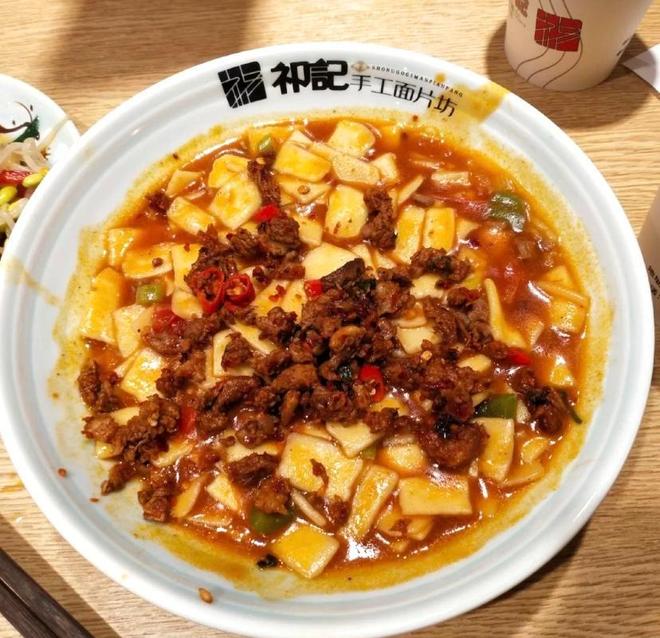
Hand-pulled dough slices cooked with lamb and vegetables. The broth is savory and the noodles are smooth. A Qinghai home-style noodle dish.