
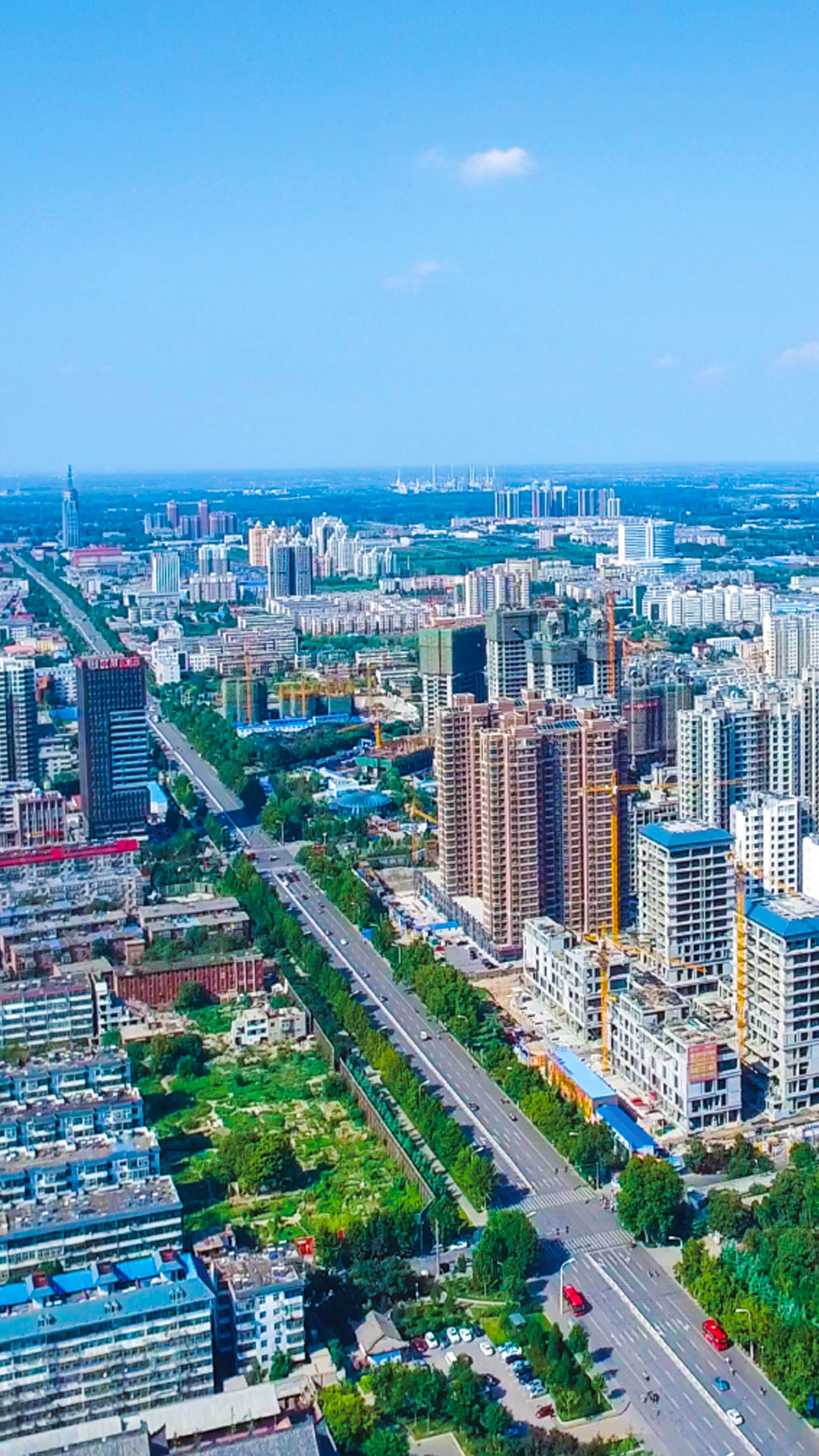
Xingtai is located in the southern part of Hebei Province, at the eastern foot of the southern Taihang Mountains and the western edge of the North China Plain. It has a warm temperate continental monsoon climate with four distinct seasons, an annual average temperature of 12-14°C, and annual precipitation of 500-600 mm. Bordered by the Taihang Mountains to the west and the Grand Canal to the east, the terrain is higher in the west and lower in the east, earning it the nickname 'Spring City of Taihang.'
With a history of over 3,500 years as a city, Xingtai is the first city in North China's history. During the Shang Dynasty, King Zu Yi moved the capital to Xing (present-day Xingtai). In the Western Zhou Dynasty, it served as the capital of the Xing State, and during the Warring States period, it was Xindu of the Zhao State. The Qin Dynasty established Xindu County, and from the Sui and Tang dynasties onward, it was the seat of Xingzhou and Shunde Prefecture. In modern times, it was a center of the Southern Hebei Anti-Japanese Base Area, rich in historical heritage.
Xingtai boasts a diverse culture. It is the birthplace of Xing kiln white porcelain, and in the Tang Dynasty, 'Xing porcelain' was as renowned as Yue kiln celadon, known as 'southern celadon and northern white.' Local operas include Hebei Bangzi and Luantan. Traditional cuisine features 'Xingtai Menbing' (braised shredded pancake) and 'Weixian Huoshao' (baked flatbread), which are savory and slightly salty. Annual events include the Taihang Mountain Culture Festival.
Modern Xingtai is a key node city in the Beijing-Tianjin-Hebei coordinated development, with prominent industries in equipment manufacturing, new energy, and food and pharmaceuticals. It has a well-developed high-speed rail and expressway network, forming a 'one city, five stars' urban pattern. The ecological environment continues to improve, with Qilihe and the Garden Expo Park becoming popular leisure spots for citizens.
The best time to visit 邢台 is Best in spring and autumn with pleasant weather.
Spring (March-May): Temperatures rise, flowers bloom, ideal for mountain climbing and scenery viewing, such as Taihang Mountains and Tianti Mountain. However, occasional dust storms may occur, so check weather forecasts.
Summer (June-August): Hot and rainy, but the Taihang Mountains are cool for summer retreat. The Taihang Mountain Culture Festival in July offers various activities.
Autumn (September-November): Clear and crisp weather, charming autumn colors, the best season for visiting the ancient city and tasting local cuisine.
The 14th monarch of the Shang Dynasty, Zu Yi, moved the capital to Xing (present-day Xingtai), making it the first city in North China and marking the beginning of Xingtai's urban history.
The Wei State conquered Xing, ending the Xing State. The area subsequently belonged to Wei, Jin, Zhao, etc., becoming Xindu of Zhao during the Warring States period.
In September 1945, the Eighth Route Army liberated Xingtai, making it an important city in the Southern Hebei Liberated Area and contributing to the victory of the Anti-Japanese War.
Recommended places to visit
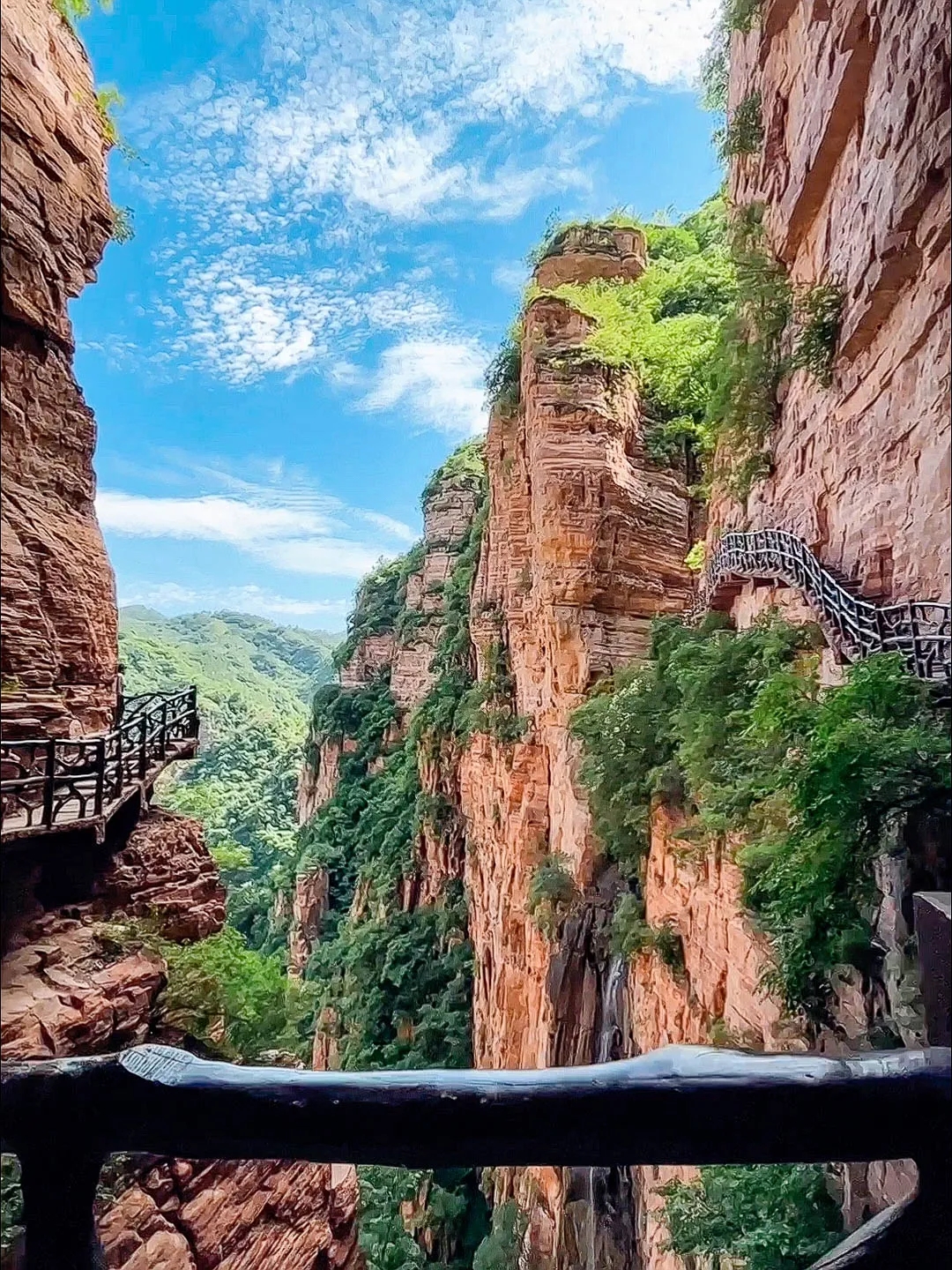
A national 4A-level scenic area composed of 24 canyons, known for quartz sandstone canyon landforms, reputed as 'Taihang Marvel Canyon.' Key attractions include Changzui Gorge and Liushui Gorge.
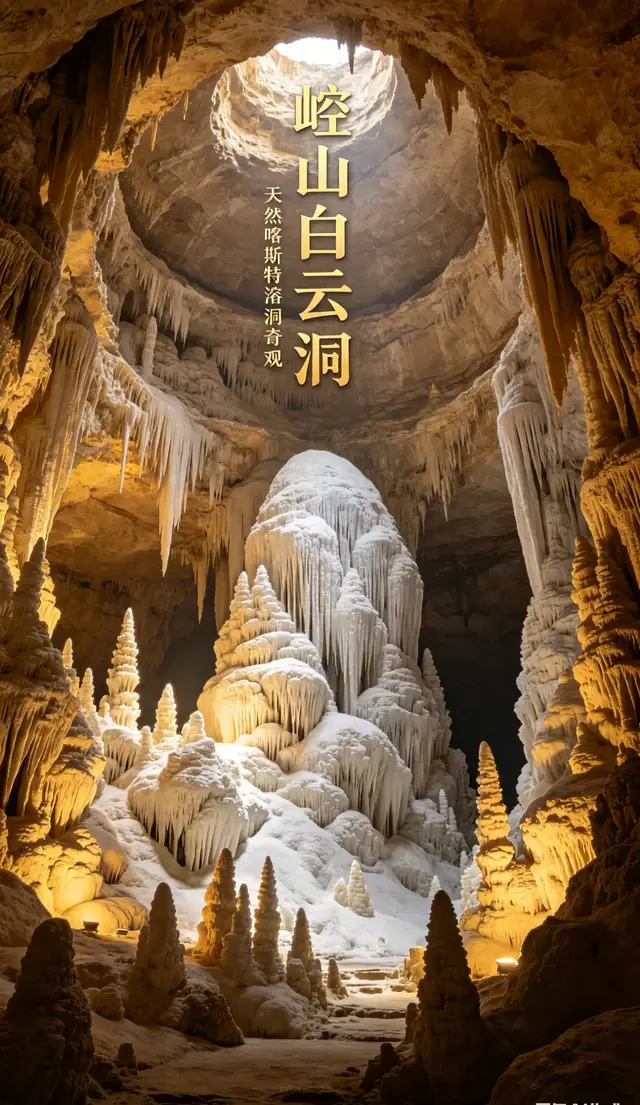
A national 4A-level scenic area, a spectacular karst cave in the north. Inside, stalactites and stalagmites come in various shapes, beautifully illuminated by lights.
Explore rich intangible cultural heritage and traditional crafts
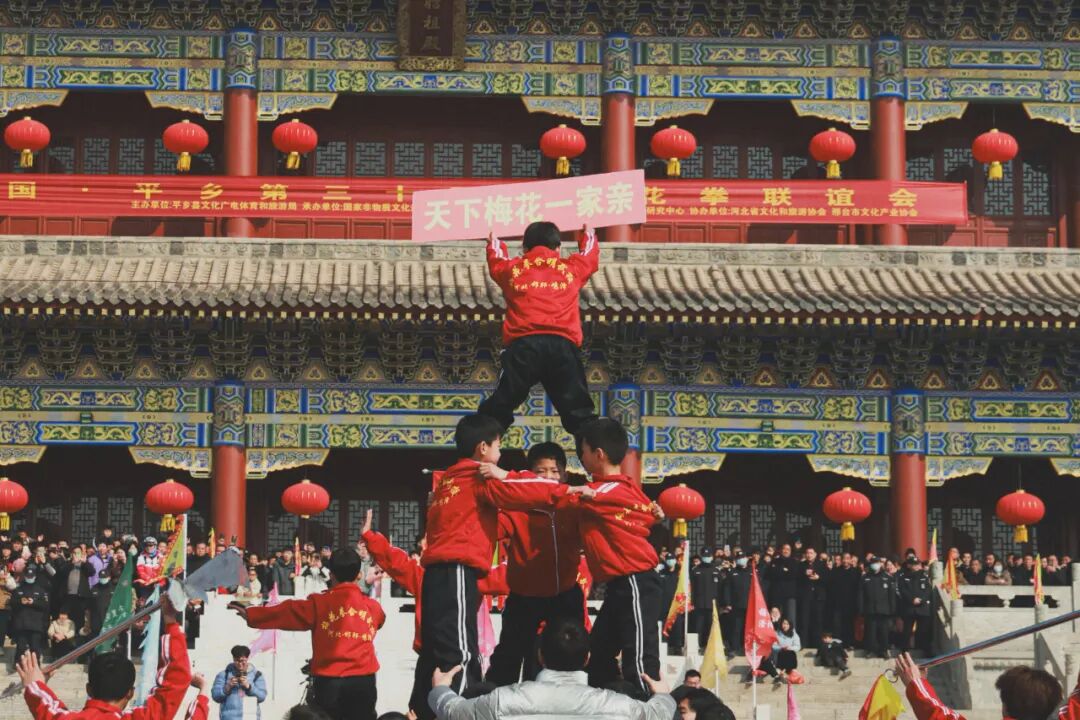
National intangible cultural heritage, a traditional martial art style characterized by plum blossom stance footwork, combining fitness and self-defense.
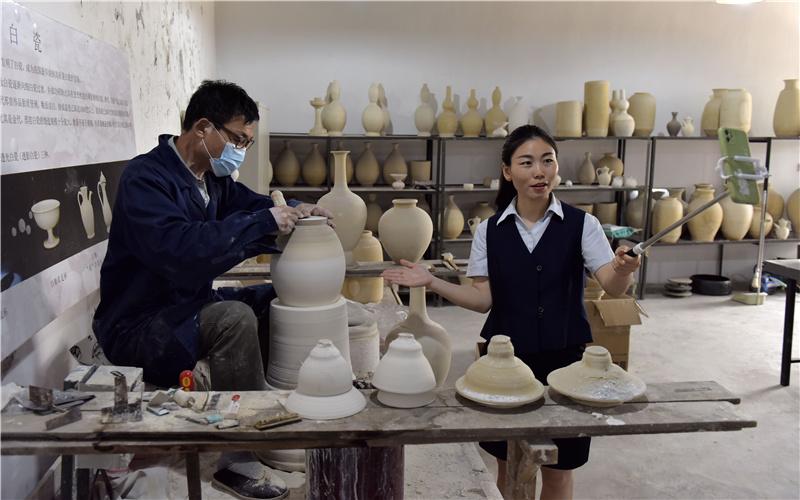
National intangible cultural heritage, the firing technique of Tang Dynasty Xing kiln white porcelain, known as 'silver-like and snow-like,' with profound influence on later ceramics.
Must-know transportation for exploring the city
A station along the Beijing-Guangzhou high-speed railway. From Beijing West Station, it takes about 1.5 hours by high-speed train; from Shijiazhuang, about 30 minutes. The station is located in the eastern part of the city with convenient transportation.
Beijing-Xingtai approx. 130 RMB
City bus routes cover major urban areas and attractions, fare 1-2 RMB, supports mobile payment. Some tourist routes go directly to Grand Canyon, Tianhe Mountain, etc.
1-2 RMB
About 120 km from Xingtai, accessible by expressway. The airport offers flights to major cities nationwide. From the airport, take airport shuttle or high-speed rail to Xingtai.
Airport shuttle approx. 50 RMB
Taste the most authentic and popular local specialties
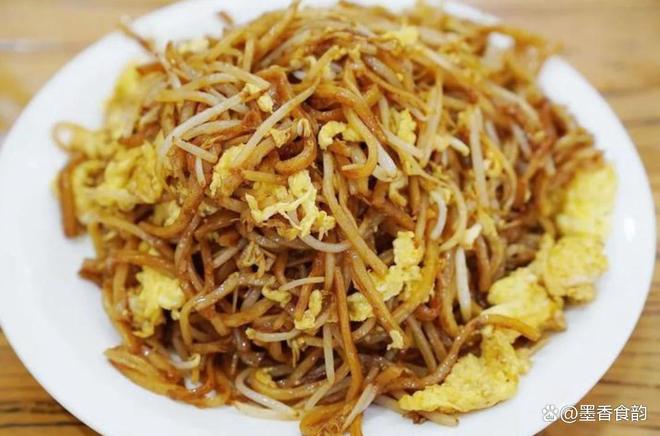
A traditional snack of Xingtai, shredded pancakes braised with bean sprouts and shredded meat, soft and chewy with a savory flavor.
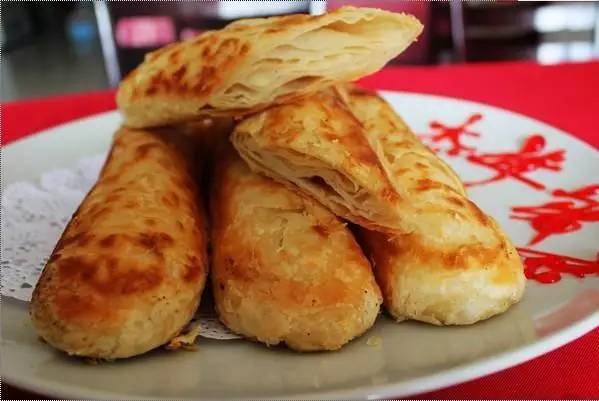
A special flour-based food of Weixian, crispy outside and soft inside, available in savory and sweet flavors, often eaten with meat or vegetables.
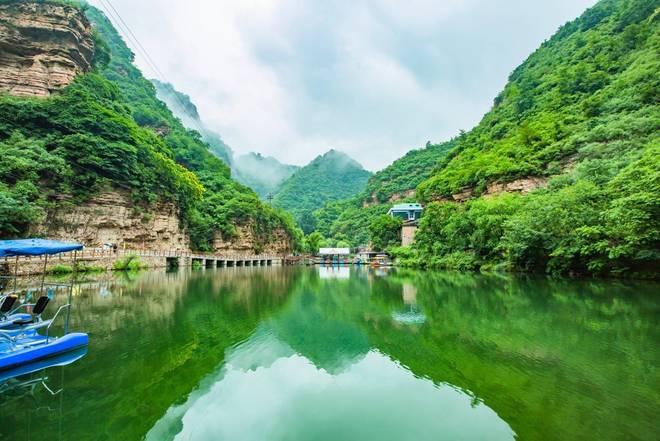
A national 4A-level scenic area, known as China's Love Mountain, legendary birthplace of the Cowherd and Weaver Girl story. Attractions include the Weaver Girl Temple and Magpie Bridge, with mountains and waters.
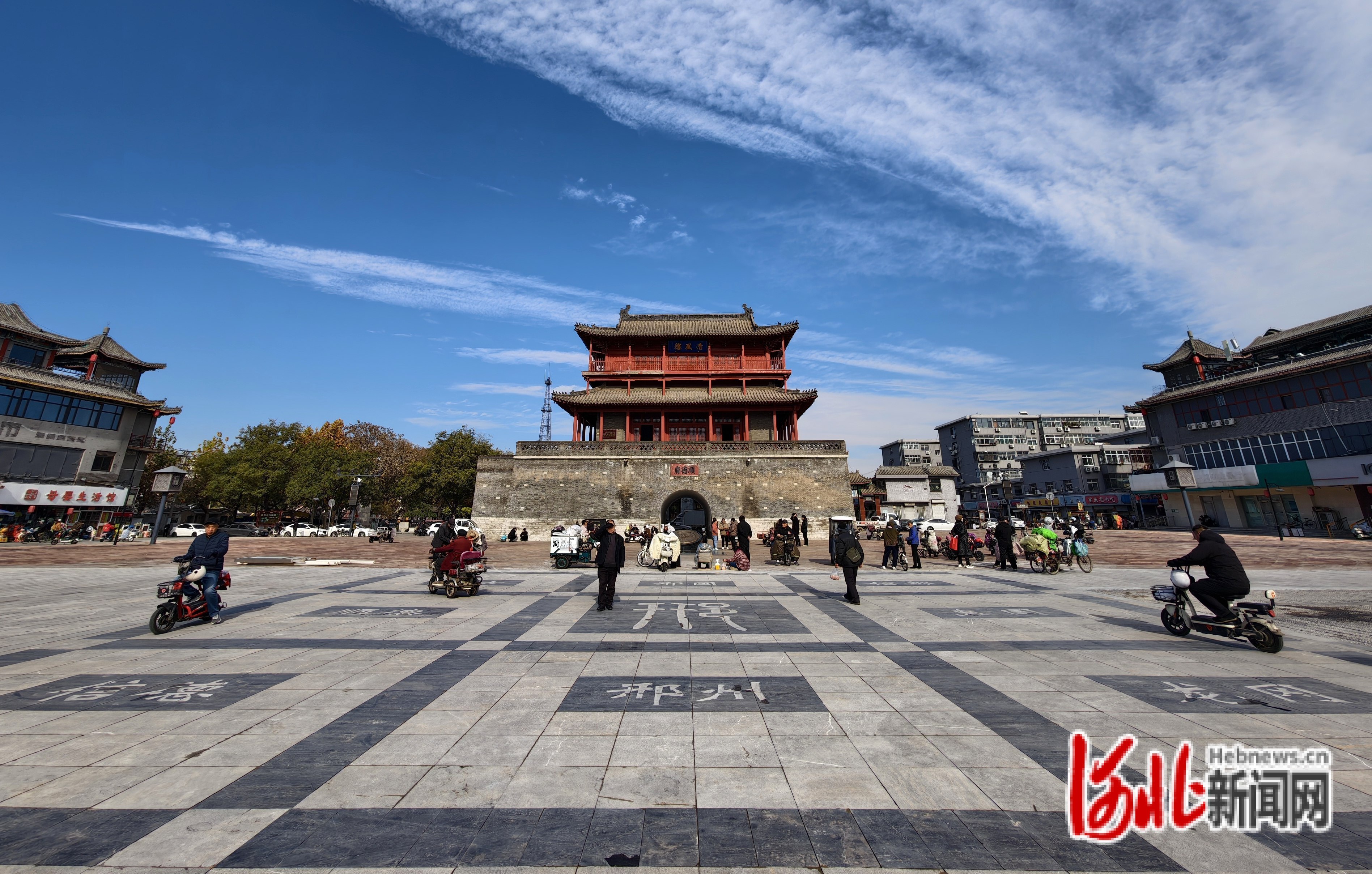
A Ming Dynasty ancient tower located in the city center, a landmark of Xingtai. The tower is 7 zhang high, magnificent, and offers a panoramic view of the ancient city.
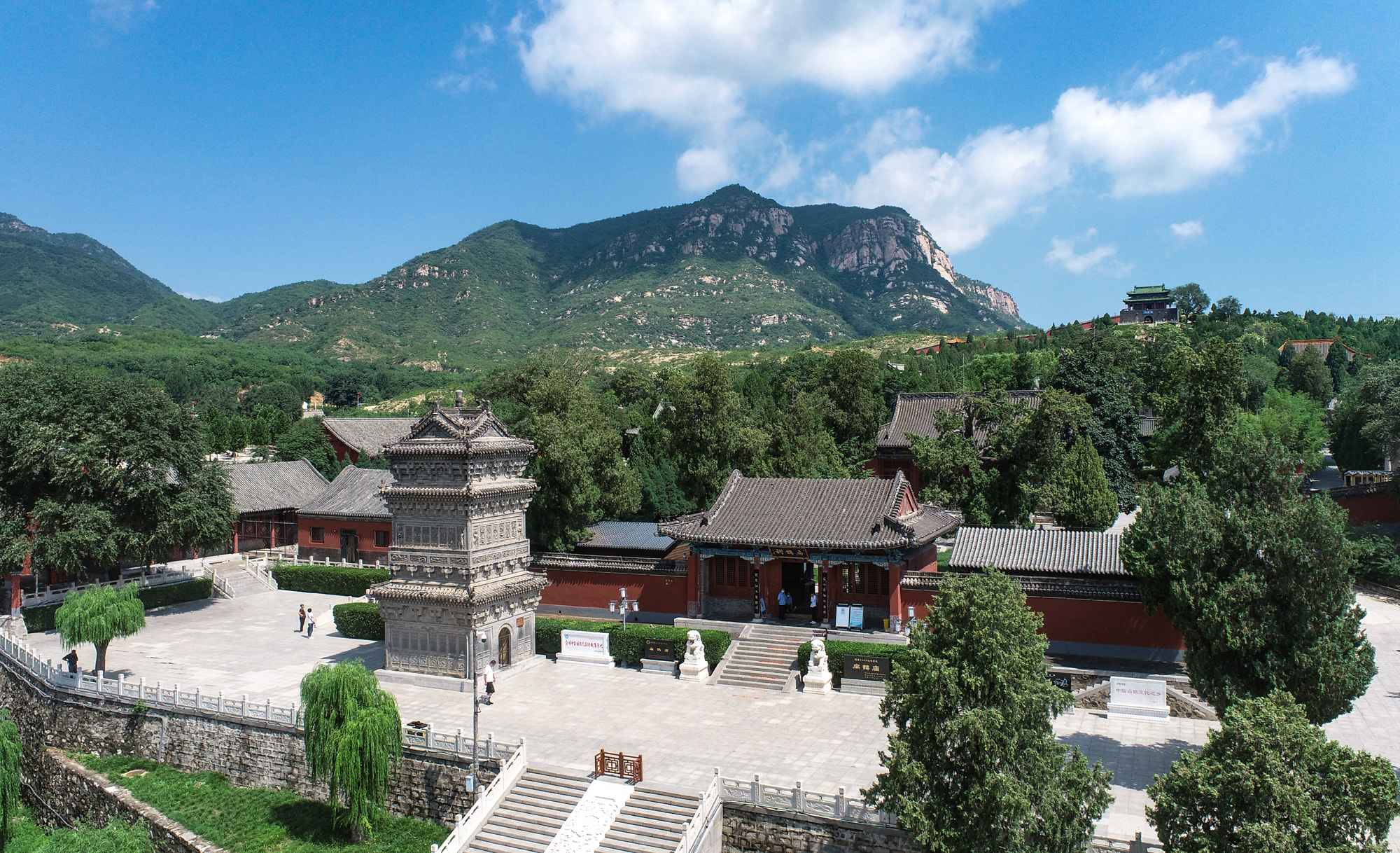
A national 4A-level scenic area, a temple commemorating the Warring States physician Bianque, located in Neiqiu County. It houses Bianque's tomb and inscriptions, a sacred site of traditional Chinese medicine culture.
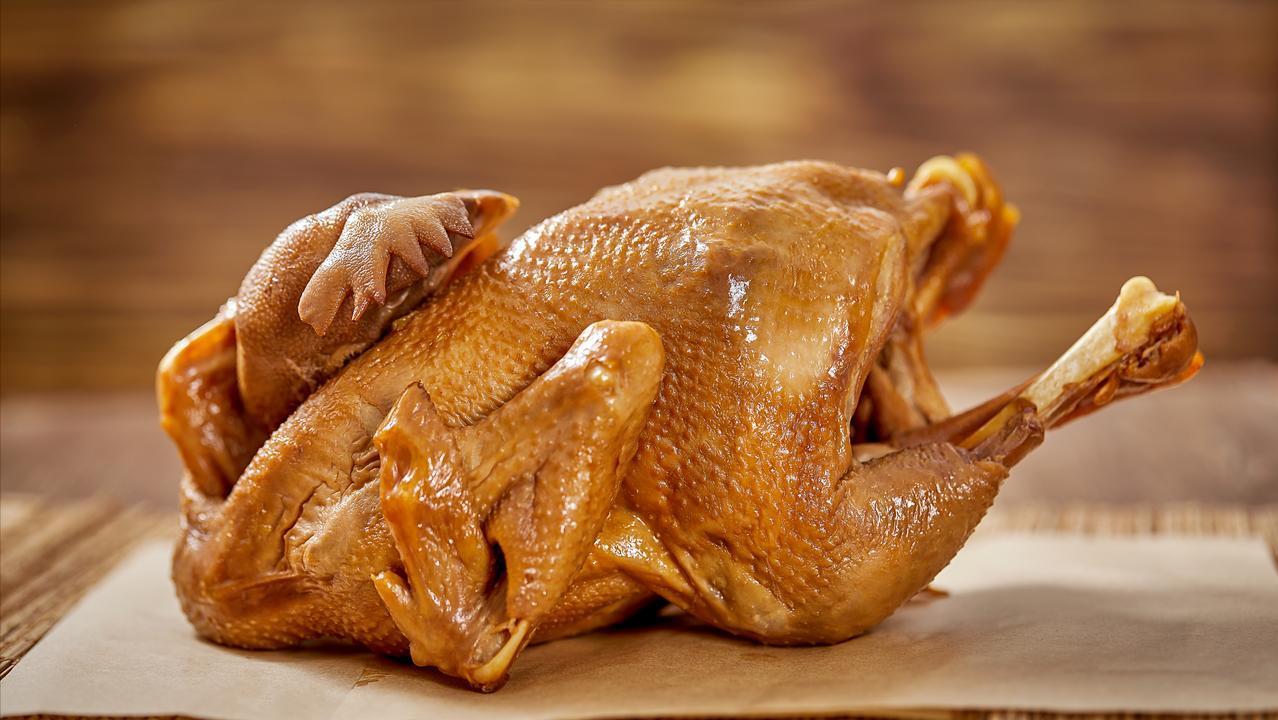
Originating from Daokou Town, marinated with various spices and roasted, bright red color, tender meat, and bones separate easily.
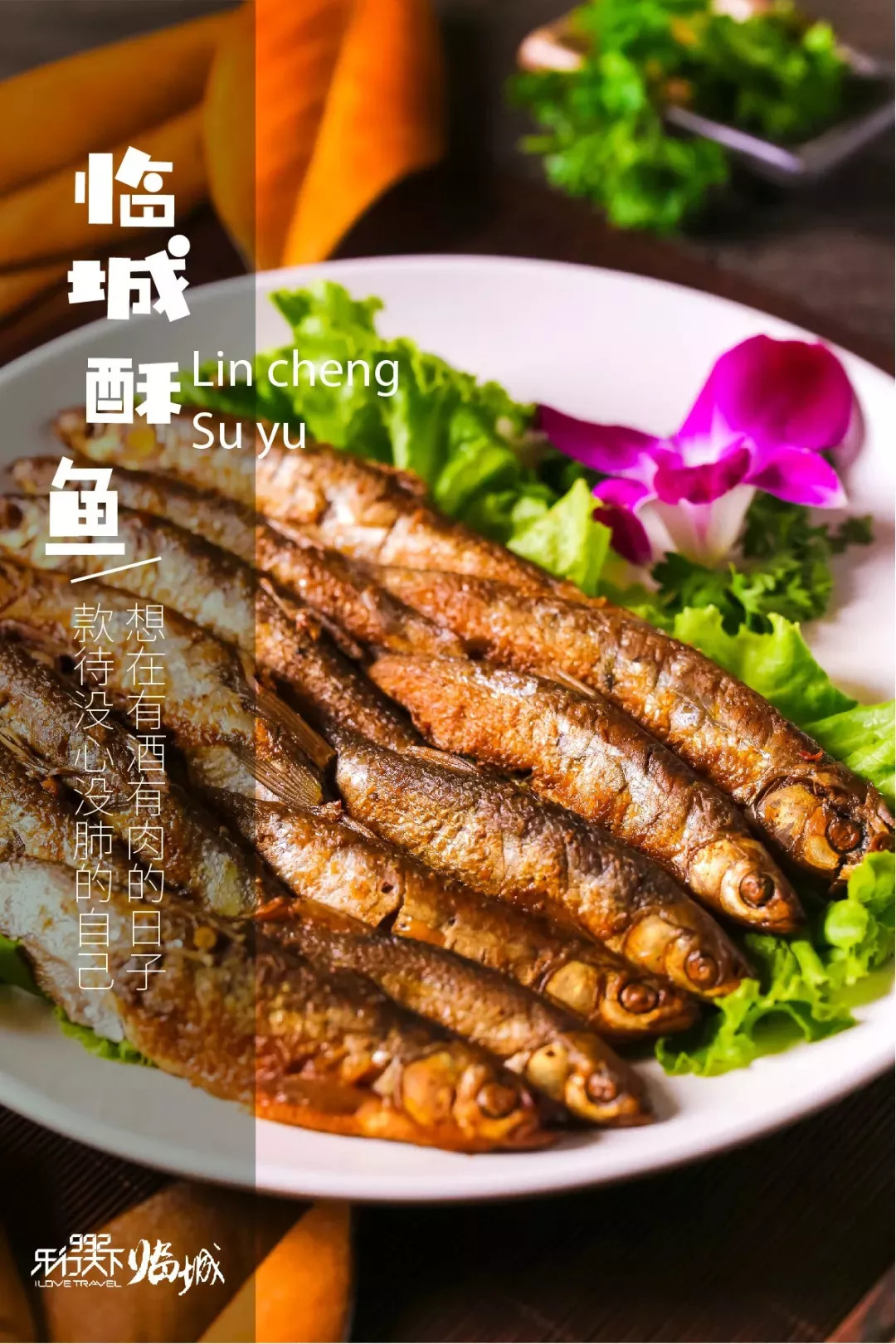
A specialty of Lincheng County, using crucian carp, fried and stewed until bones are crispy and meat is tender, sweet and sour, edible with bones.
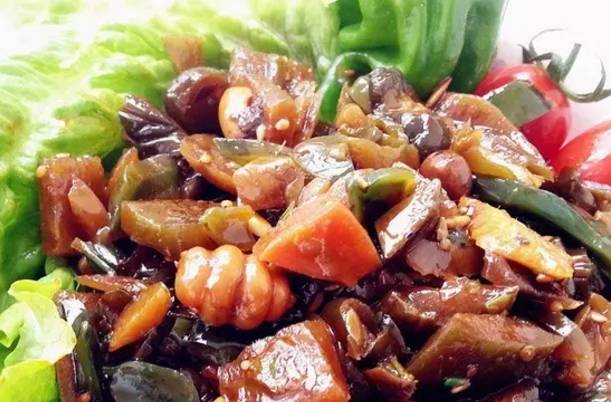
A century-old brand of pickles, made with traditional techniques, various types, crisp and tender, rich in sauce flavor.