
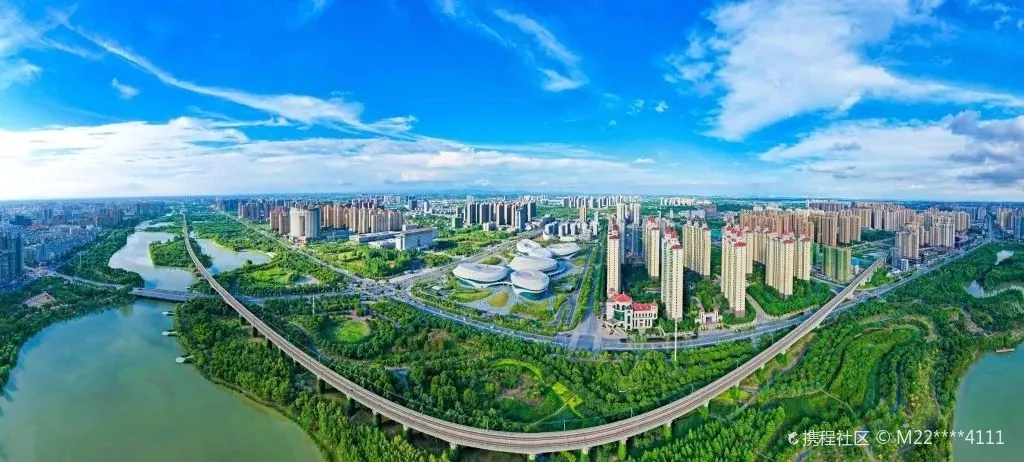
Xiaogan is located in the northeastern part of Hubei Province, in the northern Hanjiang Plain. It has a subtropical monsoon climate with distinct seasons and abundant rainfall. It borders Wuhan to the east, Suizhou to the west, Tianmen and Xiantao to the south, and Xinyang in Henan Province to the north. It is one of the core cities in the Wuhan metropolitan circle.
Xiaogan has a long history, named after the filial piety story of Dong Yong, a filial son from the Eastern Han Dynasty who sold himself to bury his father and moved heaven with his devotion. Human activity dates back to the Xia and Shang dynasties, and it was established as a county during the Southern and Northern Dynasties. In 1993, the prefecture-level city was established. Xiaogan is an important birthplace of Chu culture and has deep roots in filial piety culture.
Xiaogan's culture is centered on filial piety, with the legend of Dong Yong and the Seventh Fairy known to every household. Local specialties include Xiaogan maltose sesame candy, rice wine, and Yunmeng fish noodles. The sesame candy is sweet, fragrant, and crispy; the rice wine is mellow and sweet, both being representative local products.
Modern Xiaogan has a rapidly growing economy and is an important industrial city in Hubei Province, with pillar industries such as auto parts, electronic information, and food processing. As a member of the Wuhan metropolitan circle, it actively integrates into Wuhan's development, with convenient transportation and a rapidly changing cityscape.
The best time to visit 孝感 is Best in spring and autumn.
Spring (March to May) has mild weather and blooming flowers, ideal for outdoor activities and flower viewing.
Autumn (September to November) is clear and cool with pleasant temperatures, perfect for visiting historical sites and tasting local cuisine.
Summer is hot and rainy, while winter is damp and cold, making travel less comfortable, but indoor cultural venues are available.
In the first year of Xiaojian of the Southern Song Dynasty (454 AD), Xiaogan County was established, named after Dong Yong's filial piety moving heaven.
In April 1993, with the approval of the State Council, Xiaogan Prefecture was abolished and Xiaogan City was established as a prefecture-level city.
As one of the hard-hit areas in Hubei, Xiaogan received nationwide support during the COVID-19 pandemic in 2020 and eventually controlled the outbreak.
Recommended places to visit
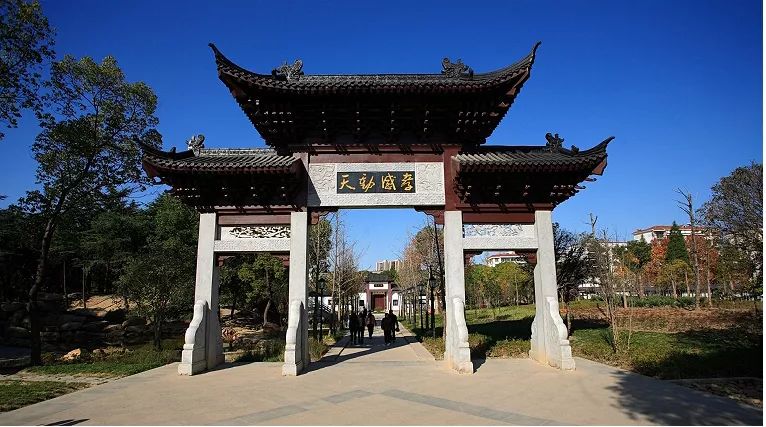
Themed around the filial son Dong Yong, the park features the Filial Son Shrine, Fairy Pool, and other attractions. It is Xiaogan's most famous park.

Located in Xiaochang County, Xiaogan City, it is a national forest park known for its twin peaks and dense forests, often called 'Xiaogan's Lushan Mountain'.
Explore rich intangible cultural heritage and traditional crafts

An intangible cultural heritage of folk literature declared by Xiaogan City, telling the love story of the filial son Dong Yong and the Seventh Fairy, reflecting the culture of filial piety.
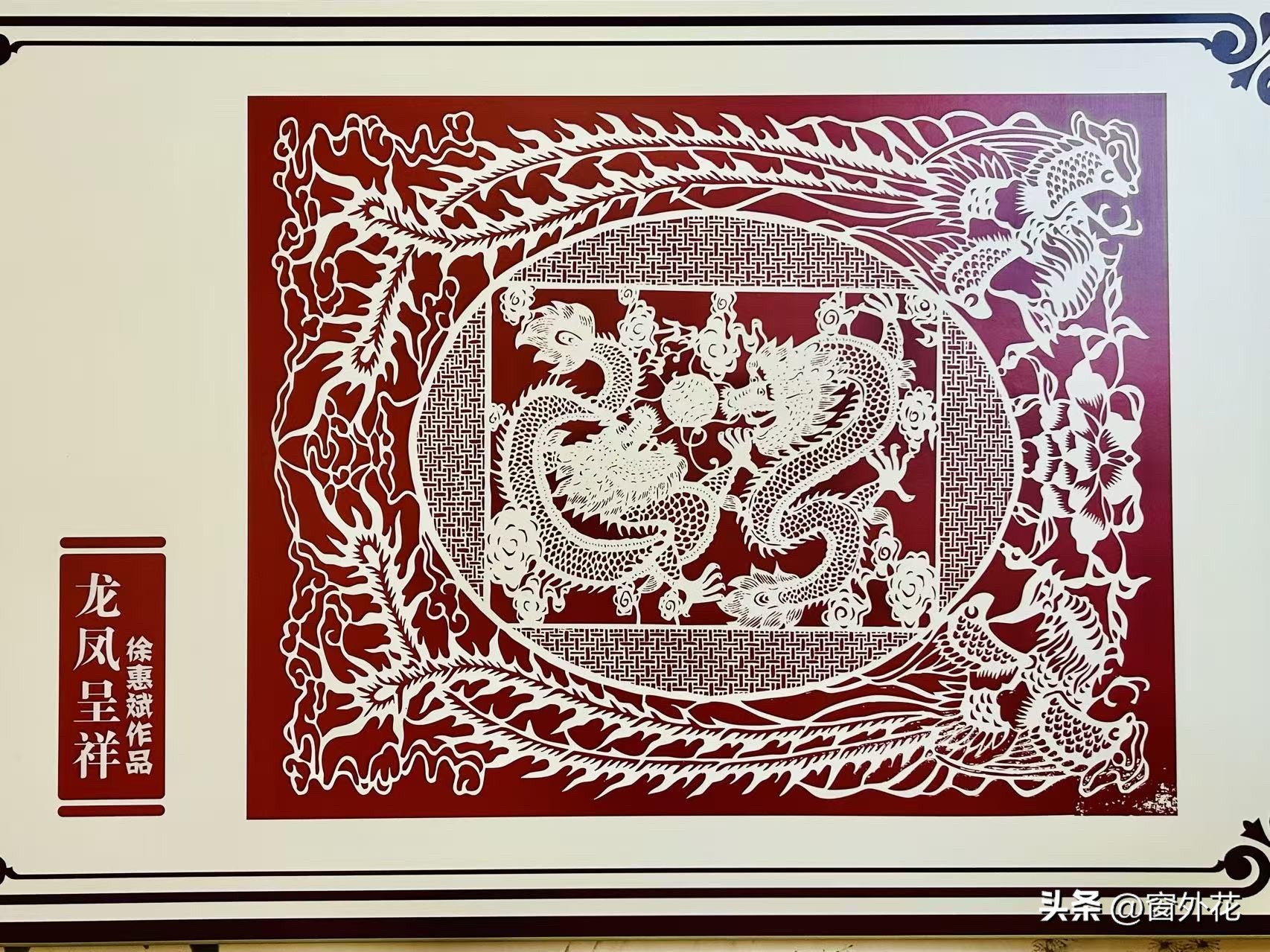
A traditional art of Xiaogan, combining carving and paper-cutting techniques with exquisite patterns, often used for decoration and festivals.
Must-know transportation for exploring the city
Xiaogan North Station (Dawu) and Xiaogan East Station serve high-speed trains connecting to Wuhan, Beijing, Guangzhou, etc. The fastest trip to Wuhan takes 30 minutes.
Xiaogan East to Wuhan second class about 20 RMB
City buses cover major attractions and commercial areas, fare 1-2 RMB, can use bus card or mobile payment.
1-2 RMB
Xiaogan has no civil airport; the nearest is Wuhan Tianhe International Airport about 50 km away, accessible by airport bus or high-speed rail.
Airport bus about 30 RMB
Taste the most authentic and popular local specialties
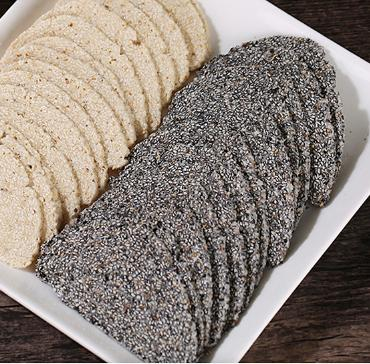
A traditional Xiaogan snack made from glutinous rice, sesame, and maltose, with a sweet and crispy texture and a long history.

Fermented from glutinous rice, low alcohol content, sweet and mellow taste. It is a traditional local beverage often consumed at breakfast.
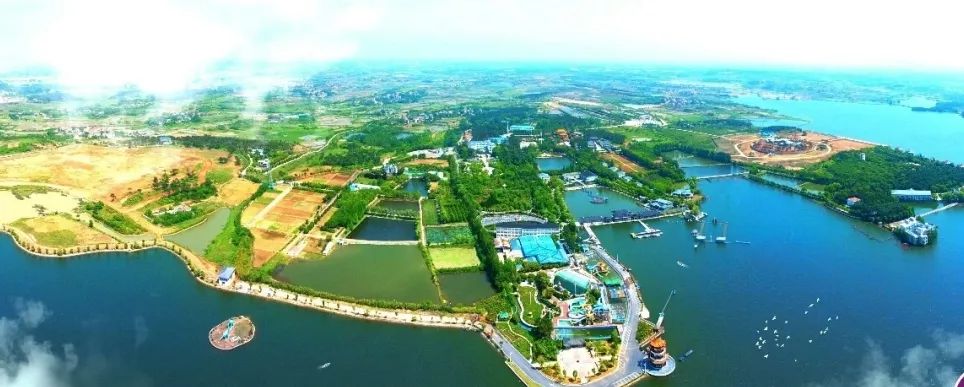
A 4A-level scenic spot integrating ecological sightseeing and leisure vacation, with lakes, hot springs, water parks, etc.

Located in Anlu City, named after Li Bai who lived here for ten years. Attractions include Li Bai Memorial Hall and Peach Blossom Rock.
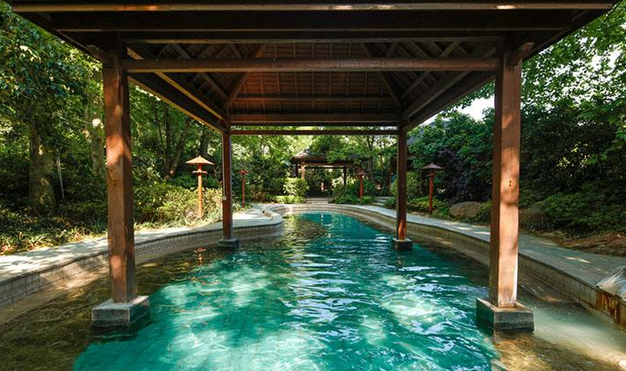
Located in Yingcheng City, it is a famous hot spring resort in Hubei Province with abundant geothermal resources, known as 'Asia's No.1 Spring'.
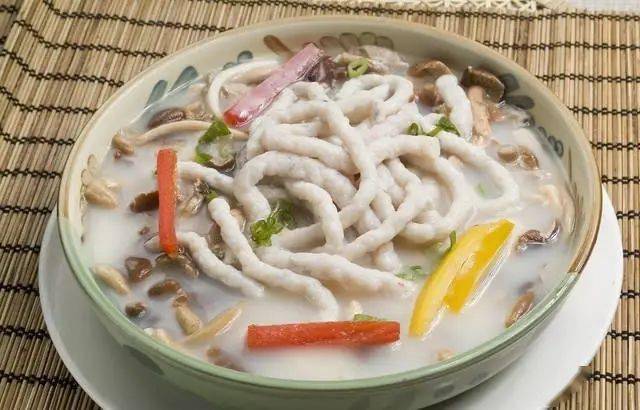
A traditional specialty of Yunmeng County, made from fish meat and flour. It has a delicious and smooth texture, can be boiled or stir-fried, and is a famous Hubei dish.
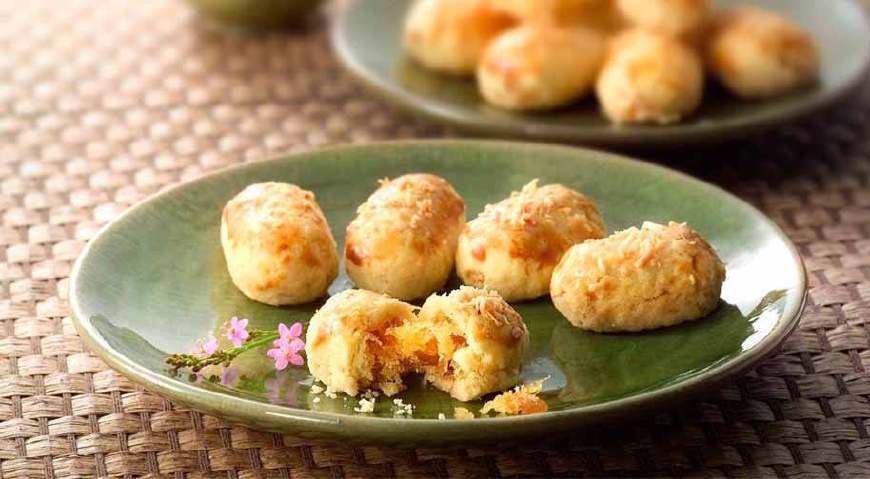
A traditional pastry in Hanchuan City, shaped like the moon, with a crispy crust and fillings such as bean paste and sesame. It is a traditional food for the Mid-Autumn Festival.
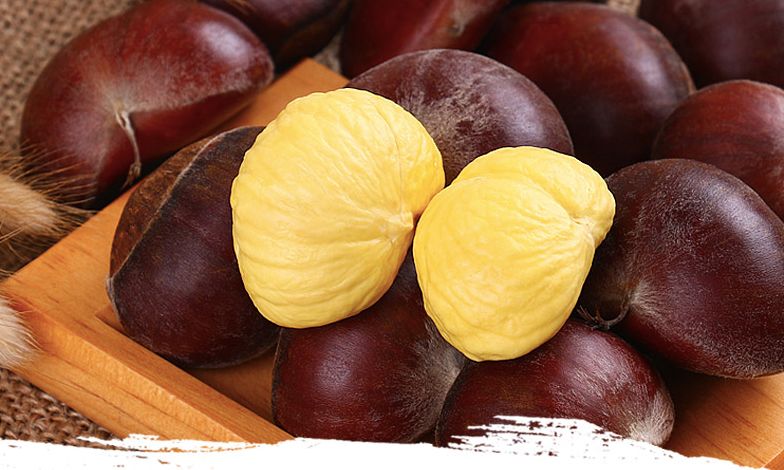
A specialty of Dawu County, chestnuts are large and plump, sweet and sticky, can be eaten raw, roasted, or used in dishes, rich in nutrition.