
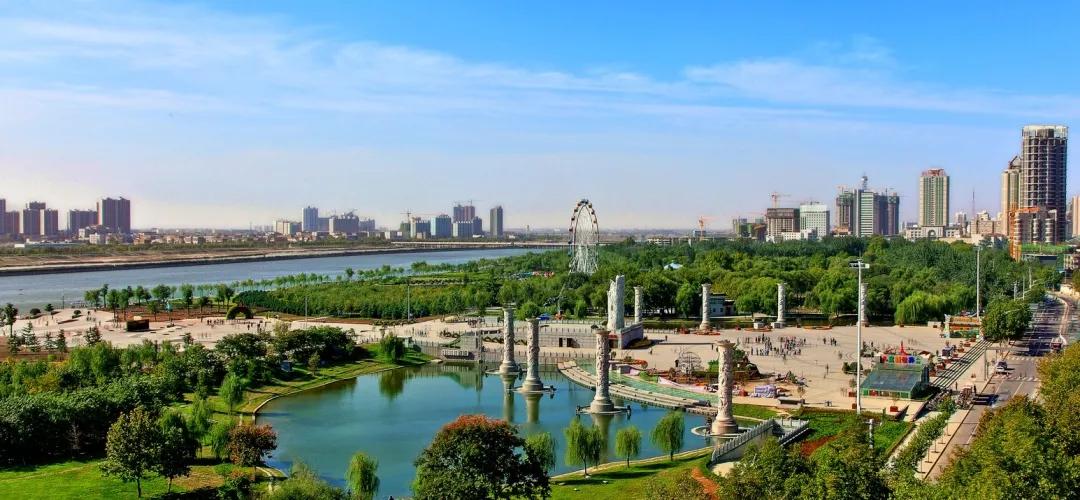
Xianyang is located in the central part of Shaanxi Province, in the hinterland of the Guanzhong Plain. It borders Xi'an to the east, Gansu to the north, and the Qinling Mountains to the south, with the Wei River flowing through the city. It has a warm temperate continental monsoon climate with four distinct seasons: mild spring and autumn, hot and rainy summer, and cold and dry winter.
Xianyang was the capital of the Qin Dynasty, the first feudal dynasty in Chinese history, and is known as 'China's First Imperial Capital.' In 350 BC, Duke Xiao of Qin moved the capital here. After Qin Shi Huang unified the six states, Xianyang became the political, economic, and cultural center of the country. After the Han Dynasty, Xianyang gradually declined but left behind a rich cultural heritage.
Xianyang is the birthplace of Qin culture and has unique folk customs, such as the Xianyang Ox-Pulling Drum and the Qin-Han War Drum. In terms of cuisine, it is dominated by noodles, with representative dishes including Biangbiang noodles, Guokui (a thick baked cake), Yangrou Paomo (lamb soup with bread), Xianyang Fu Tea, and Qian County Tofu Pudding, which are rich in flavor and unique in taste.
Modern Xianyang is an important industrial city and transportation hub in Shaanxi Province, with an industrial system centered on energy chemicals, equipment manufacturing, and electronic information. At the same time, Xianyang is actively promoting the integration of Xi'an and Xianyang, building an international metropolis together with Xi'an, and the city's appearance is changing with each passing day.
The best time to visit 咸阳 is Spring and Autumn (March-May & September-November).
Spring (March to May): The temperature rises, flowers bloom, perfect for outdoor sightseeing. The cherry blossoms in Xianyang Lake Scenic Area are in full bloom, offering pleasant scenery.
Autumn (September to November): The weather is clear and cool, the best time to visit historical sites and taste local cuisine. The Qianling Mausoleum and Maoling Mausoleum look more solemn in autumn colors.
Summer is hot and rainy, winter is cold and dry. However, winter has fewer tourists, allowing you to experience the tranquil atmosphere of the ancient capital, and some attractions offer discounted tickets.
Duke Xiao of Qin, after implementing Shang Yang's reforms, moved the capital from Yueyang to Xianyang, beginning Xianyang's history as the Qin capital.
Qin Shi Huang launched campaigns from Xianyang, conquering the six states and establishing the first unified centralized state in Chinese history.
Recommended places to visit
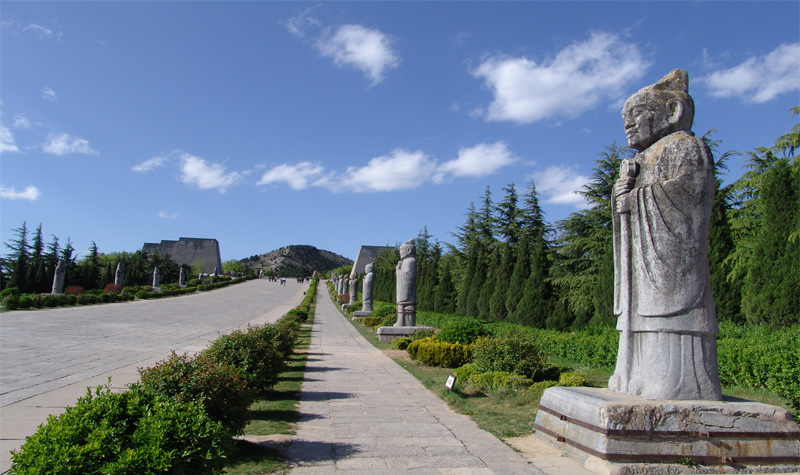
The joint tomb of Emperor Gaozong Li Zhi and Empress Wu Zetian, the only one among the eighteen Tang mausoleums that has not been looted. It features the famous Wordless Stele and 61 statues of foreign officials.
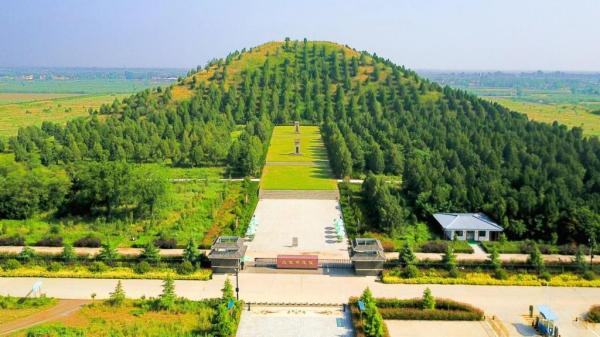
The tomb of Emperor Wu of Han, Liu Che, the largest, longest-built, and most richly furnished of the Western Han imperial mausoleums.
UNESCO World Heritage Sites
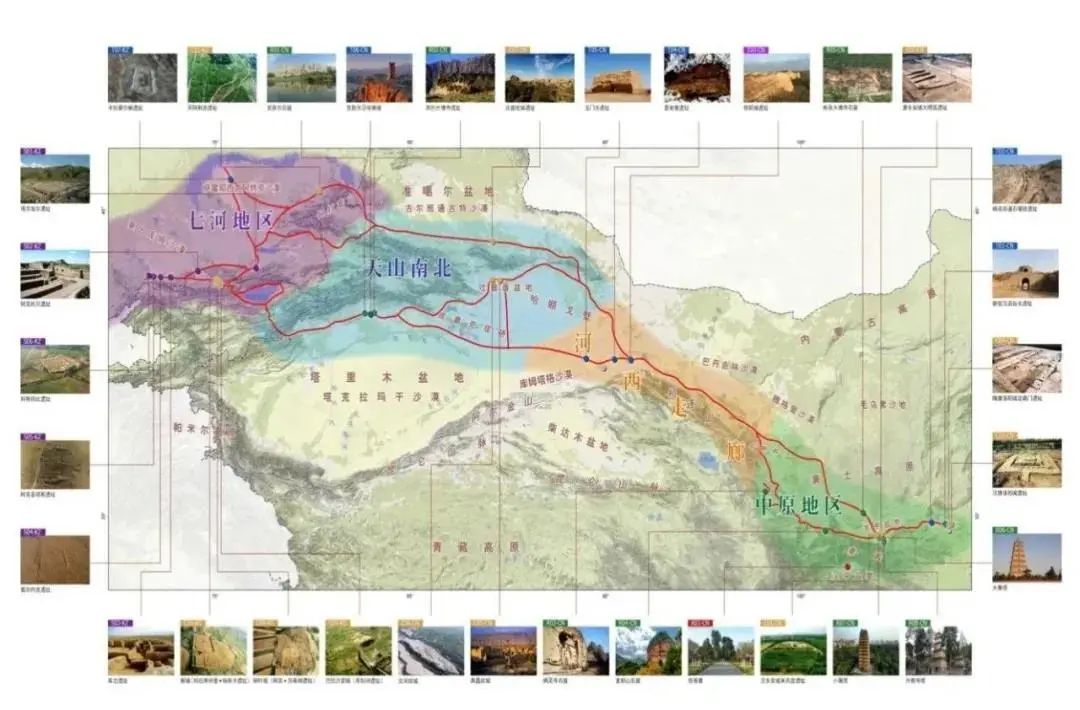
Xianyang was the first stop westward on the Silk Road, with numerous relics such as Maoling and Qianling.
Explore rich intangible cultural heritage and traditional crafts
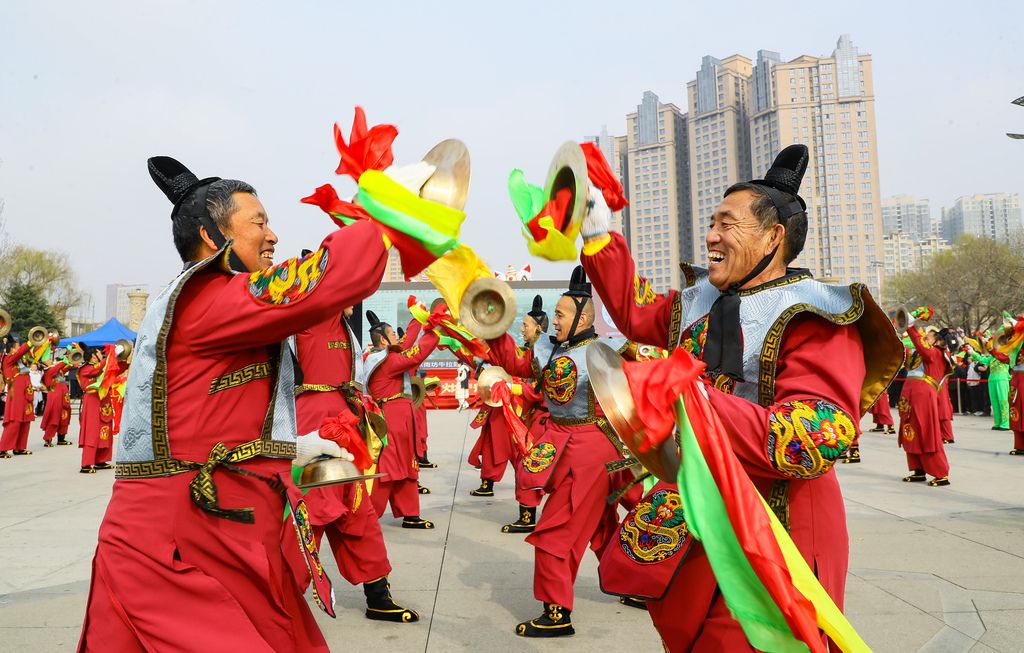
A folk drum dance where drummers dance while beating drums, with bold and vigorous movements, grand in momentum.
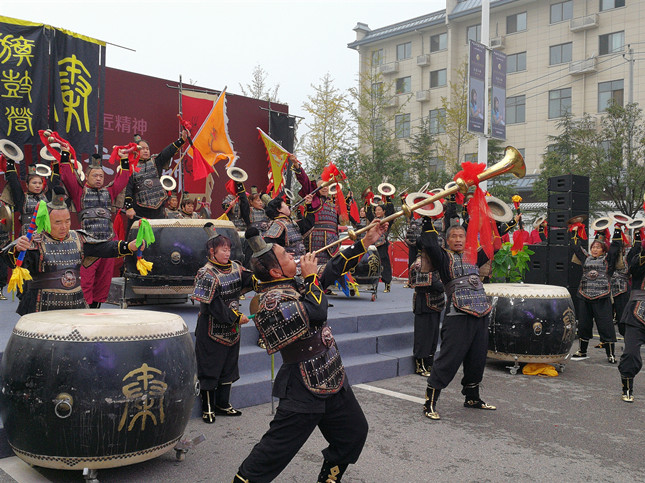
A military music tradition from the Qin and Han dynasties, with exciting drumbeats that recreate the atmosphere of ancient battlefields.
Must-know transportation for exploring the city
Located in Weicheng District, Xianyang, it is the largest aviation hub in Northwest China, with numerous domestic and international routes.
Varies by route
Connects to Xi'an, Baoji, Lanzhou, etc. It takes only 15 minutes to Xi'an by high-speed rail.
About 10 CNY to Xi'an (second class)
The city bus network covers a wide area, with fares of 1-2 CNY. Some routes go directly to major attractions.
1-2 CNY
Taste the most authentic and popular local specialties
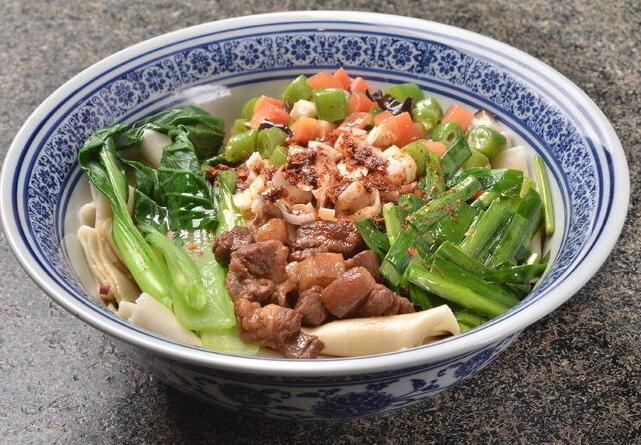
A specialty of Shaanxi, wide and chewy noodles topped with chili oil, minced garlic, vinegar, and other seasonings, aromatic and delicious.
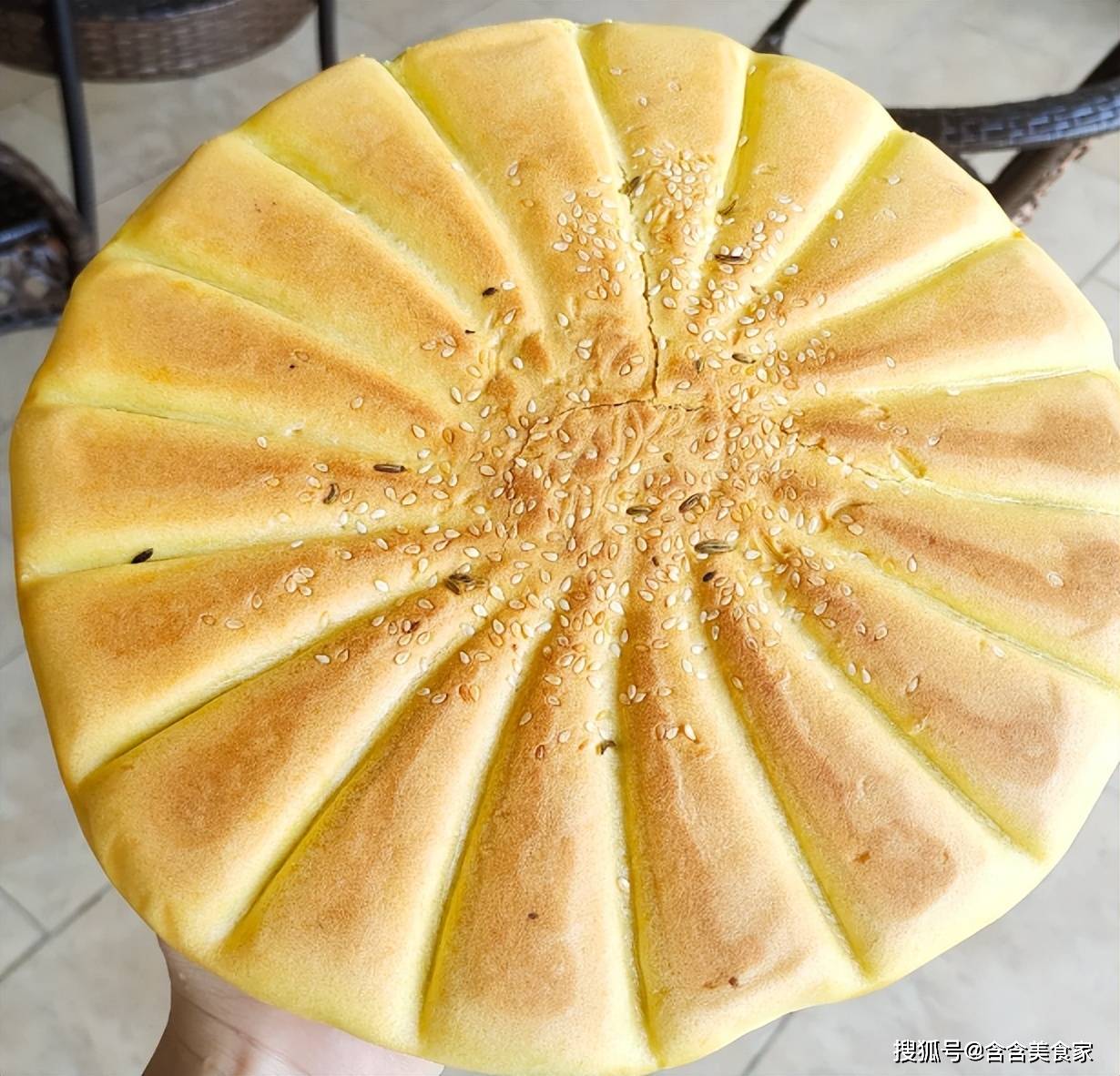
A thick baked cake, crispy outside and soft inside, long-lasting, can be eaten alone or stuffed with meat and vegetables.
Xiang Yu captured Xianyang and set fire to the Qin palaces; the fire raged for three months, causing severe damage to the city.
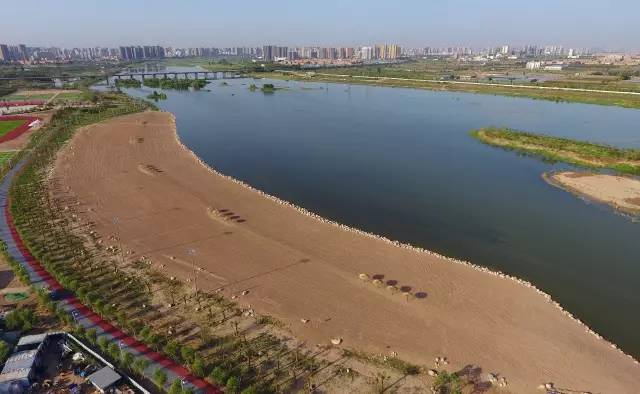
A large artificial lake on the Wei River, with wide water surface and tree-lined banks. It is a popular leisure spot for citizens, especially beautiful when cherry blossoms bloom in spring.
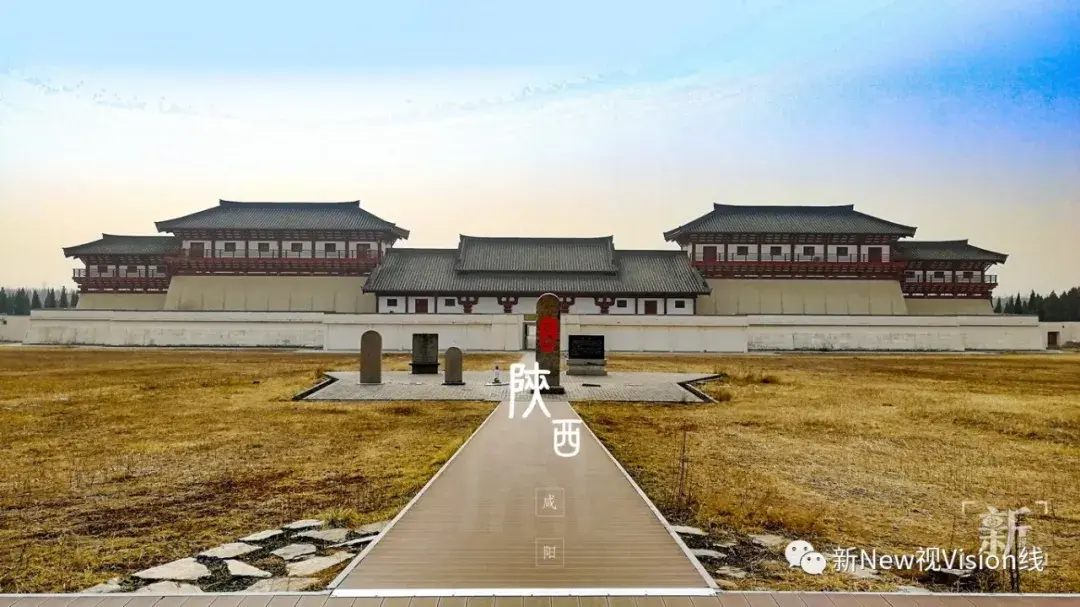
The joint mausoleum of Emperor Jing of Han, Liu Qi, and Empress Wang. Its underground museum displays a large number of pottery figurines and artifacts, known as the 'Oriental Pyramid'.
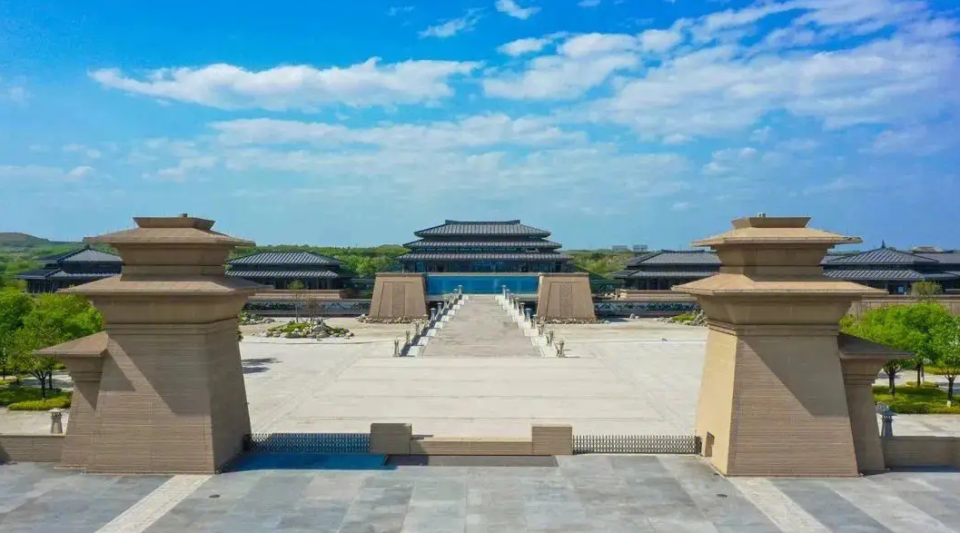
The museum houses a rich collection of cultural relics, mainly from the Qin and Han dynasties, including Qin bronze chariots and Han jade artifacts. It is an important window to understand Xianyang's history.
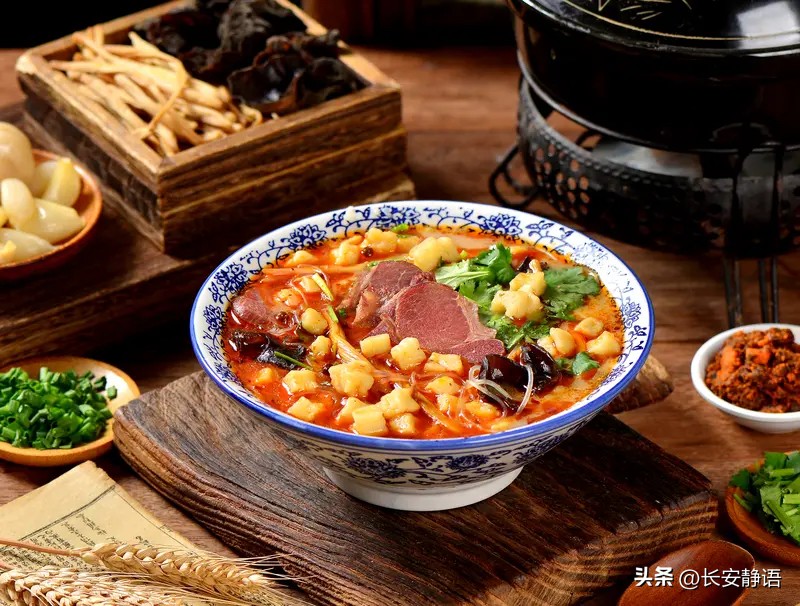
Crumbled baked bread soaked in lamb broth, served with vermicelli, wood ear mushrooms, etc. The soup is fresh and the meat tender, leaving a lasting aftertaste.
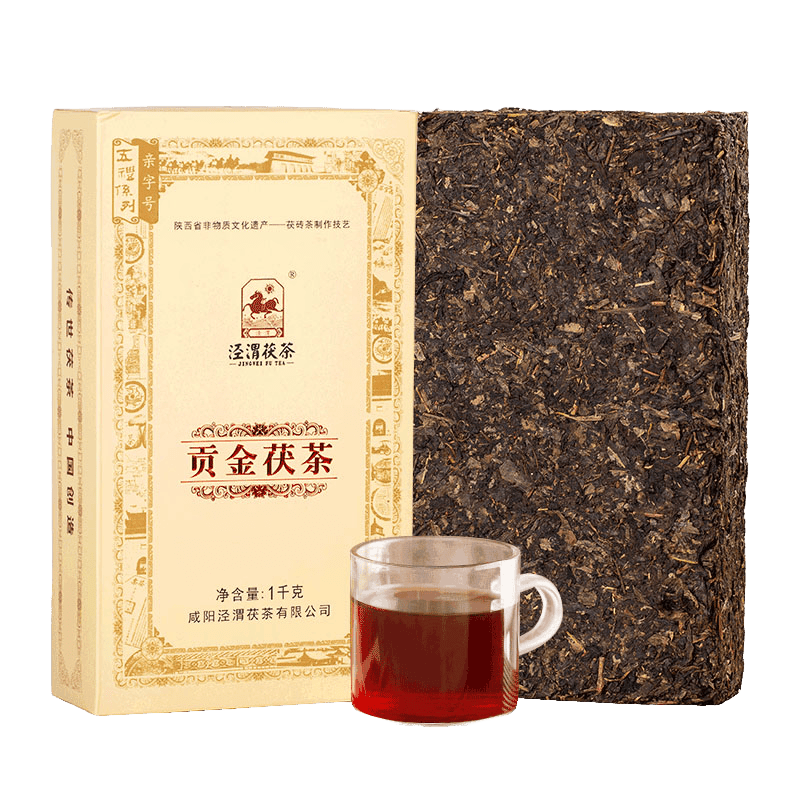
A post-fermented dark tea, with a bright red infusion and mellow taste. It aids digestion and cuts grease, and was an important commodity on the Silk Road.
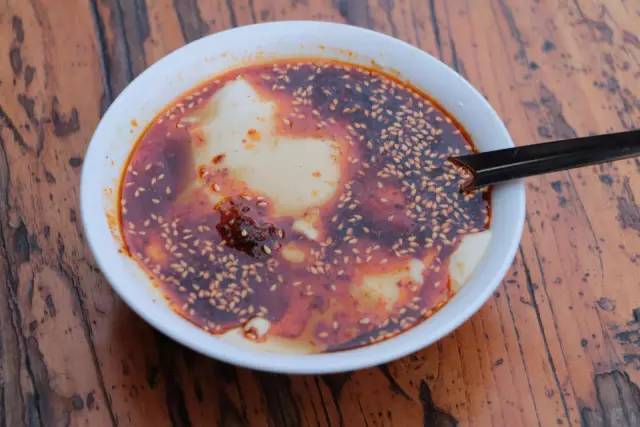
Made from high-quality soybeans from Qian County, smooth and tender, topped with special gravy and chili oil, savory and delicious.