

Xianning is located in the southeast of Hubei Province, on the south bank of the middle reaches of the Yangtze River, at the northern foot of the Mufu Mountains, and is known as the 'Southern Gate of Hubei'. It has a subtropical monsoon climate with four distinct seasons and abundant rainfall, with an average annual temperature of 16.8°C, making it mild and humid.
Xianning has a long history, with human activities dating back to the Neolithic Age. During the Three Kingdoms period, the Battle of Red Cliffs took place within its territory, leaving a rich cultural heritage. In the Tang and Song dynasties, Xianning became famous for tea and osmanthus, and in the Ming and Qing dynasties, it became an important commercial town.
Xianning's culture is characterized by osmanthus culture, hot spring culture, and Three Kingdoms culture. The annual Osmanthus Festival is held in autumn, filling the city with fragrance. In terms of cuisine, Xianning's osmanthus cake, Hesheng chicken soup, and Tongshan baotuo are very popular. There are also unique folk arts such as tea-picking opera and fiddle opera.
Modern Xianning is one of the core cities of the Wuhan metropolitan area, with hot spring tourism, ecological agriculture, and health industry as its pillars. It has several national forest parks and wetland parks, with a high urban greening rate, and has been rated as a National Garden City and one of the most livable cities in China.
The best time to visit 咸宁 is Best in spring and autumn, enjoy flowers in spring and osmanthus in autumn.
Spring (March-May): Pleasant temperatures, everything revives, cherry blossoms, peach blossoms, and rapeseed flowers bloom, ideal for flower viewing and outings.
Autumn (September-November): Clear and crisp autumn weather, osmanthus fragrance fills the air. The Osmanthus Festival is held, allowing you to taste osmanthus delicacies and enjoy hot springs, with beautiful scenery.
Summer (June-August): Although hot, Xianning has abundant hot spring resources, offering a unique experience even in summer. You can also escape the heat at Jiugong Mountain. Winter (December-February) is cold but hot spring tourism remains popular.
During the Three Kingdoms period, the allied forces of Sun Quan and Liu Bei defeated Cao Cao at Red Cliffs (now Chibi City, Xianning), laying the foundation for the tripartite confrontation.
Approved by the State Council, Xianning Prefecture was abolished and Xianning Prefecture-level City was established, marking a new stage of development.
Recommended places to visit
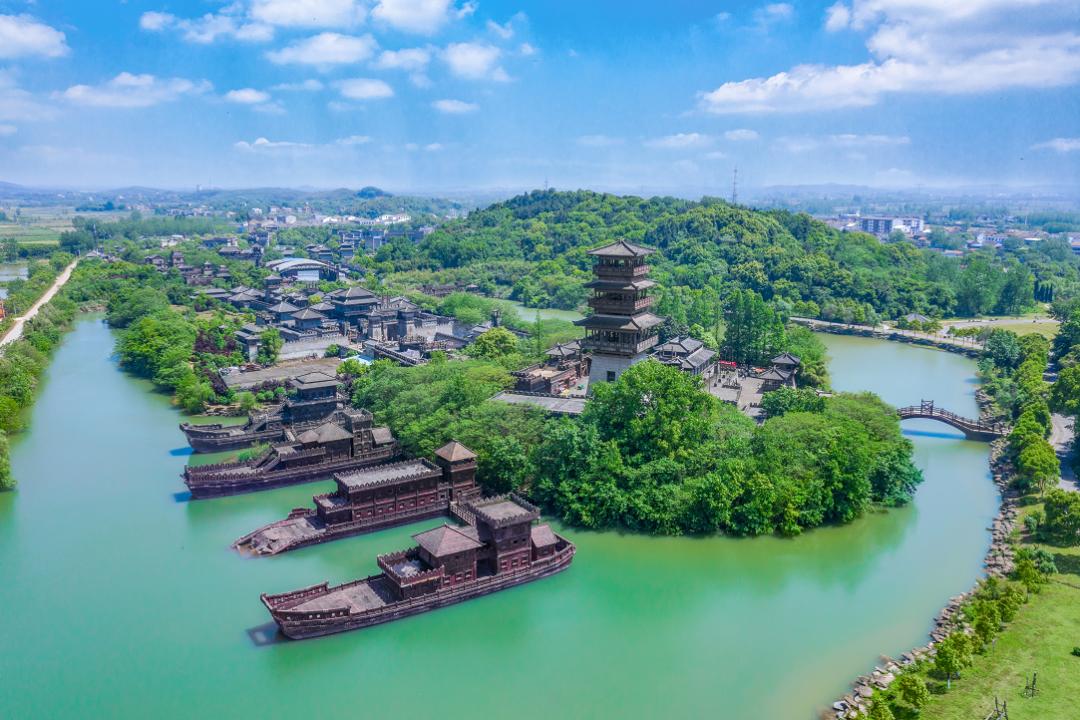
The site of the Battle of Red Cliffs in the Three Kingdoms period, a national 5A-level scenic spot, featuring cliff carvings, a statue of Zhou Yu, and the Worship Wind Platform.
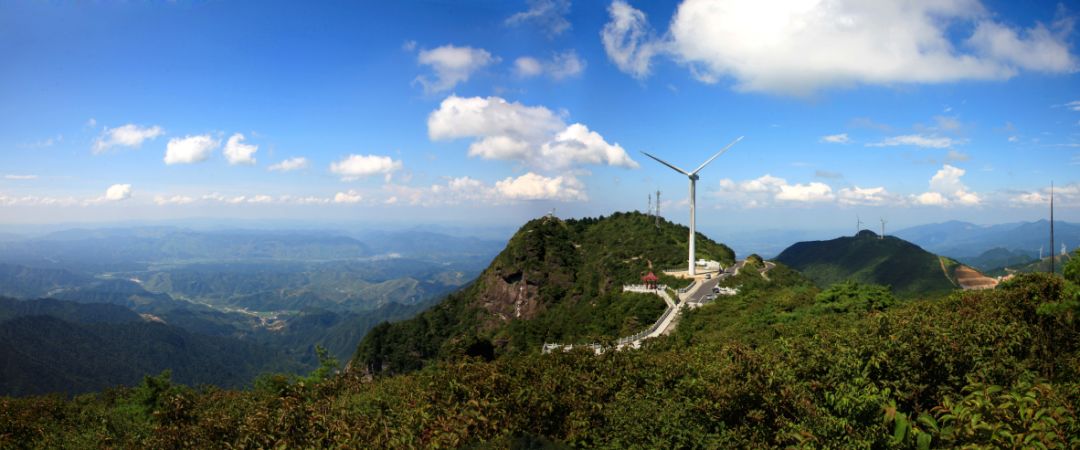
National scenic area and 4A-level tourist attraction, with the main peak Laoyajian at 1657 meters, a summer resort featuring Yunzhong Lake, Shilong Gorge, etc.
Explore rich intangible cultural heritage and traditional crafts

Xianning has a long history of osmanthus cultivation. Osmanthus culture includes planting, food making, and the Osmanthus Festival, listed as Hubei provincial intangible cultural heritage.
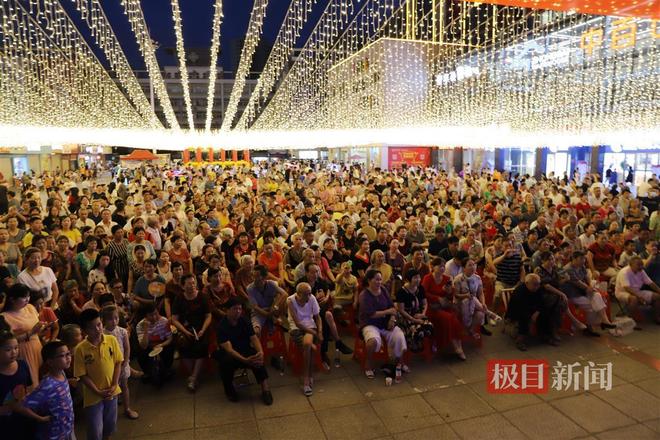
A local opera popular in Tongshan County, originating from tea-picking labor, with beautiful melodies, listed as national intangible cultural heritage.
Must-know transportation for exploring the city
Xianning North Station is on the Beijing-Guangzhou high-speed railway. It takes about 24 minutes from Wuhan by high-speed rail, and direct trains are available from Beijing, Guangzhou, etc.
About 40 RMB for second class from Wuhan to Xianning North
Xianning has no civil airport. The nearest is Wuhan Tianhe International Airport, about 100 km away, accessible by airport bus or high-speed rail to Xianning.
Airport bus about 80 RMB, high-speed rail about 50 RMB
City buses cover major attractions and urban areas, fare 1-2 RMB, some routes accept Alipay.
1-2 RMB
Taste the most authentic and popular local specialties

Made with osmanthus and glutinous rice flour, sweet and soft, a traditional Xianning snack.
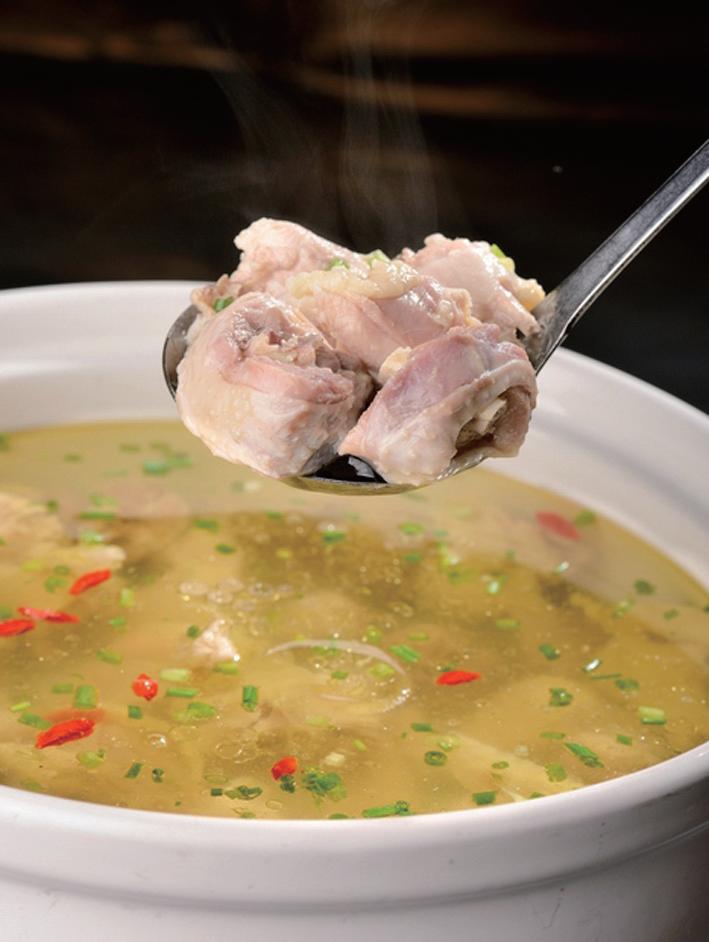
Originating from Hesheng Bridge Town, golden broth, tender meat, rich in nutrition.
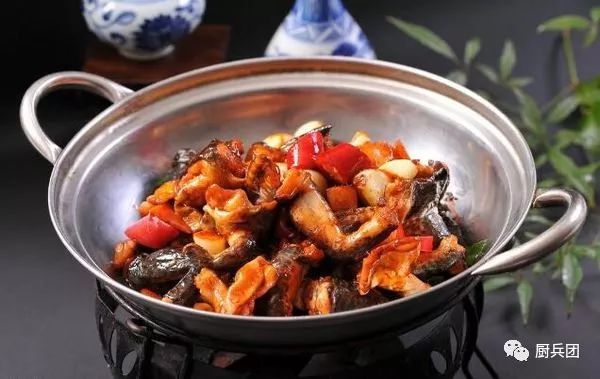
Due to its abundant hot spring resources and culture, Xianning was named 'China Hot Spring Town' by the China Mining Association.

Xianning has abundant hot spring resources, with many hot spring resorts such as Hot Spring Valley and Sanjiang Hot Spring, ideal for relaxation and health.

National 4A-level scenic spot, a large karst cave with stalactites and an underground river, accessible by boat.
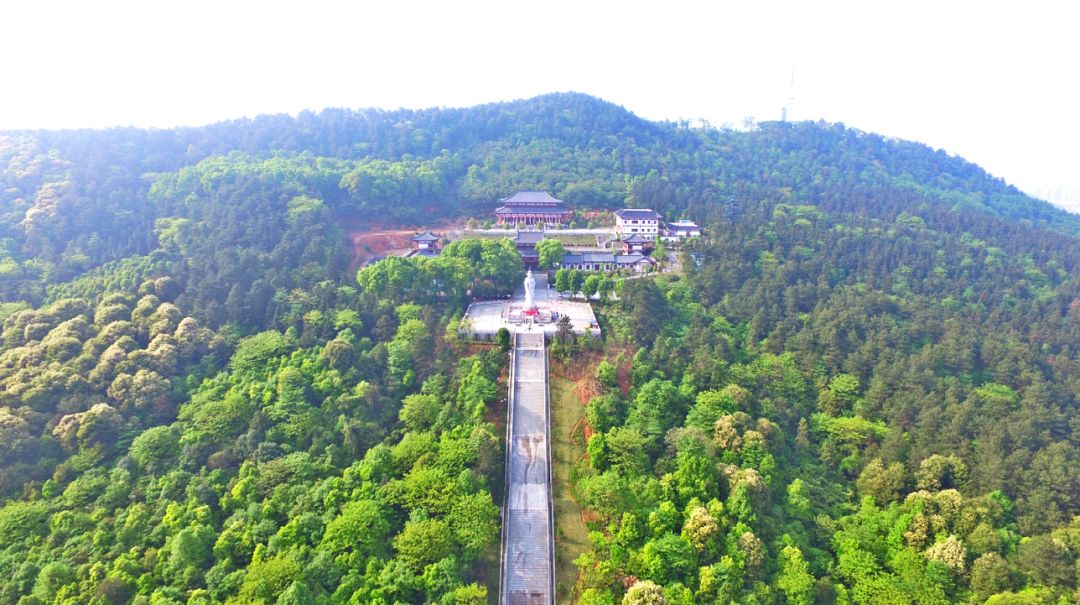
National 4A-level scenic spot, with dense vegetation, osmanthus forests, bamboo groves, a natural oxygen bar in the city.
A specialty snack of Tongshan County, similar to tangyuan but larger, with rich fillings like meat, vegetables, and bean products.
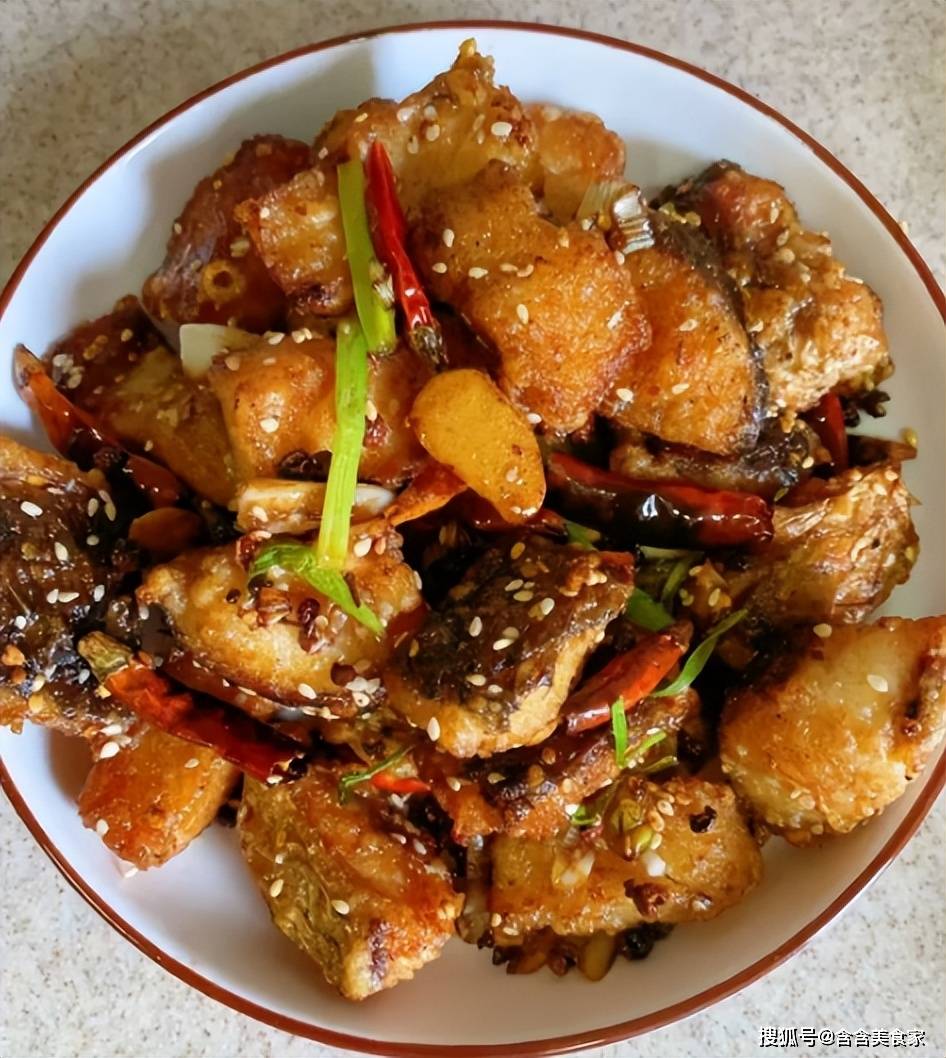
Made by pounding steamed glutinous rice, can be pan-fried or deep-fried, crispy outside and sticky inside, often eaten with sugar or osmanthus sauce.
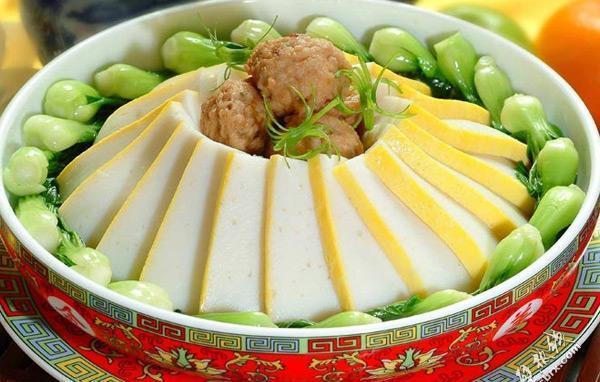
Made mainly from fish, steamed, tender and fresh, a specialty of Chibi.