
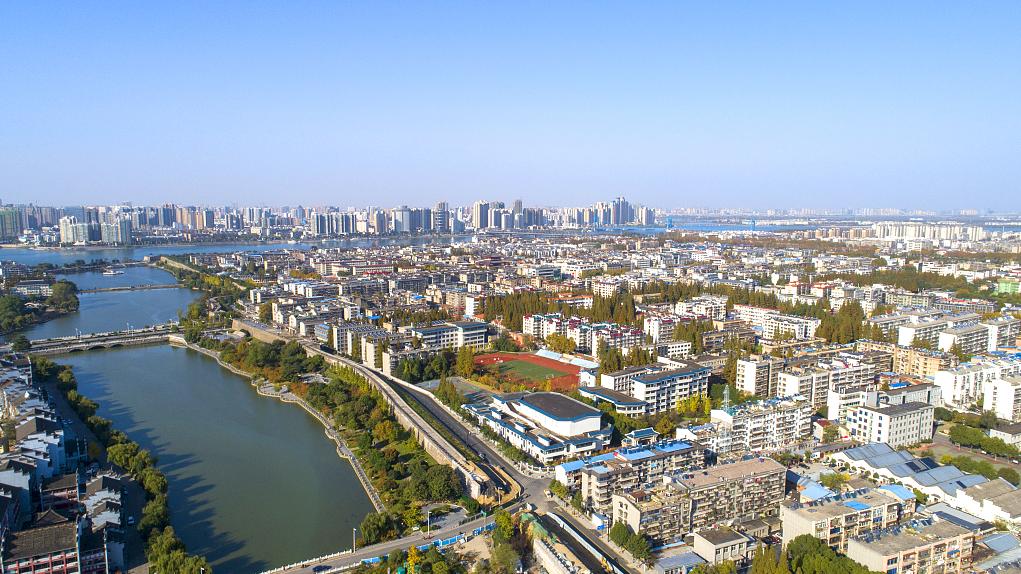
Xiangyang is located in the northwest of Hubei Province, in the middle reaches of the Han River, between 111°-113°E and 31°-32°N. It has a subtropical monsoon climate with four distinct seasons, an average annual temperature of 15-16°C, and annual precipitation of 800-1000 mm. The Han River flows through the city, forming a unique 'one river, two banks' layout.
Xiangyang has a long history and is an important birthplace of Chu culture, Han culture, and Three Kingdoms culture. It has been a city for over 2,800 years since the Western Zhou Dynasty. During the Three Kingdoms period, Xiangyang was a strategic location contested by Wei, Shu, and Wu. Zhuge Liang once lived in seclusion here, and the story of Liu Bei visiting him three times is well-known.
Xiangyang has a profound cultural heritage and is known as the 'Capital of Chinese Calligraphy' and 'Hometown of Chinese Three Kingdoms Culture'. Local specialties include Xiangyang beef noodles, Yicheng prawns, and yellow wine. The beef noodles are famous nationwide for their spicy and savory flavor. Xiangyang people often start their day with a bowl of beef noodles paired with yellow wine, representing the local food culture.
Modern Xiangyang is a sub-central city of Hubei Province, with a strong economy ranking among the top in the province. Industries such as automobiles and parts, equipment manufacturing, and electronic information are well-developed. The high-tech zone has been approved as a national innovative characteristic park. The city actively develops tourism, with attractions like Gulongzhong and Xiangyang Ancient City drawing many visitors.
The best time to visit 襄阳 is Spring and Autumn (March-May, September-November).
In spring (March-May), the temperature is pleasant, flowers bloom, especially peach and cherry blossoms at Gulongzhong, making it a great time for outings and flower viewing.
In autumn (September-November), the weather is crisp, the forests along the Han River are colorful, and the ancient city wall looks more historic. It's also the season for hairy crabs and Yicheng prawns.
Summer is hot and rainy, winter is damp and cold, but in summer you can enjoy night cruises on the Han River, and in winter you can see the ancient city in snow, each season has its charm.
Liu Bei visited Zhuge Liang three times at Longzhong in Xiangyang, and Zhuge Liang finally agreed to assist Liu Bei, proposing the 'Longzhong Plan' strategy.
The Yuan army besieged Xiangyang for six years. The Southern Song army and people resisted stubbornly, but Xiangyang eventually fell, opening the door for the Yuan to conquer the Southern Song.
Recommended places to visit
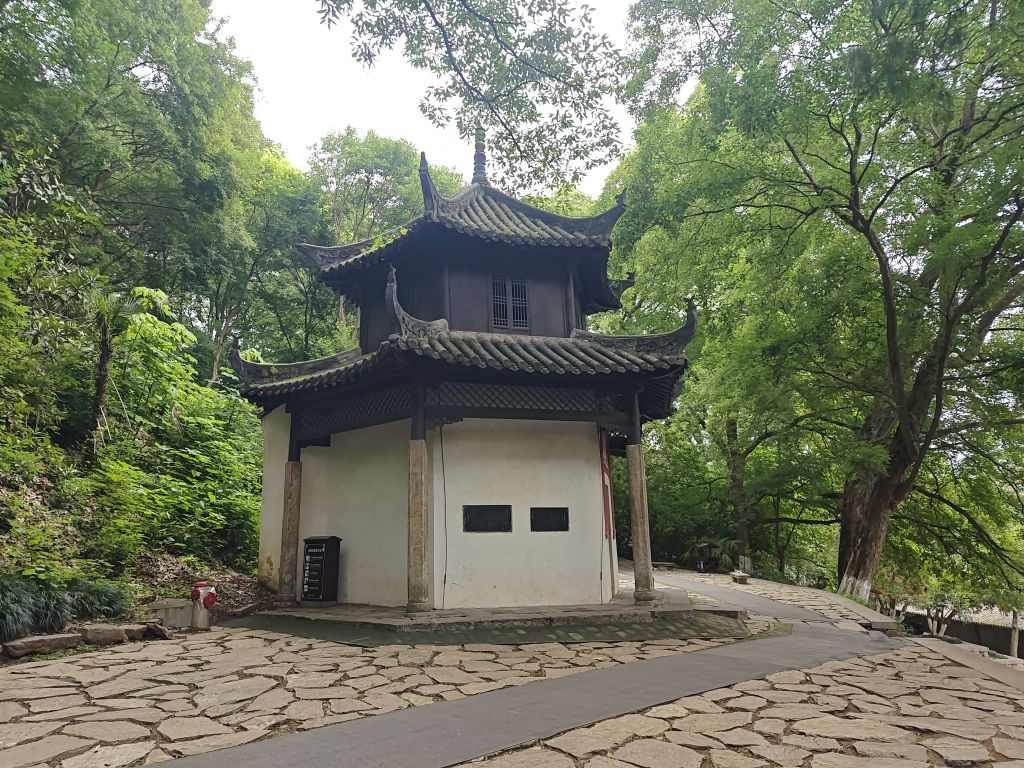
The hermitage of Zhuge Liang, where Liu Bei visited him three times. Attractions include Zhuge's thatched cottage, Three Visits Hall, and Wuhou Temple. It is a national 5A-level scenic spot.
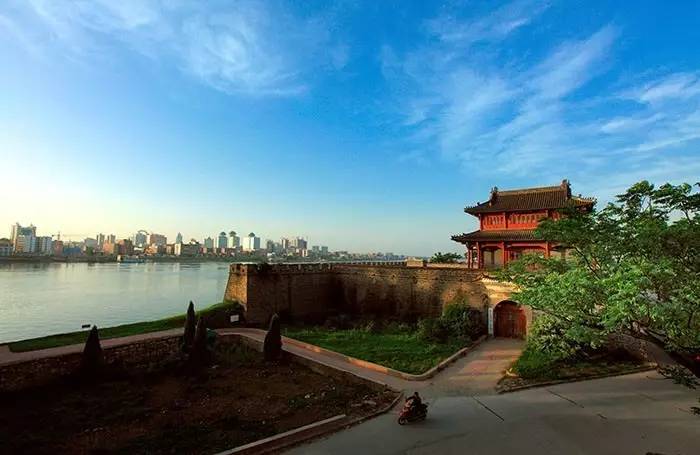
One of the ten best-preserved ancient cities in China, built in the Eastern Han Dynasty. The city wall is 7.3 km in circumference with six gates. Climbing the wall offers a panoramic view of the Han River.
Explore rich intangible cultural heritage and traditional crafts
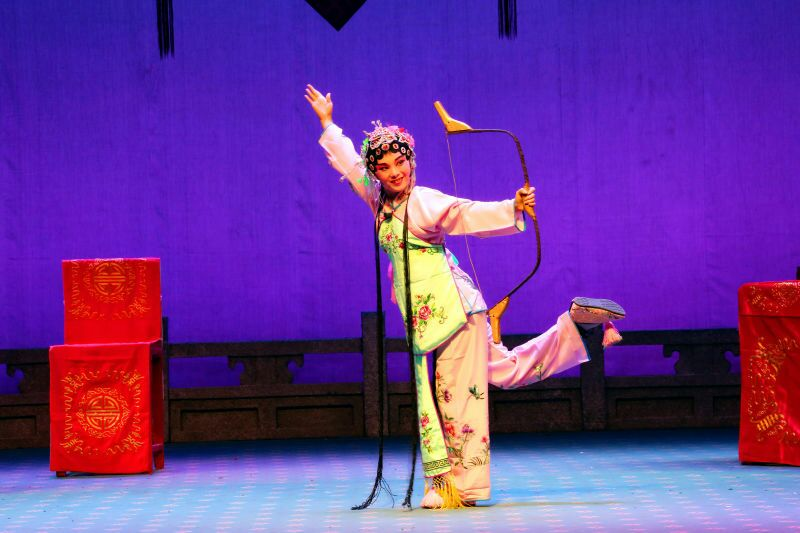
A local traditional opera of Hubei Province, listed in the second batch of National Intangible Cultural Heritage. It is mainly singing accompanied by gongs and drums.
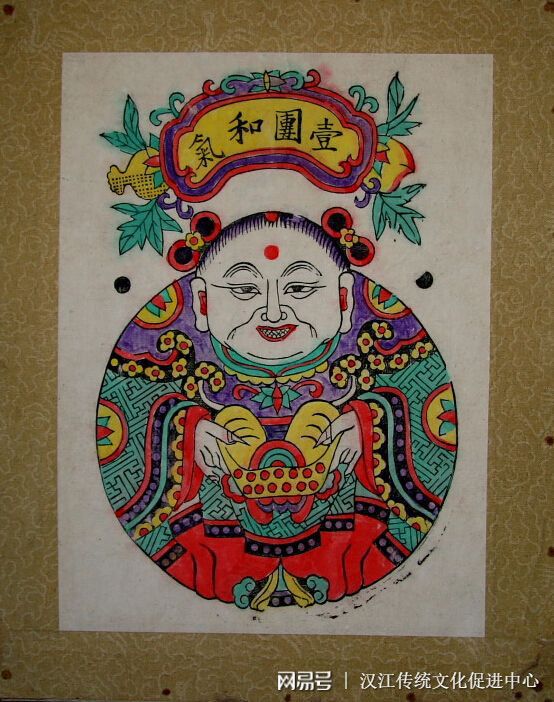
A traditional art of Laohekou city, Xiangyang, listed in the second batch of National Intangible Cultural Heritage. It uses multicolor woodblock printing, with bright colors and auspicious themes.
Must-know transportation for exploring the city
Located in Liuji, Xiangzhou District, about 18 km from the city center. It has flights to major domestic cities such as Beijing, Shanghai, Guangzhou, and Shenzhen.
Depends on route
Located in Dongjin New District, it is an important hub for the Hankou-Shiyan and Zhengzhou-Wanzhou high-speed railways, connecting to Wuhan, Zhengzhou, Chongqing, Beijing, etc.
Second class about 100-300 RMB
The bus system covers the urban area and major attractions, with a fare of 2 RMB. There are also tourist shuttle buses connecting Gulongzhong, Tangcheng, etc.
2 RMB
Taste the most authentic and popular local specialties
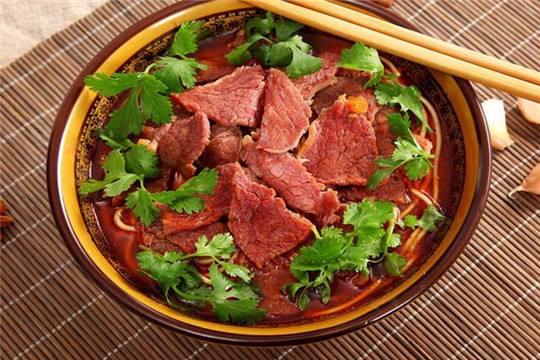
The most representative snack of Xiangyang. The noodles are chewy, the broth is simmered with beef bones, and it is served with beef and offal, spicy and flavorful.
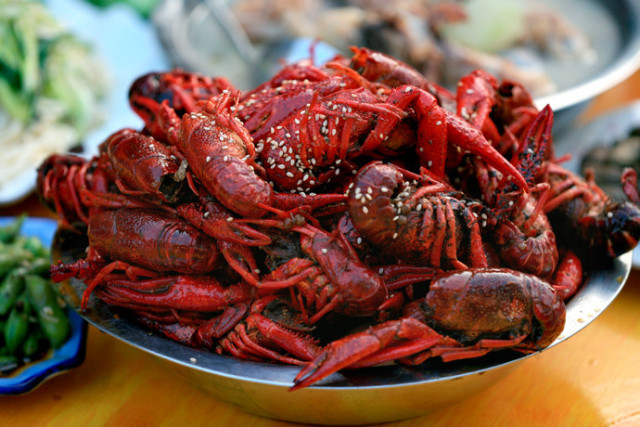
A specialty of Yicheng city, using large prawns from the Han River. It is spicy and numbing, with tender meat and rich sauce, most popular in summer.
Xiangyang Dongjin High-Speed Rail Station was put into operation, becoming one of the largest high-speed rail stations among prefecture-level cities in China, ushering Xiangyang into the high-speed rail era.
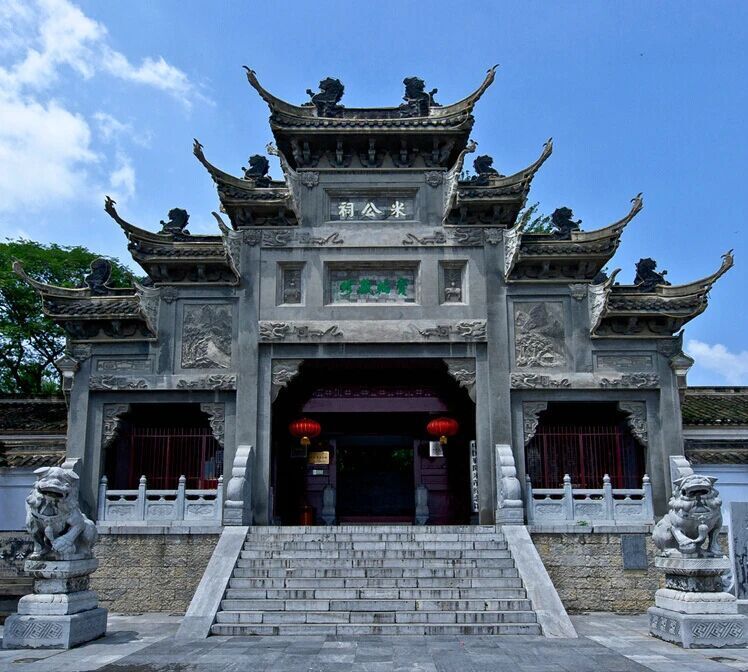
A temple dedicated to Mi Fu, a calligrapher of the Northern Song Dynasty. It houses a large collection of stone inscriptions by Mi Fu and other famous calligraphers, making it a holy place for calligraphy enthusiasts.
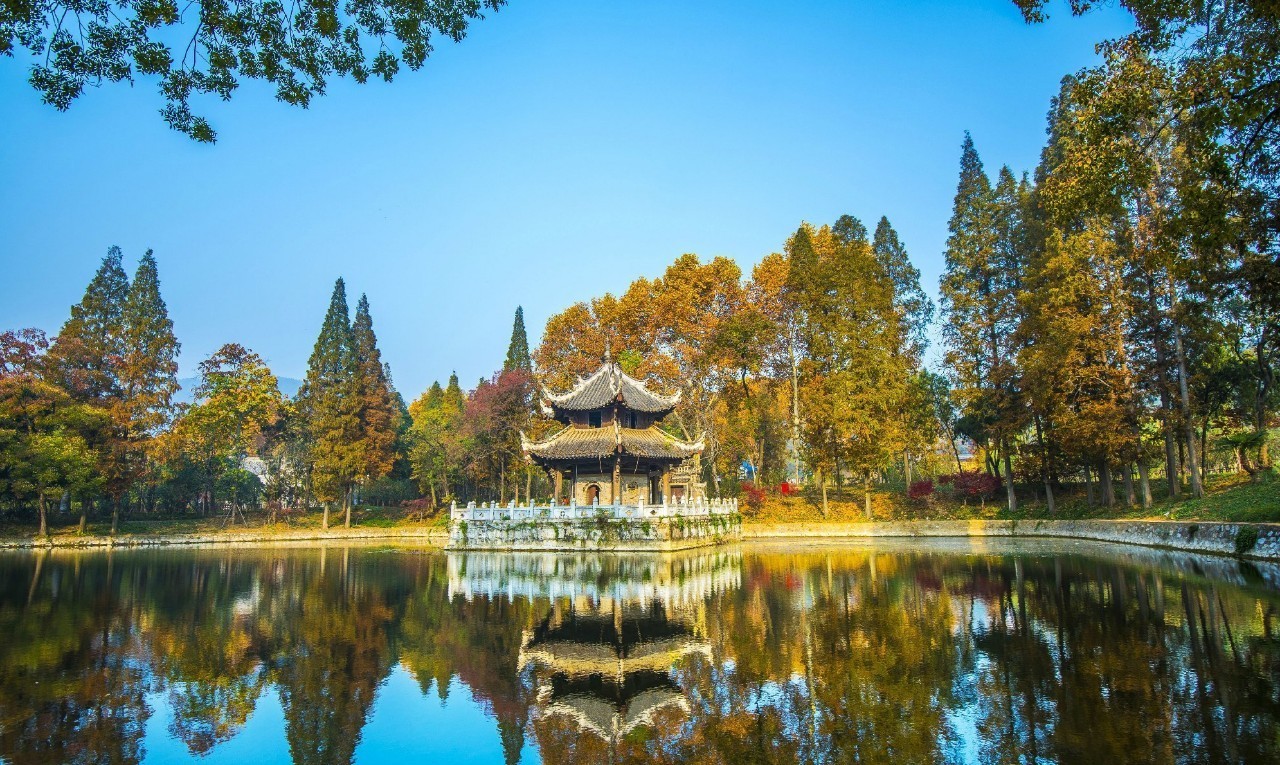
One of the earliest private gardens in China, built in the Eastern Han Dynasty by Xi Yu, Marquis of Xiangyang. The pool water is clear, and the pavilions and towers are quaint and elegant.

A film and television base themed on Tang Dynasty architecture, where films like 'Legend of the Demon Cat' were shot. It features palaces, markets, and water systems, with a spectacular light show at night.
A traditional fermented wine in Xiangyang, made from glutinous rice. Low in alcohol, sweet and sour in taste, often paired with beef noodles.
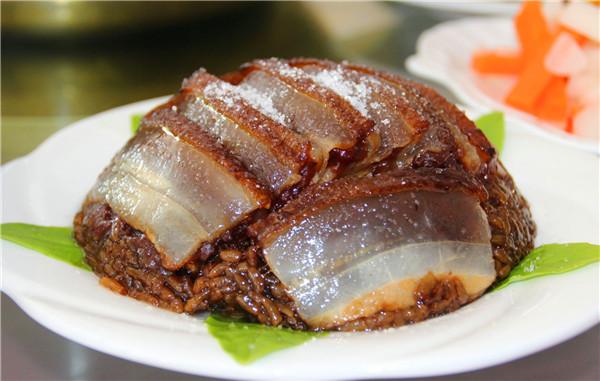
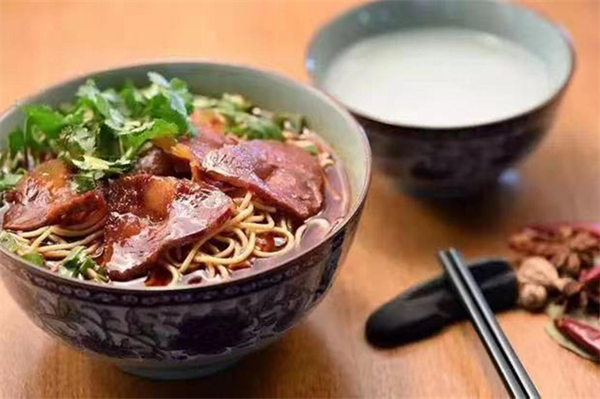
Pig trotters are deboned, braised in spiced sauce, then tightly wrapped in gauze into a roll. Sliced and served, it has a chewy texture and is a great appetizer with wine.
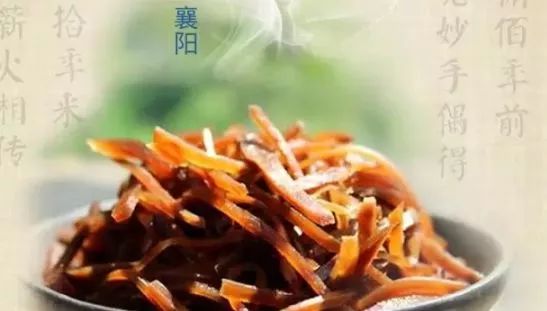
A traditional pickled vegetable in Xiangyang, made from mustard heads. It is salty, crispy, and tender, and can be eaten with porridge or stir-fried.