
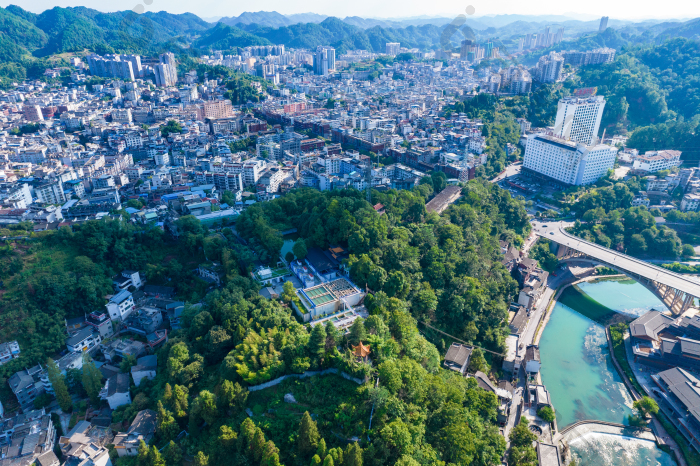
Xiangxi Tujia and Miao Autonomous Prefecture is located in northwestern Hunan Province, on the eastern edge of the Yunnan-Guizhou Plateau and the hinterland of the Wuling Mountains. It has a subtropical monsoon humid climate with four distinct seasons and abundant rainfall. With its overlapping mountains, crisscrossing rivers, unique karst landforms, and rich forest resources, it is known as 'China's Most Beautiful Landscape Painting'.
Xiangxi has a long history. During the Warring States period, it belonged to the Chu state. In the Qin and Han dynasties, commanderies and counties were established, and during the Ming and Qing dynasties, it was under the rule of local chieftains. In 1957, the Xiangxi Tujia and Miao Autonomous Prefecture was established. It was once an important passage on the ancient 'Southern Silk Road' and the prototype of Shen Congwen's 'Border Town', carrying profound historical memories.
Xiangxi's culture is distinctive, dominated by Tujia and Miao cultures, with intangible cultural heritages such as Tujia brocade, Miao silver jewelry, and Chenhe high-pitched opera. The cuisine is mainly sour and spicy, with representative dishes like Xiangxi cured meat, blood cake duck, and rice tofu. Traditional festivals such as the 'April 8th' and 'Harvest Festival' are lively and showcase rich ethnic customs.
In recent years, relying on its abundant tourism resources, Xiangxi has vigorously developed tourism. Fenghuang Ancient Town, Aizhai Bridge, and Furong Town have become popular attractions. Meanwhile, transportation has greatly improved with the opening of the Zhangjiajie-Jishou-Huaihua high-speed railway and the upcoming Xiangxi Biancheng Airport, boosting rapid economic development and significant achievements in rural revitalization.
The best time to visit 湘西 is Suitable all year round, best in spring and autumn.
Spring (March-May): The weather warms up, and mountain flowers bloom. Especially during the April 8th Miao Valentine's Day, folk activities are abundant, making it a great time to experience ethnic customs.
Autumn (September-November): The sky is clear and crisp, and the forests are dyed in layers of color. Attractions like Aizhai Bridge and Dehang Miao Village are vibrant, and the tourist crowds are smaller than in summer, offering a better experience.
Although summer is hot, the mountainous areas are cool and suitable for escaping the heat. Winter is cold but offers unique festivals like the Miao New Year, and with fewer tourists, it has a special charm.
During the Warring States period, the Chu state established Qianzhong Commandery in the Xiangxi area, marking the beginning of central authority's formal jurisdiction over Xiangxi.
On September 20, 1957, the Xiangxi Tujia and Miao Autonomous Prefecture was officially established, with its capital in Jishou City, realizing regional ethnic autonomy.
Recommended places to visit
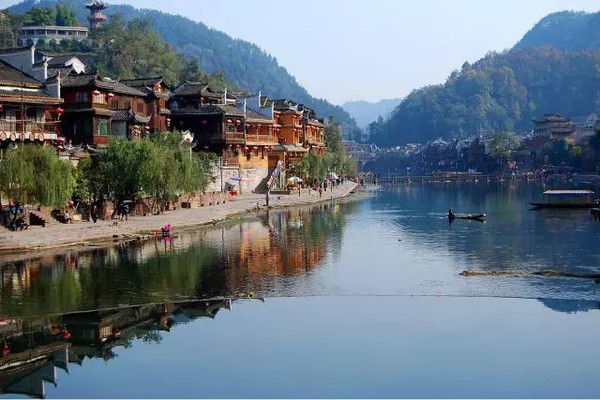
A national 4A scenic spot, built during the Jiajing period of the Ming Dynasty. The Tuo River flows through the town, with stilted houses, Hong Bridge, and stone streets forming an ink painting. Shen Congwen's former residence is also here.
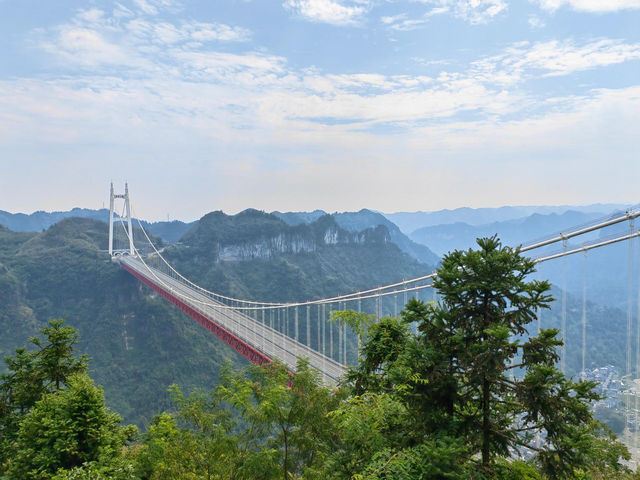
Includes Aizhai Bridge, the wonder of Aizhai Highway, and cliffside plank roads. The bridge spans the Dehang Grand Canyon, with the deck 355 meters above the valley floor, a spectacular sight.
UNESCO World Heritage Sites
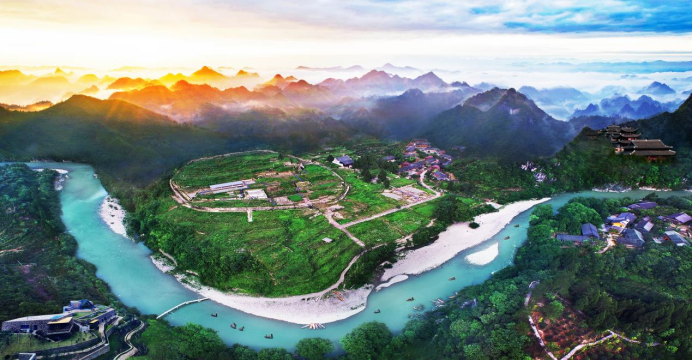
A World Cultural Heritage site located in Yongshun County. It is a physical testimony of the chieftain system from the Southern Song Dynasty to the Ming and Qing dynasties, known as the 'Open-air Museum of the Tujia People.'
Explore rich intangible cultural heritage and traditional crafts
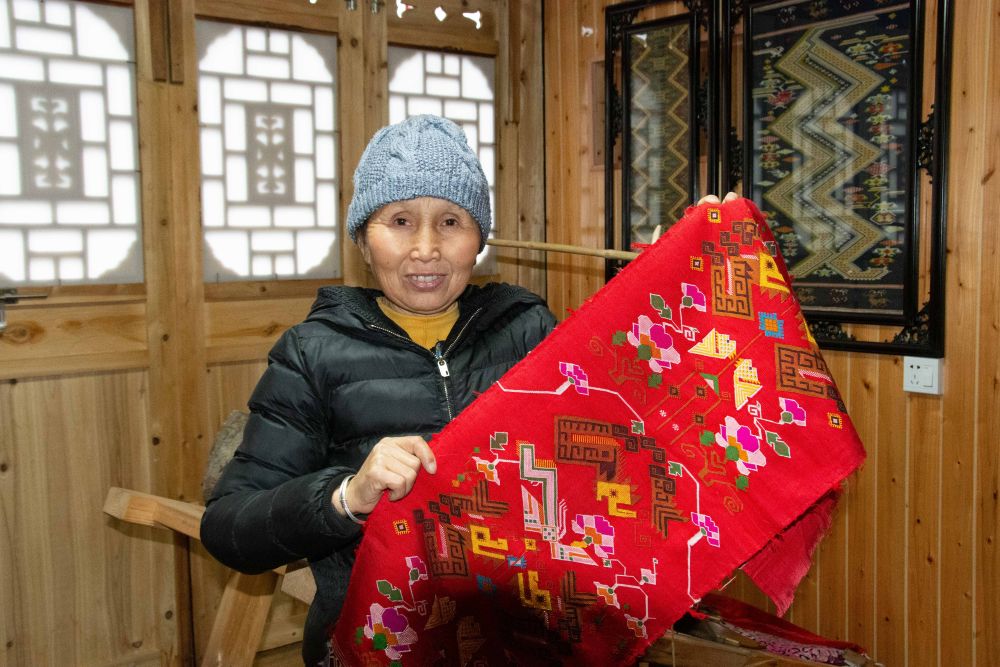
A national intangible cultural heritage, traditional Tujia handcraft known for its bright colors and exquisite patterns, commonly called 'Xilan Kapu.'
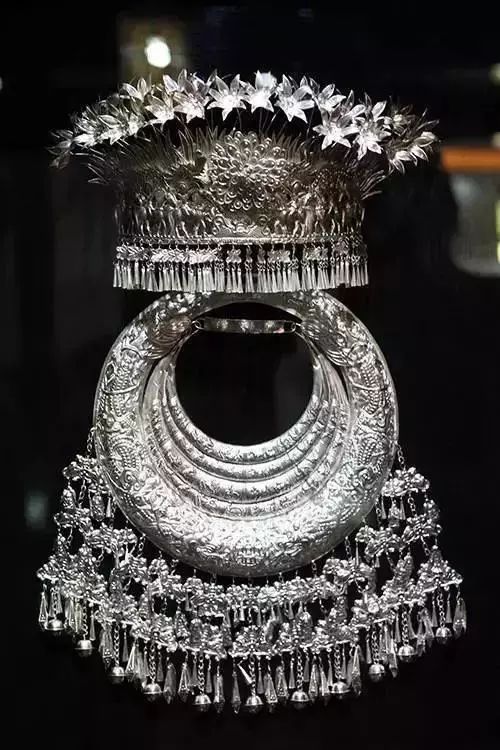
A national intangible cultural heritage. Miao silver jewelry comes in various shapes and involves complex techniques, serving as an important carrier of Miao culture.
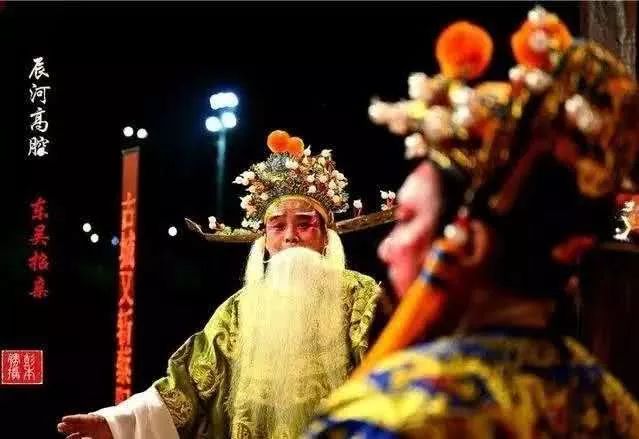
A national intangible cultural heritage, a Han Chinese opera popular in the middle and upper reaches of the Yuan River. Its singing is high-pitched and retains many ancient plays.
Must-know transportation for exploring the city
The Zhang-Ji-Huai high-speed railway has stations such as Jishou East and Fenghuang Ancient Town. From Changsha, it takes about 2 hours, connecting to Zhangjiajie, Huaihua, etc.
Changsha-Jishou about 200 yuan
Located in Huayuan County, opened in 2023. It has routes to Beijing, Guangzhou, Shenzhen, etc., convenient for long-distance travelers.
Varies by route
Buses are convenient within each county. Tourist shuttles from Jishou, Fenghuang, etc., directly reach major scenic spots at affordable prices.
City bus 2 yuan, tourist shuttle 10-30 yuan
Taste the most authentic and popular local specialties
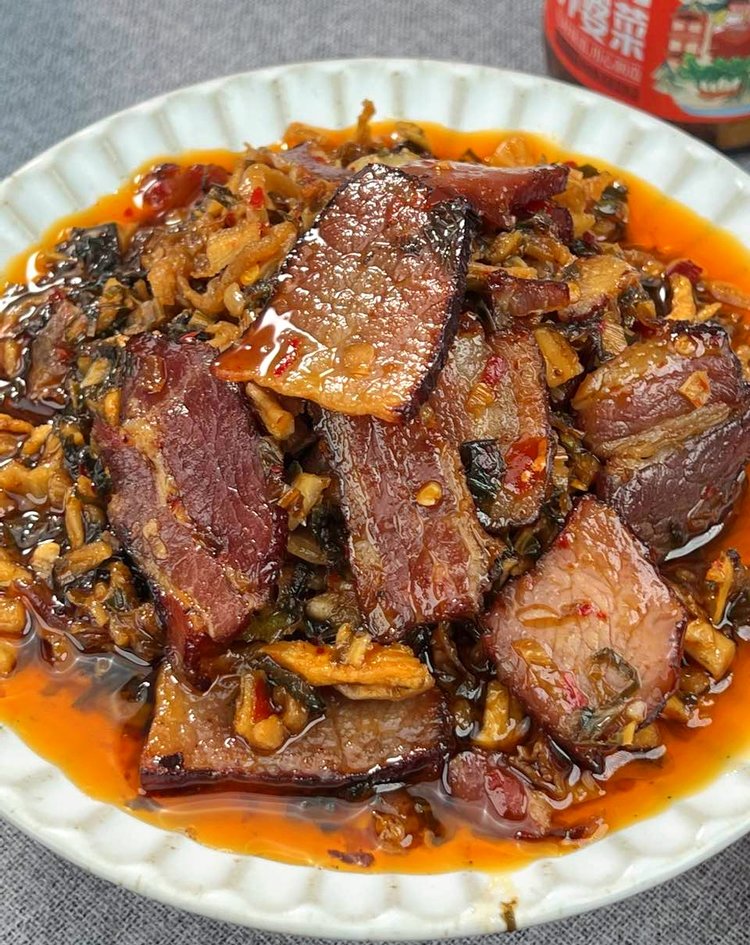
Made from local pork, cured and smoked. It has a bright red color, fatty but not greasy, lean but not dry. It is a must for hospitality in Xiangxi.
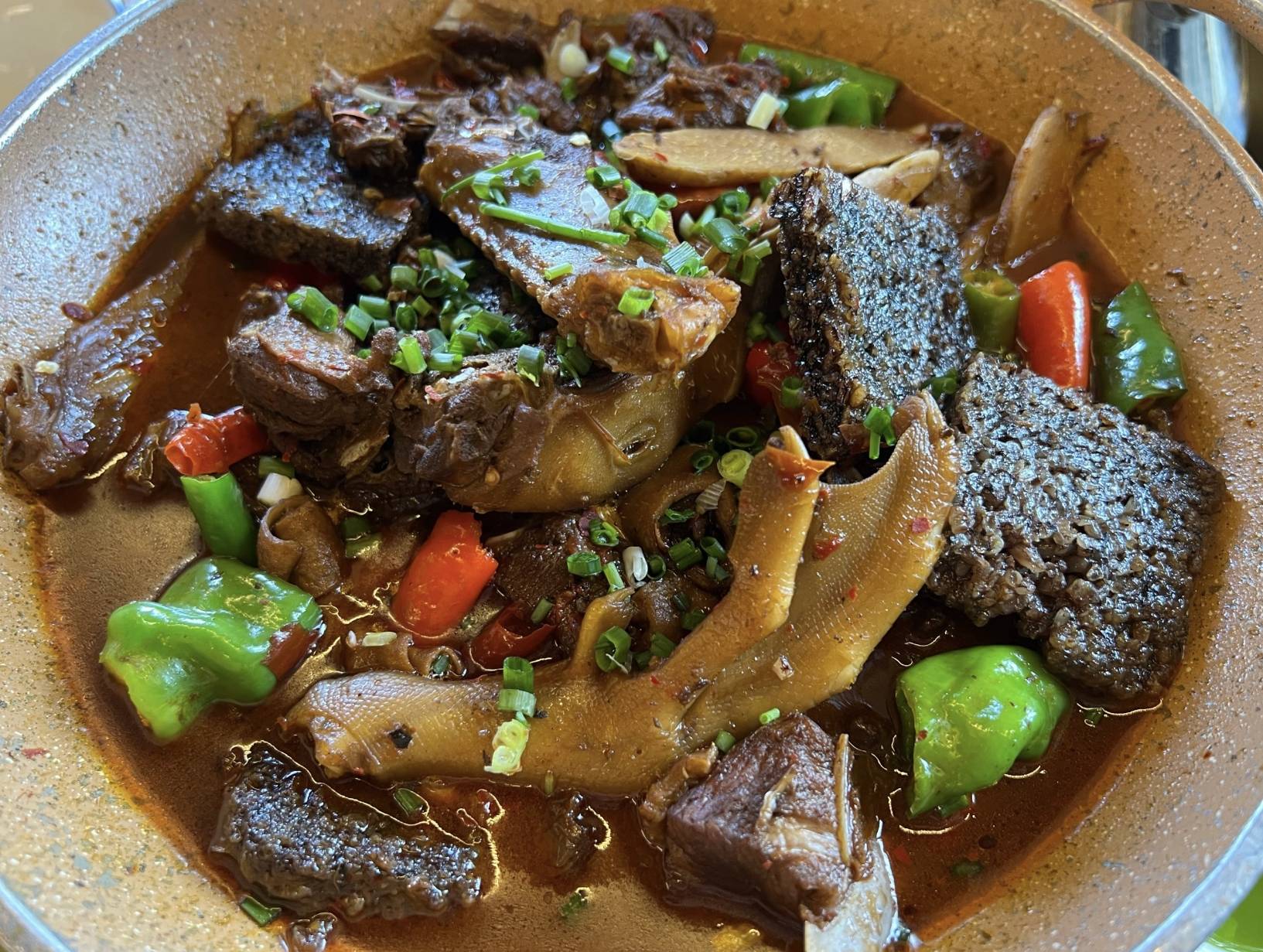
Made by combining duck blood with glutinous rice to form blood cakes, then braised with duck meat. The blood cakes are soft and sticky, the duck meat is spicy and fragrant. It is a signature dish of Fenghuang Ancient Town.
On March 31, 2012, the Aizhai Extra-large Suspension Bridge officially opened to traffic, setting four world records, greatly improving transportation in Xiangxi, and becoming a new landmark.
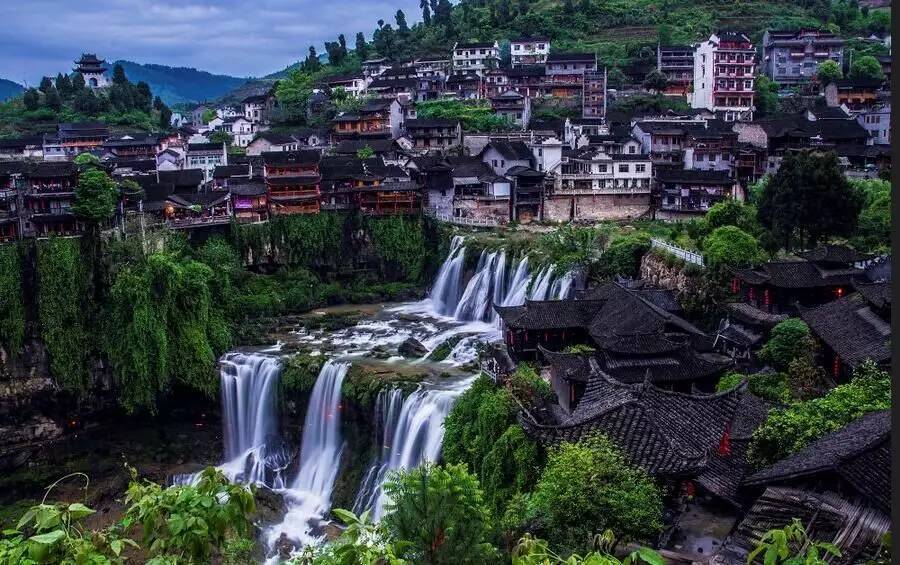
Originally named Wangcun, renamed after the film 'Furong Town.' It is a thousand-year-old ancient town hanging on a waterfall, with rows of Tujia stilted houses and a waterfall flowing through the town.
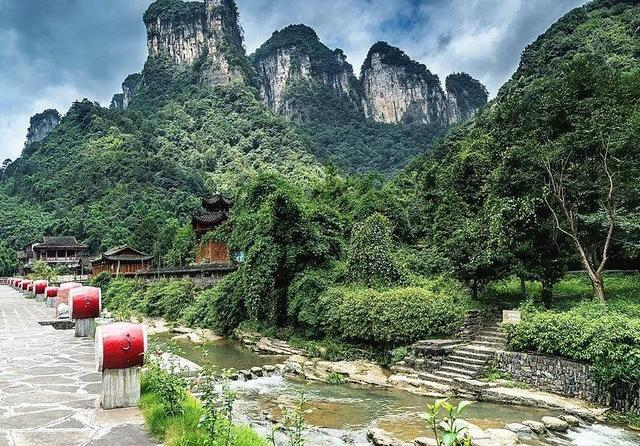
A national 4A scenic spot, famous for Miao customs and canyon scenery. Attractions include Liusha Waterfall and Wentian Terrace. Visitors can experience the welcome wine and Miao song and dance.
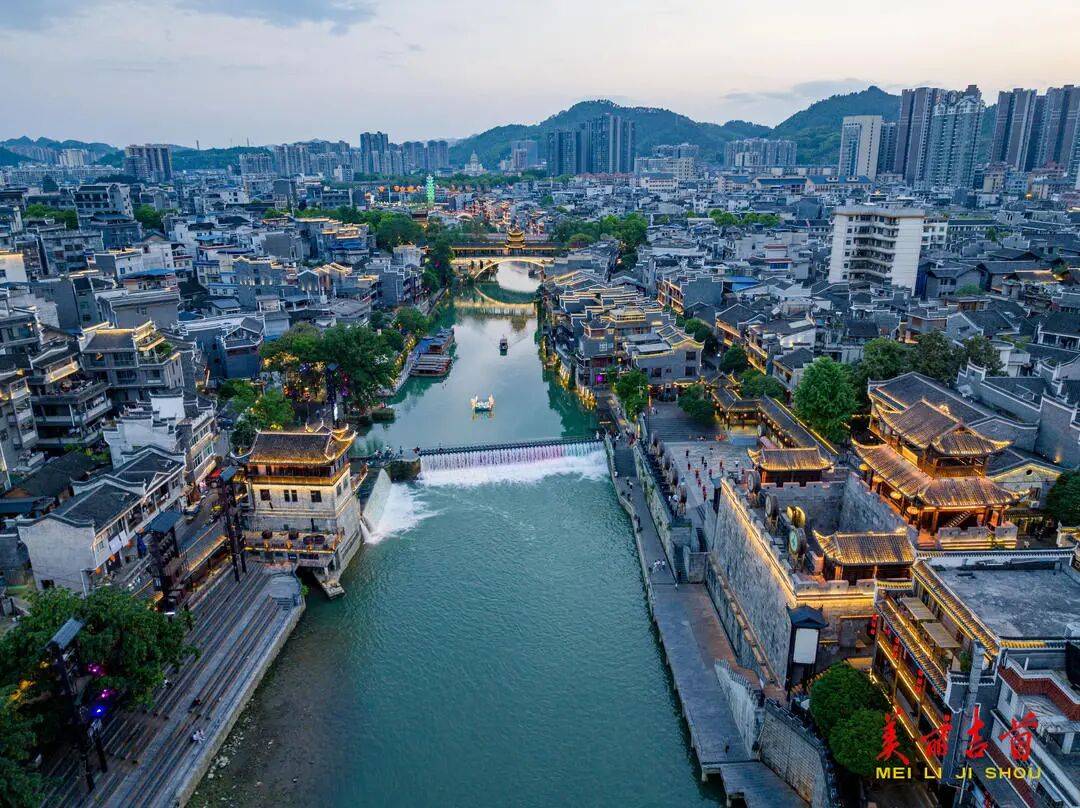
Located in Jishou city, an ancient city with a long history. Attractions include Hujia Pond and Three Gates. It is a window to understand Xiangxi's history and culture.
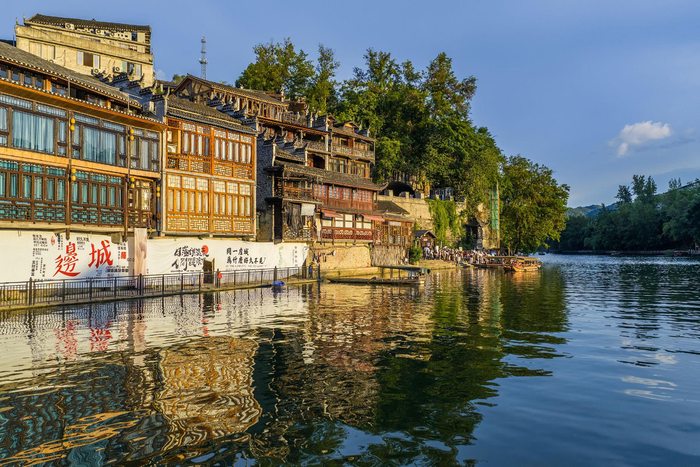
The prototype of Shen Congwen's 'Border Town,' located at the junction of Hunan, Guizhou, and Chongqing. By the Qingshui River, it is tranquil and quaint, with the unique Lala Ferry.
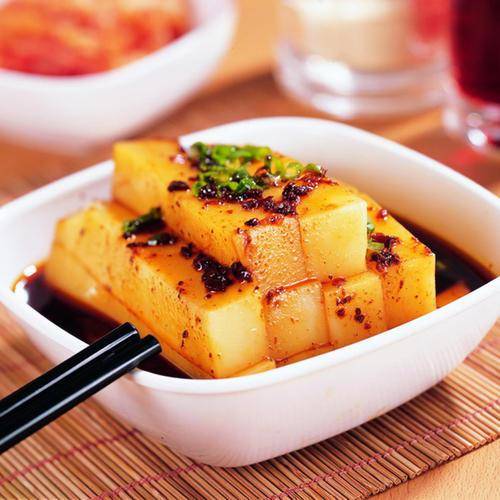
Made from rice milk, smooth and tender. Often served cold with pickled radish, chili oil, crushed peanuts, etc., sour and spicy, appetizing.
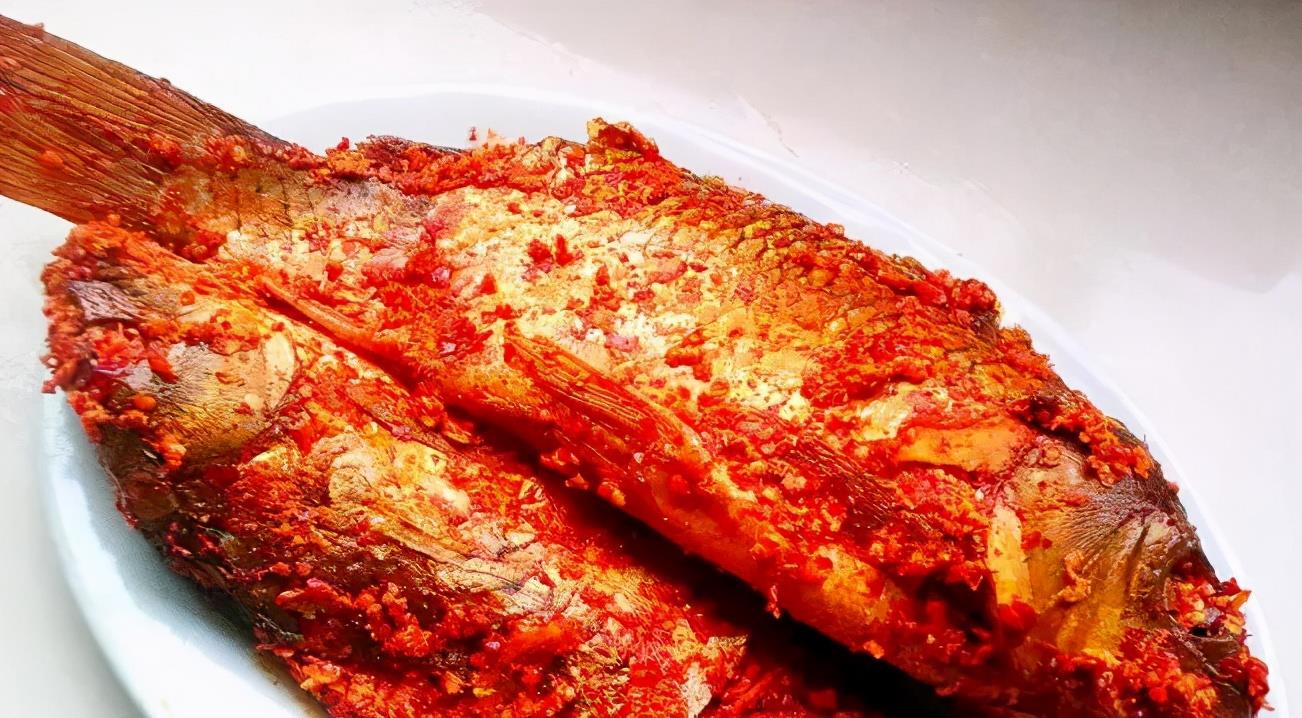
Made from paddy field fish, pickled and fermented. It has a strong sour aroma and can be eaten raw or grilled. It is a traditional Miao dish.
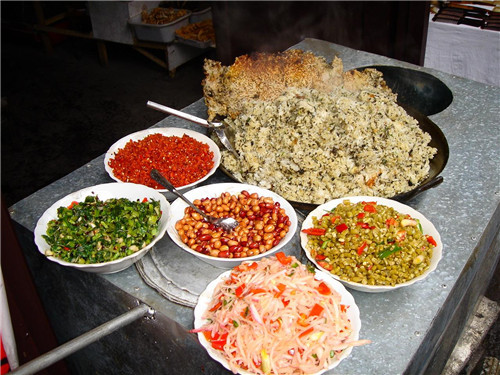
A traditional Tujia dish made by steaming glutinous rice with wild onions, cured meat, peanuts, etc. It is oily but not greasy, with a rich aroma, usually eaten on She Day (spring festival).