
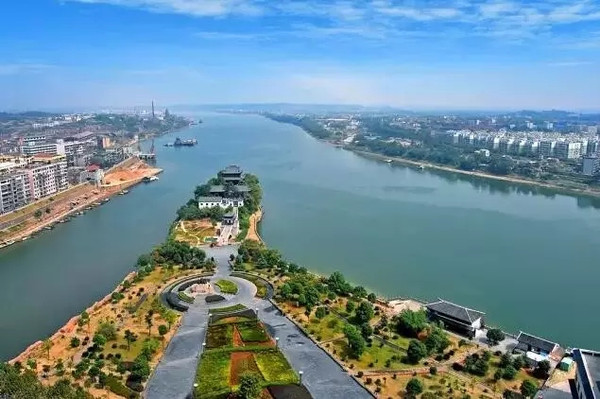
Located in the central-eastern part of Hunan Province, along the lower reaches of the Xiang River, Xiangtan enjoys a favorable geographical location. It has a subtropical monsoon humid climate with four distinct seasons and abundant rainfall, with an average annual temperature of about 17°C.
With a history of over 1,500 years since its establishment as a county during the Southern Dynasties, Xiangtan is an important birthplace of Huxiang culture. It nurtured great figures such as Mao Zedong and Peng Dehuai, earning it the reputation of 'Hometown of Great Men.'
Xiangtan boasts distinctive cultural features, represented by Xiang embroidery, Huagu Opera, and dragon boat culture. In terms of cuisine, dishes like Xiangtan chopped pepper fish head, Mao's braised pork, and Xiangtan betel nut are renowned nationwide for their spicy and rich flavors.
Modern Xiangtan is an important industrial city in Hunan Province, with steel, equipment manufacturing, and new energy as leading industries. It is also vigorously developing red tourism and eco-tourism, and the cityscape is changing rapidly.
The best time to visit 湘潭 is Spring and Autumn (March-May, September-November).
Spring (March-May) has mild weather and blooming flowers, ideal for visiting natural attractions like Shaoshan and Zhaoshan.
Autumn (September-November) is cool with less rainfall, perfect for mountain climbing and outdoor activities.
Summer (June-August) is hot but offers night cruises on the Xiang River and water activities; winter (December-February) is damp and cold, but you can experience the solemn atmosphere of red tourism.
In June 1959, Chairman Mao Zedong returned to his hometown Shaoshan after 32 years, and wrote the famous poem 'Shaoshan Revisited'.
In 1990, the Xiangtan High-tech Industrial Development Zone was established, becoming one of the earliest high-tech zones in Hunan Province, promoting industrial modernization in Xiangtan.
In 2014, Xiangtan North Railway Station on the Shanghai-Kunming high-speed railway began operation, ushering Xiangtan into the high-speed rail era and greatly improving transportation.
Recommended places to visit
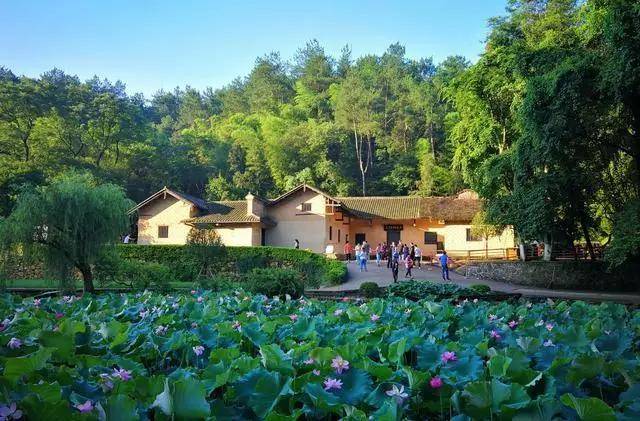
Located in Shaoshan City, it is the birthplace and childhood home of Mao Zedong, a typical Hunan rural residence. It is now a key national cultural relic protection unit and a classic red tourism scenic spot.
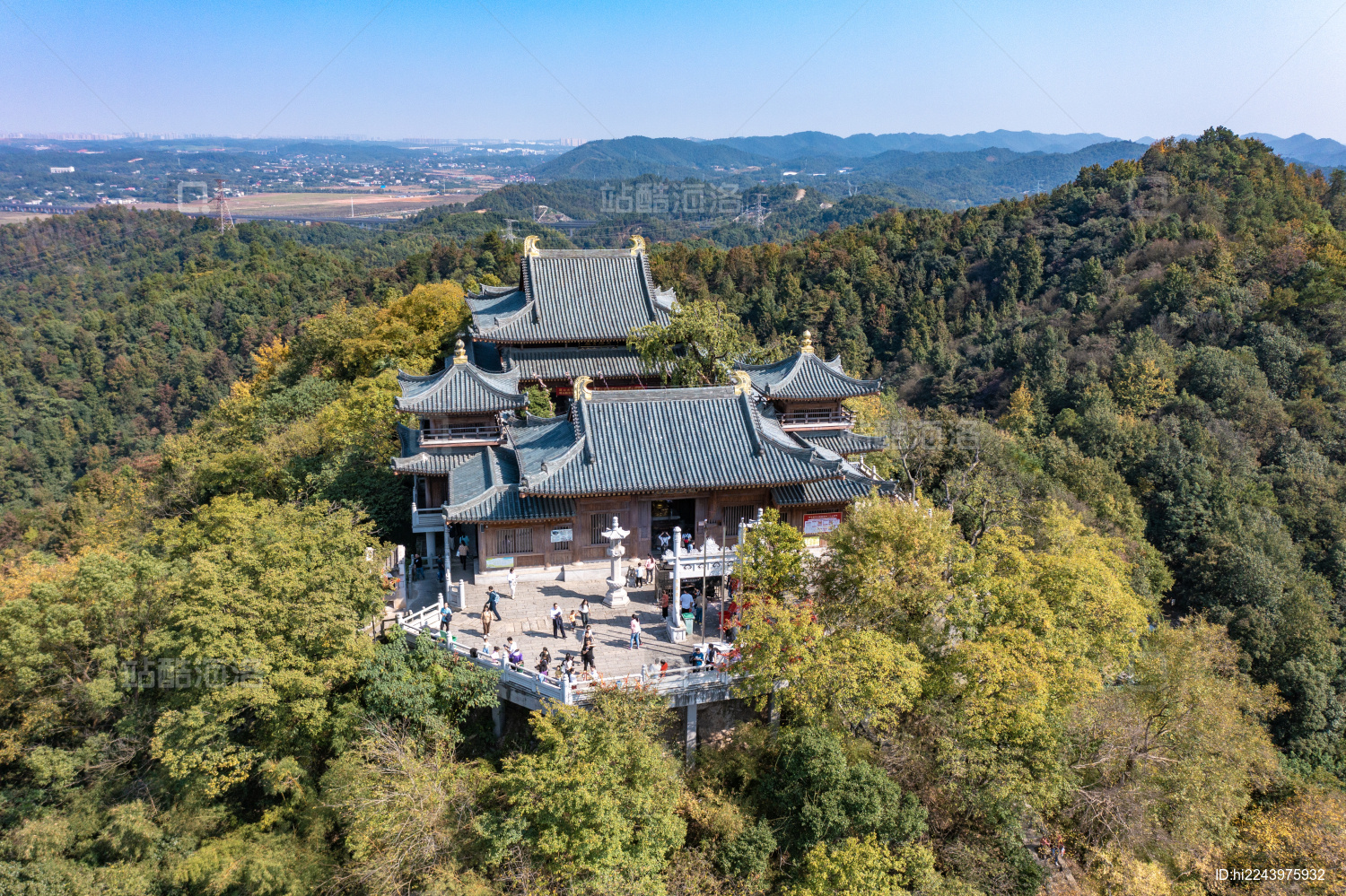
Located in the northeast of Xiangtan City, by the Xiang River, it features steep terrain and beautiful scenery. Historic sites include the ancient Zhaoshan Temple, making it a great place for hiking and panoramic views.
Explore rich intangible cultural heritage and traditional crafts
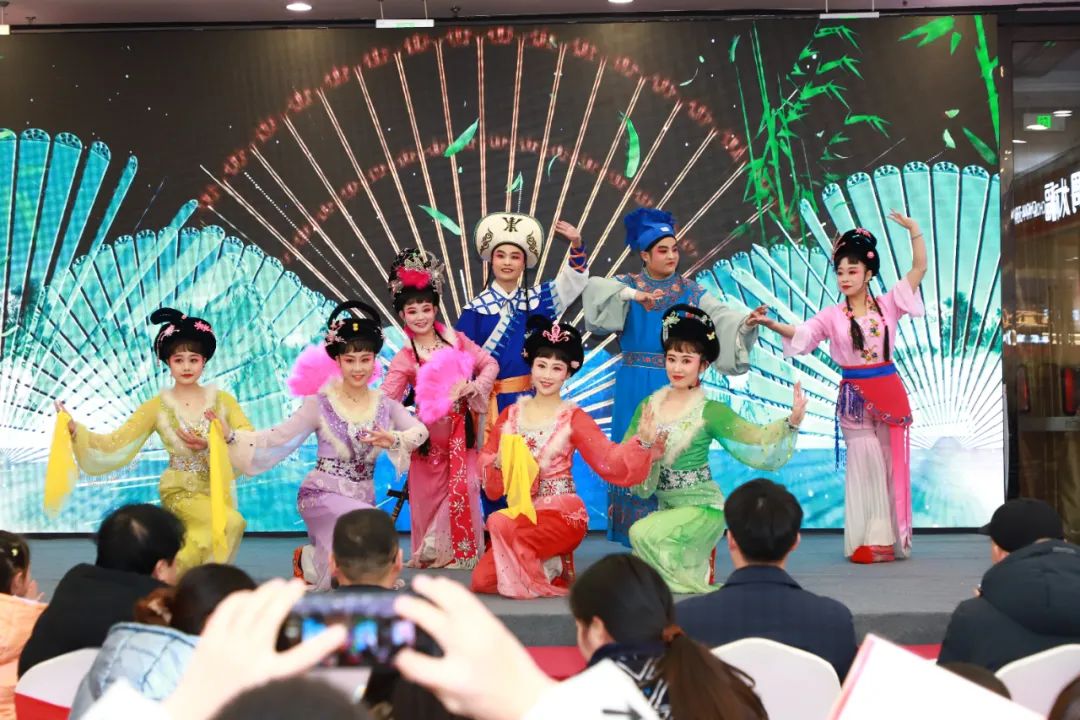
Xiangtan Huagu Opera is an important branch of Hunan Huagu Opera, performed in Changsha dialect, with lively performances and repertoire reflecting folk life. It was inscribed on the national intangible cultural heritage list in 2006.
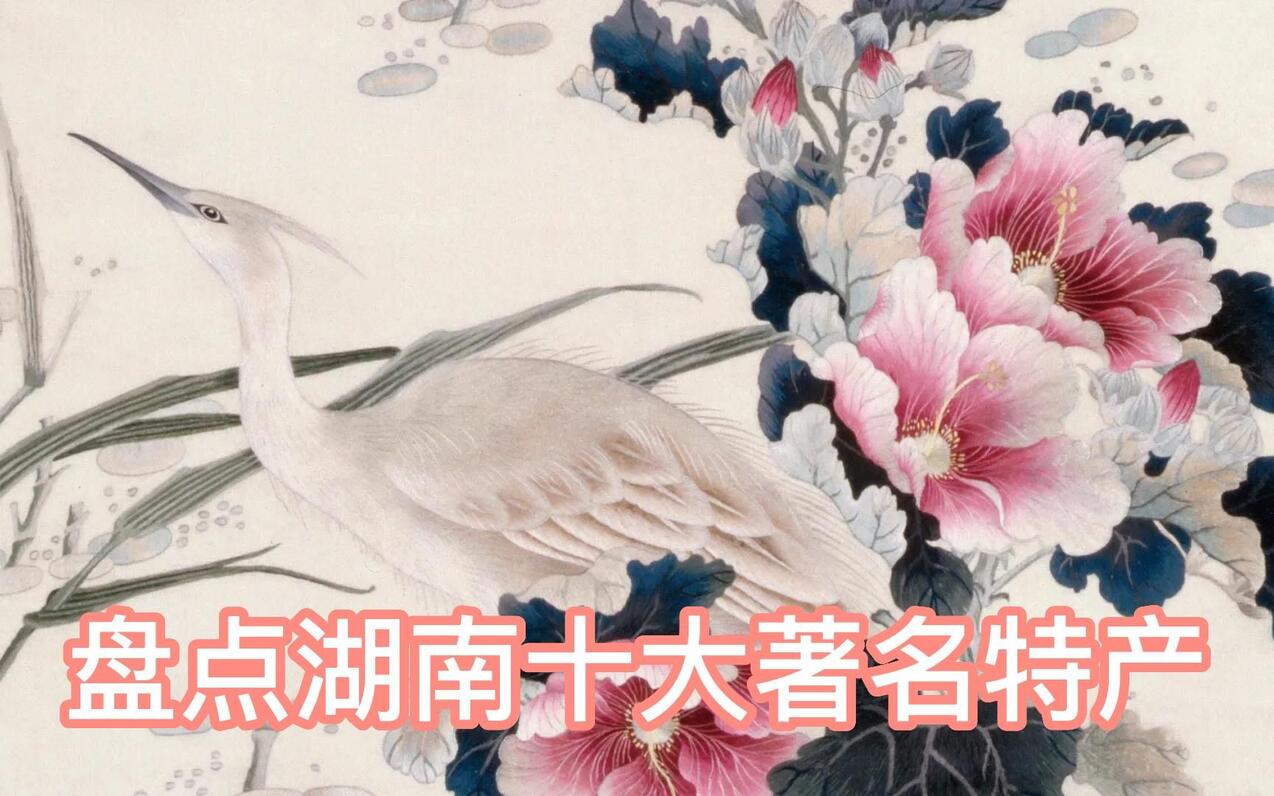
Xiang embroidery is one of China's four famous embroideries. Xiangtan is an important inheritance place, known for fine stitching, vivid colors, and lifelike images. It was inscribed on the national intangible cultural heritage list in 2006.
Must-know transportation for exploring the city
About 60 km from Xiangtan, with direct airport buses to downtown Xiangtan, taking about 1 hour.
Airport bus about 40 RMB
A station on the Shanghai-Kunming high-speed railway, providing direct access to cities like Changsha, Shanghai, and Kunming.
To Changsha South Station about 20 RMB
The bus network in Xiangtan covers major attractions and urban areas, with affordable fares and mobile payment available on some routes.
Regular bus 2 RMB
Taste the most authentic and popular local specialties
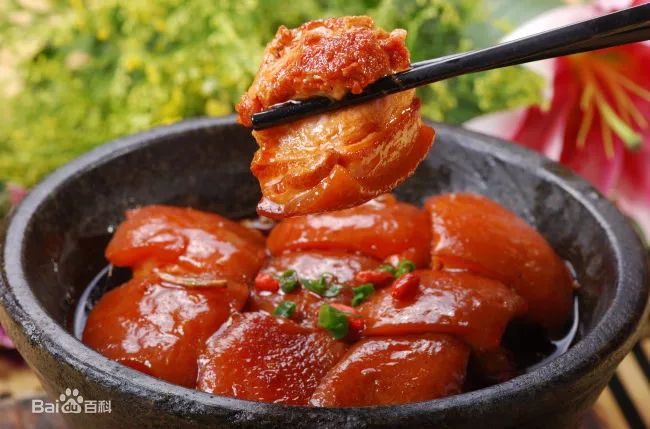
One of Mao Zedong's favorite dishes, made with pork belly, caramelized with sugar instead of soy sauce, rich but not greasy, melting in the mouth.
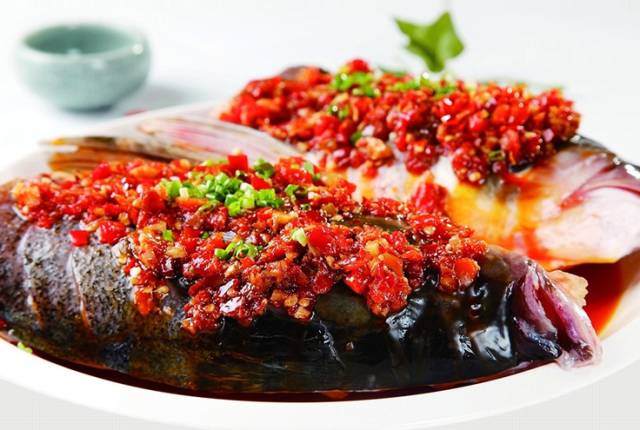
Made with bighead carp head, topped with chopped chili and steamed, it is fresh, spicy, and delicious, a classic Hunan dish.
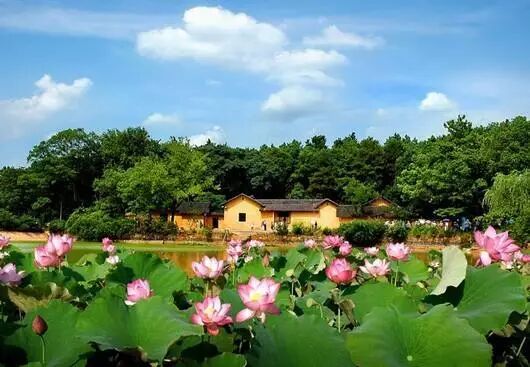
Located in Wushi Town, Xiangtan County, it is the birthplace of Marshal Peng Dehuai, a founding father of the People's Republic. It is now a key national cultural relic protection unit, exhibiting his life story.
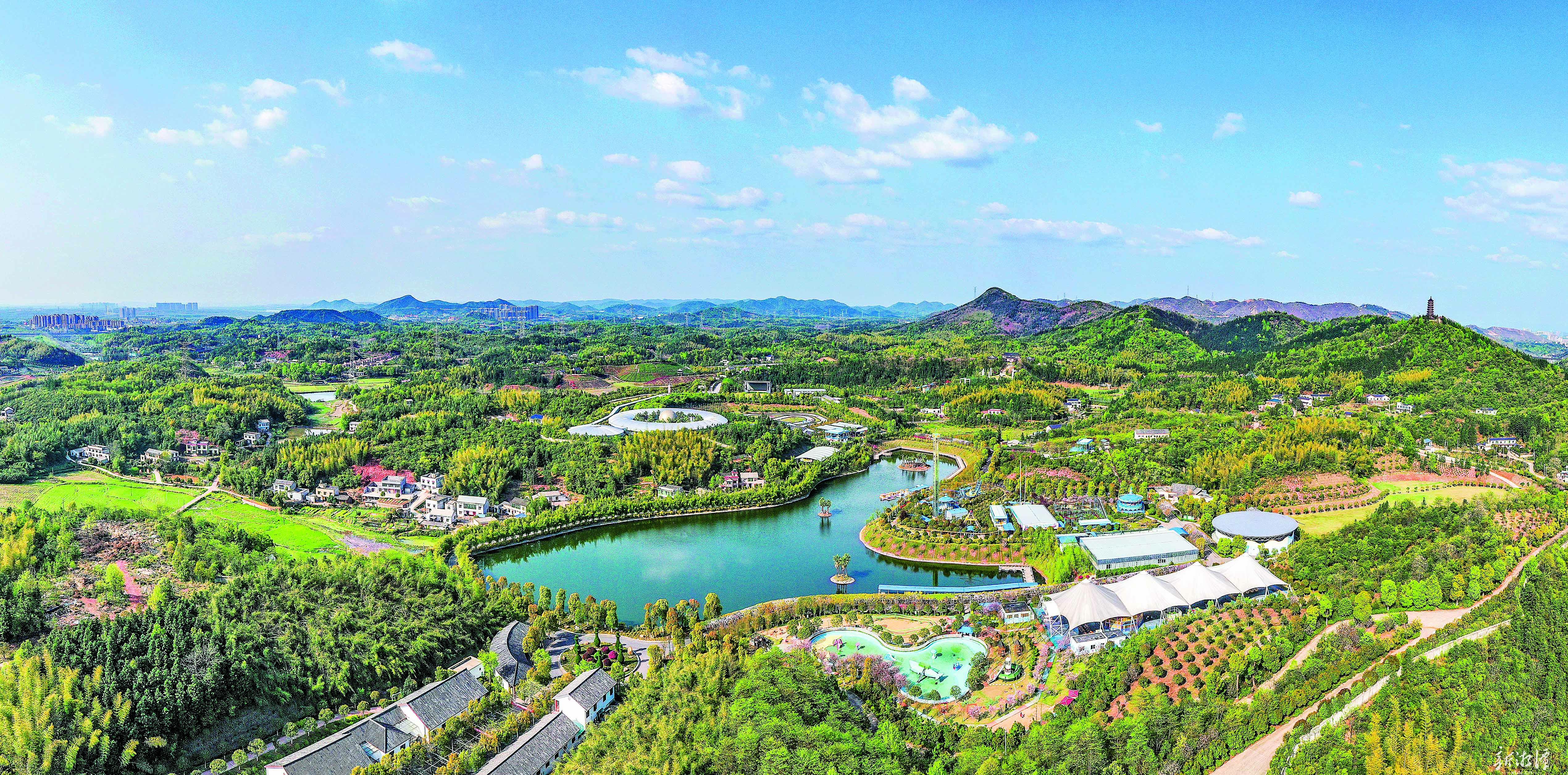
Located in Yuetang District, it is a large ecological garden integrating flower viewing, leisure, and science education, featuring specialty areas such as Azalea Garden and Cherry Blossom Garden.
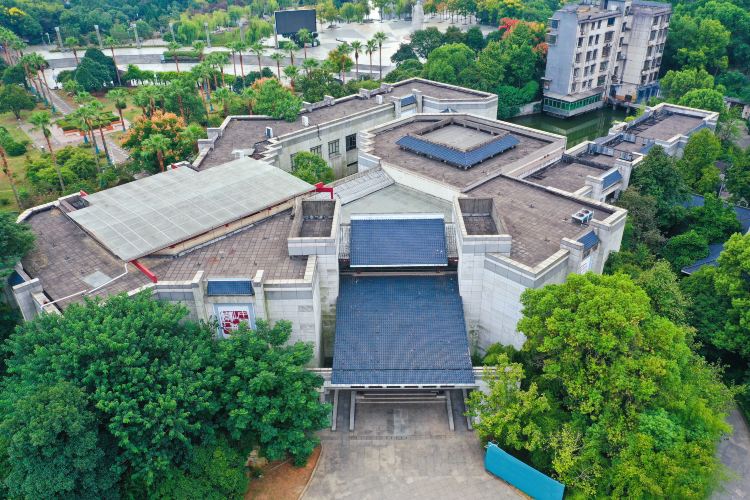
Located in Yuhu District, it was built in memory of the world cultural celebrity and master of Chinese painting, Qi Baishi. The hall houses a large collection of his paintings, calligraphy, and personal belongings.
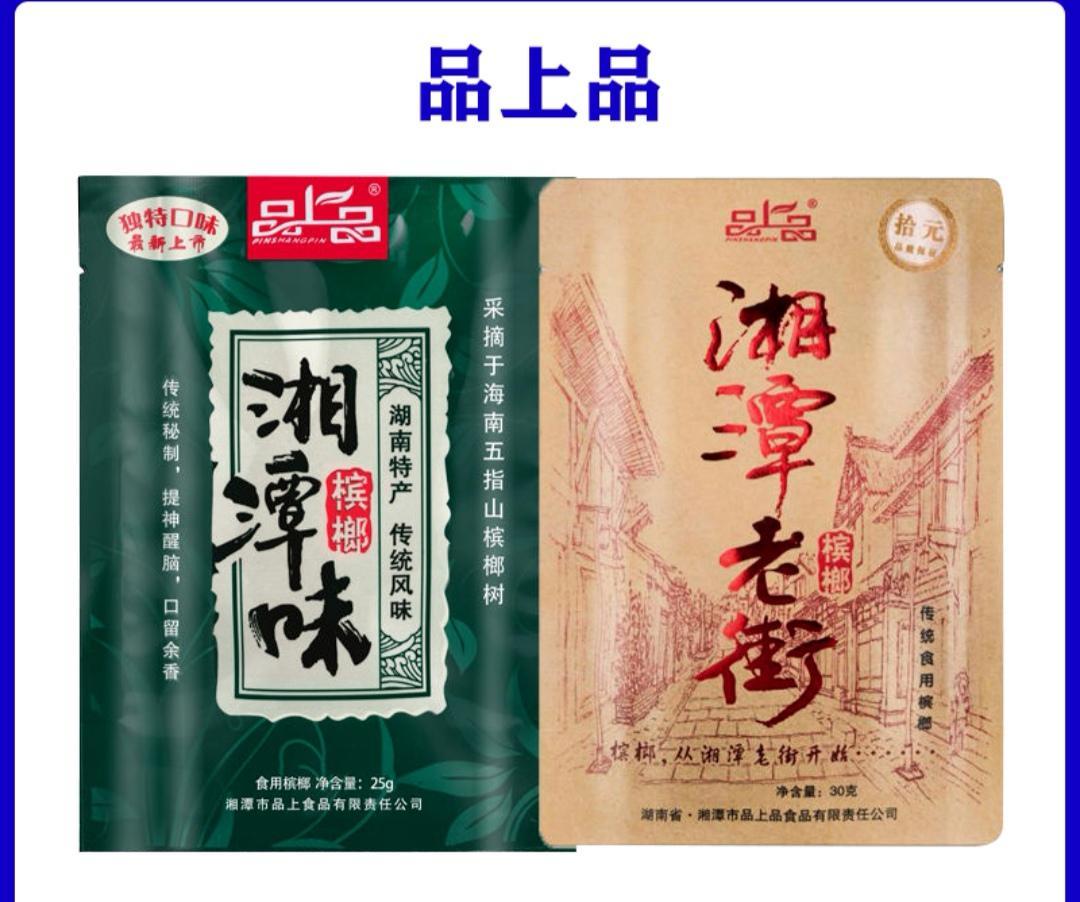
A specialty of Xiangtan, processed betel nut has a unique texture and is believed to refresh the mind, a popular local snack.
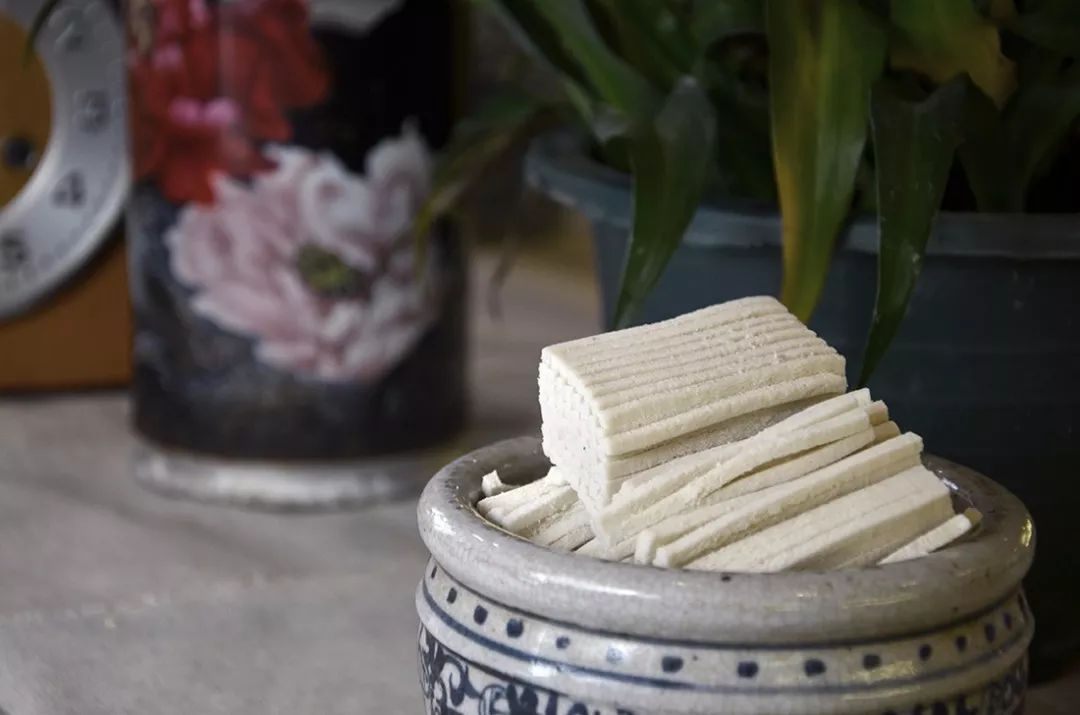
A traditional Xiangtan pastry shaped like a lamp wick, white and slender, soft and sweet, made from glutinous rice and white sugar.
A specialty sweet of Xiangtan, made by repeatedly pulling maltose into fine threads, wrapped with peanut, sesame, and other fillings, crispy and sweet.