

Wuzhong is located in the central part of Ningxia Hui Autonomous Region, nestled in the heart of the Ningxia Plain with the Yellow River flowing through the city. It has a temperate continental climate with four distinct seasons, abundant sunshine, an average annual precipitation of about 200 mm, and a large temperature difference between day and night.
Wuzhong has a long history and was an important passage on the ancient Silk Road. County-level administration was established as early as the Qin and Han dynasties, and during the Ming and Qing dynasties, it served as the seat of Ningxia Town. After the founding of New China, Wuzhong gradually developed into a major industrial city and transportation hub in Ningxia.
Wuzhong is a concentrated area for the Hui ethnic group, with rich Hui culture and mosques scattered throughout. Signature dishes include hand-grabbed lamb, lamb offal soup, and mixed stew, renowned for their halal flavors. The annual Hui Food Culture Festival attracts many tourists.
In recent years, Wuzhong has leveraged the resources of the Yellow River to develop eco-tourism and modern agriculture, building attractions such as the Yellow River Tower and the Yellow River Grand Canyon. The economy is primarily driven by energy chemicals, equipment manufacturing, and specialty agriculture, and the city's landscape is changing rapidly.
The best time to visit 吴忠 is Spring and autumn (April-May, September-October).
Spring (April-May): Temperatures rise, everything revives, and the banks of the Yellow River are lush with flowers and willows, ideal for outdoor outings and photography.
Autumn (September-October): Clear skies and crisp air, with fruits in season, the best time to taste Ningxia specialties like goji berries and selenium sand melons.
Summer (June-August) is hot and dry, while winter (November-March) is cold with little snow, but you can experience Hui folk customs and ice activities.
After Qin Shi Huang unified the six states, Fuping County was established in the Wuzhong area under Beidi Commandery, one of the earliest county administrations on the Ningxia Plain.
In the Tang Dynasty, Lingzhou was established in Wuzhong, becoming a major military town in the northwest and an important post on the Silk Road.
After the founding of New China, Wuzhong became an important part of the Ningxia Hui Autonomous Region, with rapid economic and cultural development.
Recommended places to visit

Spectacular canyon landscape on the upper Yellow River, integrating canyon, hydropower station, and ancient villages, accessible by boat.
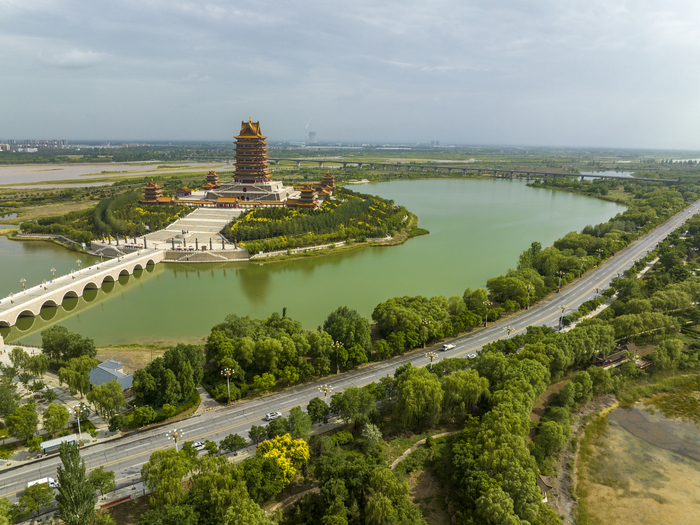
An antique-style building by the Yellow River, offering panoramic views of the river and Wuzhong city, a landmark.
Explore rich intangible cultural heritage and traditional crafts
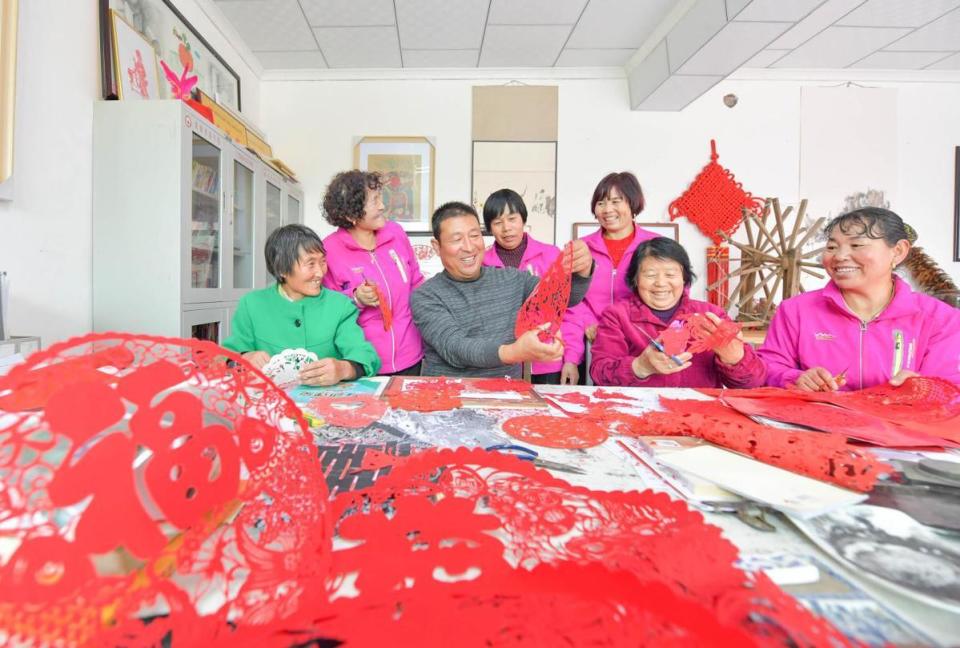
Hui paper-cutting in Wuzhong features floral and animal patterns with delicate style, often used for decoration and festivals.

Hui folk songs with high-pitched and melodious tunes, lyrics often reflect love and labor life.
Must-know transportation for exploring the city
About 60 km from downtown Wuzhong, accessible by expressway, airport shuttle or taxi.
Airport shuttle about 30 RMB
Served by Yinchuan-Xi'an high-speed railway, direct to Yinchuan, Xi'an, etc., accessible by city bus.
High-speed rail to Yinchuan about 20 RMB
City bus routes cover major attractions and commercial areas, fare 1-2 RMB.
1-2 RMB
Taste the most authentic and popular local specialties
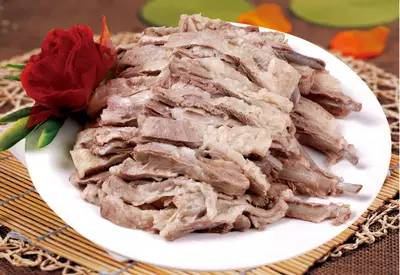
A classic Hui dish in Ningxia, using Tan sheep, boiled in plain water and eaten with dipping sauce, tender and delicious.
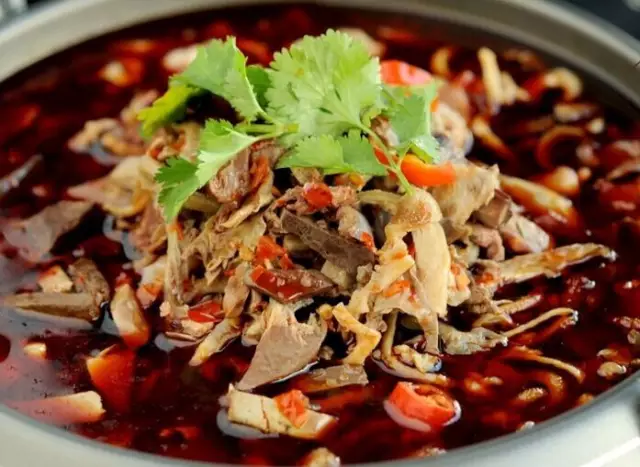
A soup made from lamb head, tripe, intestines, and other offal, served with lung noodles, unique flavor.
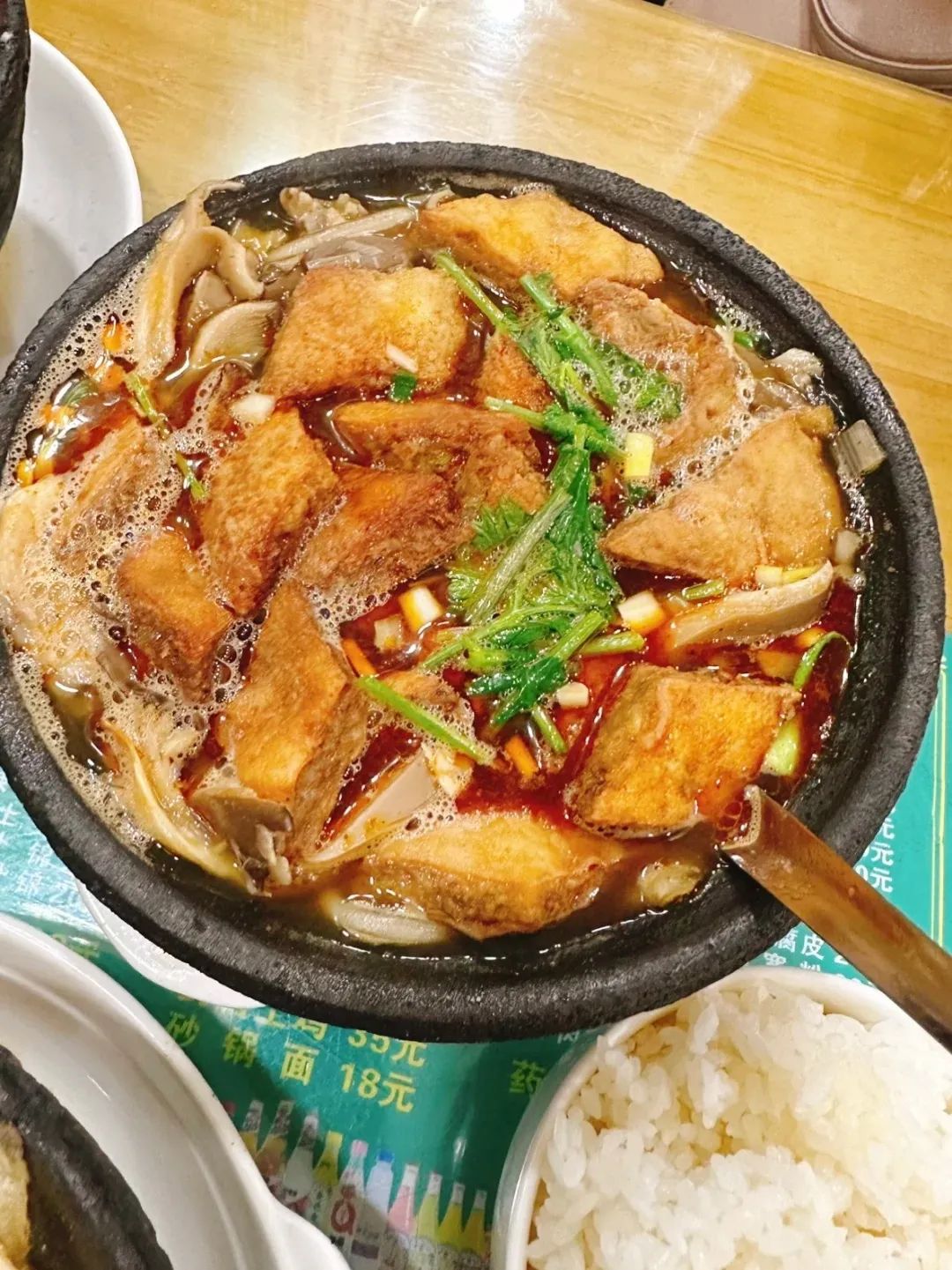
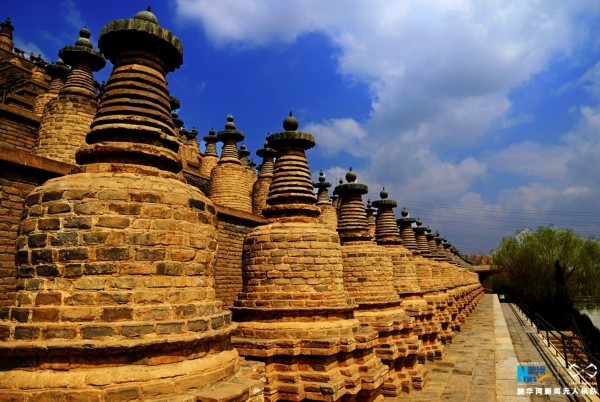
A Buddhist pagoda complex built in the Western Xia Dynasty, arranged in order, an important cultural relic in Ningxia.

A desert oasis by the Yellow River, integrating desert, river, and oasis, offering sand sliding and camel riding.
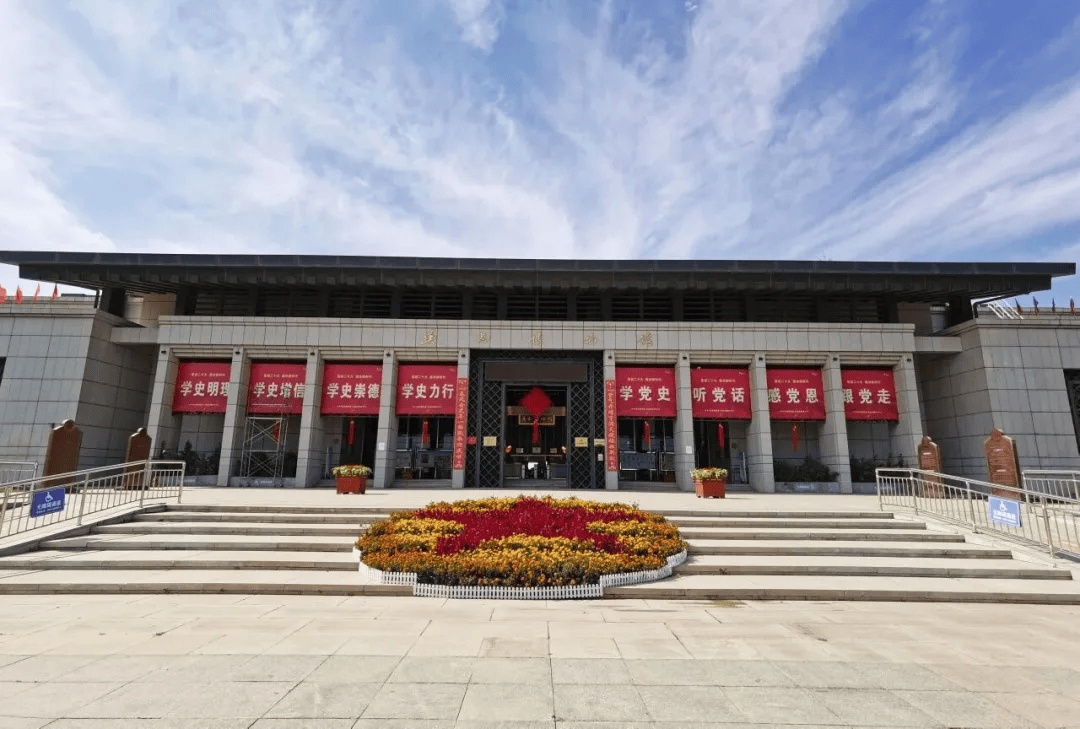
A comprehensive museum showcasing Wuzhong's history, culture, and Hui folk customs, with rich collections.
A stew of various ingredients such as meatballs, sandwich slices, and vermicelli, with savory broth.
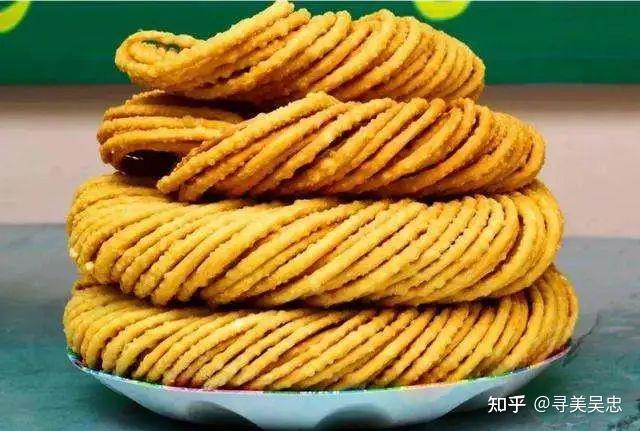
A traditional Hui fried dough twist, crispy and delicious, often eaten during festivals.
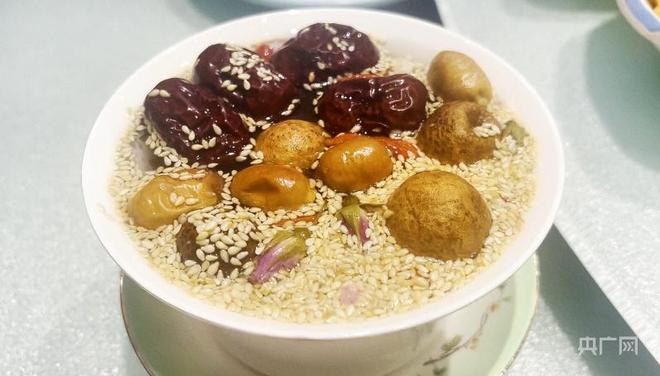
A health tea brewed with eight ingredients including tea, goji berries, red dates, and longan, sweet and refreshing.