
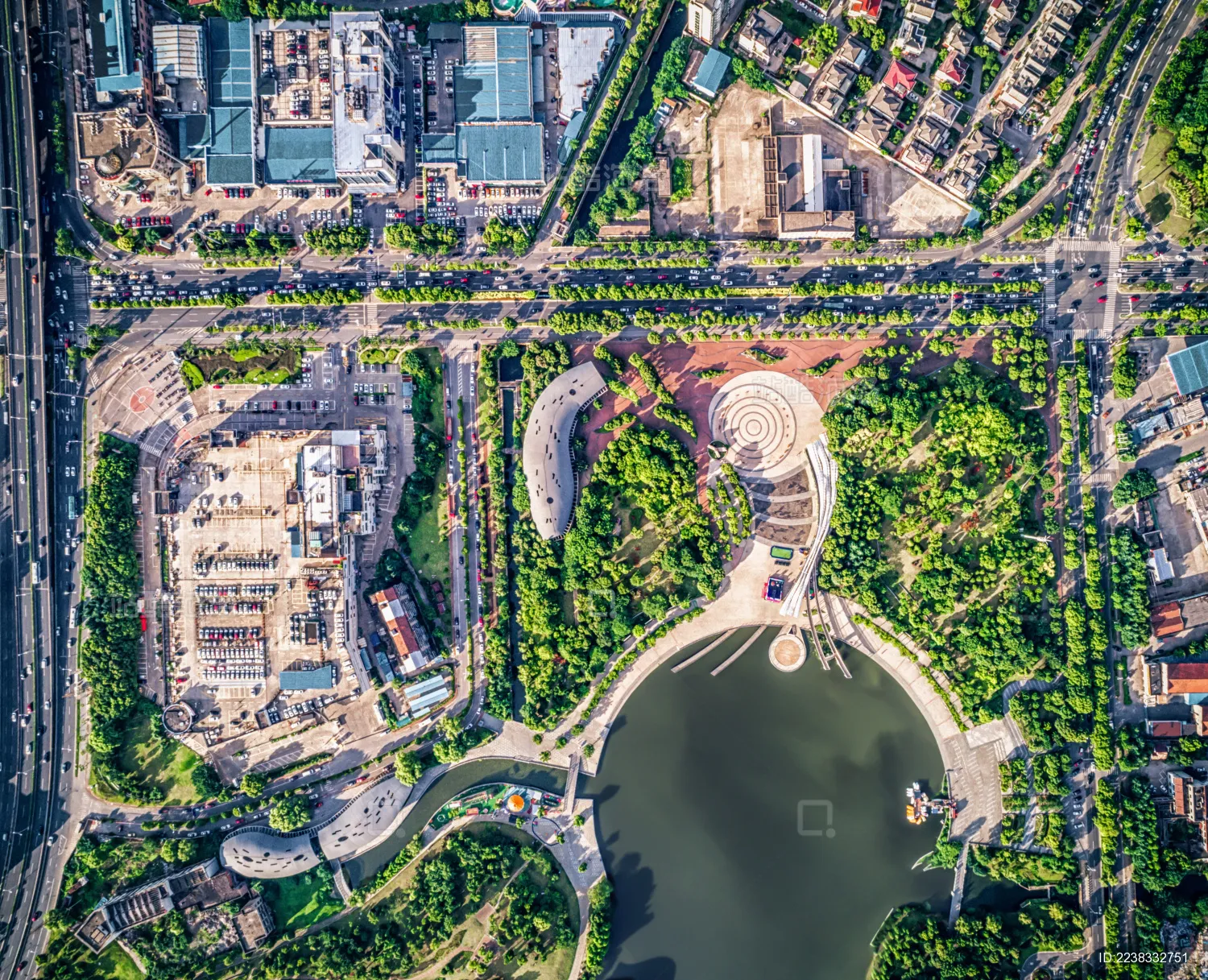
Wuxi is located in the southern part of Jiangsu Province, in the hinterland of the Yangtze River Delta. It borders the Yangtze River to the north and the Taihu Lake to the south, with the Beijing-Hangzhou Grand Canal running through the city. The climate is subtropical monsoon, with four distinct seasons, warm and humid, and an average annual temperature of about 16°C.
Wuxi has a long history, dating back to the Shang Dynasty, and was officially established as a city in 202 BC (early Western Han Dynasty). Historically, it was an important birthplace of Wu culture. During the Ming and Qing dynasties, it became a major town in Jiangnan due to the prosperity of water transport and commerce. In modern times, it was one of the cradles of China's national industry.
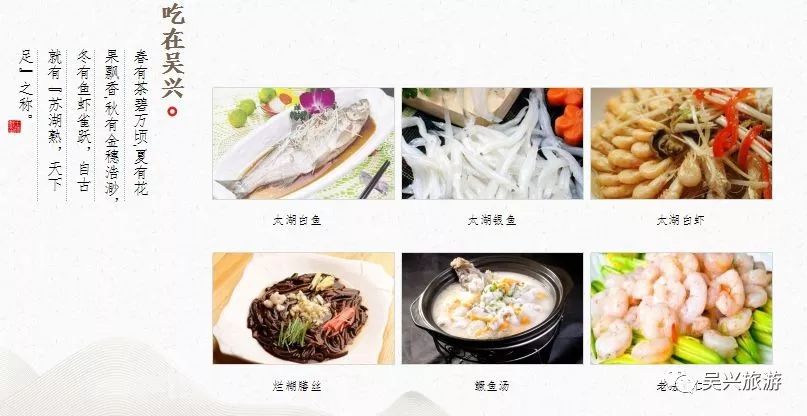
Wuxi's culture is rooted in Wu culture, with intangible cultural heritages such as Xi Opera and Huishan Clay Figurines. The cuisine is known for its sweet and fresh flavors, with representative dishes including Wuxi Spare Ribs, Xiaolongbao, and Taihu Lake Three Whites. The scenery of Taihu Lake and the art of classical gardens complement each other.
Today, Wuxi is a core city in the Yangtze River Delta economic circle, renowned for industries such as the Internet of Things, integrated circuits, and high-end equipment. The city harmoniously blends modernization with natural landscapes and gardens, and has been rated as one of China's most livable cities for many years.
The best time to visit 无锡 is Suitable all year round, best in spring and autumn.
Spring (March-May): Wuxi is covered with flowers, with cherry blossoms in full bloom at Yuantouzhu, and the Taihu Lake scenery is beautiful. The climate is mild, making it the best time for outings and flower viewing.
Summer (June-August): The weather is hot and humid, but you can enjoy water activities on Taihu Lake, taste seasonal fruits such as bayberries and honey peaches, and take night cruises on the ancient canal for a unique experience.
Autumn (September-November): The weather is clear and crisp, Taihu Lake crabs are fat, and the red leaves at Huishan are picturesque. It is a great season for photography and tasting local cuisine.
In the early Western Han Dynasty, Wuxi County was established, marking the official founding of the city.
Brothers Yang Zonglian and Yang Zonghan founded the Yeqin Cotton Mill, marking the start of Wuxi's modern national industry.
On April 23, 1949, the People's Liberation Army entered Wuxi, and the city was liberated.
Recommended places to visit
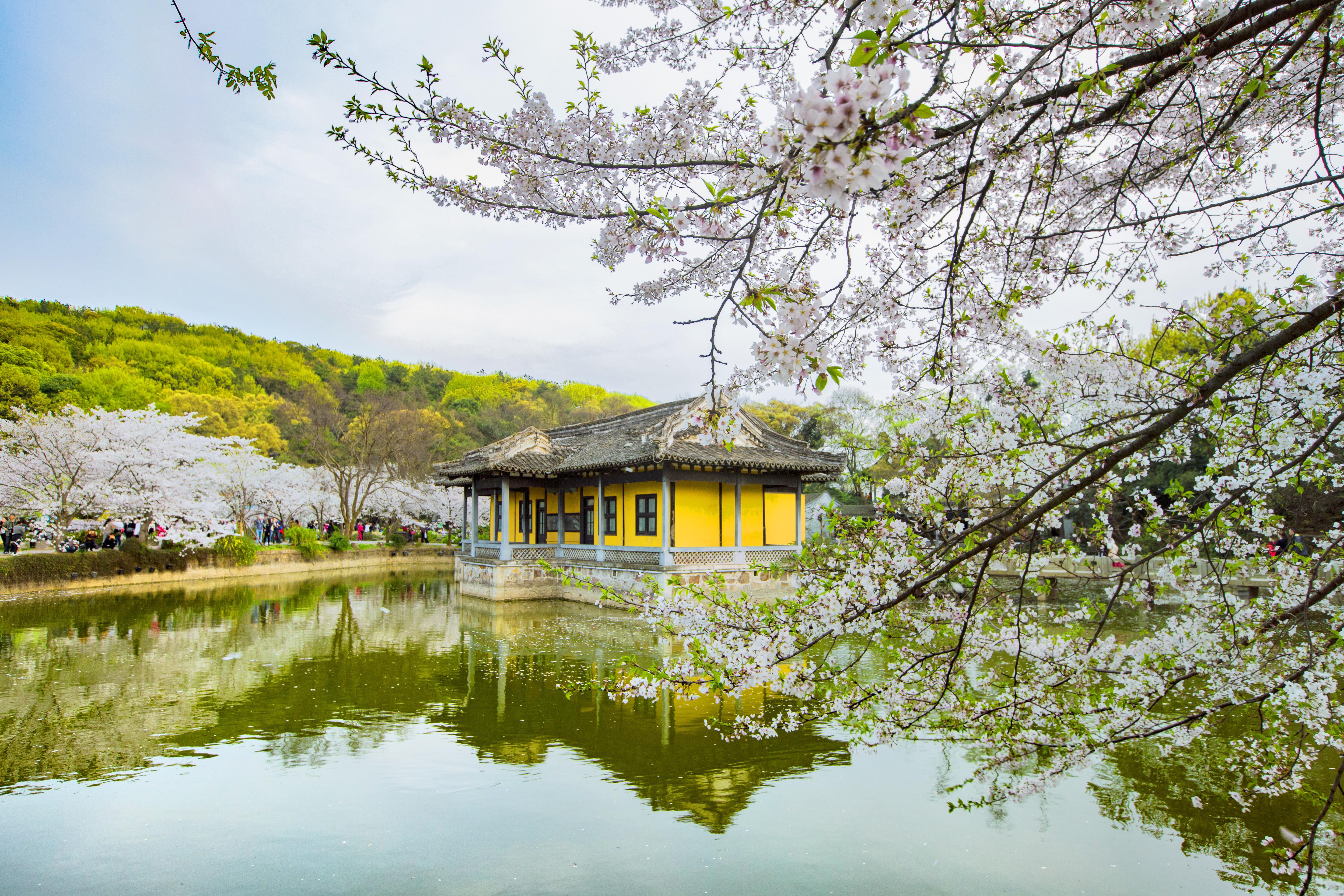
The most famous scenic spot on Taihu Lake, named after a giant rock protruding into the lake like a turtle's head. In spring, cherry blossoms are like clouds, making it a top cherry blossom viewing spot.
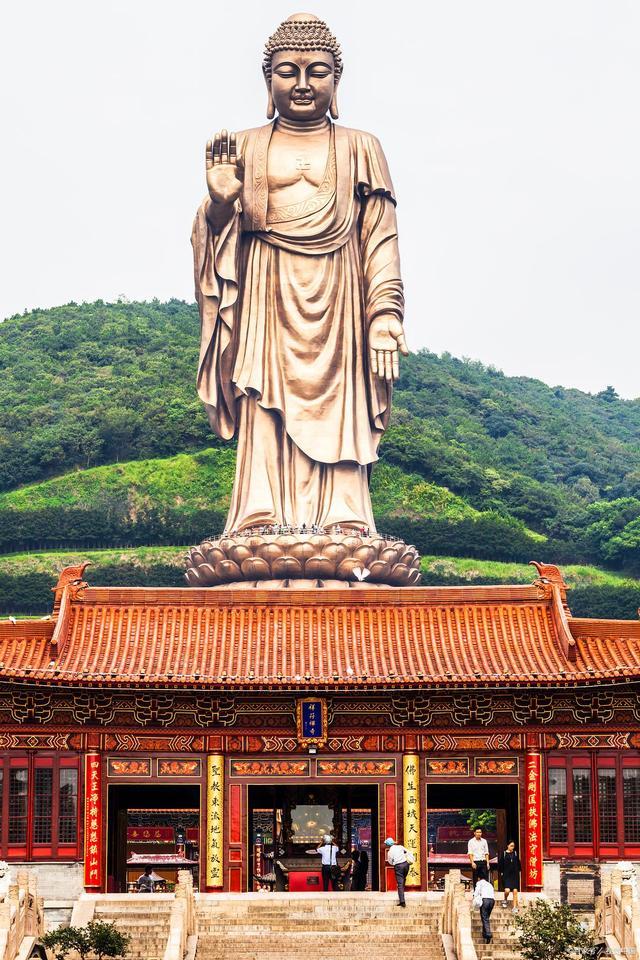
One of the tallest bronze Buddha statues in the world, 88 meters high, located on the shores of Taihu Lake. The scenic area features the Nine Dragons Bathing and the Palace of Brahma.
Explore rich intangible cultural heritage and traditional crafts
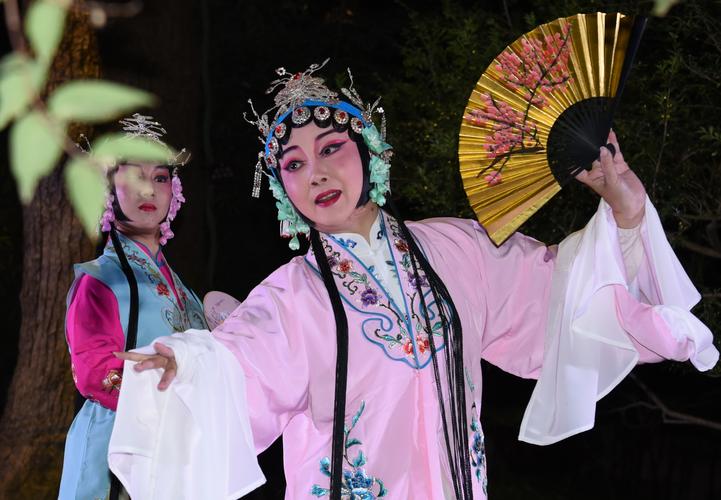
A local opera genre of Jiangsu Province, originating in Wuxi, with beautiful melodies and Jiangnan water town characteristics.
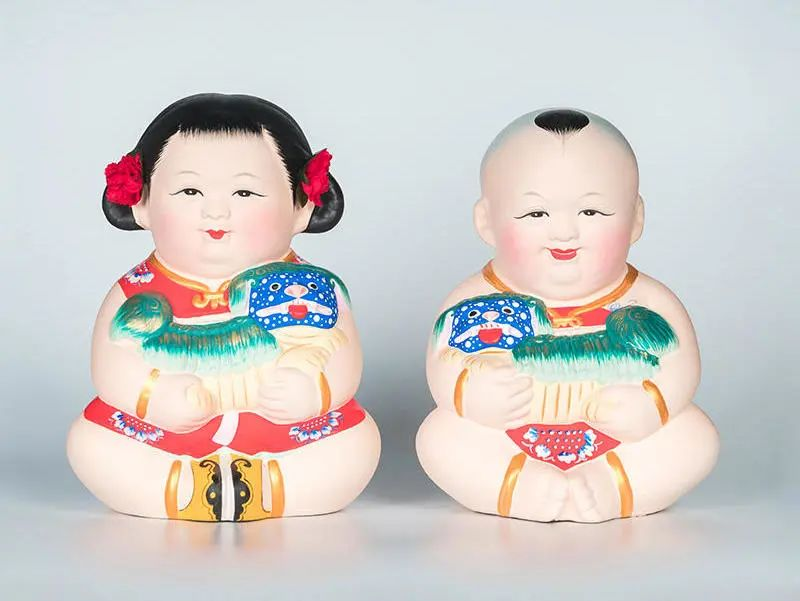
Traditional handicraft of Wuxi, made from Huishan black clay, vivid shapes, bright colors. The representative work is 'Da A Fu'.
Must-know transportation for exploring the city
Located in Wuxi New District, about 12 km from the city center. Domestic and international routes cover major cities.
Airport bus to city center about 20 RMB
Wuxi Station is in the city center, serving regular and D-trains; Wuxi East Station is on the Beijing-Shanghai High-Speed Railway, convenient and fast.
High-speed rail to Shanghai about 60 RMB, to Nanjing about 100 RMB
Extensive bus network in the city, fare starts at 2 RMB, supports mobile payment.
From 2 RMB
Taste the most authentic and popular local specialties
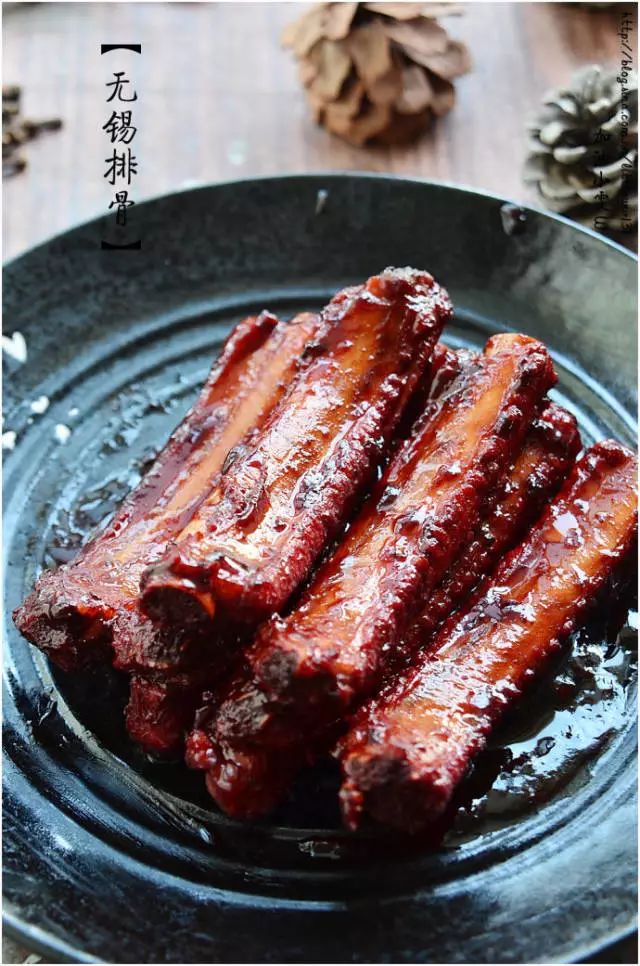
Reddish-brown in color, tender and falling off the bone, with a sweet and savory taste. It is Wuxi's most famous dish.
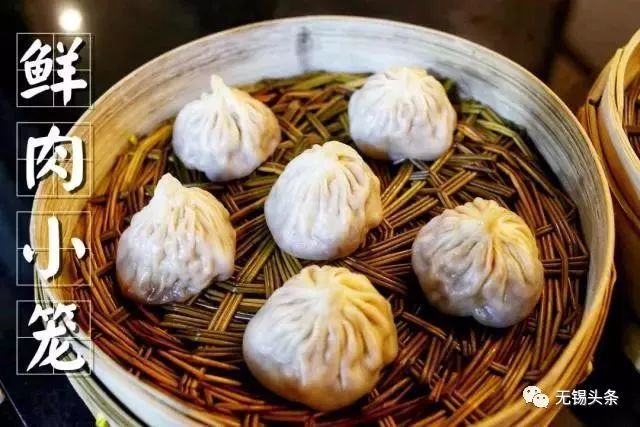
Thin-skinned with ample filling, savory soup with a slight sweetness. A classic breakfast choice for locals.
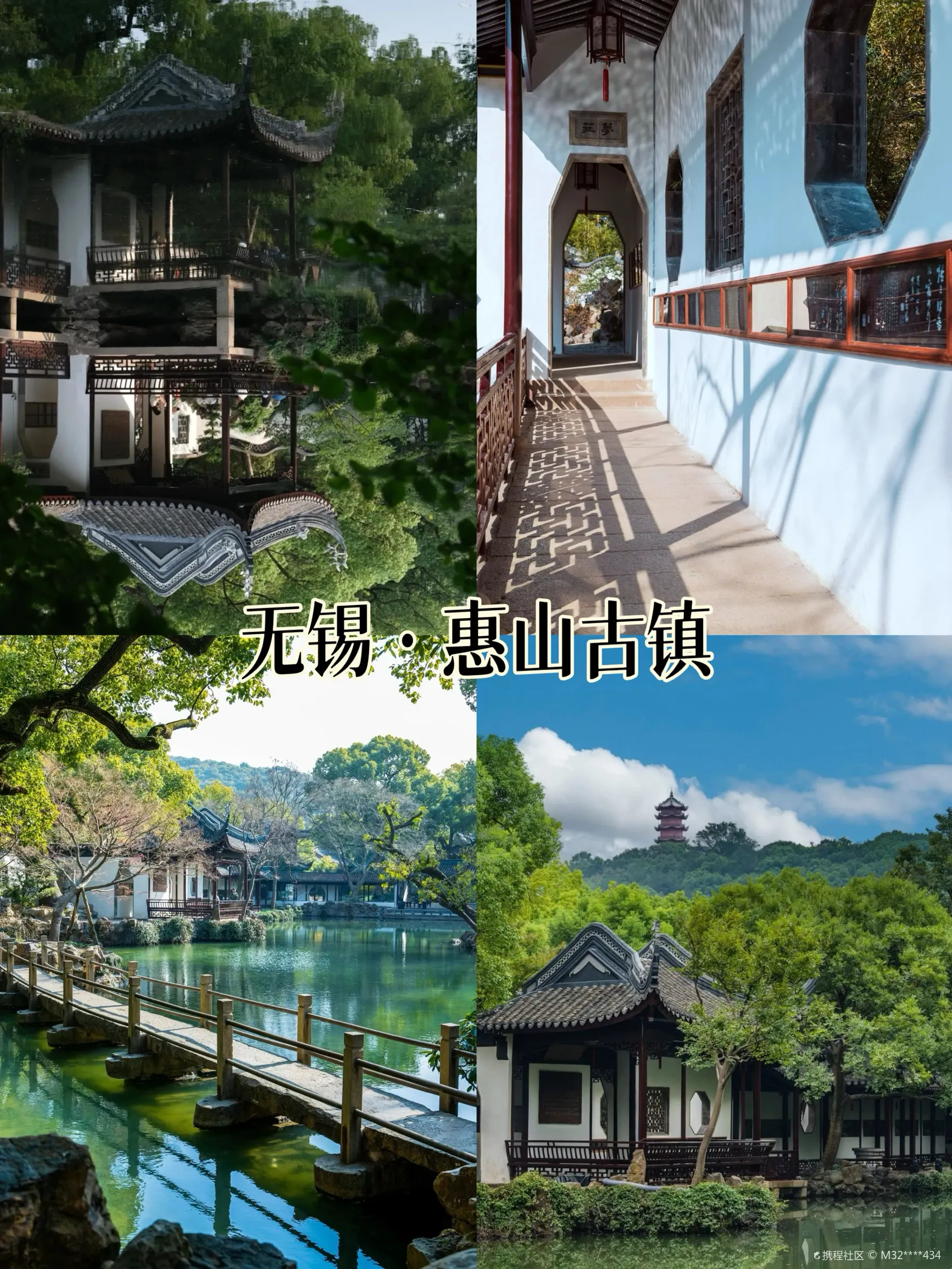
A well-preserved ancient town in Jiangnan, famous for Huishan clay figurines, Huishan Spring, and Jichang Garden.
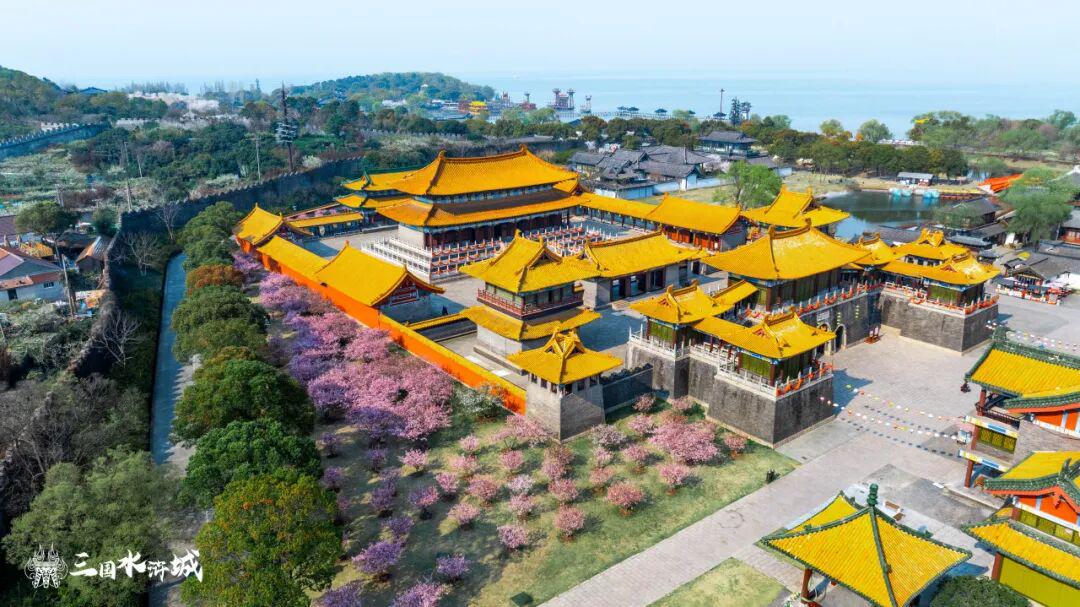
CCTV film base recreating scenes from the Three Kingdoms and Water Margin, with horse shows and costume performances.
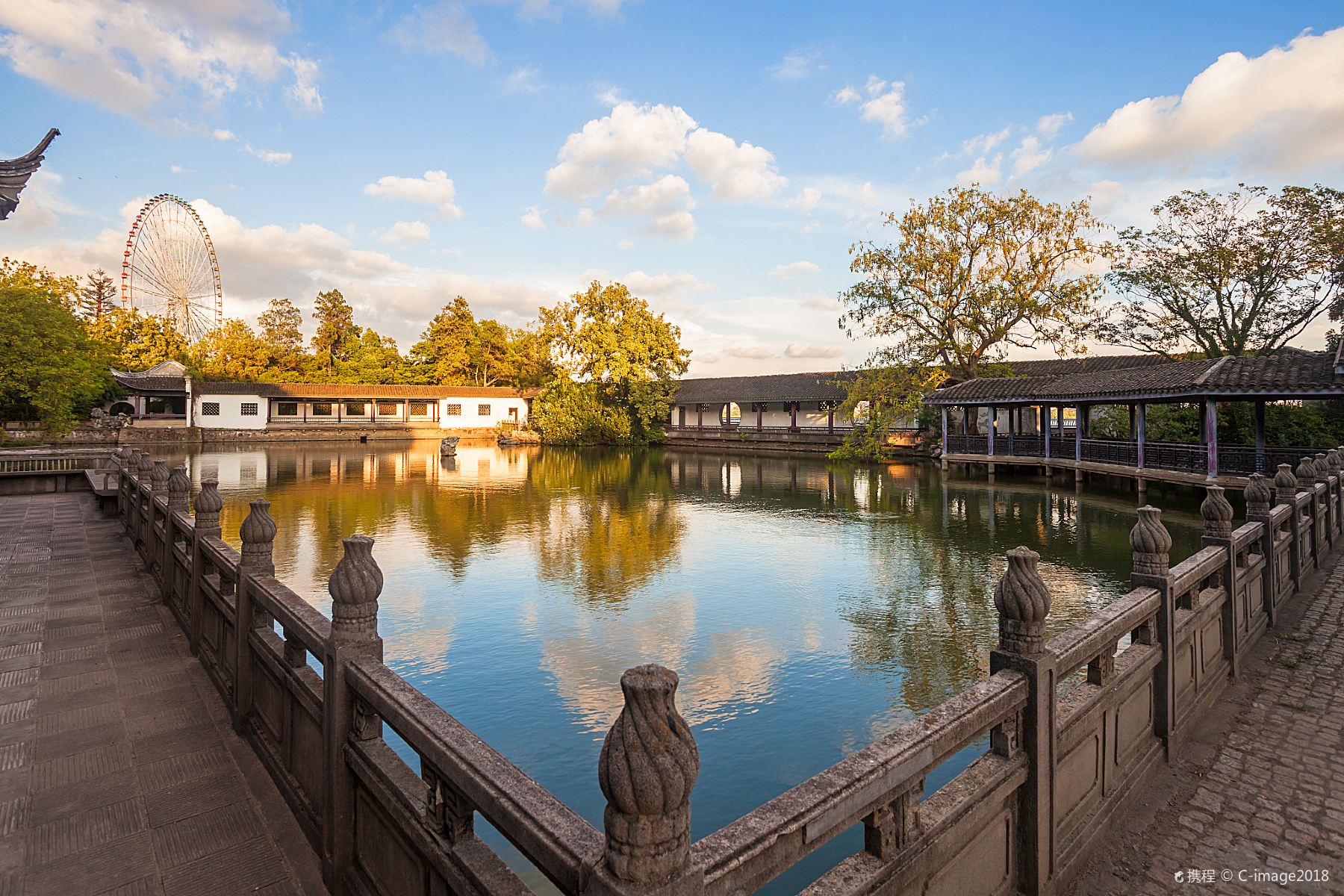
A classic Jiangnan garden, said to be where Fan Li and Xishi boated. The garden features rockeries, ponds, and corridors.
Refers to whitefish, white shrimp, and silverfish, cooked fresh from Taihu Lake by steaming or boiling, preserving the natural flavor.
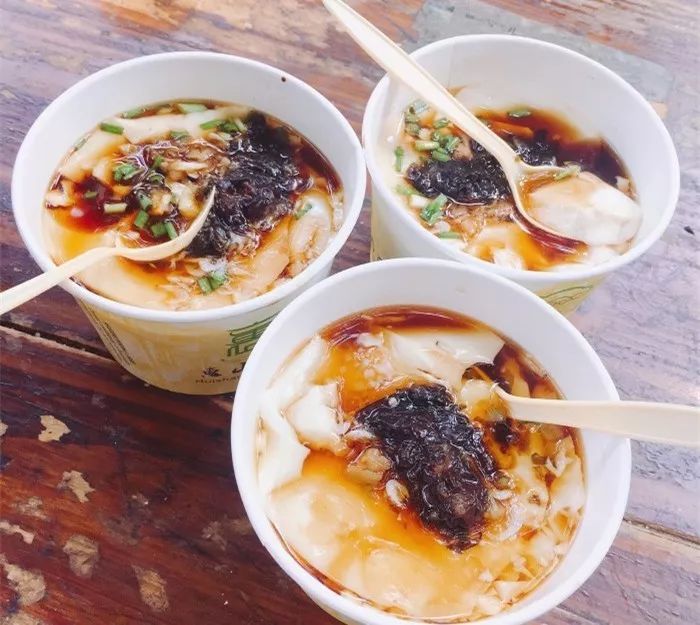
A specialty snack in Huishan Ancient Town, smooth tofu pudding topped with dried shrimp, seaweed, and pickled mustard, savory and delicious.
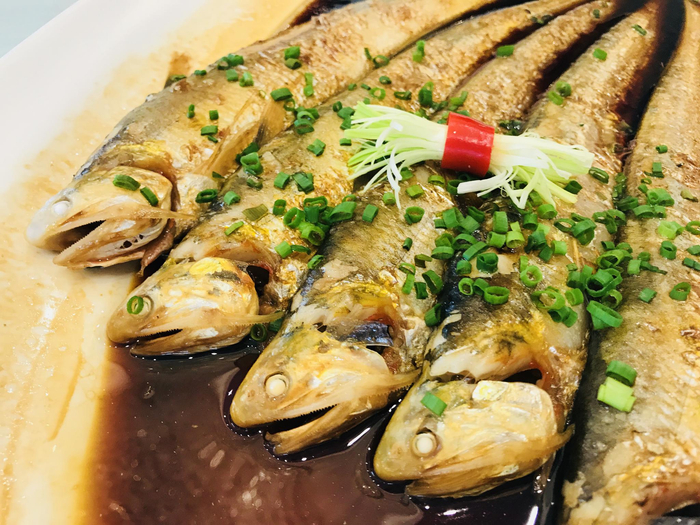
One of the three delicacies of the Yangtze River, tender meat, most delicious before Qingming Festival. Suitable for steaming or braising.