
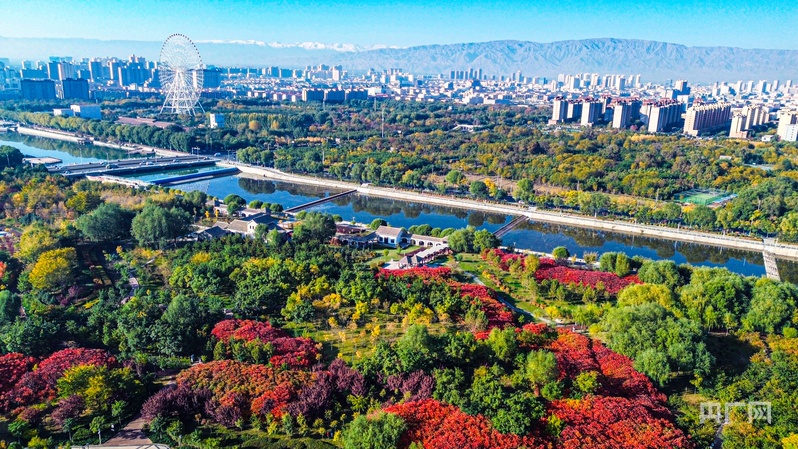
Wuwei is located in the central part of Gansu Province, at the eastern end of the Hexi Corridor. Its terrain is higher in the south and lower in the north. It has a temperate continental arid climate with abundant sunshine, large temperature differences between day and night, and low annual precipitation.
Wuwei, known as Liangzhou in ancient times, was an important node on the Silk Road. Historically, it served as the capital of several regimes including Former Liang, Later Liang, Southern Liang, and Northern Liang, earning the nickname 'Silver Wuwei'.
Wuwei boasts a diverse culture, with intangible cultural heritages such as 'Liangzhou Ci' (Liangzhou poetry) and 'Liangzhou Xianxiao' (a form of storytelling). Its most famous culinary dish is the 'Liangzhou Three-Course Set' (hand-pulled noodles, cured meat, and brown sugar jujube Fu tea).
Modern Wuwei is an important transportation hub and commercial center in Gansu Province. It is actively developing new energy, modern agriculture, and tourism, with its cityscape changing rapidly.
The best time to visit 武威 is Best travel time is from May to October.
Spring (March to May) sees rising temperatures but more sandstorms, suitable for visiting museums and city attractions.
Summer (June to August) is cool and pleasant, the best time to escape the heat and explore desert oases.
Autumn (September to October) features clear skies and fragrant fruits, ideal for outdoor activities and fruit tasting.
Emperor Wu of Han sent Huo Qubing to defeat the Xiongnu, occupy the Hexi Corridor, and establish Wuwei Commandery, meaning 'displaying the military might of the Han Empire'.
Lü Guang established the Later Liang dynasty, making Wuwei (Guzang) its capital, and Wuwei became the political center of the Hexi region.
The Eastern Han bronze artifact 'Bronze Galloping Horse Treading on a Flying Swallow' was unearthed from the Leitai Han Tomb in Wuwei, now a symbol of China's tourism.
Recommended places to visit
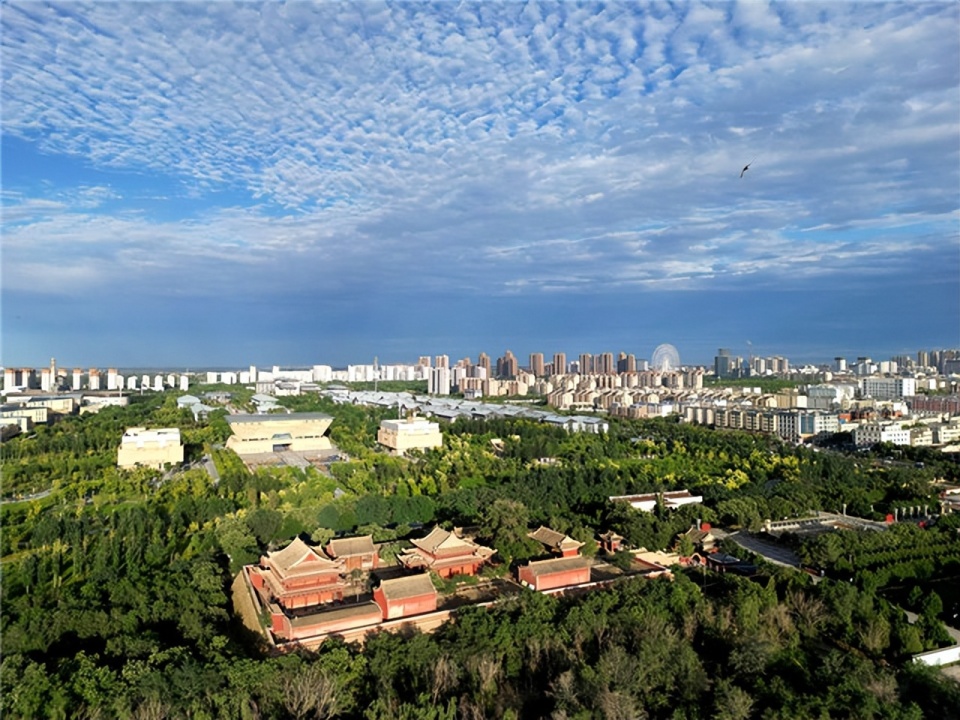
A large brick-and-stone tomb from the Eastern Han Dynasty, where the Bronze Galloping Horse Treading on a Flying Swallow and other precious artifacts were unearthed. It is a Major Historical and Cultural Site Protected at the National Level.
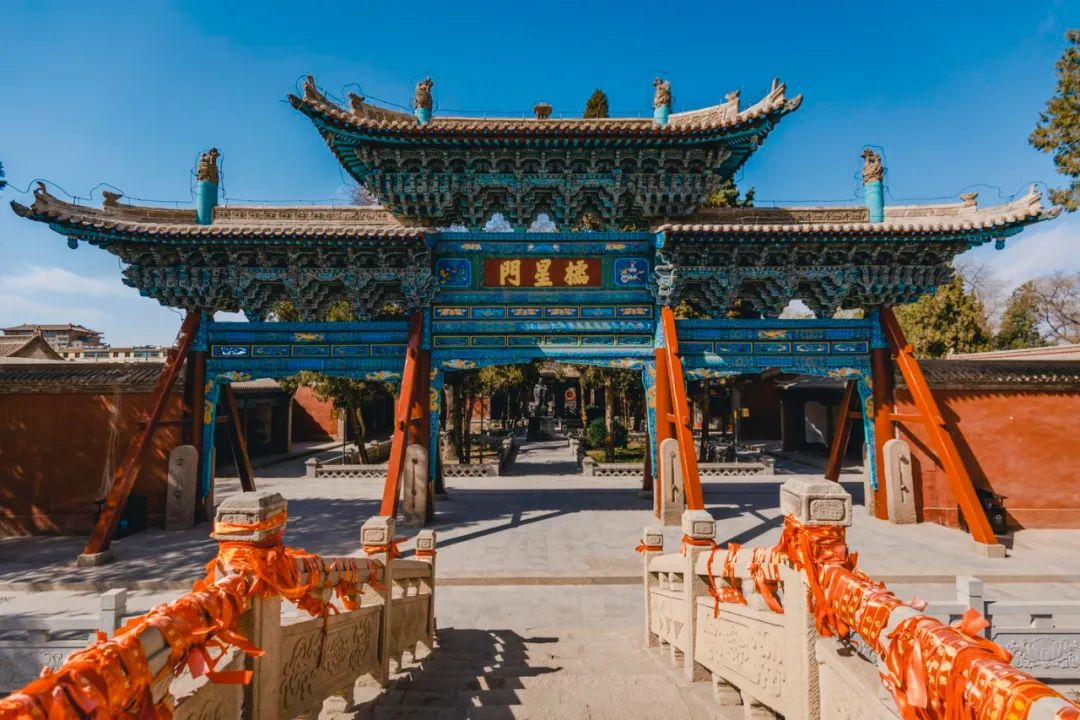
The largest and best-preserved Confucian temple in Northwest China, built in the Ming Dynasty, housing numerous plaques and inscriptions.
Explore rich intangible cultural heritage and traditional crafts
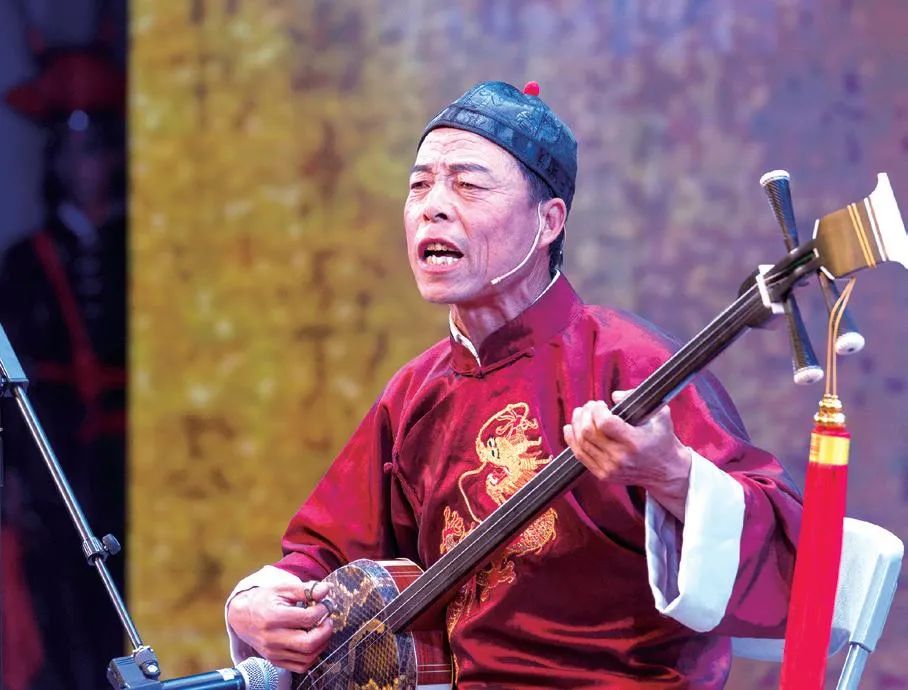
Liangzhou Xianxiao is an ancient folk storytelling art form in the Wuwei area, accompanied by sanxian (three-stringed lute), with lyrics often about filial piety stories. It was inscribed on the National Intangible Cultural Heritage list in 2006.
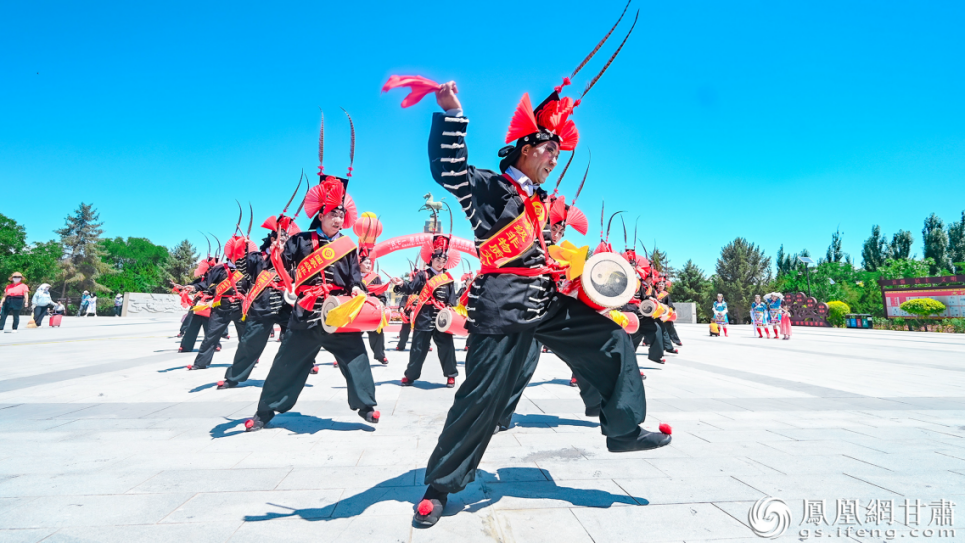
Liangzhou Gong Drum Dance is a traditional dance where performers carry drums and dance while beating them, with vigorous movements and strong Northwestern characteristics.
Must-know transportation for exploring the city
Currently, Wuwei does not have an airport. Fly to Lanzhou Zhongchuan Airport or Jinchang Airport, then take a bus or train to Wuwei.
Bus from Lanzhou to Wuwei about ¥60
Wuwei Station in the city center serves conventional trains; Wuwei East Station is a high-speed rail station on the Lanzhou-Zhangye line, providing fast access to Lanzhou, Zhangye, etc.
High-speed rail to Lanzhou about ¥90
City buses cover major attractions with fares of 1-2 yuan; taxi starting fare is 5 yuan, making travel convenient.
Bus 1-2 yuan, taxi starting fare 5 yuan
Taste the most authentic and popular local specialties
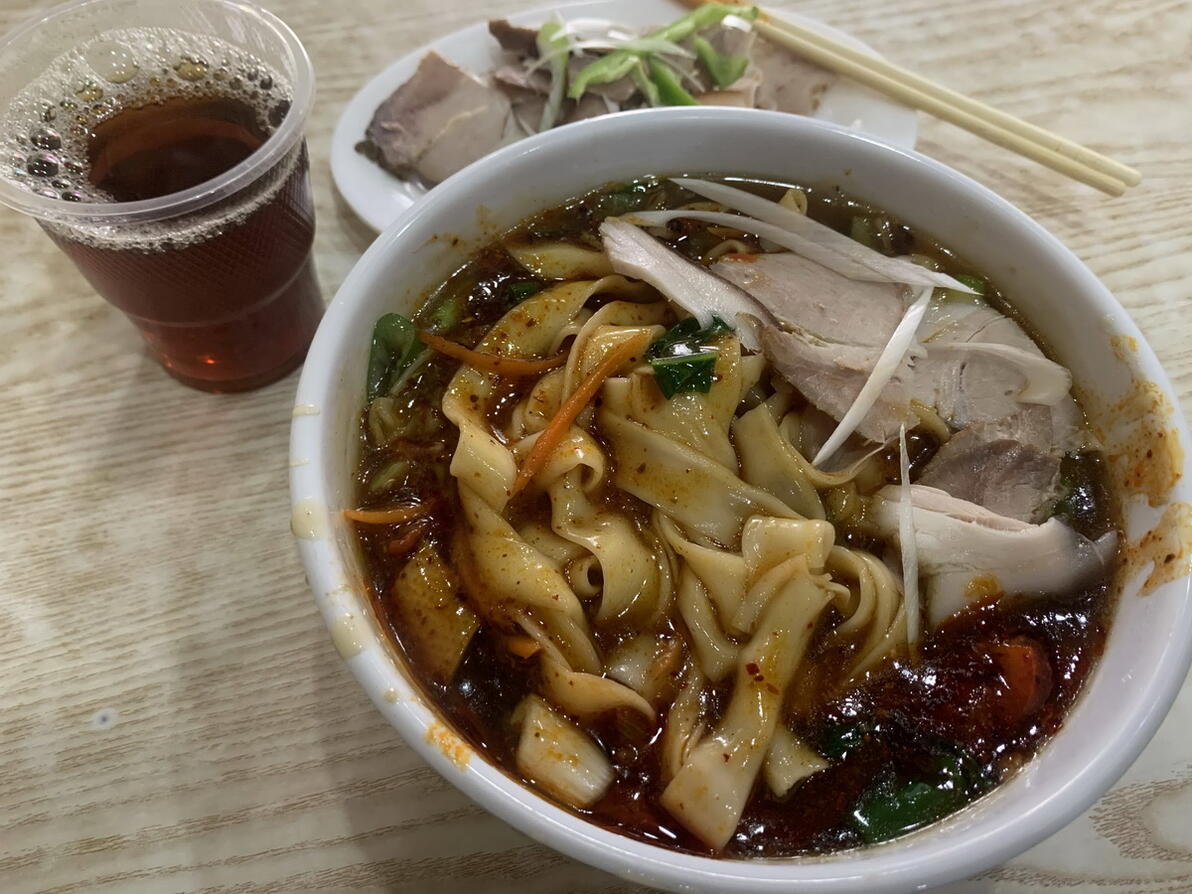
Comprising hand-pulled noodles, cured meat, and rock sugar red date tea, it is the most representative meal in Wuwei. The noodles are chewy, the meat savory, and the tea sweet.
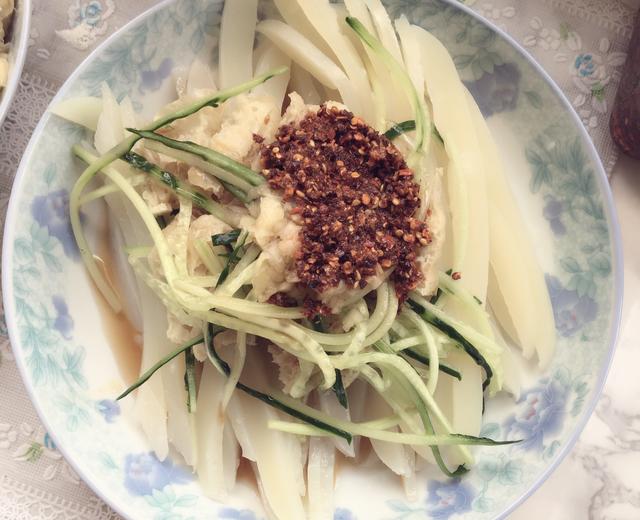
Steamed flour or rice noodles cut into strips, mixed with vinegar, chili oil, and garlic water, smooth and appetizing with a sour-spicy flavor.
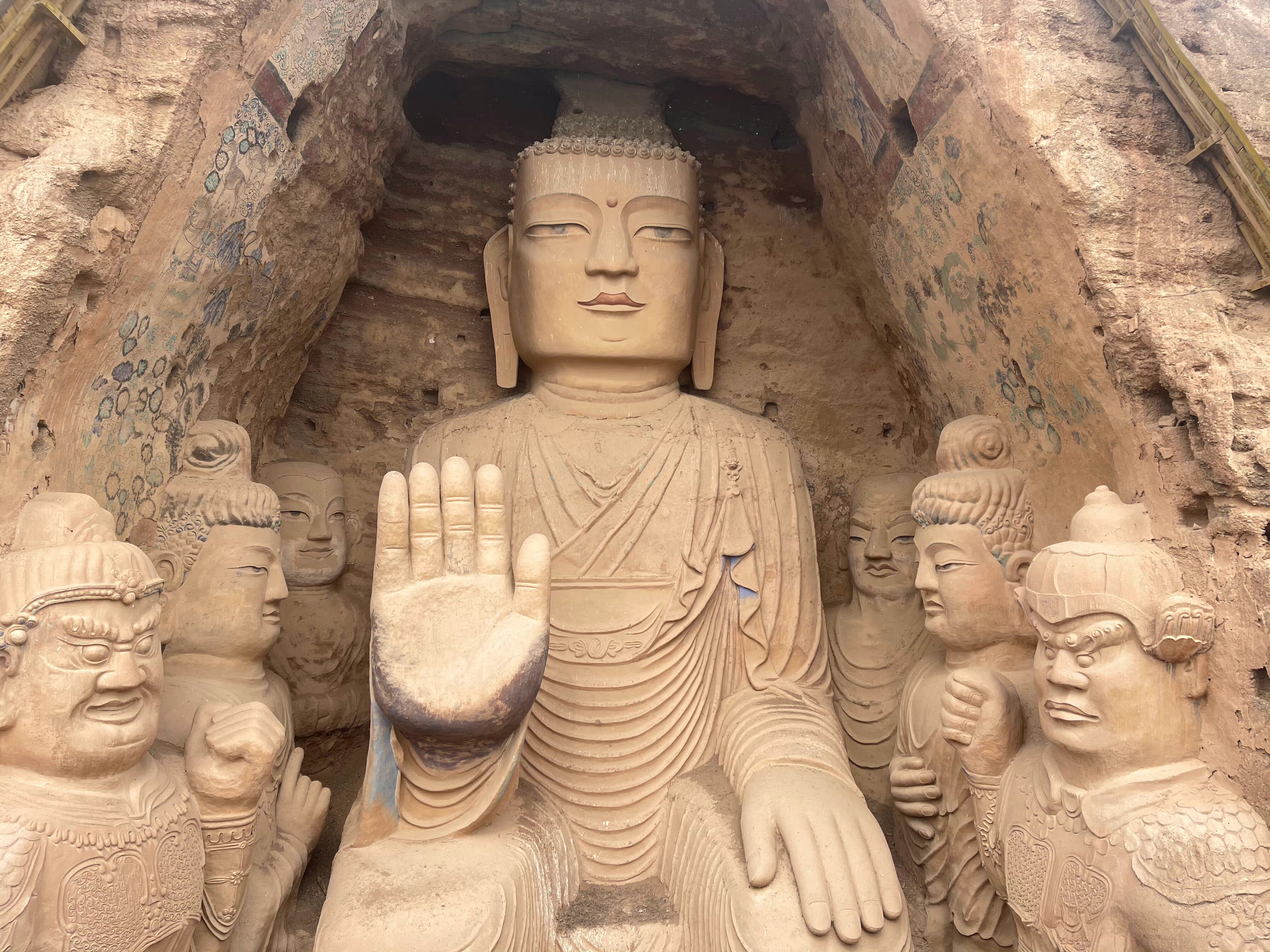
First built in the Northern Liang period, known as the 'ancestor of grottoes', with a 28-meter-tall giant Buddha, an important Buddhist art site.
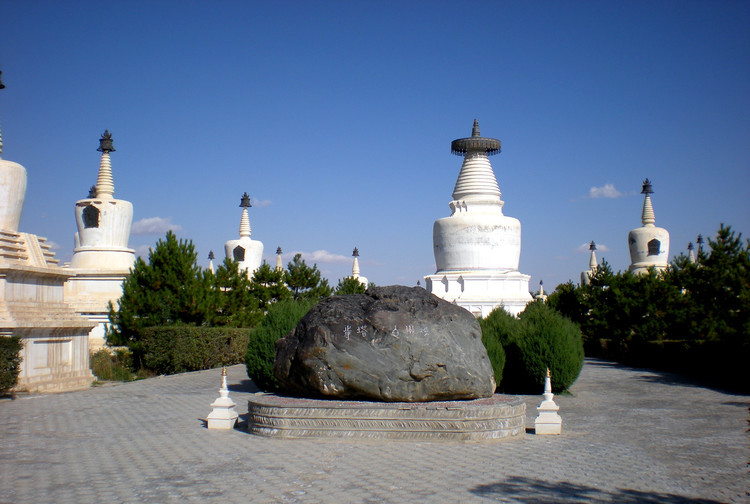
A Tibetan Buddhist monastery housing the stupa of Sakya Pandita from the Yuan Dynasty, a historical witness to Tibet's incorporation into China.
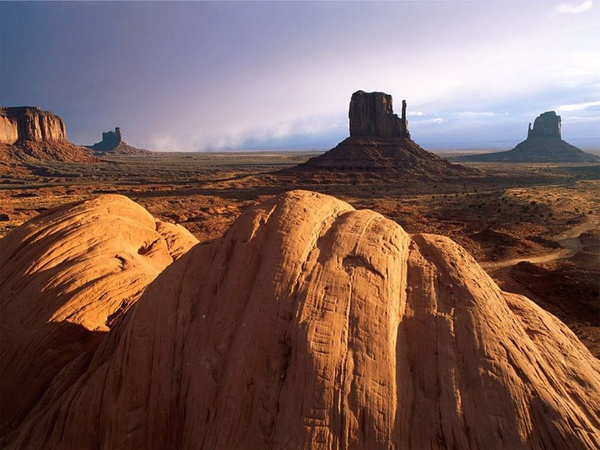
The earliest desert park in China, integrating desert scenery, entertainment, and science education, offering sand sliding and camel riding.
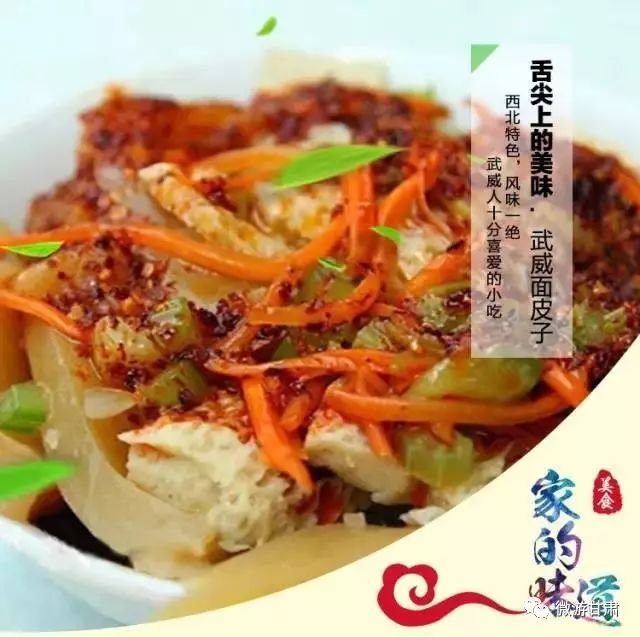
Similar to cold noodles but thicker and chewier, often served with gluten and cucumber strips, topped with special sauce.
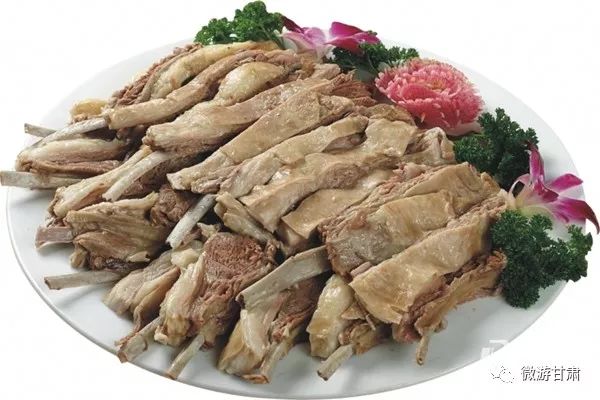
Produced in Minqin County, Wuwei, the lamb is tender and free of gamey smell, can be eaten hand-held, grilled, or in lamb soup with bread.
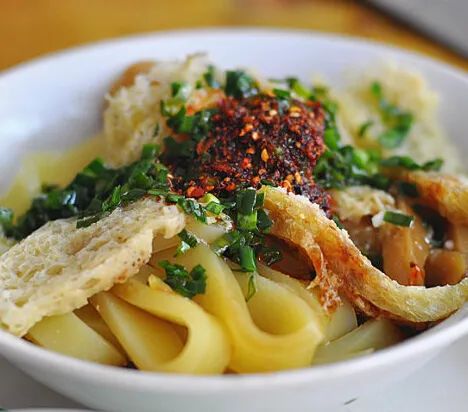
A fermented flour product with a unique sour and fragrant taste, often eaten with garlic paste and chili oil.