
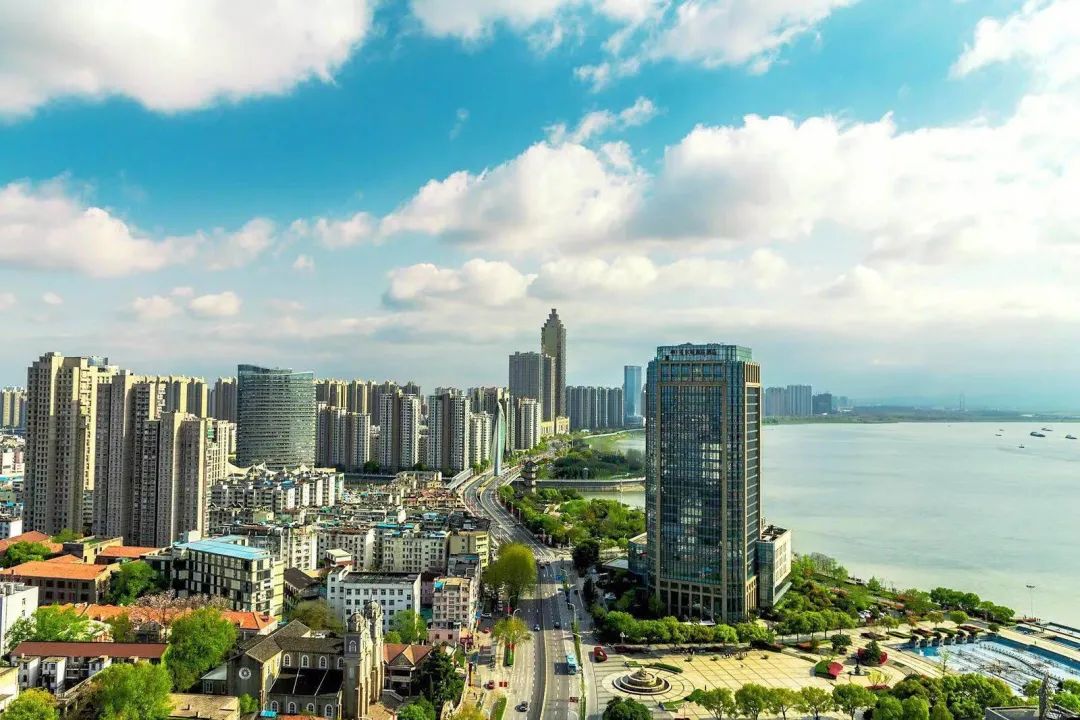
Wuhu is located in the southeastern part of Anhui Province, on the southern bank of the lower reaches of the Yangtze River, in the hinterland of the Yangtze River Delta Plain. It has a subtropical humid monsoon climate with four distinct seasons and abundant rainfall.
Wuhu has a long history. It belonged to the State of Wu in the Spring and Autumn Period. Wuhu County was established in the Western Han Dynasty, named after 'shallow water abundant with algae.' During the Ming and Qing dynasties, it was an important commercial port, and in modern times it was hailed as 'the Great Port on the Yangtze.'
Wuhu's culture blends Hui culture with Wu and Chu cultures. Famous local specialties include Wuhu iron paintings, Wuwei pressed duck, and shrimp roe noodles. Among them, iron painting is a national intangible cultural heritage.
Modern Wuhu is a sub-central city of Anhui Province, home to well-known enterprises such as Chery Automobile and Conch Cement. The Fantawild Tourist Resort makes it a famous tourist destination, and it is an important member of the Yangtze River Delta city cluster.
The best time to visit 芜湖 is Best in spring and autumn, pleasant climate.
Spring (March-May): Temperatures warm up, flowers bloom in Wuhu's parks, ideal for flower viewing and outings.
Autumn (September-November): Clear and cool weather, moderate temperature, suitable for outdoor activities and visiting theme parks like Fantawild.
Summer (June-August): Hot and humid, but Fantawild Water Park opens, perfect for water fun and escaping the heat.
During the reign of Emperor Wu of Han, Wuhu County was established, named after 'shallow water overgrown with algae', marking the beginning of Wuhu's official administrative history.
According to the Chefoo Convention, Wuhu was opened as a treaty port, becoming an important commercial port along the Yangtze River.
Wuhu Fantawild Tourist Resort fully opened, featuring Fantawild Adventure and Fantawild Dreamland theme parks, becoming a famous tourist destination in East China.
Recommended places to visit
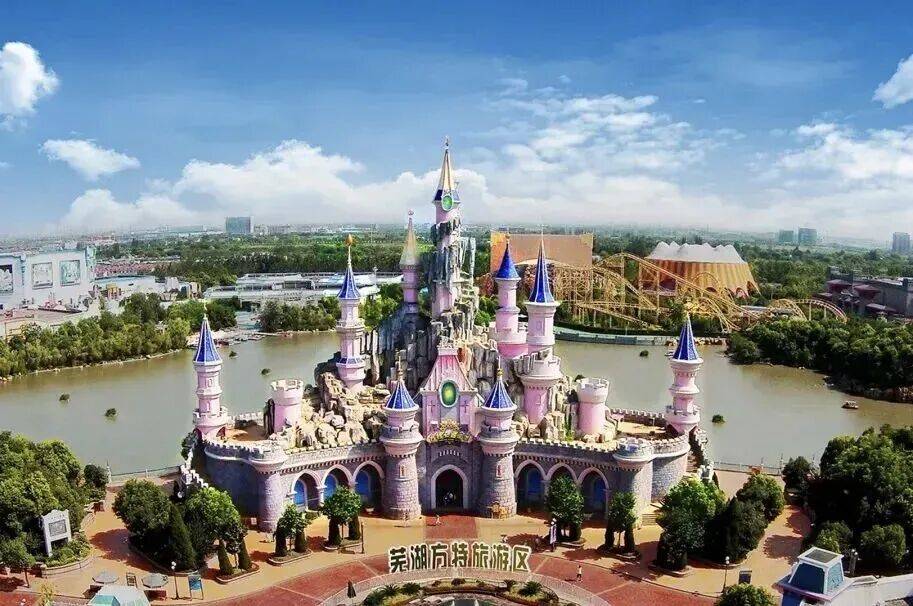
Includes multiple theme parks such as Fantawild Adventure, Fantawild Dreamland, and Fantawild Water Park, featuring high-tech interactive experiences and animation culture, perfect for family fun.
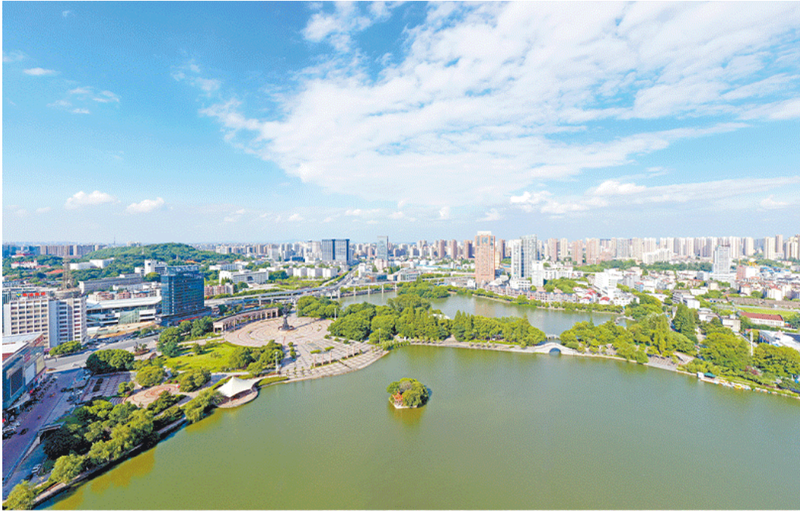
Located in the city center, consisting of Jinghu Lake and Buyue Bridge, featuring lake and mountain scenery, a popular leisure spot for locals, adjacent to Jiuzi Square.
Explore rich intangible cultural heritage and traditional crafts
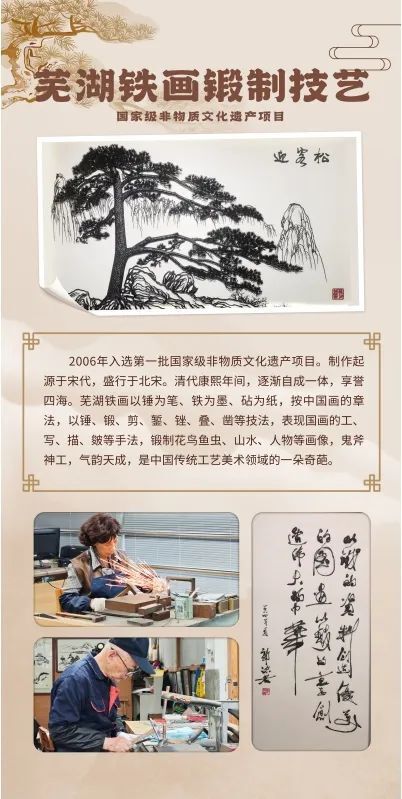
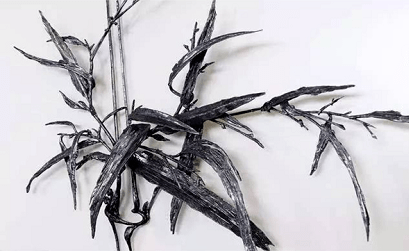
Using low-carbon steel as raw material, through forging, welding, filing and other techniques to create iron paintings, with a vigorous and elegant style, a unique folk craft of Wuhu.
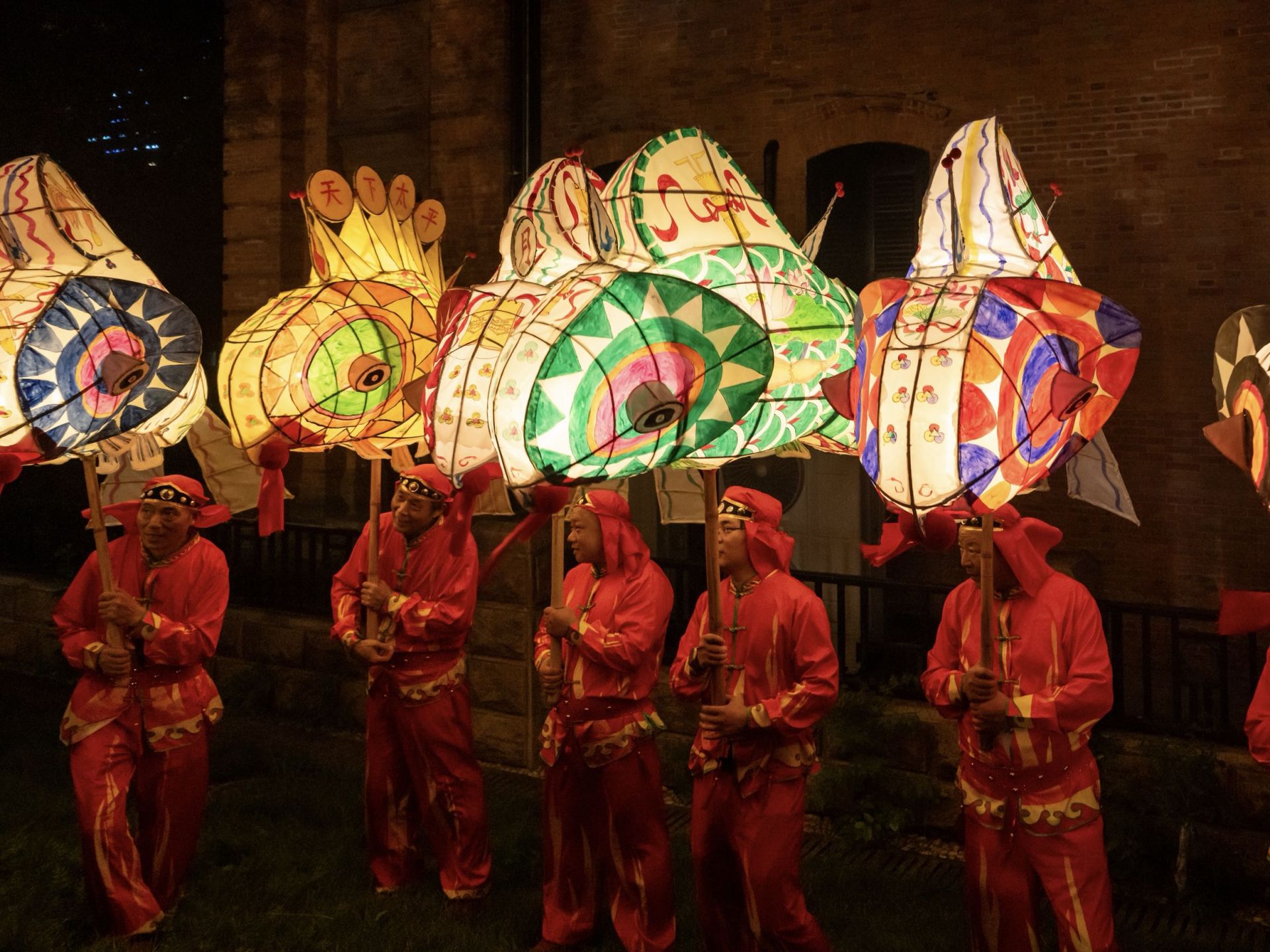
A traditional dance in Wuwei County, using fish-shaped lanterns as props, imitating the movement of fish schools, symbolizing abundance year after year.
Must-know transportation for exploring the city
Located in Wanzhi District, Wuhu, with flights to major cities such as Beijing, Guangzhou, Shenzhen. Airport buses and taxis are available to the city center.
Airport bus 20 CNY
Located in Jinghu District, connected to Nanjing-Anqing HSR and Shangqiu-Hefei-Hangzhou HSR, providing fast access to Nanjing, Hefei, Hangzhou, Shanghai, etc.
To Nanjing approx. 50 CNY
City bus routes cover major attractions and commercial areas, fare 2 CNY, supports QR code payment.
2 CNY
Taste the most authentic and popular local specialties
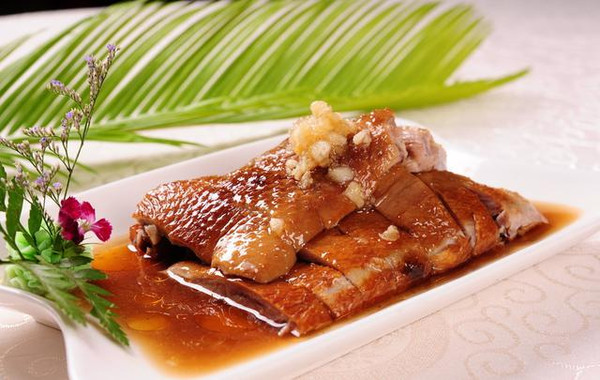
A traditional dish from Wuwei County, first smoked then braised, golden in color, crispy skin and tender meat, savory flavor.
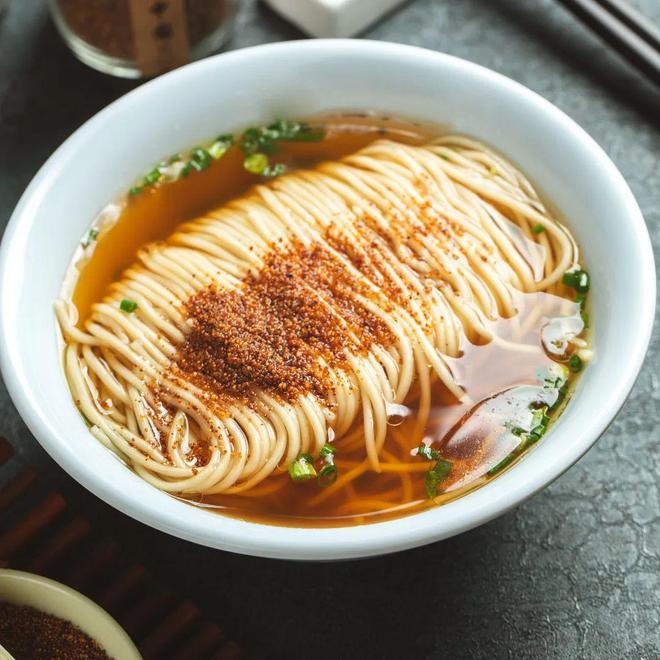
A Wuhu specialty noodle dish, topped with shrimp roe, savory broth and chewy noodles.
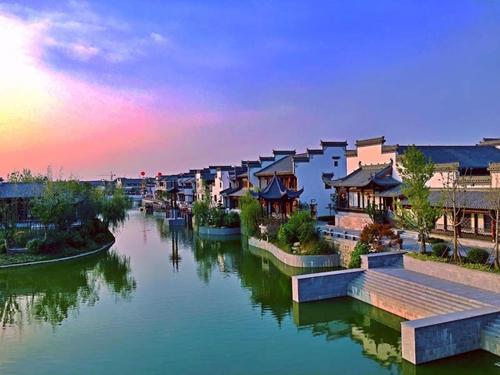
Characterized by Hui-style architecture, recreating the commercial prosperity of Wuhu during Ming and Qing dynasties, integrating cultural exhibitions, tourism shopping, and cuisine.
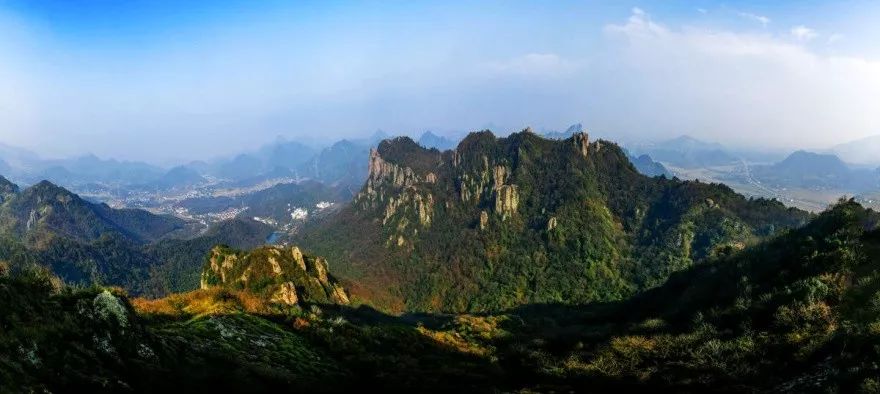
Located in Fanchang County, known for peculiar peaks, strange rocks, and sea of clouds, reputed as 'Zhangjiajie of southern Anhui', featuring a glass walkway.
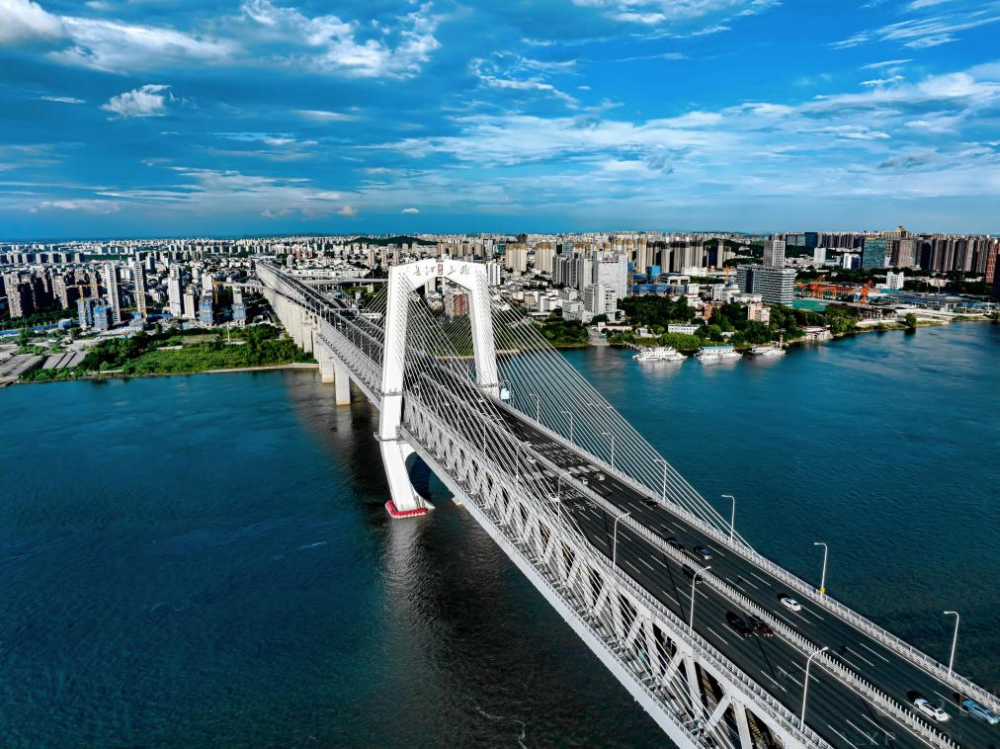
A combined road-rail bridge connecting downtown Wuhu with the north bank, an important bridge over the Yangtze River, offering magnificent river views.
Using iron as ink and forging it into paintings, unique in style, a national intangible cultural heritage, also collectible as artwork.
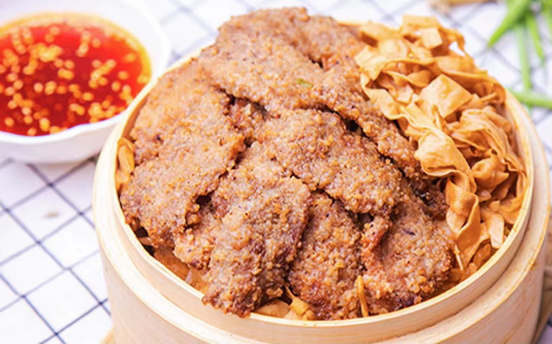
Steamed pork belly coated with rice flour, served with rice, fragrant and sticky, a popular local breakfast.
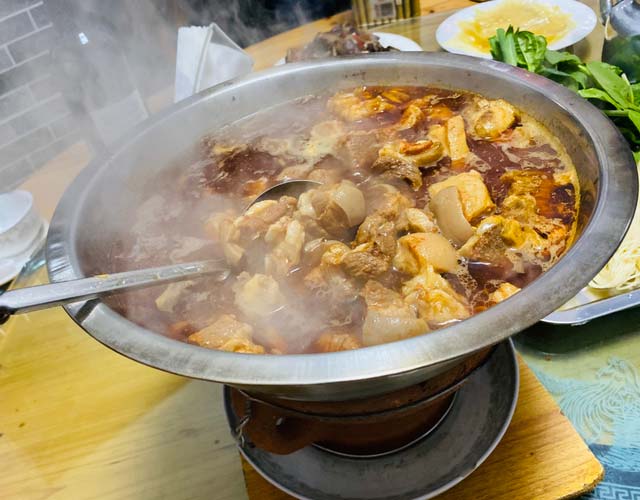
Made from mutton produced in Yijiang District, braised or stewed, tender and flavorful without gamey taste.