
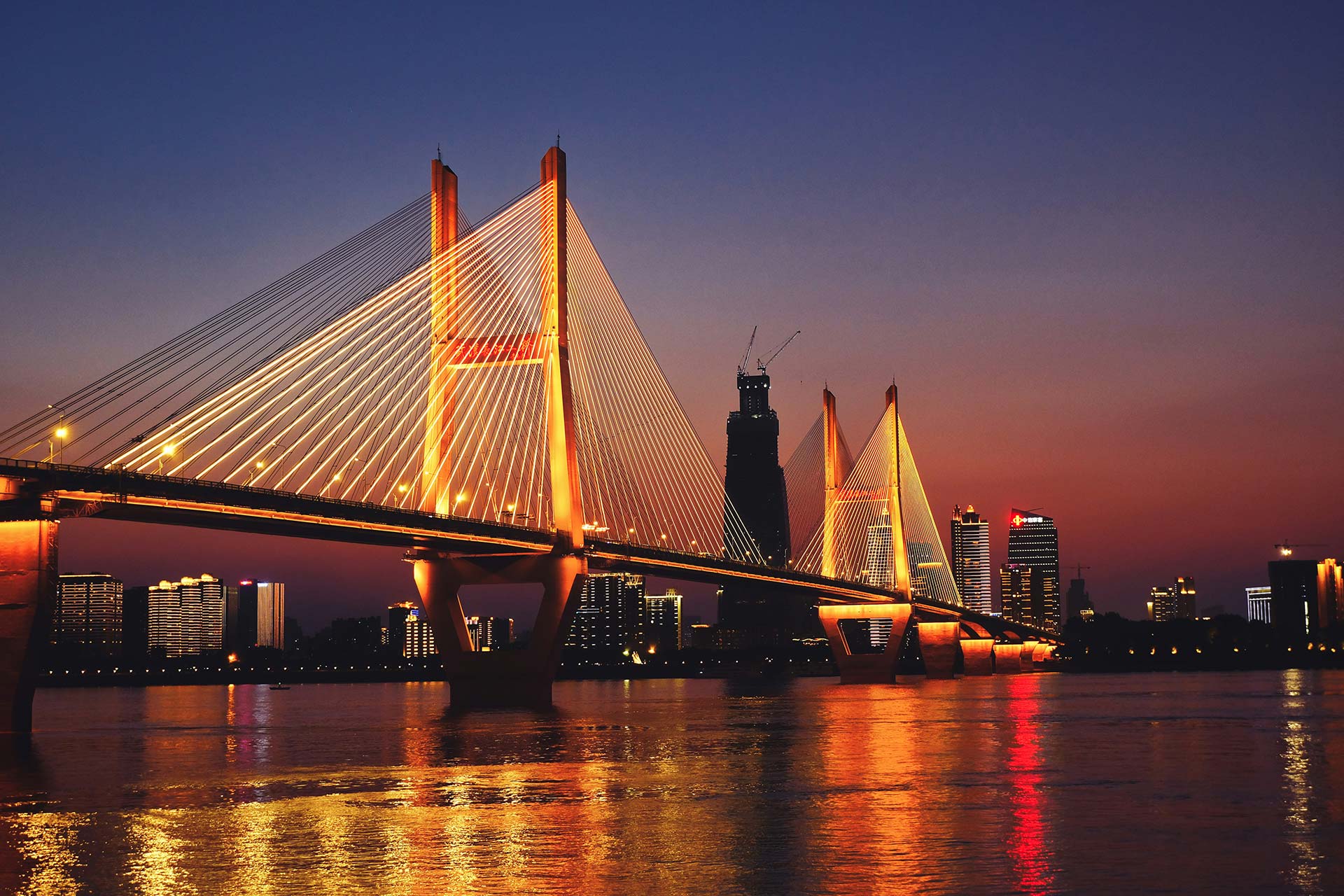
Wuhan is located in central China, at the confluence of the Yangtze River and the Han River, and is historically known as the "Thoroughfare of Nine Provinces." It has a subtropical monsoon humid climate, with hot and humid summers, cold winters, and mild spring and autumn seasons. The urban area consists of three towns—Wuchang, Hankou, and Hanyang—and is home to numerous lakes, earning it the nickname "City of Hundreds of Lakes."
Wuhan's history can be traced back 3,500 years to the Panlongcheng site, and it was already a strategic military town during the Three Kingdoms period. In modern times, the opening of Hankou as a trading port made Wuhan one of the largest inland trading hubs. The Wuchang Uprising of the Xinhai Revolution broke out here, marking the end of China's feudal imperial system. Wuhan embodies both the romantic boldness of Chu culture and the resilient spirit of modern industry.
Wuhan is a city brimming with the lively atmosphere of everyday life, famous nationwide for its "guozao" (breakfast) culture, with a rich variety of morning foods like hot dry noodles and doupi. Intangible cultural heritages such as Han opera and Hubei storytelling enrich the lives of its citizens. The locals are straightforward and warm-hearted, enjoying hearty late-night meals with abandon, embracing a pace of life that is both leisurely and vibrant.
As a national central city, Wuhan is an important industrial base, scientific and educational base, and comprehensive transportation hub in China. Its optoelectronic information industry leads the country, and it is building the "Optics Valley" science and innovation center. The city's level of internationalization is continuously improving, hosting multiple foreign consulates and direct international flights. In the future, it will strive to build "five centers" and move toward becoming a modern international metropolis.
The best time to visit 武汉 is Spring and autumn are the best seasons to visit Wuhan..
The best travel months are March to May and September to November. In spring, cherry blossoms are in full bloom; in autumn, the weather is clear and crisp with comfortable temperatures and moderate rainfall, ideal for outdoor sightseeing and food exploration. Summer is hot and rainy, while winter is damp and cold, but each season has its own unique activities.
In spring (March to May), the weather in Wuhan warms up and cherry blossoms bloom. The cherry blossom avenue at Wuhan University and the East Lake Cherry Blossom Garden are popular spots for viewing. This season is also a great time to taste fresh spring delicacies, such as lotus shoots and shepherd's purse. It is recommended to visit the River Beach Park and Moshan Scenic Area to enjoy a profusion of blooming flowers.
Autumn (September to November) features clear and cool weather, perfect for climbing the Yellow Crane Tower to overlook the Yangtze River, or cycling around East Lake. During this season, major events such as the Wuhan International Tourism Festival and the Yangtze River Crossing Festival take place. You can also enjoy the fragrance of osmanthus flowers and savor seasonal autumn delicacies like hairy crabs.
Dating back about 3,500 years, it is one of the earliest urban ruins in the Yangtze River basin, proving the existence of early civilization in the Wuhan area.
Recommended places to visit
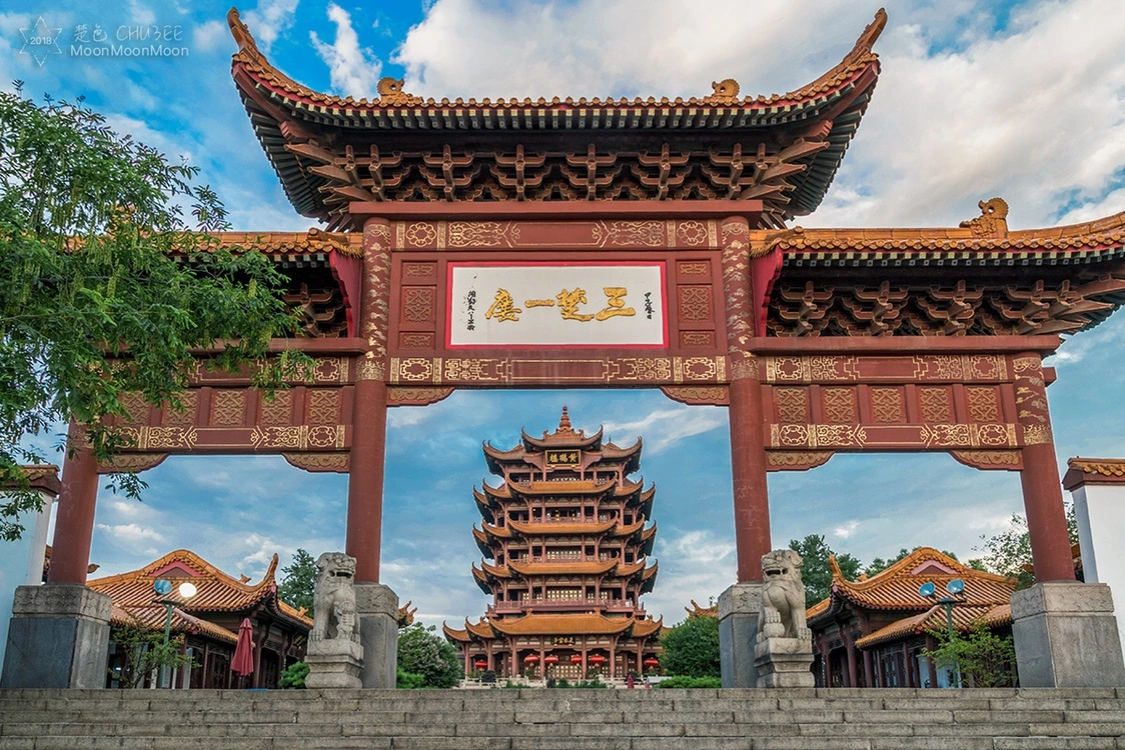
One of the three famous towers south of the Yangtze River, it was first built during the Three Kingdoms period and has been rebuilt through successive dynasties. From the tower, you can overlook the Yangtze River and the three towns of Wuhan, earning it the reputation of "the finest tower under heaven."
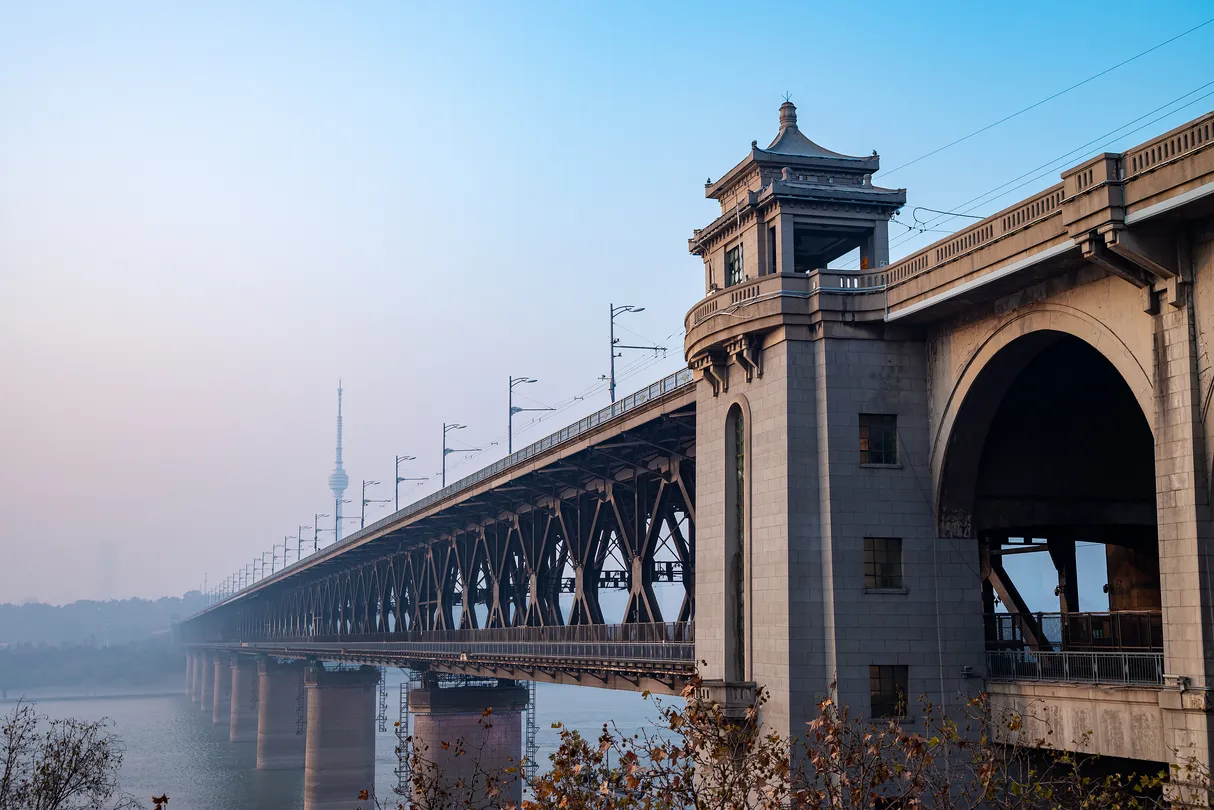
The first road-rail bridge built on the Yangtze River after the founding of New China, with a total length of 1,670 meters, is a landmark of Wuhan.
UNESCO World Heritage Sites
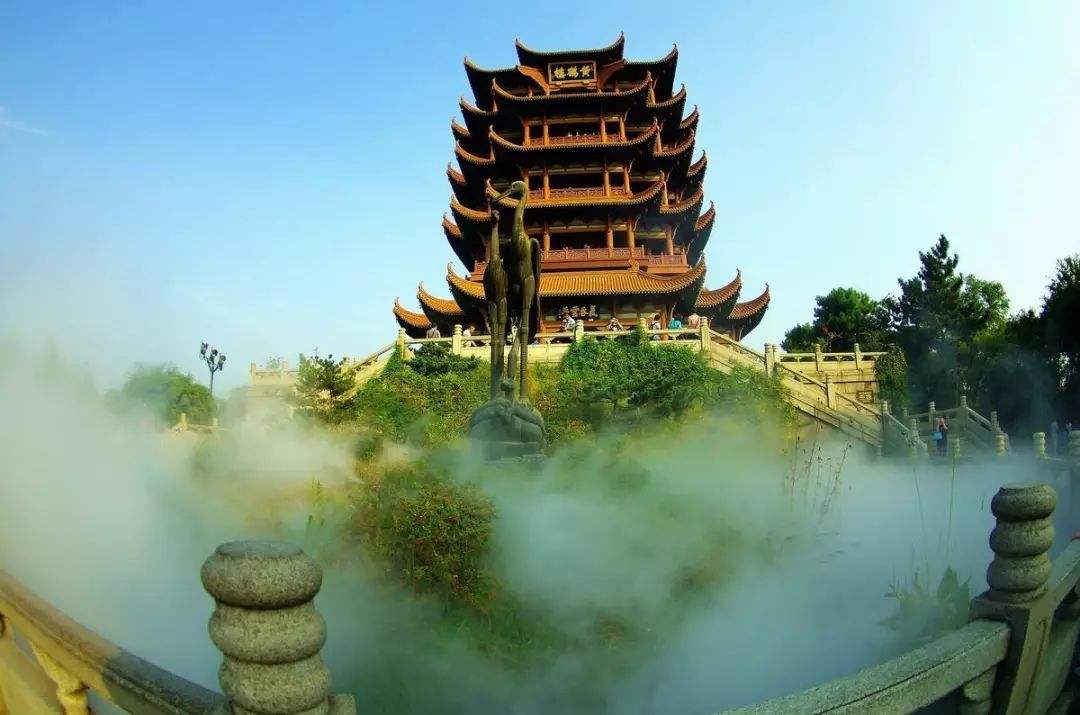
Although the existing building is a modern reconstruction, its cultural value has been inscribed on the UNESCO World Heritage Tentative List.
Explore rich intangible cultural heritage and traditional crafts
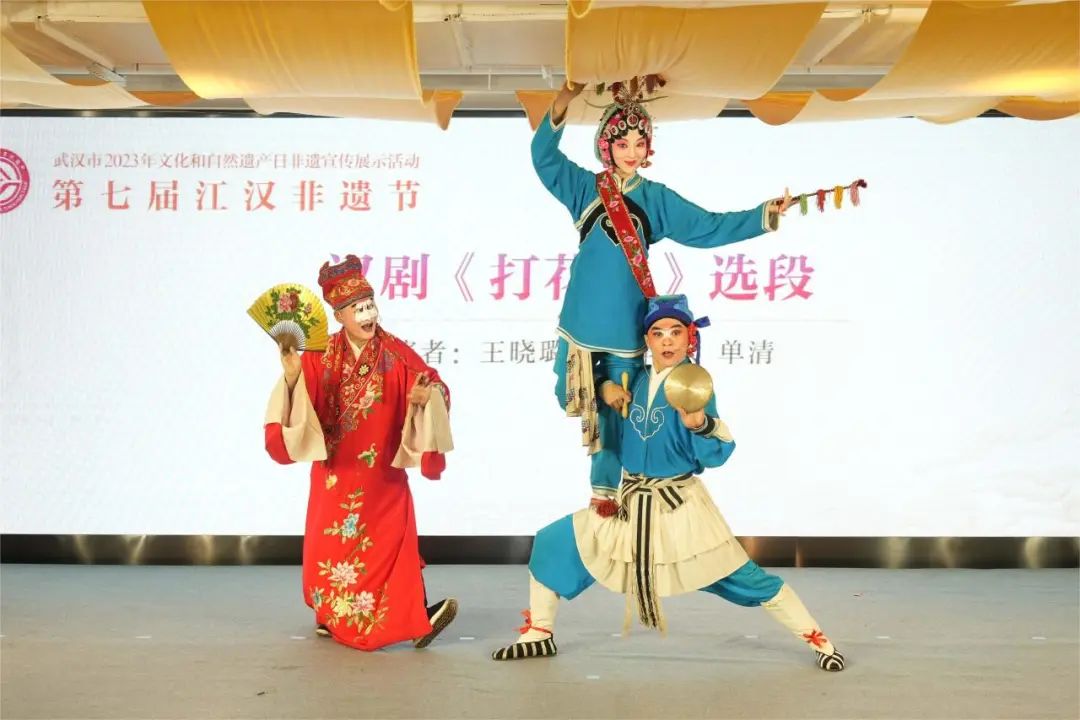
Hubei local opera, the birthplace of Erhuang tune, has had a significant influence on the formation of Peking opera and has been listed as a national intangible cultural heritage.

The oral art of telling long stories in the Wuhan dialect, humorous and witty, has been selected as a national intangible cultural heritage.
Must-know transportation for exploring the city
Located in Huangpi District, about 30 kilometers from the city center. It operates over 200 domestic and international routes, including direct flights to Tokyo, Seoul, Paris, and other international destinations. Metro Line 2 connects to the airport, and there are also airport buses and taxis available.
The airport bus costs about 30 yuan, and the subway fare is based on distance.
Wuhan has three major railway stations: Wuchang Station (conventional trains), Hankou Station (high-speed trains and bullet trains), and Wuhan Station (dedicated to the Beijing-Guangzhou high-speed railway). The travel time from Wuhan Station to Beijing is about 4 hours, and to Guangzhou about 3 hours. The metro connects all stations with frequent services.
The second-class seat on the high-speed train from Wuhan to Beijing costs about 520 yuan.
Taste the most authentic and popular local specialties
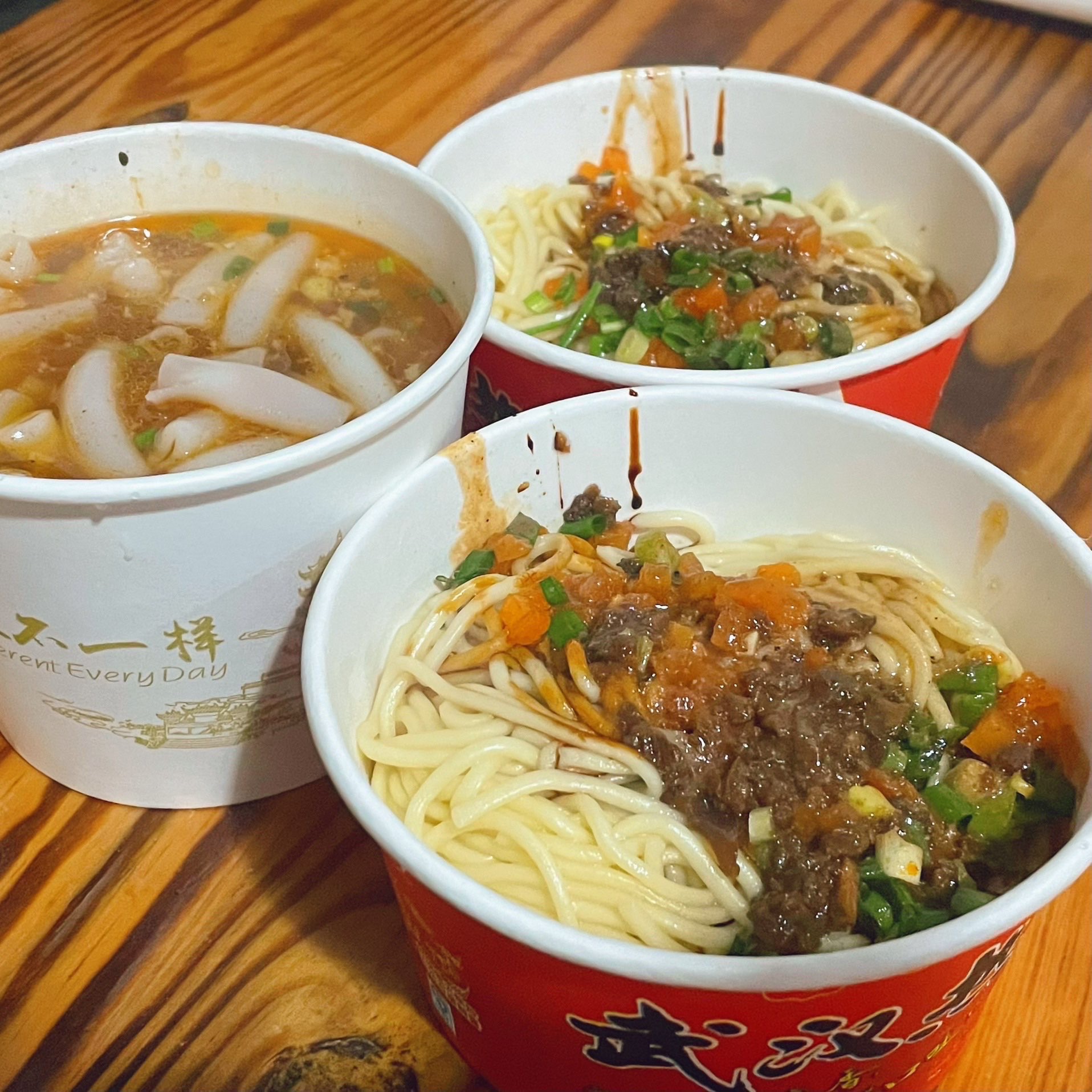
The most representative breakfast in Wuhan is noodles made from alkaline dough, boiled and then drizzled with sesame paste, sesame oil, and other seasonings. The texture is chewy and the aroma is irresistible.

Wuhan traditional snack: spread a thin pancake made of mung beans and rice batter, wrap it with glutinous rice, diced meat, mushrooms, etc., then pan-fry until golden and crispy.
Sun Quan built Xiakou City in Wuchang, and Liu Biao built Queyue City in Hanyang, laying the foundation for the layout of the three towns of Wuhan.
According to the Treaty of Tianjin, Hankou was forced to open as a treaty port for foreign powers, accelerating its modernization process.
The first shot of the Xinhai Revolution was fired in Wuchang, overthrowing the rule of the Qing Dynasty and ushering in a new era of democracy and republicanism in China.
Wuhan was the first city in the world to report COVID-19 cases and endured a 76-day lockdown, becoming a global symbol of pandemic response.
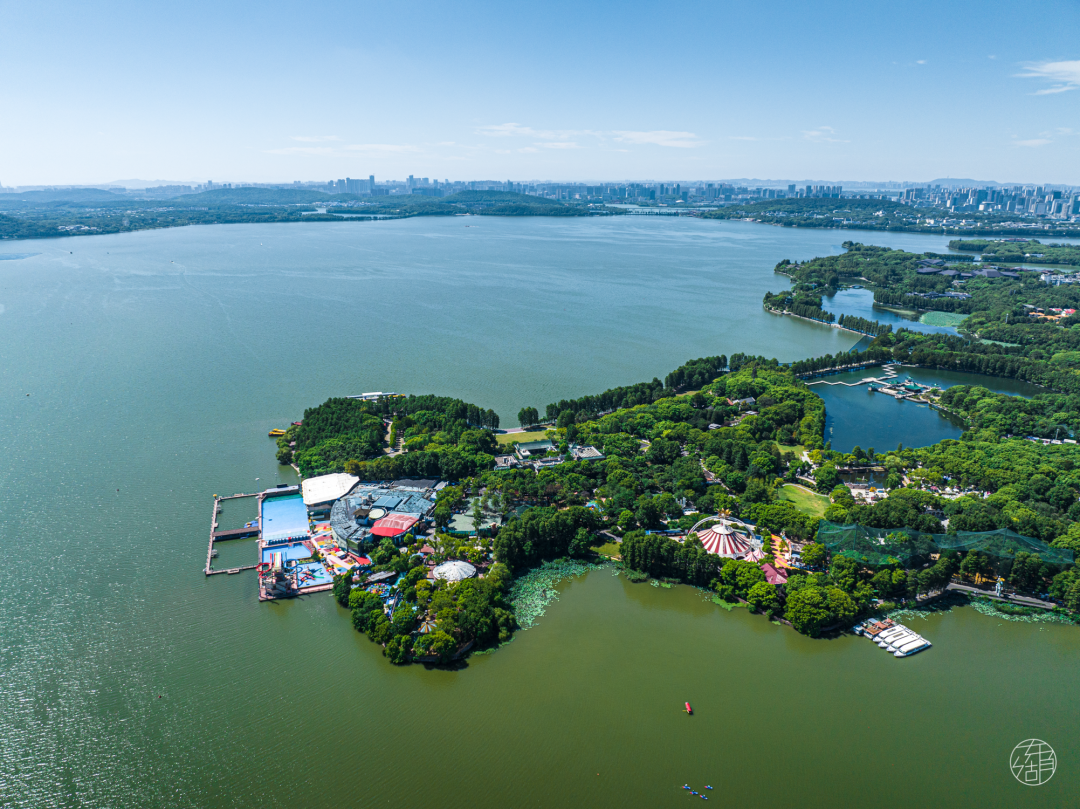
China's largest urban lake, with a water area of 33 square kilometers. It features scenic spots such as Tingtao, Moshan, and Luoyan, where visitors can cycle, enjoy flowers, and go boating.
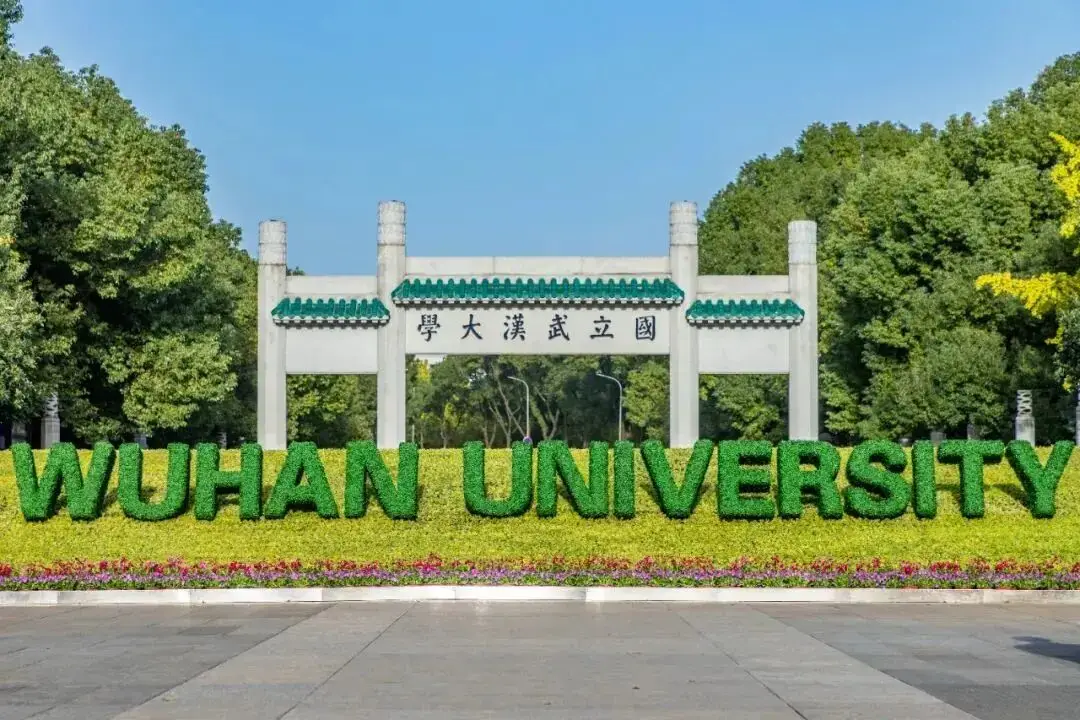
A century-old prestigious school with a blend of Chinese and Western architectural complexes on campus, and its Cherry Blossom Avenue is renowned far and wide. Every cherry blossom season, it attracts a large number of tourists.
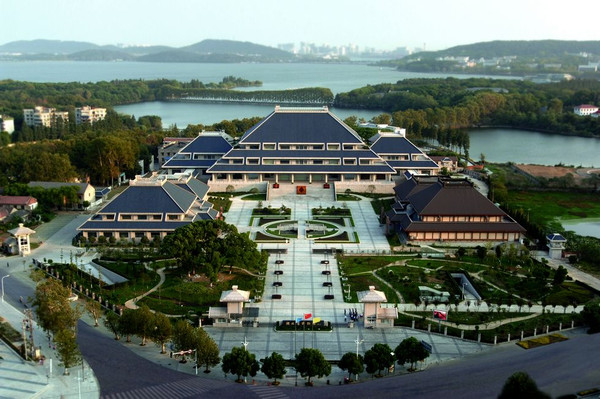
It houses precious cultural relics such as the Zenghouyi Chime Bells and the Sword of Goujian, King of Yue, showcasing the essence of Chu culture, and is a national first-class museum.
Wuhan Metro has opened 12 lines, covering major urban areas and tourist attractions. There are over 500 bus routes, with a fare of 2 yuan, and 2 yuan for air-conditioned buses. Alipay or Wuhan Tong can be used for payment. Ferry is a characteristic mode of transport, connecting Wuchang and Hankou, with a fare of 1.5 yuan.
Subway 2-9 yuan, bus 2 yuan, ferry 1.5 yuan.
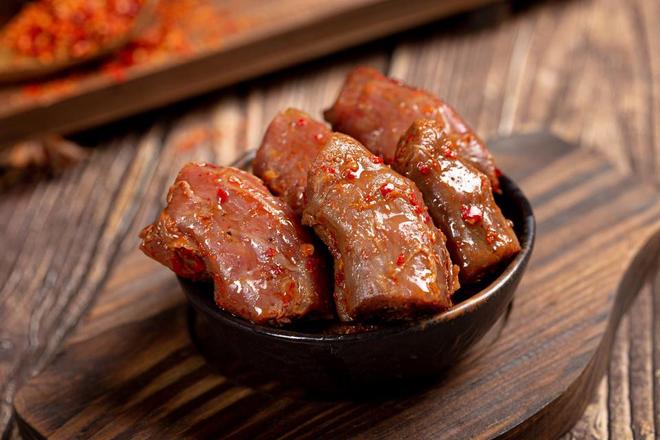
Wuhan's braised duck necks are spicy, savory, and aromatic, with firm and chewy meat, making them the top choice for casual snacking and late-night bites. Representative brands include Zhou Hei Ya and Jingwu Duck Neck.
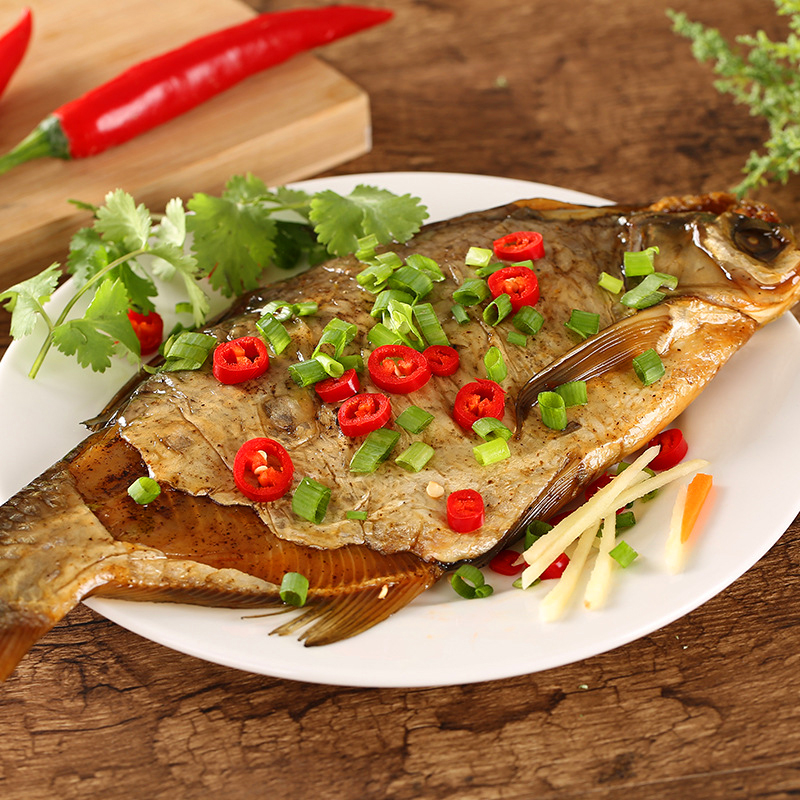
Bream from Liangzi Lake became famous through Mao Zedong's poem: "Just drank water from Changsha, now tasting Wuchang fish." It is most delicious when steamed.
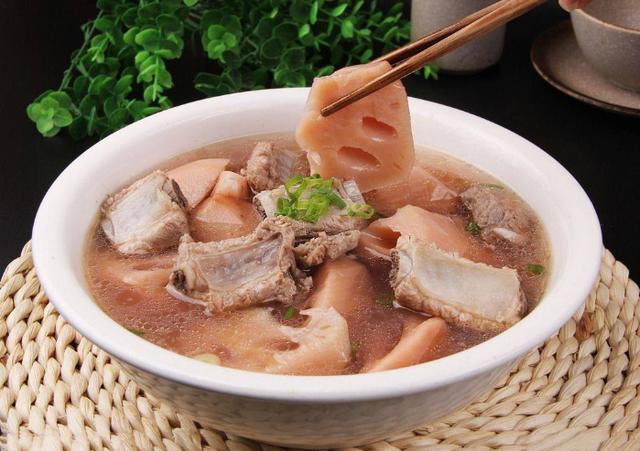
The most beloved soup in Wuhan, made by slow-cooking pink lotus root and pork ribs. The lotus root is soft and sticky, the soup is milky white, delicious and nourishing.