
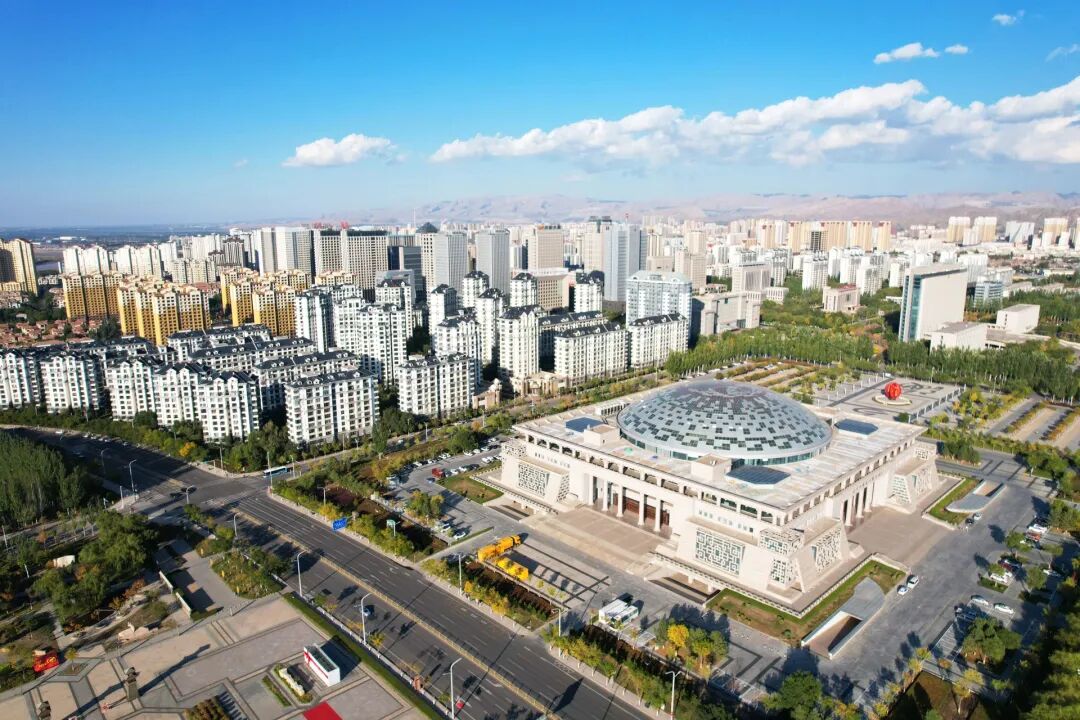
Located in the western part of Inner Mongolia Autonomous Region, Wuhai lies in the upper reaches of the Yellow River. It borders Ordos to the east, Alxa League to the west, and Ningxia Hui Autonomous Region to the south. The city has a temperate continental climate with four distinct seasons, abundant sunshine, little rainfall, and large temperature differences between day and night.
Wuhai was built and prospered because of coal. It was established in 1976 by merging the former cities of Wuda and Haibowan. With the development of coal resources, Wuhai gradually grew into a new industrial city. In recent years, it has actively transformed itself into an eco-friendly and livable city.
Wuhai's culture blends the characteristics of multiple ethnic groups, including Mongolian, Han, and Hui. The city has a strong calligraphy culture and is known as the 'City of Calligraphy in China.' The local cuisine features Mongolian and northwestern flavors, with specialties like roast whole lamb, hand-grabbed meat, and yogurt. Wuhai grapes and wines are renowned nationwide.
Modern Wuhai is committed to green development, promoting the brand of 'Pearl of the Yellow River, Desert City.' It has built the Wuhai Lake Eco-tourism Area, developed photovoltaic industry and green agriculture, and the city's appearance is changing rapidly.
The best time to visit 乌海 is May to October.
May to June: Spring has pleasant temperatures, desert plants bloom, offering unique scenery.
July to August: Summer is hot but you can enjoy water activities, with Wuhai Lake rippling blue waves.
September to October: Autumn is cool, grapes are ripe, and you can participate in the Wine Festival.
Wuhai City was formed by merging the former Wuda and Haibowan cities, becoming a municipality directly under the Inner Mongolia Autonomous Region.
Wuhai's coal industry reached its peak, becoming an important national coal base.
The Yellow River Haibowan Water Control Project was completed, forming Wuhai Lake and improving the ecological environment.
Recommended places to visit
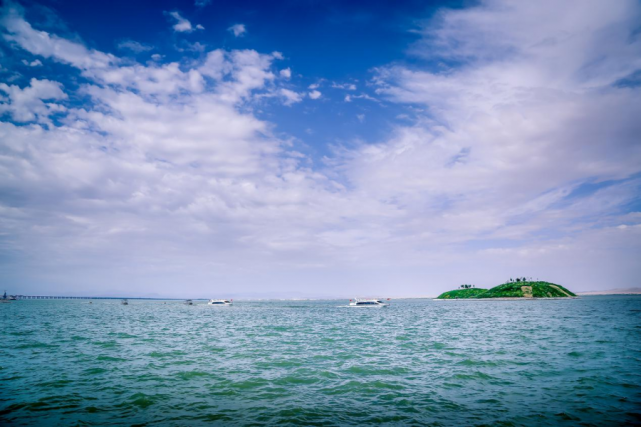
An artificial lake formed by the Yellow River Haibowan Water Control Project, 18 times the size of West Lake in Hangzhou. You can take a boat tour and enjoy the wonder of desert and lake blending.
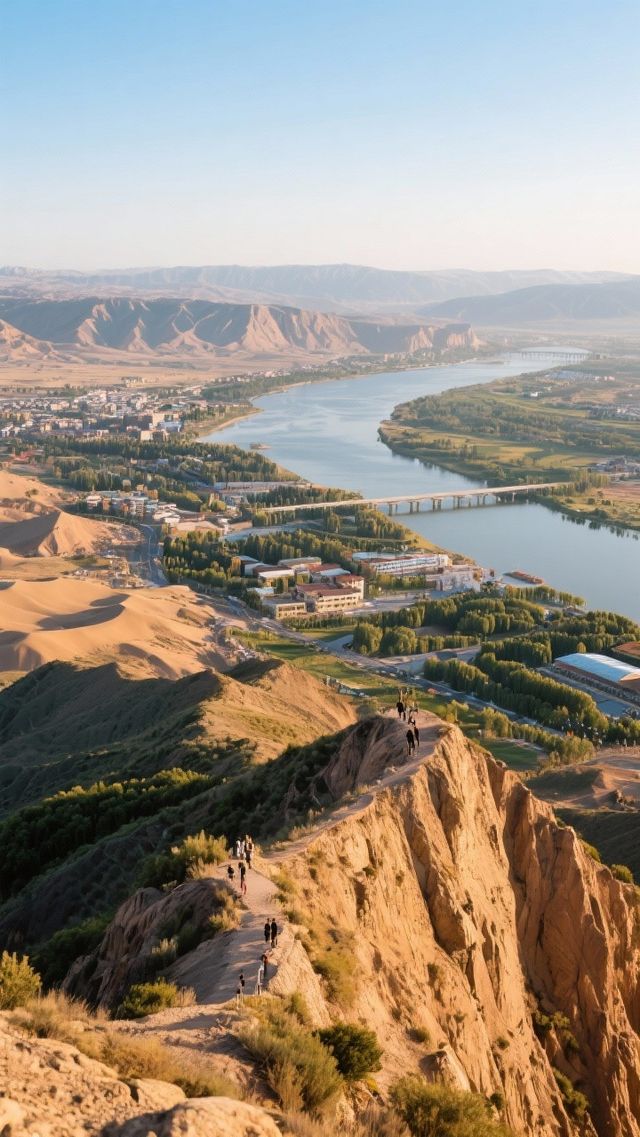
A comprehensive scenic area integrating desert, lake and grassland, offering sand sliding, camel riding, desert off-roading and other activities.
Explore rich intangible cultural heritage and traditional crafts
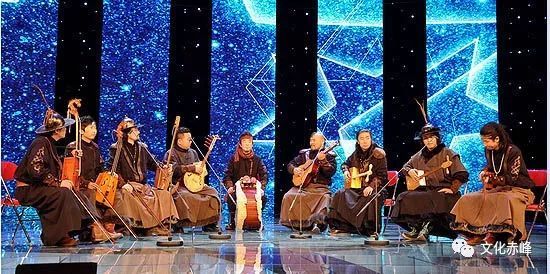
A unique multi-part singing art of the Mongolian people, where one person produces multiple parts simultaneously. It is inherited in the Wuhai area.

A traditional Mongolian bowed string instrument with a horse head carved on the neck, melodious sound. Common performances in Wuhai.
Must-know transportation for exploring the city
Located in Haibowan District, with flights to Beijing, Shanghai, Xi'an, Hohhot and other cities.
Varies by distance
Wuhai Station is a regular train station. Wuhai High-Speed Rail Station is connected to the Baotou-Yinchuan high-speed railway, providing fast access to Hohhot, Yinchuan, etc.
High-speed rail second class about 100-200 yuan to Hohhot
City bus routes cover main urban areas and scenic spots. Fare 1-2 yuan. Some routes go to Wuhai Lake and Jinshawan.
1-2 yuan
Taste the most authentic and popular local specialties
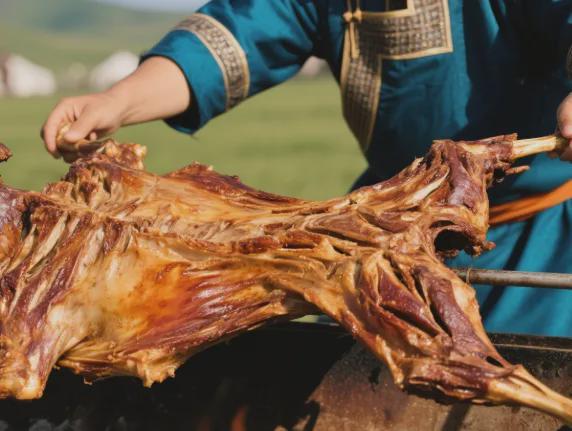
A traditional Mongolian dish, crispy on the outside and tender inside, a must-have at Wuhai banquets.
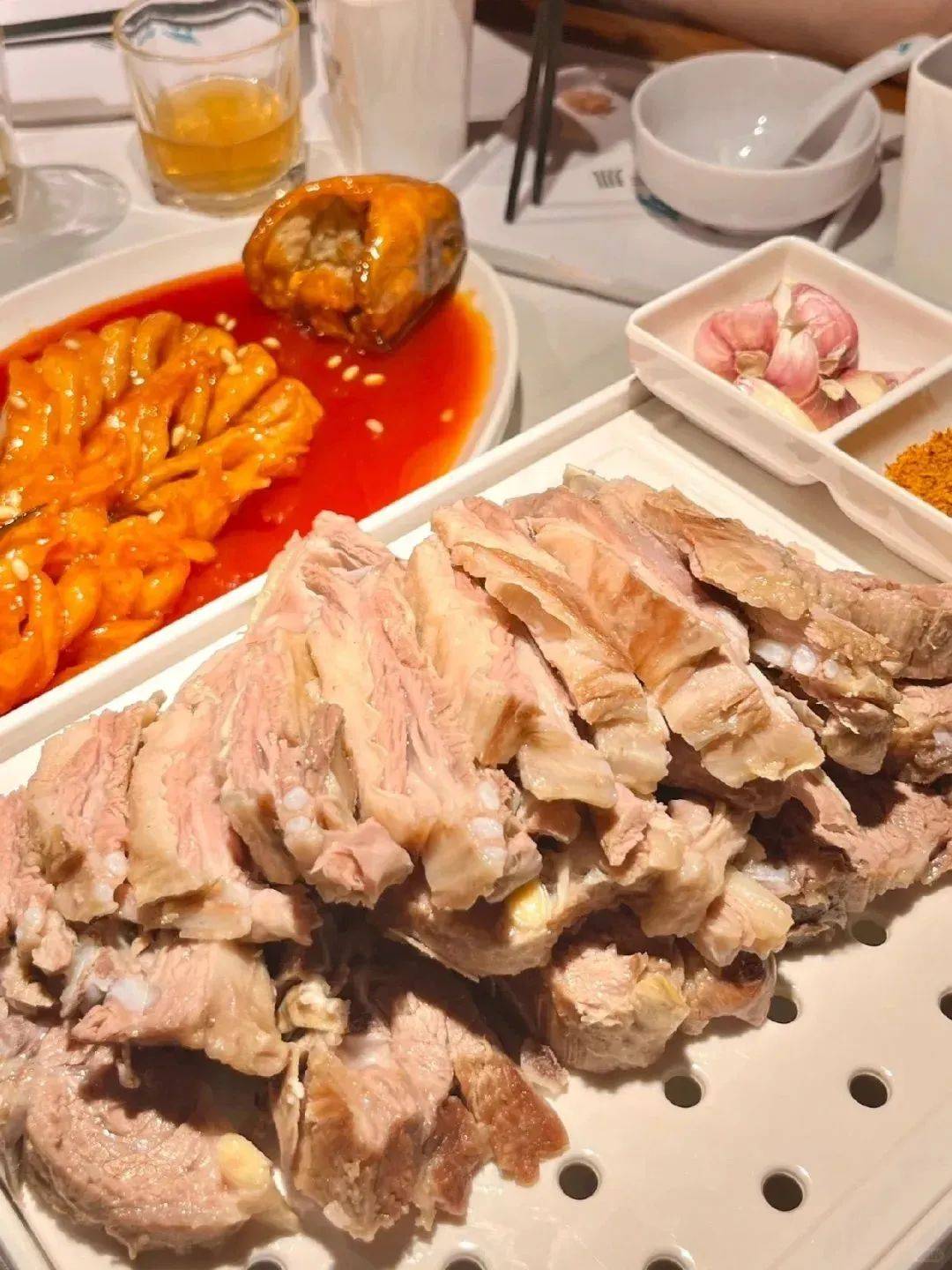
Lamb boiled in plain water, eaten by hand with dipping sauce, retaining the original flavor and reflecting the bold Mongolian style.
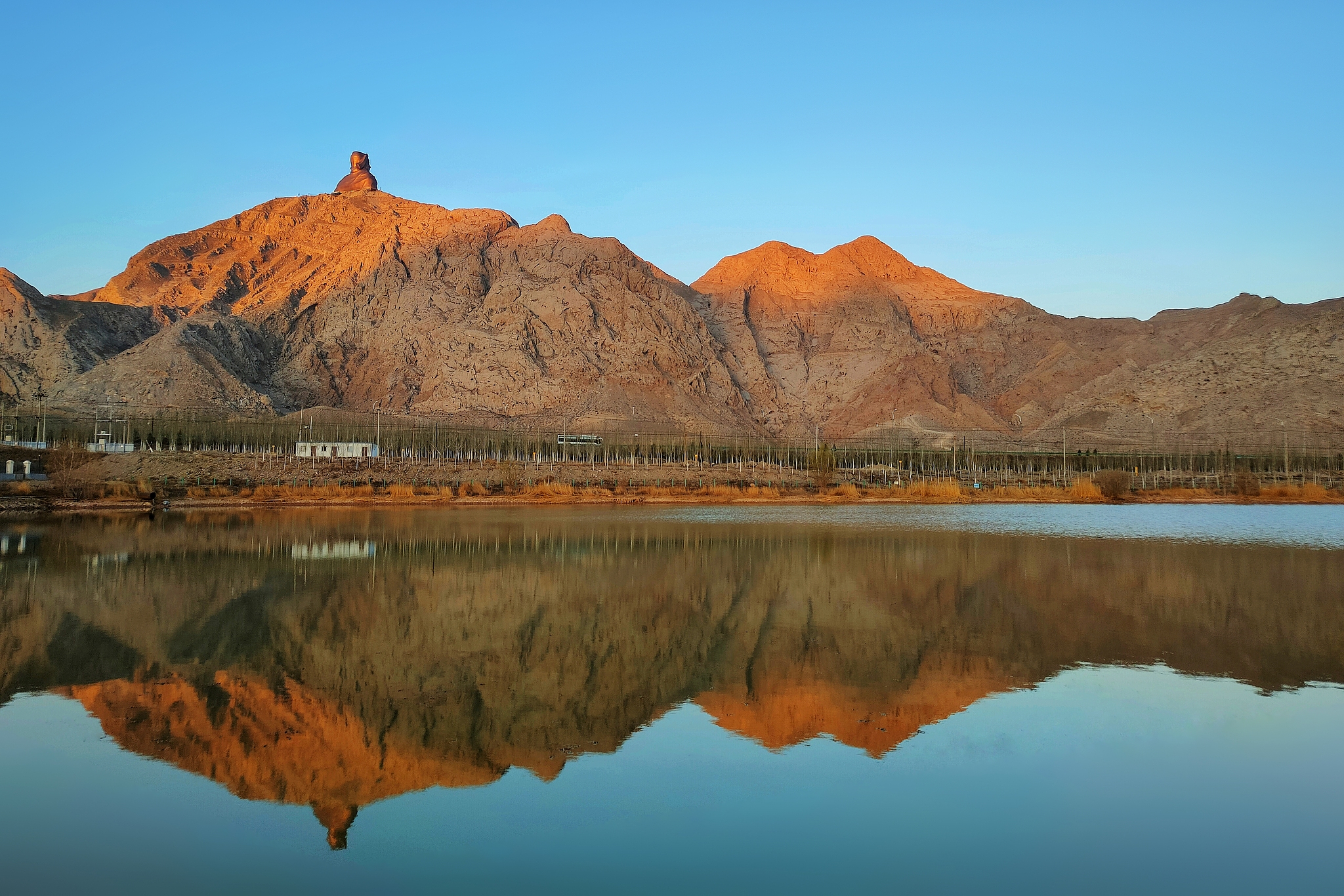
Centered on the statue of Genghis Khan, integrating ecological restoration, cultural display, and leisure entertainment. The top offers a panoramic view of Wuhai.
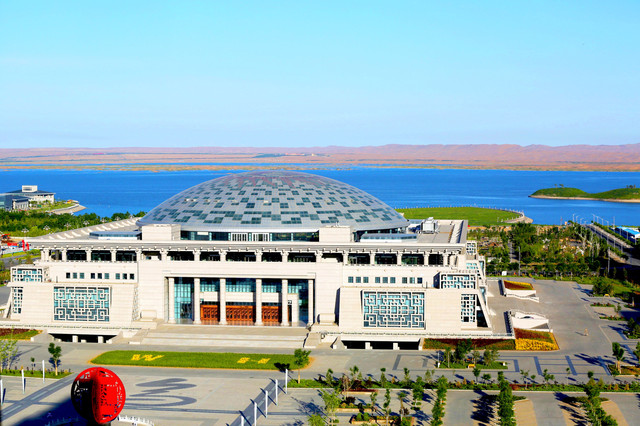
A museum dedicated to Chinese calligraphy art, housing a large collection of masterpieces. It is a holy place for calligraphy enthusiasts.
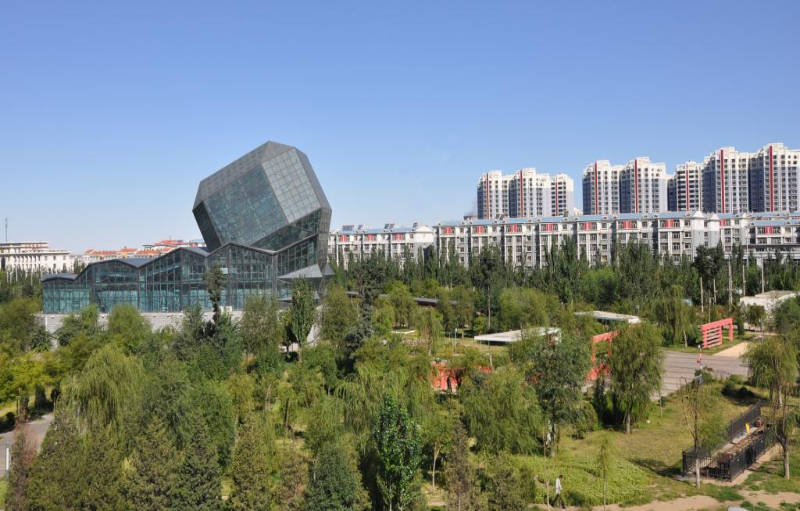
A museum showcasing the development history of Wuhai's coal industry, helping to understand the history of Wuhai's rise due to coal.
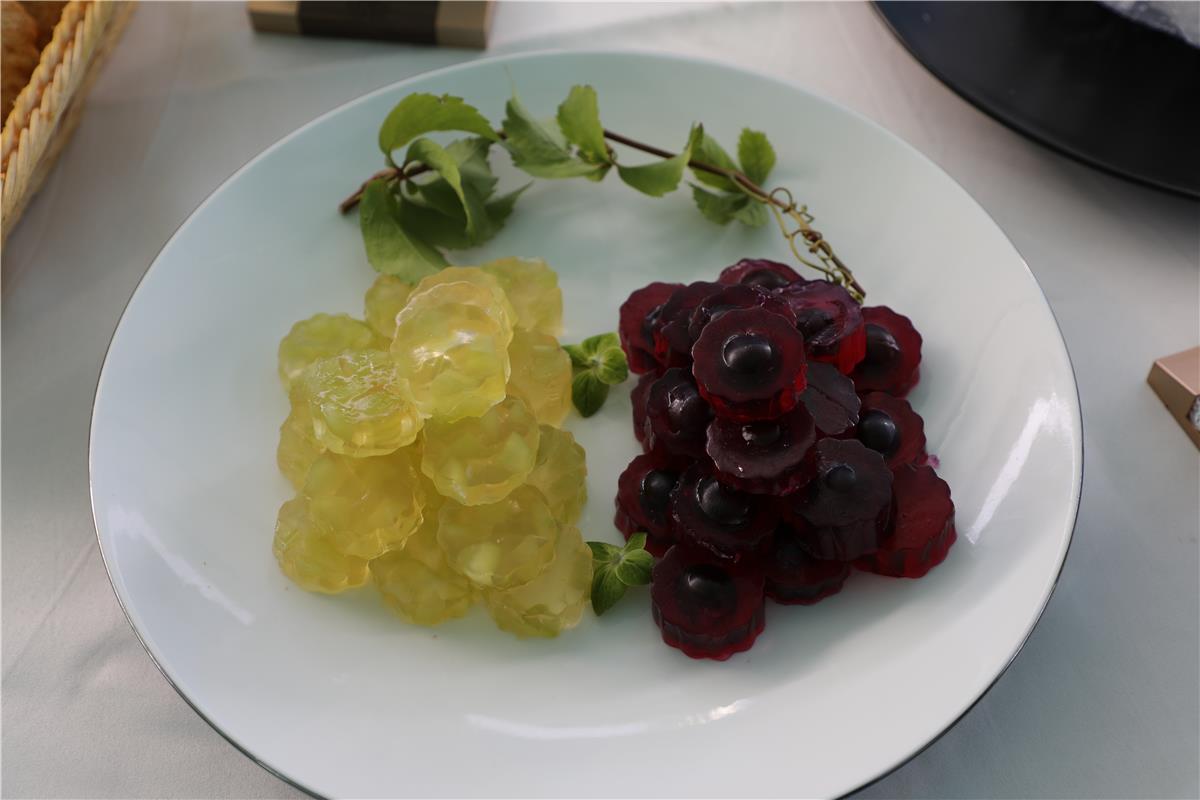
A specialty of Wuhai, with high sugar content and excellent taste due to abundant sunshine and large temperature difference. Wuhai is known as the 'Hometown of Grapes'.
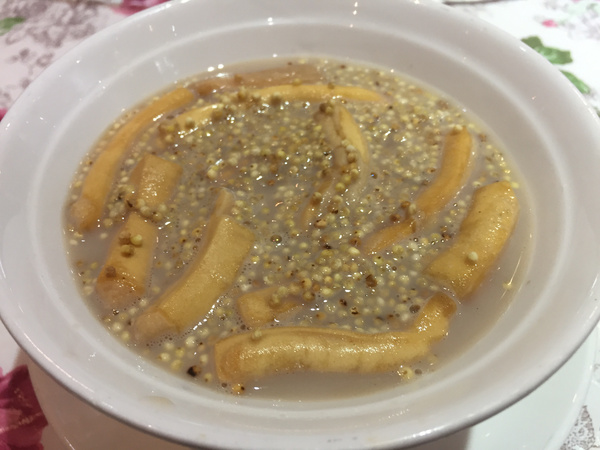
Made by boiling brick tea and fresh milk, adding fried rice, milk skin, etc., salty and rich, a daily drink for Mongolians.
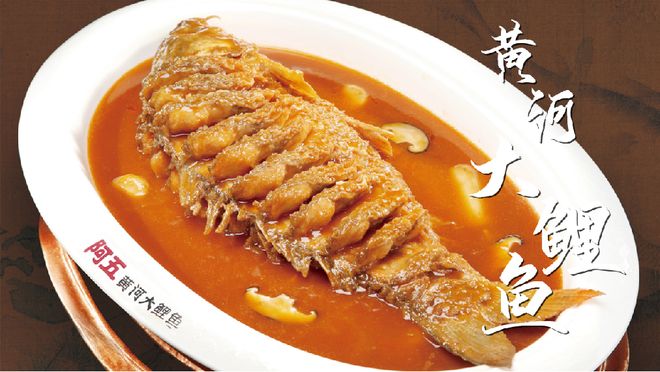
A specialty from the Yellow River section in Wuhai, with delicious meat, suitable for braising or steaming. It represents local aquatic products.