
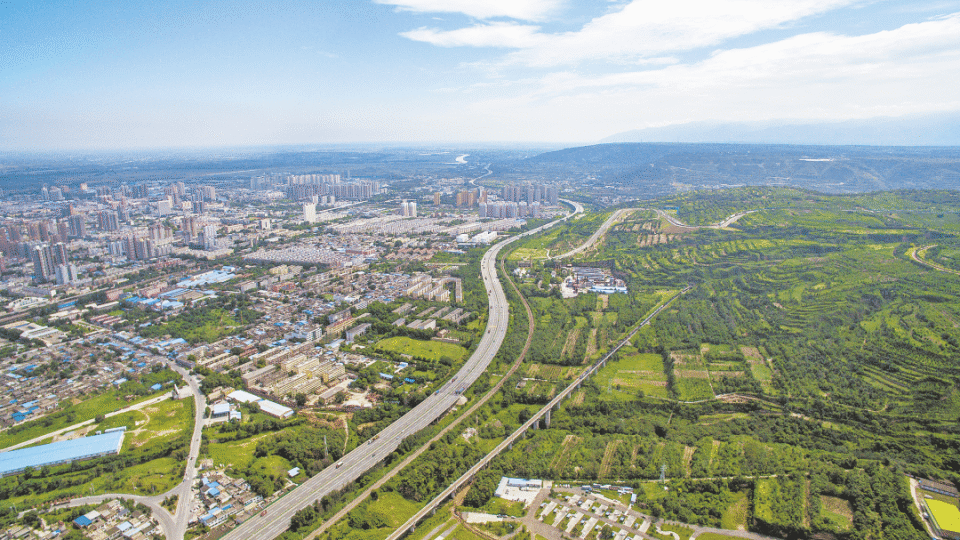
Weinan is located in eastern Shaanxi Province, bordering the Yellow River to the east, adjacent to Shanxi and Henan, with Xi'an to the west, the Qinling Mountains to the south, and the Huanglong Mountains to the north. It has a warm temperate semi-humid monsoon climate with four distinct seasons, an average annual temperature of 13.5°C, and moderate rainfall.
Weinan has a long history and is one of the important birthplaces of the Chinese nation. Since the Western Zhou Dynasty, it has been a key area of the capital region. In the Qin Dynasty, Zheng County was established here, and it has been the political and economic center of eastern Guanzhong in successive dynasties. There are numerous Yangshao Culture and Longshan Culture sites in the area.
Weinan has a diverse culture and is the birthplace of folk arts such as shadow puppetry and Laochiang (a type of opera). Its cuisine is represented by Weinan Shichen Baozi (steamed buns), Shuipen Yangrou (lamb soup), and Tongguan Roujiamo (Chinese hamburger), with rich flavors and a focus on noodles.
Modern Weinan is an important part of the Guanzhong Plain urban agglomeration, with industries such as equipment manufacturing, new energy, and modern agriculture. It has convenient transportation, with high-speed rail connections, and is being built as a central city in the Golden Triangle of the Yellow River.
The best time to visit 渭南 is Spring and Autumn (March-May, September-November).
Spring (March-May): Temperatures rise, Huashan Mountain is covered with blooming flowers, ideal for hiking and outings.
Autumn (September-November): Clear and crisp weather, Huashan's red leaves create a stunning landscape.
Summer is hot and winter cold, but winter offers Huashan snow scenery with a unique charm.
Prehistoric cultural sites in Weinan, such as Yuanjun Temple site, showcase Neolithic human life.
After Qin Shi Huang unified China, the Weinan area was established as Zheng County under the jurisdiction of the Neishi.
Weinan Prefecture was abolished and Weinan prefecture-level city was established, governing Linwei District and others.
Recommended places to visit
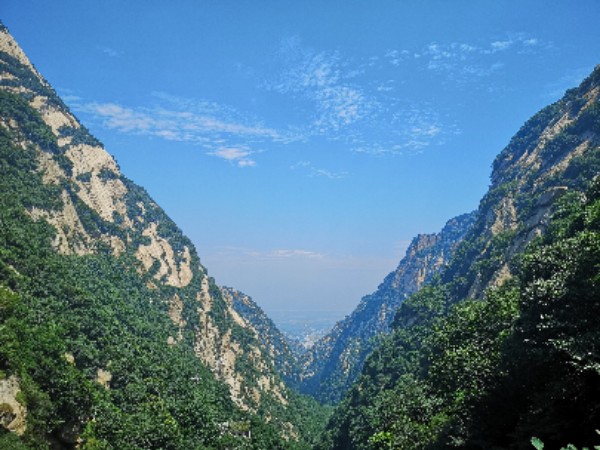
Huashan is one of the Five Great Mountains of China, renowned for its steepness, with thrilling spots like the Plank Walk in the Sky and the Hawk's Turn. At 2154.9 meters, it is a Taoist sacred site.
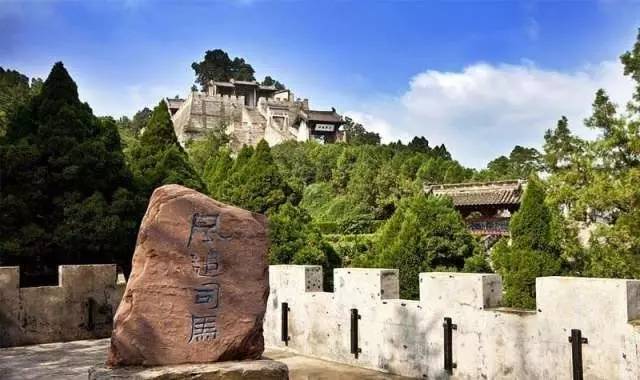
Located in Hancheng City, commemorating the Western Han historian Sima Qian. The temple and tomb are combined, with simple ancient architecture built on a hillside overlooking the Yellow River.
UNESCO World Heritage Sites

The Wei Great Wall ruins in Weinan are part of the World Heritage Site of the Great Wall of China.
Explore rich intangible cultural heritage and traditional crafts
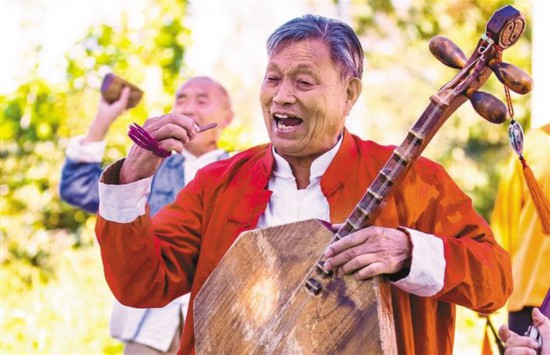
A traditional opera from Huayin City, based on shadow puppetry, with high-pitched and passionate singing, known as a 'living fossil of Chinese opera'.
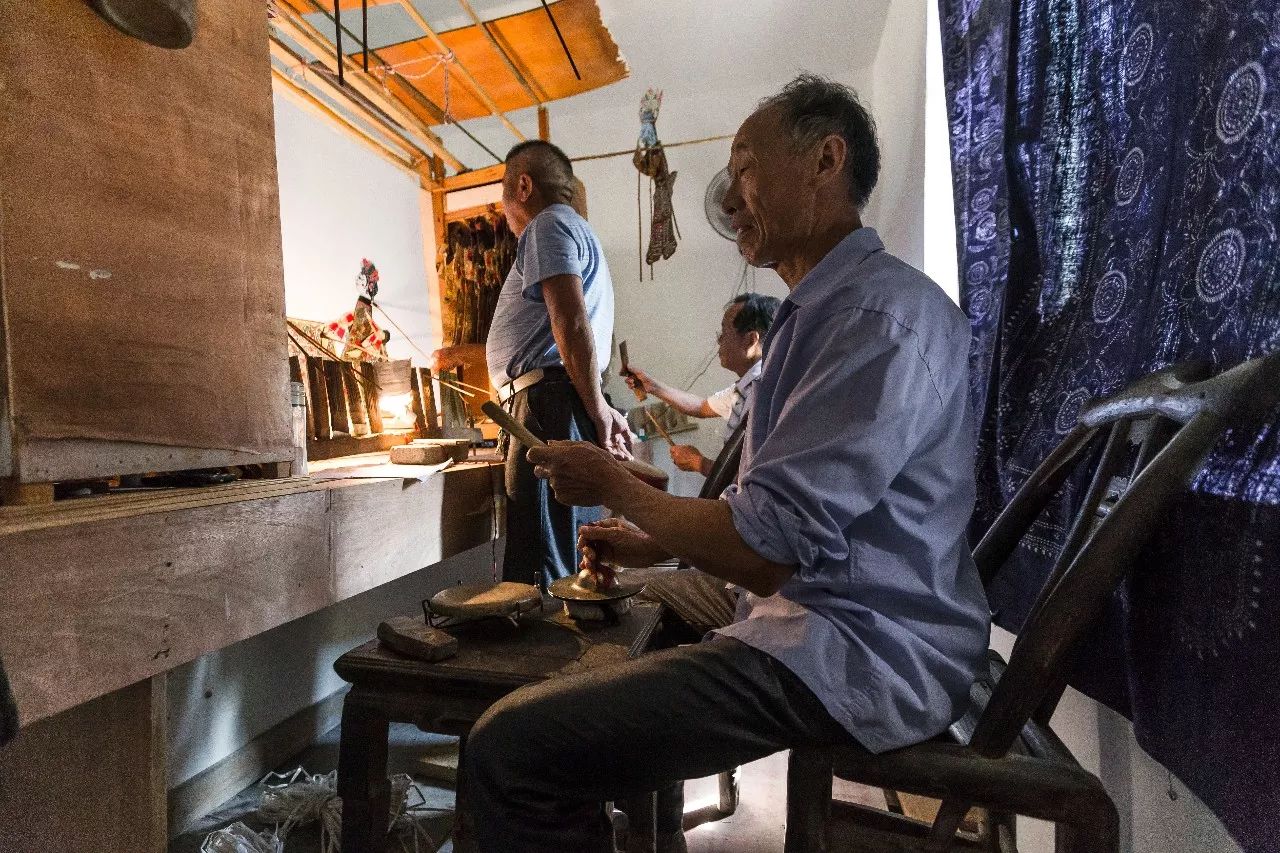
A traditional folk art of Weinan area, with exquisite shadow puppet carving and vivid performances, a national intangible cultural heritage.
Must-know transportation for exploring the city
Weinan North Station is a hub for the Xuzhou-Lanzhou and Xi'an-Yan'an high-speed railways, about 20 minutes from Xi'an North Station.
Xi'an-Weinan second class about ¥30
Weinan city buses cover major attractions and urban areas, fare ¥1-2, some routes go directly to Huashan and other scenic spots.
¥1-2
Weinan has no civil airport. Fly to Xi'an Xianyang International Airport, then transfer by high-speed rail or bus to Weinan (about 1 hour drive).
Bus from Xi'an Xianyang Airport to Weinan about ¥40
Taste the most authentic and popular local specialties
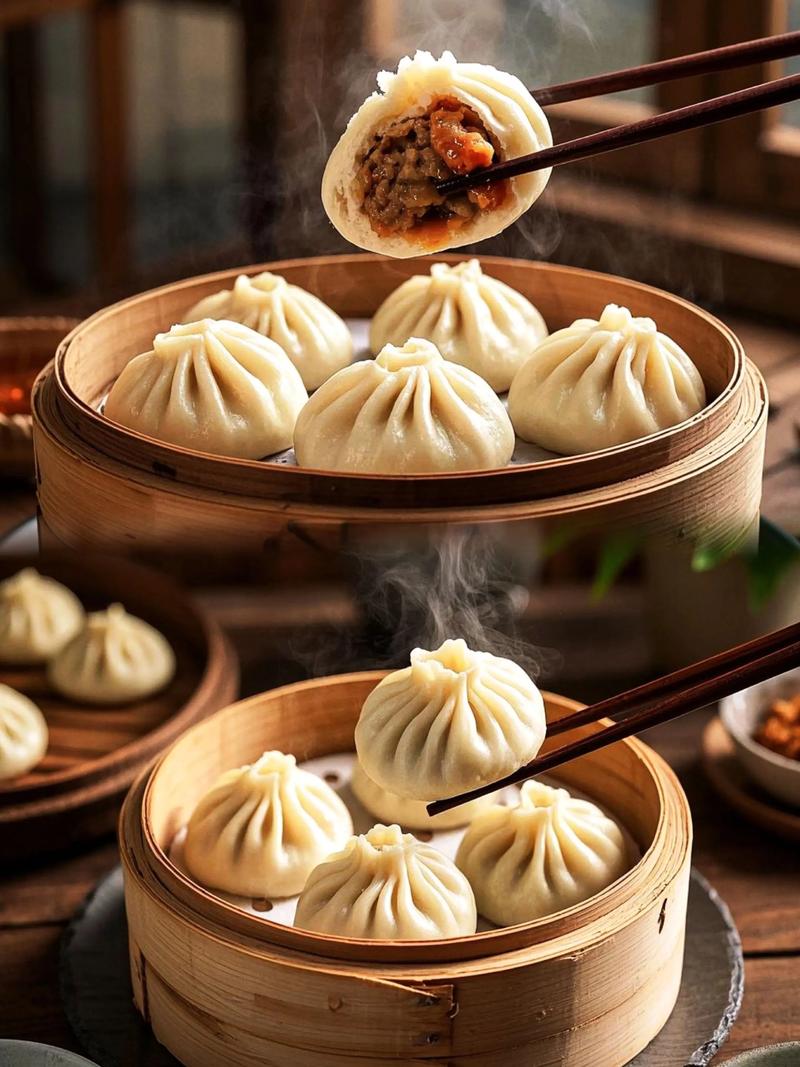
A famous Weinan snack stuffed with tofu, vermicelli, and pork, with thin skin and generous filling, savory and delicious.
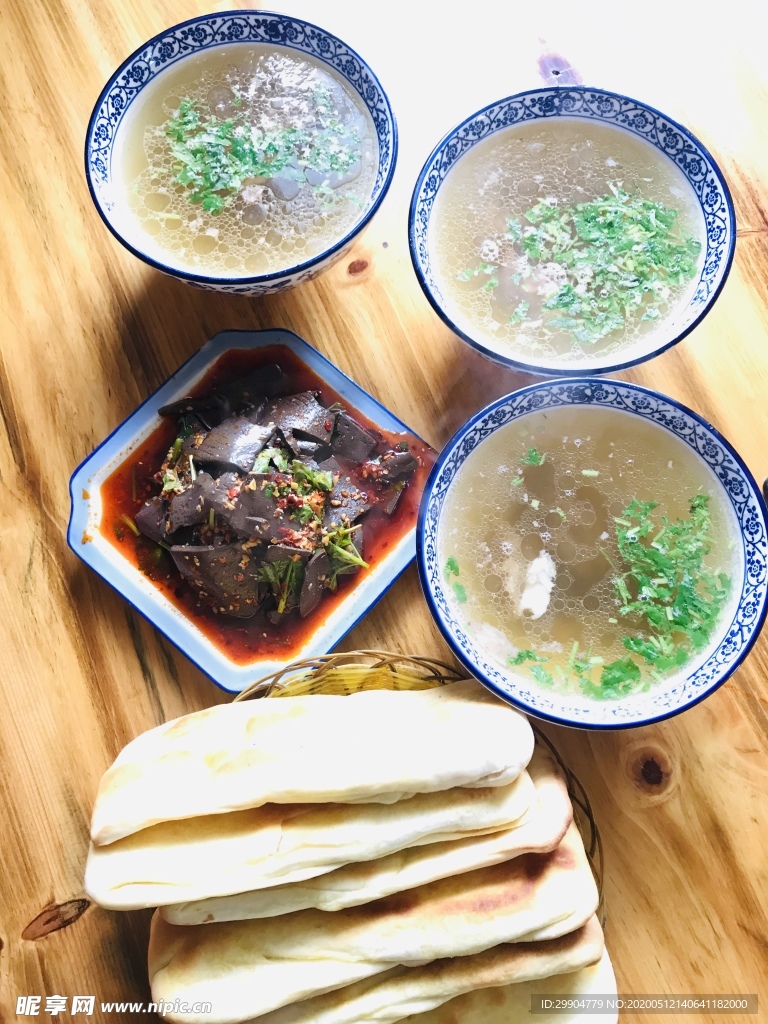
A Weinan specialty soup dish made with quality lamb stewed with various spices, clear broth and tender meat, served with bread.
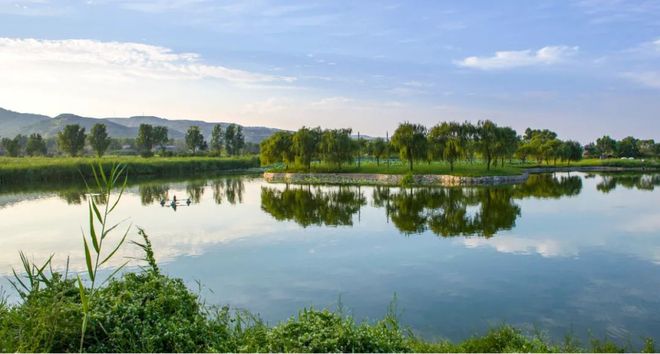
Located in Heyang County, it is the largest hot spring lake-type wetland in the Yellow River basin, with vast reed marshes and Fenquan springs. Boat tours available.
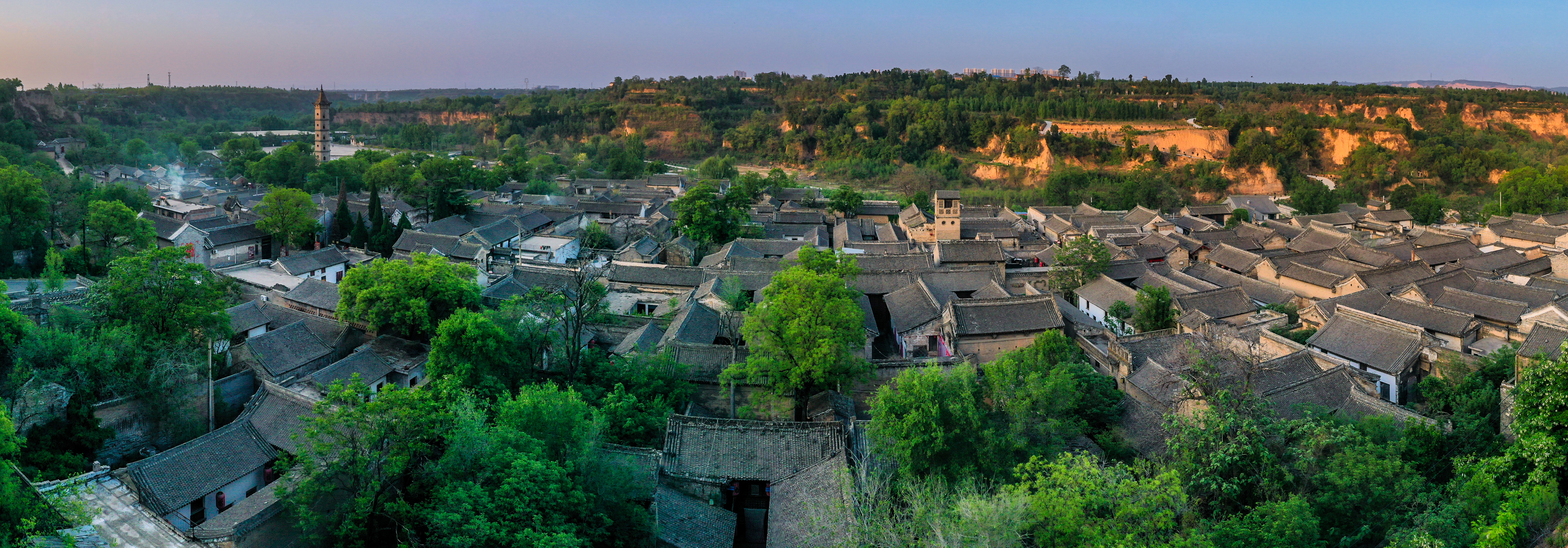
Located in Hancheng, it is a Ming and Qing dynasty ancient village with well-preserved courtyard houses and ancient buildings, known as a 'living fossil of ancient traditional human settlement'.

Located in Huazhou District, it is known together with Huashan as the 'Two Huas'. It boasts beautiful natural scenery and features a glass walkway.
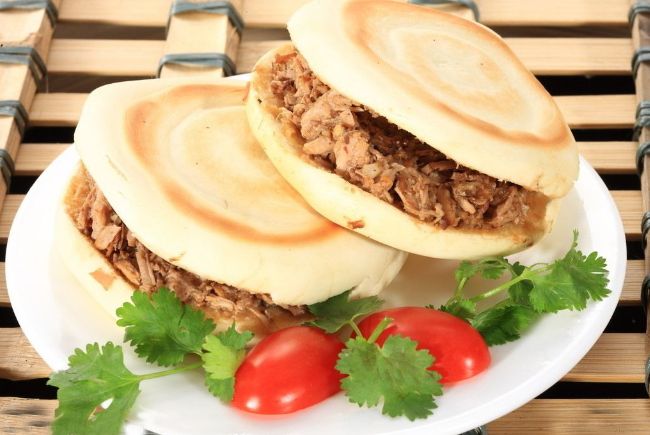
A Tongguan specialty with crispy bread filled with braised pork, rich but not greasy, unique texture.
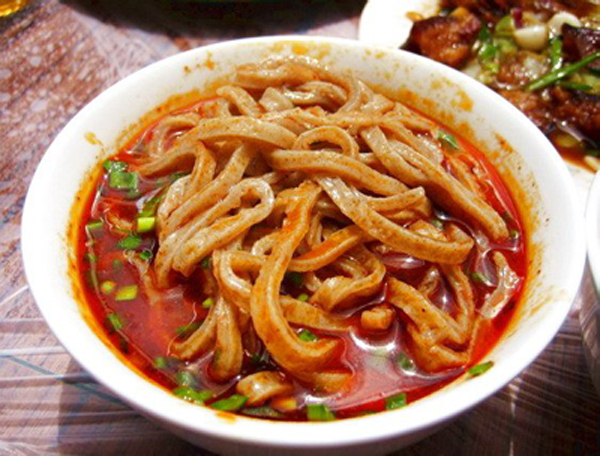
A traditional noodle dish from Heyang County, with chewy noodles topped with special sauce and chili, rich flavor.

A Hancheng specialty snack with small wontons in minced meat soup, sour and spicy.