
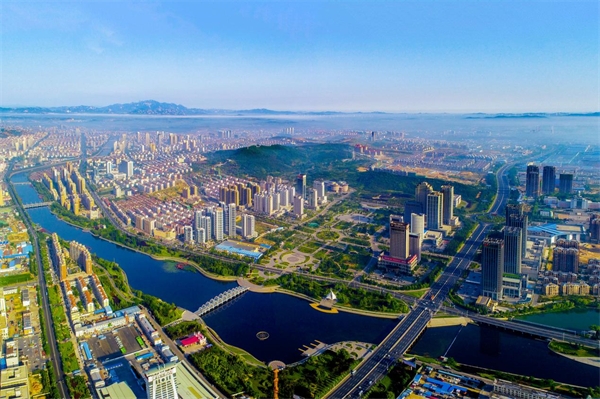
Weihai is located at the eastern tip of the Shandong Peninsula, bordered by the Yellow Sea on the north, east, and south. It has a temperate monsoon climate with distinct seasons, mild winters and cool summers, and an average annual temperature of around 12°C.
Weihai has a long history, formerly known as Weihaiwei. During the Ming Dynasty, a garrison was established here to defend against Japanese pirates. It served as the base of the Beiyang Fleet during the First Sino-Japanese War, and Liugong Island witnessed the rise and fall of modern China's navy.
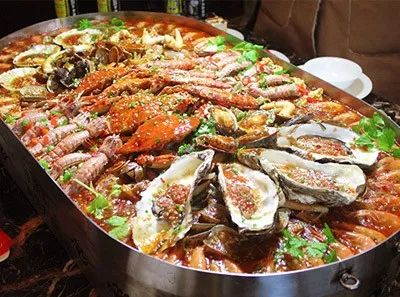
Weihai's culture blends maritime culture with Qilu culture. Its cuisine features seafood, such as mackerel dumplings, seafood platters, and Weihai sea cucumbers, known for their fresh and delicious taste.
Modern Weihai is an important port city and tourist destination, with a national-level economic and technological development zone. It is ecologically livable and is known as the 'Oriental Hawaii'.
The best time to visit 威海 is Summer (June-August) and autumn (September-October) are the best travel times..
Summer in Weihai is cool with suitable sea water temperature, making it the golden season for beach vacations and swimming, though typhoons may occur.
Autumn has clear skies and plentiful seafood, perfect for food tasting and outdoor activities like mountain climbing with sea views.
Winter is cold but offers the chance to see swans at Swan Lake, while spring is ideal for flower viewing and outings.
In 1398, to defend against Japanese pirates, the Ming Dynasty established Weihaiwei, from which the name Weihai originates.
During the First Sino-Japanese War, Japanese forces attacked Weihaiwei, resulting in the total destruction of the Beiyang Fleet at Liugong Island, and Weihaiwei was occupied by Japan.
Weihai was upgraded from a county-level city to a prefecture-level city and became the first National Sanitary City in China.
Recommended places to visit
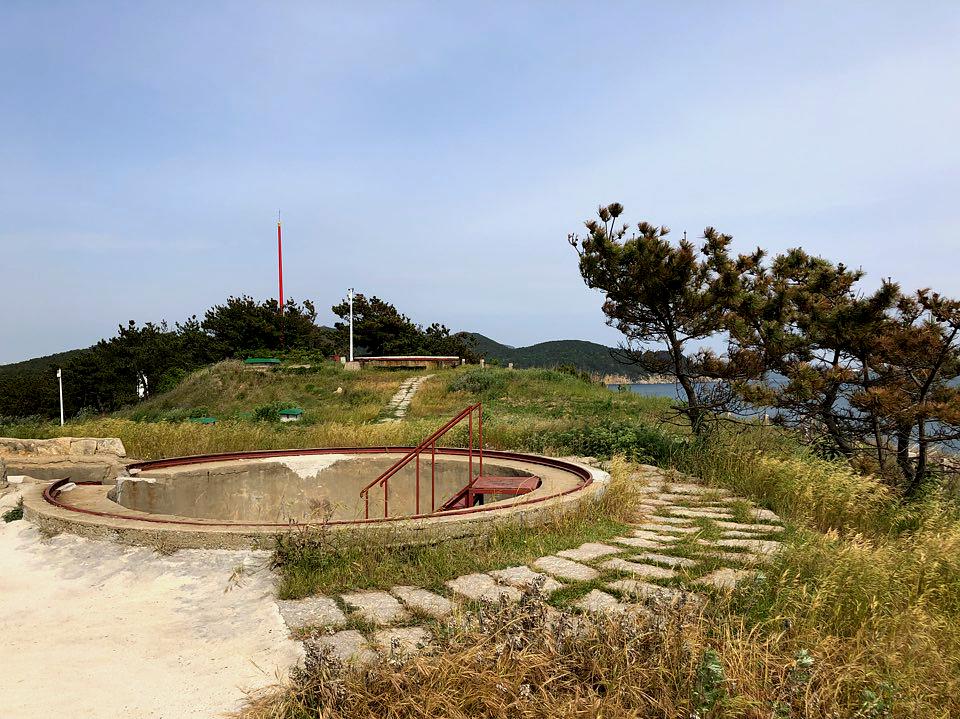
Located at the mouth of Weihai Bay, it is a memorial site of the First Sino-Japanese War, featuring the Beiyang Fleet Admiral's Office and the Sino-Japanese War Museum. It is a 5A-level scenic spot.
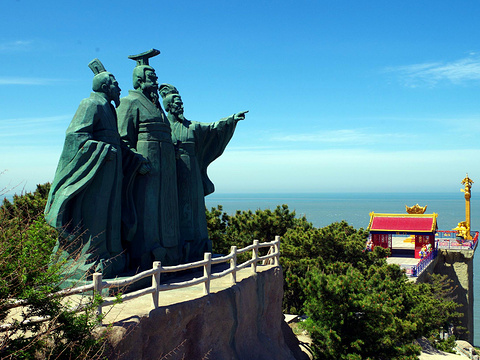
The easternmost point of China's coastline, known as 'the End of the Sky', with relics of Emperor Qin Shi Huang's eastern tours. It is a 4A-level scenic spot.
Explore rich intangible cultural heritage and traditional crafts
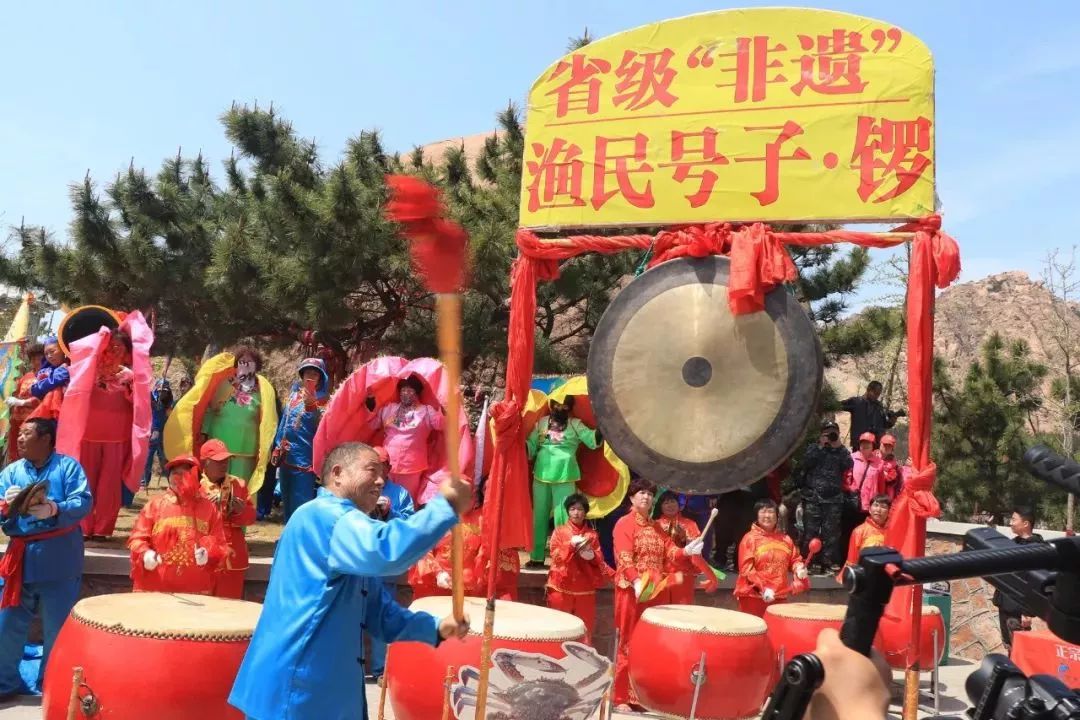
Work songs sung by Weihai fishermen during labor, with distinctive rhythms reflecting fishermen's life, a national intangible cultural heritage.
Must-know transportation for exploring the city
Offers flights to major domestic cities like Beijing, Shanghai, Guangzhou, and international routes such as Seoul, South Korea.
Varies by route
High-speed rail connects to Qingdao, Jinan, Beijing, etc. Weihai Station is in the city center, Weihai North Station is near the high-tech zone.
High-speed rail ticket about 100-300 RMB
City bus routes cover major attractions and residential areas, fare 1-2 RMB, some routes support QR code payment.
1-2 RMB
Taste the most authentic and popular local specialties
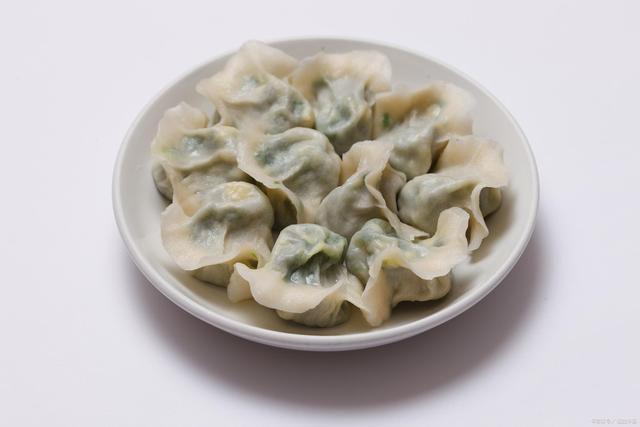
Made with fresh mackerel filling, thin wrapper and large filling, delicious and juicy, a specialty of Weihai.
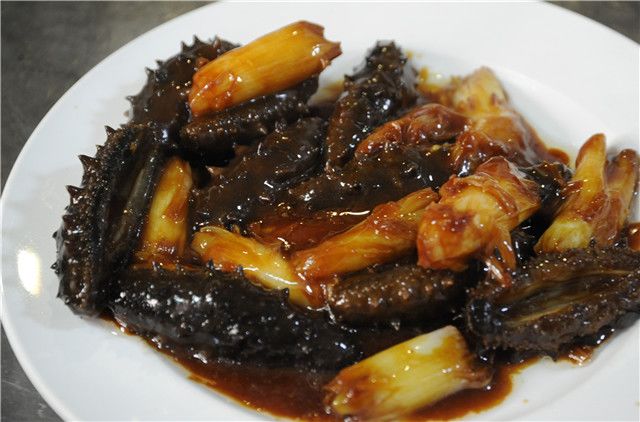
A specialty sea cucumber from Weihai, with thick flesh and rich nutrition, known as one of the 'Eight Treasures of the Sea'.
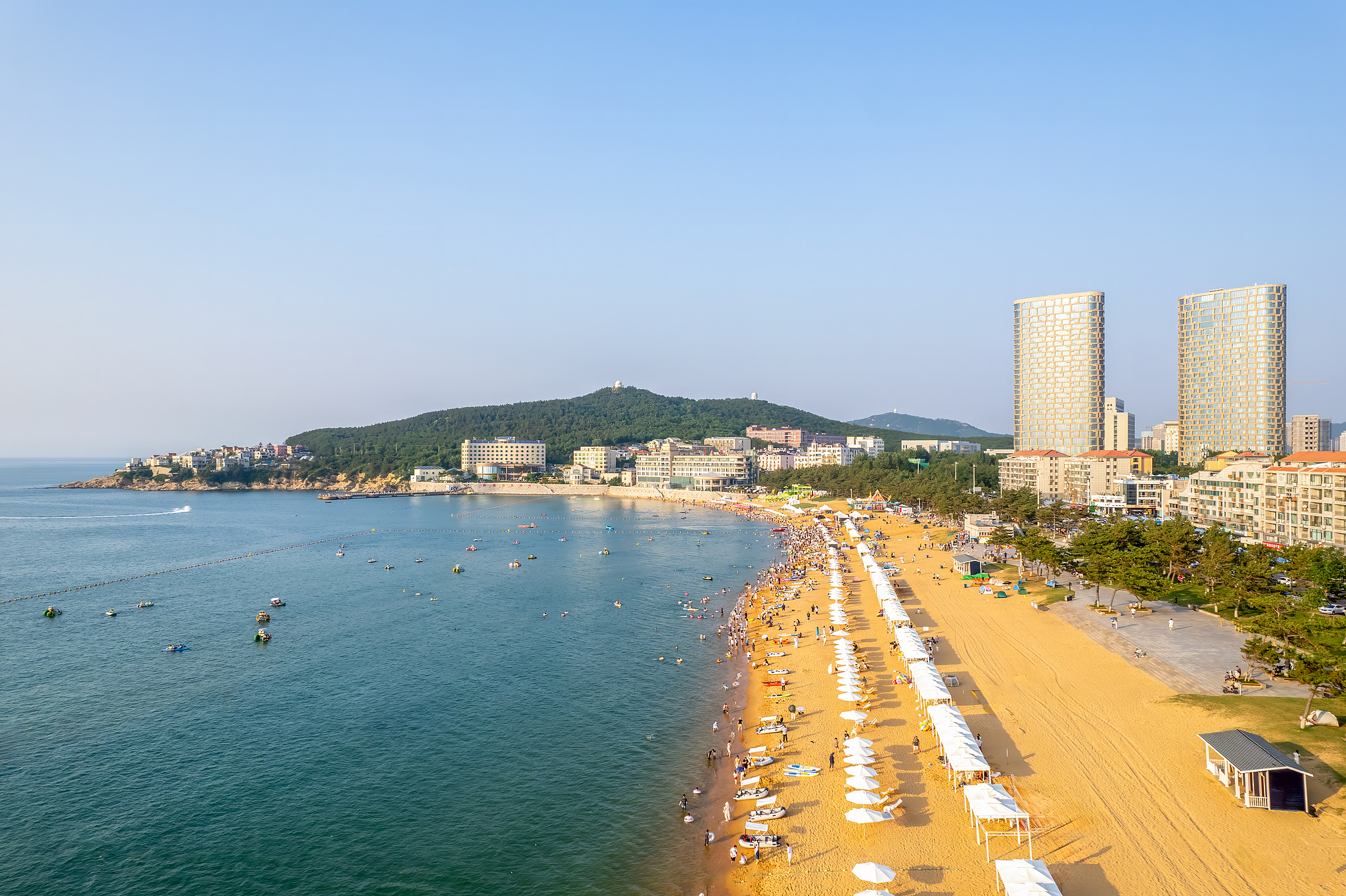
A natural seawater bathing beach with soft sand and clear water, ideal for swimming and beach activities in summer.
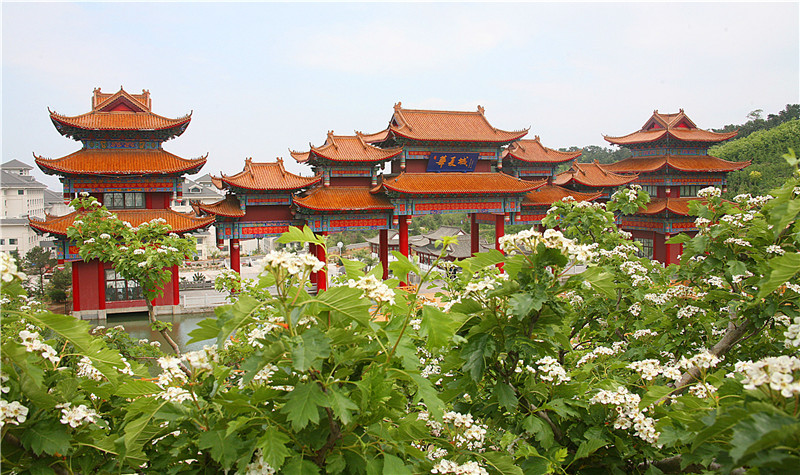
A large-scale antique architectural complex showcasing Chinese civilization, with performances and folk culture experiences. It is a 5A-level scenic spot.
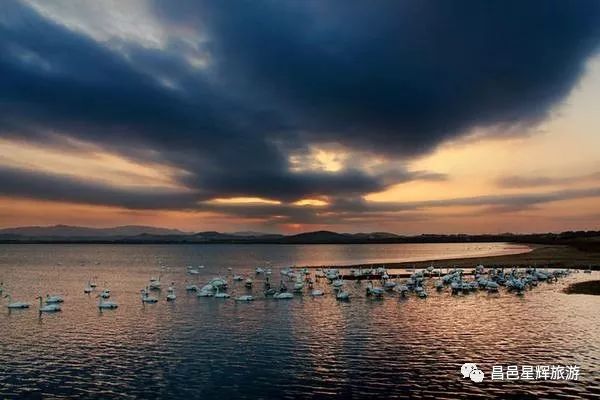
Located in Rongcheng, it hosts a large number of swans every winter, making it a paradise for photographers.
A large platter of assorted seafood, including shrimp, crab, shellfish, etc., spicy and savory.
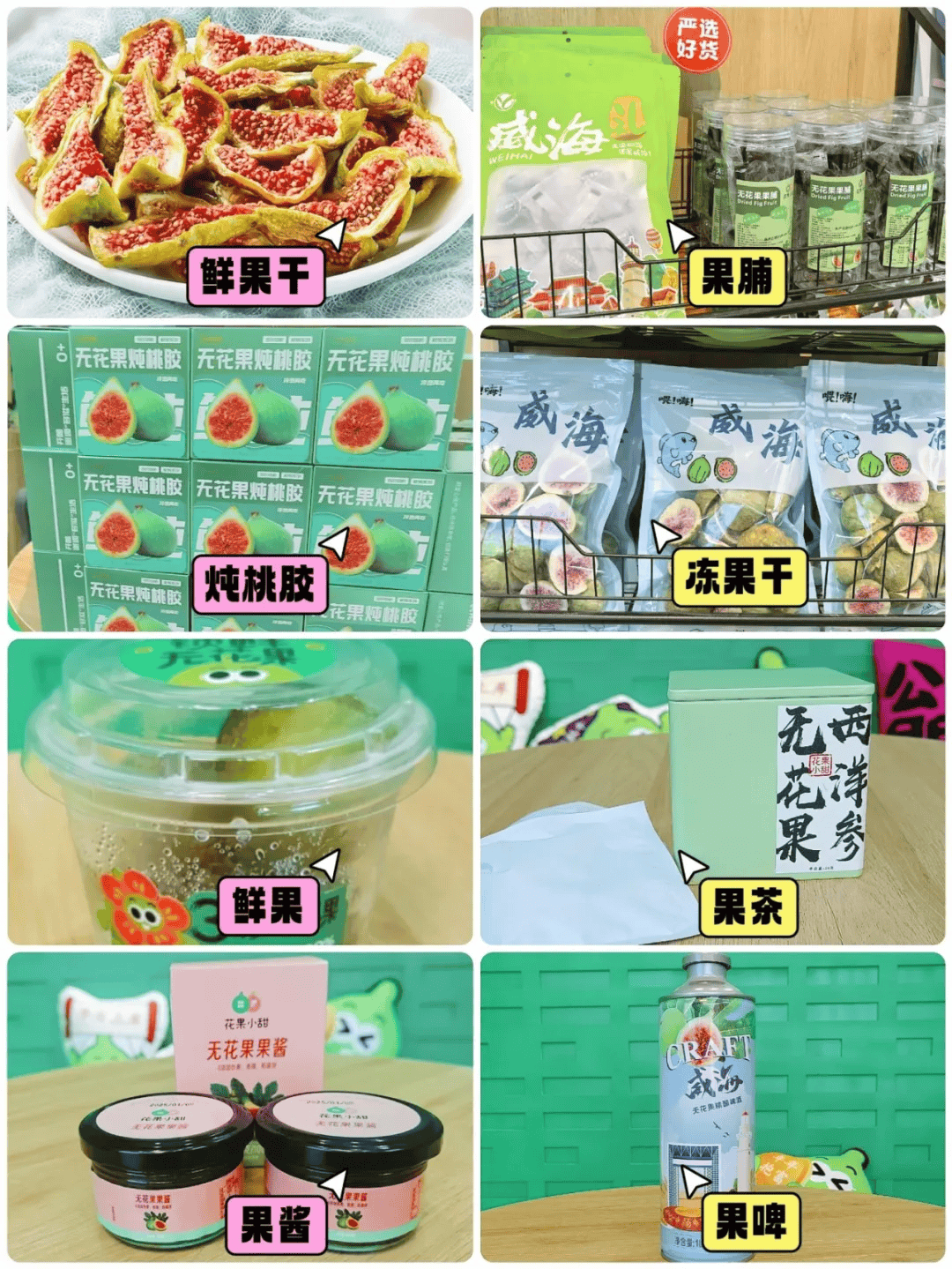
Weihai is rich in figs, which are sweet and soft, can be eaten fresh or made into dried fruit.
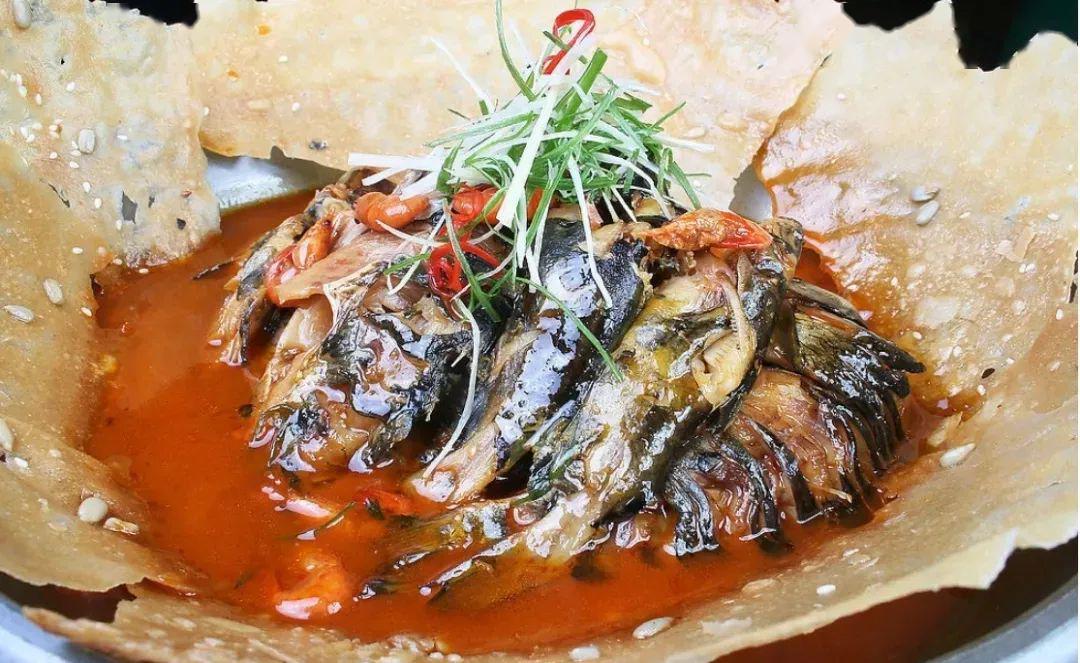
Stewed fish served with cornbread, the fish is tender and the bread absorbs the broth, a traditional fisherman's dish.