
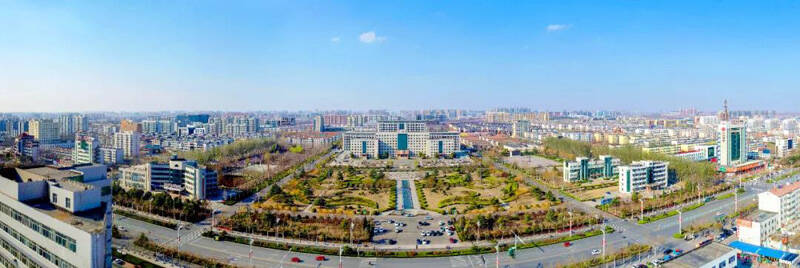
Weifang is located in the middle of the Shandong Peninsula, bordered by Laizhou Bay of the Bohai Sea to the north and the Yimeng Mountains to the south. It has a temperate monsoon climate with distinct seasons, featuring hot and rainy summers and cold and dry winters.
Weifang, historically known as Weizhou and Weixian, has a long history and is a core area of the Dongyi culture. During the Ming and Qing dynasties, it was famous for its handicrafts, and in the Qing dynasty, the iron-smelting industry flourished with 'two hundred red furnaces.' In modern times, it became an important node on the Jiao-Ji Railway.
Weifang is world-renowned for its kite culture and is the headquarters of the International Kite Federation. Traditional folk customs include Gaomi's charcoal-rubbing New Year paintings, paper-cutting, and clay sculptures. Its cuisine is represented by Weifang meat baked buns, Chaotian Guo (a type of hot pot), and Weixian spicy pork skin, known for their salty and fresh flavors.
Weifang is an important manufacturing base and major agricultural city in Shandong Province, with thriving industries such as power equipment, textiles and garments, and food processing. It is also building itself into a modern quality city, promoting rural revitalization and cultural tourism integration.
The best time to visit 潍坊 is Spring (April-May) and Autumn (September-November).
Spring (April-May) is the time of the Weifang International Kite Festival, with mild weather ideal for outdoor activities and kite flying.
Summer (June-August) is hot and rainy, but offers coastal tourism and seasonal fruits.
Autumn (September-November) features clear skies and crisp air, perfect for visiting ancient towns and mountains, and a good season for seafood.
After unifying the six states, the Qin Dynasty established Langya Commandery in the Weifang area, with its seat in present-day Zhucheng, marking the beginning of Weifang's administrative divisions.
After the Opium War, Weixian (now downtown Weifang) gradually became an important commercial port in Shandong, with flourishing handicrafts and commerce.
Weifang held the first International Kite Festival, which has been held annually ever since, earning Weifang the reputation of 'World Kite Capital'.
Recommended places to visit
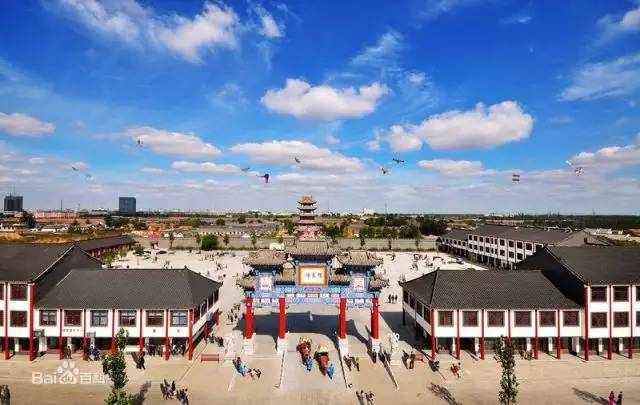
National 4A-level scenic spot, famous for woodblock New Year pictures and kite making, offering hands-on experience of traditional crafts.
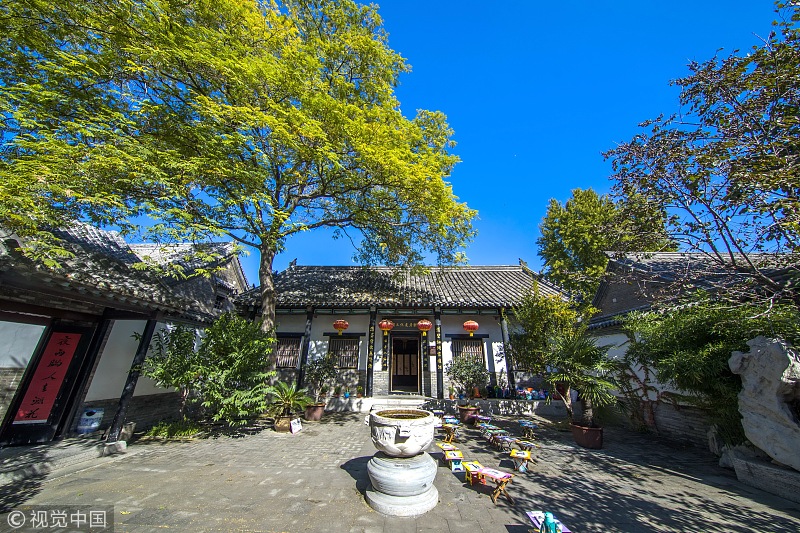
A representative of northern Chinese gardens, built in the Ming Dynasty, small and exquisite, once a filming location for 'Journey to the West'.
Explore rich intangible cultural heritage and traditional crafts
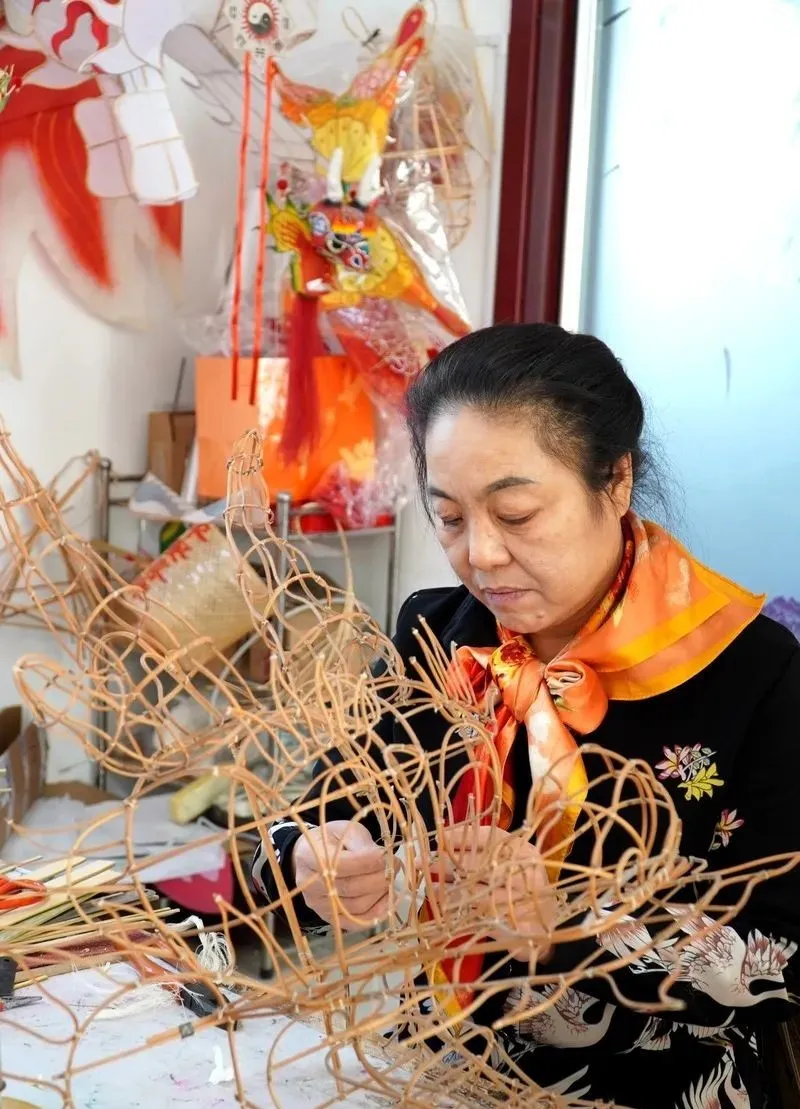
Listed in the first batch of National Intangible Cultural Heritage, Weifang kites are famous for their beautiful shapes and fine craftsmanship.
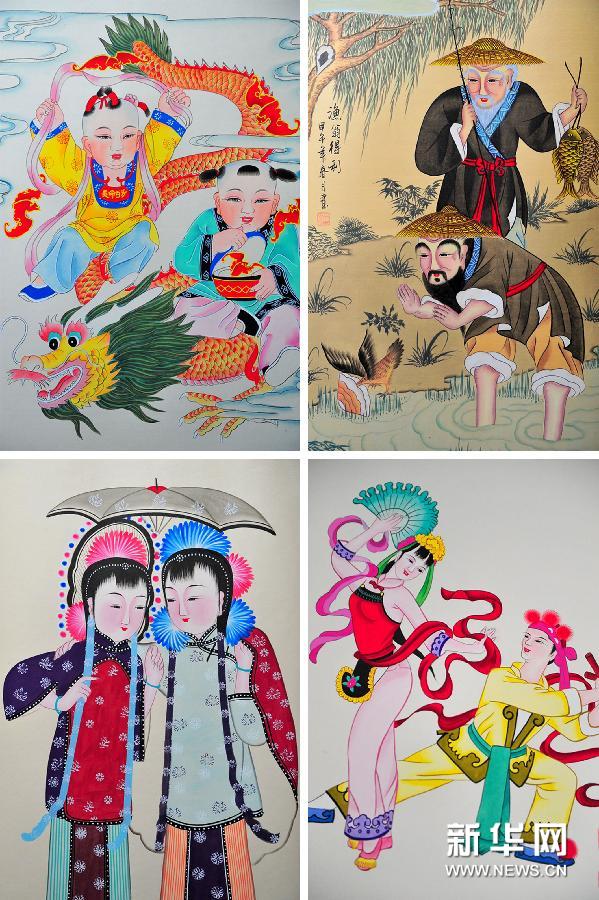
National intangible cultural heritage, painted using the ash-painting technique, with bright colors and auspicious themes.
Must-know transportation for exploring the city
Located in the south of the city, with flights to major cities like Beijing, Shanghai, and Guangzhou.
Varies by route, economy class about 300-1000 RMB
Weifang Station is for regular trains, Weifang North Station is for high-speed trains, connecting to Beijing-Shanghai HSR, Jinan-Qingdao HSR, etc. About 1 hour to Jinan, 2.5 hours to Beijing.
HSR second class to Jinan about 120 RMB, to Beijing about 230 RMB
The bus system covers the urban area and counties, fare 1-2 RMB, mobile payment accepted on some routes.
1-2 RMB
Taste the most authentic and popular local specialties
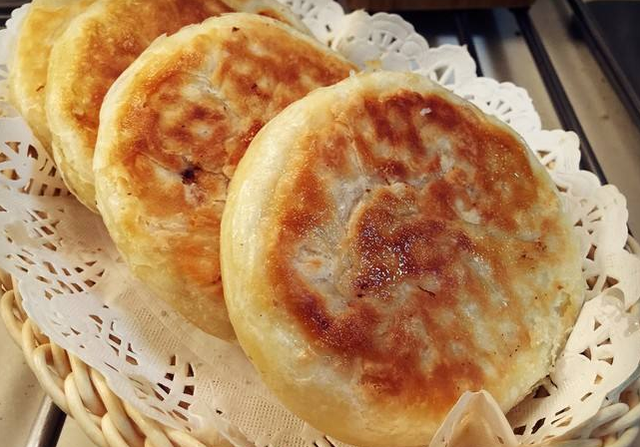
Crispy outside and tender inside, with delicious meat filling, the most representative breakfast in Weifang.
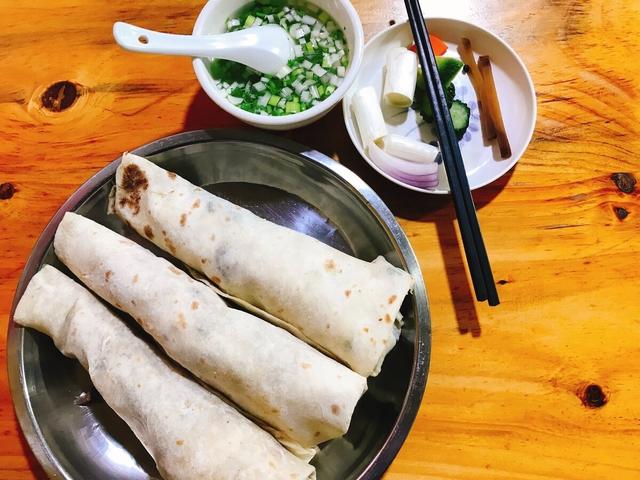
Originating from the Qing Dynasty, it is a large pot of boiled pork offal, served with thin pancakes, scallions, and sweet bean sauce. The soup is delicious.
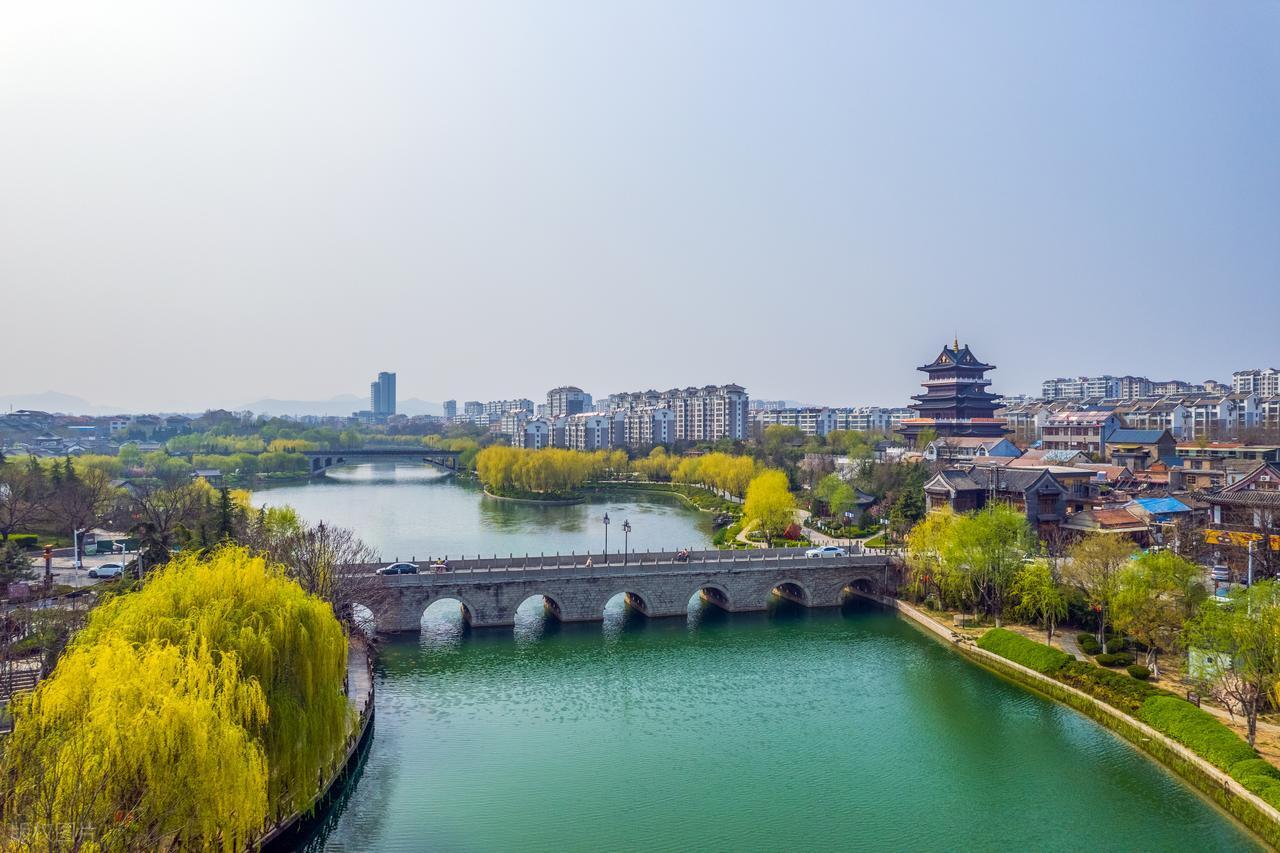
National 5A-level scenic spot, a well-preserved Ming and Qing ancient city, with attractions like Ouyuan Garden and Qingzhou Museum.
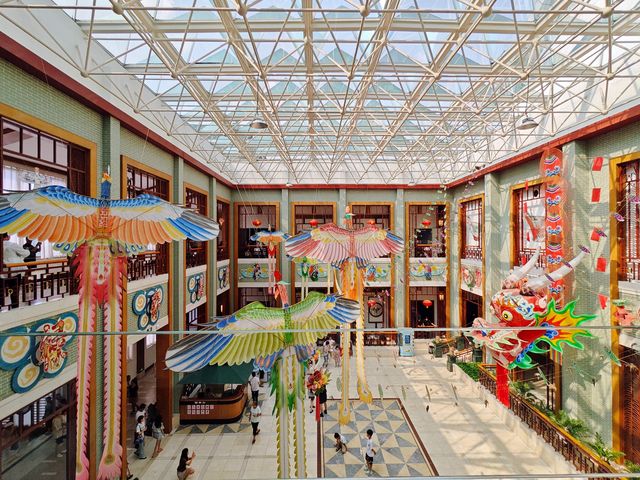
Showcasing kite culture from around the world with rich collections, a paradise for kite enthusiasts.
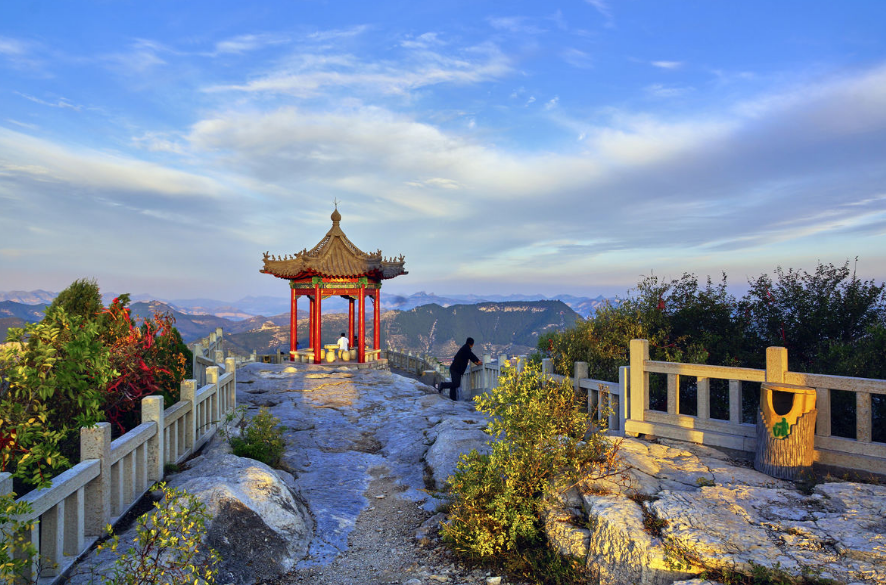
National 5A-level scenic area, including Yishan Mountain, with beautiful natural scenery and historical sites like Dongzhen Temple.
Made from pork skin and chili, spicy and delicious, a great dish with alcohol.
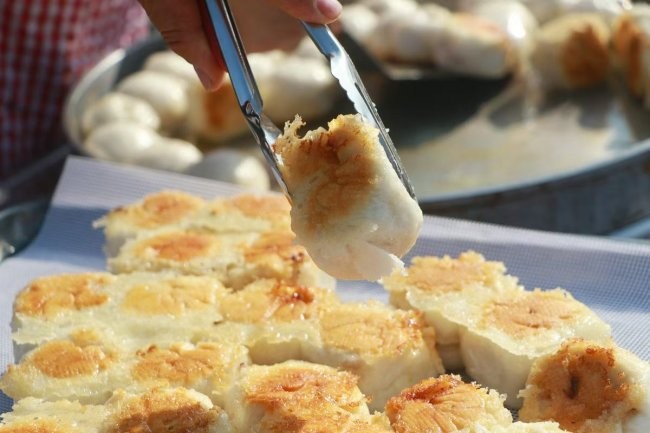
A specialty of Gaomi, with a golden crispy bottom and various fillings, the classic being chive and pork.
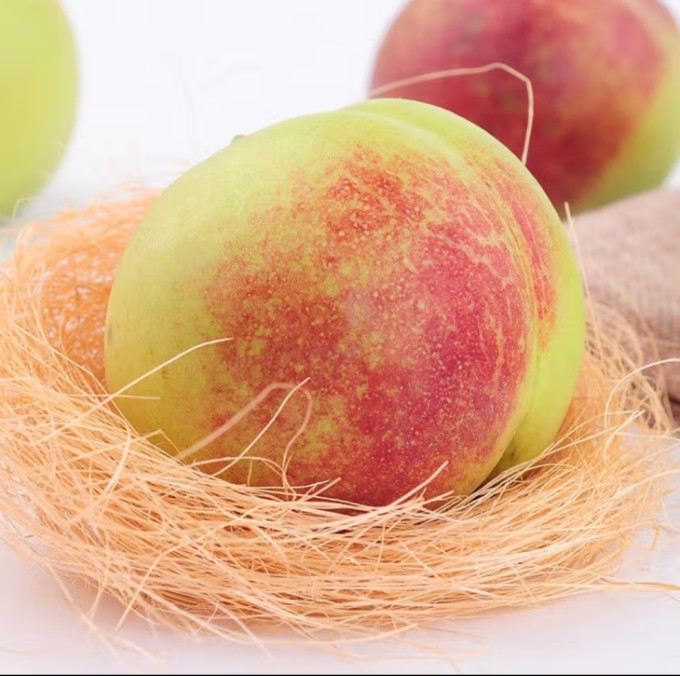
National geographical indication product, tender flesh, juicy and sweet, reputed as 'the best peach under heaven'.