
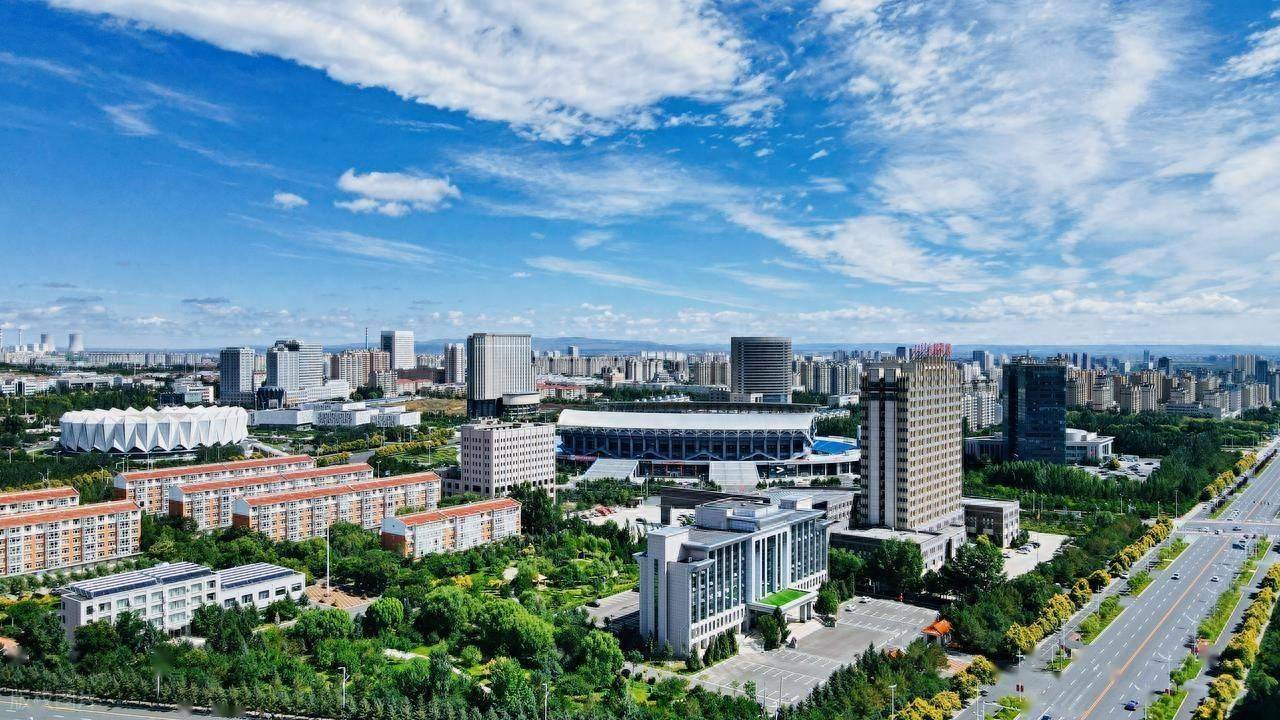
Located in central Inner Mongolia, Ulanqab borders Mongolia to the north and Shanxi Province to the south. It has a temperate continental monsoon climate with cool summers and an average temperature of about 18°C, earning it the title 'China's Grassland Summer Resort City'.
Ulanqab has a long history and was an important node on the Grassland Silk Road. Historically, it was a nomadic area and one of the Six Towns of the Northern Wei Dynasty. In the Qing Dynasty, the Ulanqab League was established.
The culture is predominantly Mongolian, blended with Han and Hui ethnic features. Traditional Nadam Fair and Mongolian songs and dances are well-known. Signature foods include hand-grabbed lamb, roasted lamb chops, oat noodles, Zhuozishan smoked chicken, and Fengzhen mooncakes.
Modern Ulanqab is a key transportation hub connecting North China and Mongolia, with the Beijing-Hohhot high-speed railway passing through. It is developing big data and new energy industries while preserving its grassland eco-tourism advantages.
The best time to visit 乌兰察布 is Best in summer (Jun-Aug) for cool escape, autumn (Sep-Oct) for golden grasslands.
June-August: Ulanqab's summer is cool with average temperatures of 18-25°C, making it a summer resort. The grasslands are lush, and the Nadam Fair is often held during this period.
September-October: Clear autumn skies and golden grasslands are ideal for photography. However, temperatures drop quickly; pack warm clothes.
Winter (Nov-Mar): Cold and dry, with lows reaching -30°C. But you can experience ice and snow Nadam and volcanic snowscapes.
The Ulanqab area was the site of Rouzhen Town, part of the Northern Wei's Six Towns defense system, protecting the capital Pingcheng (now Datong).
During the Kangxi era of Qing Dynasty, Mongol tribes held a league meeting in Ulanqab, officially establishing the Ulanqab League as an important administrative unit.
Approved by the State Council, Ulanqab League was abolished and Ulanqab City was established, marking a new development phase.
Recommended places to visit
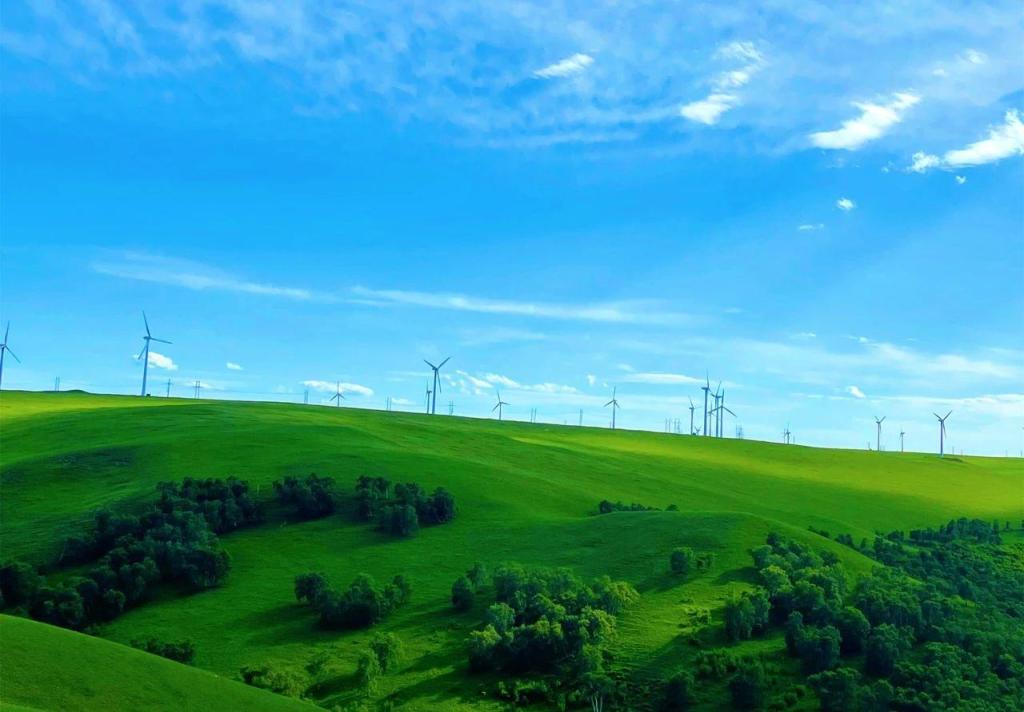
A typical alpine meadow grassland above 1800m, covered with wildflowers in summer and dotted with wind turbines, known as 'Asia's largest wind power capital.'
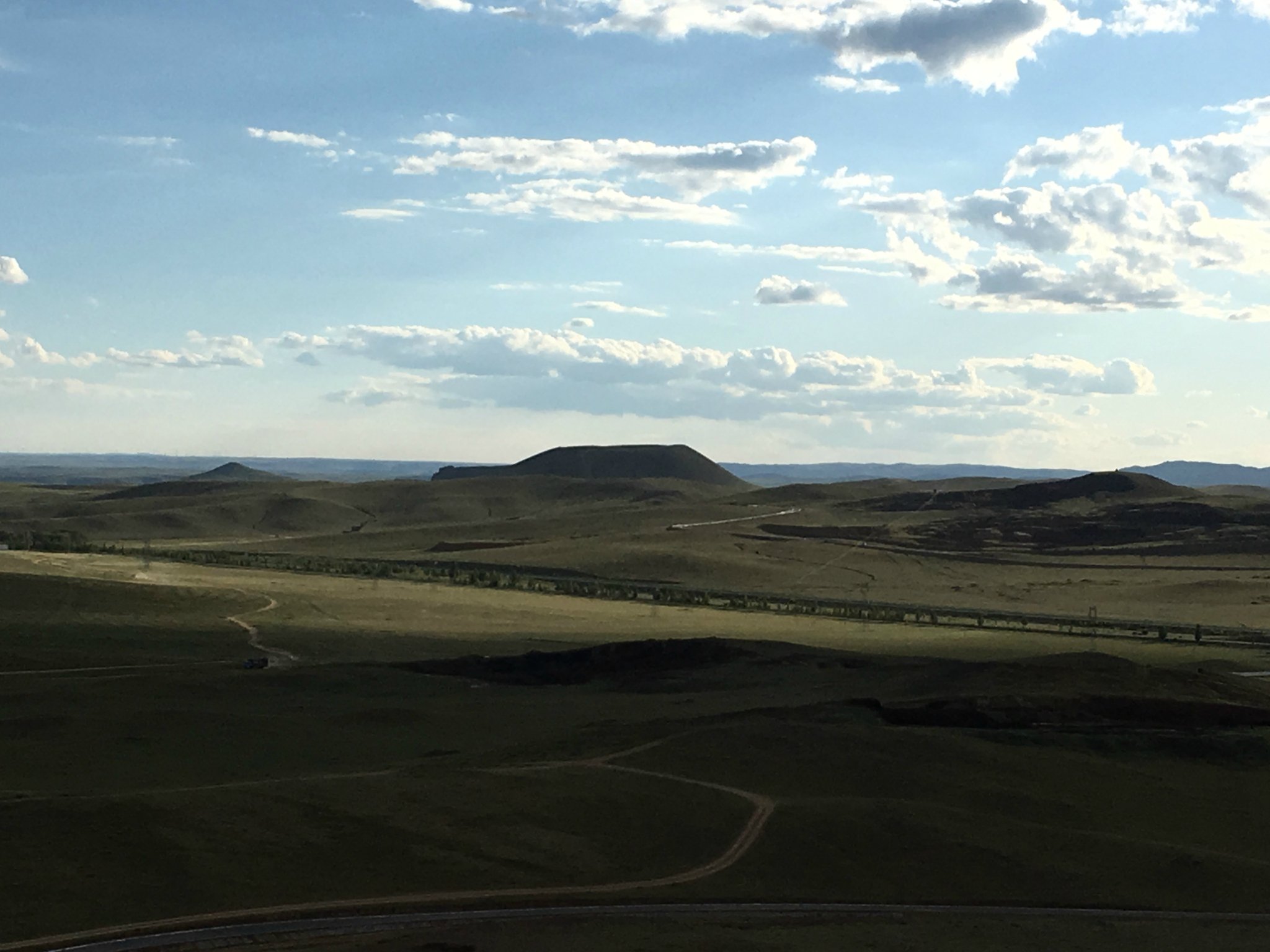
With over 30 volcanoes, Nos. 3, 5, and 6 are the most spectacular, allowing close-up views of craters and lava landscapes, a recent internet-famous spot.
Explore rich intangible cultural heritage and traditional crafts
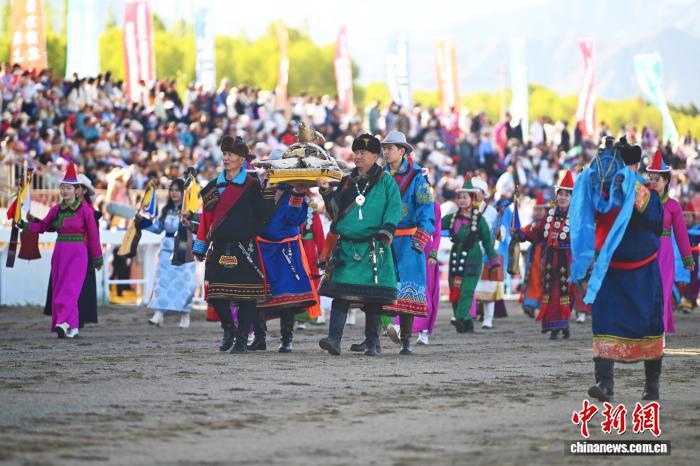
Traditional Mongolian sports and entertainment, including horse racing, wrestling, archery. Ulanqab holds the Nadam Fair every summer.
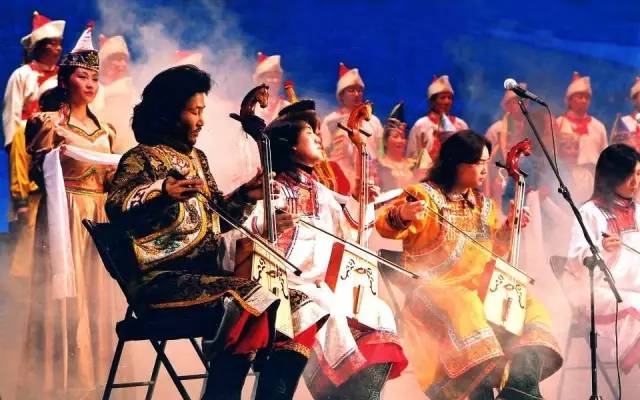
Traditional Mongolian bowed string instrument with melodious tone. Ulanqab has many inheritors.
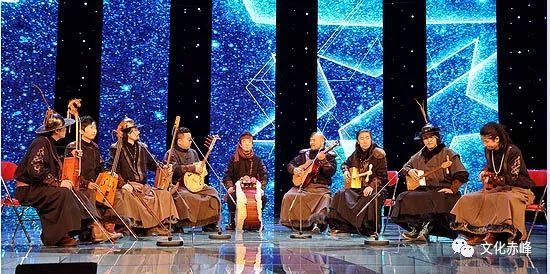
Unique Mongolian vocal technique producing two pitches simultaneously. Ulanqab is one of the regions where Khoomei is popular.
Must-know transportation for exploring the city
About 20km from city center, flights to Beijing, Shanghai, Guangzhou, Xi'an, etc.
¥300-800
On Beijing-Hohhot HSR, about 2h from Beijing, 40min from Hohhot.
¥140-200 (from Beijing)
City buses reach main attractions; long-distance coaches to Hohhot, Datong, Zhangjiakou, etc.
¥1-5 (city bus)
Taste the most authentic and popular local specialties
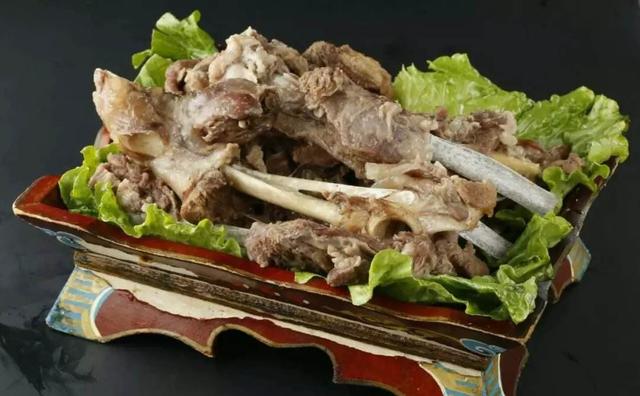
Traditional Mongolian dish: large lamb chunks boiled until medium-well, eaten by hand with salt, tender and flavorful.
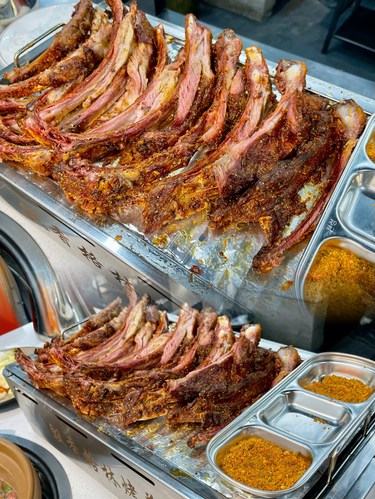
Premium grassland lamb chops marinated and charcoal-grilled, crispy outside, tender inside, aromatic.
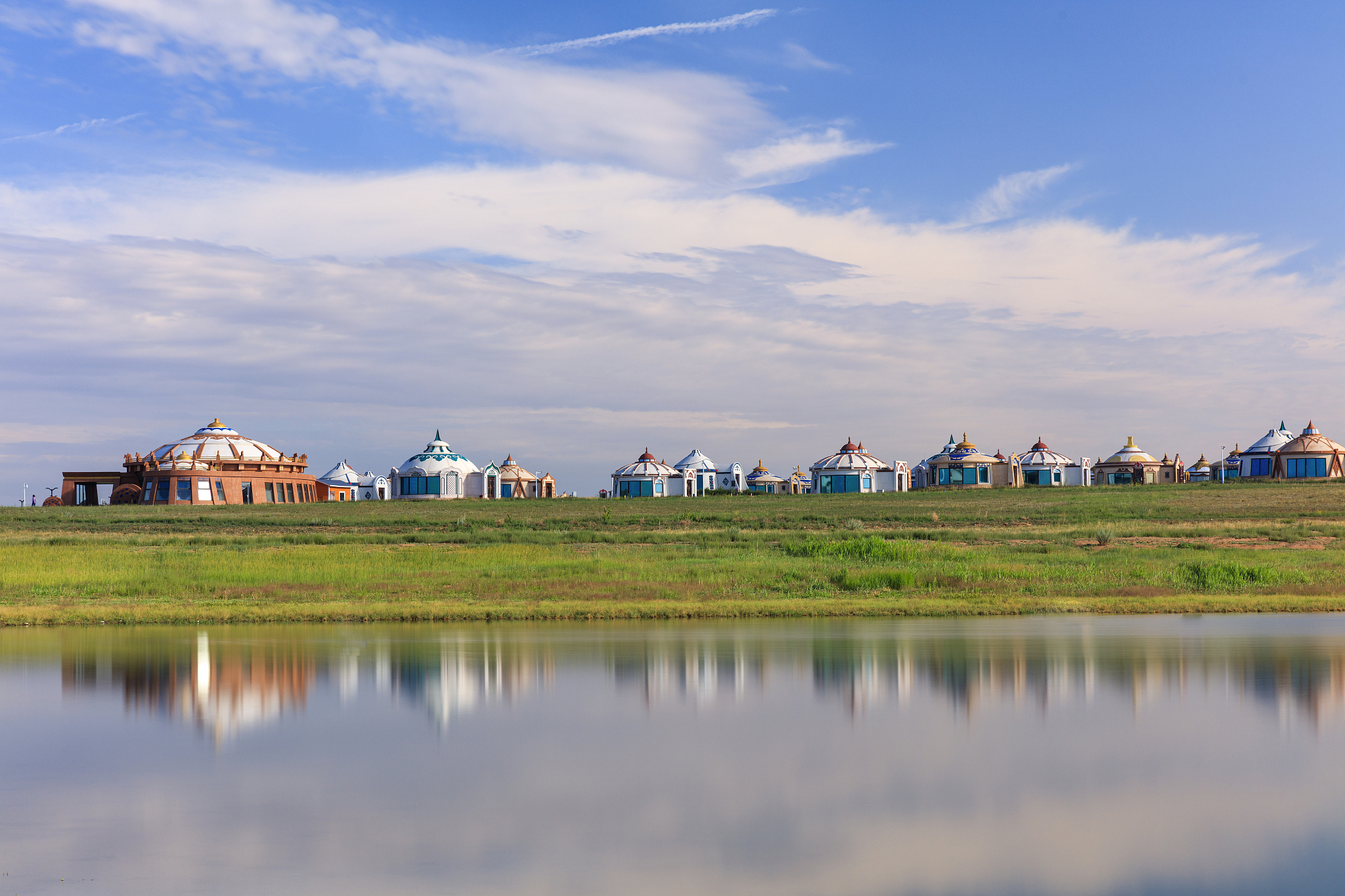
National 4A scenic spot with strong Mongolian flavor, offering horse riding, archery, yurt accommodation, and roast whole lamb.
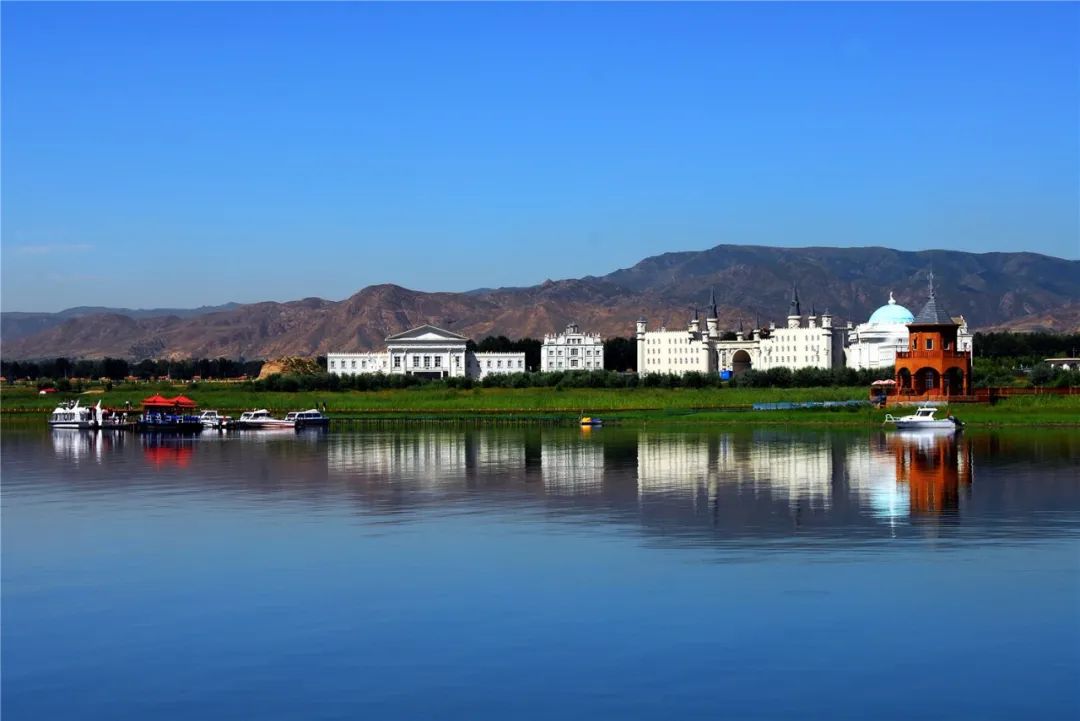
The third largest inland lake in Inner Mongolia, known as 'Heavenly Pool beyond the Great Wall,' with hot springs and resorts along the shore.
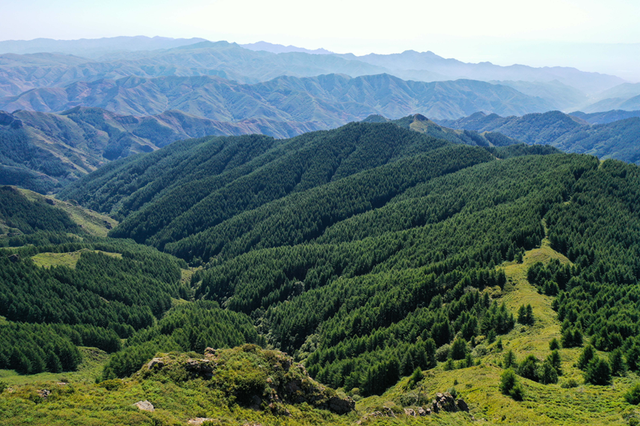
The largest man-made forest area in North China, with high forest coverage, known as 'natural oxygen bar,' charming autumn red leaves.
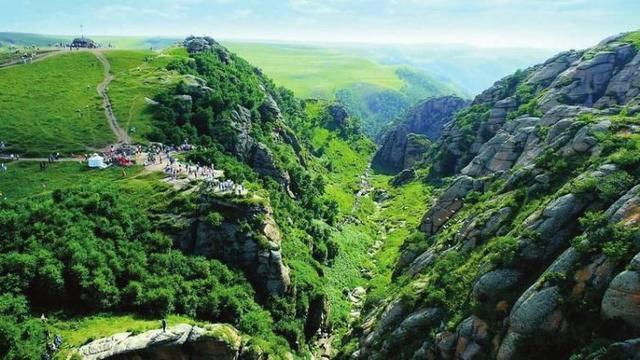
Located in the heart of Huitengxile Grassland, famous for yellow flowers in summer, with ravines and unique scenery.
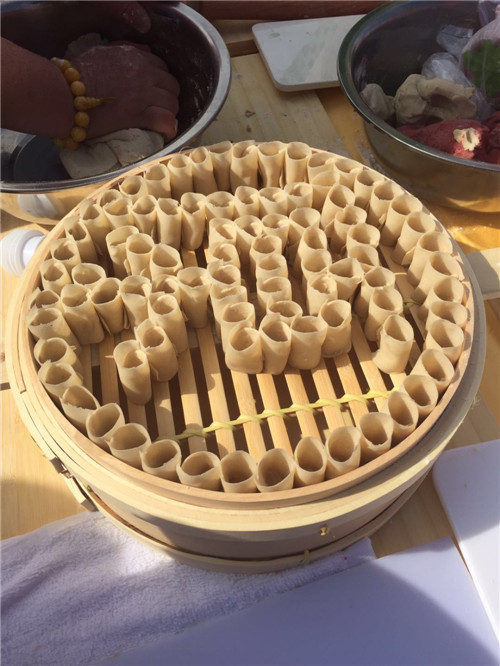
Noodles made from naked oats, shaped into nests or fish, served with lamb soup or cold dressing, healthy and low-sugar.
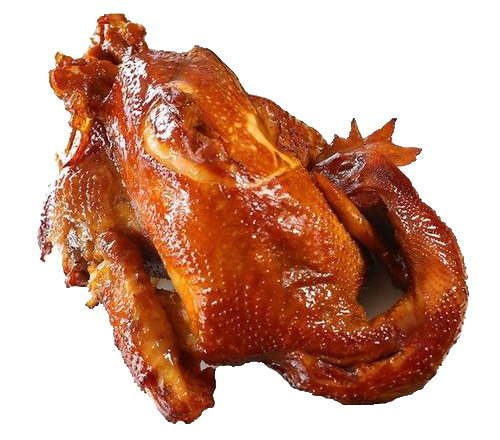
Famous Inner Mongolian snack, traditionally smoked, reddish color, firm meat, rich smoky flavor, over 100 years history.
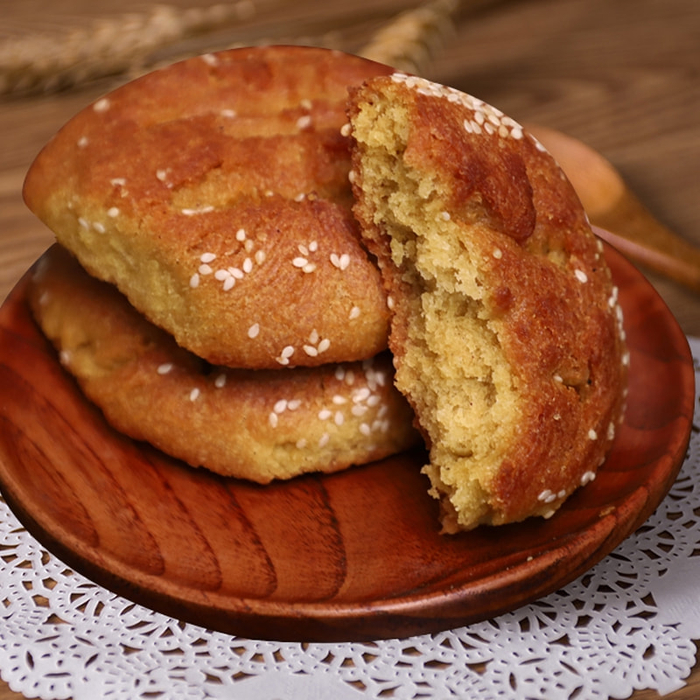
Traditional mooncakes from Fengzhen, made with flaxseed oil, sugar, flour, crispy crust, sweet filling, not greasy.
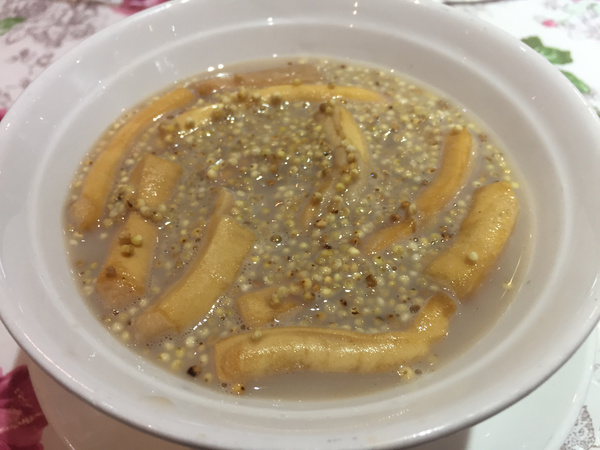
Made with brick tea and fresh milk, add fried rice, milk skin, butter, savory and delicious, daily drink of Mongolians.