
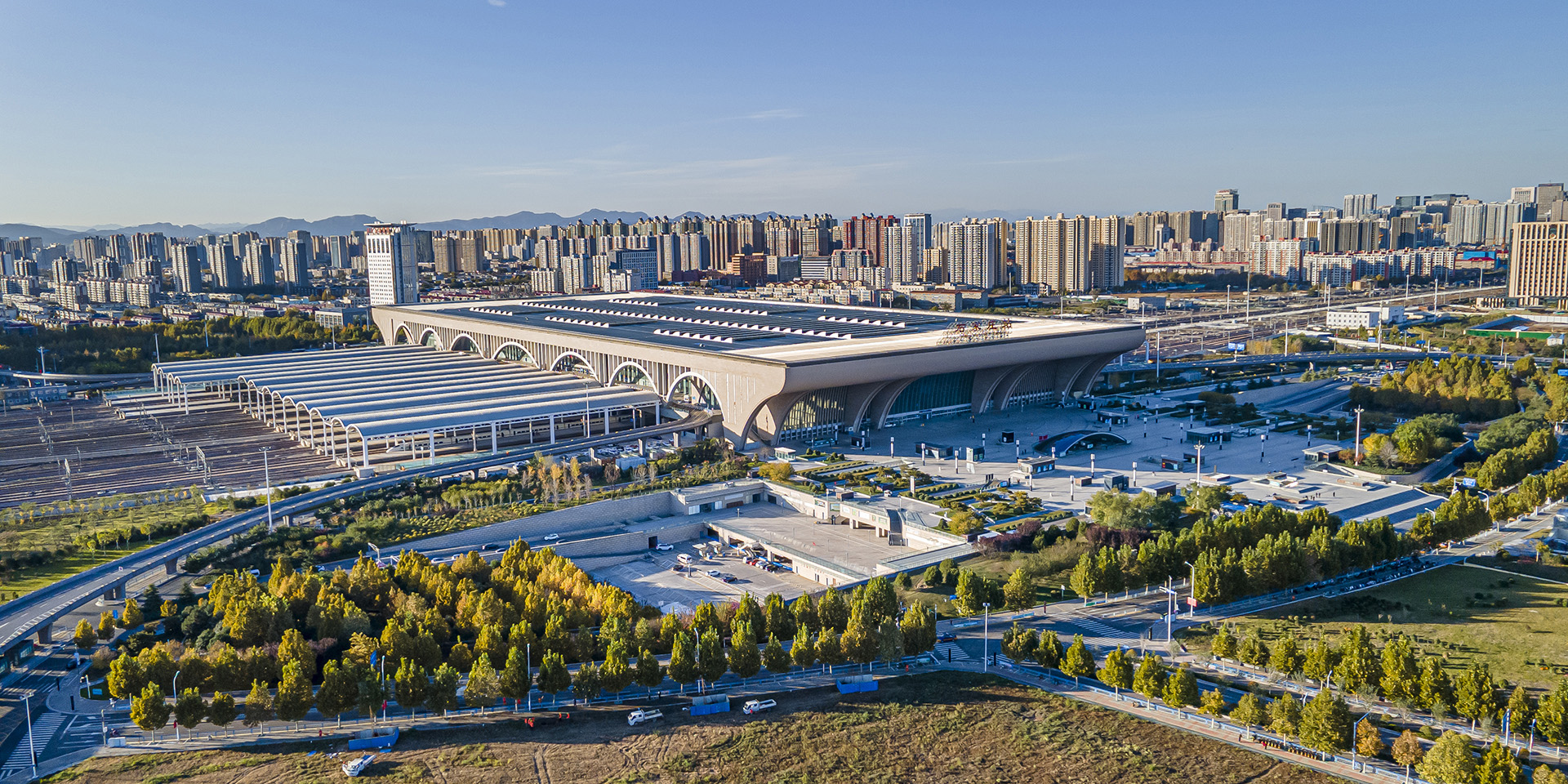
Located in eastern Xinjiang at the northern foot of the Tianshan Mountains, Turpan is the lowest inland basin in China. It has a typical continental arid climate with scorching summers, earning it the nickname 'Fire State'. Despite minimal annual rainfall, irrigation from Tianshan snowmelt supports unique oasis agriculture.
Turpan has a long history as a key hub on the ancient Silk Road. During the Western Han dynasty, it was the site of the Jushi Kingdom; in the Tang dynasty, it was established as Xizhou; and in the Yuan dynasty, it was called Huozhou. Its strategic location made it a crossroads for cultural exchange between East and West, leaving behind rich historical relics.
Turpan is an important birthplace of Uyghur culture, with unique folk customs. Local cuisine features grilled lamb skewers, pilaf, and pulled noodles, while grapes and Hami melons are famous worldwide. Intangible cultural heritage such as Uyghur dance and Muqam art are still passed down here.
Modern Turpan is developing rapidly, leveraging its abundant tourism resources and specialty agriculture. The grape industry and tourism are pillar industries. Transportation infrastructure is improving, with high-speed rail and airports connecting to inland cities. The city is transforming into an international tourist destination.
The best time to visit 吐鲁番 is Best travel time: August to October.
August to October is the most comfortable season in Turpan, when grapes ripen and melons are fragrant. The climate is relatively cool, suitable for outdoor activities.
Spring (April-May) has more wind and sand, but you can see apricot blossoms; summer (June-August) is hot, but you can experience the high temperature of the Flaming Mountains.
Winter (November-March) is cold and dry, with fewer tourists, but you can enjoy unique snowscapes and experience folk activities.
The Jushi Kingdom emerged in the Turpan Basin, becoming an important city-state on the northern Silk Road.
Emperor Taizong of Tang conquered the Gaochang Kingdom and established Xizhou, incorporating Turpan into the central plains dynasty.
The ruins of Jiaohe and Gaochang, as part of the Silk Road, were inscribed as UNESCO World Cultural Heritage sites.
Recommended places to visit
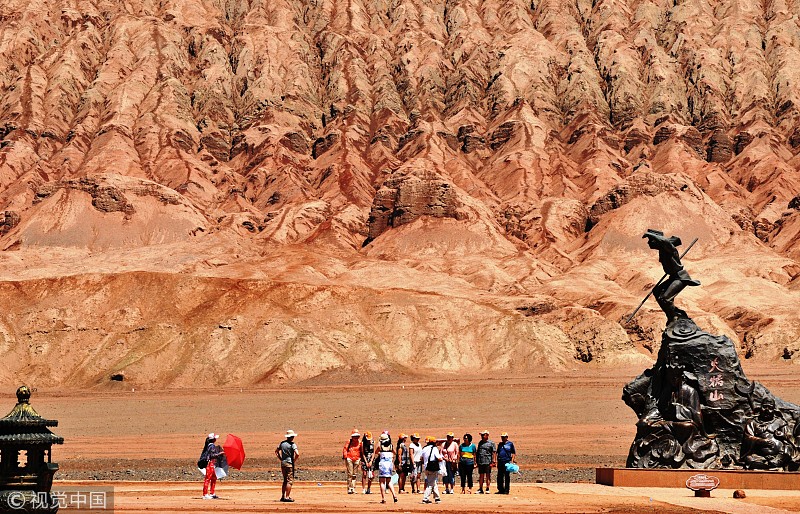
The Flaming Mountains run east-west, 100 km long and up to 10 km wide. Composed of red sandstone, summer temperatures reach 47°C, ground temperature over 80°C, famous for 'Journey to the West'.
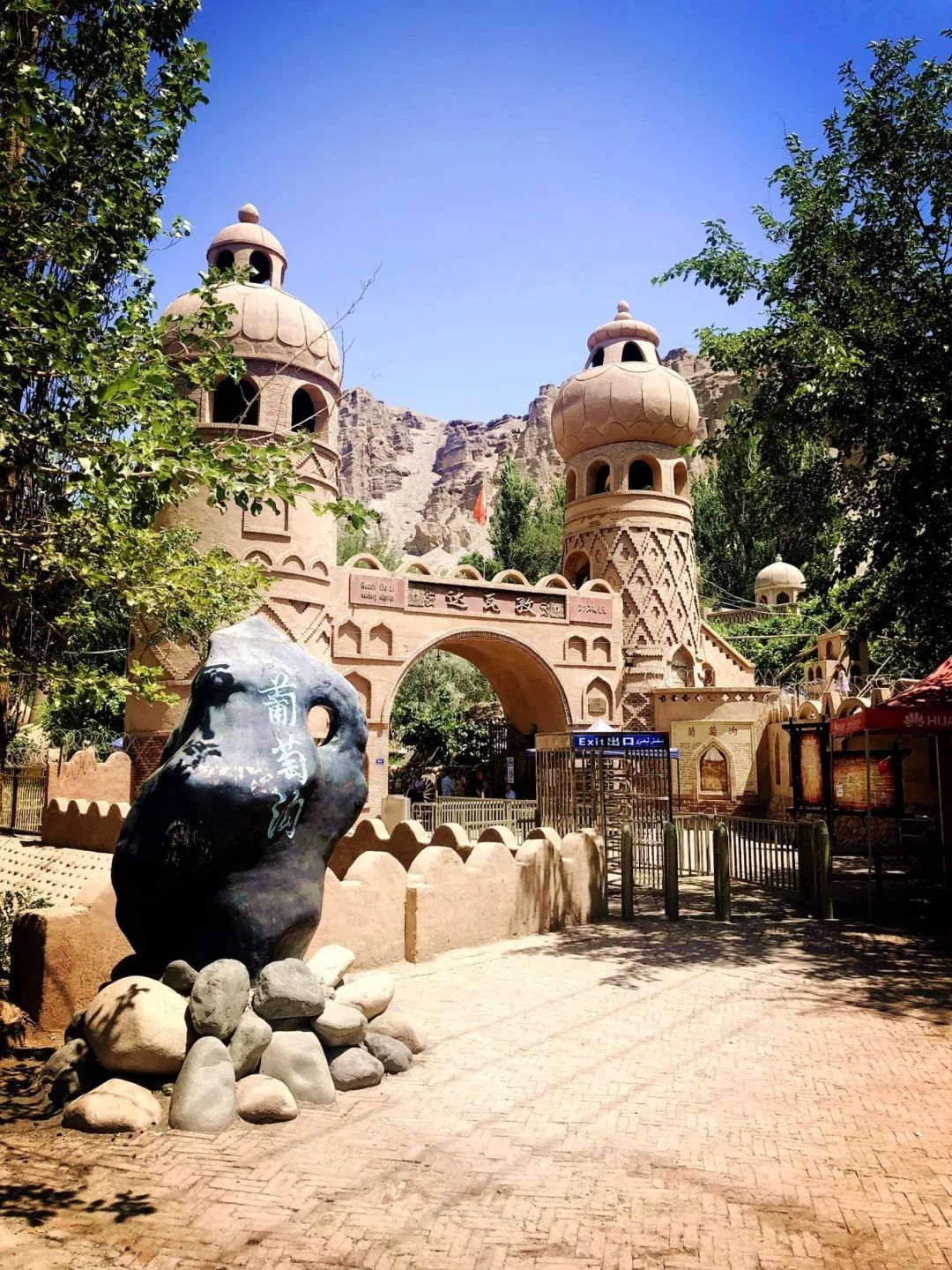
Grape Valley is located on the west side of the Flaming Mountains, 8 km long, with hundreds of grape varieties. It is the most famous grape production area in Turpan. Visitors can taste fresh grapes and enjoy Uyghur dance.
UNESCO World Heritage Sites
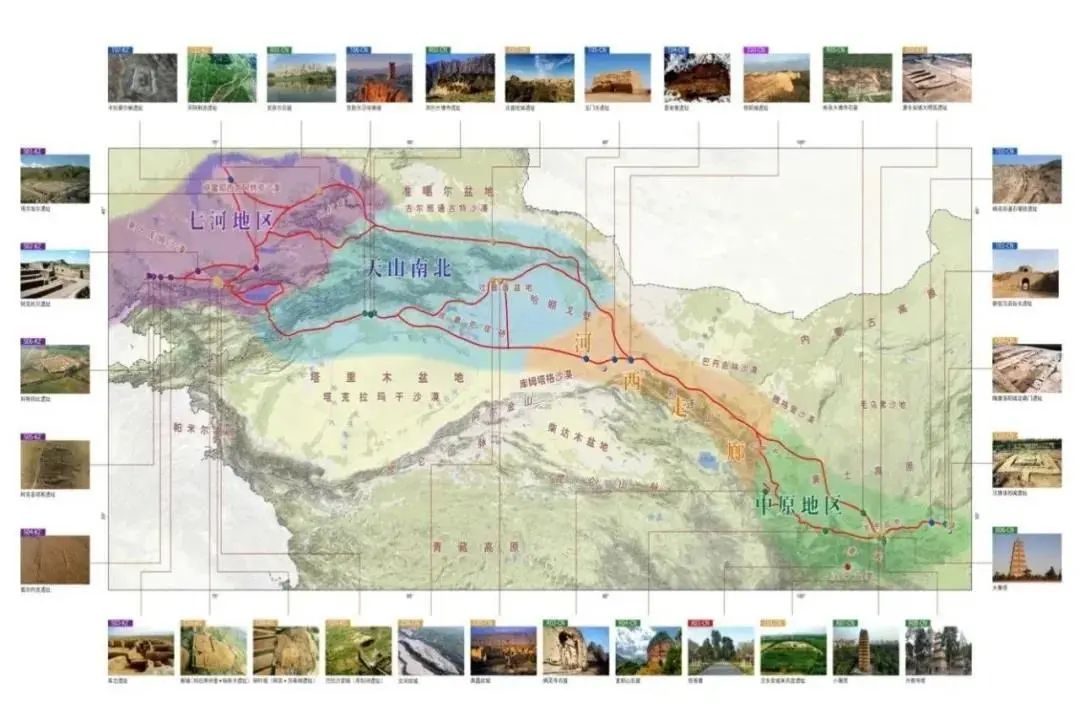
Includes the ruins of Jiaohe and Gaochang in Turpan, witnessing the prosperity of the Silk Road.
Explore rich intangible cultural heritage and traditional crafts
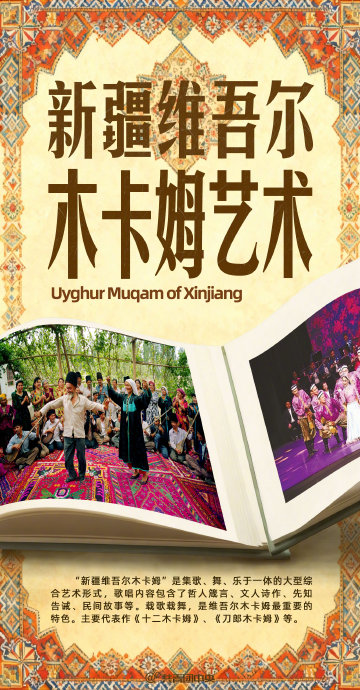
Traditional Uyghur musical and dance epic, with Turpan being one of the important inheritance areas.
Must-know transportation for exploring the city
About 10 km from city center, with flights to Urumqi, Beijing, Shanghai, etc. Main air gateway to Turpan.
Varies by route
Located in new district, served by Lanzhou-Xinjiang high-speed railway, reaching Urumqi in about 1 hour and major inland cities.
Urumqi-Turpan second class about 50 RMB
Multiple bus routes in city, and tourist shuttles to Flaming Mountains, Grape Valley, etc. Cheap fares covering major attractions.
Bus 1-2 RMB, tourist shuttle 5-10 RMB
Taste the most authentic and popular local specialties
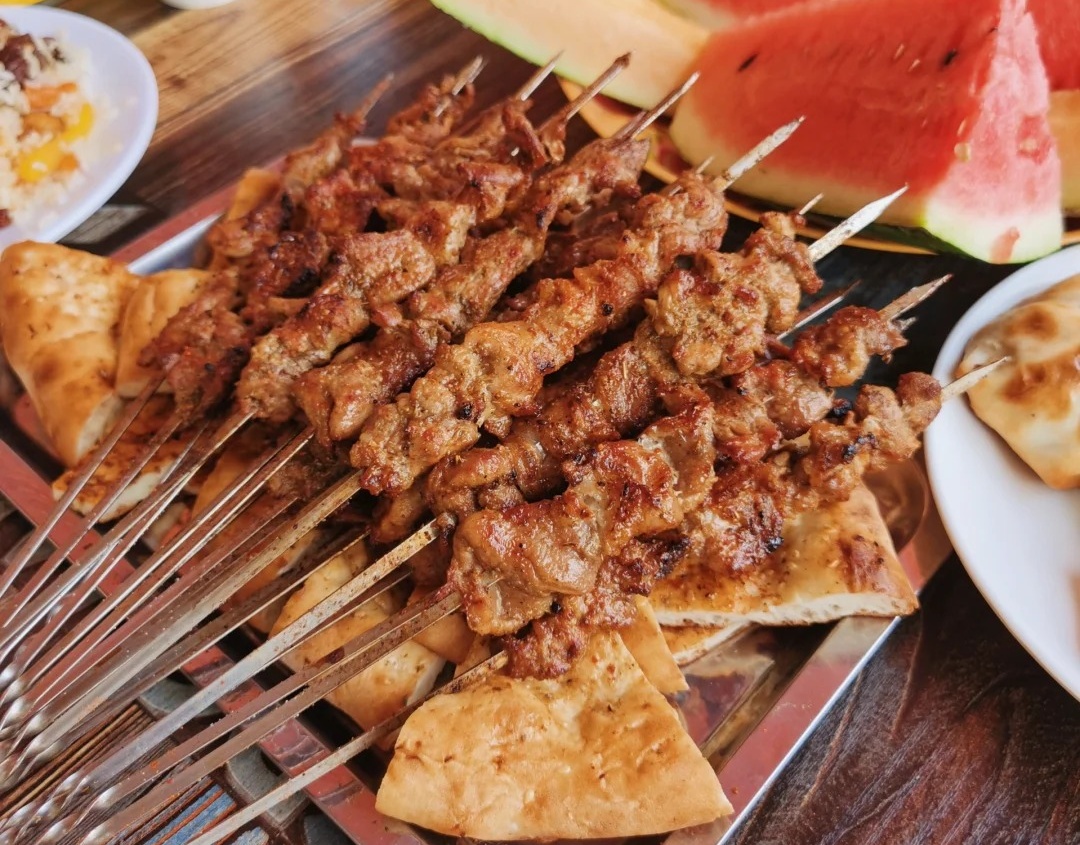
Marinated lamb chunks skewered on metal sticks, grilled over charcoal, seasoned with cumin and chili powder. Crispy outside, tender inside, with an irresistible aroma.
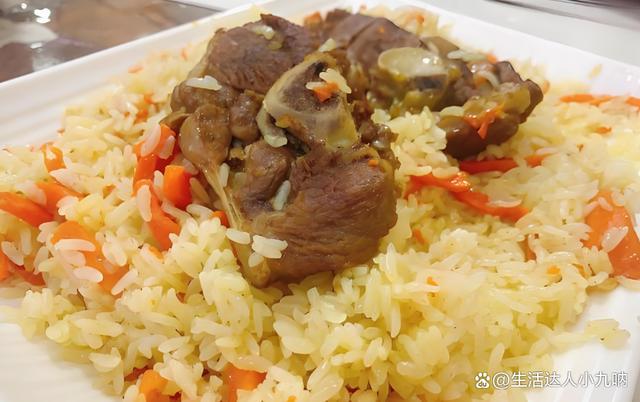
Stewed with lamb, carrots, onions and rice. The rice is fluffy and the lamb is tender. It is a traditional Uyghur staple food.
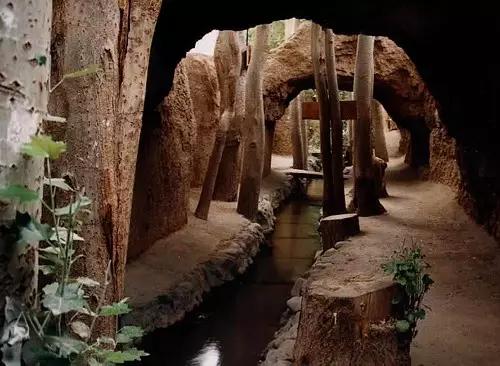
Karez is a unique underground water conservancy project in Turpan, considered one of the three great ancient Chinese projects along with the Great Wall and the Grand Canal. It consists of vertical shafts, underground channels, and open channels, with a total length over 5000 km.
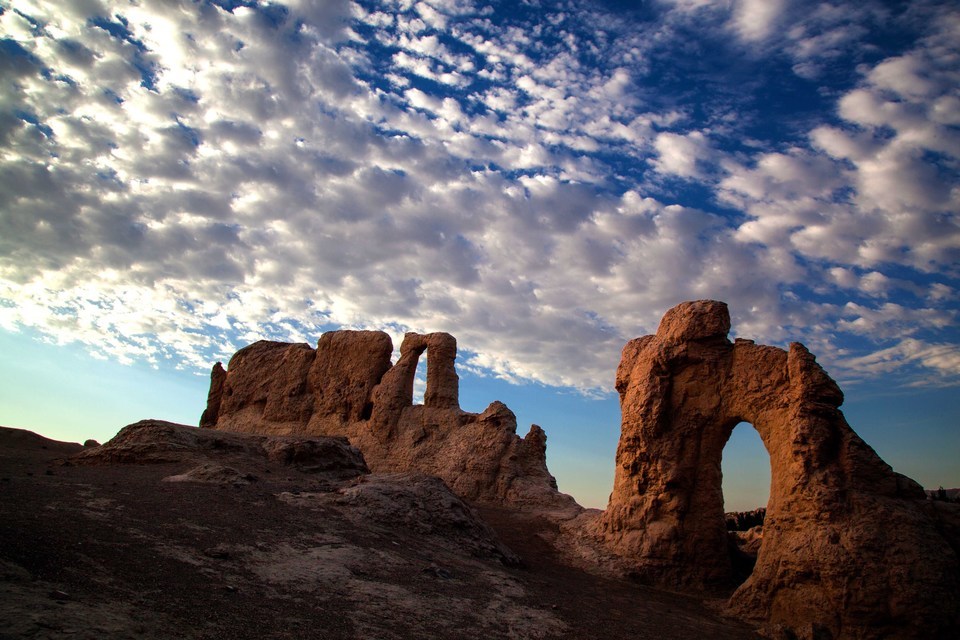
Jiaohe Ruins is the best-preserved rammed earth city site in the world, built in the 2nd century BC and peaked in the Tang Dynasty. The site is willow-leaf shaped, about 1650 m long and 300 m wide at its widest.
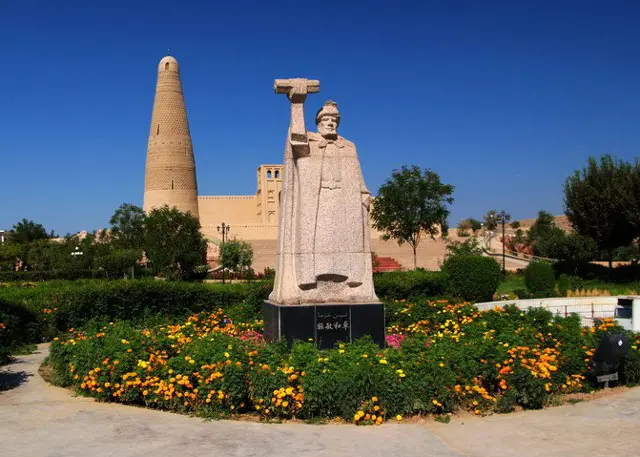
Gaochang Ruins was an international metropolis on the Silk Road, built in the 1st century BC. It went through the Gaochang Kingdom and Tang Dynasty's Xizhou. The site is an irregular square with a circumference of about 5 km.
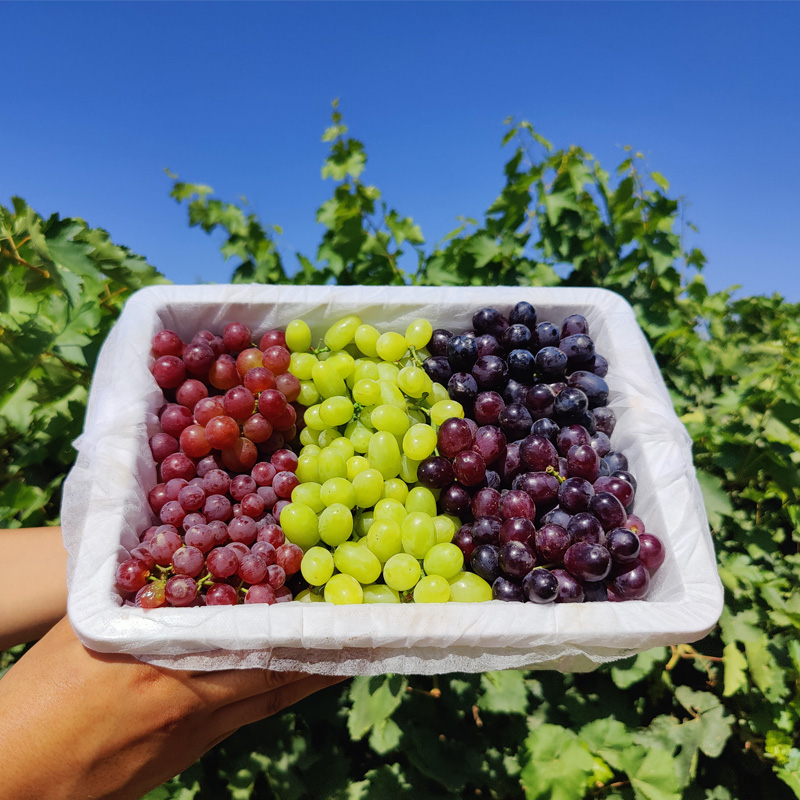
Turpan has hundreds of grape varieties, with seedless white grapes being the most famous. Thin-skinned, fleshy, juicy and sweet, with sugar content over 20%.
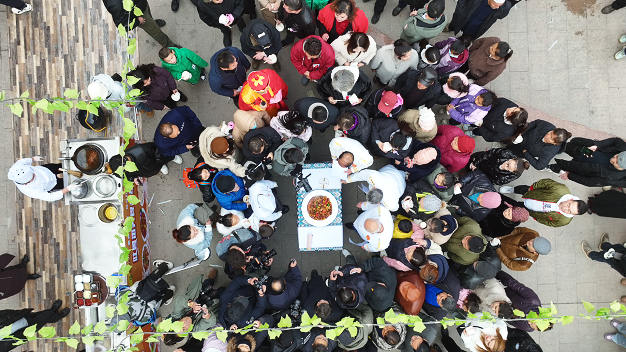
Stewed chicken with potatoes, peppers, and wide noodles. Spicy and savory, with generous portions.
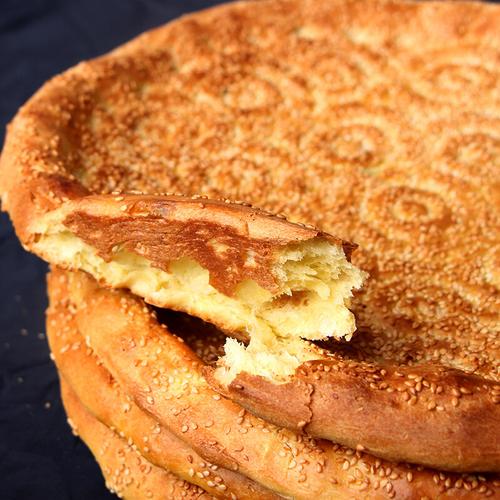
Round bread made from fermented dough, baked with sesame or onion on top. Crispy outside, soft inside, a daily staple of Uyghur people.