
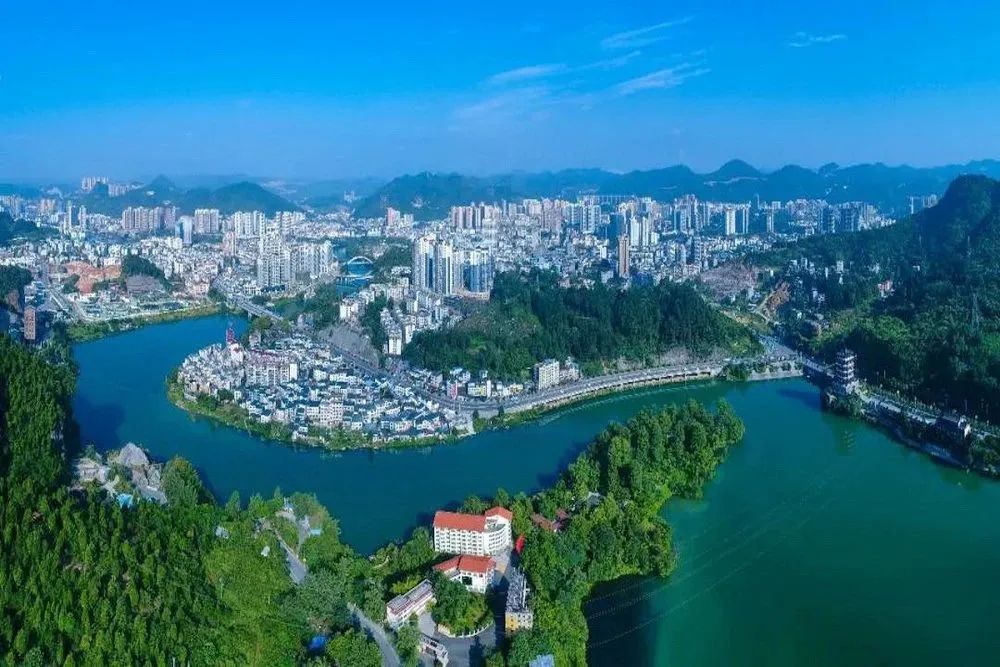
Tongren is located in the northeastern part of Guizhou Province, nestled in the hinterland of the Wuling Mountains. It borders Hunan to the east and Chongqing to the north. The climate is mild and humid with four distinct seasons, an average annual temperature of 16.2°C, abundant rainfall, and high forest coverage.
Tongren has a long history. During the Qin and Han dynasties, it belonged to Qianzhong Commandery. A county was established in the Tang dynasty, and a prefecture in the Ming dynasty. Fanjing Mountain has been a Buddhist sacred site since ancient times, with flourishing incense during the Ming and Qing dynasties. In modern times, Tongren was an old revolutionary base area with profound red culture.
Tongren is a multi-ethnic region, predominantly featuring Tujia and Miao cultures. It boasts unique folk customs such as Nuo opera, lantern shows, and dragon boat races. The cuisine is characterized by sour and spicy flavors, with representative dishes including Tongren Shefan, Fanjing Mountain bacon, Jiangkou rice tofu, Sinan sweet flower cake, and Yanhe lamb rice noodles.
In recent years, Tongren has leveraged the world natural heritage of Fanjing Mountain to vigorously develop eco-tourism and health industry. Transportation has greatly improved with high-speed rail and airport access, and the city's appearance has been revitalized, making it an important tourist destination in northeastern Guizhou.
The best time to visit 铜仁 is Best in spring and autumn; summer for escaping heat; winter for snow views.
Spring (March-May): Rhododendrons bloom on Fanjing Mountain, pleasant climate, ideal for hiking and flower viewing.
Summer (June-August): Cool temperatures make Tongren a summer resort; enjoy rafting and canyon exploration.
Autumn (September-November): Clear skies and colorful forests on Fanjing Mountain, prime photography season. Winter offers snow scenery.
In the early Western Han dynasty, Tongren belonged to Qianzhong Commandery, marking the beginning of central government jurisdiction.
In the 11th year of Yongle reign of Ming dynasty, Tongren Prefecture was formally established, becoming the political center of northeastern Guizhou.
Fanjing Mountain was inscribed on the UNESCO World Natural Heritage List, becoming Tongren's first World Heritage site.
Recommended places to visit
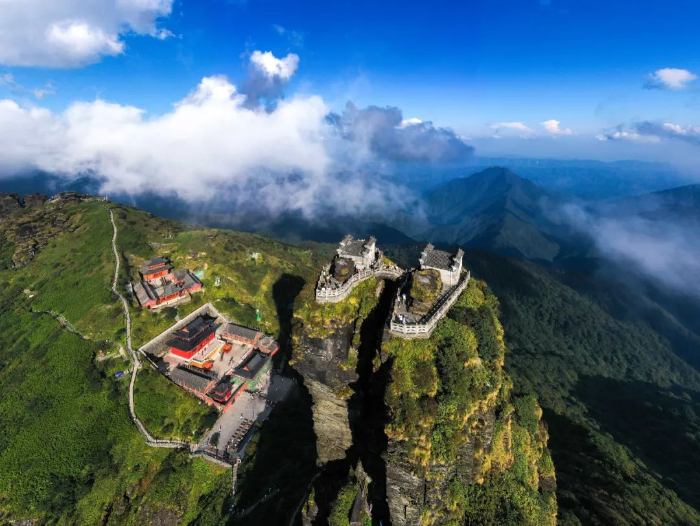
One of China's five sacred Buddhist mountains, a World Natural Heritage site, 2572m above sea level, famous for Red Cloud Golden Summit, Mushroom Stone, and Ten-thousand-meter Sleeping Buddha.
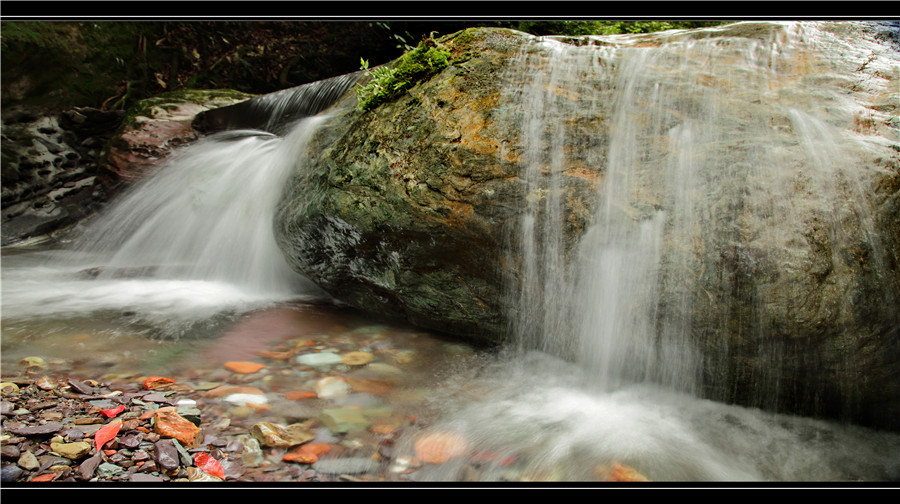
Known as 'No.1 Gully in Guizhou', a primitive forest canyon with numerous waterfalls and fresh air, a natural oxygen bar.
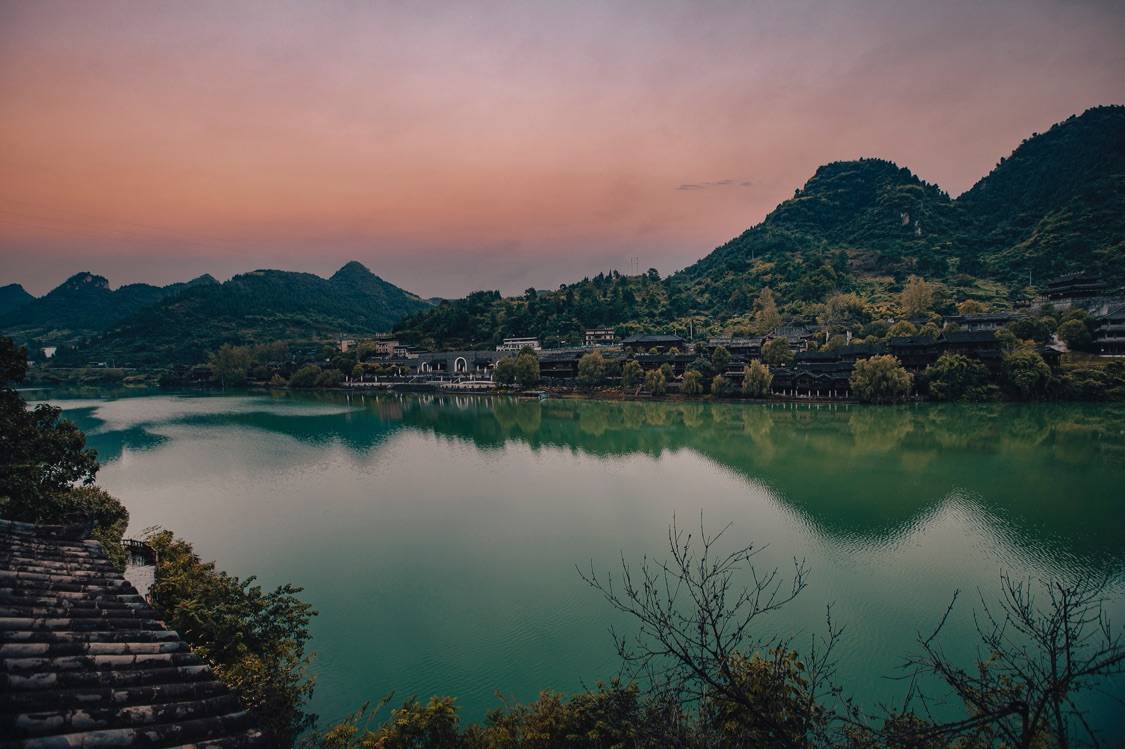
UNESCO World Heritage Sites
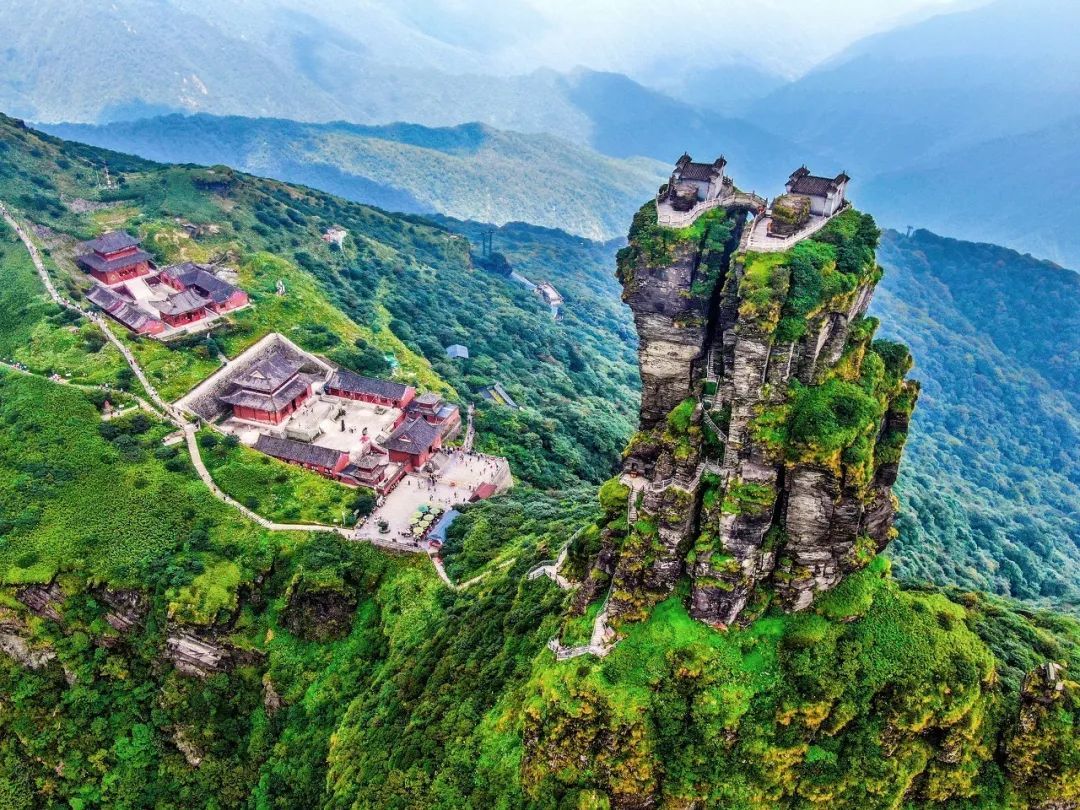
Fanjing Mountain is one of the earliest areas in southern China to rise from sea to land, with rich biodiversity and unique Buddhist cultural landscapes.
Explore rich intangible cultural heritage and traditional crafts
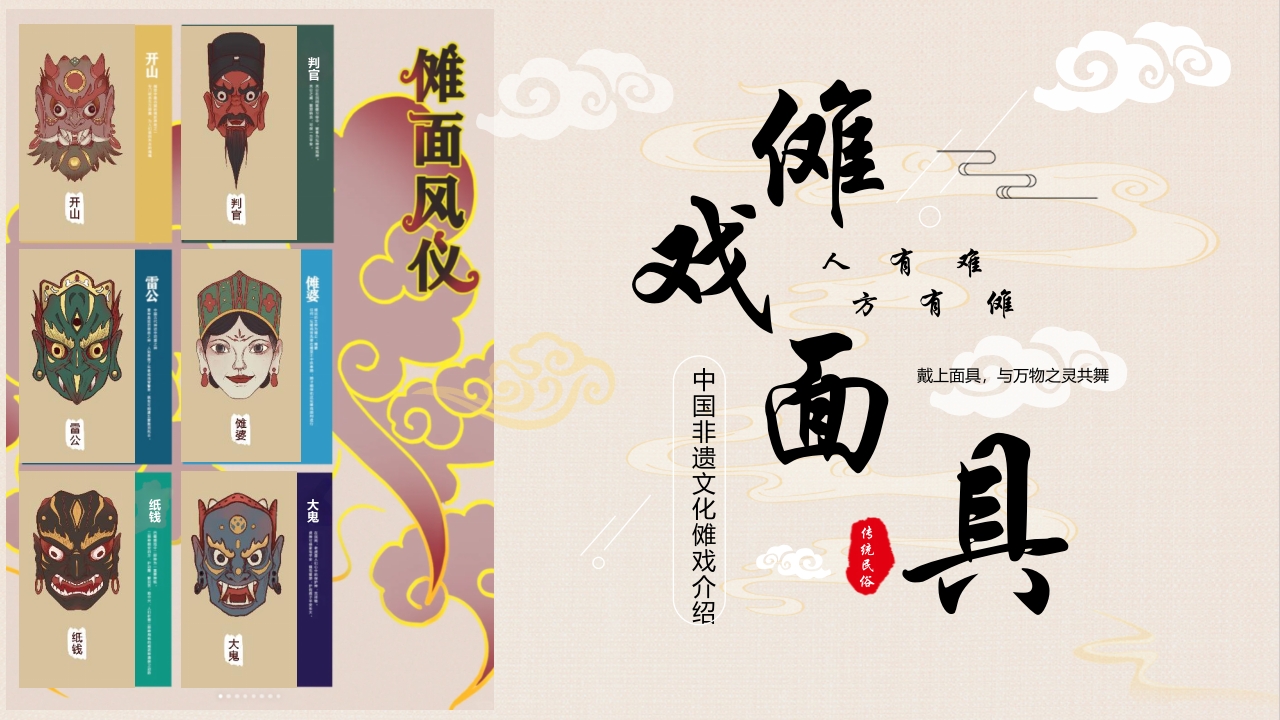
Tongren Nuo Opera is a national intangible cultural heritage, characterized by mask performances, integrating rituals, drama, and dance, known as a 'living fossil' of Chinese opera.
Must-know transportation for exploring the city
About 20km from city center, with flights to major cities like Beijing, Shanghai, Guangzhou, Shenzhen, and Chengdu.
Varies by route
On the Shanghai-Kunming high-speed line, connecting to Guiyang, Changsha, Shanghai, etc. About 1.5 hours to Guiyang.
About 120 RMB to Guiyang
City bus routes cover major attractions and urban areas, fare 1-2 RMB, some routes go directly to Fanjing Mountain.
1-2 RMB
Taste the most authentic and popular local specialties
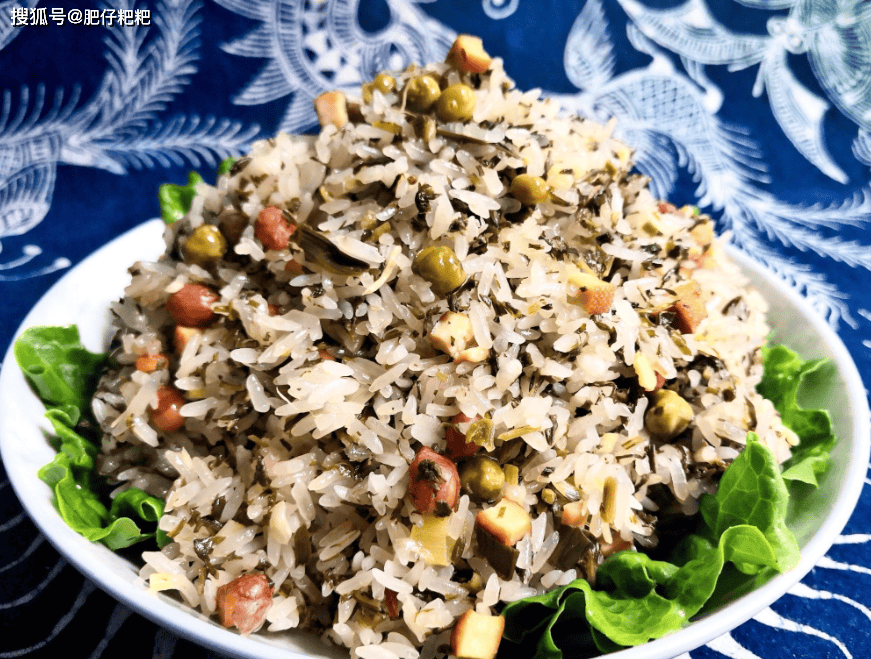
Traditional Tujia food, steamed with glutinous rice, bacon, and wild onion, fragrant and sticky.
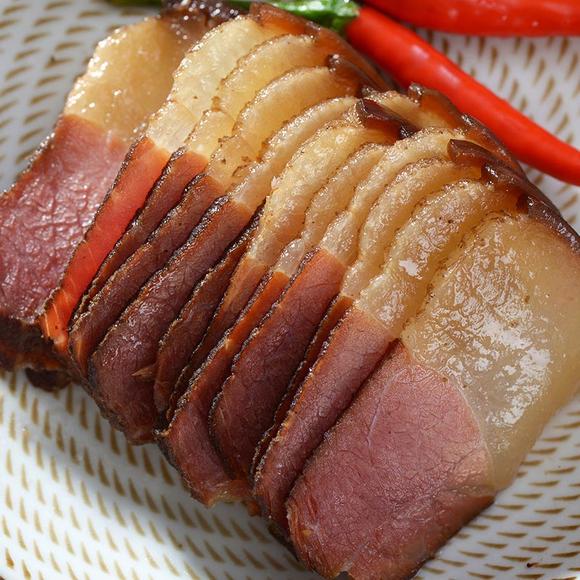
Made from local pigs, smoked with pine and cypress branches, bright red color, fatty but not greasy.
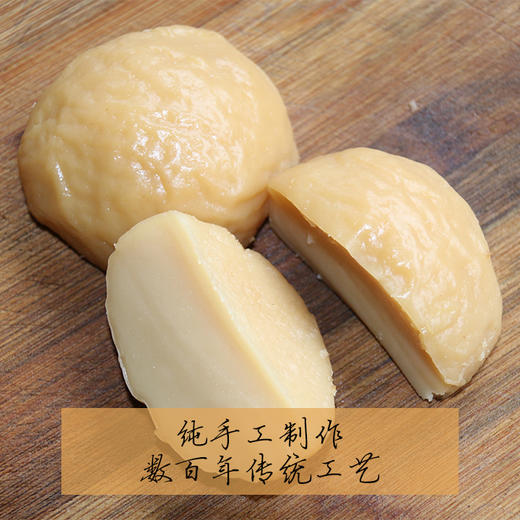
A historical scenic area themed on Ming border city culture, showcasing Tongren's historical role as a key southwestern frontier town.
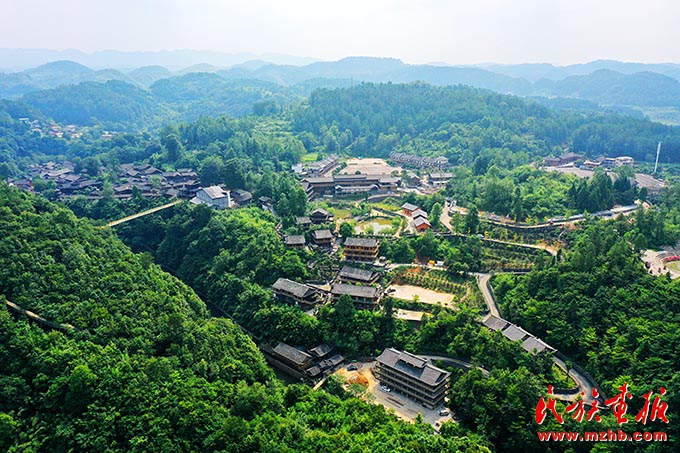
An ancient Miao city with well-preserved Miao architecture, offering experiences of Miao culture and folk performances.
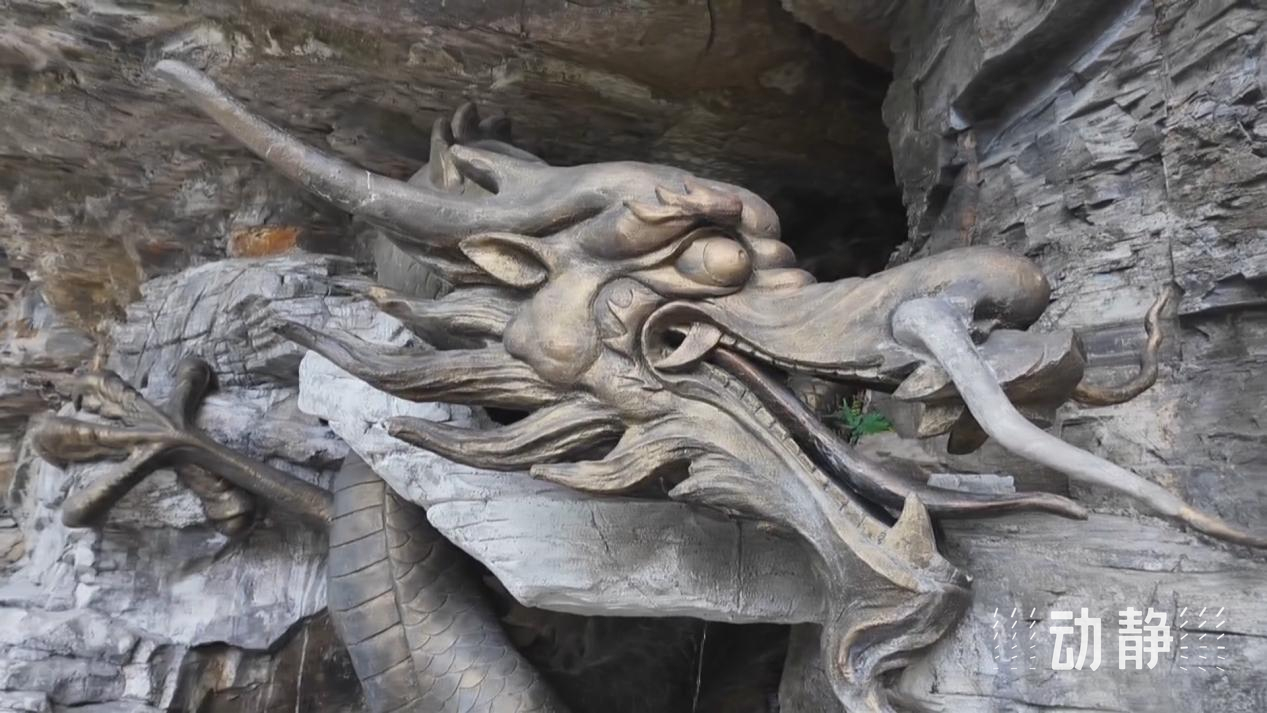
A large karst cave with various stalactites, known as the 'underground Guilin'.
Made from rice, smooth and tender, served with chili oil and pickled vegetables, sour and spicy.
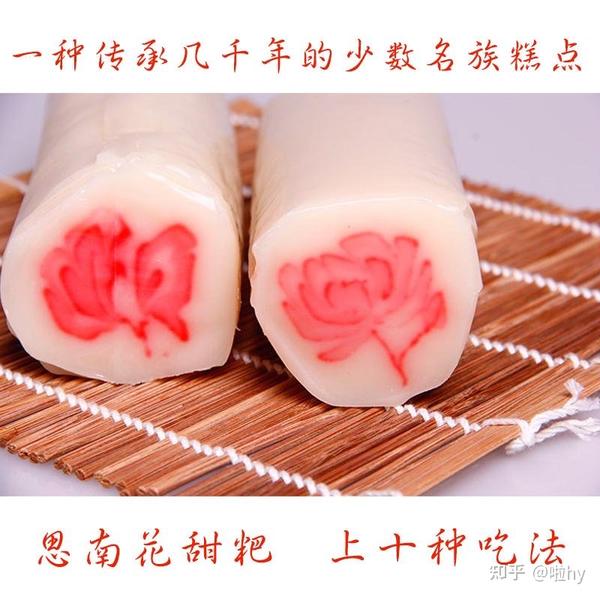
Traditional Tujia pastry made from glutinous rice and sweet wine, patterned on surface, sweet but not cloying.
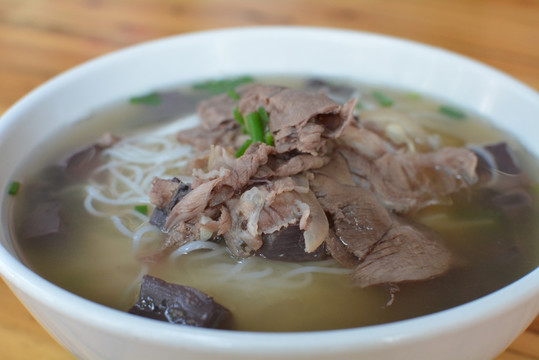
Made with local black goat, fresh soup and tender meat, smooth rice noodles, a local breakfast favorite.