
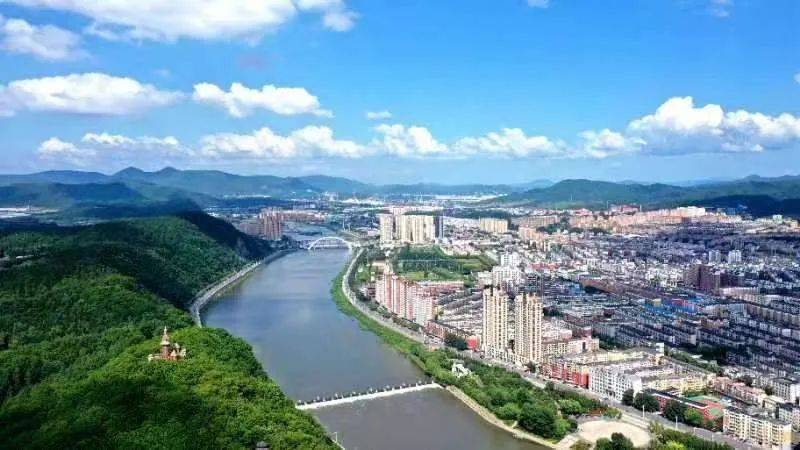
Tonghua is located in the southeastern part of Jilin Province, nestled in the Changbai Mountain range. It borders Baishan City to the east, Liaoning Province to the west, and faces North Korea across the Yalu River to the south. It has a temperate continental monsoon climate with four distinct seasons: long, cold winters and warm, rainy summers.
Tonghua has a long history, with human activity dating back 6,000 years. During the Goguryeo period, it was an important political, economic, and cultural center. In the Qing Dynasty, Tonghua County was established, and it became a city in 1942. In modern times, it was a key area for the Northeast Anti-Japanese United Army.
Tonghua is a multi-ethnic area inhabited by Manchu and Korean minorities, with a diverse culture. Local specialties include Korean hot pot, sour soup, and Korean cold noodles. Tonghua is also a famous wine-producing region in China, known for its wild grape wine.
Tonghua is an important industrial city in Jilin Province, with pillar industries in medicine, food, metallurgy, and building materials. In recent years, tourism has developed rapidly, making it a significant destination for ice and snow tourism and red tourism.
The best time to visit 通化 is Best time to travel is from May to October.
Spring (April-May): Warm weather, flowers bloom, suitable for hiking and outings.
Summer (June-August): Cool climate, a summer resort, can visit Baiji Peak and Wunv Peak.
Autumn (September-October): Clear and crisp autumn weather, with colorful forests, the best season for viewing red leaves.
Goguryeo established its regime in the Tonghua area, making Tonghua an important region.
Tonghua became an important base for the Northeast Anti-Japanese United Army, where General Yang Jingyu fought.
Tonghua was officially established as a city, becoming an important city in Jilin Province.
Recommended places to visit
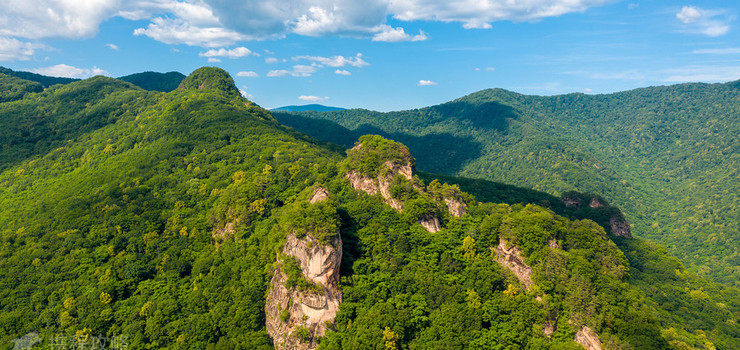
Located in Ji'an, famous for five peaks, beautiful scenery, with red leaves all over the mountains in autumn.
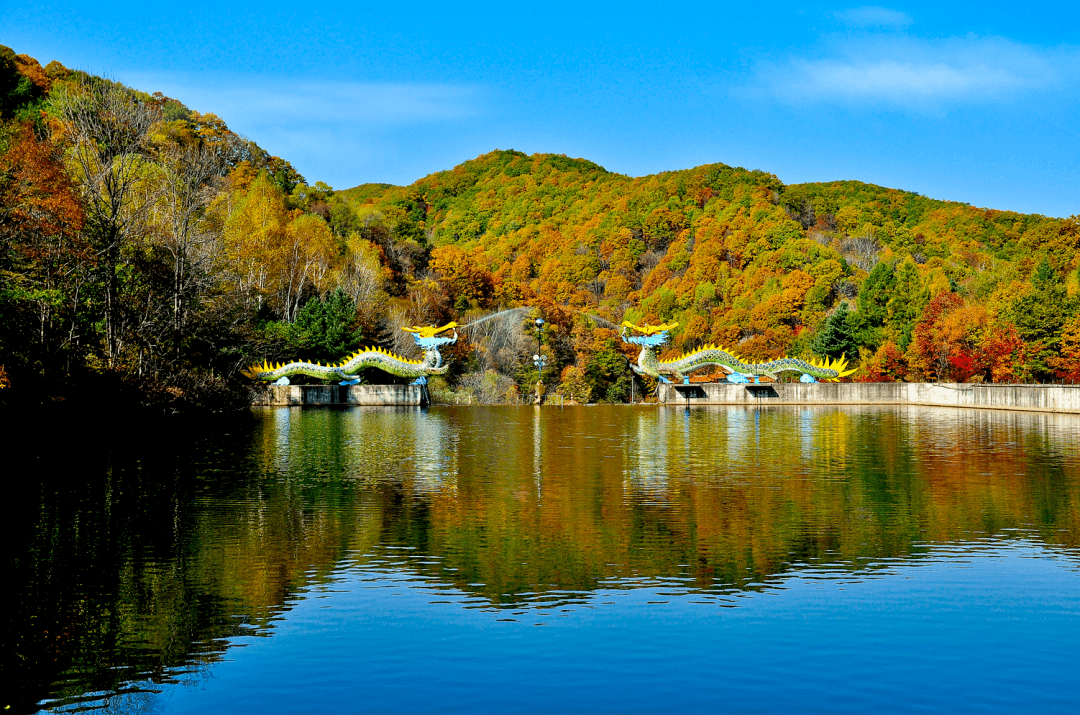
With Baiji Peak as the main peak, dense forest, a summer resort.
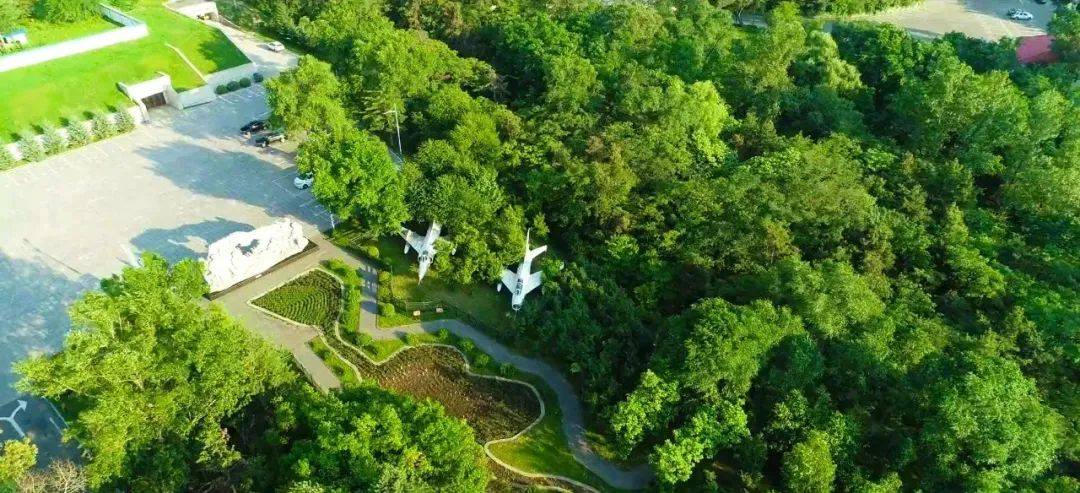
UNESCO World Heritage Sites
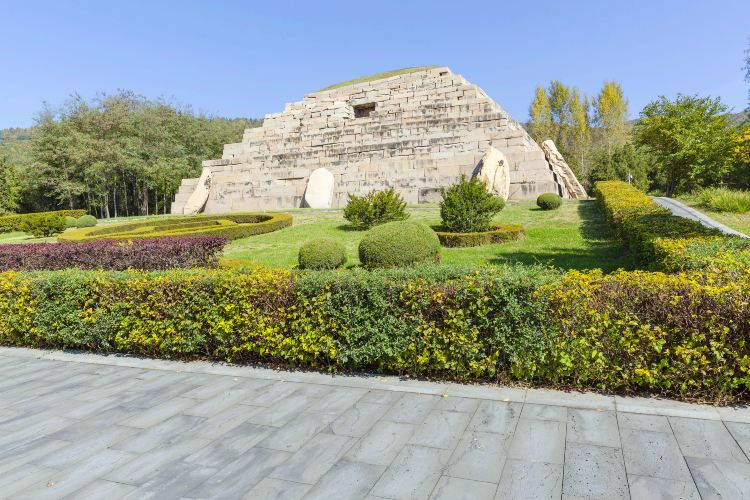
Includes Gungnae City, Wandu Mountain City, General's Tomb, Stele of King Hao Tai, etc., located in Ji'an.
Explore rich intangible cultural heritage and traditional crafts
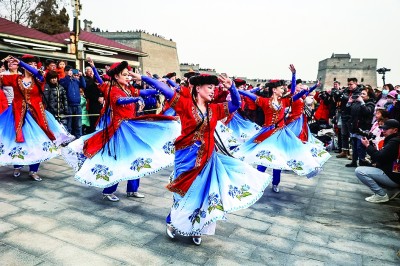
Korean traditional folk dance, usually accompanied by agricultural activities, with lively rhythms.
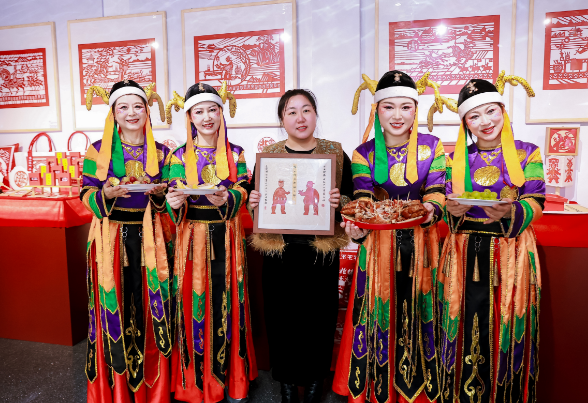
Manchu traditional folk art, patterns often reflect Manchu life and customs.
Must-know transportation for exploring the city
Flights to Beijing, Shanghai, Dalian and other cities.
Varies by route
High-speed and regular trains connecting to Shenyang, Changchun, Beijing, etc.
Varies by train
Cover major attractions in the city, cheap fare.
1-2 CNY
Taste the most authentic and popular local specialties
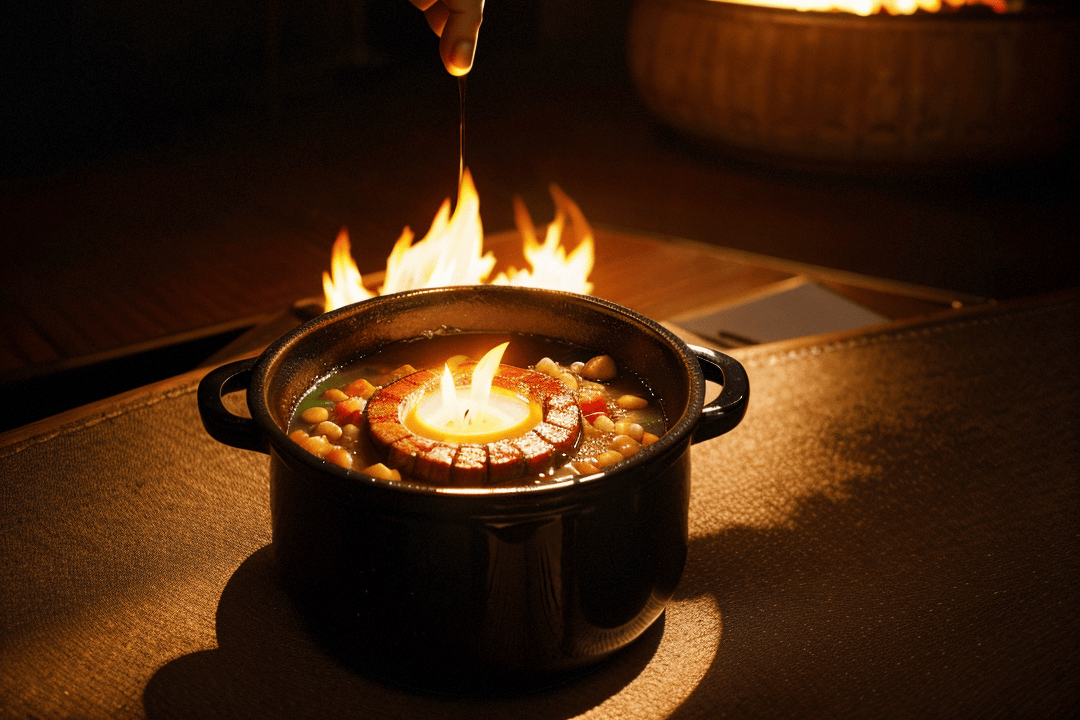
Korean traditional delicacy, grilling various ingredients in a copper pot, spicy and delicious.
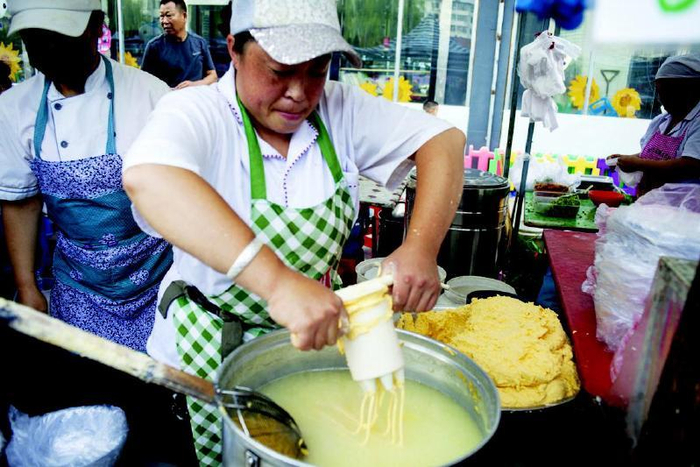
Manchu traditional pasta, noodles made from fermented corn flour, sour and refreshing soup.
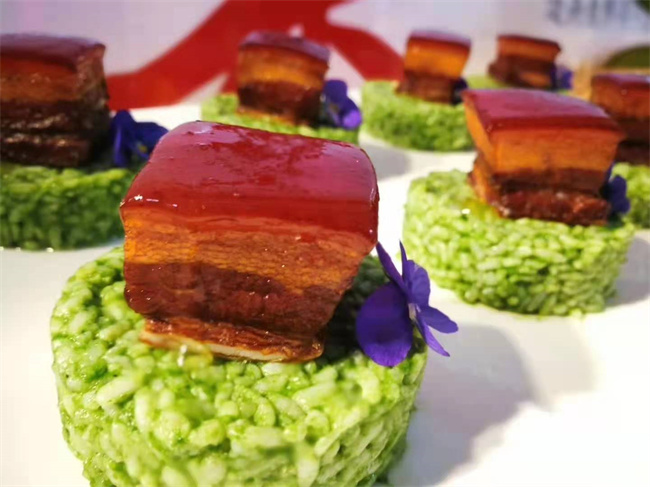
Commemorates the hero of the Northeast Anti-Japanese United Army, Yang Jingyu, a patriotic education base.
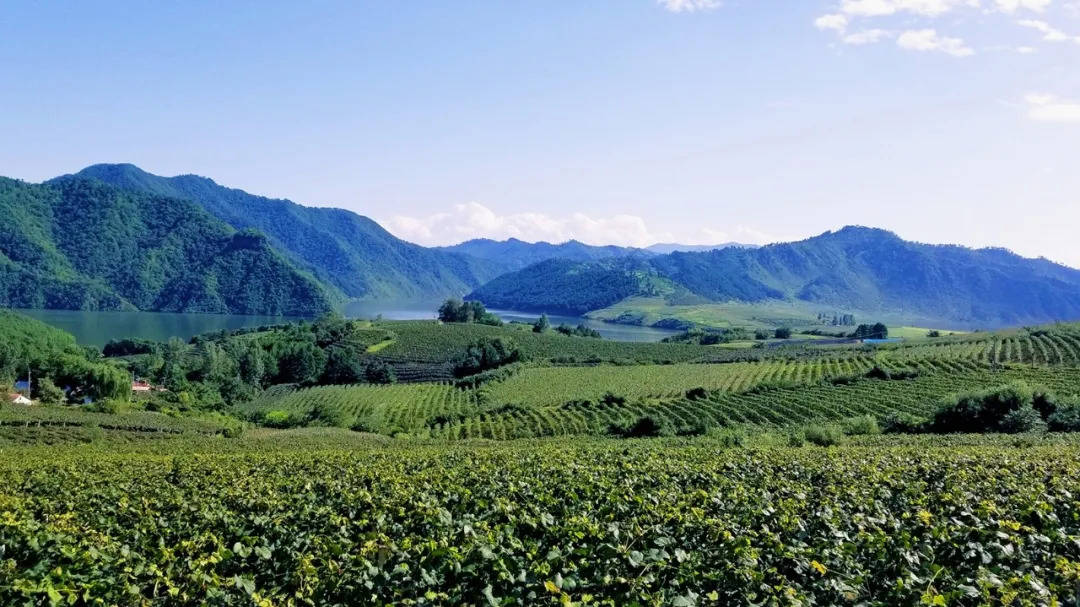
Famous wild grape wine producer in China, visitors can tour the winemaking process and taste.
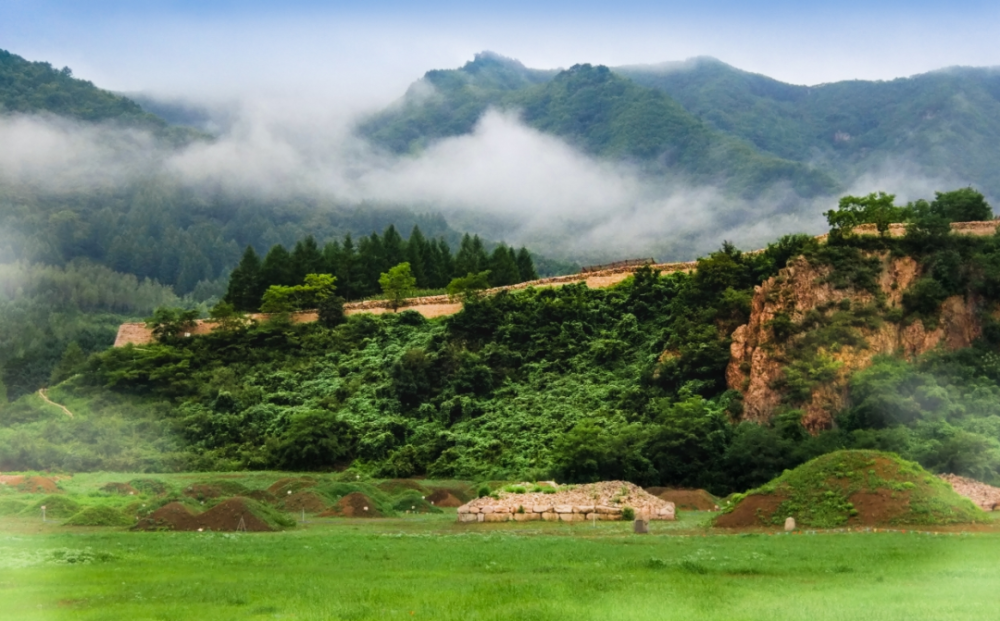
Includes the General's Tomb, the Stele of King Hao Tai, etc., a World Heritage Site.
Buckwheat noodles in cold beef broth, served with kimchi, egg, etc., sweet and sour.
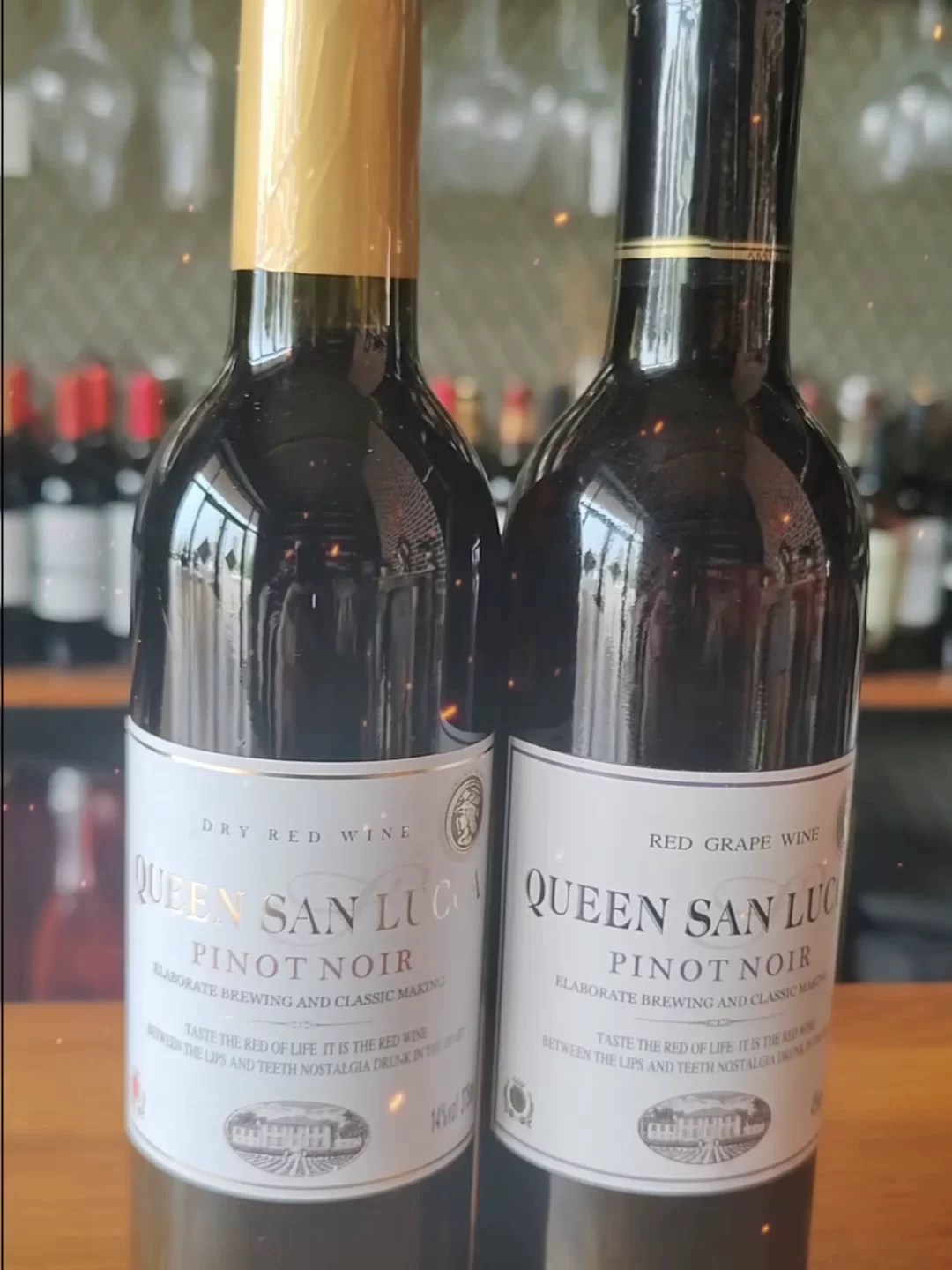
Brewed from wild mountain grapes in Changbai Mountain, deep red color, mellow taste.
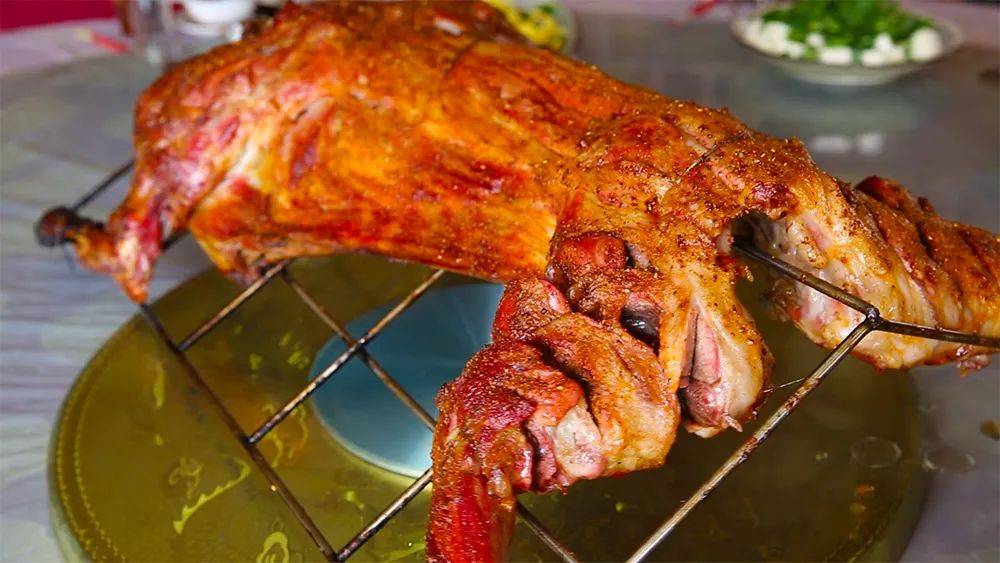
Local fat lamb roasted with special seasonings, crispy outside and tender inside.